
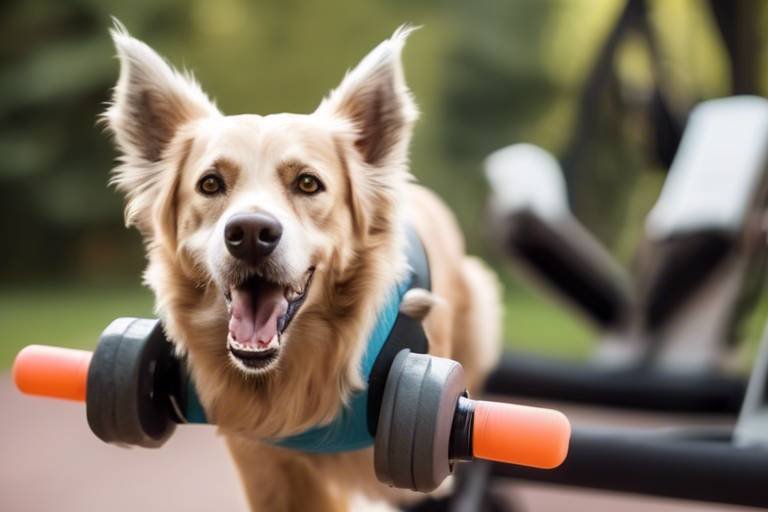
As our furry friends age, it becomes increasingly important to ensure they maintain a healthy and active lifestyle. Regular exercise is not just a luxury for senior dogs; it’s a necessity that plays a crucial role in their overall health and well-being. Think of exercise as the oil that keeps the engine running smoothly. Just like us, senior dogs can experience a range of health issues, including obesity, joint pain, and decreased mobility. By incorporating regular physical activity into their daily routine, we can significantly improve their quality of life.
Imagine your dog, once a sprightly pup, now moving a bit slower and showing signs of fatigue. This is where the magic of exercise comes into play! It’s not just about keeping them fit; it’s about enhancing their mood, keeping their minds sharp, and ensuring they enjoy their golden years to the fullest. Regular activity can help combat issues like anxiety and depression, which can often creep in as dogs age. When you see your dog wagging their tail with excitement to go for a walk or play a game, it’s a clear sign that they are not just physically active but also mentally engaged.
Moreover, exercise helps to maintain a healthy weight, which is vital for preventing various health problems. Did you know that obesity can lead to diabetes, heart disease, and even arthritis in senior dogs? By keeping them active, you’re not just prolonging their life; you’re enhancing their overall happiness and vitality. The benefits of regular exercise for senior dogs are numerous and undeniable, making it essential for every pet owner to prioritize this aspect of their care.
In the following sections, we’ll dive deeper into the specific benefits of exercise, explore suitable types of activities, and share valuable tips for creating a routine that works for both you and your senior dog. So, let’s get those tails wagging and paws moving!
Benefits of Exercise for Senior Dogs
Regular exercise is not just a luxury for senior dogs; it is a necessity that plays a pivotal role in their overall health and happiness. As our furry friends age, they face various challenges, including declining mobility, weight gain, and even mood changes. By incorporating consistent physical activity into their daily routine, we can combat these issues and enhance their quality of life. Think of exercise as a magic potion that revitalizes their spirit and keeps their bodies in check.
One of the most significant benefits of exercise for senior dogs is improved mobility. Regular activity helps maintain joint flexibility and muscle strength, which can diminish with age. Just like humans, dogs need to keep moving to prevent stiffness. Imagine a rusty old gate that creaks and groans when you try to open it; that’s what happens to a dog’s joints without movement. A simple stroll around the block can work wonders in keeping their joints lubricated and functioning smoothly.
Moreover, engaging in physical activity can lead to an enhanced mood. Have you ever noticed how a brisk walk can lift your spirits? The same goes for dogs! Exercise releases endorphins, which are natural mood lifters. When senior dogs get their daily dose of exercise, they are less likely to exhibit signs of anxiety or depression. Instead, they become more playful and eager to explore their surroundings, bringing joy not just to themselves but to their owners as well.
Another important aspect is better overall health. Regular exercise helps regulate weight, reducing the risk of obesity-related health problems such as diabetes and heart disease. It also promotes better digestion and can even extend their lifespan. Just like a well-tended garden flourishes, a dog that receives ample exercise is more likely to thrive. With a healthy weight and active lifestyle, senior dogs can enjoy their golden years to the fullest.
To summarize, the benefits of exercise for senior dogs can be encapsulated in the following points:
- Improved Mobility: Keeps joints flexible and muscles strong.
- Enhanced Mood: Releases endorphins that uplift spirits.
- Better Overall Health: Helps maintain a healthy weight and prevents diseases.
By understanding these benefits, pet owners can feel motivated to prioritize their senior dog’s exercise regimen. A little effort goes a long way in ensuring that our beloved companions remain happy, healthy, and full of life.
Types of Suitable Exercises
When it comes to keeping our senior dogs healthy and happy, choosing the right type of exercise is absolutely essential. As dogs age, their bodies undergo various changes, making it crucial to engage them in activities that are both enjoyable and safe. Low-impact exercises can keep their joints flexible and muscles strong without the risk of injury. Here are some popular types of exercises that are particularly suitable for our furry friends in their golden years.
One of the best forms of exercise for senior dogs is walking. This simple activity not only promotes cardiovascular health but also allows your dog to explore the world around them. Imagine your dog sniffing the grass, wagging their tail, and meeting other four-legged friends along the way! However, it’s important to remember that short, frequent walks can be more beneficial than longer, strenuous ones. These shorter jaunts help prevent fatigue and keep your dog engaged without overwhelming them.
Another excellent option is swimming. This low-impact exercise is fantastic for senior dogs, especially during the warmer months. Swimming allows them to move freely without putting stress on their joints. Just picture your dog paddling happily in the water, enjoying the coolness while getting a great workout! If you have access to a dog-friendly pool or a calm lake, consider introducing your senior dog to swimming as part of their exercise routine.
In addition to walking and swimming, gentle play can also be incorporated into your dog’s exercise regimen. Activities like fetch can be modified for senior dogs by using softer toys or playing in a smaller area to reduce the strain on their joints. It’s all about keeping it light and fun! You can even create a little obstacle course in your backyard using soft items that your dog can navigate through at their own pace.
To give you a better idea of how to structure these activities, here’s a quick table summarizing the types of suitable exercises and their benefits:
| Type of Exercise | Benefits |
|---|---|
| Walking | Improves cardiovascular health, maintains weight, encourages social interaction. |
| Swimming | Low-impact exercise, great for joint health, cools off during hot weather. |
| Gentle Play | Provides mental stimulation, encourages bonding, keeps dogs active. |
Ultimately, the goal is to keep your senior dog moving and engaged in a way that suits their individual needs. Always pay attention to their energy levels and adjust the type and duration of activities accordingly. With the right approach, you can help your senior dog enjoy a fulfilling and active life!
Walking
Walking is not just a basic activity for senior dogs; it’s a gateway to a healthier, happier life. Imagine your furry friend, tail wagging, as they trot alongside you, soaking in the sights and sounds of the world. Each step they take is a step towards improved cardiovascular health and enhanced mobility. Regular walks can significantly help in maintaining a healthy weight, which is crucial for preventing various health issues that often plague older dogs.
When you take your senior dog for a walk, you’re not only providing them with physical exercise but also a chance for social interaction. Whether it’s meeting other dogs or greeting friendly neighbors, these interactions can stimulate their mind and keep them engaged. But remember, the key to successful walking is to keep it enjoyable and safe. So, how do you make the most out of these walks?
Here are some tips to enhance your walking experience:
- Start Slow: Begin with shorter distances and gradually increase as your dog’s stamina improves.
- Choose the Right Time: Early mornings or late evenings are ideal to avoid the heat, especially during summer months.
- Use a Comfortable Harness: A well-fitted harness can provide better control and comfort for your dog.
- Keep an Eye on Their Energy Levels: Watch for signs of fatigue or discomfort, and be ready to take breaks.
Short walks can be more beneficial than long ones. Think of it as a leisurely stroll through a beautiful park rather than a marathon. Frequent, shorter walks help prevent your dog from becoming fatigued and allow them to enjoy the experience without the risk of injury. This approach not only keeps their joints safe but also ensures that they remain mentally stimulated and engaged.
Incorporating walking into your senior dog’s routine is essential. It’s like giving them a daily dose of happiness wrapped in fresh air and adventure. So, grab that leash, step outside, and watch your senior dog flourish with every step you take together. After all, every walk is an opportunity to bond and create wonderful memories that will last a lifetime.
Benefits of Short Walks
When it comes to keeping our senior dogs active, short walks can be surprisingly powerful. You might be wondering, why not just take them on one long trek? Well, senior dogs, just like us, have their limits. Short walks help prevent fatigue and reduce the risk of injury, making exercise not only more enjoyable but also safer for our furry friends. Imagine taking a leisurely stroll through the park, breathing in the fresh air, and enjoying the sights and sounds; that’s what these short walks can offer your dog!
Furthermore, regular short walks can significantly improve your dog’s mobility. As they age, their joints may become stiffer, and their energy levels may drop. By engaging in shorter, more frequent walks, you can help maintain their joint flexibility and muscle strength. It’s like giving them a gentle nudge to keep moving without overwhelming them. Each little jaunt can be an adventure, allowing them to sniff around and explore their environment, which is crucial for their mental stimulation.
Another fantastic benefit of short walks is the opportunity for socialization. Senior dogs often enjoy meeting other dogs and people, and these brief outings can help them stay connected with their community. It’s a great way for them to keep their spirits high, as a simple wag of the tail or a friendly sniff can brighten their day. Plus, it allows you, as a pet owner, to meet fellow dog lovers and share tips and experiences.
In addition to the physical and social benefits, short walks can also play a crucial role in managing your dog’s weight. Obesity is a common issue among senior dogs, leading to various health problems. By incorporating short walks into their daily routine, you can help them burn calories and maintain a healthy weight. Remember, a healthy dog is a happy dog!
To sum it up, short walks are a fantastic way to keep your senior dog active and engaged without overexerting them. They promote physical health, enhance mood, and foster social connections, all while being gentle on their aging bodies. So, lace up those walking shoes and grab your dog’s leash – those little adventures await!
- How often should I take my senior dog for short walks? Aim for multiple short walks each day, depending on your dog’s energy levels and health condition. Even 10-15 minute walks can be beneficial.
- What time of day is best for walking my senior dog? Early morning or late evening is often best to avoid the heat of the day. Pay attention to your dog’s comfort and adjust accordingly.
- Should I consult a vet before starting a walking routine? Yes, it’s always a good idea to consult your veterinarian to tailor an exercise plan that suits your dog’s specific needs and health status.
Walking Safety Tips
When it comes to walking your senior dog, safety should always be your top priority. Just like us, our furry friends can face challenges as they age, and being mindful of their needs can make all the difference. First and foremost, consider using a harness instead of a collar. A harness distributes pressure more evenly across their body, reducing the risk of injury, especially for dogs with neck or back issues.
Moreover, it’s essential to monitor the weather conditions. For instance, hot pavement can be harsh on their paws. To check if the ground is too hot, simply place your hand on the pavement for a few seconds. If it’s uncomfortable for you, it’s likely too hot for your dog. During warmer months, early morning or late evening walks can be ideal to avoid the heat of the day.
Another critical aspect to consider is your dog’s energy levels. Pay attention to their behavior during walks. If you notice signs of fatigue, such as lagging behind or excessive panting, it’s time to take a break. Short, frequent walks are often more beneficial than long treks, allowing your senior dog to enjoy their time outside without overexertion.
Additionally, always keep a close eye on your surroundings. Watch out for potential hazards such as other dogs, bicycles, or uneven terrain that could lead to falls. If your dog is easily distracted or tends to pull on the leash, practicing leash training can provide more control and make walks safer for both of you.
Lastly, consider carrying water for both you and your dog, especially on warm days. Staying hydrated is crucial, and having a portable water bowl can help ensure your furry friend doesn’t get dehydrated during your adventures together.
Q: How often should I walk my senior dog?
A: Ideally, senior dogs should have short walks at least once or twice a day, depending on their energy levels and health conditions. Always consult your veterinarian for personalized advice.
Q: What signs indicate my dog is tired during a walk?
A: Look for signs such as lagging behind, excessive panting, or reluctance to continue walking. If your dog shows any of these signs, it’s best to take a break.
Q: Can I let my senior dog off-leash during walks?
A: It depends on your dog’s training and behavior. If they have a reliable recall and are in a safe area, off-leash walking can be enjoyable. However, always prioritize their safety and be cautious of potential dangers.
Q: Are there specific types of harnesses recommended for senior dogs?
A: Yes, look for harnesses that provide support and are easy to put on. A front-clip harness can help reduce pulling, while a padded harness can offer extra comfort.
Swimming
Swimming is not just a refreshing way for senior dogs to cool off; it’s an incredible low-impact exercise that offers a multitude of benefits. For our furry friends, especially as they age, maintaining physical activity can become challenging due to joint pain or reduced mobility. Swimming provides a unique solution, allowing dogs to engage in exercise without the harsh impact on their joints that comes with activities like running or jumping.
Imagine your dog gliding through the water, their body buoyed by the liquid, allowing them to stretch and move freely. This activity not only promotes cardiovascular health but also strengthens muscles and improves flexibility. Plus, the water’s buoyancy supports their weight, making it an ideal environment for those with arthritis or other mobility issues.
One of the best parts about swimming is that it can be a fun bonding experience between you and your dog. Whether you’re at a local dog-friendly pool, a lake, or even the ocean, the joy of splashing around together can lift both your spirits. Just think about how happy your dog looks when they leap into the water! It’s a sight that can melt any pet owner’s heart.
However, it’s essential to ensure that your senior dog is safe while swimming. Here are some tips to keep in mind:
- Always supervise your dog while they swim to prevent any accidents.
- Consider using a dog life jacket, especially if they are not strong swimmers or are new to the water.
- Make sure the water temperature is comfortable; too cold or too hot can be harmful.
- After swimming, rinse your dog off to remove any chlorine or saltwater, which can irritate their skin.
Incorporating swimming into your senior dog’s exercise routine can be a game-changer. It not only keeps them physically fit but also enhances their mental well-being. So next time you’re looking for a way to engage your furry friend, consider taking a dip together. It’s an opportunity for fun, exercise, and quality time that both of you will cherish!
Q: How often should my senior dog swim?
A: Ideally, aim for 2-3 swimming sessions per week, adjusting based on your dog’s comfort and energy levels.
Q: Can all dogs swim?
A: Not all dogs are natural swimmers. Breeds with short legs or heavy bodies may struggle, so always assess their comfort in the water.
Q: What should I do if my dog seems scared of the water?
A: Introduce them slowly to the water, using positive reinforcement like treats and praise to build their confidence.
Signs Your Dog Needs More Exercise
As a loving pet owner, it’s essential to be attuned to your senior dog’s needs, especially when it comes to their physical activity. Just like humans, dogs can show subtle signs that indicate they might need more exercise. Recognizing these signs can help you make necessary adjustments to their routine, ensuring they lead a healthier and happier life. So, what should you be looking for?
One of the first signs that your dog may need more exercise is a noticeable change in their behavior. If your once energetic pup is now spending more time lounging around or seems uninterested in their favorite activities, it might be time to shake things up a bit. Dogs are creatures of habit, and a sudden shift in energy levels can indicate boredom or lethargy. It’s crucial to keep an eye on their enthusiasm for playtime and walks. If they seem disinterested, consider introducing new activities to rekindle their excitement.
Another significant indicator is weight gain. Just like us, dogs can struggle with maintaining a healthy weight, especially as they age. If you notice your senior dog has gained a few extra pounds, it could be a sign that they are not getting enough exercise. Regular physical activity is vital for weight management and can help prevent obesity-related health issues, such as diabetes and joint problems. If you suspect your dog is overweight, consult with your veterinarian to develop a suitable exercise plan.
Additionally, keep an eye on their mobility. If your dog is having trouble getting up from a resting position, struggles to climb stairs, or seems stiff after resting, these could be warning signs that they need more gentle exercise to maintain their joint health. Regular, low-impact activities like walking or swimming can help improve their range of motion and alleviate stiffness. Remember, exercise doesn’t just keep them fit; it also enhances their overall quality of life.
To summarize, here are some key signs that your senior dog might need more exercise:
- Increased lethargy or disinterest in activities
- Weight gain or difficulty maintaining a healthy weight
- Decreased mobility or stiffness after resting
By being aware of these signs and making adjustments to your dog’s exercise routine, you can help them stay active and engaged. Regular exercise not only benefits their physical health but also boosts their mental well-being, leading to a happier, more fulfilled life. So, grab that leash or find a splash pad, and let’s get our furry friends moving!
Q: How much exercise does a senior dog need?
A: The amount of exercise varies by breed, size, and health condition, but generally, senior dogs benefit from 30 minutes to an hour of gentle exercise each day, broken into shorter sessions.
Q: What are some low-impact exercises for senior dogs?
A: Low-impact exercises include walking, swimming, and gentle play. Always consult your vet for personalized recommendations based on your dog’s health.
Q: How can I tell if my dog is overexerting themselves?
A: Watch for signs of fatigue, excessive panting, limping, or reluctance to continue. If your dog shows any of these signs, it’s important to take a break and allow them to rest.
Behavioral Changes
As our beloved canine companions age, it’s not uncommon to notice some that can indicate a need for more exercise. Just like humans, dogs can become less energetic and more prone to boredom as they grow older. If your once playful pup now seems more lethargic or uninterested in their favorite activities, it might be time to reassess their exercise routine. A sudden shift in behavior can be a clear signal that your senior dog is craving more physical activity.
For instance, if your dog used to eagerly await their daily walks but now lingers by the door with little enthusiasm, this could be a sign that they are feeling the effects of aging and may require a gentle nudge to get moving again. Dogs thrive on routine, so if their daily activities have become stagnant, they might express their dissatisfaction through boredom or even anxiety. This is where regular exercise can play a pivotal role in improving their mood and overall well-being.
It’s essential to observe any changes in your dog’s behavior closely. Here are some common signs that your senior dog might need more exercise:
- Lethargy: If your dog is sleeping more than usual or seems disinterested in playtime, it could be a sign that they need more stimulation.
- Anxiety or Restlessness: Increased anxiety or restlessness can indicate that your dog is not getting enough physical or mental exercise.
- Destructive Behavior: Dogs that are bored may resort to chewing on furniture or other items, signaling a need for more engagement.
By recognizing these behavioral changes, you can take proactive steps to incorporate more exercise into your dog’s daily life. Remember, the goal is not just to keep them physically fit, but also to enhance their mental stimulation and overall happiness. Engaging in regular activities can help combat feelings of boredom and depression, leading to a more vibrant and fulfilling life for your senior dog.
Q: How much exercise does a senior dog need?
A: The amount of exercise varies by breed and health condition, but generally, senior dogs benefit from 20-30 minutes of gentle activity daily.
Q: What if my senior dog has health issues?
A: Always consult your veterinarian before starting a new exercise routine. They can recommend safe activities tailored to your dog’s specific health needs.
Q: Can I take my senior dog swimming?
A: Yes! Swimming is a fantastic low-impact exercise for senior dogs, as it is gentle on their joints while providing a great workout.
Q: How can I tell if my dog is getting enough exercise?
A: Signs of adequate exercise include a happy demeanor, a healthy weight, and a willingness to engage in play. If your dog seems restless or bored, they may need more activity.
Weight Management
Managing your senior dog’s weight is not just about aesthetics; it’s a crucial aspect of their overall health and longevity. Just like us, dogs can struggle with weight gain as they age, primarily due to a decrease in metabolism and activity levels. Regular exercise plays a significant role in keeping their weight in check, but it’s equally important to monitor their diet. A healthy weight helps prevent a range of health issues, including joint problems, diabetes, and heart disease.
To effectively manage your senior dog’s weight, consider these key factors:
- Portion Control: Measure your dog’s food to avoid overfeeding. Consult your veterinarian for specific recommendations based on your dog’s size and health needs.
- Quality of Food: Choose high-quality dog food that is appropriate for seniors. Look for options that are lower in calories but high in essential nutrients.
- Regular Monitoring: Weigh your dog regularly to track their weight. A sudden increase can signal a need for dietary adjustments or increased exercise.
In addition to exercise, engaging your dog in activities that stimulate their mind can also help with weight management. Puzzle toys or treat-dispensing toys can keep your dog active and mentally engaged, making them less likely to overeat out of boredom.
Remember, every dog is unique. Factors such as breed, size, and health conditions can influence their weight management needs. Always consult with your veterinarian to create a tailored plan that works best for your furry friend. By keeping a close eye on their weight and incorporating regular exercise, you can help your senior dog lead a healthier, happier life.
- How often should I exercise my senior dog? It depends on your dog’s health and energy levels. Generally, short walks several times a day are beneficial.
- What signs indicate my dog is overweight? Look for a lack of waist when viewed from above, difficulty in feeling their ribs, or less energy than usual.
- Can my senior dog still play fetch? Yes, but you should modify the game to ensure it’s low-impact and doesn’t strain their joints.
Creating a Routine
Establishing a consistent exercise routine for your senior dog is not just a good idea; it’s essential for their well-being. Just like humans, dogs thrive on structure and predictability. When you create a routine, you’re not only helping your furry friend stay physically active, but you’re also providing them with a sense of security and comfort. Imagine how you feel when you know what to expect each day; it’s a little like having a cozy blanket wrapped around you. Your dog feels that same warmth when they have a reliable schedule!
To create an effective routine, it’s crucial to consider your dog’s individual needs, including their age, health status, and energy levels. For instance, if your dog has arthritis, you might want to focus on low-impact activities like walking or swimming, while younger seniors might enjoy more vigorous play. A good routine should include a mix of activities that promote both physical and mental engagement. This could look something like this:
| Day | Activity | Duration |
|---|---|---|
| Monday | Short Walk | 20 minutes |
| Tuesday | Gentle Playtime | 15 minutes |
| Wednesday | Swimming | 30 minutes |
| Thursday | Short Walk | 20 minutes |
| Friday | Interactive Toys | 15 minutes |
| Saturday | Longer Walk | 30 minutes |
| Sunday | Rest Day | – |
Incorporating playtime into your routine is equally important. Dogs, especially seniors, benefit greatly from mental stimulation. Consider setting aside time each day for short play sessions. These could involve gentle tug-of-war with a soft toy or even a game of fetch with a lightweight ball. Just remember, the goal is to keep it fun and low-stress. You don’t want your dog to feel overwhelmed or pushed beyond their limits.
As your dog ages, their exercise needs may change. It’s crucial to remain flexible and adjust the routine based on their energy levels and health conditions. For example, if you notice your dog seems tired after a particular activity, it might be time to scale back or modify that exercise. By tuning into their needs, you ensure that they remain active and engaged without risking injury.
Lastly, don’t forget to celebrate the small victories! Whether it’s a successful walk or a fun play session, acknowledging these moments can reinforce positive behavior and boost your dog’s mood. After all, creating a routine isn’t just about physical health; it’s about nurturing a bond that keeps your senior dog feeling loved and valued.
- How much exercise does a senior dog need? It varies by breed and health, but generally, 30 minutes to an hour of moderate exercise spread throughout the day is beneficial.
- What are the best exercises for senior dogs? Low-impact exercises such as walking, swimming, and gentle play are ideal for senior dogs.
- How can I tell if my senior dog is overexerting themselves? Watch for signs of fatigue, such as excessive panting, lagging behind, or reluctance to continue. Always consult your vet if in doubt.
Incorporating Playtime
Incorporating playtime into your senior dog’s daily routine is not just a fun way to bond; it’s also a vital component of their overall health and well-being. Think of playtime as a delightful mix of exercise and mental stimulation that keeps your furry friend engaged and happy. Just like us, dogs thrive on interaction and activity, and playtime offers a fantastic opportunity to fulfill those needs.
When planning play sessions, consider the types of activities that suit your dog’s physical capabilities. For example, gentle games of fetch or tug-of-war can be adapted to accommodate a senior dog’s energy levels. Instead of long, vigorous play sessions, aim for shorter bursts of activity that allow your dog to rest and recover. This is especially important for older dogs, who may tire more quickly than they did in their youth.
Here are some ideas to help you incorporate playtime effectively:
- Interactive Toys: Invest in toys that encourage gentle play, such as soft balls or puzzle toys that dispense treats. These can keep your dog mentally stimulated while providing a low-impact physical workout.
- Gentle Tug-of-War: Use a soft rope toy for a light game of tug. This can be a great way to engage your dog without overly exerting them.
- Hide and Seek: This classic game can be adapted for dogs. Hide somewhere in your home and call your dog to find you. It’s a fun way to stimulate their natural instincts while keeping the activity low-key.
Moreover, don’t forget the power of **social play**. If your dog enjoys the company of other dogs, organizing playdates with compatible canine friends can provide a great outlet for energy and social interaction. Just be sure to supervise these interactions to ensure they remain safe and enjoyable for all involved.
As you integrate more playtime into your dog’s routine, pay close attention to their reactions. Are they excited and engaged, or do they seem fatigued? Adjust the intensity and duration of play based on your dog’s feedback. Remember, the goal is to keep them active without overdoing it, ensuring that playtime remains a positive experience.
In summary, incorporating playtime into your senior dog’s life is essential for their physical and mental health. By choosing suitable activities, monitoring their energy levels, and being attentive to their needs, you can create a joyful and enriching environment that fosters both fun and fitness.
Q: How much playtime does my senior dog need?
A: It varies depending on your dog’s health and energy levels, but aim for at least 15-30 minutes of gentle play spread throughout the day.
Q: What types of toys are best for senior dogs?
A: Soft, easy-to-grip toys are ideal. Look for interactive toys that stimulate their minds without requiring too much physical exertion.
Q: Can my senior dog play with younger dogs?
A: Yes, but supervision is key. Ensure that the younger dog is gentle and that your senior dog is comfortable with the interaction.
Q: How do I know if my dog is tired or in pain?
A: Watch for signs such as heavy panting, reluctance to continue playing, or changes in behavior. If you notice any concerning signs, consult your vet.
Adjusting to Their Needs
As our furry friends age, their needs evolve, and it’s crucial for pet owners to adjust their exercise routines accordingly. Just like a fine wine, senior dogs require a little more care and attention to flourish in their golden years. You might notice that your once energetic pup is now taking a bit longer to get up from their cozy spot on the couch. That’s perfectly normal! The key is to observe and adapt to these changes rather than sticking to a rigid exercise plan.
One of the first steps in adjusting to your senior dog’s needs is to pay attention to their energy levels. Are they still excited about their daily walks, or do they seem to drag their paws? If your dog is showing signs of fatigue or reluctance, it may be time to shorten the duration of their walks or incorporate more rest periods. Remember, it’s not about how far they go, but the quality of their experience. Think of it as a leisurely stroll through a beautiful park rather than a marathon!
Additionally, it’s essential to take into account any health conditions your dog may be facing. Conditions such as arthritis or hip dysplasia can significantly impact their ability to exercise comfortably. If your dog has specific health issues, consult your veterinarian to tailor an exercise plan that suits their individual needs. Sometimes, a simple alteration—like switching from a brisk walk to a gentle swim—can make all the difference.
Another important factor is their preferences. Just like humans, dogs have their likes and dislikes. Some may prefer the thrill of chasing a ball, while others might enjoy a calm stroll in the park. Experiment with various activities to find what your senior dog enjoys the most. You might be surprised to discover that they have a hidden talent for swimming or a newfound love for gentle tug-of-war games!
To help you keep track of your senior dog’s changing needs, consider creating a simple
| Day | Activity | Duration | Notes |
|---|---|---|---|
| Monday | Gentle Walk | 15 minutes | Seemed energetic |
| Tuesday | Swimming | 20 minutes | Enjoyed cooling off |
| Wednesday | Short Play Session | 10 minutes | Needed more breaks |
| Thursday | Rest Day | N/A | Recovery time |
| Friday | Leisurely Stroll | 30 minutes | Happy and engaged |
Lastly, remember that patience is key. Adjusting to their needs may take time, and it’s important to be flexible. Celebrate the small victories, whether it’s a longer walk or a new game they love. By being attentive and responsive to your senior dog’s requirements, you’ll not only keep them physically active but also mentally stimulated and emotionally fulfilled. After all, a happy dog leads to a happy owner!
- How often should I exercise my senior dog? – It depends on their health and energy levels, but aim for short, frequent sessions rather than long, exhausting ones.
- What types of exercises are best for senior dogs? – Low-impact activities such as walking, swimming, and gentle play are ideal.
- How can I tell if my dog is overexerting themselves? – Watch for signs of fatigue, such as lagging behind, excessive panting, or reluctance to continue.
- Should I consult a vet before starting an exercise routine? – Yes, it’s always a good idea to get professional advice, especially if your dog has existing health issues.
Frequently Asked Questions
- Why is regular exercise important for senior dogs?
Regular exercise is crucial for senior dogs because it helps maintain their mobility, keeps their weight in check, and enhances their overall mood. Just like humans, dogs benefit from staying active, which can lead to a healthier and happier life in their golden years.
- What types of exercises are suitable for senior dogs?
Low-impact exercises are the best choice for senior dogs. Activities like walking, swimming, and gentle play provide essential physical benefits without putting too much strain on their joints. It’s all about keeping it fun and safe!
- How often should I walk my senior dog?
Short, frequent walks are often more beneficial than long ones. Aim for several short walks throughout the day to keep your dog active and engaged while preventing fatigue or injury. It’s like taking little strolls in the park instead of a marathon!
- What signs indicate my senior dog needs more exercise?
Watch for behavioral changes like increased lethargy, signs of boredom, or weight gain. If your dog seems less energetic or is putting on extra pounds, it might be time to ramp up their exercise routine to keep them healthy and happy.
- Can swimming be beneficial for senior dogs?
Absolutely! Swimming is a fantastic low-impact exercise that allows senior dogs to stay active without straining their joints. Plus, it’s a great way to cool off on a hot day. Just make sure to supervise them while they’re splashing around!
- How can I create a consistent exercise routine for my senior dog?
Establishing a routine is key. Set a schedule for daily walks and playtime, so your dog knows what to expect. This consistency not only helps keep them physically active but also mentally stimulated, leading to a more balanced lifestyle.
- What should I consider when adjusting my dog’s exercise routine?
As dogs age, their energy levels and health conditions may change. It’s important to adjust their exercise routine based on how they feel, their physical capabilities, and their preferences. Always listen to your dog and make modifications as needed!
regular exercise, senior dogs, health benefits, mobility maintenance, weight management, mental stimulation, joint support, quality of life, , regular exercise, senior dogs, health benefits, mobility maintenance, weight management, mental stimulation, joint support, quality of life,
Share this content:
Leave a Reply