
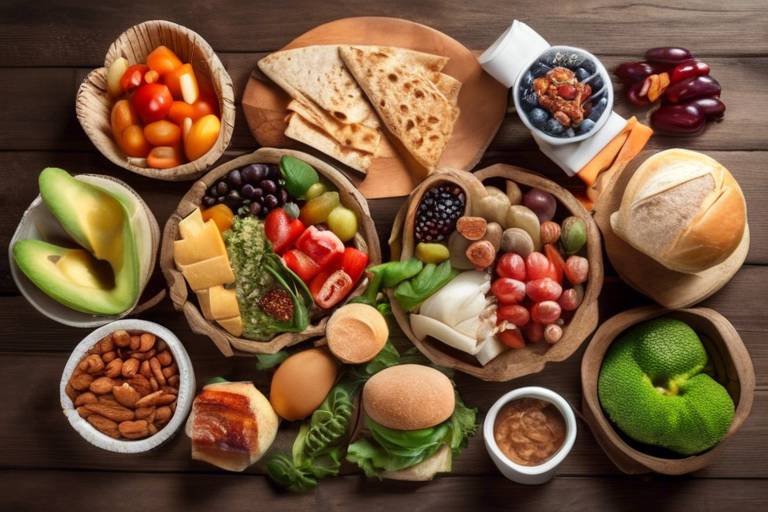
Traveling can be one of the most exhilarating experiences in life, but for those with d dietary restrictions, it can also feel like navigating a minefield. Imagine you’re in a foreign city, surrounded by tantalizing aromas wafting from street vendors, but you’re not sure if you can safely indulge. The good news is that with some thoughtful planning and a bit of creativity, you can enjoy your travels without compromising your health. This article provides essential strategies for travelers with dietary restrictions, offering practical advice on planning, sourcing food, and maintaining health while exploring new destinations.
Before you even think about packing your bags, take a moment to assess your dietary needs. Are you gluten-free, vegan, or perhaps allergic to nuts? Understanding your specific requirements is crucial for effective travel planning. It’s like having a roadmap to your destination; without it, you might find yourself lost in a sea of culinary options that could jeopardize your health. Consider making a list of your dietary restrictions and preferences. This will not only help you communicate your needs but also serve as a reminder of what to look for when you’re on the go.
Once you’ve identified your dietary needs, the next step is to research your destination’s food culture. This is where the adventure begins! Different regions have unique cuisines, and understanding what to expect can make a world of difference. For instance, if you’re traveling to Italy, you might want to look into gluten-free pasta options or vegan-friendly pizzerias. Utilize online resources and travel blogs to find restaurants and markets that cater to your dietary restrictions. Websites like HappyCow for vegans or Find Me Gluten Free for gluten-sensitive travelers can be incredibly helpful.
In today’s digital age, there’s an app for just about everything, including dietary needs. These tools can be lifesavers when you’re in an unfamiliar place. Imagine walking through a bustling city and, with just a few taps on your phone, discovering a nearby restaurant that caters specifically to your dietary restrictions. Here are a few popular apps to consider:
| App Name | Features |
|---|---|
| HappyCow | Find vegan and vegetarian restaurants worldwide. |
| Find Me Gluten Free | Locate gluten-free dining options based on user reviews. |
| Yelp | Filter restaurants by dietary needs and read reviews. |
Another great tip is to connect with local communities. Social media platforms like Facebook and Instagram can be valuable resources for finding recommendations on dietary-friendly options. Join local groups or forums where you can ask questions and get advice from residents who share similar dietary needs. These connections can provide insights that you won’t find in guidebooks.
Once you’ve arrived at your destination, effectively communicating your dietary needs is essential. It’s not just about saying “I’m allergic to peanuts.” Be specific! Prepare a small card in the local language that outlines your restrictions. This can be incredibly helpful when ordering food at restaurants or when staying with hosts. Remember, clarity is key to avoiding any mishaps.
Preparation is key to managing dietary needs on the road. Before you leave, consider packing some healthy snacks. These can be lifesavers during long layovers or road trips. Think about items that are non-perishable and easy to carry, such as nuts, dried fruits, or protein bars. Not only will they keep you energized, but they’ll also ensure you have safe options when food choices are limited.
Bringing your own snacks can prevent hunger and ensure you have safe options. Here are some ideal travel snacks that cater to various dietary needs:
- Trail mix (ensure it’s nut-free if you have allergies)
- Rice cakes with almond butter
- Beef jerky or vegan jerky for protein
- Fruit leather or dried fruits
- Granola bars (check for gluten-free options)
Planning meals in advance can alleviate stress during travel. Create a flexible meal plan that accommodates your dietary restrictions. Consider researching local grocery stores or markets where you can purchase fresh ingredients. This way, you can prepare simple meals that cater to your needs, even while on the go. Think of it as being your own chef, even in a hotel room!
Q: What should I do if I can’t find suitable food options?
A: Always have a backup plan. Carry snacks and research local grocery stores where you can buy safe food.
Q: How can I communicate my dietary needs in a foreign country?
A: Prepare a card with your dietary restrictions in the local language and show it to restaurant staff.
Q: Are there any specific apps you recommend for dietary needs?
A: Yes! Apps like HappyCow and Find Me Gluten Free are excellent for finding suitable dining options.
Understanding Your Dietary Needs
When it comes to traveling, one of the most important aspects to consider is your dietary needs. Whether you’re gluten-free, vegan, or have food allergies, understanding these needs is crucial for a smooth and enjoyable trip. Think of it as packing your suitcase: if you forget something essential, it can lead to a lot of discomfort. Similarly, if you neglect to assess your dietary requirements, you might find yourself in a tricky situation where food options are limited or unsuitable.
The first step in understanding your dietary needs is to identify your specific restrictions. Take some time to think about what you can and cannot eat. Are you lactose intolerant? Do you have a nut allergy? Or perhaps you’re following a specific diet like keto or paleo? Once you’ve pinpointed these requirements, it becomes much easier to plan your meals and communicate your needs to others.
Next, it’s important to communicate your dietary needs clearly. This is especially vital when you’re dining out or staying with friends or family. You might say something like, “I have a gluten allergy, so I need to avoid anything that contains wheat.” Being straightforward can help you avoid misunderstandings and ensure that you get the right food. Remember, most people want to help; they just need to know what you need.
Moreover, consider keeping a list of safe foods that you can reference while traveling. This list can include items that you know are safe for you to eat, as well as potential substitutes. For example, if you’re allergic to dairy, you might list almond milk or coconut yogurt as alternatives. Keeping this handy can make grocery shopping in a new location much easier.
Lastly, understanding your dietary needs also involves being aware of the local cuisine in your destination. Some cultures may have a variety of options that cater to specific dietary restrictions, while others might not. Doing a bit of research beforehand can help you spot potential challenges and prepare accordingly. You might even discover some delicious local dishes that fit your dietary needs!
In summary, understanding your dietary needs is a multifaceted process that involves identifying your restrictions, communicating them effectively, keeping a handy reference list, and researching local food culture. By taking these steps, you can ensure that your travel experience is not only enjoyable but also safe and satisfying.
Researching Destinations
When it comes to traveling with dietary restrictions, researching your destination is not just a good idea—it’s essential! Imagine stepping off the plane and being greeted by a culinary landscape that doesn’t cater to your needs. It can feel like finding yourself in a maze without a map. To avoid this, take the time to understand the local food culture before you embark on your journey. Start by looking up the traditional dishes and common ingredients used in the region. This will give you a clearer picture of what to expect, and more importantly, what to avoid.
Another effective strategy is to seek out restaurants and markets that specifically cater to your dietary needs. Many cities now boast a variety of dining options that are both allergen-friendly and dietary-restriction-conscious. Websites like Yelp and TripAdvisor can be invaluable resources. You can filter reviews based on dietary preferences, making it easier to find places that suit your palate and health requirements. Additionally, don’t overlook the power of social media; platforms like Instagram and Facebook often have local food groups where you can ask for recommendations. It’s like having a personal tour guide right at your fingertips!
To make your research even more effective, consider creating a table of potential dining options. This can help you visualize where to eat and plan your meals accordingly. Here’s a simple example:
| Restaurant Name | Cuisine Type | Dietary Options | Location |
|---|---|---|---|
| Green Plate | Vegetarian | Gluten-Free, Vegan | Downtown |
| Seafood Haven | Seafood | Allergen-Free Options | Waterfront |
| Spice Route | Indian | Vegetarian, Vegan | City Center |
By compiling a list of potential dining spots, you can easily navigate your options without feeling overwhelmed. Moreover, don’t hesitate to reach out to the restaurants directly before your trip. A quick phone call or an email can clarify whether they can accommodate your dietary restrictions. This proactive approach not only eases your mind but also helps establish a rapport with the restaurant staff, making them more likely to take your needs seriously when you arrive.
In summary, thorough research is your best ally when it comes to managing dietary needs while traveling. By understanding the local food scene, utilizing online resources, and preparing a list of potential dining options, you can ensure that your journey is not only enjoyable but also safe and satisfying. After all, food is one of the great joys of travel, and with a little planning, you can indulge in it without fear!
Utilizing Apps and Resources
When it comes to managing dietary needs while traveling, technology can be your best friend. With the rise of smartphones, a plethora of apps and online resources are at your fingertips, making it easier than ever to find suitable dining options that cater to your specific dietary restrictions. Imagine you’re in a new city, surrounded by tantalizing aromas, but you’re unsure if the food is safe for you to eat. This is where these useful tools come into play, helping to bridge the gap between your dietary needs and the local cuisine.
One of the most effective ways to ensure you find allergen-free and dietary-friendly meals is to download apps specifically designed for travelers with dietary restrictions. These apps not only provide you with restaurant options but often include user reviews, menus, and even photos, so you know exactly what to expect. For instance, apps like HappyCow are fantastic for vegetarians and vegans, showcasing restaurants that cater to plant-based diets. Similarly, Find Me Gluten Free is a lifesaver for those with gluten intolerance, allowing users to search for gluten-free options based on their location.
Here’s a quick look at some popular apps that can enhance your travel experience:
| App Name | Dietary Focus | Key Features |
|---|---|---|
| HappyCow | Vegetarian/Vegan | Restaurant listings, reviews, and maps |
| Find Me Gluten Free | Gluten-Free | User reviews, gluten-free menus |
| Yelp | General | Restaurant reviews and filtering options |
| AllergyEats | Allergen-Friendly | Allergy-friendly restaurant ratings |
In addition to apps, don’t underestimate the power of local resources and communities. Social media platforms like Facebook and Instagram can be invaluable when searching for dietary-friendly options. Many cities have dedicated groups where locals share their favorite restaurants and hidden gems that cater to specific dietary needs. Engaging with these communities can provide insights that you won’t find in conventional travel guides. Moreover, platforms like Reddit have forums where you can post questions and receive personalized recommendations from fellow travelers and locals alike.
Utilizing these apps and resources not only empowers you to make informed choices but also enhances your travel experience. By proactively seeking out safe dining options, you can focus on enjoying your trip without the constant worry of what you can or cannot eat. So, before you embark on your next adventure, take some time to explore these digital tools that can help you navigate the culinary landscape of your destination with confidence!
Popular Apps for Dietary Needs
In today’s tech-savvy world, having the right tools at your fingertips can make all the difference when it comes to managing dietary needs while traveling. With a plethora of applications available, finding suitable dining options has never been easier. These apps are designed to help travelers like you navigate the often overwhelming food landscape in new destinations. Whether you’re gluten-free, vegan, or have allergies, there are specific apps tailored to ensure you can enjoy your meals without worry.
One standout app is HappyCow, which is a must-have for any plant-based eater. This app provides a comprehensive database of vegan and vegetarian restaurants worldwide, along with user reviews that can guide you to the best local spots. What’s more, it also lists grocery stores and health food shops, making it easier for you to stock up on essentials during your travels.
Another fantastic option is Find Me Gluten Free, which is a lifesaver for those with gluten sensitivities. This app allows users to search for restaurants that offer gluten-free options, complete with reviews and ratings from other gluten-free diners. Imagine being able to explore a new city without the constant worry of cross-contamination! With this app, you can enjoy local cuisine while sticking to your dietary restrictions.
For those who need to keep an eye on allergens, ContentChecked is an innovative app that allows users to scan barcodes of food products to check for allergens. This is especially useful when you’re shopping in unfamiliar grocery stores. By simply scanning the product, you can quickly determine whether it’s safe for you to eat, making your grocery shopping experience much more manageable.
Additionally, AllergyEats is another valuable resource that focuses on helping individuals with food allergies. This app provides a list of restaurants along with user-generated reviews detailing how well those establishments accommodate various dietary restrictions. It’s like having a personal guide who knows exactly what to look out for!
To help you visualize the options available, here’s a quick comparison table of these popular apps:
| App Name | Best For | Key Features |
|---|---|---|
| HappyCow | Vegan/Vegetarian | Database of restaurants, user reviews, grocery stores |
| Find Me Gluten Free | Gluten-Free | Restaurant search, reviews, ratings |
| ContentChecked | Allergen Management | Barcode scanning for allergens |
| AllergyEats | Food Allergies | User reviews on allergen accommodations |
These apps not only simplify the process of finding safe dining options but also enhance your overall travel experience. Imagine strolling through the streets of a new city, knowing you have the right tools to help you make informed dining choices. With the right apps in your pocket, you can focus more on enjoying your trip and less on worrying about what’s on your plate!
Local Resources and Communities
When it comes to managing your dietary needs while traveling, tapping into local resources and communities can be a game-changer. Imagine arriving at a new destination and being able to connect with locals who understand the food landscape better than any guidebook. This connection can provide you with valuable insights into where to find the best meals that cater to your specific dietary restrictions. Social media platforms, such as Facebook and Instagram, can be incredibly useful for this purpose. You can join local groups focused on food, health, or specific dietary needs. These communities often share tips, restaurant recommendations, and even personal experiences that can help you navigate the local cuisine.
Additionally, consider using dedicated forums and websites that focus on dietary needs. Websites like Reddit have numerous threads where travelers share their experiences and suggestions. You can post your questions and receive tailored advice from people who have been in your shoes. For instance, if you’re gluten-free and traveling to a new city, you might find a thread discussing the best gluten-free bakeries or restaurants that offer safe options. This kind of community support can alleviate the stress of finding suitable food and make your travels much more enjoyable.
Another excellent resource is local farmers’ markets. Not only do they offer fresh, organic produce, but many vendors are also open to discussing their ingredients and preparation methods. This transparency can help you make informed choices about what to eat. Plus, shopping at these markets can be a delightful cultural experience, allowing you to interact with locals and learn about regional specialties that might fit your dietary needs.
In summary, leveraging local resources and communities can significantly enhance your travel experience. By connecting with locals through social media, participating in forums, and visiting farmers’ markets, you can discover dietary-friendly options that you might not find otherwise. This approach not only helps you maintain your health but also enriches your travel experience by immersing you in the local culture.
Q: How can I find local restaurants that cater to my dietary needs?
A: Utilize apps like HappyCow or Yelp, and connect with local communities on social media to get recommendations from locals.
Q: What should I do if a restaurant doesn’t understand my dietary restrictions?
A: Politely explain your needs, and consider using translation apps if you’re in a country where you don’t speak the language.
Q: Are there any specific foods I should pack for my travels?
A: Pack snacks that are non-perishable and fit your dietary restrictions, such as nuts, dried fruit, or gluten-free bars.
Q: How do I communicate my dietary needs when staying with hosts?
A: Be upfront and clear about your dietary restrictions before your stay. This way, your hosts can prepare meals that accommodate your needs.
Communicating Dietary Restrictions
When you’re traveling, one of the biggest hurdles you might face is communicating your dietary restrictions effectively. Imagine walking into a bustling restaurant in a foreign country, the aroma of delicious food wafting through the air, but you’re left feeling anxious about whether you can safely enjoy any of it. This is where clear communication comes into play, helping you navigate menus and avoid potential mishaps. First and foremost, it’s essential to know exactly what your dietary needs are. Are you gluten-free, vegan, or allergic to nuts? Having a clear understanding of your restrictions will help you articulate them to others.
When it comes to communicating your needs, consider using simple and direct language. You might say something like, “I have a severe allergy to peanuts,” or “I follow a vegan diet, so I can’t consume any animal products.” This clarity will help restaurant staff understand your requirements without confusion. If you’re in a country where the language is different, it could be beneficial to have a translation app handy or even a printed card that outlines your restrictions in the local language. This can be a lifesaver, especially in places where English isn’t widely spoken.
Additionally, don’t hesitate to ask questions about the menu. Phrases like “Can you tell me more about how this dish is prepared?” or “Does this contain any gluten?” can open up a dialogue that ensures your meal is safe. Remember, the staff at restaurants are usually eager to help, but they can only do so if you’re open and clear about your needs. You might also consider using visual aids, such as pointing to specific items on the menu or showing pictures of foods you can’t eat, which can help bridge any language barriers.
Another effective strategy is to reach out to your hosts or the restaurant ahead of time. If you’re staying at a hotel, contact them before your arrival to discuss your dietary requirements. Many establishments are willing to accommodate special requests if they’re informed in advance. Similarly, if you’re dining at a popular restaurant, a quick email or phone call can provide peace of mind and ensure that your needs will be met.
In some cases, you may find yourself at social gatherings or events where food is served buffet-style. In these situations, it’s perfectly acceptable to approach the host or catering staff to inquire about the ingredients used in the dishes. You could say, “I have dietary restrictions, and I’d like to know if this dish contains any dairy or gluten.” Most people will appreciate your honesty and be more than willing to assist you.
In summary, effective communication about your dietary restrictions while traveling is not just about stating your needs; it’s about fostering understanding and ensuring your safety. By being direct, using resources like translation aids, and engaging with staff or hosts ahead of time, you can enjoy your travels without the constant worry of what’s on your plate. Remember, your health is paramount, and it’s always better to be cautious than to take unnecessary risks.
- What should I do if I have a severe food allergy while traveling?
Always carry an epinephrine auto-injector if prescribed, and inform restaurant staff about your allergy immediately. - How can I find restaurants that cater to my dietary needs?
Research online before your trip, use dietary-specific apps, and connect with local communities for recommendations. - Is it rude to ask about ingredients in a dish?
No, it’s important for your safety. Most staff will appreciate your caution and be happy to help. - Can I request modifications to a dish at a restaurant?
Yes, many restaurants are willing to accommodate special requests, so don’t hesitate to ask!
Preparing for Travel
When it comes to managing your dietary needs while traveling, preparation is your best friend. Imagine embarking on a journey to a new destination, filled with excitement and anticipation, but suddenly feeling overwhelmed by the thought of what to eat. To avoid this scenario, it’s essential to take proactive steps before you even pack your bags. Start by researching your destination to understand the local cuisine and available food options. This way, you can anticipate potential challenges and plan accordingly.
One of the most effective strategies is to pack healthy snacks. Having a stash of your favorite snacks can be a game changer, especially during long flights or road trips. Not only do they keep hunger at bay, but they also ensure you have safe, familiar options readily available. Think about snacks that are easy to carry and cater to your dietary restrictions. Some great options include:
- Mixed nuts (be mindful of allergies)
- Granola bars (check for gluten-free versions)
- Dried fruits
- Rice cakes or corn cakes
- Vegetable chips
By having these snacks on hand, you can avoid the temptation of unhealthy airport food or roadside diners that may not cater to your needs. Additionally, consider meal planning strategies before you leave. This doesn’t mean you have to stick to a rigid schedule, but having a flexible meal plan can alleviate stress. For instance, if you’re going to a city known for its vegan options, you might plan to try a couple of vegan restaurants while also identifying a few places that offer gluten-free meals. This way, you can adapt based on your cravings and the availability of food.
Don’t forget to check the airline policies regarding food. Many airlines have specific regulations about bringing your own snacks onboard, especially for international flights. Some may even offer meal options that cater to dietary restrictions if requested in advance. It’s always a good idea to reach out to your airline before your trip to confirm what you can bring and what they can provide.
Lastly, consider investing in a portable food container. These handy tools allow you to carry homemade meals or leftovers from restaurants, ensuring you always have a safe option available. Whether it’s a salad, a sandwich, or a hearty grain bowl, having your own food can save you time and stress while exploring a new place.
| Question | Answer |
|---|---|
| How can I find restaurants that cater to my dietary needs? | Research local restaurants online, use dietary apps, and connect with local communities for recommendations. |
| What snacks should I pack for travel? | Consider nuts, granola bars, dried fruits, and vegetable chips that fit your dietary restrictions. |
| Can I bring my own food on a plane? | Yes, but check the airline’s specific policies regarding food items, especially for international flights. |
| How can I communicate my dietary restrictions effectively? | Learn key phrases in the local language, use translation apps, or carry a card that outlines your dietary needs. |
Pack Healthy Snacks
When you’re on the go, especially while traveling, having access to healthy snacks can be a game changer. Imagine you’re wandering through a bustling airport or exploring a quaint market in a foreign city, and your stomach starts growling. Instead of scrambling to find something that fits your dietary needs, you can simply reach into your bag and pull out a nutritious snack that not only satisfies your hunger but also aligns with your dietary restrictions. Packing healthy snacks is not just about convenience; it’s about ensuring you have the right fuel for your adventures.
So, what should you pack? The key is to choose snacks that are not only healthy but also travel-friendly. Think about options that are easy to carry, won’t spoil quickly, and can be consumed without much fuss. For instance, nuts and seeds are fantastic choices. They’re packed with protein, healthy fats, and are incredibly satisfying. Just a handful can keep you energized during long travel days. If you have a nut allergy, you might want to consider pumpkin seeds or sunflower seeds as alternatives.
Another great option is dried fruits. Not only are they lightweight and easy to pack, but they also provide a natural source of sweetness and energy. Look for options without added sugars or preservatives to keep them as healthy as possible. If you’re watching your sugar intake, consider packing some vegetable chips or rice cakes. These can provide that satisfying crunch without the guilt.
For those who prefer something more substantial, protein bars can be a lifesaver. Just be sure to check the ingredients list to avoid any allergens or unwanted additives. If you’re feeling a bit more adventurous, you could even prepare your own homemade snack bars using oats, nut butter, and your choice of sweeteners. This way, you can control exactly what goes into your snacks, ensuring they meet your dietary needs.
Additionally, if you’re traveling to a place where you might have limited access to fresh food, consider packing fresh fruits that travel well, such as apples, bananas, or oranges. They’re not only refreshing but also packed with vitamins and minerals that can help keep your immune system strong while you’re exploring new environments.
In summary, packing healthy snacks is an essential part of managing dietary needs while traveling. By being prepared with nutritious options, you can enjoy your journey without the stress of finding suitable food. So, next time you’re planning a trip, take a moment to think about what snacks you can bring along. Your body will thank you, and you’ll be able to focus more on the adventure ahead!
- What are some easy-to-pack healthy snacks?
Nuts, seeds, dried fruits, protein bars, and fresh fruits are all great options that travel well.
- Can I bring homemade snacks on a flight?
Yes, most airlines allow you to bring homemade snacks, but it’s always good to check the specific airline’s regulations.
- How do I keep snacks fresh while traveling?
Use airtight containers or resealable bags to keep your snacks fresh and protected from moisture.
Meal Planning Strategies
When it comes to managing your dietary needs while traveling, meal planning is your best ally. Imagine embarking on a journey, feeling the excitement of new adventures, yet knowing that your dietary restrictions could throw a wrench in the works. By planning your meals ahead of time, you can ensure that you won’t be left scrambling for options that may not suit your needs. Start by assessing your destination: what local cuisines are available? What ingredients are common? This knowledge will help you create a flexible meal plan that aligns with your dietary requirements.
One effective strategy is to create a meal template that you can adapt based on local ingredients and dining options. For instance, if you’re gluten-free, think of meals that can easily substitute gluten-containing ingredients with alternatives. You might consider a template like this:
| Meal Type | Example Dish | Substitutions |
|---|---|---|
| Breakfast | Oatmeal | Use gluten-free oats, almond milk, and fresh fruits |
| Lunch | Salad | Quinoa instead of croutons, olive oil dressing |
| Dinner | Stir-fry | Rice noodles or cauliflower rice instead of regular noodles |
Next, consider the availability of cooking facilities. If your accommodation has a kitchen, you can prepare some meals yourself, which opens up a world of possibilities. Stock up on local produce, and don’t shy away from trying new recipes that incorporate regional flavors while sticking to your dietary guidelines. However, if you’re staying in a hotel or a place without cooking amenities, research nearby restaurants that cater to your needs. Many restaurants are becoming increasingly aware of dietary restrictions, so don’t hesitate to ask about their options.
Another key tactic is to carry essential ingredients with you. This could include snacks or meal replacements that you know are safe and satisfying. For example, if you’re vegan, consider packing protein bars or nut mixes. These not only stave off hunger but also provide peace of mind when options seem limited. Additionally, familiarize yourself with local grocery stores or markets. Many times, they offer fresh produce and other staples that can help you whip up a quick meal or snack.
Lastly, flexibility is crucial. While it’s great to have a plan, sometimes the best experiences come from spontaneity. You might stumble upon a local dish that fits your dietary needs perfectly, or you may find a hidden gem of a restaurant that wasn’t on your radar. Embrace these moments, and don’t be afraid to adapt your meal plan as you go. After all, travel is about exploration, and food is a big part of that journey!
- What should I do if I can’t find food that meets my dietary needs while traveling? Consider packing non-perishable snacks and meal replacements. Researching local grocery stores can also help you find safe options.
- How can I communicate my dietary restrictions in a foreign country? Learn key phrases in the local language related to your dietary needs, or use translation apps to help convey your requirements.
- Are there apps that can help with meal planning while traveling? Yes, there are several apps designed for dietary restrictions that can help you find suitable restaurants and meal ideas.
- What are some good snacks to pack for travel? Consider nuts, protein bars, dried fruits, or gluten-free crackers as healthy, portable snacks.
Frequently Asked Questions
- What should I do if I have food allergies while traveling?
First and foremost, it’s crucial to inform your travel companions and the restaurant staff about your allergies. Always carry a card that lists your allergies in the local language, so you can communicate effectively. Additionally, research restaurants in advance that are known for accommodating food allergies. Apps like “Find Me Gluten Free” or “HappyCow” can be incredibly helpful!
- How can I find suitable restaurants in a new city?
Doing a bit of homework before your trip can save you a lot of hassle. Use apps and websites that cater to dietary needs, such as Yelp or TripAdvisor, filtering by dietary restrictions. Social media platforms and local food blogs can also provide insider tips on where to eat safely!
- Is it safe to eat street food if I have dietary restrictions?
Street food can be a delightful experience, but it requires caution. Always observe how the food is prepared and ensure that it looks fresh. If you’re unsure about ingredients, don’t hesitate to ask questions. Trust your instincts—if something feels off, it’s better to skip it!
- What snacks should I pack for my trip?
Bringing your own snacks is a smart move! Consider packing items like nuts, dried fruits, gluten-free protein bars, or veggie chips. These options are not only healthy but also easy to carry. Make sure to check airline regulations regarding snacks, especially if you’re traveling internationally.
- How can I communicate my dietary needs to restaurant staff?
When dining out, be polite but clear about your dietary needs. You can say something like, “I have a dietary restriction, and I cannot eat gluten.” If language is a barrier, showing a translation card can be beneficial. Remember, most staff are willing to help if you communicate your needs effectively!
- Are there any travel apps specifically for dietary needs?
Absolutely! There are several apps designed to help travelers with dietary restrictions. Some popular ones include “Gluten Free Roads,” “Find Me Gluten Free,” and “AllergyEats.” These apps can guide you to restaurants that cater to your specific needs and help you make informed choices.
- What should I do if I can’t find food that meets my dietary needs?
If you find yourself in a pinch, consider visiting local grocery stores or markets. They often have fresh produce, snacks, and other items that can accommodate your dietary restrictions. Additionally, don’t hesitate to ask locals for recommendations—they might know hidden gems that cater to your needs!
dietary restrictions, meal planning, travel snacks, food labels, restaurant communication, local cuisine, health accommodations, nutrition on-the-go, , dietary restrictions, meal planning, travel snacks, food labels, restaurant communication, local cuisine, health accommodations, nutrition on-the-go,
Share this content:
Leave a Reply