
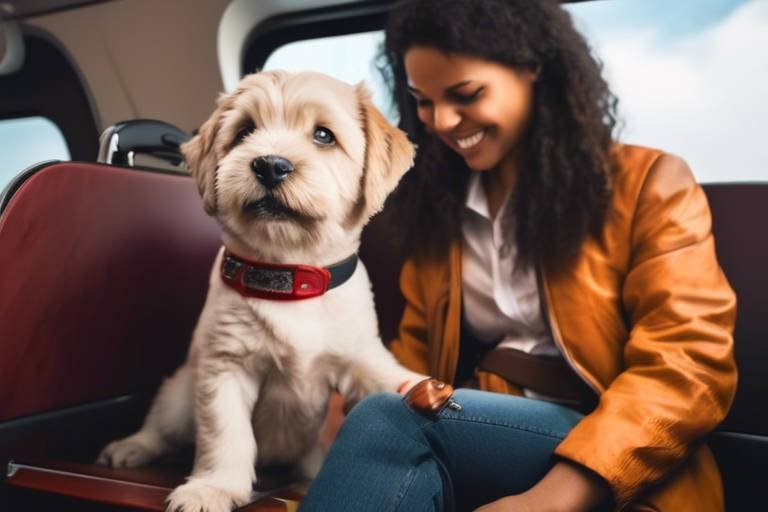
Traveling with pets can be an exhilarating adventure, but it also comes with its own set of challenges, especially when you’re crossing cultural boundaries. Every country has its own unique relationship with animals, and understanding these differences can make your journey smoother and more enjoyable. Imagine stepping into a vibrant marketplace in Morocco where cats roam freely, or walking through the serene parks of Japan where dogs are treated like royalty. Each culture has its own set of norms and expectations regarding pets, and being aware of these can not only enhance your experience but also ensure the comfort and safety of your furry friends.
In many Western cultures, pets are often seen as family members, enjoying a high level of freedom and pampering. However, in other cultures, the perception of pets can differ significantly. For instance, in some Asian countries, pets may be viewed more as working animals or companions rather than family members. This cultural lens shapes how pets are treated in public spaces, whether they are allowed in restaurants, or even how they are perceived in social settings. Understanding these cultural nuances is crucial. It’s like learning a new language; it’s not just about words, but the meanings and emotions behind them.
So, how do you navigate these cultural waters? Start by doing a little homework. Research the pet culture of your destination. What are the local attitudes towards pets? Are there specific customs to follow? For example, in some cultures, it might be considered rude to have your pet off-leash in public spaces, while in others, it could be perfectly acceptable. By being informed, you show respect for the local way of life and ensure a more harmonious experience for both you and your pet.
Furthermore, communication is key. If you’re traveling to a country where English isn’t the primary language, consider learning a few basic phrases related to pets. This can go a long way in building rapport with locals. Phrases like “Is it okay if my dog is here?” or “Where can I take my cat for a walk?” can open doors to friendly interactions and help you avoid any potential misunderstandings.
In summary, handling different cultures when traveling with pets requires a blend of research, respect, and adaptability. By understanding the local attitudes towards animals, preparing accordingly, and communicating effectively, you can ensure that your travels are not only enjoyable but also culturally sensitive. Remember, your pet is not just a travel companion; they are also a part of the cultural exchange that happens during your journey.
- What should I do if my pet is not accepted in a public place?
It’s best to have a plan B, like finding pet-friendly areas or accommodations. - How can I ensure my pet’s safety while traveling?
Always keep your pet on a leash, use a secure carrier, and be aware of local wildlife that might pose a threat. - Are there any specific vaccinations required for international travel?
Yes, many countries have specific vaccination requirements. It’s important to check these in advance. - What are the best ways to acclimate my pet to travel?
Start with short trips, familiarize them with their travel gear, and keep their routine as normal as possible.
Understanding Cultural Differences
When it comes to traveling with pets, one of the most fascinating aspects is the cultural differences that shape how pets are viewed and treated around the world. Just like people, cultures have unique beliefs and practices regarding animals, which can significantly impact your travel experience. For instance, in some countries, pets are considered beloved family members, while in others, they may be seen more as working animals or even as a nuisance. This divergence in attitudes can lead to both delightful surprises and unexpected challenges.
Imagine visiting a country where dogs are welcome in restaurants and shops, and you’re encouraged to bring your furry friend along. On the flip side, you might find yourself in a place where pets are not allowed in public spaces at all, making it crucial to understand the local customs before you embark on your journey. This understanding not only helps in planning your itinerary but also in ensuring that your pet feels comfortable and safe throughout the trip.
To illustrate these cultural variances, consider the following examples:
- Japan: In Japan, pets are often treated as children, and you’ll find many pet-friendly cafes and shops. However, there are strict rules regarding cleanliness and behavior, so be prepared to clean up after your pet and ensure they are well-behaved.
- Germany: German culture is quite pet-friendly, with many parks allowing dogs off-leash. However, there are laws regarding leash requirements in certain areas, and owners are expected to have their pets under control at all times.
- India: In India, pets are gaining popularity, but traditional views may still see them as less desirable in public spaces. Understanding local attitudes can help you navigate social situations more smoothly.
Moreover, cultural norms can dictate how people react to your pet. For instance, while some cultures may embrace pet interactions, others might be apprehensive or even fearful. This can be particularly relevant if your pet is large or if it’s a breed that may be viewed with suspicion. The key is to observe and adapt to the local environment. A friendly smile and a respectful distance can go a long way in bridging cultural gaps.
One of the most effective ways to navigate these cultural differences is through research. Before traveling, take some time to learn about the customs and attitudes toward pets in your destination. This not only prepares you for what to expect but also demonstrates respect for the local culture, which can enhance your overall experience. Whether it’s understanding the local pet etiquette or knowing where your pet is welcome, this knowledge can transform your trip from a potential source of stress into a delightful adventure.
In conclusion, embracing the cultural differences surrounding pets can lead to a richer travel experience. By being aware of the varying attitudes and practices, you can ensure that both you and your pet are comfortable and welcomed, no matter where your travels take you. Remember, every culture has its own unique way of celebrating the bond between humans and animals, and discovering these differences can be one of the most rewarding aspects of your journey.
Researching Pet Regulations
When it comes to traveling with your beloved pets, understanding the regulations of your destination is absolutely crucial. Each country has its own set of rules regarding pet travel, and navigating these can feel like trying to solve a complex puzzle. Imagine planning a vacation only to find out that your furry friend can’t join you because of missing paperwork or vaccinations! To avoid such disappointments, a little research goes a long way. Start by checking the official government websites of the countries you plan to visit, as they often provide detailed information on pet import regulations.
One of the key aspects to consider is the vaccination requirements. Each country has specific vaccines that your pet must have before entering. For instance, many countries require a rabies vaccination administered at least 21 days prior to travel. It’s not just about having the shots; you’ll also need to obtain the necessary documentation from your veterinarian. This documentation serves as proof that your pet is healthy and vaccinated, which can prevent any hiccups at customs. Here’s a quick look at some common vaccinations needed:
| Country | Required Vaccinations |
|---|---|
| United States | Rabies |
| Australia | Rabies, Canine Parvovirus, Canine Distemper |
| United Kingdom | Rabies, Tapeworm Treatment |
In addition to vaccinations, you might encounter the need for permits or even possible quarantine laws. Some countries may require a health certificate issued by your vet, confirming that your pet is fit for travel. It’s essential to plan ahead because obtaining these documents can take time. Quarantine laws can vary significantly; in some countries, pets may be required to stay in quarantine for a certain period upon arrival. This can be a shock for many pet owners, especially if you were looking forward to exploring new places together. Therefore, always check the latest regulations, as they can change frequently.
Another important aspect to consider is the International Pet Passport. This document can simplify the travel process, as it contains all the necessary information about your pet’s vaccinations and health status. Think of it as your pet’s travel ID card, making it easier to cross borders without a hitch. It’s advisable to get this passport well in advance, as the process can be time-consuming. You can usually obtain it through your veterinarian or specific agencies that handle pet travel documentation.
Lastly, don’t forget about microchipping. Many countries require pets to be microchipped for identification purposes. This tiny chip can be a lifesaver if your pet gets lost while you’re abroad. The process is quick and relatively painless for your furry friend, and it ensures that you’ll always have a way to locate them, no matter where your travels take you. In some cases, you might even find that microchipping is a prerequisite for entering certain countries.
In summary, researching pet regulations is not just a box to check off; it’s a vital part of ensuring a smooth travel experience for both you and your pet. By staying informed and prepared, you can avoid potential roadblocks and enjoy your adventures together. Remember, when in doubt, reach out to your veterinarian or a pet travel expert who can guide you through the process.
- What vaccinations does my pet need for international travel? – Vaccination requirements vary by country, but rabies is commonly required.
- How long before travel should I get my pet vaccinated? – It’s best to vaccinate at least 21 days before your departure.
- Is an international pet passport necessary? – While not always required, it can simplify the process and is recommended for international travel.
- What should I do if my pet is not microchipped? – Consider getting them microchipped before traveling, as it may be a requirement for entry into some countries.
Vaccination Requirements
When it comes to traveling internationally with your furry friend, understanding the of your destination is absolutely crucial. Each country has its own set of rules and regulations regarding pet vaccinations, and failing to comply can lead to unexpected surprises, such as being denied entry or facing quarantine. Imagine arriving at your dream destination only to find out that your beloved pet must stay behind in a sterile holding area! To avoid such scenarios, it’s essential to do your homework before you embark on your journey.
Most countries require proof of certain vaccinations for pets, primarily to prevent the spread of diseases that could affect local wildlife and other animals. The most common vaccinations that are typically required include:
- Rabies: This is the most critical vaccination, as rabies is a fatal disease that poses a risk to both animals and humans. Most countries require that your pet is vaccinated against rabies at least 21 days before travel.
- Distemper, Hepatitis, and Parvovirus: These core vaccinations are often recommended and sometimes required, depending on your destination.
- Bordetella: Particularly important if you are traveling to a location where your pet may come into contact with other animals, such as boarding facilities or dog parks.
To ensure you have the necessary documentation, it’s advisable to visit your veterinarian well in advance of your trip. They can provide you with the appropriate vaccination certificates, which are often required by customs officials at your destination. Additionally, keep in mind that some countries may require vaccinations to be administered within a specific timeframe, so check the rules thoroughly.
In some cases, you may also need to obtain a health certificate from your veterinarian, which confirms that your pet is in good health and fit to travel. This document can be a lifesaver, especially when crossing borders. If you plan to travel to multiple countries, be sure to check the requirements for each one, as they can vary significantly.
It’s also worth noting that some regions may have additional vaccination requirements based on local health risks, such as leptospirosis or tick-borne diseases. Therefore, consulting your vet about the best vaccination strategy for your pet based on your travel itinerary is essential. They can advise you on the necessary vaccinations and any additional precautions you should take.
In summary, being proactive about your pet’s vaccination requirements can save you a lot of stress and hassle during your travels. Always carry your pet’s vaccination records and health certificates with you, and ensure that your furry companion is up-to-date with all necessary shots before you set off on your adventure.
1. How far in advance should I vaccinate my pet before traveling?
It’s generally recommended to vaccinate your pet at least 21 days before your departure, especially for rabies, to ensure compliance with entry regulations.
2. What if my pet has a medical condition?
If your pet has a medical condition, consult your veterinarian to determine the best course of action regarding vaccinations and travel safety.
3. Can I travel with my pet if they are not vaccinated?
Most countries will not allow entry for unvaccinated pets, so it’s crucial to have all vaccinations up to date before traveling.
International Pet Passports
Traveling with your furry friend can be an exciting adventure, but navigating the complexities of international travel requires some preparation, especially when it comes to pet passports. An international pet passport is essentially a document that verifies your pet’s health and vaccination status, allowing them to travel across borders with ease. It’s like a passport for your pet, ensuring they are recognized as a healthy and well-cared-for animal, which can make your journey smoother and more enjoyable.
Obtaining an international pet passport involves several steps, and it’s crucial to start this process well in advance of your trip. First, you’ll need to ensure that your pet is up-to-date on all necessary vaccinations. This typically includes rabies, but depending on your destination, additional vaccinations may be required. It’s a good practice to consult with your veterinarian, who can guide you through the specific requirements based on your travel plans.
Once your pet is vaccinated, you’ll need to gather the necessary documentation. This usually includes vaccination records, a health certificate issued by a licensed veterinarian, and any other specific paperwork required by the country you are visiting. Some countries might also require a microchip to be implanted in your pet, which should be done prior to obtaining the pet passport.
To give you a clearer picture, here’s a quick overview of what you might need for an international pet passport:
| Requirement | Description |
|---|---|
| Vaccination Records | Proof of vaccinations, especially rabies. |
| Health Certificate | A document from a veterinarian stating your pet is healthy and fit for travel. |
| Microchip | Identification chip that may be required by your destination country. |
| Import Permit | Some countries require a permit for pets to enter. |
After gathering all the required documents, you can apply for the international pet passport through your local veterinary office or an authorized pet travel agency. They will help ensure that all paperwork is in order and that your pet meets the entry requirements of your destination country. It’s important to double-check these requirements well ahead of your travel date, as regulations can change frequently.
In conclusion, while the process of obtaining an international pet passport may seem daunting, it is an essential step to ensure your pet can travel safely and legally. By being proactive and organized, you can focus on enjoying your travels with your beloved companion, knowing that you have taken the necessary steps to keep them happy and healthy.
Microchipping Your Pet
Microchipping your pet is not just a smart move; it’s often a requirement for international travel. Imagine this: you’re in a foreign country, and your furry friend wanders off, lost in a sea of unfamiliar sights and sounds. A microchip can be your pet’s lifeline, ensuring that they can be identified and returned to you swiftly. But what exactly does microchipping entail?
Essentially, a microchip is a tiny electronic device, about the size of a grain of rice, that is implanted just beneath your pet’s skin. This chip contains a unique identification number that links to a database with your contact information. If your pet is found and taken to a veterinarian or shelter, they can scan the chip and notify you. This simple procedure can be a game-changer in keeping your pet safe during your travels.
Now, you might be wondering how the microchipping process works. Generally, it involves a quick visit to your veterinarian, who will perform the procedure in a matter of minutes. The chip is injected with a needle, and while it may sound daunting, most pets experience little to no discomfort. Once it’s done, you’ll need to register your pet’s microchip with a pet recovery database, ensuring that your contact information is up-to-date. It’s crucial to remember that a microchip is not a GPS tracker; it does not provide real-time location updates, but it is an effective way to prove ownership.
Before you embark on your journey, check the microchip regulations of your destination country. Some places may have specific requirements regarding the type of microchip used or may require that the chip be implanted before a certain age. For example, the European Union mandates that pets must be microchipped before traveling, along with having a valid pet passport. Always verify the details to avoid any last-minute hiccups.
To give you a clearer picture, here’s a quick comparison of microchipping regulations in a few popular travel destinations:
| Country | Microchipping Requirement | Additional Notes |
|---|---|---|
| United States | Recommended, but not mandatory | Microchips must be registered with a database. |
| Canada | Recommended, but not mandatory | Check local regulations for specific provinces. |
| United Kingdom | Mandatory | All dogs must be microchipped by 8 weeks old. |
| Australia | Mandatory | Microchipping is required for dogs and cats. |
In conclusion, microchipping is a critical step in ensuring your pet’s safety while traveling. It’s a simple procedure that can lead to peace of mind, knowing that your beloved companion can be identified and returned to you if they get lost. So, before you pack your bags and head off on your next adventure, make sure your pet is microchipped and registered. It’s a small investment for a huge return in safety!
- How much does microchipping cost? The cost can vary, but it typically ranges from $25 to $75, including registration fees.
- Is the microchipping procedure painful for pets? Most pets experience minimal discomfort, similar to a vaccination.
- How do I update my contact information on the microchip? You can contact the microchip registry directly to update your details.
- Can I travel without microchipping my pet? It depends on the destination; some countries require it for entry.
Local Pet Etiquette
When you’re traveling with your furry friend, understanding is crucial for ensuring a smooth and enjoyable experience. Different cultures have varying attitudes towards pets, and what might be acceptable in one place could be frowned upon in another. For instance, in some countries, dogs are seen as family members, while in others, they might be viewed more as working animals. This diverse perspective can influence everything from how pets are treated in public spaces to the rules surrounding their presence in restaurants or hotels.
One of the first things you should do is observe how locals interact with their pets. Are they allowed in cafés? Do people keep their dogs on leashes? Are there specific parks designated for pet play? These observations can guide your behavior and help you avoid any potential faux pas. For example, in many European cities, it’s common to see dogs dining alongside their owners at outdoor cafés, while in other regions, this might be completely unacceptable. Always remember that your pet’s comfort and the comfort of others should be your top priority.
Moreover, it’s essential to keep your pet’s behavior in check. If your dog is prone to barking or jumping on strangers, consider using a harness instead of a collar, as it provides better control. Additionally, carrying a few doggy bags for waste disposal is a must in most places. Not only does it keep the environment clean, but it also shows respect for the local community. In some areas, failing to clean up after your pet can lead to hefty fines!
Also, be mindful of the local customs. In some cultures, people may not appreciate pets being too close, especially if they are not familiar with them. For instance, in certain Asian countries, it’s not uncommon for people to be wary of dogs, particularly larger breeds. Always ask before approaching someone with your pet, and if they seem hesitant, respect their space. This simple act of consideration can go a long way in fostering positive interactions.
Another important aspect of local pet etiquette involves understanding the rules and regulations of pet ownership in your destination. Some places have strict leash laws, while others may require specific documentation for pets. Familiarizing yourself with these regulations can save you from unexpected fines or, worse, having to leave your pet behind. Always check local laws regarding pets before you travel, and if you’re unsure, don’t hesitate to ask locals or even your accommodation staff for guidance.
In summary, being aware of local pet etiquette is not just about following rules; it’s about building a bridge of understanding and respect between you, your pet, and the local culture. By doing a little research and being observant, you can ensure that your travels are enjoyable for both you and your furry companion. After all, a well-mannered pet not only reflects positively on you but also enriches the travel experience for everyone you encounter.
- What should I do if my pet misbehaves in public? – Stay calm and try to redirect their attention. If necessary, remove them from the situation to avoid further issues.
- Are there any countries where pets are not allowed? – Yes, some countries have strict regulations on pet entry. Always check the specific laws of your destination.
- How can I find pet-friendly accommodations? – Use travel websites that allow you to filter for pet-friendly options or call ahead to confirm policies.
- What should I do if I encounter a local who is afraid of dogs? – Respect their feelings, keep your distance, and do not force interaction.
Preparing Your Pet for Travel
Traveling with your furry friend can be an adventure filled with excitement and joy, but it also requires careful planning to ensure their comfort and safety. Just like you wouldn’t embark on a road trip without packing your essentials, your pet deserves the same thoughtful preparation. So, how do you get your pet ready for the journey ahead? Start by creating a stress-free environment for them. This means familiarizing them with their travel carrier or crate well in advance. Allow your pet to explore this new space at home, perhaps by placing their favorite blanket or toy inside. This can help them associate the carrier with comfort rather than confinement, making it less daunting when it’s time to travel.
Next, consider your pet’s health. Before you leave, schedule a vet appointment to ensure your pet is fit for travel. Discuss any specific concerns you may have, such as anxiety or motion sickness. Your veterinarian can provide valuable advice and may even prescribe medication to help ease your pet’s nerves. Remember, a calm pet makes for a more enjoyable trip for both of you!
Another crucial aspect of preparing your pet for travel is ensuring they have the right gear. Just like you wouldn’t wear uncomfortable shoes on a long journey, your pet needs the right equipment to stay comfortable. Here are some travel gear essentials you should consider packing:
- Comfortable Carrier: Ensure it’s well-ventilated and secure.
- Leash and Harness: A sturdy leash and a comfortable harness are must-haves.
- Food and Water Bowls: Collapsible bowls are great for travel.
- Travel Bed or Blanket: Something familiar to help them feel at home.
- First Aid Kit: Always be prepared for minor injuries or ailments.
Health considerations are also paramount when preparing for travel. Different regions can pose various health risks to pets, such as exposure to unfamiliar parasites or diseases. To keep your pet safe, ensure they are up-to-date on vaccinations and preventive medications. Discuss with your vet about any additional vaccines that may be necessary for your destination. Not only will this protect your pet, but it will also give you peace of mind as you travel.
Lastly, consider how you will manage your pet’s stress during the journey. Some pets thrive on routine, so try to maintain their feeding and walking schedule as closely as possible. Bring along familiar toys or comfort items to help soothe them during the trip. If you’re traveling by car, make frequent stops to allow your pet to stretch their legs and relieve themselves. If flying, check with your airline for specific pet travel policies and ensure your pet is comfortable in their carrier.
In summary, preparing your pet for travel is about more than just packing their favorite toys. It involves understanding their needs, ensuring their health, and creating a comfortable environment. With thoughtful preparation, you can embark on your journey with confidence, knowing your pet is ready for the adventure ahead!
Q: What should I do if my pet gets anxious during travel?
A: Consider consulting your veterinarian for advice on calming techniques or medications. Bringing familiar items can also help ease their anxiety.
Q: Are there specific travel restrictions for pets in different countries?
A: Yes, each country has its own regulations regarding pet travel, including vaccinations and quarantine laws. Always research these before your trip.
Q: How can I make my pet comfortable during a long flight?
A: Ensure they have a comfortable carrier, bring along their favorite blanket or toy, and consider scheduling a vet check-up before flying.
Travel Gear Essentials
When it comes to traveling with your furry friend, having the right gear can make all the difference between a smooth journey and a chaotic one. Imagine embarking on a road trip or a flight, only to realize you’ve forgotten your pet’s essentials. It’s like packing for a vacation without your toothbrush! To avoid such mishaps, let’s dive into the must-have travel gear that will ensure your pet’s comfort and safety throughout your adventure.
First and foremost, a sturdy and comfortable pet carrier is essential. Depending on the size of your pet, you’ll want to choose a carrier that provides enough space for them to stand, turn around, and lie down comfortably. Look for carriers that are airline-approved if you’re flying, as each airline has its own regulations regarding pet travel. Additionally, make sure the carrier is well-ventilated and secure to prevent any escape attempts during your travels.
Next on the list is a travel water bottle. Staying hydrated is crucial, especially during long trips. Opt for a bottle that has a built-in bowl or a nozzle that allows your pet to drink easily. This is particularly handy during road trips or hikes, where access to clean water might be limited. Pair this with a portable food container to keep your pet’s meals fresh and easily accessible. These containers can be a lifesaver when you need to feed your pet on the go, ensuring they get their meals on time without any hassle.
Don’t forget to pack a first-aid kit tailored for pets. Accidents can happen, and being prepared can save you a lot of stress. A basic kit should include items like antiseptic wipes, bandages, tweezers, and any medications your pet might need. It’s also wise to have a copy of your pet’s medical records and vaccination history handy, just in case you need to visit a vet while traveling.
Another essential is a comfortable leash and harness. A sturdy leash is crucial for keeping your pet secure during walks in unfamiliar places. A harness, especially for dogs, is often more comfortable and safer than a collar, providing better control and preventing any escape attempts. Consider a reflective or light-up option if you plan to walk your pet during the evening, enhancing visibility and safety.
Lastly, don’t underestimate the value of your pet’s favorite blanket or toy. Familiar items can provide comfort and a sense of security in new environments. Just like we find solace in our favorite pillow or stuffed animal, pets can feel more at ease with something that smells like home. This small touch can make a world of difference in helping your pet adjust to travel stress.
In summary, packing the right travel gear for your pet is not just about convenience; it’s about ensuring their comfort and safety. From carriers and hydration solutions to first-aid kits and familiar comforts, being well-prepared can turn a potentially stressful experience into a delightful adventure for both you and your pet.
- What should I pack for my pet when traveling? Be sure to include a pet carrier, travel water bottle, food container, first-aid kit, leash and harness, and your pet’s favorite blanket or toy.
- Is it necessary to have a first-aid kit for my pet? Yes, having a first-aid kit can help you address minor injuries or emergencies while traveling, providing peace of mind.
- Can I use my pet’s regular food and water bowls? While you can, portable options are more convenient for travel and can help minimize spills.
- How can I help my pet feel comfortable during travel? Bring familiar items like their favorite blanket or toy, and ensure they have a comfortable carrier. Regular breaks for walks and bathroom breaks can also help.
Health Considerations
Traveling with your furry friend can be an exhilarating adventure, but it also comes with its own set of health considerations that you must keep in mind. Just like you wouldn’t set off on a road trip without checking your car’s oil, you shouldn’t embark on a journey with your pet without ensuring their health is in tip-top shape. One of the first things to consider is your pet’s overall health condition. Are they up to date on vaccinations? Have they been recently checked by a veterinarian? These questions are crucial because different regions may have varying health risks, including diseases that could pose a threat to your pet.
Another important aspect to consider is the climate of your destination. If you’re heading to a hot, humid area, your pet may be at risk of heatstroke, especially if they’re not used to such conditions. It’s essential to keep your pet hydrated and to provide plenty of shade during outdoor activities. Conversely, if you’re traveling to a colder climate, you may need to invest in some warm clothing for your pet, particularly if they have short hair or are not accustomed to chilly weather. Remember, your pet relies on you to keep them comfortable and safe, just as you would for a child.
Additionally, be aware of the local wildlife and potential hazards in your travel area. Some pets are naturally curious and might encounter snakes, insects, or plants that could be harmful. Educating yourself about the local fauna and flora can save you from a lot of trouble. For instance, certain plants may be toxic to pets, and specific insects can carry diseases. Always keep an eye on your pet and ensure they are not wandering into risky territories.
Moreover, consider the logistics of your travel arrangements. If you’re flying, check with the airline about their pet travel policies, including health certificates and any specific requirements they may have. Many airlines require a health certificate issued by a veterinarian within a certain timeframe before travel. This certificate typically confirms that your pet is healthy and free of contagious diseases. It’s a small step that can make a huge difference in ensuring a smooth travel experience.
Lastly, don’t forget about your pet’s mental health. Traveling can be stressful for animals, and they may experience anxiety in unfamiliar environments. To help mitigate this, try to maintain a routine as much as possible. Bring along familiar items, such as their favorite blanket or toys, to provide comfort. Some pets might benefit from anxiety-reducing products, such as calming collars or sprays. Always consult your veterinarian for advice tailored to your pet’s specific needs.
In summary, ensuring your pet’s health during travel involves a comprehensive approach that includes veterinary check-ups, awareness of environmental conditions, and understanding local wildlife. By taking these precautions, you can help ensure that your adventure is not only memorable but also safe and enjoyable for both you and your beloved companion.
- What vaccinations does my pet need before traveling? It varies by destination, but common vaccinations include rabies, distemper, and parvovirus. Always check the specific requirements of your travel destination.
- Do I need a health certificate for my pet? Most airlines require a health certificate issued by a veterinarian within a certain timeframe before travel. It’s essential to check with your airline for their specific policies.
- How can I help my pet cope with travel anxiety? Maintain their routine as much as possible, bring familiar items, and consult your vet for anxiety-reducing solutions.
- What should I do if my pet gets sick while traveling? Always have a list of local veterinarians at your travel destination and keep your pet’s medical records handy for reference.
Frequently Asked Questions
- What are the key cultural differences I should be aware of when traveling with my pet?
Different cultures have varying attitudes towards pets. For instance, in some countries, pets are considered family members, while in others, they might be viewed more as working animals. Understanding these perspectives can help you navigate social interactions and avoid misunderstandings during your travels.
- What vaccinations does my pet need before international travel?
Vaccination requirements vary by country, but common vaccinations include rabies, distemper, and hepatitis. It’s crucial to check the specific requirements of your destination well in advance to ensure your pet meets all necessary health standards.
- How do I obtain an international pet passport?
An international pet passport is a document that contains your pet’s vaccination records and other health information. To acquire one, visit your veterinarian who can provide the necessary documentation and guide you through the process based on your travel destination.
- Is microchipping mandatory for pets traveling abroad?
Yes, many countries require pets to be microchipped for identification purposes before entering. Microchipping is a simple procedure that ensures your pet can be easily identified if lost. It’s a smart move that provides peace of mind while traveling.
- What are some local pet etiquette tips I should follow?
Local pet etiquette can greatly vary. In some cultures, it’s customary to ask permission before petting someone else’s dog, while in others, pets may be expected to be on a leash at all times. Researching local customs can help you show respect and avoid any faux pas.
- How can I prepare my pet for travel?
Start by acclimating your pet to their travel carrier and taking short trips to help them adjust. Gradually introduce them to the sounds and sensations of travel. Additionally, maintaining their routine as much as possible can help minimize stress during the journey.
- What essential travel gear should I pack for my pet?
Pack items such as a comfortable carrier, food and water bowls, a leash, waste bags, and your pet’s favorite toys. Don’t forget to include any medications your pet may need and a first aid kit to handle minor health issues on the road.
- What health considerations should I keep in mind when traveling with my pet?
Traveling can expose pets to various health risks, including changes in climate, new environments, and potential parasites. Keep your pet’s vaccinations up to date, consult your vet about travel-specific health concerns, and monitor your pet for any signs of stress or illness during the trip.
cultural sensitivity, travel regulations, pet-friendly accommodations, local customs, communication barriers, pet health requirements, social etiquette, responsible travel, , cultural sensitivity, travel regulations, pet-friendly accommodations, local customs, communication barriers, pet health requirements, social etiquette, responsible travel,
Share this content:
Leave a Reply