
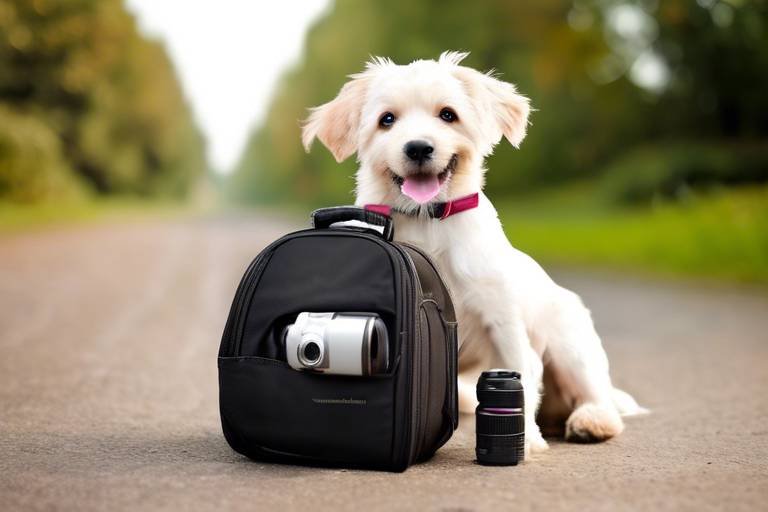
Traveling with your beloved pets can be one of the most rewarding experiences, but it also comes with its own unique set of challenges. Whether you’re planning a weekend getaway or a long road trip, ensuring that both you and your furry friends are comfortable and safe is paramount. The right travel gear can make all the difference, transforming a potentially stressful journey into a delightful adventure. In this article, we will explore the must-have travel gear for pet owners that will not only enhance the safety and comfort of your pets but also add convenience to your travel plans. Imagine cruising down the highway with your dog happily lounging in the back seat or your cat purring contentedly in a cozy carrier—sounds perfect, right? Let’s dive into the essential items that will help make your travels smooth and enjoyable for everyone involved!
Choosing the right travel crate or carrier is crucial for your pet’s safety. A well-designed crate not only keeps your pet secure but also provides them with a sense of familiarity and comfort in an unfamiliar environment. When selecting a travel crate or carrier, consider factors such as size, durability, and ventilation. You want to ensure that your pet has enough room to stand, turn around, and lie down comfortably. Additionally, look for carriers that are easy to clean and have secure closures to prevent any escape attempts. Some popular options include hard-sided crates, soft-sided carriers, and backpack-style carriers for smaller pets. Remember, the right choice can turn a stressful travel experience into a cozy retreat for your pet.
Keeping your pet hydrated and fed on the go is essential, especially during long trips. Portable water and food bowls are a game-changer for pet owners. They are designed to be lightweight, compact, and easy to pack, making them perfect for travel. Look for bowls that are spill-proof and easy to clean. Some of the best options include:
- Collapsible Bowls: These bowls are made from flexible materials that can easily be folded down to fit in your bag. They are perfect for both food and water.
- Travel Water Bottles: Designed specifically for pets, these bottles come with a built-in bowl that allows you to dispense water easily. They are an excellent way to keep your pet hydrated without the mess.
Having these portable bowls on hand ensures that your pet stays well-fed and hydrated, no matter where your adventures take you.
A pet first aid kit is a must-have for any travel adventure. Just like humans, pets can encounter unexpected situations that require immediate attention. A well-stocked first aid kit can be a lifesaver in emergencies. Essential items to include in your kit are:
- Adhesive bandages
- Antiseptic wipes
- Gauze and tape
- Flea and tick prevention
- Emergency contact information for your veterinarian
By preparing a pet first aid kit, you can travel with peace of mind, knowing that you are ready for any situation that may arise.
Safety should always be a priority while traveling with pets. Just as we buckle up for safety, our furry friends need protection too. Pet seat belts and harnesses are designed to keep your pets secure during car rides, preventing them from becoming a distraction while you drive. A good safety harness not only secures your pet but also provides comfort during travel.
When choosing a harness, consider the size and breed of your pet. Make sure it fits snugly without being too tight. Additionally, look for seat belt attachments that can easily connect to your car’s seat belt system. This simple addition can make a world of difference in ensuring a safe journey for both you and your pet.
Providing your pet with a comfortable sleeping space is vital when traveling. Travel beds and blankets that are portable and easy to clean can help your pet feel at home, no matter where you are. Look for beds that are lightweight, foldable, and washable. A cozy blanket can also serve multiple purposes, from providing warmth to acting as a familiar scent for your pet during stressful travel situations.
Ensuring your pet can be identified in case of separation is crucial. Identification tags and microchips are essential tools for pet safety during travels. ID tags should include your pet’s name, your contact information, and any relevant medical details. It’s a simple yet effective way to ensure your pet can be returned if lost.
Microchipping your pet adds an extra layer of security. This small chip, implanted under your pet’s skin, contains your contact information and can be scanned by shelters and veterinarians. The process is quick and painless, offering peace of mind as you explore new places with your furry friend.
Q: What should I pack for my pet when traveling?
A: Essential items include food and water bowls, a leash, waste bags, a first aid kit, and your pet’s favorite toys or blankets to provide comfort.
Q: How can I prepare my pet for travel?
A: Gradually acclimate your pet to their travel crate or carrier, take short trips to get them used to car rides, and ensure they are comfortable with their harness or seat belt.
Q: Is it safe to travel with pets in the car?
A: Yes, as long as you use appropriate safety gear like harnesses and seat belts. It’s important to take regular breaks for your pet to stretch and relieve themselves.
Travel Crates and Carriers
When it comes to traveling with your furry friend, choosing the right travel crate or carrier is crucial for ensuring their safety and comfort. Imagine embarking on a road trip or a flight, only to find that your pet is stressed out because they are crammed into an ill-fitting carrier. Not only can this lead to anxiety for your pet, but it can also create a challenging situation for you as a pet owner. Therefore, investing in a high-quality travel crate or carrier is a decision that pays off in spades.
First and foremost, you need to consider the size of your pet. A crate should be spacious enough for your pet to stand, turn around, and lie down comfortably. If your pet feels cramped, they might become anxious or even try to escape. To help you choose the right size, here’s a simple guideline:
| Pet Size | Recommended Crate Size |
|---|---|
| Small (up to 15 lbs) | 18-24 inches |
| Medium (16-40 lbs) | 24-30 inches |
| Large (41-70 lbs) | 30-36 inches |
| Extra Large (71 lbs and up) | 36 inches and above |
Next, consider the type of travel you’ll be doing. If you’re planning on flying, make sure that your carrier meets the airline’s specific regulations. Many airlines have strict guidelines regarding the dimensions and types of carriers allowed in the cabin and in the cargo hold. For road trips, a sturdy, well-ventilated crate is essential, as it will keep your pet secure and comfortable during the journey. Look for crates made from durable materials that can withstand the rigors of travel.
Another important factor is the ease of cleaning. Accidents can happen, especially on long journeys. Opt for crates with removable and washable liners or those made from materials that can be easily wiped down. This not only keeps your pet comfortable but also helps maintain hygiene during your travels.
When selecting a travel crate or carrier, it’s also worth considering the features that can enhance your pet’s travel experience. For instance, some crates come with built-in food and water bowls, while others may have compartments for storing toys or treats. Additionally, look for carriers with ventilation openings and secure latches to ensure your pet’s safety.
In conclusion, investing in the right travel crate or carrier is essential for both your peace of mind and your pet’s comfort. Whether you opt for a soft-sided carrier for air travel or a sturdy crate for road trips, make sure to take the time to choose wisely. The right choice will not only enhance your pet’s travel experience but also make your journey smoother and more enjoyable.
Q1: How do I know if the carrier is the right size for my pet?
A1: Measure your pet from nose to tail and from the ground to the top of their head while standing. Ensure the carrier allows them to stand, turn around, and lie down comfortably.
Q2: Are soft-sided carriers safe for air travel?
A2: Yes, as long as they meet the airline’s requirements. Soft-sided carriers can be more comfortable for pets, but always check the dimensions before booking your flight.
Q3: Can I use a regular pet crate for air travel?
A3: It depends on the airline’s regulations. Some airlines require specific types of crates for pets traveling in cargo, so always verify with your airline.
Portable Water and Food Bowls
When it comes to traveling with your furry friends, keeping them hydrated and well-fed is a top priority. Portable water and food bowls are essential travel gear for pet owners, ensuring that your pet’s needs are met on the go. After all, a happy pet makes for a happy journey! Imagine cruising down the highway with your pup in the back seat, only to realize you forgot their food and water. Panic sets in, right? That’s why investing in quality portable bowls is a game changer.
There are a variety of options available on the market, each designed with convenience and practicality in mind. Collapsible bowls are particularly popular among pet owners. These bowls are made from flexible materials that allow them to be easily packed away when not in use. They can be expanded for feeding or watering, making them perfect for road trips, hikes, or even just a day at the park. Not only do they save space, but they also reduce the risk of spills in your car.
Another fantastic option is the travel water bottle designed specifically for pets. These bottles often come with a built-in bowl that can be easily filled with water, allowing your pet to drink comfortably while you’re on the move. Some models even feature a one-handed operation, which means you can hydrate your pet without missing a beat during your adventures. Just imagine hiking up a beautiful trail, reaching the summit, and being able to reward your thirsty pup with a refreshing drink in seconds!
In addition to collapsible bowls and travel water bottles, it’s essential to consider the materials used in these products. Look for bowls that are made from durable, non-toxic materials that are easy to clean. After all, no one wants to deal with a messy bowl after a long day of fun. Many portable bowls are dishwasher safe, making cleanup a breeze. Plus, some even come with features like silicone grips to prevent slipping during use.
When choosing the right portable water and food bowls, keep your pet’s size and eating habits in mind. For larger dogs, consider bowls with a wider base to prevent tipping, while smaller pets may benefit from lightweight options that are easy to carry. It’s also wise to have separate bowls for food and water to avoid any mix-ups during mealtime.
To help you make an informed decision, here’s a quick comparison table of popular portable bowls:
| Product Name | Material | Collapsible | Dishwasher Safe |
|---|---|---|---|
| PetFusion Collapsible Bowl | Silicone | Yes | Yes |
| Ruffwear Quencher Bowl | Water-Resistant Fabric | Yes | No |
| Outward Hound Travel Water Bottle | Plastic | No | Yes |
In summary, portable water and food bowls are indispensable for pet owners on the go. They ensure that your pet stays hydrated and nourished, allowing you to focus on enjoying your travels together. So, whether you’re hitting the road, hiking a new trail, or just taking a weekend getaway, make sure to pack these essential items for a smooth and enjoyable experience for both you and your furry companion.
Q: Are collapsible bowls safe for my pet?
A: Yes, as long as they are made from non-toxic, durable materials, collapsible bowls are safe for pets. Always check the manufacturer’s specifications.
Q: How do I clean portable bowls?
A: Most portable bowls can be cleaned easily by hand or in the dishwasher if they are dishwasher safe. Always follow the care instructions provided.
Q: Can I use regular bowls for travel?
A: While you can use regular bowls, portable bowls are specifically designed for travel, making them more convenient and practical for on-the-go feeding and hydration.
Collapsible Bowls
When it comes to traveling with your furry companion, are an absolute game changer. Imagine this: you’re on a scenic road trip, the sun is shining, and your pet is eagerly waiting for a break to refuel. Instead of fumbling with bulky, traditional bowls, you whip out a collapsible bowl that easily fits in your pocket or bag. These bowls are designed to be lightweight, portable, and incredibly convenient, making them a must-have for any pet owner on the go.
One of the standout features of collapsible bowls is their ability to save space. They typically come in materials like silicone or fabric, which allows them to fold down to a fraction of their size. This means you can carry multiple bowls for food and water without taking up valuable space in your travel gear. Plus, many of these bowls are dishwasher safe, making cleanup a breeze after a fun day out.
But wait, there’s more! Collapsible bowls are not just practical; they’re also designed with your pet’s comfort in mind. Most bowls have a non-slip base, ensuring that they stay put while your pet enjoys their meal or drink. Additionally, they come in various sizes, so whether you have a tiny Chihuahua or a giant Great Dane, there’s a perfect fit for every pet. Here’s a quick comparison of some popular collapsible bowls:
| Brand | Material | Size | Features |
|---|---|---|---|
| PetFusion | Silicone | Medium | Non-slip base, dishwasher safe |
| Outward Hound | Fabric | Small, Medium, Large | Lightweight, foldable, water-resistant |
| AmazonBasics | Silicone | Small | Affordable, easy to clean |
In addition to their practicality, collapsible bowls also come in a variety of colors and designs, allowing you to choose one that matches your pet’s personality or your travel gear. Some even have carabiners attached, making it easy to clip them onto backpacks or leashes for quick access. With all these benefits, it’s clear that collapsible bowls are not just a luxury; they’re an essential piece of travel gear for every pet owner.
So, next time you’re planning a trip, don’t forget to pack a collapsible bowl or two. Your pet will appreciate having access to food and water wherever you go, and you’ll enjoy the convenience of a tidy, organized travel setup. After all, a happy pet makes for a happy journey!
Travel Water Bottles
When you’re on the go with your furry friend, keeping them hydrated can sometimes feel like a challenge. That’s where come into play! These nifty gadgets are designed specifically for pets, making it easy to quench their thirst during outings. Imagine hiking up a beautiful trail, your pup panting happily beside you, but wait—do you have water ready? With a travel water bottle, you can effortlessly provide a refreshing drink anytime, anywhere!
Travel water bottles for pets typically come with a built-in bowl or a special nozzle that dispenses water directly, ensuring that your pet can drink comfortably without any mess. Many of these bottles are made from lightweight, durable materials, making them easy to carry in your backpack or clip onto your belt loop. Plus, they are often designed to be leak-proof, so you won’t have to worry about any unexpected spills ruining your travel gear.
Here are some features to consider when selecting the best travel water bottle for your pet:
- Size: Make sure the bottle is appropriate for your pet’s size. Larger dogs may require bigger bottles.
- Material: Look for BPA-free, food-grade materials that are safe for your pet.
- Ease of Use: A bottle that can be operated with one hand is a huge plus, especially when you’re juggling other tasks.
- Capacity: Depending on the length of your trip, consider how much water your pet will need.
Some popular options on the market include:
| Brand | Capacity | Special Features |
|---|---|---|
| PetFusion | 12 oz | Leak-proof design with a built-in bowl |
| Gulpy | 20 oz | One-handed operation, lightweight |
| Outward Hound | 18 oz | Collapsible water bowl included |
To use a travel water bottle effectively, simply fill it with fresh water before your trip, and when your pet needs a drink, dispense the water into the attached bowl or nozzle. Make sure to encourage your pet to drink, especially on hot days or after vigorous exercise. Hydration is key to keeping your pet happy and healthy while exploring the great outdoors!
So, whether you’re heading to the beach, embarking on a road trip, or just taking a stroll around the neighborhood, a travel water bottle is an essential item to pack. It’s the perfect way to ensure your four-legged friend stays hydrated and happy, making your adventures together even more enjoyable!
Pet First Aid Kits
When you’re hitting the road with your furry friend, the last thing you want is to be unprepared for an unexpected situation. Just like you wouldn’t embark on a journey without your own first aid kit, your pet deserves the same level of care. A well-stocked pet first aid kit can be a lifesaver, literally! It’s essential to have one tailored to your pet’s needs, and it’s easier than you might think to assemble one.
First and foremost, consider the essentials that should be included in your kit. Here’s a quick rundown of must-have items:
- Adhesive Bandages: Perfect for covering minor cuts and scrapes.
- Antiseptic Wipes: These will help clean wounds and prevent infection.
- Gauze Pads and Tape: For larger injuries, you’ll need to apply pressure and secure bandages.
- Hydrogen Peroxide: Useful for cleaning wounds and inducing vomiting in case of ingestion of harmful substances (always consult a vet first).
- Emergency Blanket: Helps keep your pet warm in case of shock.
- Scissors: For cutting tape, gauze, or even fur if necessary.
- Tweezers: Handy for removing splinters or ticks.
- Instant Cold Pack: A great way to reduce swelling from injuries.
Now that you have a sense of what to include, it’s crucial to tailor your kit to your pet’s specific needs. For instance, if you have a senior dog with chronic health issues, you might want to add their medications or any special items recommended by your veterinarian. On the other hand, if your pet is prone to allergies, consider including antihistamines, but again, consult your vet for the correct type and dosage.
Another important aspect is to ensure that your first aid kit is easily accessible. Whether it’s in your car or your backpack, make sure it’s labeled and organized. You don’t want to be fumbling around when time is of the essence. A simple waterproof bag can keep everything together and protect it from spills or moisture.
To help you visualize your pet’s first aid kit, here’s a simple table to guide you:
| Item | Purpose |
|---|---|
| Adhesive Bandages | Cover minor cuts and scrapes |
| Antiseptic Wipes | Clean wounds to prevent infection |
| Gauze Pads and Tape | Secure bandages for larger injuries |
| Hydrogen Peroxide | Clean wounds and induce vomiting (consult vet) |
| Emergency Blanket | Keep your pet warm in case of shock |
Finally, don’t forget to periodically check your kit. Just like your own medicine cabinet, items can expire or become damaged. Keeping your kit up-to-date ensures that you’re prepared for anything during your travels. Remember, being prepared is not just about having the right tools; it’s about ensuring peace of mind for both you and your pet.
Q: How often should I check my pet first aid kit?
A: It’s a good idea to check your kit every few months to ensure that all items are in good condition and that nothing has expired.
Q: Can I use human medications for my pet?
A: Some human medications can be safe for pets, but you should always consult your veterinarian before administering anything to ensure it’s safe and appropriate for your pet’s specific needs.
Q: Where should I keep my pet first aid kit?
A: Keep your first aid kit in a place that is easily accessible, such as your car or your travel bag, but also ensure it is protected from extreme temperatures and moisture.
Pet Seat Belts and Harnesses
When it comes to traveling with our furry companions, safety should always be a top priority. Just like we buckle up for a safe ride, our pets deserve the same level of protection. That’s where come into play. These essential travel accessories not only keep your pet secure but also help prevent distractions while driving. Imagine a scenario where your dog jumps into your lap just as you’re about to make a turn—yikes! Not only is that dangerous for you, but it can also be terrifying for your pet. So, let’s dive into why these items are non-negotiable for pet owners on the road.
First off, pet seat belts are designed to attach to your car’s existing seat belt system. They typically come with a harness that wraps around your pet’s body, ensuring they stay in place during sudden stops or sharp turns. This is particularly important for larger breeds that can easily become projectiles in the event of a collision. On the other hand, smaller pets may benefit from a harness that clips directly into the seat belt buckle, providing a snug fit without compromising comfort.
Now, you might be wondering, “How do I choose the right seat belt or harness for my pet?” Well, it’s all about size and fit. A harness should fit snugly but not too tight, allowing your pet to move comfortably without slipping out. Look for adjustable straps that can be tailored to your pet’s size. Additionally, consider materials that are durable and easy to clean, as travel can often lead to messes. Here’s a quick comparison of some popular options:
| Type | Features | Best For |
|---|---|---|
| Basic Seat Belt | Easy to use, attaches to existing seat belt | Small to medium pets |
| Adjustable Harness | Custom fit, padded for comfort | All sizes, especially larger breeds |
| Clip-in Harness | Directly clips into seat belt buckle | Small pets |
Using a pet seat belt or harness not only protects your pet but also enhances your overall travel experience. Think of it as a safety net that allows you to focus on the road ahead rather than worrying about your pet’s antics. Plus, many harnesses come with additional features like reflective materials for nighttime visibility or built-in pockets for storing treats or waste bags. It’s like having a mini adventure pack for your pet!
In conclusion, investing in a quality pet seat belt or harness is a small price to pay for the peace of mind it brings. Remember, when you buckle up, your pet should too! Not only will it keep them safe, but it will also make your journeys more enjoyable. So, don’t leave home without it—your furry friend will thank you for it!
- Are pet seat belts safe? Yes, when used correctly, pet seat belts can significantly enhance your pet’s safety while traveling.
- Can I use a regular harness for my pet in the car? It’s best to use a harness specifically designed for car travel to ensure maximum safety and security.
- How do I know if the harness fits my pet correctly? The harness should be snug but not too tight; you should be able to fit two fingers between the harness and your pet’s body.
Safety Harnesses
When it comes to traveling with your furry friend, ensuring their safety is of utmost importance. A pet safety harness is not just a trendy accessory; it’s a vital piece of equipment that can make a significant difference in your pet’s travel experience. Think of it as a cozy seatbelt that keeps your pet secure while you navigate the open road. Just like we wouldn’t drive without buckling up, our pets deserve the same level of protection.
Choosing the right safety harness can feel overwhelming with so many options available. However, it’s essential to consider your pet’s size, breed, and comfort. A well-fitted harness distributes pressure evenly across your pet’s body, reducing the risk of injury in case of sudden stops or accidents. Plus, it can prevent your pet from wandering around the car, which can be a major distraction while driving. Imagine trying to steer with a curious pup climbing onto your lap—definitely not ideal!
Here are a few key features to look for when selecting a safety harness for your pet:
- Adjustability: A harness that can be adjusted ensures a snug fit, which is crucial for both comfort and safety.
- Durability: Look for materials that can withstand wear and tear, especially if your pet is an adventurous traveler.
- Ease of Use: Opt for a harness that is easy to put on and take off. This will save you time and hassle, especially during pit stops!
To help you make an informed decision, we’ve compiled a comparison table of some popular safety harnesses on the market:
| Brand | Material | Adjustable | Price |
|---|---|---|---|
| PetSafe EasySport | Nylon | Yes | $29.99 |
| Kurgo Tru-Fit | Polyester | Yes | $39.99 |
| Ruffwear Web Master | Polyester | Yes | $59.95 |
As you can see, investing in a quality safety harness can vary in price, but the peace of mind it provides is priceless. Remember, a harness is not just a tool; it’s a commitment to keeping your pet safe while you embark on your adventures together. So, next time you hit the road, make sure your pet is snug and secure in their harness, ready for whatever journey lies ahead!
Q: How do I know if a harness fits my pet correctly?
A: A proper fit means the harness is snug but not too tight, allowing you to fit two fingers between the harness and your pet’s skin. Ensure there are no chafing points, and check that it doesn’t slip off easily.
Q: Can I use a regular collar instead of a harness for car travel?
A: While collars are suitable for everyday walks, they do not provide the same level of security as a harness during car travel. A harness is specifically designed to keep your pet safe and secure in the vehicle.
Q: Are there harnesses that double as walking gear?
A: Yes! Many harnesses are designed for dual purposes, allowing you to use them for both car travel and walks. Look for options that come with leash attachments for added convenience.
Seat Belt Attachments
When it comes to traveling with our beloved pets, **safety** is non-negotiable. Just like we buckle up for a safe ride, our furry friends deserve the same level of protection. Enter the world of —an essential gear that not only keeps your pet secure but also minimizes distractions while you’re on the road. Imagine driving down the highway, your favorite tunes playing, and your pet peacefully resting in the back seat, knowing that they are safe and sound. Sounds perfect, right?
Seat belt attachments are designed to connect your pet’s harness to the car’s seat belt system, ensuring they remain in place during sudden stops or turns. This simple yet effective tool can prevent your pet from roaming around the vehicle, which can be a significant distraction for drivers. Think of it as a safety net that allows your pet to enjoy the ride without compromising your focus on the road.
When selecting a seat belt attachment, consider the following features to ensure you choose the best option for your pet:
- Adjustability: Look for attachments that can be adjusted to fit various harness sizes and types, accommodating your pet’s unique needs.
- Durability: Opt for materials that can withstand wear and tear, especially if you plan on taking frequent road trips.
- Ease of Use: Choose an attachment that can be quickly secured and released, making it hassle-free for both you and your pet.
There are various types of seat belt attachments available on the market, ranging from simple clips to more advanced designs with added safety features. For instance, some attachments come with a shock-absorbing strap that helps to reduce the impact during sudden stops, providing an extra layer of protection for your pet. Others may include a tether that allows your pet to move comfortably while still being secured.
To help you make an informed choice, here’s a quick comparison of popular seat belt attachments:
| Product Name | Type | Features | Price |
|---|---|---|---|
| PetSafe Happy Ride | Clip | Adjustable, durable nylon | $15 |
| Kurgo Tru-Fit | Harness | Crash-tested, padded | $50 |
| Vastar Dog Seat Belt | Clip | Universal fit, adjustable | $10 |
As you can see, there are plenty of options to suit different needs and budgets. It’s vital to select one that fits your pet’s harness properly to ensure maximum safety. Remember, a secure pet is a happy pet, and a happy pet makes for a stress-free journey!
In conclusion, investing in a quality seat belt attachment is a small price to pay for the peace of mind it brings. Not only does it protect your furry friend, but it also allows you to drive with confidence, knowing that your pet is safely secured in the back seat. So, before you hit the road for your next adventure, make sure you have the right gear to keep your pet safe and sound!
Q: Can I use a regular harness with a seat belt attachment?
A: Yes, but ensure that the harness is strong and designed for car travel to avoid any accidents.
Q: Are seat belt attachments safe for all pets?
A: Generally, yes. However, it’s essential to choose the right size and type of attachment based on your pet’s weight and behavior.
Q: How do I install a seat belt attachment?
A: Most attachments are straightforward to install. Simply clip it onto the seat belt and attach the other end to your pet’s harness.
Q: Can seat belt attachments prevent my pet from jumping out of the car?
A: While they help keep your pet secure, it’s crucial to ensure that your windows are closed or only slightly ajar to prevent them from jumping out.
Travel Beds and Blankets
When it comes to traveling with your furry companions, providing them with a comfortable place to rest is just as important as ensuring their safety. are essential items that can transform any car ride or vacation into a cozy retreat for your pet. Imagine your dog or cat curling up in a soft, familiar space after a long day of adventures—it’s a sight that can melt any pet owner’s heart!
Choosing the right travel bed means considering both portability and comfort. Many travel beds are designed to be lightweight and easy to pack, making them perfect for road trips or flights. Look for beds that can be easily folded or rolled up, allowing you to slip them into your suitcase or backpack without taking up too much space. Additionally, opt for materials that are not only soft but also durable and easy to clean—because let’s face it, pets can be messy!
When it comes to blankets, they serve multiple purposes. A good travel blanket can provide warmth, comfort, and even a sense of security for your pet in unfamiliar environments. They can also protect your car seats or hotel bedding from pet hair and dirt. Water-resistant or washable options are particularly beneficial, as they make cleanup a breeze after a day of fun. Plus, having a familiar smell can help reduce anxiety for pets who may be nervous about traveling.
Here are some features to consider when selecting travel beds and blankets for your pet:
- Size: Make sure the bed is appropriately sized for your pet. A bed that’s too small can be uncomfortable, while one that’s too big may not provide the security they crave.
- Material: Look for hypoallergenic and breathable materials to ensure your pet stays comfortable and safe.
- Ease of Cleaning: Choose options that are machine washable or have removable covers for easy maintenance.
- Insulation: For colder climates, consider beds with added insulation to keep your pet warm.
In summary, investing in quality travel beds and blankets can greatly enhance your pet’s travel experience. Not only do they provide a familiar and cozy space, but they also contribute to your pet’s overall well-being during your adventures together. So, as you pack your bags for your next trip, don’t forget to include these essential items for your furry friend!
Q: How do I choose the right size travel bed for my pet?
A: Measure your pet while they are lying down to determine their length and width. Choose a bed that allows them enough space to stretch out comfortably.
Q: Can I wash travel beds and blankets in the washing machine?
A: Most travel beds and blankets are machine washable, but always check the manufacturer’s care instructions to ensure you don’t damage the material.
Q: Are there travel beds designed for specific types of pets?
A: Yes, some travel beds are designed specifically for dogs or cats, with varying levels of support and size options. Make sure to choose one that suits your pet’s needs.
Q: What materials are best for travel blankets?
A: Look for materials that are soft, durable, and easy to clean, such as fleece or microfiber. Water-resistant options are also great for added protection.
Pet Identification and Microchips
When it comes to traveling with your beloved furry friends, ensuring their safety is paramount. One of the most effective ways to achieve this is through proper identification. Imagine this: you’re enjoying a beautiful day at the park, and suddenly your pet gets spooked and runs off. The thought alone can send chills down any pet owner’s spine. This is where identification tags and microchips come into play, providing peace of mind that your pet can be returned to you if they wander too far from your side.
Let’s break down the importance of these identification methods. First, ID tags are a straightforward yet vital tool. These tags should be attached to your pet’s collar and contain essential information such as your pet’s name, your contact number, and any medical conditions that might be important for a stranger to know. It’s a simple way to ensure that if your pet is found, the person who discovers them can quickly reach out to you. Make sure to choose durable tags made from materials that can withstand wear and tear, especially if your pet is active.
Now, while ID tags are fantastic, they do have their limitations. They can fall off or become unreadable over time. That’s where microchips come in as a more permanent solution. A microchip is a tiny device, about the size of a grain of rice, that is implanted under your pet’s skin. This chip contains a unique identification number that can be scanned by veterinary clinics and animal shelters. When scanned, the chip reveals your pet’s information and your contact details, making it much easier for you to be reunited with your furry friend.
Here’s a quick comparison of the benefits of ID tags versus microchips:
| Feature | ID Tags | Microchips |
|---|---|---|
| Visibility | Always visible on collar | Not visible, implanted under skin |
| Risk of Loss | Can be lost or damaged | Permanent, cannot be lost |
| Cost | Generally inexpensive | Moderately priced, includes implantation fee |
| Information | Limited to what is engraved | Can be linked to detailed records |
In summary, while both ID tags and microchips play a crucial role in pet identification, they work best when used together. Think of it as a double-layered safety net. Just as you wouldn’t rely on a single lock to secure your home, don’t rely on just one method for keeping your pet safe. By combining both, you’re significantly increasing the chances of a happy reunion should your pet ever get lost.
Before embarking on your travels, ensure that your pet is microchipped and that the information is up-to-date. It’s also wise to check that their ID tags are legible and securely attached to their collar. With these precautions in place, you can focus on enjoying your adventures together, knowing that your furry companion is well-protected.
Q: How often should I check my pet’s ID tags?
A: It’s a good practice to check your pet’s ID tags every few months to ensure the information is still legible and accurate.
Q: Is microchipping painful for my pet?
A: The microchipping process is similar to a routine vaccination and is generally quick and causes minimal discomfort.
Q: What should I do if my pet’s microchip is not registered?
A: If you find that your pet is microchipped but not registered, contact the microchip company to register your information as soon as possible.
Q: Can I track my pet using a microchip?
A: No, microchips do not have GPS capabilities. They are used solely for identification purposes and require a scanner to retrieve the information.
ID Tags
When it comes to ensuring the safety of your beloved pet during your travels, are an absolute necessity. These small but mighty pieces of information can be the difference between a lost pet and a safe reunion. Imagine your furry friend slipping away in a crowded park or wandering off during a hike. Without proper identification, the anxiety of not knowing where they are can be overwhelming. That’s why investing in a quality ID tag is one of the simplest yet most effective steps you can take to protect your pet.
ID tags should include essential information that will help someone return your pet to you quickly. Typically, the most important details to include are:
- Your pet’s name
- Your phone number
- Your address (optional but helpful)
- Any medical conditions or special needs (if applicable)
Choosing the right material for your ID tag is equally important. You want something that is durable and can withstand the wear and tear of your pet’s adventures. Options range from stainless steel to plastic and even aluminum. Each material has its pros and cons, but stainless steel is often favored for its longevity and resistance to rust and corrosion.
Additionally, consider the design of the ID tag. It should be easy to read, even from a distance. Some tags come with engraved text, while others may have printed information. Engraved tags are generally more durable and less likely to fade over time, making them a wise choice for active pets.
Another option worth considering is a QR code tag. These innovative tags allow anyone who finds your pet to scan the code with their smartphone, leading them directly to your contact information and any other relevant details. It’s a modern twist on traditional ID tags and can provide peace of mind during your travels.
In summary, an ID tag is not just a piece of metal; it’s a lifeline for your pet. It ensures that if they ever get lost, they can be identified and returned to you as quickly as possible. So, before you hit the road with your furry companion, make sure they are equipped with a reliable ID tag. It’s a small investment that can yield tremendous peace of mind!
Q: What information should I put on my pet’s ID tag?
A: The essential information includes your pet’s name, your phone number, and optionally, your address. You can also include any medical conditions if necessary.
Q: What material is best for ID tags?
A: Stainless steel is often the best choice due to its durability and resistance to rust. However, aluminum and high-quality plastic are also good options.
Q: Are QR code ID tags worth it?
A: Absolutely! QR code tags provide a modern solution for pet identification and can lead finders directly to your contact information, enhancing your chances of a quick reunion.
Microchip Benefits
Microchipping your pet is one of the most effective ways to ensure their safety while traveling. Imagine this: you’re at a bustling park, your dog is playing happily, and suddenly, they dart off in pursuit of a squirrel. In the chaos, they slip away from your sight. This is where a microchip becomes a lifesaver. Unlike collars or ID tags, which can easily fall off, a microchip is a tiny device implanted under your pet’s skin that provides a permanent form of identification. It’s like giving your furry friend an invisible shield of protection.
One of the most significant benefits of microchipping is that it dramatically increases the chances of your pet being returned to you if they get lost. According to studies, pets with microchips are more than twice as likely to be reunited with their owners compared to those without. This statistic alone should make every pet owner consider microchipping as a non-negotiable part of their pet care routine.
Moreover, microchips are incredibly simple to use. When a lost pet is found, a veterinarian or animal shelter can scan the microchip, which contains a unique identification number linked to your contact information in a database. This process is quick and painless, and it can be done in mere seconds. It’s almost like having a digital fingerprint for your pet, ensuring that they can be identified no matter where they wander off to.
Another compelling reason to microchip your pet is the peace of mind it offers. As a pet owner, you want to ensure that your furry companion can be identified and returned to you if they ever get lost, especially during travel. With a microchip, you can enjoy your adventures without constantly worrying about your pet’s safety. It’s like having a safety net that gives you the freedom to explore without fear.
However, it’s essential to remember that microchipping is not a substitute for traditional identification methods. While it provides a permanent solution, it’s still wise to ensure your pet wears a collar with an ID tag that includes your contact information. Think of it as a double-layered approach to safety. Combining both methods maximizes the chances of a swift reunion if your pet goes missing.
In summary, microchipping your pet is a straightforward yet powerful step towards ensuring their safety. Here’s a quick recap of the benefits:
- Permanent Identification: Unlike collars, microchips can’t be lost or removed.
- Increased Recovery Rate: Pets with microchips are more likely to be returned to their owners.
- Quick and Easy Scanning: A simple scan can identify your pet in seconds.
- Peace of Mind: Travel with confidence knowing your pet has a reliable form of identification.
Ultimately, microchipping is an investment in your pet’s safety and your peace of mind. It’s a small procedure that can make a world of difference in keeping your beloved companion safe and sound during all your travels together.
Q: Is microchipping painful for my pet?
A: Microchipping is similar to getting a vaccination. It involves a quick injection and is generally well-tolerated by pets.
Q: How long does a microchip last?
A: Microchips are designed to last a lifetime and do not require batteries or maintenance.
Q: Will my pet’s microchip work if they are lost in another country?
A: Yes, as long as the microchip is registered in a database that can be accessed by veterinarians and shelters in that country.
Q: Can I update my contact information on the microchip?
A: Absolutely! It’s crucial to keep your information up-to-date. Contact the microchip company to make any changes.
Frequently Asked Questions
- What should I consider when choosing a travel crate for my pet?
When selecting a travel crate, think about your pet’s size, breed, and comfort. Make sure the crate is well-ventilated, secure, and easy to clean. It should also meet airline regulations if you’re flying. Remember, a crate that’s too small can be uncomfortable, while one that’s too big might not provide the necessary sense of security.
- Are collapsible bowls really practical for travel?
Absolutely! Collapsible bowls are incredibly convenient because they save space and are lightweight. They’re perfect for feeding and hydrating your pet on the go. Just pop them open when you need them, and fold them back down when you’re done. Plus, many are made from durable, easy-to-clean materials!
- What items should I include in a pet first aid kit?
Your pet first aid kit should include essentials like bandages, antiseptic wipes, tweezers, and any medications your pet might need. Don’t forget a digital thermometer, gauze, and a muzzle (in case your pet is in pain and might bite). It’s about being prepared for unexpected situations while traveling!
- How can I ensure my pet is safe in the car?
Using a pet seat belt or harness is crucial for your pet’s safety during car rides. These tools help keep your furry friend secure and prevent distractions while driving. Make sure to choose a harness that fits well and is designed for your pet’s size for maximum effectiveness.
- Why is microchipping important for traveling pets?
Microchipping provides an extra layer of security for your pet. If your pet gets lost, a microchip can help reunite you quickly. Unlike collars or ID tags, microchips are permanent and can’t fall off. It’s a simple process that can save you a lot of heartache!
- What information should I include on my pet’s ID tag?
Your pet’s ID tag should have their name, your phone number, and an alternative contact number, if possible. You might also want to include any medical conditions or special needs. This information can be invaluable if your pet gets lost!
- How do travel water bottles work for pets?
Travel water bottles are designed with a special nozzle that allows your pet to drink easily without spilling. Simply fill the bottle with water, and when your pet is thirsty, tilt the bottle to let water flow into the attached bowl. It’s a hassle-free way to keep your furry friend hydrated on the go!
collapsible water bowl, pet carrier backpack, travel pet bed, portable food container, safety harness, travel leash, first aid kit, pet waste bags, , collapsible water bowl, pet carrier backpack, travel pet bed, portable food container, safety harness, travel leash, first aid kit, pet waste bags,
Share this content:
Leave a Reply