
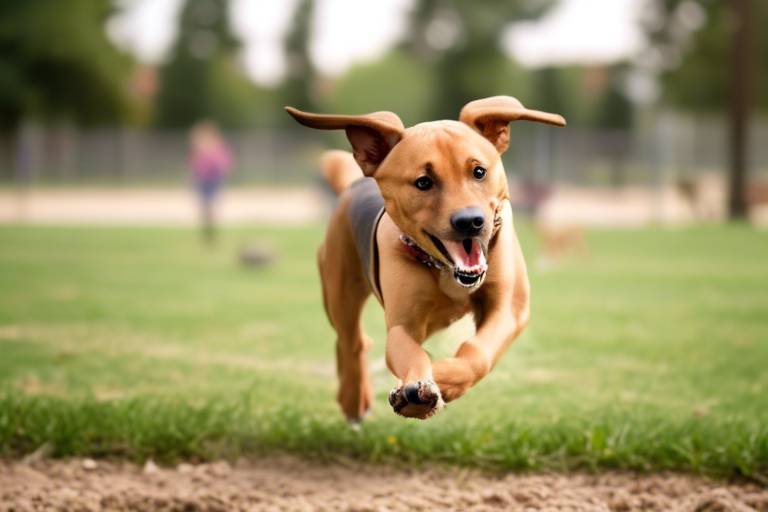
Taking your furry friend to a dog park can be one of the most rewarding experiences for both of you. However, it’s essential to prepare adequately to ensure that your dog enjoys the park while also behaving appropriately. Training your dog to use a dog park effectively is not just about letting them run free; it’s about creating a safe and enjoyable environment for all dogs and their owners. Imagine stepping into a world where your pup can frolic with friends, chase after balls, and socialize with other dogs—all while you sit back, relax, and enjoy the moment. Sounds fantastic, right? Well, it can be, but only if you follow some crucial tips and strategies.
First and foremost, understanding the etiquette of dog parks is vital. Every park has its own set of rules and guidelines that ensure a harmonious experience for everyone involved. Familiarizing yourself with these rules not only keeps your dog safe but also helps you avoid any embarrassing situations. For example, make sure your dog is up to date on vaccinations, as this protects not only your pet but also others. Additionally, always clean up after your dog—nobody likes stepping in a surprise! By being a responsible pet owner, you set a positive example for others.
Another key aspect is choosing the right dog park. Not all parks are created equal, and selecting one that fits your dog’s needs is paramount. Consider factors like the park’s size, layout, and the types of dogs that frequent it. A smaller park might be perfect for a timid dog, while a larger space could benefit a more energetic pup. Pay attention to the facilities available for both dogs and owners. For instance, parks with water stations, shaded areas, and benches make for a more comfortable experience. You wouldn’t want to spend an hour in the sun without a place to sit, right?
Once you’ve found the right park, it’s time to focus on socialization techniques. Dogs are social creatures, and teaching them how to interact with other dogs and people is essential. Start by introducing your dog to one or two other dogs before letting them loose in a larger group. This gradual approach helps build their confidence and reduces the likelihood of overwhelming them. Remember, just like humans, dogs have their own personalities and comfort levels. Some might dive right into play, while others may prefer to observe from a distance.
Training commands are also a crucial part of preparing your dog for the dog park. Basic commands like sit, stay, and come are essential for controlling your dog in a busy environment. These commands not only keep your dog safe but also enhance the overall experience for everyone at the park. Imagine being able to call your dog back just as they’re about to chase after a squirrel! Advanced commands can further help manage your dog’s interactions, allowing you to navigate various social situations with ease.
Monitoring your dog’s behavior while at the park is equally important. Observing their body language can help you identify signs of stress or discomfort. Look out for signs like tail tucking, excessive barking, or a reluctance to engage. If your dog seems overwhelmed, it might be time to take a break and allow them to regroup. Addressing any aggressive behavior promptly is crucial for the safety of all dogs involved. Remember, it’s better to intervene early than to let a situation escalate.
Finally, establishing a routine for visiting the dog park can greatly benefit your dog’s socialization skills. Regular visits help your dog acclimate to the environment and become more comfortable over time. Consider how often you should visit based on your dog’s temperament and experience level. Some dogs thrive on daily visits, while others might benefit from a more gradual approach. Timing your visits is also essential; going during less crowded times can provide a more relaxed atmosphere for your dog to explore.
After a fun day at the park, don’t forget about post-park care. Reinforcing positive behavior through rewards can solidify the training you’ve worked so hard on. A simple treat or extra playtime at home can go a long way in encouraging good behavior. It’s also crucial to check your dog for any injuries or issues after a visit. Look for cuts, scrapes, or any signs of discomfort. By taking these steps, you ensure that your dog remains healthy and happy.
- How often should I take my dog to the park? The frequency depends on your dog’s temperament. Some dogs thrive on daily visits, while others may prefer a few times a week.
- What should I bring to the dog park? Bring water, waste bags, treats, and a toy to keep your dog engaged.
- How can I tell if my dog is stressed? Look for signs like tail tucking, excessive barking, or hiding. If your dog shows these signs, it might be time to leave.
Understanding Dog Park Etiquette
When you step into a dog park, it’s like entering a bustling social scene where both dogs and their owners come together to play, bond, and enjoy the great outdoors. However, just like any social setting, there are unspoken rules and etiquette that everyone should follow to ensure a harmonious experience. Understanding these guidelines is essential not only for your dog’s enjoyment but also for the safety and comfort of all park-goers.
First and foremost, it’s important to remember that not all dogs are the same. Some may be social butterflies, while others might be a bit more reserved or even anxious. Always keep an eye on your dog and be ready to intervene if they seem overwhelmed or if they’re bothering another dog. A good rule of thumb is to observe the interactions before jumping in. If you notice a dog that seems to be playing too roughly or your own dog is showing signs of discomfort, don’t hesitate to step in and redirect their energy.
Another key aspect of dog park etiquette is to always clean up after your pet. This not only shows respect for other dog owners but also keeps the park clean and enjoyable for everyone. Make sure to bring enough waste bags with you and dispose of them properly in designated bins. No one wants to step in a surprise left by a fellow dog, right? Keeping the park clean is a collective responsibility that helps maintain a positive atmosphere.
Furthermore, it’s essential to supervise your dog at all times. This means staying within close proximity and being aware of their behavior. If your dog tends to be a little too excited or rambunctious, consider using a leash until you feel confident they can interact safely with other dogs. A well-supervised dog is a happy dog, and it ensures that everyone can enjoy their time without worries.
Additionally, be mindful of the park’s rules. Most dog parks have specific guidelines posted at the entrance, and it’s a good idea to familiarize yourself with them before letting your dog loose. These rules typically include guidelines about the number of dogs allowed, age restrictions, and any breed-specific regulations. Following these rules helps create a safer environment for all.
Lastly, engaging with other dog owners can enhance your experience. Don’t be shy! Chatting with fellow dog lovers can lead to new friendships and even playdates for your dogs. Just remember to be polite and respectful—if someone seems uninterested in chatting, don’t take it personally. Everyone is there for their own reasons, and sometimes, a quiet day at the park is just what someone needs.
In summary, understanding dog park etiquette is about creating a safe, enjoyable environment for dogs and their owners alike. By being respectful, observant, and proactive, you can ensure that your visits to the dog park are filled with joy, laughter, and unforgettable moments. So grab that leash, keep these tips in mind, and let the fun begin!
- What should I bring to the dog park? Always bring water for your dog, waste bags for cleanup, and any toys your dog enjoys. A first aid kit can also be handy.
- How do I know if my dog is ready for a dog park? If your dog is socialized and comfortable around other dogs and people, they are likely ready. Start with smaller gatherings before heading to the park.
- What if my dog gets into a fight with another dog? Stay calm and intervene if necessary. Use a firm voice to call your dog away, and avoid physically separating them unless it’s safe to do so.
- Can I bring my children to the dog park? Yes, but always supervise them closely. Teach them to respect the dogs and understand the importance of not interrupting play.
Choosing the Right Dog Park
When it comes to finding the perfect dog park for your furry friend, it’s not just about picking the closest one. You want to ensure that the park is a safe and enjoyable place for both you and your dog. Think of it as a treasure hunt; you’re searching for that hidden gem where your dog can frolic freely and socialize with other pups. So, what should you look for? Let’s dive into the key factors that can make or break your dog park experience.
First and foremost, consider the size and layout of the park. A spacious park with designated areas for small and large dogs can help prevent any unwanted confrontations. Imagine your dog bounding through a vast green field, chasing after a ball, or simply rolling in the grass. If the park is too small, it might feel cramped, leading to potential conflicts among the dogs. Therefore, always assess whether there’s enough space for your dog to run and play comfortably.
Next, think about the safety features of the park. You wouldn’t want your dog to escape or get into trouble while you’re busy chatting with fellow dog owners. Look for parks that have secure fencing and double-gated entries. This way, you can feel at ease knowing that your dog is safe while they explore. Additionally, check for any potential hazards like sharp objects or toxic plants that could harm your pup.
Another crucial aspect to consider is the facilities available for owners. A well-equipped dog park should have amenities that make your visit more enjoyable. For instance, look for:
- Seating areas where you can relax while keeping an eye on your dog.
- Water stations to keep your pup hydrated, especially on hot days.
- Waste disposal options to maintain cleanliness and hygiene.
Having these facilities can turn a simple outing into a delightful experience, allowing you to enjoy your time at the park too.
Lastly, observe the other dogs and their owners present at the park. It’s essential to ensure that the social environment matches your dog’s temperament. If your dog is timid, a park filled with overly energetic dogs might not be the best choice. Conversely, if your dog is more assertive, you’ll want to avoid parks where dogs are overly aggressive. A good mix of breeds and temperaments can create a balanced atmosphere where all dogs can thrive.
In summary, choosing the right dog park involves considering the size and layout, safety features, available facilities, and the overall social environment. By taking the time to find a park that meets these criteria, you’ll set the stage for countless joyful adventures with your furry companion. So grab that leash, and let the park exploration begin!
Q: How do I know if a dog park is safe for my dog?
A: Look for secure fencing, double-gated entries, and check for any visible hazards. Observing other dogs’ behavior can also give you insights into the park’s environment.
Q: What should I bring to the dog park?
A: Essentials include water for your dog, waste bags, a leash, and some toys. It’s also a good idea to bring treats for positive reinforcement.
Q: Can all dogs go to the same park?
A: Not necessarily. It’s important to assess your dog’s temperament and the behavior of other dogs at the park. Some parks have separate areas for small and large dogs.
Assessing Park Size and Layout
When it comes to choosing the perfect dog park for your furry friend, one of the most critical aspects to consider is the size and layout of the park. The dimensions of the park can significantly influence your dog’s experience, allowing them to run freely, socialize, and engage in playful activities. A spacious park not only provides ample room for dogs to frolic but also reduces the chances of overcrowding, which can lead to anxiety or aggressive behavior among pets.
As you approach a potential dog park, take a moment to assess its layout. Is it designed with separate areas for small and large dogs? This is a crucial feature, as it ensures that your smaller, more timid pups can play without the fear of being overwhelmed by larger, more boisterous breeds. A well-thought-out park layout promotes a safe and enjoyable environment for all dogs, regardless of their size or temperament.
Another important factor is the topography of the park. Is it mostly flat, or does it have hills and obstacles? A park with varied terrain can offer a stimulating experience for your dog, encouraging them to explore and engage in different types of play. However, if your dog is older or has mobility issues, a flatter park may be more suitable to avoid strain on their joints.
Consider the fencing around the park as well. A secure, high fence is essential to keep your dog safely contained while they enjoy their time off-leash. Look for parks with double-gated entries to prevent any escape attempts when entering or exiting. This feature is particularly important for dogs that may be prone to darting off in excitement.
Lastly, take note of the amenities available within the park. Are there shaded areas where your dog can cool off on hot days? Are there benches for you to relax while keeping an eye on your pup? Having these facilities can enhance your experience, making visits to the park more enjoyable for both you and your dog.
In summary, assessing the size and layout of a dog park involves looking at several key factors:
- Size: Ensure there’s enough space for running and playing.
- Design: Check for separate areas for small and large dogs.
- Topography: Look for varied terrain that suits your dog’s physical abilities.
- Fencing: Ensure the park is securely fenced with double-gated entries.
- Amenities: Look for shaded areas and seating for owners.
By paying attention to these elements, you can select a park that not only meets your dog’s needs but also creates a positive and enriching experience for both of you. Remember, a well-chosen park can be a fantastic playground for your dog, providing them with the socialization and exercise they crave.
Safety Features to Look For
When it comes to choosing the right dog park, prioritizing safety is paramount. You want your furry friend to have a great time, but you also need to ensure that the environment is secure. One of the first things to look for is secure fencing. A solid, tall fence will keep your dog from escaping and prevent other animals from entering the park unexpectedly. Look for fences that are at least 4 to 6 feet high, ideally with no gaps at the bottom where a small dog might squeeze through.
Another essential feature is a double-gated entry system. This means that there are two gates you have to pass through before entering the dog area. This design minimizes the risk of dogs bolting out into the parking lot or street. It’s a simple yet effective way to keep everyone safe during entry and exit.
Additionally, pay attention to the ground surface of the park. A well-maintained area with soft ground cover, such as grass, sand, or mulch, can help prevent injuries during play. Avoid parks with rough terrain or sharp objects that could harm your dog’s paws. Also, check for adequate drainage to avoid muddy areas that could lead to slips or infections.
Lastly, observe the presence of designated small dog areas. These sections are specifically designed for smaller breeds, allowing them to play without the risk of being overwhelmed by larger dogs. This is particularly important for dogs that may be timid or less confident around bigger pups. By ensuring that these safety features are in place, you can create a worry-free environment for your dog to socialize and have fun!
- What should I bring to the dog park? It’s essential to bring water, waste bags, and your dog’s favorite toys to keep them hydrated and entertained.
- How do I know if my dog is ready for the dog park? If your dog is well-socialized, responds to basic commands, and enjoys being around other dogs, they are likely ready for the park.
- What should I do if my dog gets into a fight? Stay calm, and avoid yelling. Use commands to call your dog away, and if necessary, use a spray bottle or a loud noise to distract them.
Facilities for Owners
When it comes to enjoying a day at the dog park, the experience isn’t just about your furry friend—it’s also about you! Having the right facilities for dog owners can transform a simple outing into a delightful adventure. Imagine this: you’re sitting comfortably on a bench, watching your dog frolic and play with their new pals, while you sip on your favorite drink. Sounds perfect, right? That’s why it’s essential to choose a dog park that offers various amenities to enhance your visit.
First and foremost, seating areas are crucial. Whether it’s benches, picnic tables, or shaded spots, having a place to sit allows you to relax and keep an eye on your pup without feeling like you have to stand the entire time. You can catch up with fellow dog owners or simply enjoy the fresh air while your dog runs around. Additionally, water stations for both dogs and humans are vital. Hydration is key, especially on warm days, and having easy access to fresh water ensures that your dog stays cool and happy.
Another important feature to look for is waste disposal options. Dog parks should provide waste bins and bags to encourage responsible pet ownership. This not only keeps the park clean but also fosters a respectful environment for everyone. No one wants to step in a surprise left behind by another dog, right? So, having these facilities readily available can make a significant difference in your overall experience.
Lastly, consider parks that offer shade structures. Dogs, just like humans, can overheat in direct sunlight. Having shaded areas where your dog can rest and cool down is a big plus. This not only protects your dog’s health but also allows you to enjoy your time at the park without constantly worrying about the heat. In summary, facilities for owners play a vital role in making your dog park visits enjoyable and stress-free. So, always keep an eye out for these amenities when choosing the perfect park for your canine companion!
- What should I bring to the dog park? Always bring water, waste bags, treats, and a leash. It’s also good to have a first-aid kit handy.
- How do I know if my dog is ready for the dog park? Your dog should be well-socialized, comfortable around other dogs, and trained to follow basic commands.
- What if my dog is aggressive towards other dogs? It’s best to avoid dog parks until your dog has received proper training and behavioral guidance.
- Can I bring my puppy to the dog park? Puppies can go, but ensure they have completed their vaccinations and are comfortable around other dogs.
Socialization Techniques
When it comes to ensuring your dog has a fantastic time at the dog park, play a pivotal role. Just like humans, dogs thrive in social environments, and teaching them how to interact appropriately with others can make all the difference. So, how do you go about this? Well, first and foremost, patience is key. Dogs, especially those who are new to the park, may feel overwhelmed by the sheer number of other pups and people. Start by allowing your dog to observe from a distance before diving into the action. This way, they can acclimate to the sights and sounds without feeling pressured.
Another effective technique is to introduce your dog to friendly, well-socialized dogs first. This can help build their confidence and teach them how to engage in play. You might consider organizing playdates with calm dogs before heading to the park. This controlled environment allows your dog to practice their social skills without the chaotic atmosphere of a dog park. Remember, positive experiences are crucial. Each time your dog interacts well with another dog, reward them with treats or praise. This reinforces good behavior and helps them associate socialization with positive outcomes.
Additionally, keep an eye on your dog’s body language. Signs of comfort include a relaxed posture, wagging tail, and playful demeanor. On the flip side, if you notice your dog tucking their tail, backing away, or growling, it might be time to step back. Recognizing these signals can help you intervene before any negative interactions occur. Here’s a quick reference table to help you identify common signs of dog behavior:
| Behavior | Interpretation |
|---|---|
| Wagging Tail | Happy and excited |
| Tucked Tail | Fearful or anxious |
| Play Bow | Invitation to play |
| Growling | Warning or discomfort |
Lastly, consider using toys as a socialization tool. Bringing along a favorite ball or frisbee can encourage interaction between dogs. When they engage in play with a toy, they are more likely to form friendships and establish a bond. Just like at a party, a fun game can break the ice and get everyone mingling!
In summary, socialization at the dog park is all about creating a positive, enriching experience for your furry friend. By gradually introducing them to new environments, recognizing their comfort levels, and using play as a bridge for interaction, you can help your dog develop into a well-mannered and confident park-goer. Remember, the goal is to have fun while ensuring safety and happiness for all involved!
- How can I tell if my dog is ready for the dog park? Look for signs of confidence and comfort in new environments. If your dog enjoys meeting other dogs on walks, they may be ready for the park.
- What should I do if my dog shows aggression at the park? It’s crucial to intervene immediately. Use commands like “leave it” or “come” to redirect their focus and remove them from the situation if necessary.
- How often should I take my dog to the park? Regular visits can help with socialization, but the frequency depends on your dog’s temperament. Some dogs thrive with daily visits, while others may prefer a few times a week.
- What items should I bring to the dog park? Always bring water, waste bags, and treats. A favorite toy can also enhance your dog’s experience and encourage interaction.
Training Commands for Dog Parks
Training your dog with essential commands can significantly enhance their behavior and safety during park visits. Imagine being at a bustling dog park, where dogs are darting around, tails wagging, and owners are chatting away. In such a lively environment, having a few key commands in your dog’s repertoire can make all the difference. Not only does it help you manage your dog effectively, but it also ensures a more enjoyable experience for everyone involved. The commands you teach your dog will serve as tools that help both of you navigate the excitement of the park.
First and foremost, basic commands such as sit, stay, and come are fundamental. These commands provide a foundation for your dog’s training and can be lifesavers in various situations. For instance, if your dog gets too excited and starts to run towards another dog, a quick come can redirect their attention back to you. Similarly, teaching your dog to stay can keep them in a safe position while you assess the environment or interact with other dog owners. Here’s a brief overview of why these commands are essential:
| Command | Purpose | Benefits |
|---|---|---|
| Sit | Calm your dog in a busy environment | Reduces excitement and promotes focus |
| Stay | Keep your dog in place | Prevents unwanted movements towards distractions |
| Come | Bring your dog back to you | Ensures safety during playtime |
Once your dog has mastered the basics, you can move on to advanced commands that are particularly useful in social situations at the park. Commands like leave it and go play can help manage your dog’s interactions with others. For example, if your dog is getting too interested in something they shouldn’t, a firm leave it can redirect their focus away from potential trouble. On the other hand, a command like go play can encourage your dog to engage positively with their surroundings, fostering socialization and playfulness.
It’s important to remember that training is an ongoing process. Regular practice of these commands in different settings, including the dog park, will reinforce your dog’s learning and help them respond better in various situations. Plus, using positive reinforcement techniques, such as treats and praise, will make the training experience enjoyable for both you and your furry friend. Ultimately, the goal is to create a well-behaved dog who can enjoy the freedom of the park while still being under your control.
- How long does it take to train my dog on these commands? Training times can vary based on the dog’s age, breed, and temperament. Consistent practice over a few weeks can yield noticeable results.
- Can I train my dog at the park, or should I do it at home? While initial training is best done in a quiet environment, practicing at the park helps your dog learn to respond amidst distractions.
- What if my dog doesn’t respond to commands at the park? If your dog is distracted, try using higher-value treats or a favorite toy to regain their attention.
Basic Commands for Control
When it comes to ensuring your dog’s safety and enhancing their experience at the dog park, mastering a few basic commands is essential. Think of these commands as the foundation of your dog’s training—like the roots of a tree that support its growth and stability. The three most critical commands to focus on are sit, stay, and come. Each of these commands plays a unique role in managing your dog’s behavior, especially in a bustling park environment.
The command sit is a fantastic starting point. It teaches your dog to pause and remain calm, which can be incredibly useful when you arrive at the park. Imagine your dog jumping out of excitement—having them sit first allows you to get their leash off and assess the park before they dash off. To teach this command, you can use treats as a lure; simply hold one above their nose and move it back over their head. As their head goes up, their bottom will naturally lower to the ground. Once they sit, reward them immediately with praise and the treat!
Next up is the stay command. This command is crucial for keeping your dog in a safe position while you interact with other owners or evaluate the park’s dynamics. It’s like having a pause button for your dog! To teach this, start with your dog in a sitting position. Open your palm towards them and say “stay” while taking a step back. If they remain seated, reward them. Gradually increase the distance and duration over time. This command can help prevent your dog from rushing towards other dogs or distractions that could lead to trouble.
The final command to focus on is come. This command is a lifesaver when you need your dog to return to you, especially in situations where they might be distracted by other dogs or interesting smells. To train your dog to come, use a long leash initially. Call your dog in an enthusiastic tone, using their name followed by “come.” When they reach you, shower them with affection and treats. The goal is to create a positive association with coming back to you. Remember, consistency is key, so practice this command in various environments to reinforce its importance.
In summary, mastering these basic commands not only helps you maintain control over your dog but also enhances their confidence and enjoyment at the dog park. By incorporating these commands into your routine, you pave the way for a safer, more enjoyable experience for both you and your furry friend. So, are you ready to take your dog training to the next level?
- How long does it take to train my dog on these commands? Training times can vary based on your dog’s age, breed, and prior training. Generally, with consistent practice, you can expect to see progress within a few weeks.
- What if my dog doesn’t respond to commands at the park? Distractions can be overwhelming. Start training in a quieter environment and gradually introduce distractions as your dog learns to respond.
- Can I use treats for training outside of the dog park? Absolutely! Using treats as positive reinforcement is effective in any setting, helping your dog associate commands with rewards.
sit,
This article provides essential tips and strategies for effectively training your dog to enjoy and behave well in a dog park environment, ensuring a positive experience for both the dog and its owner.
Familiarizing yourself with the rules and etiquette of dog parks is crucial for a harmonious experience. This section covers common guidelines and practices to follow for the safety and enjoyment of all dogs and owners.
Selecting an appropriate dog park is vital for your dog’s comfort and safety. Here, we discuss factors to consider when choosing a park, including size, facilities, and other dogs present.
The park’s size and layout can significantly affect your dog’s experience. This subsection addresses how to evaluate these aspects to ensure your dog has adequate space to roam and play.
Safety features such as secure fencing and double-gated entries are essential. This section highlights the key safety elements that contribute to a worry-free visit to the dog park.
Amenities available for dog owners can enhance the park experience. Here, we explore the importance of seating areas, water stations, and waste disposal options for a comfortable visit.
Effective socialization is crucial for your dog’s confidence and behavior in a dog park. This section provides techniques to help your dog interact positively with other dogs and humans.
Teaching your dog essential commands can improve their behavior in a park setting. This section covers key commands that can help manage your dog during playtime and interactions.
Basic commands such as sit, stay, and come are vital for maintaining control. These commands not only enhance your dog’s safety but also contribute to a more enjoyable experience for everyone involved. For instance, teaching your dog to sit can be incredibly useful when you arrive at the park. Imagine the scene: you walk through the gate, and instead of your dog dashing off to greet every other pup, you simply ask them to sit. This simple command can transform a chaotic entrance into a calm and controlled moment, making it easier for you to assess the environment and ensure your dog’s safety.
To effectively teach your dog to sit, follow these steps:
- Start in a quiet environment with minimal distractions.
- Hold a treat close to your dog’s nose, then slowly move your hand upward. As their head follows the treat, their bottom will naturally lower.
- Once their bottom touches the ground, say sit and give them the treat as a reward.
- Repeat this process several times until your dog associates the command with the action.
Consistency is key here. Use the command every time you want your dog to sit, whether it’s before feeding, during walks, or at the park. Reinforcement through treats and praise will help solidify this behavior. Over time, your dog will learn to respond to the command without the need for treats, making it an invaluable tool during your park visits.
Advanced commands can be beneficial in specific social scenarios. Here, we discuss commands like leave it and go play, which can help manage your dog’s interactions effectively.
Observing your dog’s behavior is essential for ensuring a positive experience at the dog park. This section discusses how to recognize signs of stress, aggression, or discomfort in your dog.
Understanding your dog’s body language can help you identify when they are feeling anxious. This subsection outlines common stress signals to watch for during park visits.
Addressing aggression promptly is crucial for safety. Here, we provide strategies for managing aggressive behavior in your dog and how to intervene when necessary.
Creating a consistent routine for visiting the dog park can help your dog acclimate and thrive. This section discusses the benefits of regular visits and how to establish a successful schedule.
Determining how often to visit the dog park can impact your dog’s socialization. This subsection advises on the ideal frequency for different dogs based on their temperament and experience.
Choosing the right time for park visits can enhance your experience. Here, we explore the importance of visiting during less crowded times for a more relaxed environment.
Caring for your dog after a visit to the park is essential for their well-being. This section covers post-park training and care routines to reinforce good behavior and keep your dog healthy.
Reinforcing good behavior after the park can solidify training. This subsection discusses effective reward techniques to encourage desirable actions in your dog.
After a park visit, it’s important to inspect your dog for any injuries. Here, we outline steps to take for checking your dog’s health and addressing any concerns promptly.
Q: How can I ensure my dog behaves well at the park?
A: Training commands like sit, stay, and come are essential for maintaining control and ensuring your dog interacts positively with others.
Q: What should I do if my dog shows signs of stress at the park?
A: If you notice signs of stress, such as excessive panting or cowering, it’s best to remove your dog from the situation and allow them to calm down.
Q: How often should I take my dog to the park?
A: The frequency of visits should depend on your dog’s temperament and socialization needs; regular visits can help them adjust and thrive.
This article provides essential tips and strategies for effectively training your dog to enjoy and behave well in a dog park environment, ensuring a positive experience for both the dog and its owner.
Familiarizing yourself with the rules and etiquette of dog parks is crucial for a harmonious experience. This section covers common guidelines and practices to follow for the safety and enjoyment of all dogs and owners.
Selecting an appropriate dog park is vital for your dog’s comfort and safety. Here, we discuss factors to consider when choosing a park, including size, facilities, and other dogs present.
The park’s size and layout can significantly affect your dog’s experience. This subsection addresses how to evaluate these aspects to ensure your dog has adequate space to roam and play.
Safety features such as secure fencing and double-gated entries are essential. This section highlights the key safety elements that contribute to a worry-free visit to the dog park.
Amenities available for dog owners can enhance the park experience. Here, we explore the importance of seating areas, water stations, and waste disposal options for a comfortable visit.
Effective socialization is crucial for your dog’s confidence and behavior in a dog park. This section provides techniques to help your dog interact positively with other dogs and humans.
Teaching your dog essential commands can improve their behavior in a park setting. This section covers key commands that can help manage your dog during playtime and interactions.
Basic commands such as sit, stay, and come are vital for maintaining control. This subsection emphasizes how these commands can enhance your dog’s safety and the overall experience.
Advanced commands can be beneficial in specific social scenarios. Here, we discuss commands like leave it and go play, which can help manage your dog’s interactions effectively.
Observing your dog’s behavior is essential for ensuring a positive experience at the dog park. This section discusses how to recognize signs of stress, aggression, or discomfort in your dog.
Understanding your dog’s body language can help you identify when they are feeling anxious. This subsection outlines common stress signals to watch for during park visits.
Addressing aggression promptly is crucial for safety. Here, we provide strategies for managing aggressive behavior in your dog and how to intervene when necessary.
Creating a consistent routine for visiting the dog park can help your dog acclimate and thrive. This section discusses the benefits of regular visits and how to establish a successful schedule.
Determining how often to visit the dog park can impact your dog’s socialization. This subsection advises on the ideal frequency for different dogs based on their temperament and experience.
Choosing the right time for park visits can enhance your experience. Here, we explore the importance of visiting during less crowded times for a more relaxed environment.
Caring for your dog after a visit to the park is essential for their well-being. This section covers post-park training and care routines to reinforce good behavior and keep your dog healthy.
Reinforcing good behavior after the park can solidify training. This subsection discusses effective reward techniques to encourage desirable actions in your dog.
After a park visit, it’s important to inspect your dog for any injuries. Here, we outline steps to take for checking your dog’s health and addressing any concerns promptly.
Here are some common questions that dog owners have regarding training their dogs for the park:
- How do I know if my dog is ready for the dog park? – Look for signs of social behavior, good recall, and comfort around other dogs.
- What if my dog doesn’t like other dogs? – Gradually introduce them to smaller, calmer dogs first to build their confidence.
- Can I take my puppy to the dog park? – Yes, but ensure they are fully vaccinated and supervise their interactions closely.
- What should I bring to the dog park? – Bring water, waste bags, and some toys to keep your dog engaged.
stay,
This article provides essential tips and strategies for effectively training your dog to enjoy and behave well in a dog park environment, ensuring a positive experience for both the dog and its owner.
Familiarizing yourself with the rules and etiquette of dog parks is crucial for a harmonious experience. This section covers common guidelines and practices to follow for the safety and enjoyment of all dogs and owners.
Selecting an appropriate dog park is vital for your dog’s comfort and safety. Here, we discuss factors to consider when choosing a park, including size, facilities, and other dogs present.
The park’s size and layout can significantly affect your dog’s experience. This subsection addresses how to evaluate these aspects to ensure your dog has adequate space to roam and play.
Safety features such as secure fencing and double-gated entries are essential. This section highlights the key safety elements that contribute to a worry-free visit to the dog park.
Amenities available for dog owners can enhance the park experience. Here, we explore the importance of seating areas, water stations, and waste disposal options for a comfortable visit.
Effective socialization is crucial for your dog’s confidence and behavior in a dog park. This section provides techniques to help your dog interact positively with other dogs and humans.
Teaching your dog essential commands can improve their behavior in a park setting. This section covers key commands that can help manage your dog during playtime and interactions.
Basic commands such as sit, stay, and come are vital for maintaining control. These commands are not just words; they are tools that enhance your dog’s safety and the overall experience at the park. For instance, the command stay can be a lifesaver in a busy dog park, allowing your dog to remain in a safe position while you assess the surroundings or interact with other owners. Imagine your dog sitting calmly while other dogs rush past, creating a calm oasis amidst the chaos.
Advanced commands can be beneficial in specific social scenarios. Here, we discuss commands like leave it and go play, which can help manage your dog’s interactions effectively.
Observing your dog’s behavior is essential for ensuring a positive experience at the dog park. This section discusses how to recognize signs of stress, aggression, or discomfort in your dog.
Understanding your dog’s body language can help you identify when they are feeling anxious. This subsection outlines common stress signals to watch for during park visits.
Addressing aggression promptly is crucial for safety. Here, we provide strategies for managing aggressive behavior in your dog and how to intervene when necessary.
Creating a consistent routine for visiting the dog park can help your dog acclimate and thrive. This section discusses the benefits of regular visits and how to establish a successful schedule.
Determining how often to visit the dog park can impact your dog’s socialization. This subsection advises on the ideal frequency for different dogs based on their temperament and experience.
Choosing the right time for park visits can enhance your experience. Here, we explore the importance of visiting during less crowded times for a more relaxed environment.
Caring for your dog after a visit to the park is essential for their well-being. This section covers post-park training and care routines to reinforce good behavior and keep your dog healthy.
Reinforcing good behavior after the park can solidify training. This subsection discusses effective reward techniques to encourage desirable actions in your dog.
After a park visit, it’s important to inspect your dog for any injuries. Here, we outline steps to take for checking your dog’s health and addressing any concerns promptly.
Here are some common questions that dog owners often ask regarding dog park training:
- What should I bring to the dog park? Always bring water, waste bags, and a few of your dog’s favorite toys.
- Can all dogs go to the dog park? Not all dogs are suited for dog parks; assess your dog’s temperament and behavior first.
- How do I know if my dog is ready for the dog park? If your dog is socialized and responds well to commands, they are likely ready.
and
This article provides essential tips and strategies for effectively training your dog to enjoy and behave well in a dog park environment, ensuring a positive experience for both the dog and its owner.
Familiarizing yourself with the rules and etiquette of dog parks is crucial for a harmonious experience. This section covers common guidelines and practices to follow for the safety and enjoyment of all dogs and owners.
Selecting an appropriate dog park is vital for your dog’s comfort and safety. Here, we discuss factors to consider when choosing a park, including size, facilities, and other dogs present.
The park’s size and layout can significantly affect your dog’s experience. This subsection addresses how to evaluate these aspects to ensure your dog has adequate space to roam and play.
Safety features such as secure fencing and double-gated entries are essential. This section highlights the key safety elements that contribute to a worry-free visit to the dog park.
Amenities available for dog owners can enhance the park experience. Here, we explore the importance of seating areas, water stations, and waste disposal options for a comfortable visit.
Effective socialization is crucial for your dog’s confidence and behavior in a dog park. This section provides techniques to help your dog interact positively with other dogs and humans.
Teaching your dog essential commands can improve their behavior in a park setting. This section covers key commands that can help manage your dog during playtime and interactions.
Basic commands such as sit, stay, and come are vital for maintaining control. This subsection emphasizes how these commands can enhance your dog’s safety and the overall experience.
Advanced commands can be beneficial in specific social scenarios. Here, we discuss commands like leave it and go play, which can help manage your dog’s interactions effectively.
Observing your dog’s behavior is essential for ensuring a positive experience at the dog park. This section discusses how to recognize signs of stress, aggression, or discomfort in your dog.
Understanding your dog’s body language can help you identify when they are feeling anxious. This subsection outlines common stress signals to watch for during park visits.
Addressing aggression promptly is crucial for safety. Here, we provide strategies for managing aggressive behavior in your dog and how to intervene when necessary.
Creating a consistent routine for visiting the dog park can help your dog acclimate and thrive. This section discusses the benefits of regular visits and how to establish a successful schedule.
Determining how often to visit the dog park can impact your dog’s socialization. This subsection advises on the ideal frequency for different dogs based on their temperament and experience.
Choosing the right time for park visits can enhance your experience. Here, we explore the importance of visiting during less crowded times for a more relaxed environment.
Caring for your dog after a visit to the park is essential for their well-being. This section covers post-park training and care routines to reinforce good behavior and keep your dog healthy.
Reinforcing good behavior after the park can solidify training. This subsection discusses effective reward techniques to encourage desirable actions in your dog.
After a park visit, it’s important to inspect your dog for any injuries. Here, we outline steps to take for checking your dog’s health and addressing any concerns promptly.
- What should I bring to the dog park? Always bring water, waste bags, and any toys your dog enjoys. A leash is also essential for entering and exiting the park.
- How can I tell if my dog is ready for the dog park? If your dog is comfortable around other dogs and has basic obedience training, they’re likely ready for the park.
- What if my dog doesn’t get along with other dogs? Consider visiting during quieter times or look for parks with separate areas for small and large dogs.
- How often should I take my dog to the park? Regular visits can help improve socialization, but the frequency should depend on your dog’s temperament and energy levels.
come
This article provides essential tips and strategies for effectively training your dog to enjoy and behave well in a dog park environment, ensuring a positive experience for both the dog and its owner.
Familiarizing yourself with the rules and etiquette of dog parks is crucial for a harmonious experience. This section covers common guidelines and practices to follow for the safety and enjoyment of all dogs and owners.
Selecting an appropriate dog park is vital for your dog’s comfort and safety. Here, we discuss factors to consider when choosing a park, including size, facilities, and other dogs present.
The park’s size and layout can significantly affect your dog’s experience. This subsection addresses how to evaluate these aspects to ensure your dog has adequate space to roam and play.
Safety features such as secure fencing and double-gated entries are essential. This section highlights the key safety elements that contribute to a worry-free visit to the dog park.
Amenities available for dog owners can enhance the park experience. Here, we explore the importance of seating areas, water stations, and waste disposal options for a comfortable visit.
Effective socialization is crucial for your dog’s confidence and behavior in a dog park. This section provides techniques to help your dog interact positively with other dogs and humans.
Teaching your dog essential commands can improve their behavior in a park setting. This section covers key commands that can help manage your dog during playtime and interactions.
Basic commands such as sit, stay, and are vital for maintaining control. This subsection emphasizes how these commands can enhance your dog’s safety and the overall experience.
The command is one of the most important commands you can teach your dog. Imagine being at a bustling dog park, surrounded by a symphony of barking and playful growls. Your dog spots a squirrel or another dog and takes off! In that moment, being able to call your dog back with a firm and friendly can be a game-changer. It’s not just about obedience; it’s about ensuring your dog’s safety and your peace of mind.
To effectively teach your dog the command, start in a controlled environment, like your backyard. Begin by using a leash to keep your dog close. Use a cheerful tone and say, “!” while gently pulling on the leash. When your dog approaches you, reward them with a treat and lots of praise. This positive reinforcement helps your dog associate the command with something enjoyable.
Once your dog reliably responds in a familiar setting, gradually increase the distance and distractions. Try practicing in a quiet area of the dog park when it’s less crowded. As your dog gets more comfortable, you can start calling them from further away. Remember, consistency is key! Always reward your dog for coming to you, even if they take their time. This will encourage them to respond faster in the future.
As you progress, you can use the command in different contexts, like during playtime or when you need to leave the park. This versatility will help your dog understand that is a command to be taken seriously, regardless of the situation. Just like a child learning to listen to their parents, your dog will thrive on the clarity and structure you provide.
Observing your dog’s behavior is essential for ensuring a positive experience at the dog park. This section discusses how to recognize signs of stress, aggression, or discomfort in your dog.
Understanding your dog’s body language can help you identify when they are feeling anxious. This subsection outlines common stress signals to watch for during park visits.
Addressing aggression promptly is crucial for safety. Here, we provide strategies for managing aggressive behavior in your dog and how to intervene when necessary.
Creating a consistent routine for visiting the dog park can help your dog acclimate and thrive. This section discusses the benefits of regular visits and how to establish a successful schedule.
Determining how often to visit the dog park can impact your dog’s socialization. This subsection advises on the ideal frequency for different dogs based on their temperament and experience.
Choosing the right time for park visits can enhance your experience. Here, we explore the importance of visiting during less crowded times for a more relaxed environment.
Caring for your dog after a visit to the park is essential for their well-being. This section covers post-park training and care routines to reinforce good behavior and keep your dog healthy.
Reinforcing good behavior after the park can solidify training. This subsection discusses effective reward techniques to encourage desirable actions in your dog.
After a park visit, it’s important to inspect your dog for any injuries. Here, we outline steps to take for checking your dog’s health and addressing any concerns promptly.
- How often should I take my dog to the park? – It depends on your dog’s temperament and energy levels, but regular visits help with socialization.
- What if my dog doesn’t want to play with other dogs? – It’s okay! Not all dogs are social butterflies. Ensure they feel comfortable and allow them to observe from a distance.
- Can I bring toys to the dog park? – Yes, but be mindful of other dogs. Some may want to play with your dog’s toys, which could lead to possessiveness.
- What should I do if my dog gets into a fight with another dog? – Stay calm, and don’t physically intervene. Use commands like to call your dog back, and separate them when it’s safe.
are vital for maintaining control. This subsection emphasizes how these commands can enhance your dog’s safety and the overall experience.
This article provides essential tips and strategies for effectively training your dog to enjoy and behave well in a dog park environment, ensuring a positive experience for both the dog and its owner.
Familiarizing yourself with the rules and etiquette of dog parks is crucial for a harmonious experience. This section covers common guidelines and practices to follow for the safety and enjoyment of all dogs and owners.
Selecting an appropriate dog park is vital for your dog’s comfort and safety. Here, we discuss factors to consider when choosing a park, including size, facilities, and other dogs present.
The park’s size and layout can significantly affect your dog’s experience. This subsection addresses how to evaluate these aspects to ensure your dog has adequate space to roam and play.
Safety features such as secure fencing and double-gated entries are essential. This section highlights the key safety elements that contribute to a worry-free visit to the dog park.
Amenities available for dog owners can enhance the park experience. Here, we explore the importance of seating areas, water stations, and waste disposal options for a comfortable visit.
Effective socialization is crucial for your dog’s confidence and behavior in a dog park. This section provides techniques to help your dog interact positively with other dogs and humans.
Teaching your dog essential commands can improve their behavior in a park setting. This section covers key commands that can help manage your dog during playtime and interactions.
Basic commands such as sit, stay, and come are vital for maintaining control. These commands serve as the foundation of your dog’s training, allowing you to manage their behavior effectively in various situations. Imagine being at the park, and your dog is about to chase after a squirrel. With a firm stay, you can prevent them from darting into traffic or running off. This not only enhances your dog’s safety but also ensures a more enjoyable experience for everyone around.
Moreover, using these commands consistently can create a sense of security for your dog. They learn that by obeying you, they are not only safe but also rewarded with praise and treats. This positive reinforcement builds their confidence and strengthens the bond between you and your furry friend. In a bustling dog park, where excitement and distractions abound, having these commands at your disposal can make all the difference.
Advanced commands can be beneficial in specific social scenarios. Here, we discuss commands like leave it and go play, which can help manage your dog’s interactions effectively.
Observing your dog’s behavior is essential for ensuring a positive experience at the dog park. This section discusses how to recognize signs of stress, aggression, or discomfort in your dog.
Understanding your dog’s body language can help you identify when they are feeling anxious. This subsection outlines common stress signals to watch for during park visits.
Addressing aggression promptly is crucial for safety. Here, we provide strategies for managing aggressive behavior in your dog and how to intervene when necessary.
Creating a consistent routine for visiting the dog park can help your dog acclimate and thrive. This section discusses the benefits of regular visits and how to establish a successful schedule.
Determining how often to visit the dog park can impact your dog’s socialization. This subsection advises on the ideal frequency for different dogs based on their temperament and experience.
Choosing the right time for park visits can enhance your experience. Here, we explore the importance of visiting during less crowded times for a more relaxed environment.
Caring for your dog after a visit to the park is essential for their well-being. This section covers post-park training and care routines to reinforce good behavior and keep your dog healthy.
Reinforcing good behavior after the park can solidify training. This subsection discusses effective reward techniques to encourage desirable actions in your dog.
After a park visit, it’s important to inspect your dog for any injuries. Here, we outline steps to take for checking your dog’s health and addressing any concerns promptly.
- How can I tell if my dog is ready for the dog park? – Look for signs of socialization and comfort around other dogs.
- What should I bring to the dog park? – Always bring water, a leash, and waste bags.
- Can all dogs go to the dog park? – Not all dogs enjoy the park; assess your dog’s temperament first.
- How do I handle a dog fight at the park? – Remain calm and use commands to separate the dogs if safe to do so.
Advanced Commands for Social Situations
When it comes to navigating the bustling environment of a dog park, advanced commands can be a game changer for both you and your furry friend. While basic commands like sit and stay are essential, advanced commands provide that extra layer of control and can significantly enhance your dog’s social interactions. Imagine your dog bounding towards a new playmate, only to have you call them back with a simple command. This not only shows your dog that you are in charge but also helps them feel more secure in their environment.
One of the most useful advanced commands is leave it. This command can be a lifesaver when your dog is tempted to investigate something potentially harmful or distracting, like a discarded snack or another dog’s toy. Training them to respond to leave it ensures that they prioritize your commands over their curiosity, which is crucial in a park setting where distractions abound. To teach this command, start by holding a treat in your closed fist. When your dog tries to get it, say leave it and wait for them to back off. The moment they do, reward them with a different treat. This reinforces the idea that good things come from listening to you!
Another command that can be incredibly beneficial is go play. This command allows your dog to know when it’s time to engage with other dogs. It’s like giving them a green light to socialize, which can be empowering for your pup. To train this command, start in a controlled environment where your dog is comfortable. Use a leash and let them interact with a friendly dog. When they seem engaged and happy, say go play and give them the freedom to enjoy themselves. Over time, they will associate this command with fun and play, making it easier for you to manage their interactions at the park.
Additionally, it’s important to remember that every dog is unique. Some may take to these commands quickly, while others might need more time and patience. Consistency is key. Practice these commands in various environments, gradually introducing them to the park setting. This will help your dog generalize the commands and respond appropriately, even amidst distractions.
Lastly, always be aware of your dog’s body language during social interactions. Even with advanced commands, it’s vital to monitor their comfort level with other dogs. If you notice signs of stress or discomfort, such as tucked tails or pinned ears, it might be time to intervene, using commands like come or leave it to redirect their focus. This not only keeps your dog safe but also reinforces your role as a confident leader in their eyes.
- What are advanced commands, and why are they important?
Advanced commands help improve your dog’s behavior in social situations, providing better control and enhancing their interactions with other dogs. - How do I teach my dog advanced commands?
Start in a quiet environment, use positive reinforcement, and practice consistently. Gradually introduce the commands in busier settings like a dog park. - Can all dogs learn advanced commands?
Yes, most dogs can learn advanced commands, but the time it takes may vary based on their personality and previous training. - What should I do if my dog shows signs of stress at the park?
If you notice stress signals, use commands like come or leave it to redirect them and give them a break from the situation.
leave it
This article provides essential tips and strategies for effectively training your dog to enjoy and behave well in a dog park eDog park, socialization, training commands, leash training, anxiety reduction, positive reinforcement, play etiquette, supervision, , Dog park, socialization, training commands, leash training, anxiety reduction, positive reinforcement, play etiquette, supervision,
Share this content:
Leave a Reply