
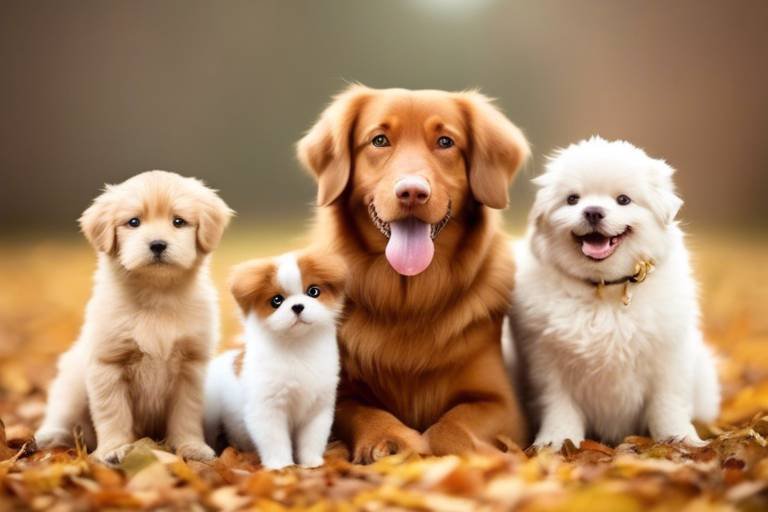
Training multiple pets can be a rewarding yet challenging endeavor. Imagine the joy of seeing your furry friends learn and grow together, but also the chaos that can ensue when personalities clash. This article offers practical strategies for successfully training multiple pets simultaneously, ensuring harmony and effective communication among them while fostering a positive training environment for both pets and their owners. Whether you have two dogs, three cats, or a mix of both, these tips will help you navigate the complexities of group training with ease.
Every pet has its own unique personality and temperament, much like humans. Some pets are naturally more dominant, while others may be shy or anxious. Understanding these dynamics is crucial for effective training. For instance, a confident dog may overshadow a timid one during training sessions, making it essential to recognize individual traits. By fostering a cooperative training atmosphere, you can ensure that each pet feels valued and engaged. This might mean giving more attention to the quieter pets or finding ways to encourage the more dominant ones to share the spotlight. Remember, the goal is to create a balanced environment where all pets can thrive.
Creating a consistent training schedule is one of the best ways to manage your time effectively while ensuring that each pet receives adequate attention. Think of it as setting a routine for your pets, much like a school schedule for kids. When pets know what to expect, they are less likely to feel confused or overwhelmed. Aim for short, focused training sessions that cater to the needs of each pet. This can help promote better learning and reduce frustration during training. A sample schedule might look like this:
| Time | Activity | Pets Involved |
|---|---|---|
| 8:00 AM | Basic Commands | Dog A, Dog B |
| 10:00 AM | Socialization | Cat A, Dog A |
| 2:00 PM | Obstacle Course | Dog B, Cat B |
Implementing daily routines is crucial for reinforcing behaviors and establishing habits. Just like humans thrive on routine, pets do too! Regular training helps them understand what is expected of them during group sessions. For example, starting each session with a few minutes of play can help get their energy up and make them more receptive to learning. This consistent approach not only makes training easier but also strengthens the bond between you and your pets.
When it comes to training times, consider your pets’ energy levels. Some pets are morning creatures, bursting with enthusiasm right after breakfast, while others may be more alert in the evening. Experiment with different times to see when your pets are most engaged. This can make a significant difference in their learning experience. Training during their peak energy times can lead to better focus and quicker learning.
Understanding the optimal duration for training sessions is key to keeping your pets engaged. Generally, shorter sessions of about 5 to 15 minutes are recommended, especially for younger pets or those with shorter attention spans. If you notice signs of fatigue or distraction, it might be time to wrap up the session. This approach helps maximize learning potential while minimizing the risk of overwhelming your pets.
Integrating play into training sessions not only makes learning enjoyable for pets but also strengthens their bond with each other. Imagine training as a game rather than a chore! Incorporate fun activities that reinforce positive behaviors through play. For instance, you can use fetch or tug-of-war as rewards for good behavior. This not only keeps the training light-hearted but also encourages teamwork among your pets.
Focusing on positive reinforcement techniques is essential for encouraging learning and cooperation among multiple pets during training. Rewarding desired behaviors helps pets associate good actions with positive outcomes. This not only boosts their confidence but also enhances their willingness to participate in training. Remember, a happy pet is a trainable pet!
Examining various types of rewards, such as treats, praise, and toys, can help you choose the most effective incentives for motivating your pets. Each pet may respond differently to various rewards. For instance, while one dog may be motivated by treats, another might respond better to verbal praise or playtime. Understanding these preferences can significantly enhance your training sessions.
Timing is everything when it comes to delivering rewards. Ensure that your pets receive their treats or praise immediately after displaying the desired behavior. This helps them associate their good behavior with the positive reinforcement, making it more effective. Think of it as a high-five at the moment of victory—instant recognition makes all the difference!
Training multiple pets can sometimes lead to behavioral challenges. It’s essential to address these issues promptly to maintain a harmonious training environment. Common problems include jealousy, distraction, and competition for attention. Recognizing triggers that lead to undesirable behaviors allows you to implement strategies to minimize distractions and promote a peaceful atmosphere.
Recognizing triggers that lead to undesirable behaviors is essential for addressing them promptly. For example, if one pet becomes anxious when another is receiving attention, it may be time to adjust your approach. By identifying these triggers, you can work on strategies to minimize distractions and promote a harmonious training environment.
Exploring techniques for resolving conflicts between pets during training is vital. This may include redirecting their attention or using positive reinforcement to encourage cooperative behavior. Always remain calm and assertive, as your pets will look to you for guidance. By maintaining peace, you can ensure that all pets remain focused and engaged during training.
Effective socialization is critical for training multiple pets. It helps them learn to interact positively with each other and their environment, reducing anxiety and promoting confidence. Group outings can be an excellent way to reinforce training while providing opportunities for socialization and bonding.
Organizing group outings allows pets to experience new environments together. This can be an exciting adventure that reinforces their training while helping them build confidence. Whether it’s a trip to the park or a stroll around the neighborhood, these outings can provide valuable socialization experiences that benefit all pets involved.
When introducing new pets into an established group, understanding the best practices for doing so can help minimize stress. Gradually introducing new pets allows existing pets to adjust and reduces the risk of conflict. Always supervise interactions and provide plenty of positive reinforcement to encourage healthy relationships among all pets.
Tracking the progress of each pet during training is vital for identifying areas of improvement. Setting specific training goals for each pet helps owners stay focused and motivated. This clear framework allows you to assess progress and celebrate achievements, fostering a sense of accomplishment for both you and your pets.
Establishing specific training goals for each pet helps owners stay focused and motivated. These goals can range from mastering basic commands to improving socialization skills. By breaking down larger objectives into smaller, achievable milestones, you can create a roadmap for success that keeps everyone engaged.
Being flexible in your training approaches allows you to adapt your methods based on the evolving needs of your pets. If one technique isn’t working, don’t hesitate to try something new. This adaptability ensures continued growth and development in their training journey, making the experience enjoyable for everyone involved.
Fostering a positive and supportive training environment is essential for encouraging learning and cooperation among multiple pets. This positive atmosphere helps pets feel secure and confident, making them more likely to participate actively in the training process. Minimize distractions in the training area to enhance focus and engagement.
Identifying and minimizing distractions in the training area can significantly enhance focus and engagement. This might include choosing a quiet space for training or removing toys that might divert their attention. A calm environment helps pets learn more effectively and respond to commands without unnecessary interruptions.
Establishing trust and confidence among pets and their owners is crucial for successful training. This bond promotes a sense of security that encourages pets to participate actively in the training process. Spend quality time with each pet, reinforcing positive interactions to strengthen this trust.
Recognizing and celebrating the achievements of each pet, no matter how small, fosters a positive training experience. This not only motivates pets to continue improving but also reinforces the bond between you and your furry friends. Implementing a system for rewarding milestones helps maintain enthusiasm and encourages pets to strive for further success in their training endeavors.
Celebrating milestones is essential for keeping the training journey exciting. Whether it’s mastering a new command or successfully interacting with another pet, take the time to reward these achievements. This could be through treats, extra playtime, or even a special outing. By acknowledging their progress, you encourage a positive attitude towards training.
Keeping a training journal allows owners to document progress, successes, and challenges. This valuable insight can help you refine your training techniques and celebrate achievements over time. Plus, it reinforces the bond between pets and their owners as you reflect on the journey together.
Q: How do I manage conflicts between my pets during training?
A: It’s essential to remain calm and redirect their attention. Use positive reinforcement to encourage cooperative behavior and maintain a peaceful environment.
Q: What is the best time to train my pets?
A: The best time varies by pet. Observe their energy levels and choose times when they are most alert and engaged, whether that’s in the morning or evening.
Q: How long should training sessions last?
A: Short sessions of 5 to 15 minutes are generally recommended to keep pets engaged and prevent fatigue.
Q: How can I encourage my pets to socialize with new pets?
A: Gradually introduce new pets in a controlled environment, supervise interactions, and use positive reinforcement to encourage healthy relationships.
Q: What types of rewards work best for training?
A: Rewards can include treats, praise, and toys. Each pet may respond differently, so it’s essential to find what motivates them the most.
Understanding Group Dynamics
When it comes to training multiple pets, understanding group dynamics is crucial for success. Just like in human interactions, pets have their own unique personalities and temperaments that can significantly influence the training process. Each pet brings a different set of traits to the table, and recognizing these individual differences is key to fostering a cooperative training atmosphere. For instance, some pets may be naturally more dominant, while others might be more submissive or anxious. This variation can lead to a variety of outcomes during training sessions.
Consider the following aspects of group dynamics that can affect your training:
- Personality Types: Just as people have different personalities, so do pets. A confident dog may overshadow a timid one, making it hard for the latter to focus during training.
- Energy Levels: Pets with high energy may disrupt training for those who are more laid-back. It’s essential to gauge their energy levels and adjust training activities accordingly.
- Social Hierarchy: In a group, pets often establish a hierarchy. Understanding who leads and who follows can help you manage interactions and prevent conflicts.
For instance, if you have a dominant dog and a shy cat, it’s important to ensure that the training environment is supportive for both. You might consider separate training sessions initially, allowing each pet to gain confidence before bringing them together. This can help to mitigate any anxiety or stress that may arise when they are in a group setting.
Moreover, fostering positive interactions among pets can enhance their ability to learn together. Engaging in activities that promote teamwork, such as group play or joint obedience exercises, can help build camaraderie. When pets learn to work together, they develop a sense of trust and respect for one another, which can lead to a more harmonious training environment.
In conclusion, understanding group dynamics is not just about managing individual behaviors; it’s about creating an environment where all pets can thrive together. By recognizing the unique traits of each pet and adjusting your training strategies accordingly, you can ensure a more effective and enjoyable training experience for everyone involved.
Q1: How do I know if my pets are compatible for group training?
A1: Observe their interactions during playtime. If they engage positively without aggression or fear, they may be suitable for group training.
Q2: What should I do if one pet is disruptive during training?
A2: Consider separating the pets during training sessions. Focus on training each pet individually before reintroducing them into a group setting.
Q3: How can I encourage cooperation among my pets?
A3: Use positive reinforcement techniques and engage them in joint activities that require teamwork, such as fetch or agility exercises.
Establishing a Training Schedule
Creating a consistent training schedule is one of the most pivotal steps in ensuring that your pets receive the attention and guidance they need to thrive. Just like humans, pets crave routine; it helps them understand what’s expected of them and creates a sense of security. By establishing a well-structured training timetable, you can manage your time effectively and ensure that each pet gets their fair share of training without feeling overwhelmed or neglected. Think of it as setting the stage for a well-rehearsed performance, where every pet knows their role and when to shine!
When you map out your training sessions, consider the unique needs and personalities of each pet. For instance, some pets may be more energetic in the morning, while others may prefer a laid-back evening routine. Observing their behavior can help you pinpoint the best times for training. A well-thought-out schedule not only promotes better learning but also reduces confusion during training sessions. If you were to imagine a chaotic orchestra with musicians playing out of sync, you can see how vital it is to have a conductor—your training schedule is that conductor!
Daily training routines are essential for reinforcing desired behaviors and establishing habits. Pets thrive on repetition, and when they know what to expect each day, they are more likely to engage positively. Consider breaking up training into manageable chunks throughout the day to keep your pets focused and excited. For example, you might dedicate specific times for basic commands, tricks, or even socialization exercises. This way, every training session feels fresh and engaging, rather than a monotonous chore.
Implementing daily routines is crucial for reinforcing behaviors and establishing habits. When pets are trained consistently, they begin to understand what is expected of them during group training sessions. Imagine how a child learns better with consistent lessons; the same principle applies to our furry friends. You might find that a mix of short, interactive sessions followed by playtime can yield fantastic results. This approach not only keeps their attention but also makes the learning process enjoyable for everyone involved.
When it comes to deciding whether to train in the morning or evening, consider the energy levels of your pets. Morning sessions can be invigorating, as pets are often fresh and eager to learn after a good night’s sleep. However, evening sessions can also work well, especially if your pets tend to wind down as the day progresses. You might even find that alternating between morning and evening sessions keeps things interesting for both you and your pets. Just like choosing the right time to watch a movie, timing your training sessions can make all the difference!
Understanding the optimal duration for training sessions is essential to keeping your pets engaged and focused. Generally, shorter sessions of about 5 to 15 minutes are ideal for maintaining their attention. Think of it this way: trying to cram too much information into one sitting can lead to burnout, much like cramming for an exam. By keeping sessions brief and to the point, you maximize learning potential and minimize fatigue. It’s crucial to watch for signs of disinterest or distraction—if your pets start wandering off, it might be time to wrap it up!
Ultimately, establishing a training schedule isn’t just about time management; it’s about fostering a positive learning environment for your pets. With a little planning and observation, you can create a routine that works for everyone, ensuring that training is both effective and enjoyable. Remember, the goal is to build a strong bond with your pets through consistent communication and understanding, making the training process a rewarding experience for all involved.
- How often should I train my pets? – It’s best to train your pets daily, but keep sessions short to maintain their interest.
- What if my pets have different energy levels? – Adjust your training schedule to accommodate their individual needs, possibly alternating between morning and evening sessions.
- Can I train multiple pets at once? – Yes, but ensure that each pet gets individual attention during the session to avoid confusion.
- What should I do if my pets aren’t responding to training? – Reassess your techniques and consider shorter, more frequent sessions or introducing playtime to keep them engaged.
Daily Training Routines
Establishing is crucial for the success of training multiple pets. Just like humans thrive on structure, pets also benefit from having a consistent schedule. When you create a routine, you set clear expectations, making it easier for your furry friends to understand what you want from them. Imagine your pets as eager students; they need a curriculum to follow to learn effectively. Without a routine, training can feel chaotic, leading to confusion and frustration for both you and your pets.
To kickstart your daily training, consider the following elements that can help shape your routine:
- Consistency: Train at the same times each day. This helps your pets anticipate training sessions, making them more engaged and responsive.
- Short Sessions: Keep training sessions brief, around 5-10 minutes, especially for younger or more energetic pets. This prevents fatigue and keeps their attention sharp.
- Variety: Mix up the training activities to keep things exciting. Incorporate commands like “sit,” “stay,” and “come,” but also add in fun tricks or agility exercises to break the monotony.
Now, when planning your training sessions, think about the time of day that works best for your pets. Some pets are more energetic in the morning, while others may be more receptive in the evening. Experimenting with different times can help you find the sweet spot for maximum engagement. For instance, you might find that your dog is more alert and eager to learn right after their morning walk, while your cat might prefer a quiet evening session after dinner.
Additionally, incorporating playtime into your daily routines can significantly enhance the training experience. Play not only reinforces positive behaviors but also strengthens the bond between your pets. Imagine training as a dance; when you add a little rhythm and fun into the mix, it becomes a joyful experience rather than a chore. Use toys or games as rewards during training sessions to keep your pets motivated and excited to learn.
Finally, it’s beneficial to track the progress of each pet. You can create a simple chart or use a training journal to note what each pet has mastered and what still needs work. This not only helps you stay organized but also gives you a sense of accomplishment as you see their skills develop over time. Remember, every little success is a step towards a well-trained pack!
Q: How long should I train my pets each day?
A: Aim for around 15-30 minutes of training spread throughout the day, with sessions lasting 5-10 minutes each. This keeps them engaged without overwhelming them.
Q: What if my pets don’t seem to enjoy training?
A: If your pets aren’t enjoying training, try incorporating more play and rewards into the sessions. Mixing up the activities can also help maintain their interest.
Q: Can I train multiple pets at once?
A: Yes, but it’s essential to ensure that each pet gets individual attention. You can train them together for some commands and separately for others to avoid distractions.
Q: How do I know if my training methods are effective?
A: Look for signs of improvement in your pets’ behaviors. If they are responding to commands and showing enthusiasm during training, you’re likely on the right track.
Morning vs. Evening Sessions
When it comes to training your beloved pets, the timing of your sessions can greatly influence their effectiveness. Have you ever noticed how your pet’s energy levels fluctuate throughout the day? Just like humans, pets have their own natural rhythms, which can significantly impact their focus and receptiveness during training. So, should you train in the morning or the evening? Let’s dive into the benefits of each to help you make an informed decision.
Morning sessions are often ideal for pets that are naturally more energetic and alert after a good night’s sleep. During the morning, your pets are likely to be in a fresh state of mind, ready to absorb new information. This is particularly true for young pets or those with high energy levels. Training in the morning can also set a positive tone for the rest of the day, creating a productive routine that your pets can anticipate. Plus, it’s a great way to bond before the hustle and bustle of daily life kicks in.
On the other hand, evening sessions can be beneficial for pets that tend to be more active later in the day. If your pets are more relaxed after a day of play and exploration, they may be more willing to engage in training. Evening sessions can also serve as a wonderful way to wind down, providing mental stimulation that can help tire them out before bedtime. However, it’s essential to keep in mind that pets may be more easily distracted during this time, especially if they are eager to settle down for the night.
To assist you in deciding the best time for your training sessions, consider the following factors:
- Energy Levels: Observe when your pets are most active and focused.
- Owner Availability: Choose a time that fits well into your schedule to ensure consistency.
- Environmental Distractions: Assess the training environment for potential distractions that might vary between morning and evening.
Ultimately, whether you choose morning or evening sessions, the key is to remain consistent. This consistency will help your pets understand when to expect training, leading to better learning outcomes. You might even find that a combination of both times works best for different pets in your household. By tuning into their unique personalities and schedules, you can create a harmonious training routine that caters to the needs of all your furry friends.
Q: How can I tell if my pet prefers morning or evening training?
A: Pay attention to your pet’s behavior during different times of the day. If they seem more energetic and engaged in the morning, that might be the best time for training. Conversely, if they are more relaxed and focused in the evening, consider scheduling your sessions then.
Q: What if my schedule doesn’t allow for consistent training times?
A: Flexibility is key! While consistency is important, pets can adapt to varying schedules. Try to maintain a routine as much as possible, but don’t stress if things change occasionally. Just ensure that each session is engaging and rewarding.
Q: How long should my training sessions last?
A: Training sessions should generally last between 5 to 15 minutes, depending on your pet’s attention span. Short, frequent sessions are often more effective than longer, infrequent ones.
Q: Can I train multiple pets at the same time?
A: Yes, but it requires careful planning and attention. Ensure that each pet has the opportunity to learn without distractions from the others. Individual sessions can also be beneficial to focus on specific behaviors.
Duration of Training Sessions
When it comes to training multiple pets, duration is key. The length of your training sessions can significantly impact how well your pets learn and retain new behaviors. Ideally, each session should be long enough to cover essential commands and skills but short enough to keep your pets engaged and enthusiastic. A good rule of thumb is to aim for training sessions lasting between 10 to 15 minutes for each pet. This timeframe helps prevent fatigue and loss of focus, which can lead to frustration for both pets and owners.
It’s also important to consider the energy levels of your pets. Some pets may thrive in longer sessions, while others might struggle to maintain their attention. Observe your pets closely; if they start to lose interest, it’s a sign that you might need to shorten the sessions. Remember, quality over quantity is essential in training. You want to ensure that your pets are actively participating and absorbing the information rather than just going through the motions.
To help you gauge the appropriate duration for your training sessions, consider the following factors:
- Age: Younger pets often have shorter attention spans, making shorter sessions more effective.
- Breed: Some breeds are naturally more energetic and may require longer sessions to burn off excess energy.
- Individual Personality: Just like people, pets have unique personalities. Some may love training and engage for longer, while others might need more frequent breaks.
Another effective strategy is to incorporate mini-sessions throughout the day. Instead of one long session, you could break it into smaller chunks. This method can be particularly beneficial for busy pet owners, as it allows for flexibility in training while ensuring that each pet receives adequate attention. For example, you could schedule:
| Time of Day | Activity | Duration |
|---|---|---|
| Morning | Basic Commands | 10 minutes |
| Afternoon | Socialization Exercises | 10 minutes |
| Evening | Fun Tricks | 15 minutes |
By spreading out training sessions throughout the day, pets can remain engaged and eager to learn, making each session feel fresh and exciting. This approach not only helps maintain their attention but also reinforces the training concepts as they practice them in different contexts.
In summary, the plays a crucial role in the overall success of training multiple pets. Keep sessions brief, engaging, and tailored to each pet’s needs, and you’ll create a positive learning environment that fosters growth and cooperation among your furry friends.
Q1: How often should I train my pets?
A1: It’s best to train your pets daily, even if just for short sessions. Consistency is key in reinforcing learning.
Q2: What if my pets lose interest during training?
A2: If your pets seem disinterested, consider shortening the session or incorporating playtime to re-engage them.
Q3: Can I train different pets together?
A3: Yes! Training multiple pets together can be beneficial, but ensure that each pet gets individual attention during the sessions.
Q4: How do I know if my training sessions are effective?
A4: Monitor your pets’ behaviors and responses. If they’re consistently following commands and seem eager to participate, your training is likely effective.
Incorporating Playtime
When it comes to training multiple pets, is not just an option; it’s a game-changer! Think of playtime as the secret ingredient that transforms a mundane training session into an exciting adventure. Just like humans, pets thrive in an environment where they can engage in fun activities. By integrating play into your training sessions, you not only make learning enjoyable but also strengthen the bond between your furry friends.
Imagine a scenario where your pets are learning commands while chasing a frisbee or tugging on a rope toy. This blend of exercise and training keeps their energy levels balanced and their minds sharp. Moreover, playtime serves as a reward for good behavior, reinforcing positive actions in a lighthearted manner. Here are a few ways to effectively incorporate playtime into your training routine:
- Use Toys Wisely: Choose toys that can be used as rewards during training. For example, if your dog sits on command, toss a ball as a reward to make the experience more thrilling.
- Interactive Games: Engage your pets in games that require them to follow commands, such as hide and seek or fetch. These games not only entertain but also reinforce their training.
- Group Play Sessions: Allow your pets to play together after training. This social interaction helps them learn to cooperate and communicate better with each other.
Moreover, playtime can also be a fantastic opportunity for socialization. When pets interact with each other during play, they learn essential skills like sharing and taking turns, which are crucial for their overall development. It’s important to monitor their interactions to ensure that play remains friendly and does not escalate into aggression. Setting boundaries during playtime is key to maintaining harmony among your pets.
Incorporating playtime into your training sessions can also help alleviate some of the stress that comes with learning new behaviors. Just like a child who learns better through fun activities, pets can be more receptive when they associate training with enjoyable moments. So, don’t hold back—let the games begin!
Q1: How often should I incorporate playtime into training sessions?
A1: Ideally, you should integrate playtime into every training session. Even a few minutes of play can significantly enhance your pets’ learning experience and keep them engaged.
Q2: What types of toys are best for training?
A2: Interactive toys, such as tug ropes, balls, and puzzle toys, work great. Choose toys that can be used as rewards and can withstand some rough play!
Q3: Can playtime help with behavioral issues?
A3: Absolutely! Playtime can redirect negative behaviors by providing an outlet for excess energy and reducing stress, which often leads to better behavior overall.
Utilizing Positive Reinforcement
When it comes to training multiple pets, positive reinforcement is not just a technique; it’s a philosophy that can transform your training sessions into joyful experiences. Imagine your pets learning in an environment filled with praise, treats, and happy moments. This approach not only encourages desired behaviors but also strengthens the bond between you and your furry friends. By focusing on rewarding good behavior, you create a positive atmosphere where your pets feel motivated to learn and cooperate.
One of the key aspects of positive reinforcement is the type of rewards you choose. Different pets respond to different incentives, so it’s essential to understand what makes your pets tick. For instance, some pets may go wild for treats, while others might prefer toys or even your enthusiastic praise. Here’s a quick breakdown of common rewards:
| Type of Reward | Description |
|---|---|
| Treats | Small, tasty snacks that pets love. |
| Praise | Verbal encouragement, like “Good job!” or “Well done!” |
| Toys | Fun items that can be used during playtime. |
Timing is everything when it comes to positive reinforcement. Delivering rewards immediately after your pet performs the desired behavior is crucial. This helps them associate their action with the reward, making it more likely they will repeat it in the future. Think of it like this: if you were to receive a compliment right after you did something great, wouldn’t you be more inclined to do it again? The same principle applies to your pets.
Moreover, it’s vital to keep the training sessions lively and engaging. If your pets sense that training is a chore, they might lose interest. Instead, make it a fun and interactive experience. Incorporate playtime into the training sessions, allowing your pets to enjoy their learning journey. This not only reinforces positive behaviors but also fosters a sense of camaraderie among the pets as they cheer each other on.
In conclusion, utilizing positive reinforcement in training multiple pets is all about creating an environment where they feel valued and motivated. By understanding the types of rewards that resonate with each pet and mastering the timing of those rewards, you can cultivate a training atmosphere that is both effective and enjoyable. So, gear up, grab those treats, and watch as your pets thrive in a world of positive learning!
- What is positive reinforcement?
Positive reinforcement is a training method that rewards desired behaviors, encouraging pets to repeat those actions. - How do I know what rewards my pets prefer?
Experiment with different types of rewards, such as treats, toys, or praise, to see what excites each pet the most. - Can I use positive reinforcement for behavioral issues?
Yes! Positive reinforcement can help address behavioral issues by rewarding good behavior and redirecting negative actions.
Types of Rewards
When it comes to training multiple pets, understanding the you can offer is crucial for motivating them effectively. Rewards not only reinforce positive behavior but also create a fun atmosphere during training sessions. Imagine your pets as eager students in a classroom; the right incentives can turn their learning experience into an enjoyable adventure!
There are several categories of rewards that can be utilized, each catering to different pets’ preferences. Here are some popular options:
- Treats: These are often the most effective rewards. Choose small, tasty treats that your pets love, ensuring they are easy to chew and digest. The key is to keep them motivated and engaged without overloading them on calories.
- Praise: Never underestimate the power of your voice! Verbal affirmations such as “Good job!” or “Well done!” can boost your pets’ confidence. Pairing praise with physical affection, like petting or belly rubs, enhances the reward.
- Toys: Some pets respond better to toys than food. A favorite squeaky toy or a new puzzle can be a fantastic reward. This not only makes training fun but also encourages playtime, which is essential for their physical and mental development.
It’s essential to remember that each pet is unique; what works for one might not work for another. For example, while one dog may leap for joy at the sight of a treat, another may prefer a game of fetch as a reward. Observing your pets and experimenting with different rewards can help you identify their preferences.
Additionally, the timing of rewards plays a significant role in effective training. Delivering the reward immediately after the desired behavior reinforces the connection between the action and the reward, making it easier for your pets to understand what they did right. Think of it like a light bulb going off in their heads—instant feedback helps them learn faster!
In conclusion, utilizing a variety of rewards tailored to each pet’s preferences can create a more engaging and productive training environment. By keeping the training sessions lively and rewarding, you foster a positive experience that encourages cooperation among your furry friends.
- What if my pet isn’t motivated by treats? Some pets may prefer play or praise. Experiment with different rewards to find what excites them the most.
- How often should I reward my pets during training? It’s best to reward them immediately after they perform the desired behavior to reinforce the learning.
- Can I use the same reward for multiple pets? While you can use the same type of reward, consider individual preferences—what works for one pet may not work for another.
Timing of Rewards
When it comes to training multiple pets, the can make all the difference in how effectively they learn and respond to commands. Imagine you’re at a concert, and the band plays your favorite song. The moment you feel that rush of excitement is similar to how pets feel when they receive a reward right after performing a desired behavior. This immediate connection helps them associate the action with the positive outcome, making it easier for them to repeat that behavior in the future.
To maximize the effectiveness of your training sessions, consider the following key points regarding the timing of rewards:
- Immediate Reinforcement: Deliver rewards immediately after your pet performs the desired behavior. This could be a treat, praise, or a toy. The quicker the reward, the stronger the association your pet will make.
- Consistency is Key: Always reward the same behavior in the same way. If your pet sits and you give a treat, do this consistently. This helps them understand exactly what they are being rewarded for.
- Use a Marker: A verbal cue or clicker can serve as a marker to signal to your pet that they did something right. For example, saying “Yes!” or using a clicker right before giving a treat reinforces the behavior even more.
Moreover, it’s essential to be aware of your pets’ individual responses. Some pets may thrive on immediate rewards, while others may respond better to intermittent reinforcement. This means that sometimes, you can reward them after they’ve successfully repeated a behavior several times. This method can keep them motivated and engaged, as they won’t always know when the next reward is coming.
In addition to immediate rewards, consider the context of the training session. If you’re practicing in a distracting environment, it may be beneficial to reward your pets more frequently to keep their focus. On the other hand, in a quiet setting, you might choose to space out the rewards a bit more to encourage longer periods of concentration.
Ultimately, the goal is to create a positive feedback loop where your pets feel motivated to learn and engage with you. By mastering the timing of rewards, you’re not only enhancing their training experience but also building a stronger bond based on trust and understanding. Remember, training should be a fun and rewarding experience for both you and your pets!
- How soon should I reward my pet after they perform a desired behavior?
Ideally, you should reward your pet immediately after they perform the behavior to create a strong association. - What types of rewards work best?
Different pets respond to different rewards. Experiment with treats, toys, and praise to find what motivates your pets the most. - Can I use the same reward for multiple pets?
Yes, but be mindful that each pet may have different preferences. It’s best to tailor rewards to each pet’s likes. - How can I tell if my timing is effective?
If your pets are consistently repeating the desired behaviors, your timing is likely effective. If not, consider adjusting your reward timing.
Addressing Behavioral Issues
When it comes to training multiple pets, addressing behavioral issues can feel like navigating a maze full of twists and turns. Each pet comes with its own unique personality, quirks, and sometimes, challenges. Recognizing these challenges early on is vital for creating a harmonious training environment. If you find that one pet is overly aggressive or another is shy and withdrawn, it’s essential to take a step back and assess the situation. Understanding the root causes of these behaviors can help you implement effective strategies to address them.
One of the first steps in tackling behavioral issues is identifying triggers. Triggers can range from environmental factors, such as loud noises or other animals, to specific actions, like reaching for a toy or opening the door. By observing your pets closely, you can pinpoint what sparks undesirable behaviors. For example, if one pet becomes anxious when another is receiving attention, it may be a sign of jealousy or insecurity. Keeping a journal of these observations can be incredibly helpful, as it allows you to track patterns and adjust your training accordingly.
Once you’ve identified the triggers, you can start implementing conflict resolution techniques. These techniques can help maintain peace during training sessions and ensure that all pets remain engaged. For instance, if two pets are vying for the same toy, consider using a distraction technique. This could involve redirecting their attention to a different toy or engaging them in a short game of fetch. By doing this, you not only diffuse potential conflict but also reinforce positive behaviors through play.
Another effective method is to create a safe space for each pet. This could be a designated area where they can retreat to feel secure if they become overwhelmed. By giving them a space to cool off, you allow them to regain composure before rejoining the group. It’s crucial to establish this safe zone early on to help your pets associate it with relaxation and comfort.
Moreover, consistency is key when addressing behavioral issues. If a particular behavior is deemed unacceptable, it’s important to respond in the same way every time it occurs. This consistency helps pets understand the boundaries and fosters a sense of security. For example, if barking at the mailman is not tolerated, ensure that all family members enforce this rule. Mixed signals can confuse pets and lead to further behavioral problems.
Lastly, don’t hesitate to seek help from a professional trainer or behaviorist if the issues persist. Sometimes, an outside perspective can provide valuable insights and tailored strategies that you might not have considered. Remember, training multiple pets is a journey, and it’s okay to ask for guidance along the way.
- What should I do if my pets are fighting during training?
First, try to separate them and assess the situation. Use distraction techniques or redirect their focus to something else. If fighting continues, consider consulting a professional trainer.
- How can I prevent jealousy among my pets?
Ensure that each pet receives individual attention and training time. This helps them feel valued and reduces competition for your affection.
- What are some signs that my pet is stressed during training?
Signs of stress can include excessive barking, hiding, or aggressive behavior. If you notice these signs, take a break and give your pet some time to relax.
- How long should I wait before addressing a behavioral issue?
Address behavioral issues as soon as you notice them. Early intervention is key to preventing them from becoming ingrained habits.
Identifying Triggers
When it comes to training multiple pets, one of the most crucial steps is that may lead to undesirable behaviors. Just like humans, pets have their own unique personalities and sensitivities, which can manifest in various ways during training sessions. For instance, a loud noise, a new person entering the room, or even the sight of a squirrel outside can cause distractions or anxiety among your pets. By recognizing these triggers, you can implement strategies to minimize their impact and create a more focused training environment.
To effectively identify triggers, it’s essential to observe your pets closely. Take note of their reactions during different scenarios, whether it’s during training, playtime, or even while they are simply relaxing at home. You might find that one pet is particularly sensitive to sudden movements, while another may become overly excited when they see a toy. By documenting these behaviors, you can start to build a profile of what specifically sets each pet off. This can be as simple as keeping a training journal where you jot down observations and patterns you notice over time.
Additionally, consider the environment in which you’re training your pets. Are there certain areas that seem to heighten their anxiety or excitement? Perhaps the backyard is filled with distractions, or maybe the living room has too many people around. By analyzing the setting, you can determine whether it’s conducive to training or if adjustments need to be made.
Furthermore, it’s helpful to create a list of common triggers that you might encounter. Here’s a brief overview:
- Noise: Thunder, fireworks, or loud music.
- Visual distractions: Other animals, moving objects, or unfamiliar people.
- Environmental changes: New furniture, different scents, or changes in routine.
By being proactive in identifying these triggers, you not only help your pets remain calm and focused but also enhance their ability to learn effectively. Remember, the goal is to create a harmonious training atmosphere where each pet feels secure and engaged. This approach not only fosters better communication among your pets but also strengthens the bond between you and them.
Q: How can I tell if my pet is stressed during training?
A: Signs of stress may include excessive barking, whining, pacing, or even hiding. If you notice these behaviors, it’s a good idea to take a break and reassess the training environment.
Q: What should I do if my pets start to fight during training?
A: It’s essential to intervene calmly and safely. Distract them with a loud noise or a toy, and separate them if necessary. Once they’ve calmed down, revisit the training session with a focus on positive reinforcement.
Q: Can I train my pets at the same time, or should I train them separately?
A: While it’s possible to train them together, it may be beneficial to start with individual sessions, especially if they are easily distracted by one another. Once they’ve mastered certain commands, you can gradually introduce group training.
Conflict Resolution Techniques
When training multiple pets, conflicts can occasionally arise, much like siblings squabbling over toys. These disagreements can stem from various reasons, such as competition for attention, resources, or simply misunderstandings of each other’s behaviors. To effectively manage and resolve these conflicts, it’s essential to employ a few key techniques that promote harmony and ensure that all pets remain focused and engaged during training sessions.
First and foremost, staying calm and composed is crucial. Pets are incredibly attuned to their owners’ emotions, so if you react with frustration or anger, it can escalate the situation. Instead, take a deep breath and approach the conflict with a clear mind. This sets a positive example for your pets, helping them to feel more secure and less anxious.
Another effective technique is to redirect their attention. When you notice a conflict brewing, such as two pets vying for the same toy, gently redirect their focus to a different activity or object. For instance, you might throw a ball or introduce a new toy to shift their attention away from each other. This not only diffuses tension but also reinforces positive behaviors by rewarding them for engaging with the new item.
In addition, establishing clear boundaries can significantly reduce conflicts. Each pet should understand what is acceptable behavior and what is not. For example, if one pet tends to be overly possessive of toys, make it clear that sharing is expected. You can do this by practicing turn-taking games, where each pet gets a chance to play with a specific toy while the others wait patiently. This teaches them patience and respect for one another’s space.
Moreover, consider implementing a time-out system for pets that exhibit aggressive or disruptive behaviors. If a conflict escalates, calmly separate the pets and give them a brief time-out in a designated area. This allows them to cool down and reflect on their behavior. After a few minutes, reintroduce them to the group and observe how they interact. Often, a little break can help reset their mindset and foster a more positive interaction.
| Conflict Type | Resolution Technique |
|---|---|
| Resource Guarding | Redirect attention to a different toy |
| Overexcitement | Implement a time-out system |
| Jealousy | Establish clear boundaries and rules |
Lastly, don’t underestimate the power of positive reinforcement in conflict resolution. When pets resolve their issues amicably or share toys without fuss, reward them with treats or praise. This not only reinforces the desired behavior but also encourages them to continue interacting positively with each other. Remember, training is a journey, and every small step towards harmony is worth celebrating!
- What should I do if my pets continue to fight despite my efforts? If conflicts persist, consider consulting a professional trainer or animal behaviorist who can provide tailored strategies for your specific situation.
- How can I prevent conflicts from happening in the first place? Regular socialization, consistent training, and clear boundaries can help prevent conflicts before they arise.
- Is it normal for pets to have disagreements? Yes, it’s quite normal for pets to have disagreements, especially when they are still learning to coexist. The key is to manage these conflicts effectively.
Socialization Strategies
When it comes to training multiple pets, effective socialization is key. It’s not just about teaching them commands; it’s about helping them learn to interact positively with each other and their surroundings. Think of it as building a community where pets can thrive together. Just like humans, pets need to feel comfortable in social settings to develop their confidence and reduce anxiety. So, how can you achieve this? Let’s dive into some practical strategies that will help your furry friends socialize effectively.
One of the most impactful methods is organizing group outings. These outings allow pets to explore new environments together, which can be incredibly beneficial for their social skills. Imagine taking your pets to a local park where they can encounter various sights, sounds, and smells. This exposure not only reinforces their training but also provides opportunities for bonding among the pets. During these outings, you might want to set specific goals, such as encouraging them to interact with other animals or stay calm in busy areas. It’s a fantastic way to turn training into an adventure!
However, introducing new pets into an established group can be a bit tricky. It’s essential to approach this process with care to minimize stress for all involved. Before introducing a new pet, consider the following best practices:
- Gradual Introduction: Start by allowing the pets to see and smell each other from a distance. This helps them get acquainted without feeling overwhelmed.
- Controlled Environment: Choose a neutral space for the initial meeting, one where neither pet feels territorial. This can help ease tensions.
- Supervised Interactions: Always supervise their interactions at first. This allows you to intervene if any conflicts arise and ensures that everyone remains safe.
By following these strategies, you can create a harmonious environment that promotes positive interactions among your pets. Remember, socialization is an ongoing process. Just like humans, pets can have off days, so it’s important to be patient and consistent. The more opportunities you provide for socialization, the more confident and well-adjusted your pets will become.
Q: How can I tell if my pet is socializing well with others?
A: Look for signs of relaxed body language, such as wagging tails, playful behavior, and a willingness to engage with other pets. If your pet seems anxious or aggressive, it may need more gradual introductions.
Q: What should I do if my pets are fighting during socialization?
A: If a fight breaks out, it’s important to remain calm. Distract them with a loud noise or a toy, and separate them if necessary. Gradually reintroduce them once they’ve calmed down.
Q: How often should I socialize my pets?
A: Regular socialization is key. Aim for at least a few outings each month, and incorporate playdates with other pets whenever possible.
Group Outings
Organizing for your pets can be a fantastic way to enhance their training while also providing them with much-needed socialization. Just imagine taking your furry friends to a new park, where they can explore, play, and interact with one another in a safe environment. These outings are not just fun; they serve as a practical extension of what your pets learn during training sessions. By exposing them to different surroundings, you help them generalize their training, making it easier for them to respond to commands in various situations.
During these outings, you can incorporate training exercises that reinforce their learning. For example, practicing commands such as “sit,” “stay,” and “come” in a new environment can help solidify these behaviors. Not only will your pets enjoy the change of scenery, but the added distractions will also challenge them, helping to improve their focus and obedience. Plus, the excitement of being outdoors can make training feel less like a chore and more like a rewarding adventure!
When planning a group outing, consider the following tips to ensure a successful experience:
- Choose a Pet-Friendly Location: Look for parks or open spaces that allow pets and have plenty of room for them to roam and play.
- Keep Safety in Mind: Always bring leashes and ensure that all pets are up to date on their vaccinations. It’s also a good idea to have a first-aid kit handy for any minor accidents.
- Monitor Interactions: Watch how your pets interact with each other. Some may need more supervision than others, especially if they are new to the group.
- Incorporate Training Sessions: Use the opportunity to practice commands and behaviors. Make it fun by incorporating games that require them to listen and respond.
Group outings not only strengthen the bond between pets but also between pets and their owners. As you watch them engage with one another, you’ll notice how their confidence grows. They learn to trust each other and their environment, which is crucial for their overall development. Furthermore, the shared experiences can create lasting memories for both you and your pets, making training a more enjoyable journey.
In summary, group outings are an invaluable part of training multiple pets. They provide the perfect setting for socialization, reinforce learned behaviors, and foster a sense of community among pets. So, grab those leashes, pack some treats, and head out for an adventure that will leave tails wagging and hearts full!
Q1: How often should I take my pets on group outings?
A1: Ideally, you should aim for at least once a week, but this can vary based on your pets’ energy levels and social skills.
Q2: What should I do if my pet misbehaves during an outing?
A2: Remain calm and redirect their attention to a command or a toy. If necessary, take a break to help them regain focus.
Q3: Can group outings help with anxiety in pets?
A3: Yes! Socialization through outings can significantly reduce anxiety by helping pets become more comfortable in new environments and with other animals.
Introducing New Pets
Introducing a new pet into an established group can feel like trying to mix oil and water—challenging, but not impossible! The key lies in understanding the dynamics of your current pets and taking the right steps to ensure a smooth transition. First and foremost, it’s essential to create a neutral environment for the introduction. This means avoiding bringing the new pet directly into the existing pets’ territory, as this can lead to territorial disputes and stress. Instead, consider meeting in a park or a friend’s yard where neither pet feels the need to defend their space.
During the initial meeting, keep both pets on a leash to maintain control and prevent any sudden reactions. Observe their body language closely; signs of aggression or fear, like growling or backing away, indicate that you might need to take a step back. If all goes well, allow them to sniff each other from a distance, gradually decreasing the space between them as they appear more comfortable.
Remember, patience is key! It may take several introductions before they feel at ease with one another. Utilize positive reinforcement during these interactions. Reward both pets with treats and praise for calm behavior. This will help them associate each other with positive experiences, making future interactions smoother. For example:
| Behavior | Reward |
|---|---|
| Calm sniffing | Treat and praise |
| Playful interaction | Extra playtime |
| Ignoring each other | Verbal praise |
After the initial introductions, it’s crucial to monitor their interactions closely. Keep initial play sessions short and supervised to prevent any overwhelming situations. Gradually increase the time they spend together as they become more comfortable with one another. If you notice any signs of stress or aggression, separate them immediately and try again later. Consistency will be your best friend during this process. Ensure that both pets have their own safe spaces to retreat to, which can help reduce anxiety and give them a sense of security.
Lastly, don’t forget to provide individual attention to each pet. This will help prevent jealousy and ensure that both feel valued in their new family dynamic. By following these steps, you can create a harmonious home where all your pets can thrive together. Who knows? You might just witness a beautiful friendship blossoming right before your eyes!
- How long does it take for pets to adjust to each other? It varies by individual pet, but generally, it can take anywhere from a few days to several weeks.
- What should I do if my pets don’t get along? Take a step back and give them space. Gradually reintroduce them in a controlled environment and consider consulting a professional trainer if needed.
- Should I introduce my new pet to all my existing pets at once? It’s usually best to introduce them one at a time to avoid overwhelming any of the pets.
Monitoring Progress
Monitoring the progress of your pets during training is not just a good idea; it’s absolutely essential for ensuring that each furry friend is learning effectively. Just like humans, pets have their own unique learning curves and challenges. By keeping track of their progress, you can identify strengths and areas that need improvement, allowing you to tailor your training techniques to meet their individual needs. Imagine you’re a teacher in a classroom full of diverse students—some grasp concepts quickly while others may need a little more time. The same principle applies to our beloved pets!
One effective way to monitor progress is by setting specific training goals for each pet. These goals act as benchmarks, guiding your training sessions and helping you stay focused. For instance, you might aim to teach your dog to sit on command within a week or to get your cat accustomed to a new litter box. Having clear objectives not only keeps you motivated but also provides a tangible way to measure success. You can jot these goals down in a training journal, and as you observe each pet’s development, you’ll be able to celebrate those little victories!
In addition to setting goals, it’s beneficial to regularly assess each pet’s performance during training sessions. Ysocialization, consistency, positive reinforcement, patience, environment, distractions, supervision, bonding, , socialization, consistency, positive reinforcement, patience, environment, distractions, supervision, bonding,
Share this content:
Leave a Reply