
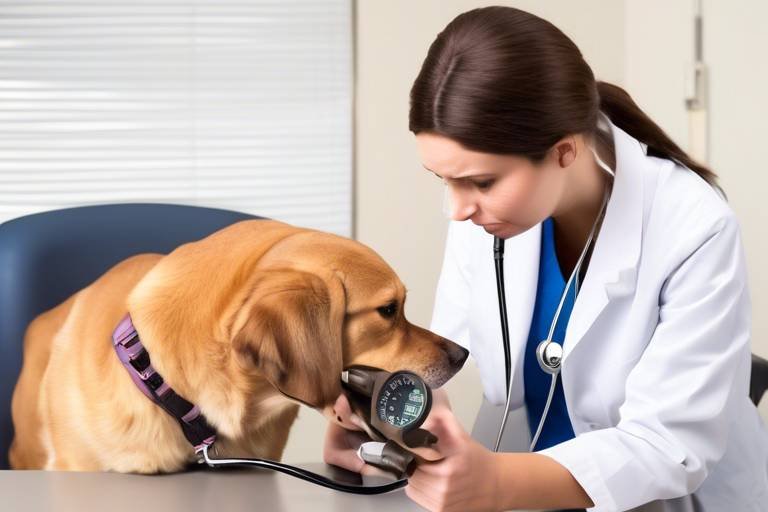
Taking your furry friend to the vet can sometimes feel like preparing for a trip to the dentist—nobody wants to go, and the anticipation can lead to a lot of anxiety! But fear not, fellow pet owners! With the right strategies, you can transform these necessary visits into a positive experience for both you and your pet. In this article, we’ll explore essential tips and techniques to help you prepare your animals for veterinary visits, ensuring a smoother experience for everyone involved.
First things first, it’s important to understand that your pet’s behavior plays a significant role in how they react to vet visits. Just like humans, pets can experience anxiety or fear when faced with unfamiliar situations. Recognizing the signs of distress—such as excessive barking, hiding, or attempts to escape—can help you address these issues before the big day arrives. Think of it as reading the room; understanding your pet’s body language is the first step toward effective training.
Creating a positive association with the vet’s office is crucial. You want your pet to think of the clinic as a friendly place, not a scary one. One effective way to do this is by using treats and rewards during your training sessions. By incorporating their favorite snacks into the training process, you can motivate your pets and create a pleasant experience associated with the vet. It’s like giving them a little taste of heaven while helping them overcome their fears!
Before diving into training techniques, let’s take a moment to discuss what your pet might be feeling. Pets can exhibit various behaviors when they’re anxious about a vet visit. Here are some common signs:
- Whining or barking excessively
- Hiding or trying to escape
- Excessive panting or drooling
- Refusing to walk or sit still
By being aware of these signs, you can tailor your training to address your pet’s specific needs and help them feel more comfortable.
Establishing a positive connection with the vet’s office can significantly reduce anxiety. This can be done through various methods, such as visiting the clinic for non-medical reasons. Just stop by for a quick hello, let your pet sniff around, and maybe even treat them to a snack outside the clinic. This way, they begin to associate the vet’s office with good times rather than just shots and check-ups.
When it comes to treats, the right choice can make all the difference. Think about what your pet loves most; it could be crunchy kibble, soft treats, or even their favorite toy. The goal is to make each visit to the vet’s office a rewarding experience. Timing is also crucial—reward your pet immediately after a good behavior, like entering the clinic calmly or sitting quietly in the waiting room.
Choosing suitable treats is essential for effective reinforcement. Opt for high-value treats that your pet doesn’t get every day. This makes the reward special and more enticing. Consider the following factors when selecting treats:
| Type of Treat | Pros | Cons |
|---|---|---|
| Soft Treats | Easy to chew, great for training | Can be high in calories |
| Crunchy Treats | Good for dental health | May take longer to eat |
| Homemade Treats | Customizable to your pet’s preferences | Requires preparation time |
Timing your rewards effectively reinforces positive behavior. For instance, if your pet remains calm during the car ride to the vet, reward them immediately upon arrival. This helps them connect the dots between good behavior and rewards, making them more likely to repeat it in the future.
Another key aspect of training is familiarizing your pet with the vet’s office. Before the actual appointment, consider visiting the clinic just to hang out. Let your pet explore the space, meet the staff, and maybe even get a treat or two. This exposure can help reduce anxiety and make the visit feel less daunting.
Q: How can I tell if my pet is anxious about going to the vet?
A: Look for signs like excessive barking, hiding, or panting. If your pet seems unusually restless or tries to escape, they may be feeling anxious.
Q: What if my pet refuses to enter the vet’s office?
A: Start with short visits where you reward them for just stepping inside. Gradually increase the time spent in the office while rewarding calm behavior.
Q: Are there any calming products I can use?
A: Yes! Consider pheromone diffusers, calming collars, or even natural supplements designed to reduce anxiety in pets.
Training your pet for vet visits doesn’t have to be a stressful ordeal. With the right approach, patience, and a sprinkle of treats, you can set the stage for a positive experience that benefits both you and your furry companion.
Understanding Your Pet’s Behavior
When it comes to preparing your furry friend for a vet visit, understanding their behavior is absolutely crucial. Just like us, pets can experience anxiety and fear in unfamiliar environments, and recognizing these emotions can make a world of difference. Have you ever noticed your pet’s ears drooping or their tail tucking between their legs? These are clear signs that they might be feeling uneasy. By being observant and tuning into their body language, you can help mitigate these feelings before they escalate.
Many pet owners might not realize that their pets communicate through a variety of behaviors. For instance, if your dog is panting excessively or your cat is hiding, they might be trying to tell you something important about their emotional state. Understanding these signals is the first step in addressing their concerns. It’s like deciphering a secret language that can lead to a more enjoyable vet visit for both of you!
Moreover, it’s essential to consider the individual personality of your pet. Some animals may naturally be more curious and adaptable, while others might be more timid or nervous. This variation can influence how you approach their training. For instance, if you have a shy cat, you might need to take a gentler approach compared to a more outgoing dog. Tailoring your strategy to your pet’s unique traits will make the training process not only effective but also fun!
To help you identify and understand your pet’s behavior better, here’s a quick overview of common signs of anxiety:
| Behavior | Possible Interpretation |
|---|---|
| Ears Back | Feeling scared or submissive |
| Tail Tucked | Feeling threatened or anxious |
| Panting | Stress or discomfort |
| Hiding | Seeking comfort and safety |
| Excessive Barking or Meowing | Expressing distress or frustration |
By paying close attention to these behaviors, you can start to create a plan that addresses your pet’s needs. It’s all about building a bridge of trust between you and your pet. When they feel safe and understood, they’re more likely to respond positively to the vet visit experience. So, take the time to observe, understand, and communicate with your furry friend. After all, a little empathy goes a long way!
Creating a Positive Association
When it comes to taking your furry friend to the vet, the experience can often feel daunting—not just for you, but for your pet as well. However, creating a positive association with the vet’s office can significantly reduce anxiety and make future visits much smoother. Imagine walking into a place where your pet feels safe and even excited! This can be achieved through a few simple yet effective strategies.
One of the best ways to foster a positive connection is to make the vet’s office a rewarding destination. Start by visiting the clinic just for a casual check-in, without any medical procedures involved. During these visits, allow your pet to explore the waiting area, sniff around, and get accustomed to the sounds and smells. While you’re there, shower them with praise and treats. This will help your pet associate the clinic with good experiences rather than just a place of stress.
Incorporating treats into these visits is key. You might consider using high-value rewards that your pet doesn’t get on a regular basis. Think of treats like freeze-dried liver or special training bites that your pet absolutely adores. When your pet receives these rewards during their visits, they’ll start to connect the vet’s office with delicious snacks and positive interactions. The goal is to turn what is typically a stressful outing into a fun adventure!
Another effective method is to familiarize your pet with the examination process in a non-threatening way. You can practice gentle handling at home, mimicking what might happen during a vet visit. For instance, gently touch your pet’s paws, ears, and mouth while giving them treats and praise. This will help them become accustomed to being handled, making them less anxious when the vet does the same.
To further enhance this positive association, consider scheduling a short meet-and-greet with the vet or a vet tech. This allows your pet to meet the staff in a low-pressure situation. During this visit, let your pet explore the office and receive some gentle affection from the staff. The goal here is to make your pet feel like they’re visiting friends rather than a clinical environment.
Remember, the key is consistency. Make these visits a regular part of your pet’s routine, and soon enough, they’ll be wagging their tails in excitement every time you head to the vet. By establishing a positive association with the vet’s office, you’re not just preparing for a single visit; you’re setting the stage for a lifetime of stress-free veterinary care.
Using Treats and Rewards
When it comes to training your pet for vet visits, can be a game-changer. Imagine this: every time you mention the word “vet,” your furry friend thinks of a delicious treat instead of a scary needle. Sounds great, right? By incorporating tasty rewards into your training routine, you can create a positive association with the vet’s office, making future visits much smoother.
First things first, it’s essential to choose the right treats. Not all treats are created equal! You want something that your pet absolutely loves, something that makes their tail wag with excitement. It could be crunchy biscuits, soft chews, or even small pieces of their favorite meat. The key is to select treats that are high-value and not given too often, so they remain special. For instance, if your dog goes crazy for chicken, save that for training sessions related to the vet. This way, your pet will eagerly anticipate the training, associating it with something they adore.
Next up is timing. Timing your rewards is crucial in reinforcing positive behavior. You want to reward your pet immediately after they exhibit the desired behavior. For instance, if your cat calmly enters the carrier without fussing, offer a treat right then and there. This immediate reinforcement helps your pet understand that their good behavior is linked to the reward. In fact, research shows that animals learn better when rewards are given right after the desired action. If you wait too long, your pet might not connect the dots, and you could end up confusing them.
Additionally, consider the environment. Training should be done in a calm, distraction-free space to help your pet focus. Start with short sessions, gradually increasing the duration as your pet becomes more comfortable. Remember, patience is key! If your pet seems overwhelmed or disinterested, take a step back and try again later. The goal is to make these training sessions enjoyable and stress-free.
Lastly, don’t forget to celebrate the little victories. Every time your pet makes progress, whether it’s stepping into the carrier or sitting calmly in the waiting room, give them a treat and shower them with praise. This not only reinforces their good behavior but also strengthens the bond between you and your pet. After all, who doesn’t love a little extra love and attention?
In summary, using treats and rewards effectively can transform your pet’s perception of vet visits. By selecting high-value treats, timing your rewards appropriately, and creating a positive training environment, you can help your furry friend feel more at ease. So, the next time you prepare for a vet visit, remember: a little treat can go a long way!
- What types of treats are best for training? High-value, soft, and tasty treats work best. Choose something your pet loves that they don’t get every day.
- How often should I reward my pet during training? Reward your pet immediately after they exhibit the desired behavior to reinforce the action effectively.
- Can I use their regular food as treats? While you can use regular food, it’s often more effective to use special treats that your pet doesn’t get all the time.
- What if my pet isn’t motivated by treats? If treats don’t seem to work, try using praise, toys, or playtime as rewards instead.
Choosing the Right Treats
When it comes to training your pet for vet visits, can make all the difference. The goal is to select treats that not only motivate your furry friend but also create a positive association with the vet’s office. So, how do you find the perfect treats? Here are some key factors to consider:
First and foremost, you want to pick treats that your pet absolutely loves. Think of it this way: if you were rewarded with something you didn’t enjoy, would you feel motivated? Probably not! Pets are no different. Whether it’s crunchy biscuits, soft chews, or even a piece of their favorite meat, the treat should be something they can’t resist. For instance, if your dog goes wild for peanut butter or your cat can’t get enough of fish-flavored snacks, those are the treats you should focus on.
Next, consider the size of the treats. Small treats are ideal for training sessions. They are easy to give and allow for multiple rewards without overwhelming your pet. Think of them as little nuggets of joy that you can dispense generously. If the treats are too large, you might find yourself in a situation where your pet is too full to enjoy the next reward, which is counterproductive to the training process.
Additionally, it’s important to think about the health aspect of the treats. While it might be tempting to reach for the most enticing options, consider nutritional value as well. Look for treats that are low in calories and made from high-quality ingredients. This way, you can reward your pet without worrying about excessive weight gain or health issues. Many brands offer natural or organic options that can be both delicious and nutritious.
Finally, remember that variety is the spice of life! Just like us, pets can get bored with the same old treats. Try rotating different types of treats to keep things exciting. For example, you might use soft treats on some days and crunchy ones on others. This not only keeps your pet engaged but also enhances their training experience.
In summary, when choosing treats for training your pet for vet visits, keep these key points in mind:
- Flavor: Pick something your pet loves.
- Size: Opt for small, bite-sized treats.
- Health: Choose low-calorie, nutritious options.
- Variety: Rotate treats to keep your pet interested.
By selecting the right treats, you’ll not only make your pet’s vet visits more enjoyable but also strengthen your bond during training sessions. Remember, the right reward can turn a potentially stressful experience into a positive adventure!
Timing Your Rewards
When it comes to training your pet, timing is everything. Just like in life, if you miss the moment, the opportunity can slip away. In the context of pet training, rewarding your furry friend at the right time can make all the difference between a successful session and a frustrating one. Imagine you’re trying to teach your dog to sit. If you give them a treat only after they’ve already stood up again, it sends mixed signals. Instead, you want to reward them the instant their bottom touches the ground. This immediate reinforcement helps them connect the action with the reward, making it clear what behavior you want to encourage.
To master the art of timing, consider the following strategies:
- Immediate Rewards: Always try to reward your pet immediately after they exhibit the desired behavior. This helps them associate the action with the treat.
- Consistent Cues: Use a verbal cue or hand signal right before you expect the behavior. This creates a clear connection between what you want them to do and the reward.
- Gradual Fading: As your pet becomes more proficient, you can gradually increase the time between the behavior and the reward, transitioning from treats to verbal praise.
Additionally, consider the context in which you’re training. If you’re at home, your pet might be more relaxed, allowing for a smoother training session. However, if you’re at the vet’s office, the environment can be overwhelming. In such cases, be extra vigilant with your timing. For instance, if your pet shows calm behavior while waiting, reward them right away to reinforce that positive state.
Another effective method is to use a clicker or a specific word (like “yes!”) to mark the behavior right before you give a treat. This creates a clear sound or word association that your pet can learn to recognize, signaling that they did something right. Over time, they’ll start to understand that good things happen when they follow your cues.
Ultimately, the goal is to create a positive feedback loop. The more consistent you are with your timing, the more your pet will understand what behaviors are rewarded. This not only enhances their training experience but also builds their confidence. Remember, a happy pet is a well-trained pet!
Q: How often should I reward my pet during training?
A: Initially, you should reward your pet every time they perform the desired behavior. As they get better, you can start to reward them intermittently.
Q: Can I use toys instead of treats as rewards?
A: Absolutely! If your pet loves their toys, using them as rewards can be just as effective as treats.
Q: What should I do if my pet isn’t responding to rewards?
A: If your pet isn’t responding, try switching up the reward. Some pets may prefer certain treats or toys over others. Also, consider the training environment; distractions can impact their focus.
Q: How can I tell if my pet is stressed during training?
A: Look for signs of stress such as panting, pacing, or trying to hide. If you notice these behaviors, it might be a good idea to take a break and try again later.
Familiarization with the Vet’s Office
Familiarizing your pet with the vet’s office is a crucial step in ensuring a stress-free visit when the time comes for their appointment. Just like humans, pets can feel anxious in unfamiliar environments, and the vet’s office can often be overwhelming due to new smells, sounds, and the presence of other animals. To combat this, it’s beneficial to introduce your furry friend to the clinic long before their actual visit. Think of it as a sneak preview of a movie; the more they know about what to expect, the less frightening it will be!
Start by taking your pet to the vet’s office during non-appointment hours. This way, they can explore the waiting area without the pressure of other animals or the hustle and bustle of a busy clinic. Allow your pet to sniff around and get accustomed to the smells. You can even bring along some of their favorite toys or blankets to create a sense of familiarity and comfort. While you’re there, don’t hesitate to ask the staff for a tour of the facility. Most veterinary clinics are more than happy to accommodate this request, and it will help your pet associate the space with positive experiences.
During these visits, consider rewarding your pet with treats and praise. This will create a positive association with the vet’s office. For instance, if they remain calm while exploring, shower them with affection and a tasty treat. This reinforcement will help them link the clinic to good feelings, making them more likely to remain relaxed during actual vet visits.
Another effective strategy is to schedule a ‘meet and greet’ with the veterinarian. A brief, non-threatening interaction with the vet can help your pet feel more at ease. This way, they can get to know the person who will be examining them, reducing their anxiety when it’s time for the actual check-up. Remember, the goal is to create a comfortable atmosphere where your pet feels safe and secure.
In summary, familiarizing your pet with the vet’s office can greatly reduce anxiety and make visits smoother for both of you. The key is to make these experiences enjoyable and stress-free. With a little patience and effort, your pet will learn that the vet’s office isn’t a scary place but rather a friendly environment where they receive care and attention.
- How often should I take my pet to the vet? It’s generally recommended to take your pet for annual check-ups, but younger pets or those with health issues may need more frequent visits.
- What should I do if my pet is still anxious after familiarization? Consider consulting with your veterinarian about calming products or techniques that can help soothe your pet during visits.
- Can I bring my pet’s favorite toys to the vet? Yes! Bringing familiar items can help create a sense of comfort and security for your pet.
Desensitization Techniques
Desensitization techniques are a crucial part of preparing your pet for vet visits. The idea here is to gradually expose your furry friend to the various sights, sounds, and smells they’ll encounter at the veterinary clinic. Think of it like training for a big performance; you wouldn’t just throw your pet into the spotlight without some practice, right? Instead, we want to ease them into the experience, so they feel more comfortable and less anxious when the time comes for their actual appointment.
One effective way to start desensitizing your pet is through gradual exposure. Begin by introducing your pet to the car ride, which can be a source of anxiety for many animals. Take them on short trips to fun places, like the park, to create positive associations with being in the vehicle. Once they’re comfortable with that, you can then move on to visiting the vet’s office for just a quick stop without any procedures. This way, they can explore the environment without the pressure of an actual appointment.
Another essential aspect of desensitization is to simulate the vet visit at home. You can create a mock vet experience by using a few simple props. For instance, gather some of your pet’s favorite toys and practice handling them as if you were the vet. You can gently examine their ears, paws, and mouth while offering treats and praise throughout the process. This not only familiarizes them with being touched but also helps them associate handling with positive experiences.
Here are some additional tips to enhance your desensitization efforts:
- Introduce new sounds: Play recordings of common vet sounds, like barking dogs or the sound of a stethoscope, at a low volume. Gradually increase the volume over time as your pet becomes more accustomed to the noise.
- Socialization: Arrange playdates with other pets who are comfortable with vet visits. This can help your pet see that the vet’s office isn’t a scary place but rather a part of their social world.
- Practice being in a crate or carrier: If your pet will be transported in a crate, make sure they are used to it. Allow them to explore the crate at home, and reward them for entering it voluntarily.
Desensitization is not a one-time event; it requires patience and consistency. Each pet is unique, and some may take longer to adjust than others. The key is to keep the experiences positive and stress-free. If your pet shows signs of distress, take a step back and give them more time to adjust before progressing further.
In summary, desensitization techniques can significantly reduce your pet’s anxiety about vet visits. By gradually introducing them to the sights, sounds, and experiences associated with the vet’s office, you can help them feel more comfortable and secure. Remember, it’s all about creating a positive environment where your pet can thrive, so take your time and celebrate the small victories along the way!
Q: How long does desensitization take?
A: The duration varies based on the individual pet. Some may adapt quickly, while others might need weeks of gradual exposure. It’s essential to be patient and attentive to your pet’s comfort level.
Q: Can I use treats during desensitization?
A: Absolutely! Using treats is a fantastic way to create positive associations. Just ensure the treats are something your pet loves, and use them during each step of the process.
Q: What if my pet is still anxious despite desensitization?
A: If your pet continues to show signs of anxiety, consider consulting with a professional trainer or a veterinarian. They can provide tailored advice and may recommend calming products or medications if necessary.
Handling Touch and Examination
Getting your furry friend comfortable with being touched and examined is crucial for a stress-free vet visit. Imagine how unsettling it must be for your pet to suddenly find themselves poked and prodded by strangers in a strange environment! To ease this anxiety, you can start by incorporating gentle handling practices at home. Begin with simple touches, like petting your dog or cat in their favorite spots. This not only builds trust but also helps them associate touch with positive experiences.
As you progress, gradually introduce more invasive handling techniques. For instance, you can practice holding their paws, checking their ears, or even looking into their mouths. Make it a fun game! Use a calm voice and offer plenty of praise to reinforce their good behavior. Remember, patience is key. If your pet seems uncomfortable, take a step back and go at their pace. You want to create a safe space where they feel secure and loved.
To make this process even more effective, consider creating a handling routine. This can include:
- Daily touch sessions: Spend a few minutes each day handling different parts of their body.
- Mock examinations: Simulate a vet visit by checking their weight, temperature, and even giving them a gentle brush.
- Positive reinforcement: Always reward your pet with treats or affection after each successful touch session.
Additionally, you might want to keep a handling log to track your pet’s progress. This log can include details like:
| Date | Activity | Pet’s Reaction | Notes |
|---|---|---|---|
| 01/01/2023 | Handled paws | Relaxed | Gave treats afterwards |
| 01/05/2023 | Checked ears | Wiggled | Used calming voice |
By regularly handling your pet and keeping track of their comfort levels, you’ll not only prepare them for vet visits but also strengthen your bond. Think of it as building a bridge of trust that connects you and your pet, making those trips to the vet less of a chore and more of a shared adventure. So, roll up your sleeves, get ready to pamper your pet, and watch as they transform into a confident companion ready to face the vet!
Q: How early should I start handling my pet for vet visits?
A: It’s best to start as early as possible, ideally when they are still a puppy or kitten. However, older pets can also learn to be more comfortable with handling.
Q: What if my pet is still anxious despite my efforts?
A: If your pet continues to show signs of anxiety, consider consulting with a professional trainer or your veterinarian for additional strategies tailored to your pet’s needs.
Q: Can I use calming products to help my pet?
A: Yes! Products like pheromone diffusers or calming collars can be beneficial in reducing anxiety during vet visits. However, always consult with your vet before trying new products.
Q: How do I know if my pet is comfortable with handling?
A: Look for signs of relaxation, such as a wagging tail, leaning into your touch, or a calm demeanor. If they show signs of stress, like growling or trying to escape, it’s important to slow down and reassess.
Simulating a Vet Visit at Home
Preparing your pet for a vet visit doesn’t have to be a daunting task. In fact, one of the best ways to ensure a smooth experience is to simulate a vet visit at home. This method not only familiarizes your pet with the process but also helps reduce anxiety by creating a controlled environment where they can feel safe. Think of it like a dress rehearsal before the big performance; it allows both you and your furry friend to get comfortable with what to expect.
To start, you’ll want to set up a space in your home that mimics the vet’s office. This could be as simple as a designated area with a comfortable mat or blanket where your pet can sit. You can even use a small table to represent the examination table at the clinic. The goal here is to create a space that feels similar enough to the vet’s office that your pet can begin to associate it with positive experiences.
Next, you can introduce some of the tools that your veterinarian might use. For instance, gently handling a thermometer, stethoscope, or even a syringe (without the needle, of course) can help your pet get used to these objects. When you do this, remember to use a calm and soothing voice. The sound of your voice can be incredibly reassuring to your pet, making it easier for them to relax.
During this simulation, it’s also essential to incorporate positive reinforcement. After each step of the “visit,” reward your pet with their favorite treats. This not only helps them associate the experience with something enjoyable but also reinforces good behavior. For example, if you’re checking their ears or brushing their fur, offer a treat immediately afterward. This creates a link in their mind: “This is a good thing!”
Don’t forget to practice the waiting room experience as well. You can have your pet sit quietly in the designated area for a few minutes, simulating the wait they might experience at the vet. Use this time to reward them for calm behavior. If they start to get restless, gently remind them to settle down. This practice can help them learn how to behave during actual appointments.
Finally, it’s crucial to keep these sessions short and fun. You want your pet to look forward to these practice runs rather than dread them. A good rule of thumb is to limit each simulation to about 10-15 minutes, ensuring that it remains a positive experience. Over time, you’ll notice that your pet becomes more comfortable with the idea of visiting the vet, making the actual trip much easier for both of you.
In conclusion, simulating a vet visit at home is a fantastic way to ease your pet’s anxiety and prepare them for their next appointment. By creating a familiar environment, introducing vet tools, and using positive reinforcement, you can help your furry friend feel more at ease. Remember, the more comfortable they are at home, the more likely they are to feel relaxed during the actual visit!
- How often should I practice simulating a vet visit at home? Aim for once a week leading up to the appointment, but keep sessions short and enjoyable.
- What should I do if my pet shows signs of stress during the simulation? If your pet seems anxious, take a break, and try again later. Always prioritize their comfort.
- Can I involve my family in the simulation? Absolutely! Having family members participate can make the experience more fun and less intimidating for your pet.
Managing Stress During Visits
Even with all the preparation in the world, some pets may still feel a wave of anxiety wash over them when they step into the vet’s office. It’s a new environment filled with unfamiliar sounds, smells, and even other animals, which can be overwhelming for our furry friends. As a pet owner, it’s essential to recognize that managing stress during these visits is just as crucial as the training that precedes them. After all, a calm pet is more likely to have a smooth and successful vet visit, which is beneficial for both the animal and the veterinarian.
One effective strategy is to arrive early. This gives your pet time to acclimate to the new environment without the added stress of being rushed. Allow them to take in their surroundings, sniff around, and get comfortable. You might even consider bringing along a favorite blanket or toy that smells like home to help soothe their nerves. It’s like giving them a little piece of their safe space to hold onto during a potentially stressful situation.
Another useful approach is to engage in distraction techniques while waiting. Bringing along some of your pet’s favorite toys or chew items can keep them occupied and take their mind off the unfamiliar environment. You can also practice some gentle play or basic commands to keep their focus on you rather than the bustling clinic around them. This not only helps to ease their anxiety but also reinforces your bond.
In addition, consider utilizing calming products designed specifically for pets. These can range from pheromone diffusers that mimic the calming scents of a mother dog to calming collars infused with natural ingredients. Some pet owners have found success with anxiety wraps that provide gentle pressure, similar to a hug. Here’s a quick overview of some popular calming products:
| Product Type | Description | Usage |
|---|---|---|
| Pheromone Diffusers | Releases calming pheromones into the air | Plug into a socket at home or in the car |
| Calming Collars | Collars infused with natural calming ingredients | Wear during travel and vet visits |
| Anxiety Wraps | Provide gentle pressure to soothe anxiety | Put on before heading to the vet |
It’s also important to remember that post-visit care plays a significant role in how your pet perceives future vet visits. After the appointment, offer your pet some extra love and a special treat. This positive reinforcement can help them associate the vet with good experiences rather than just stress. Think of it as a little reward for being brave! Just like how we might treat ourselves to something nice after a challenging day, our pets deserve the same.
Finally, don’t hesitate to communicate with your veterinarian about your pet’s anxiety. Many clinics are equipped with techniques and strategies to help ease your pet’s stress. They may have specific rooms for anxious animals or can provide additional support during the visit. After all, the vet’s office is a team effort, and they want your pet to feel as comfortable as you do.
By implementing these strategies, you can significantly reduce your pet’s stress during vet visits, making the experience more pleasant for everyone involved. Remember, a little preparation goes a long way in ensuring that your furry friend feels safe and secure, even in the most unfamiliar of places.
- How can I tell if my pet is stressed at the vet? Look for signs such as panting, whining, hiding, or excessive shaking.
- What should I do if my pet becomes aggressive during a vet visit? Speak to your veterinarian about your pet’s behavior; they may suggest a muzzle or sedation for safety.
- Can I bring my other pets with me to the vet? It’s best to check with the clinic beforehand, as some may have policies regarding multiple pets.
Calming Products and Techniques
When it comes to ensuring your pet’s comfort during vet visits, can be game-changers. Just like humans, pets can experience stress and anxiety in unfamiliar environments. Thankfully, there are several options available to help soothe their nerves. Think of these products as a comforting blanket for your furry friend—helping them feel secure and relaxed.
One popular option is pheromone diffusers. These devices release synthetic pheromones that mimic the calming scents produced by mother animals. By creating a familiar and soothing atmosphere, these diffusers can significantly reduce your pet’s anxiety. You can plug them in at home a few days before the vet visit to help your pet acclimate to the calming environment. For pets that are particularly nervous, consider using a calming collar infused with similar pheromones. These collars can provide continuous calming effects throughout the day, making them ideal for pre-visit preparation.
In addition to pheromone products, there are various herbal supplements designed to promote relaxation. Ingredients like chamomile, valerian root, and passionflower have been known for their calming properties. However, it’s essential to consult your veterinarian before introducing any new supplements to your pet’s routine. They can guide you on the appropriate dosage and ensure that the supplement is safe for your pet’s specific needs.
Another effective technique is the use of relaxation exercises. Just as we practice deep breathing to calm ourselves, pets can benefit from similar strategies. Engaging your pet in gentle massage or quiet playtime can help redirect their focus from the stress of the vet visit to a more relaxed state. To create a calming atmosphere, consider playing soft music or using white noise machines. These sounds can drown out the unfamiliar noises of a vet clinic, making it easier for your pet to relax.
It’s also worth noting that some pets may respond well to anxiety wraps, which are snug-fitting garments that apply gentle pressure to the body. This pressure can have a calming effect, similar to swaddling a baby. These wraps can be particularly beneficial for pets that tend to be anxious during travel or when they are in new environments.
In conclusion, combining these calming products and techniques can create a multi-faceted approach to managing your pet’s anxiety during vet visits. By understanding your pet’s unique needs and preferences, you can tailor a strategy that works best for them. Remember, the goal is to create a positive experience that helps your pet associate vet visits with comfort rather than fear. With the right preparation and tools, you can transform what might be a stressful event into a manageable and even enjoyable outing for both you and your beloved pet.
- What are pheromones, and how do they help my pet? Pheromones are natural chemicals released by animals that can influence the behavior of others. Synthetic pheromone products mimic these scents to create a calming environment.
- Are herbal supplements safe for my pet? While many herbal supplements are safe, it’s crucial to consult your veterinarian before introducing any new products to ensure they are appropriate for your pet’s health.
- How can I tell if my pet is anxious? Signs of anxiety in pets can include excessive barking, pacing, hiding, or destructive behavior. If you notice these signs, it’s essential to address them before vet visits.
- Can I use calming products during travel to the vet? Absolutely! Many calming products can be used before and during travel to help keep your pet relaxed.
Post-Visit Reinforcement
After a trip to the vet, it’s essential to reinforce the positive experiences your pet had during the visit. This is a crucial step in ensuring that your furry friend associates the vet’s office with good outcomes rather than fear or anxiety. Think of it as a reward system; just like we feel good when we receive a treat after completing a task, pets also thrive on positive reinforcement. So, how can you effectively reinforce these experiences?
First and foremost, immediate rewards are key. As soon as you return home from the vet, shower your pet with affection and offer their favorite treats. This helps them connect the vet visit with something enjoyable. You might say, “Look at you, brave pup! You went to the vet, and now you get a yummy treat!” This kind of positive reinforcement makes it clear that good things happen after a vet visit.
Additionally, consider planning a fun activity after the appointment. Whether it’s a stroll in the park, playtime with their favorite toy, or even a special outing, these activities can help create a positive association with the vet. Your pet will start to look forward to these visits, knowing that a fun reward awaits them afterward. Here’s a quick table to summarize some effective post-visit reinforcement strategies:
| Reinforcement Strategy | Description |
|---|---|
| Immediate Treats | Offer favorite treats right after the vet visit to reinforce positive behavior. |
| Affection | Give plenty of cuddles and praise to make your pet feel loved and secure. |
| Fun Activities | Engage in a fun activity, like a walk or playtime, to create a positive connection. |
Moreover, consistency is vital. Make it a routine to reward your pet after every vet visit. This builds a strong foundation of trust and comfort, ensuring that your pet feels safe and secure. Over time, they will learn that the vet’s office isn’t a scary place but rather a part of their life that leads to exciting rewards.
Lastly, don’t forget about the power of patience. Some pets may take longer to adjust than others, and that’s perfectly okay. Each positive experience reinforces their behavior, and soon enough, your pet will feel more at ease during vet visits. Remember, training and reinforcement are ongoing processes, and with a little love and effort, you can transform your pet’s anxiety into excitement!
- How long should I wait before giving my pet a treat after a vet visit?
It’s best to reward your pet immediately after the visit to create a strong association with the positive experience. - Can I use toys as a reward instead of treats?
Absolutely! Toys can be a great way to reinforce positive behavior, especially for pets that are more motivated by play than food. - What if my pet still seems anxious after several visits?
Consider consulting with a professional trainer or behaviorist who can provide tailored strategies to help your pet feel more comfortable.
Frequently Asked Questions
- How can I tell if my pet is anxious about vet visits?
Pets often show signs of anxiety through behaviors like excessive barking, hiding, or shaking. Observing your pet’s body language, such as tucked tails or flattened ears, can also indicate discomfort. If your furry friend seems restless or tries to escape, it’s likely they’re feeling stressed about the upcoming visit.
- What are some effective ways to create a positive association with the vet’s office?
One great method is to visit the vet’s office just for a casual trip, not for an appointment. Bring along their favorite treats and toys, and let them explore the environment. This way, they start associating the vet’s office with fun experiences rather than just check-ups and shots.
- What types of treats should I use for training my pet?
Choose high-value treats that your pet loves! Soft, smelly treats are often more enticing than dry biscuits. You can even break them into smaller pieces to keep your pet motivated without overdoing it. Just remember, the goal is to make training enjoyable and rewarding!
- How important is timing when rewarding my pet during training?
Timing is everything! You want to reward your pet immediately after they display the desired behavior. This helps them connect the dots between what they did and the treat they received. If you wait too long, they might not understand what they’re being rewarded for.
- What desensitization techniques can I use to prepare my pet for vet visits?
Gradual exposure is key! Start by gently handling your pet in ways similar to a vet examination, like touching their paws and ears. You can also simulate the vet experience at home by practicing with a pet carrier and visiting the vet’s office as a social outing.
- How can I manage my pet’s stress during the vet visit itself?
Calming products like pheromone diffusers or calming collars can help soothe anxious pets. Additionally, try to keep your pet engaged with treats or toys while waiting. Staying calm yourself can also have a positive effect on your pet’s anxiety levels.
- What should I do after the vet visit to reinforce a positive experience?
After the visit, shower your pet with affection and give them a special treat or playtime. This reinforces the idea that vet visits can lead to fun and positive outcomes. The more they associate the vet with good things, the less anxious they’ll be in the future!
desensitization, positive reinforcement, practice visits, familiarization, calm environment, reward system, handling exercises, veterinary etiquette, , desensitization, positive reinforcement, practice visits, familiarization, calm environment, reward system, handling exercises, veterinary etiquette,
Share this content:
Leave a Reply