
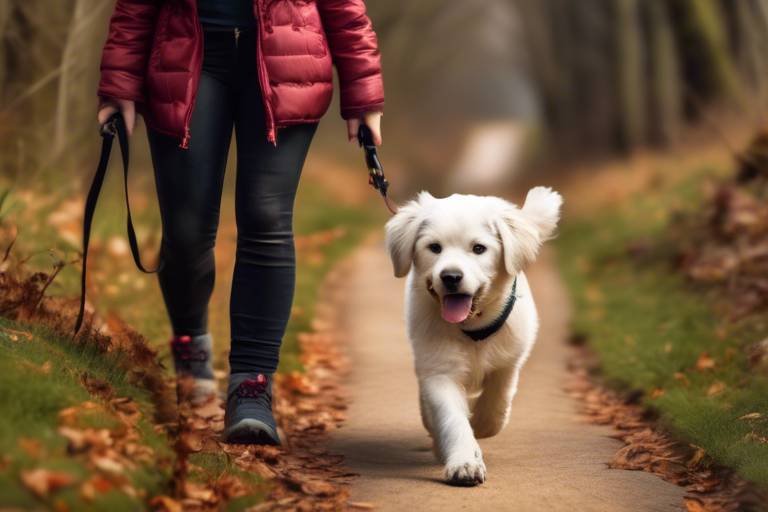
Training your dog to follow you during walks is more than just a matter of obedience; it’s about creating a bond that enhances both your experiences together. Imagine strolling through the park, your furry friend happily trotting beside you, eyes bright with excitement. Sounds great, right? But getting there requires some effort and understanding. In this article, we’ll delve into effective techniques and tips that will not only ensure your dog stays by your side but also make your walks a safe and enjoyable experience for both of you.
Before diving into training methods, it’s essential to understand your dog’s behavior. Dogs are naturally curious creatures, often distracted by the sights, sounds, and smells around them. This innate curiosity can sometimes lead them to wander off or pull on the leash. By recognizing these instincts, you can tailor your training approach to align with their natural tendencies. For instance, if your dog is easily distracted by other animals, you might want to practice in a less stimulating environment first. Understanding your dog’s personality will allow you to use positive reinforcement effectively, making training sessions more enjoyable and productive.
The right gear can significantly impact your dog’s training success. Think of it as equipping yourself for an adventure. Just as you wouldn’t go hiking without the right shoes, you shouldn’t head out for a walk without the proper leash and collar or harness. The right equipment ensures that you maintain control while also keeping your dog comfortable. Here’s a quick look at some essential gear you’ll want to consider:
Leashes come in various types, each serving a specific purpose. Choosing the right one can make a world of difference in your training journey. Here’s a breakdown:
| Type of Leash | Pros | Cons |
|---|---|---|
| Standard Leashes | Control and stability | Limited freedom for the dog |
| Retractable Leashes | Flexibility and freedom | Can encourage pulling if not used correctly |
| Hands-Free Leashes | Convenient for jogging or biking | Less control in crowded areas |
Standard leashes are often the best choice for training. They provide a solid grip, allowing you to maintain control over your dog’s movements. When using a standard leash, it’s crucial to keep it short but not too tight. This balance allows your dog to feel secure while still being close to you. Remember, the goal here is to create a comfortable walking experience that encourages your dog to stay by your side.
While retractable leashes can offer your dog a little more freedom, they require careful handling. If your dog tends to pull, a retractable leash can quickly become a hazard. It’s essential to use them only in safe, open areas where you can allow your dog some freedom without compromising safety. Always be cautious and ready to reel your dog back in when necessary!
Just like leashes, selecting the right collar or harness is vital for your dog’s safety and comfort. Here’s a quick overview of popular options:
- Flat Collars: Great for everyday wear, but may not provide enough control for strong pullers.
- Martingale Collars: Designed to prevent slipping; ideal for dogs that tend to escape their collars.
- Harnesses: Excellent for training, as they distribute pressure evenly across the body, reducing strain on the neck.
Every successful training session begins with fundamental commands. Teaching your dog commands like heel, come, and stay is crucial for effective walking behavior. These commands not only help you maintain control but also enhance your dog’s overall obedience. For example, the heel command is particularly important for keeping your dog close during walks, ensuring their safety and your peace of mind.
To teach the heel command, start by having your dog sit beside you. Use a treat to encourage them to walk closely by your side. As you begin to walk, say “heel” in a cheerful tone, rewarding them with praise and treats when they stay close. Consistency is key here; practice this command in various environments to reinforce the behavior.
Positive reinforcement is a powerful training method that encourages good behavior. Using treats, praise, and rewards can motivate your dog during training sessions. When your dog follows you during a walk, shower them with affection and treats. This creates a positive association with the behavior, making them more likely to repeat it in the future.
Creating a consistent walking routine helps reinforce training and builds good habits. Dogs thrive on routine, so establishing a schedule that works for both you and your furry friend is essential. Consider the times of day when your dog is most energetic and ready for a walk. Regular walks not only improve your dog’s behavior but also promote their physical and mental well-being.
The right time for walks can influence your dog’s behavior. Early mornings or late evenings are often ideal, as the temperatures are cooler, and there are fewer distractions. Observing your dog’s energy levels can help you determine the best time for your walks.
Regular walks are crucial for your dog’s health. Aim for at least 30 minutes of walking each day, adjusting the frequency and duration based on your dog’s age, breed, and energy levels. A well-exercised dog is a happy dog!
Distractions can make it challenging for your dog to focus during walks. Understanding common distractions like other animals, people, and noises can help you prepare. If you know your dog is easily distracted, practice in quieter areas before venturing into busier environments. Gradually introduce distractions during training sessions, rewarding your dog for staying focused.
Being aware of potential distractions can help you manage your dog’s behavior. For instance, if your dog becomes overly excited when they see another dog, try to redirect their attention with treats or commands. This technique helps reinforce their training and keeps them engaged with you.
Practicing in less distracting environments can help reinforce training. Start in your backyard or a quiet park, gradually introducing more distractions as your dog becomes more confident and obedient. This method allows for a controlled learning experience, making it easier for your dog to succeed.
Tracking your dog’s progress is essential for effective training. Keep an eye out for positive changes in behavior, such as your dog staying close during walks or responding to commands more reliably. If you notice that your dog is struggling with certain commands, don’t hesitate to adjust your training approach. Remember, patience is key!
Identifying signs of progress can boost your confidence in training. Look for indicators like your dog maintaining a loose leash, responding promptly to commands, or showing excitement when it’s time for a walk. These small victories are essential milestones in your training journey.
In some cases, professional assistance may be necessary. If you find that your dog is consistently unresponsive to training or exhibits aggressive behavior, it may be time to consult a trainer or behaviorist. They can provide tailored strategies to address specific challenges and help you and your dog succeed.
Training your dog to follow you during walks requires patience and consistency. By implementing these strategies, you’ll foster a strong bond with your dog while enjoying safe and pleasant walks together. Remember, each walk is an opportunity to strengthen your relationship and create lasting memories with your furry companion.
- How long does it take to train my dog to follow me? – Training duration varies based on your dog’s age, breed, and previous training experience. Consistent practice can lead to noticeable improvements within a few weeks.
- Can I train an older dog to follow me? – Absolutely! While younger dogs may learn faster, older dogs can also be trained with patience and positive reinforcement.
- What should I do if my dog pulls on the leash? – Stop walking when they pull, and only move forward when the leash is loose. This teaches them that pulling won’t get them where they want to go.
Understanding Your Dog’s Behavior
Understanding your dog’s behavior is not just beneficial; it’s absolutely crucial for effective training. Dogs, much like humans, have their own unique personalities and instincts that drive their actions. By recognizing these natural tendencies, you can tailor your training approach to better suit your furry friend. For instance, did you know that dogs are pack animals by nature? This means they thrive on structure and guidance, often looking to their owners for leadership. When you walk your dog, they are not just following you physically; they are also seeking your direction and reassurance.
Consider the various reasons behind your dog’s actions during walks. If your dog pulls on the leash, it might not just be excitement; it could also stem from curiosity or a desire to explore. On the other hand, if your dog hesitates or refuses to move, it could indicate fear or anxiety. Understanding these signals will allow you to respond appropriately, creating a more enjoyable and safe walking experience for both of you.
To dive deeper into this, let’s explore some common behaviors and what they might signify:
- Pulling on the leash: This often indicates eagerness to explore or a lack of training.
- Lagging behind: Your dog may feel overwhelmed or unsure, requiring encouragement.
- Sniffing excessively: Dogs use their noses to gather information about their environment, which is essential for their understanding of the world.
By paying attention to these behaviors, you can adjust your training methods. For example, if your dog pulls on the leash, you might want to incorporate the heel command into your training sessions. This not only teaches your dog to stay close but also reinforces your role as the leader. Remember, patience is key. Just like learning a new skill, your dog will need time to grasp these concepts.
Moreover, consider the emotional state of your dog. Just as we have good days and bad days, dogs experience a range of emotions that can affect their behavior during walks. Factors such as weather, other animals, and even your own mood can impact how your dog reacts. Being aware of these emotional triggers can help you create a more positive walking environment.
In conclusion, understanding your dog’s behavior is the foundation of effective training. By recognizing their instincts, emotional states, and unique personalities, you can foster a stronger bond and ensure that your walks are enjoyable and fulfilling. So, the next time you grab the leash, take a moment to consider what your dog might be feeling and how you can guide them to be the best walking companion they can be.
Choosing the Right Equipment
When it comes to training your dog to follow you during walks, can make all the difference. Just like a chef needs the right tools to create a masterpiece, you need the appropriate gear to ensure a smooth and enjoyable walking experience with your furry friend. Let’s dive into the various options available and how they can impact your training success.
First off, let’s talk about leashes. The type of leash you choose can significantly affect your control over your dog. For instance, a standard leash is often recommended for training purposes because it offers the best control and stability. Imagine trying to steer a car with a loose steering wheel—it’s just not going to work as effectively. On the other hand, retractable leashes can give your dog a bit more freedom, but they come with their own set of challenges. If not used properly, they can lead to tangles and even accidents. Think of them as a double-edged sword; they can be beneficial but require careful handling.
| Leash Type | Pros | Cons |
|---|---|---|
| Standard Leash | Great control, stable | Less freedom for the dog |
| Retractable Leash | Allows for freedom | Can lead to tangles, less control |
| Hands-Free Leash | Convenient for active owners | May not suit all dogs |
Next up, let’s discuss collars and harnesses. Selecting the right collar or harness is not just about style; it’s about your dog’s safety and comfort. A flat collar is a common choice, but if your dog tends to pull, a martingale collar or a harness might be more effective. Think of it this way: a flat collar is like a regular belt—it holds your pants up but doesn’t prevent you from slipping. A harness, however, is like a well-fitted pair of suspenders that keeps everything in place without causing discomfort.
When choosing a harness, look for options that distribute pressure evenly across your dog’s body. This can help prevent injury and make walks more enjoyable for both of you. Remember, a happy dog leads to a happy walk!
In summary, the right equipment is crucial for effective dog training. Whether it’s a leash that provides control or a harness that ensures comfort, investing in quality gear can enhance your training experience. So, take your time to explore your options and find what works best for you and your pup. After all, a well-equipped owner is a more confident owner!
Types of Leashes
When it comes to walking your dog, the choice of leash can make a world of difference in both training and the overall experience. There are several types of leashes available, each designed with different features that cater to various needs and situations. Understanding these differences is key to selecting the right leash for you and your furry friend.
First up, we have the standard leash. This is the classic choice for dog owners and is typically made of nylon or leather, measuring about 4 to 6 feet in length. Standard leashes offer a great balance between control and freedom, making them ideal for training purposes. With a standard leash, you can easily maintain your dog’s proximity, which is particularly important when navigating crowded areas or busy streets.
Next, let’s talk about retractable leashes. These leashes allow your dog to roam freely up to a certain distance, retracting automatically when you pull back. While they provide flexibility and can be great for open spaces, they come with their own set of challenges. For instance, if your dog suddenly lunges towards something, the mechanism can be difficult to control, potentially leading to accidents. Therefore, it’s essential to be cautious when using retractable leashes, especially in environments with distractions.
Lastly, we have the hands-free leashes. These innovative leashes attach to your waist, allowing you to walk or jog with your dog without the need for holding onto a leash. This option is fantastic for active individuals who enjoy running or biking with their dogs. However, it’s important to ensure your dog is well-trained and responsive to commands before opting for a hands-free setup to avoid any mishaps.
Here’s a quick comparison of the different types of leashes:
| Type of Leash | Pros | Cons |
|---|---|---|
| Standard Leash | Control, stability, great for training | Limited freedom |
| Retractable Leash | Flexibility, allows for exploration | Can be difficult to control, potential safety risks |
| Hands-Free Leash | Convenient for active lifestyles | Requires good training, less control |
Ultimately, the best leash for your dog will depend on your specific needs and your dog’s behavior. A combination of leashes may even be the best approach, allowing you to adapt to different walking environments and scenarios. Remember, the right leash not only enhances your control but also contributes to a safer and more enjoyable experience for both you and your canine companion.
- What leash is best for a puppy? A standard leash is typically the best choice for puppies as it provides the most control during training.
- Can I use a retractable leash in crowded areas? It’s not recommended, as retractable leashes can become difficult to manage in busy environments.
- Are hands-free leashes safe for all dogs? They are best for well-trained dogs that respond to commands; otherwise, they can lead to accidents.
Standard Leashes
When it comes to training your dog, are often the go-to choice for many pet owners. These leashes are typically made of durable materials like nylon or leather and usually measure around 4 to 6 feet in length. The length provides enough space for your dog to explore while still allowing you to maintain control. Think of it as the perfect balance between freedom and guidance, much like a tightrope walker balancing on a thin line.
One of the biggest advantages of standard leashes is their control and stability. Unlike retractable leashes that can extend to varying lengths, standard leashes keep your dog close, making it easier to manage their behavior, especially in crowded or distracting environments. This is crucial when you’re out for a walk and encounter other dogs, people, or even squirrels that might catch your furry friend’s attention. With a standard leash, you can gently pull your dog back into position without the risk of them darting away.
Moreover, using a standard leash can also help reinforce training commands such as heel or come. When your dog is close to you, they can better hear your commands and respond accordingly. This close proximity allows you to reward good behavior immediately, which is essential for effective training. Imagine you’re trying to teach your dog a new trick; having them right next to you makes the process smoother and more rewarding for both of you.
However, it’s important to remember that not all standard leashes are created equal. Here are some key features to consider when selecting the right one:
- Material: Look for durable, weather-resistant materials that can withstand wear and tear.
- Width: A wider leash can provide better control, especially for larger breeds.
- Handle Comfort: Ensure the handle is padded for comfort, especially during longer walks.
In conclusion, standard leashes are an excellent choice for dog owners who prioritize control and training effectiveness. While they may lack the flexibility of retractable leashes, their advantages far outweigh the downsides, especially when it comes to ensuring a safe and enjoyable walking experience for both you and your dog.
Retractable Leashes
Retractable leashes have become increasingly popular among dog owners due to their ability to provide dogs with more freedom while still keeping them under control. Imagine taking your dog for a walk and allowing them the liberty to explore their surroundings without being tethered too closely to you. Sounds appealing, right? However, while these leashes can offer a sense of flexibility, they come with their own set of challenges and considerations.
One of the main advantages of retractable leashes is the adjustable length they provide. With just a click of a button, you can extend the leash up to 26 feet or more, depending on the model. This allows your dog to roam and sniff around, which is crucial for their mental stimulation and satisfaction. However, this added freedom can lead to issues if not managed properly. For instance, if your dog suddenly lunges towards a squirrel or another dog, the retractable leash can create a dangerous situation where you might not have enough control to prevent an incident.
Moreover, retractable leashes can sometimes encourage pulling behavior, as dogs may feel they have the liberty to wander without the immediate guidance of their owner. This can lead to inconsistent training outcomes, making it harder for your dog to learn commands like heel or come. Therefore, it’s essential to use them judiciously and in appropriate settings.
When considering a retractable leash, there are a few factors to keep in mind:
- Dog Size: Ensure the leash is suitable for your dog’s weight and strength. Heavier dogs can easily break weaker leashes.
- Environment: Retractable leashes are best used in open spaces where there are fewer distractions and potential hazards.
- Training Level: If your dog is still learning basic commands, a standard leash might be more effective until they have mastered their training.
In conclusion, while retractable leashes can be a great tool for giving your dog some freedom, they should be used with caution. Always assess your dog’s behavior and the walking environment to ensure that you’re making the best choice for both of you.
Q: Can I use a retractable leash for training purposes?
A: While retractable leashes can be used for training, they are not recommended for basic obedience commands as they can encourage pulling. It’s better to start with a standard leash until your dog has mastered essential commands.
Q: Are retractable leashes safe for all dogs?
A: Not necessarily. Retractable leashes are best suited for well-trained dogs that have good recall and don’t lunge at distractions. For dogs that are easily distracted or aggressive, a standard leash is safer.
Q: How do I choose the right retractable leash?
A: Consider your dog’s size, strength, and behavior. Look for a leash that can comfortably handle your dog’s weight and is made of durable materials. Additionally, choose a leash with a reliable locking mechanism.
Choosing the Right Collar or Harness
When it comes to training your dog to follow you during walks, selecting the right collar or harness is paramount. It’s not just about style; it’s about safety, comfort, and control. A well-chosen collar or harness can make a significant difference in how your dog responds during walks. So, let’s dive into the different options available and how to choose the best one for your furry friend.
First, you need to consider the size and breed of your dog. A small breed may require a lightweight collar, while larger breeds might benefit from a sturdier harness. It’s essential to measure your dog’s neck and chest size accurately to ensure a snug yet comfortable fit. An ill-fitting collar or harness can cause discomfort or even injury, which can lead to negative associations with walking.
There are several types of collars and harnesses to choose from, each with its unique benefits:
- Flat Collars: These are the most common type of collar and are suitable for everyday use. They are great for holding ID tags and are generally comfortable for most dogs.
- Martingale Collars: Designed to prevent dogs from slipping out, these collars tighten slightly when pulled, providing more control without choking. They are particularly useful for breeds with narrow heads, like Greyhounds.
- Front-Clip Harnesses: These harnesses have a leash attachment on the front, helping to steer your dog back towards you when they pull. This is an excellent option for dogs that tend to be strong pullers.
- Back-Clip Harnesses: These are ideal for well-trained dogs who walk nicely on a leash. They are comfortable and easy to put on, making them a popular choice among dog owners.
When selecting a collar or harness, consider the following factors:
- Material: Look for durable materials that can withstand daily wear and tear. Nylon and leather are popular choices.
- Adjustability: Ensure that the collar or harness is adjustable to accommodate your dog’s growth or weight fluctuations.
- Ease of Use: Some collars and harnesses can be tricky to put on. Choose one that’s user-friendly to make your walks smoother.
In addition to comfort and fit, think about the training method you plan to use. If you’re employing positive reinforcement techniques, a harness may be more suitable, as it distributes pressure more evenly across your dog’s body, reducing the risk of injury and making training sessions more pleasant. This can encourage your dog to stay close to you instead of pulling away.
Ultimately, the right collar or harness not only enhances your dog’s walking experience but also strengthens the bond between you and your furry companion. Take your time to explore different options, and don’t hesitate to ask for recommendations from your veterinarian or a professional dog trainer. Remember, a happy dog makes for a happy walk!
Q: How do I know if a collar is too tight?
A: A good rule of thumb is to ensure you can fit two fingers between the collar and your dog’s neck. If you can’t, it may be too tight.
Q: Can I use a collar and harness together?
A: Yes, some pet owners use both for added control and safety, especially during training.
Q: What if my dog doesn’t like wearing a harness?
A: Introduce the harness gradually. Allow your dog to sniff it, and reward them with treats when they wear it. Patience is key!
Basic Training Commands
Teaching your dog essential commands is like laying the groundwork for a beautiful house; without a solid foundation, everything else can crumble. Commands such as heel, come, and stay are not just words; they are the building blocks of a well-behaved pup. These commands enhance your walks together, making them more enjoyable and safe. Imagine strolling through the park with your dog calmly walking beside you, instead of pulling you in every direction! It’s a dream come true for any dog owner.
The heel command is particularly important as it teaches your dog to walk closely by your side, ensuring they stay out of harm’s way. To teach this command effectively, start by positioning your dog on your left side, holding a treat in your left hand. Begin walking forward and say “heel” while gently guiding your dog with the treat. If they stay close, reward them with the treat and lots of praise. If they pull ahead, stop walking and wait until they return to your side before continuing. This method reinforces the idea that staying close will earn them rewards. Remember, consistency is key!
Another essential command is come. This command is crucial for safety, especially in situations where your dog might wander off. To teach this, you can start indoors in a distraction-free environment. Crouch down, open your arms, and enthusiastically call your dog’s name followed by “come.” When they approach, shower them with praise and treats. Gradually increase the distance and add distractions until your dog reliably comes to you every time. It’s like teaching them to be your personal GPS; they’ll always know where to find you.
The stay command is equally vital as it helps keep your dog in one place until you give them the next instruction. Start by asking your dog to sit, then hold your hand up like a stop sign and say “stay.” Take a step back and if they remain seated, reward them. If they get up, gently guide them back to the original position and try again. This command is particularly useful in busy environments, allowing you to manage your dog’s behavior effectively.
Incorporating these commands into your daily routine will not only enhance your dog’s obedience but also strengthen your bond. Remember, training should be fun! Use positive reinforcement, such as treats and praise, to encourage your dog. This creates a positive association with the commands and makes them eager to learn. To ensure your dog understands these commands, practice regularly and remain patient, as each dog learns at their own pace.
- How long should training sessions last?
Training sessions should be short and engaging, ideally lasting between 5 to 15 minutes. This keeps your dog focused and prevents boredom. - What if my dog doesn’t respond to commands?
If your dog doesn’t respond, consider the environment and potential distractions. Try training in a quieter space and gradually introduce distractions as they improve. - How often should I practice commands?
Consistency is crucial. Aim to practice commands daily, even if it’s just for a few minutes. Regular practice helps reinforce learning. - Can I train an older dog?
Absolutely! Dogs of any age can learn new commands. It may take a bit longer, but with patience and persistence, older dogs can be trained successfully.
heel,
This article provides effective techniques and tips for training your dog to follow you during walks, ensuring a safe and enjoyable experience for both you and your furry friend.
Recognizing your dog’s natural instincts and behaviors is crucial for effective training. This section explores the reasons behind your dog’s actions and how to use that knowledge to your advantage.
The right gear can significantly impact your dog’s training success. Here, we discuss various leashes, collars, and harnesses that can help you maintain control while ensuring your dog’s comfort during walks.
Different leash types serve different purposes. This subsection outlines the pros and cons of standard, retractable, and hands-free leashes to help you make an informed choice.
Standard leashes offer control and stability, making them ideal for training. This section discusses their benefits and best practices for use during walks.
Retractable leashes provide flexibility but can lead to issues if not used properly. Here, we examine their advantages and potential drawbacks to ensure safe walking experiences.
Selecting an appropriate collar or harness is vital for your dog’s safety and comfort. This subsection reviews various options, including flat collars, martingale collars, and harnesses.
Teaching your dog essential commands lays the foundation for effective walking behavior. This section covers key commands like heel, come, and stay that will enhance your walks together.
The heel command is crucial for keeping your dog close during walks. Imagine walking through a crowded park, and your dog is right by your side, not pulling or straying away. It creates a sense of harmony and control, making the experience enjoyable for both of you. To teach the heel command effectively, start by positioning your dog next to your left leg. Use a treat to lure them into the right spot. Once they’re in place, say “heel” and take a few steps forward. If they stay by your side, reward them with the treat and lots of praise. Consistency is key here; practice this several times until your dog associates the word “heel” with walking closely beside you.
As your dog becomes more comfortable with the command, gradually increase the distance and duration of your walks. If they start to pull ahead, gently pull them back to your side and repeat the command. Remember, patience is essential. Dogs learn at their own pace, and it may take several sessions before they fully grasp the concept. To reinforce this training, you can practice in various environments, gradually introducing distractions to ensure your dog stays focused. This way, the heel command will become second nature to them.
- How long does it take to train my dog to heel? – Training time varies by dog, but with consistent practice, many dogs can learn the command within a few weeks.
- What should I do if my dog refuses to heel? – If your dog is resistant, try using higher-value treats or practicing in a quieter environment to minimize distractions.
- Can I use a different command instead of heel? – Yes, you can choose any word or phrase that works for you, just be consistent in using it.
- Is it necessary to train my dog to heel? – While not mandatory, teaching your dog to heel enhances safety and makes walks more enjoyable.
Creating a consistent walking routine helps reinforce training and builds good habits. This section discusses how to establish a schedule that works for you and your dog.
Choosing the right time for walks can influence your dog’s behavior. This subsection explores the best times to walk your dog based on energy levels and environmental factors.
Regular walks are essential for your dog’s physical and mental well-being. Here, we discuss how often and how long you should walk your dog for optimal results.
Distractions can hinder your dog’s ability to follow you during walks. This section offers strategies for managing distractions, ensuring your dog stays focused and engaged.
Understanding common distractions like other animals, people, and noises can help you prepare for walks. This subsection provides tips for minimizing their impact on your dog’s behavior.
Practicing in less distracting environments can help reinforce training. Learn how to gradually introduce distractions while maintaining your dog’s focus and obedience.
Tracking your dog’s progress is essential for effective training. This section highlights how to assess your dog’s behavior and make necessary adjustments to your training approach.
Identifying positive changes in your dog’s behavior can boost your confidence in training. This subsection discusses key indicators of progress to look for during walks.
In some cases, professional assistance may be necessary. Here, we explore signs that indicate your dog may benefit from working with a trainer or behaviorist.
Training your dog to follow you during walks requires patience and consistency. By implementing these strategies, you’ll foster a strong bond with your dog while enjoying safe and pleasant walks together.
This article provides effective techniques and tips for training your dog to follow you during walks, ensuring a safe and enjoyable experience for both you and your furry friend.
Recognizing your dog’s natural instincts and behaviors is crucial for effective training. Dogs are naturally curious creatures, driven by their instincts to explore their surroundings. Understanding why your dog behaves the way they do can help you tailor your training approach. For instance, if your dog pulls on the leash, it might be because they’re excited to meet other dogs or sniff new scents. By observing these behaviors, you can redirect their energy positively, making walks more enjoyable for both of you.
The right gear can significantly impact your dog’s training success. Using the appropriate leash, collar, or harness not only ensures your dog’s comfort but also gives you better control during walks. For example, a well-fitted harness can prevent choking, while a sturdy leash can help you maintain a steady pace. It’s essential to find equipment that suits your dog’s size and temperament, as this can make a world of difference in your training journey.
Different leash types serve different purposes. Here’s a quick breakdown of the most common options:
| Leash Type | Pros | Cons |
|---|---|---|
| Standard Leashes | Control and stability, ideal for training | Limited length can restrict movement |
| Retractable Leashes | Flexibility, allows for exploration | Can lead to tangling and lack of control |
| Hands-Free Leashes | Convenient for jogging or hiking | Less control over the dog |
Standard leashes offer control and stability, making them ideal for training. These leashes typically range from 4 to 6 feet in length, allowing you to keep your dog close while still giving them some freedom to explore. When using a standard leash, it’s essential to remain consistent in your training. Practice walking in straight lines and making turns, rewarding your dog for staying close to your side.
Retractable leashes provide flexibility but can lead to issues if not used properly. While they allow your dog to roam more freely, they can also encourage pulling, which can be counterproductive during training. If you choose a retractable leash, ensure you’re using it in a controlled environment where your dog can practice following you without distractions.
Selecting an appropriate collar or harness is vital for your dog’s safety and comfort. Options include flat collars, martingale collars, and various types of harnesses. Each type has its benefits and drawbacks, so it’s essential to consider your dog’s size, breed, and behavior when making a choice. For instance, a martingale collar is great for dogs that tend to pull, as it tightens slightly to discourage the behavior without choking them.
Teaching your dog essential commands lays the foundation for effective walking behavior. Commands like heel, come, and stay are crucial for a successful walking experience. These commands not only enhance your walks together but also promote safety in various situations. For example, teaching your dog to stay can prevent them from darting into the street when they see something interesting.
The heel command is crucial for keeping your dog close during walks. To teach this command effectively, start in a quiet area with minimal distractions. Use treats to encourage your dog to walk beside you, rewarding them for staying in position. Gradually increase the distance and duration of your walks, always reinforcing the command with praise and treats. Remember, consistency is key, and patience will pay off as your dog learns to stay by your side.
Positive reinforcement is an effective training method that encourages good behavior. By using treats, praise, and rewards, you can motivate your dog during training sessions. For instance, if your dog walks calmly beside you, reward them immediately with a treat or affectionate praise. This creates a positive association with the behavior, making it more likely they’ll repeat it in the future.
Creating a consistent walking routine helps reinforce training and builds good habits. Dogs thrive on routine, so establishing a regular schedule for walks can make a significant difference in their behavior. Aim to walk your dog at the same times each day, as this will help them anticipate and prepare for their outings. Over time, this consistency will lead to a more obedient and focused walking companion.
Choosing the right time for walks can influence your dog’s behavior. For example, some dogs have more energy in the morning, while others may be more relaxed in the evening. Observing your dog’s energy levels can help you determine the best times for walks. Additionally, consider environmental factors such as temperature and traffic, as these can also impact your dog’s comfort and focus during walks.
Regular walks are essential for your dog’s physical and mental well-being. Most dogs require at least 30 minutes to an hour of exercise daily, but this can vary based on their age, breed, and energy levels. Aim to break this time into multiple walks throughout the day, allowing your dog to expend energy and stay engaged. The more you walk, the better your dog will become at following your lead.
Distractions can hinder your dog’s ability to follow you during walks. To manage distractions effectively, it’s essential to remain calm and focused yourself. If your dog becomes distracted by other animals or people, gently redirect their attention back to you using treats or toys. Consistent practice in various environments will help your dog learn to ignore distractions and stay focused on you.
Understanding common distractions like other animals, people, and noises can help you prepare for walks. Before heading out, take a moment to assess your surroundings. If you notice a busy park or a crowded street, it might be best to choose a quieter route. By being proactive, you can minimize distractions and create a more enjoyable walking experience for both you and your dog.
Practicing in less distracting environments can help reinforce training. Start in your backyard or a quiet park, gradually introducing distractions as your dog becomes more confident. This step-by-step approach allows your dog to learn how to focus on you despite the presence of distractions. Over time, you can work up to busier areas, ensuring your dog remains obedient and engaged.
Tracking your dog’s progress is essential for effective training. Regularly assess your dog’s behavior during walks and take note of any improvements or challenges. If you notice that your dog is consistently following you, celebrate those small victories! However, if your dog struggles, it may be time to adjust your training approach. This could mean spending more time on specific commands or practicing in different environments to build their confidence.
Identifying positive changes in your dog’s behavior can boost your confidence in training. Look for signs such as your dog walking calmly beside you, responding quickly to commands, or showing less interest in distractions. These indicators suggest that your training efforts are paying off, encouraging you to continue reinforcing good behavior during walks.
In some cases, professional assistance may be necessary. If you find that your dog is not responding to your training efforts or displays aggressive behavior towards other dogs or people, it might be time to consult a trainer or behaviorist. These professionals can provide tailored guidance and strategies to address specific challenges, ensuring a safe and enjoyable walking experience for both you and your furry friend.
Training your dog to follow you during walks requires patience and consistency. By implementing these strategies, you’ll foster a strong bond with your dog while enjoying safe and pleasant walks together. Remember, the journey of training your dog is not just about obedience; it’s about building a relationship based on trust and understanding.
- How long does it take to train my dog to follow me? – Training time varies by dog. Consistent practice can show results in a few weeks.
- What if my dog is easily distracted? – Start in low-distraction environments and gradually introduce distractions as your dog improves.
- Is it okay to use a choke collar? – It’s best to avoid choke collars. Instead, opt for harnesses or flat collars that provide comfort and control.
come,
This article provides effective techniques and tips for training your dog to follow you during walks, ensuring a safe and enjoyable experience for both you and your furry friend.
Recognizing your dog’s natural instincts and behaviors is crucial for effective training. This section explores the reasons behind your dog’s actions and how to use that knowledge to your advantage.
The right gear can significantly impact your dog’s training success. Here, we discuss various leashes, collars, and harnesses that can help you maintain control while ensuring your dog’s comfort during walks.
Different leash types serve different purposes. This subsection outlines the pros and cons of standard, retractable, and hands-free leashes to help you make an informed choice.
Standard leashes offer control and stability, making them ideal for training. This section discusses their benefits and best practices for use during walks.
Retractable leashes provide flexibility but can lead to issues if not used properly. Here, we examine their advantages and potential drawbacks to ensure safe walking experiences.
Selecting an appropriate collar or harness is vital for your dog’s safety and comfort. This subsection reviews various options, including flat collars, martingale collars, and harnesses.
Teaching your dog essential commands lays the foundation for effective walking behavior. This section covers key commands like heel, come, and stay that will enhance your walks together.
The come command is one of the most important commands you can teach your dog. Imagine being in a park and your dog sees a squirrel. You want them to return to you immediately, right? This command can be a lifesaver in such situations. To effectively teach your dog the come command, you should start in a controlled environment—preferably indoors or in your backyard. Begin by calling your dog’s name followed by the word come in a cheerful tone. You can even squat down to their level to make yourself more inviting.
Using treats as a motivator can significantly enhance your training. When your dog comes to you, reward them with a treat and lots of praise. This positive reinforcement helps them associate the command with something enjoyable. It’s important to practice this command regularly, gradually increasing the distance between you and your dog. Start with short distances and gradually work your way up to longer ones. Remember, consistency is key! Make sure everyone in your household uses the same command to avoid confusing your dog.
As your dog becomes more reliable with the come command, you can introduce distractions. This could be toys, other pets, or even people. The goal is to ensure your dog can still focus on you despite these distractions. If your dog struggles, go back to a less distracting environment and practice more before trying again. Remember, patience and persistence will pay off!
- How long does it take to train my dog to come when called?
Every dog is different, but with consistent practice, many dogs can learn to respond to the come command within a few weeks. - What if my dog doesn’t respond to the come command?
Try using a higher value treat or toy that your dog loves. Also, ensure that you practice in a distraction-free environment before introducing distractions. - Can I train my dog to come without treats?
Yes, you can use praise and playtime as a reward instead of treats. However, treats can be a very effective motivator, especially in the beginning.
Training your dog to follow you during walks requires patience and consistency. By implementing these strategies, you’ll foster a strong bond with your dog while enjoying safe and pleasant walks together.
and
This article provides effective techniques and tips for training your dog to follow you during walks, ensuring a safe and enjoyable experience for both you and your furry friend.
Recognizing your dog’s natural instincts and behaviors is crucial for effective training. This section explores the reasons behind your dog’s actions and how to use that knowledge to your advantage.
The right gear can significantly impact your dog’s training success. Here, we discuss various leashes, collars, and harnesses that can help you maintain control while ensuring your dog’s comfort during walks.
Different leash types serve different purposes. This subsection outlines the pros and cons of standard, retractable, and hands-free leashes to help you make an informed choice.
Standard leashes offer control and stability, making them ideal for training. This section discusses their benefits and best practices for use during walks.
Retractable leashes provide flexibility but can lead to issues if not used properly. Here, we examine their advantages and potential drawbacks to ensure safe walking experiences.
Selecting an appropriate collar or harness is vital for your dog’s safety and comfort. This subsection reviews various options, including flat collars, martingale collars, and harnesses.
Teaching your dog essential commands lays the foundation for effective walking behavior. This section covers key commands like heel, come, and stay that will enhance your walks together.
The heel command is crucial for keeping your dog close during walks. This subsection provides step-by-step instructions for teaching this command effectively.
Positive reinforcement is an effective training method that encourages good behavior. Learn how to use treats, praise, and rewards to motivate your dog during training sessions.
Creating a consistent walking routine helps reinforce training and builds good habits. This section discusses how to establish a schedule that works for you and your dog.
Choosing the right time for walks can influence your dog’s behavior. This subsection explores the best times to walk your dog based on energy levels and environmental factors.
Regular walks are essential for your dog’s physical and mental well-being. Here, we discuss how often and how long you should walk your dog for optimal results.
Distractions can hinder your dog’s ability to follow you during walks. This section offers strategies for managing distractions, ensuring your dog stays focused and engaged.
Understanding common distractions like other animals, people, and noises can help you prepare for walks. This subsection provides tips for minimizing their impact on your dog’s behavior.
Practicing in less distracting environments can help reinforce training. Learn how to gradually introduce distractions while maintaining your dog’s focus and obedience.
Tracking your dog’s progress is essential for effective training. This section highlights how to assess your dog’s behavior and make necessary adjustments to your training approach.
Identifying positive changes in your dog’s behavior can boost your confidence in training. This subsection discusses key indicators of progress to look for during walks.
In some cases, professional assistance may be necessary. Here, we explore signs that indicate your dog may benefit from working with a trainer or behaviorist.
Training your dog to follow you during walks requires patience and consistency. By implementing these strategies, you’ll foster a strong bond with your dog while enjoying safe and pleasant walks together.
- How long does it take to train my dog to follow me? Training duration varies by dog, but with consistent practice, you can see improvements within a few weeks.
- What if my dog doesn’t respond to commands? Consider revisiting basic training techniques or consult a professional trainer for personalized guidance.
- Are certain breeds easier to train than others? Yes, some breeds are more eager to please and learn quickly, while others may be more independent.
stay
The command is one of the fundamental commands every dog should learn. It’s a powerful tool that keeps your furry friend safe and under control in various situations. Imagine this: you’re at a park, and your dog sees a squirrel darting across the field. Without the command, your pup might take off after it, putting themselves in danger. But with proper training, you can confidently tell them to stay put while you handle the situation. So, how do you teach this vital command?
First, start in a quiet environment where there are minimal distractions. This could be your living room or backyard. Begin by having your dog sit in front of you. Once they’re seated, hold a treat in your hand and show it to them, but don’t give it just yet. As you show the treat, clearly say “stay.” The goal here is to get your dog to understand that they should remain in their position until you release them.
Next, take a step back while keeping your eyes on your dog. If they stay put, praise them enthusiastically and reward them with the treat. If they get up, gently guide them back into the sitting position and try again. It’s essential to be patient during this process. The more you practice, the better they’ll understand what “stay” means. You can gradually increase the distance you move away from your dog as they become more comfortable with the command.
Consistency is key when teaching the command. Use the same word and tone each time you ask your dog to stay. Over time, you can introduce distractions to test their understanding. For example, have a family member walk by or toss a toy nearby while you ask your dog to stay. This helps them learn to focus on you, even when the environment is tempting. Remember, always reward them for good behavior!
As your dog masters the command, you can start practicing in different locations. This not only reinforces their training but also helps them generalize the command to various environments. Whether you’re at the park, in the backyard, or at a friend’s house, your dog will learn to stay put, no matter where they are.
- How long should I expect it to take for my dog to learn the stay command? – Every dog is different, but with consistent practice, most dogs can learn the command within a few weeks.
- Can I use the stay command in public places? – Yes! Once your dog has mastered the command in a controlled environment, gradually introduce it in more distracting settings.
- What should I do if my dog refuses to stay? – Go back to basics. Ensure you’re in a distraction-free zone and try again. Patience and positive reinforcement are key!
that will enhance your walks together.
This article provides effective techniques and tips for training your dog to follow you during walks, ensuring a safe and enjoyable experience for both you and your furry friend.
Recognizing your dog’s natural instincts and behaviors is crucial for effective training. This section explores the reasons behind your dog’s actions and how to use that knowledge to your advantage.
The right gear can significantly impact your dog’s training success. Here, we discuss various leashes, collars, and harnesses that can help you maintain control while ensuring your dog’s comfort during walks.
Different leash types serve different purposes. This subsection outlines the pros and cons of standard, retractable, and hands-free leashes to help you make an informed choice.
Standard leashes offer control and stability, making them ideal for training. This section discusses their benefits and best practices for use during walks.
Retractable leashes provide flexibility but can lead to issues if not used properly. Here, we examine their advantages and potential drawbacks to ensure safe walking experiences.
Selecting an appropriate collar or harness is vital for your dog’s safety and comfort. This subsection reviews various options, including flat collars, martingale collars, and harnesses.
Teaching your dog essential commands lays the foundation for effective walking behavior. This section covers key commands like heel, come, and stay that will enhance your walks together.
The heel command is crucial for keeping your dog close during walks. This subsection provides step-by-step instructions for teaching this command effectively.
Positive reinforcement is an effective training method that encourages good behavior. Learn how to use treats, praise, and rewards to motivate your dog during training sessions.
Creating a consistent walking routine helps reinforce training and builds good habits. This section discusses how to establish a schedule that works for you and your dog.
Choosing the right time for walks can influence your dog’s behavior. This subsection explores the best times to walk your dog based on energy levels and environmental factors.
Regular walks are essential for your dog’s physical and mental well-being. Here, we discuss how often and how long you should walk your dog for optimal results.
Distractions can hinder your dog’s ability to follow you during walks. This section offers strategies for managing distractions, ensuring your dog stays focused and engaged.
Understanding common distractions like other animals, people, and noises can help you prepare for walks. This subsection provides tips for minimizing their impact on your dog’s behavior.
Practicing in less distracting environments can help reinforce training. Learn how to gradually introduce distractions while maintaining your dog’s focus and obedience.
Tracking your dog’s progress is essential for effective training. This section highlights how to assess your dog’s behavior and make necessary adjustments to your training approach.
Identifying positive changes in your dog’s behavior can boost your confidence in training. This subsection discusses key indicators of progress to look for during walks.
In some cases, professional assistance may be necessary. Here, we explore signs that indicate your dog may benefit from working with a trainer or behaviorist.
Training your dog to follow you during walks requires patience and consistency. By implementing these strategies, you’ll foster a strong bond with your dog while enjoying safe and pleasant walks together.
- How long does it take to train my dog to follow me? – Training duration varies by dog, but consistent practice can yield results in a few weeks.
- What should I do if my dog pulls on the leash? – Stop walking and wait for your dog to return to your side before continuing.
- Can I train my dog without treats? – Yes, you can use praise and play as rewards, but treats often expedite the process.
- Is it safe to use a retractable leash? – Yes, but it’s important to use it correctly and be mindful of your surroundings.
Teaching the
This article provides effective techniques and tips for training your dog to follow you during walks, ensuring a safe and enjoyable experience for both you and your furry friend.
Recognizing your dog’s natural instincts and behaviors is crucial for effective training. This section explores the reasons behind your dog’s actions and how to use that knowledge to your advantage.
The right gear can significantly impact your dog’s training success. Here, we discuss various leashes, collars, and harnesses that can help you maintain control while ensuring your dog’s comfort during walks.
Different leash types serve different purposes. This subsection outlines the pros and cons of standard, retractable, and hands-free leashes to help you make an informed choice.
Standard leashes offer control and stability, making them ideal for training. This section discusses their benefits and best practices for use during walks.
Retractable leashes provide flexibility but can lead to issues if not used properly. Here, we examine their advantages and potential drawbacks to ensure safe walking experiences.
Selecting an appropriate collar or harness is vital for your dog’s safety and comfort. This subsection reviews various options, including flat collars, martingale collars, and harnesses.
Teaching your dog essential commands lays the foundation for effective walking behavior. This section covers key commands like heel, come, and stay that will enhance your walks together.
The heel command is crucial for keeping your dog close during walks. To teach this command effectively, start in a distraction-free environment. Begin by standing still and calling your dog to your side while using a treat to lure them into position. Once your dog is next to you, say “heel” in a firm but friendly tone. As they begin to walk with you, reward them with praise and treats for staying close. It’s essential to keep the training sessions short but frequent, ideally around 5-10 minutes, to maintain your dog’s interest.
As your dog becomes more comfortable with the command, gradually introduce distractions. This could mean practicing in a busier area or around other dogs. If your dog starts to stray, gently pull them back to your side, and remind them of the heel command. Consistency is key, so be sure to use the same command and hand signals each time.
Here’s a simple step-by-step guide to help you:
- Start in a quiet area with minimal distractions.
- Use a treat to lure your dog next to you.
- Say “heel” as they move into position.
- Walk forward, rewarding them for staying close.
- Gradually introduce distractions as they improve.
Positive reinforcement is an effective training method that encourages good behavior. Learn how to use treats, praise, and rewards to motivate your dog during training sessions.
Creating a consistent walking routine helps reinforce training and builds good habits. This section discusses how to establish a schedule that works for you and your dog.
Choosing the right time for walks can influence your dog’s behavior. This subsection explores the best times to walk your dog based on energy levels and environmental factors.
Regular walks are essential for your dog’s physical and mental well-being. Here, we discuss how often and how long you should walk your dog for optimal results.
Distractions can hinder your dog’s ability to follow you during walks. This section offers strategies for managing distractions, ensuring your dog stays focused and engaged.
Understanding common distractions like other animals, people, and noises can help you prepare for walks. This subsection provides tips for minimizing their impact on your dog’s behavior.
Practicing in less distracting environments can help reinforce training. Learn how to gradually introduce distractions while maintaining your dog’s focus and obedience.
Tracking your dog’s progress is essential for effective training. This section highlights how to assess your dog’s behavior and make necessary adjustments to your training approach.
Identifying positive changes in your dog’s behavior can boost your confidence in training. This subsection discusses key indicators of progress to look for during walks.
In some cases, professional assistance may be necessary. Here, we explore signs that indicate your dog may benefit from working with a trainer or behaviorist.
Training your dog to follow you during walks requires patience and consistency. By implementing these strategies, you’ll foster a strong bond with your dog while enjoying safe and pleasant walks together.
Q: How long does it take to train my dog to heel?
A: The time vatraining, leash, commands, rewards, consistency, patience, distractions, practice, , training, leash, commands, rewards, consistency, patience, distractions, practice,
Share this content:
Leave a Reply