
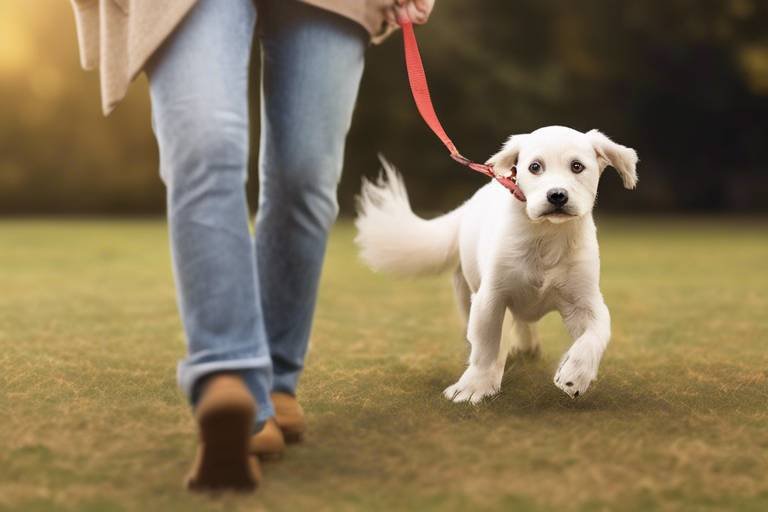
Teaching your dog the leave it command is not just a fun trick; it’s a vital skill that ensures their safety and enhances their obedience. Imagine walking your furry friend in a park, and they suddenly spot something enticing on the ground. Without this command, that moment could lead to a disaster! The leave it command helps prevent your dog from picking up harmful objects, such as toxic food, sharp items, or anything that could pose a danger to their health. In this article, we’ll explore effective techniques and tips to help you master this essential command, ensuring both you and your dog enjoy your time together safely.
The leave it command serves as a protective barrier between your dog and potential hazards. It’s a simple yet powerful instruction that teaches them to ignore distractions and focus on you instead. This command not only keeps your dog safe but also fosters a sense of discipline and respect. Think of it as giving your dog a superpower—the ability to resist temptation! By mastering this command, you’re equipping your dog with the tools to make safe choices, ultimately enhancing their overall training experience.
When it comes to teaching your dog any command, the environment plays a crucial role in their learning process. Ideally, you want to select a distraction-free space to begin your training. This could be your living room or a quiet backyard. The goal is to minimize outside stimuli that could divert your dog’s attention. Once they grasp the command in a calm setting, you can gradually introduce them to more challenging environments. Remember, starting in a quiet space sets the foundation for success!
Positive reinforcement is the key to effective dog training. It encourages your furry friend to repeat desired behaviors by rewarding them with something they love. Whether it’s treats, praise, or playtime, your dog will associate the leave it command with positive experiences. For instance, when your dog successfully ignores a tempting object, shower them with affection or offer a tasty treat. This will not only motivate them but also strengthen your bond. Here’s a quick overview of positive reinforcement methods:
- Treats: Use small, tasty treats that your dog loves.
- Praise: Use a cheerful tone and lots of belly rubs!
- Playtime: Incorporate their favorite toy as a reward.
Timing is everything in dog training. To effectively reinforce the leave it command, you must reward your dog immediately after they successfully ignore an object. This instant feedback helps them connect their action with the reward. For example, if your dog walks away from a dropped snack on command, reward them right away! This reinforces their understanding and encourages them to repeat the behavior in the future.
Once your dog masters the leave it command in a calm environment, it’s time to introduce distractions gradually. Start by placing a toy or treat a few feet away and practice the command. As your dog becomes more reliable, increase the difficulty by adding more distractions or moving to busier locations. The key is to maintain your dog’s focus and compliance while challenging them. This gradual exposure helps them learn to leave items in various situations, making the command more effective in real-life scenarios.
Training can be a rollercoaster ride, and it’s easy to make mistakes along the way. Here are some common pitfalls to watch out for when teaching the leave it command:
- Inconsistency: Use the command consistently to avoid confusing your dog.
- Over-rewarding: Too many treats can lead to dependency; balance is key.
- Frustration: Stay patient; every dog learns at their own pace!
Consistency is crucial in dog training. Incorporate the leave it command into your daily routines. Whether you’re out for a walk, during playtime, or even at mealtimes, practicing regularly reinforces the command. The more your dog hears and responds to it, the more instinctive it will become. Remember, training should be fun for both you and your dog, so keep the sessions short and engaging!
Sometimes, despite your best efforts, you might find that your dog struggles with the leave it command. If you notice signs of persistent disobedience or anxiety, it might be time to consult a professional dog trainer. They can provide tailored advice and training techniques that suit your dog’s unique personality and needs. Don’t hesitate to seek help; it’s all about ensuring your dog’s safety and happiness!
Every small victory in training deserves recognition! Celebrating your dog’s achievements fosters a positive training environment and strengthens your bond. Whether it’s a simple “good job” or a special treat, acknowledging their progress encourages them to keep trying. Remember, training is a journey, and every step forward is worth celebrating!
1. How long will it take for my dog to learn the leave it command?
The time it takes can vary depending on your dog’s age, breed, and prior training experience. With consistent practice, most dogs can learn within a few weeks.
2. Can I use leave it for other commands?
Yes! The leave it command can be integrated with other commands, enhancing your dog’s overall obedience and responsiveness.
3. What if my dog doesn’t respond to the command?
If your dog struggles, ensure you’re using positive reinforcement correctly, and consider seeking help from a professional trainer.
leave it
This article provides a comprehensive guide on teaching your dog the command, an essential skill for their safety and obedience. Learn effective techniques and tips to master this command.
The command is crucial for preventing dogs from engaging with potentially harmful objects. Imagine your dog spotting something on the ground that could be dangerous—a piece of food that’s been on the sidewalk too long, or worse, something toxic. This command acts as a safety net, enabling your furry friend to avoid these hazards. Not only does it contribute to your dog’s overall training and safety, but it also fosters a stronger bond between you and your pet. When your dog learns to trust your commands, it enhances their obedience and makes outings more enjoyable.
Selecting an appropriate training environment is key to your dog’s success. Ideally, you want a space that is free from distractions, allowing your dog to focus solely on you and the task at hand. Think of it as setting the stage for a performance; if there are too many distractions, your dog might miss their cue. Start in a quiet room at home or a secluded area in the park. As your dog becomes more proficient, you can gradually introduce more challenging environments. The goal is to create a learning atmosphere that promotes concentration and reinforces positive behaviors.
Positive reinforcement is an effective training method that encourages desired behaviors. When teaching the command, using treats, praise, and play can motivate your dog to respond. For instance, when your dog successfully leaves an object alone, reward them immediately with a treat or enthusiastic praise. This positive feedback not only reinforces the behavior but also makes training a fun experience for your dog. Remember, dogs thrive on rewards, and the more you celebrate their successes, the more eager they will be to learn.
Proper timing of rewards is essential for effective training. You should reward your dog immediately after they successfully leave an object. Think of it like striking while the iron is hot; the quicker you reward them, the clearer the association between their action and the reward will be. This immediate reinforcement helps your dog understand that leaving the item alone is what earns them the treat. Timing can make all the difference, so be sure to stay alert during training sessions!
Gradually introducing distractions helps your dog learn to leave items in various situations. Start with low-distraction environments and slowly increase the level of difficulty. For example, once your dog masters the command in a quiet room, try practicing in the backyard, then at the park, where there are more sights and sounds. This exposure will help your dog generalize the command, making it effective in any situation. Just remember to keep your sessions short and engaging to maintain their focus and compliance.
Training can be challenging, and mistakes are common. One frequent error dog owners make is giving the command too often without following through. If you’re constantly repeating without any consequences, your dog may start to ignore you. Another mistake is not rewarding your dog promptly, which can confuse them about what behavior you’re reinforcing. To improve your training outcomes, focus on consistency and clarity. Remember, patience is key; your dog is learning, and every little step counts!
Consistency is key in dog training. Practicing the command regularly will help solidify your dog’s understanding and response to the command. Incorporate it into daily routines—ask your dog to leave it before meals, during walks, or when they encounter something interesting on the ground. This regular practice not only reinforces the command but also helps your dog learn that applies in various contexts. The more they practice, the more automatic their response will become, leading to long-term success.
Sometimes, additional assistance may be necessary. If you find that your dog is consistently struggling with the command or exhibiting challenging behaviors, it might be time to consult a professional dog trainer. Signs that indicate when to seek help include persistent disobedience, fearfulness, or aggressive reactions to distractions. A professional can provide tailored strategies and support to help you and your dog succeed.
Recognizing and celebrating your dog’s achievements fosters a positive training environment. Acknowledging milestones—whether it’s your dog successfully leaving a tempting treat or maintaining focus in a distracting environment—reinforces their progress. Take the time to celebrate these victories, as it strengthens the bond between you and your pet. Remember, training should be a fun and rewarding experience for both of you!
- How long does it take to teach my dog the leave it command? – The time it takes varies by dog, but with consistent practice, many dogs can learn the command in a few weeks.
- Can I use the leave it command for other behaviors? – Yes! Once your dog understands the command, you can use it to prevent them from jumping on people or engaging with other distractions.
- What if my dog doesn’t respond to rewards? – If your dog isn’t motivated by treats, try using toys or praise instead. Every dog is different, so find what excites them!
command, an essential skill for their safety and obedience. Learn effective techniques and tips to master this command.
This article provides a comprehensive guide on teaching your dog the leave it command, an essential skill for their safety and obedience. Learn effective techniques and tips to master this command.
The leave it command is crucial for preventing dogs from engaging with potentially harmful objects. Imagine your dog finding something on the ground that could be dangerous—like a piece of chocolate or a sharp object. By teaching them to leave it, you are essentially giving them a lifeline. This command not only protects your furry friend from harm but also contributes significantly to their overall training and obedience. It builds trust between you and your dog, as they learn to rely on your cues for their safety. In essence, mastering this command can be a game-changer in your dog’s behavior and your peace of mind.
Selecting an appropriate training environment is key to your dog’s success. You wouldn’t want to study for an exam in a noisy café, right? Similarly, your dog needs a distraction-free space to focus on learning the leave it command. Start in a quiet room in your home where there are minimal distractions. As your dog becomes more proficient, you can gradually introduce them to more stimulating environments, like your backyard or a quiet park. The goal is to create a space where your dog feels comfortable and can concentrate on your commands without the distractions of other pets, people, or noises.
Positive reinforcement is an effective training method that encourages desired behaviors. Think of it as a way to reward good behavior rather than punishing bad behavior. When your dog responds correctly to the leave it command, shower them with treats, praise, or playtime. This creates a positive association with the command, making them more likely to obey in the future. For instance, if your dog successfully leaves a tempting treat alone, reward them immediately. This immediate reinforcement helps them connect the dots between the command and the reward.
Proper timing of rewards is essential for effective training. Imagine your dog successfully leaving an object alone, and you wait too long to reward them—by the time you do, they might not even remember what they did right! To avoid this, ensure you reward your dog immediately after they successfully leave an object. This reinforces the desired behavior and helps them understand that leaving it leads to good things. The quicker the reward, the stronger the connection your dog will make between the command and their action.
Gradually introducing distractions helps your dog learn to leave items in various situations. Start with low-distraction scenarios, like practicing at home with a toy. Once they master that, you can slowly increase the difficulty. For example, try practicing in your backyard with a ball, then move to a park where other dogs are playing. This gradual exposure teaches your dog to maintain focus on you, even when there are distractions around them. It’s like training for a marathon; you start small and build up to the big race!
Training can be challenging, and mistakes are common. One frequent error is using the leave it command inconsistently. If you sometimes let your dog take an object and other times don’t, they’ll get confused. Always enforce the command consistently. Another mistake is not rewarding quickly enough, as mentioned earlier. Lastly, be careful not to punish your dog for not obeying. Instead, focus on positive reinforcement to encourage the behavior you want to see. If you notice these mistakes creeping into your training, don’t fret! Awareness is the first step toward improvement.
Consistency is key in dog training. Just like learning a new skill, regular practice helps cement the leave it command in your dog’s mind. Incorporate it into daily routines—whether during walks, playtime, or even mealtime. For instance, you can use the command when you drop a treat on the floor or when your dog is tempted to investigate something on your walk. The more you practice, the more your dog will understand the command and its importance. Think of it as a daily workout for their brain!
Sometimes, additional assistance may be necessary. If you find that your dog is struggling with the leave it command despite your best efforts, it might be time to consult a professional dog trainer. Signs that indicate when it’s time to seek help include persistent disobedience, signs of aggression, or if your dog is easily distracted and unable to focus during training sessions. A professional can provide tailored strategies to help you and your dog succeed.
Recognizing and celebrating your dog’s achievements fosters a positive training environment. Each time your dog successfully responds to the leave it command, take a moment to celebrate! This can be as simple as giving them a treat, a belly rub, or even a fun play session. Acknowledging milestones, no matter how small, reinforces the bond between you and your pet. It’s a reminder that training is a journey, and every step forward is worth celebrating.
- How long does it take to teach my dog the leave it command? It varies by dog, but with consistent practice, many dogs can learn it within a few weeks.
- Can I use the leave it command for other situations? Absolutely! This command can be used in various scenarios, such as preventing your dog from picking up trash or approaching other animals.
- What if my dog ignores the command? Stay patient! Go back to basics and practice in a less distracting environment. Gradually increase the challenges as they improve.
Understanding the
This article provides a comprehensive guide on teaching your dog the leave it command, an essential skill for their safety and obedience. Learn effective techniques and tips to master this command.
The leave it command is crucial for preventing dogs from engaging with potentially harmful objects, whether that’s a piece of discarded food, a sharp object, or even something as innocent as a stick that could cause injury. Imagine walking your dog and spotting a suspicious object on the ground. Without the leave it command, your dog might rush over, putting themselves in danger. This command not only protects them but also reinforces your role as a responsible owner.
Understanding the importance of this command goes beyond just safety; it’s about fostering a trusting relationship between you and your furry friend. When your dog learns to obey this command, they are essentially saying, “I trust you, and I will listen to you.” This trust is the foundation of a well-behaved dog. Moreover, mastering the leave it command contributes significantly to your dog’s overall training, enhancing their obedience and responsiveness to other commands.
Here are a few key points to consider regarding the leave it command:
- Safety First: It helps prevent your dog from ingesting harmful substances.
- Impulse Control: It teaches your dog to control their impulses and think before acting.
- Focus on You: It encourages your dog to pay attention to you instead of distractions.
In essence, the leave it command is not just a trick; it’s a life skill that can save your dog’s life and create a more harmonious environment for both of you. So, let’s dive deeper into how to effectively teach this essential command!
Selecting an appropriate training environment is key to your dog’s success. This section discusses how to create a distraction-free space to facilitate effective learning and reinforce positive behaviors.
Positive reinforcement is an effective training method that encourages desired behaviors. This section covers how to use treats, praise, and play to motivate your dog to respond to the leave it command.
Proper timing of rewards is essential for effective training. This section explains how to reward your dog immediately after they successfully leave an object, reinforcing the desired behavior.
Gradually introducing distractions helps your dog learn to leave items in various situations. This section outlines strategies for increasing difficulty while maintaining your dog’s focus and compliance.
Training can be challenging, and mistakes are common. This section highlights frequent errors dog owners make when teaching the leave it command and offers solutions to improve training outcomes.
Consistency is key in dog training. This section emphasizes the importance of regular practice and how to incorporate the leave it command into daily routines for long-term success.
Sometimes, additional assistance may be necessary. This section discusses signs that indicate when it’s time to consult a professional dog trainer for help with the leave it command.
Recognizing and celebrating your dog’s achievements fosters a positive training environment. This section encourages owners to acknowledge milestones and reinforce the bond with their pets through shared success.
Q: How long does it take for my dog to learn the leave it command?
A: The time it takes varies by dog, but with consistent training, many dogs can learn the command within a few weeks.
Q: Can I use leave it for other commands?
A: Yes! Once your dog masters leave it, you can use it in various situations to reinforce good behavior.
Q: What if my dog doesn’t respond to leave it?
A: If your dog isn’t responding, consider revisiting the training environment and ensuring there are minimal distractions. You may also want to consult a professional trainer.
Leave It
This article provides a comprehensive guide on teaching your dog the command, an essential skill for their safety and obedience. Learn effective techniques and tips to master this command.
The command is crucial for preventing dogs from engaging with potentially harmful objects. Imagine your dog rushing toward a piece of food that could upset their stomach or a sharp object that might injure them. This command acts as a safeguard, ensuring your furry friend avoids dangerous situations. Not only does it contribute to a dog’s overall training and safety, but it also fosters a stronger bond between you and your pet, built on trust and communication. By teaching your dog to , you’re not just training them; you’re protecting them from potential harm.
Selecting an appropriate training environment is key to your dog’s success. Picture this: you’re trying to teach your dog a new command, but there’s a parade of distractions around—other dogs barking, children playing, and tempting smells wafting through the air. It’s no wonder your dog is having trouble focusing! To facilitate effective learning and reinforce positive behaviors, create a distraction-free space. Start in a quiet room or your backyard, where your dog can concentrate solely on you. As they master the command in a controlled setting, you can gradually introduce them to more complex environments.
Positive reinforcement is an effective training method that encourages desired behaviors. When your dog successfully responds to the command, reward them with treats, praise, or even a fun game of fetch. Dogs thrive on positive feedback; it’s like giving them a high-five for a job well done! This not only motivates your dog to comply but also makes training a fun experience. The more enthusiastic you are, the more your dog will want to engage in learning. Remember, a happy dog is a willing learner!
Proper timing of rewards is essential for effective training. You want your dog to associate the command with immediate positive outcomes. For instance, if your dog successfully ignores a tempting treat, reward them right away. This instant gratification helps reinforce the desired behavior, making it clear that they did something right. Think of it like a light bulb moment for your dog; they learn that leaving an object alone brings them joy and treats!
Gradually introducing distractions helps your dog learn to leave items in various situations. Start with low-distraction environments and slowly increase the difficulty level. For example, once your dog masters the command at home, take it to the park where there are more distractions—like squirrels or other dogs. This way, your dog learns to focus on you amidst the chaos. It’s like training for a marathon; you wouldn’t run a full 26.2 miles on your first day. Build up your dog’s skills gradually, and they’ll be ready for anything!
Training can be challenging, and mistakes are common. One frequent error dog owners make is being inconsistent with the command. If you sometimes allow your dog to take an object, they can become confused about what you expect. Another mistake is using negative reinforcement, which can lead to fear and anxiety. Instead, focus on positive methods that encourage your dog to learn without stress. Remember, patience is key in this journey. If you find yourself getting frustrated, take a break and come back to it with a fresh mindset.
Consistency is key in dog training. Just like we need to practice our skills to improve, your dog benefits from regular practice of the command. Incorporate it into daily routines—ask your dog to leave it before meals, during walks, or when you have guests over. The more opportunities your dog has to practice, the more ingrained the command will become. Think of it as building a muscle; the more you work it, the stronger it gets!
Sometimes, additional assistance may be necessary. If you find that your dog is consistently ignoring the command or exhibiting signs of anxiety during training, it might be time to consult a professional dog trainer. Look for signs such as excessive barking, pacing, or refusal to engage. A professional can provide tailored strategies and support to help both you and your dog succeed. Remember, seeking help is a sign of strength, not weakness!
Recognizing and celebrating your dog’s achievements fosters a positive training environment. Every time your dog successfully leaves an object, take a moment to acknowledge their progress. Whether it’s a treat, a belly rub, or a joyful “good boy/girl,” these small celebrations can have a big impact. They reinforce the bond between you and your pet and motivate them to keep learning. After all, training should be a fun and rewarding experience for both of you!
- How long does it take to teach my dog to leave it? The time varies by dog, but with consistent practice, many dogs can grasp the command within a few weeks.
- What if my dog doesn’t respond to the command? Ensure you are using positive reinforcement and consider reducing distractions during training.
- Can I use the leave it command for other situations? Absolutely! The command can be used for various scenarios, such as avoiding dangerous items or unwanted behavior.
Command
This article provides a comprehensive guide on teaching your dog the leave it command, an essential skill for their safety and obedience. Learn effective techniques and tips to master this command.
The leave it command is crucial for preventing dogs from engaging with potentially harmful objects. Imagine your dog spots a delicious piece of food on the ground or a shiny wrapper that could lead to a dangerous situation. With a solid grasp of the leave it command, you can confidently redirect their attention and keep them safe. This command not only protects your furry friend from potential hazards but also contributes to their overall training and obedience. It’s like giving your dog a superpower—one that helps them make good choices in a world full of distractions.
Selecting an appropriate training environment is key to your dog’s success. Think of it as setting the stage for a performance; you want the best conditions for your star! Start in a quiet, distraction-free area, like your living room or backyard, where your dog can focus solely on you. As they become more skilled, you can gradually introduce them to busier places. Just remember, the goal is to ensure they feel comfortable and secure while learning. A calm environment fosters concentration and helps your dog associate the leave it command with positive experiences.
Positive reinforcement is an effective training method that encourages desired behaviors. It’s like throwing a party every time your dog does something right! When teaching the leave it command, use treats, praise, and play to motivate your dog. For instance, when you say leave it and your dog complies, shower them with affection and a tasty reward. This creates a strong association between the command and the positive outcome, making them more likely to respond in the future. Remember, the more enthusiastic you are, the more excited your dog will be to learn!
Proper timing of rewards is essential for effective training. Imagine you just completed a marathon, and someone hands you a medal right after you cross the finish line—that immediate recognition feels amazing, right? The same principle applies to your dog. When they successfully leave an object, reward them immediately. This reinforces the desired behavior and helps them understand what they did right. The quicker the reward, the stronger the connection they’ll make between the command and their action.
Gradually introducing distractions helps your dog learn to leave items in various situations. Start with low-distraction environments and slowly increase the challenges. For example, practice the command in your quiet home, then move to the backyard, and eventually to a park. Each step is like leveling up in a video game; you want to ensure your dog is ready for the next challenge. Keep their focus by using high-value treats or toys to maintain their interest. This way, they’ll learn to leave it, no matter where they are!
Training can be challenging, and mistakes are common. One frequent error dog owners make is not being consistent with the command. If you say leave it sometimes but allow them to pick things up at other times, it confuses your dog. Consistency is key! Another mistake is using a harsh tone or punishment, which can create fear rather than encouragement. Instead, focus on positive reinforcement to build trust and understanding. If you notice your dog struggling, take a step back and simplify the command to ensure they grasp it fully.
Consistency is key in dog training. Just like we need regular practice to master a skill, your dog needs the same to learn the leave it command effectively. Incorporate the command into daily routines—when you’re out for walks, during playtime, or even at mealtimes. The more opportunities your dog has to practice, the more natural the command will become. Think of it as adding a sprinkle of training to your everyday life, making it a fun and engaging experience for both you and your furry friend.
Sometimes, additional assistance may be necessary. If you find that your dog isn’t responding to the leave it command despite your best efforts, it might be time to consult a professional dog trainer. Signs that indicate when to seek help include persistent disobedience, fearfulness, or aggression towards distractions. A professional can offer personalized strategies and techniques to help you and your dog succeed. Remember, asking for help is a sign of strength, and it can lead to a happier, more harmonious relationship with your pet.
Recognizing and celebrating your dog’s achievements fosters a positive training environment. Every time your dog successfully responds to the leave it command, take a moment to celebrate! Whether it’s a little dance, extra playtime, or their favorite treat, acknowledging milestones reinforces their learning and strengthens your bond. Training is a journey, and celebrating progress—no matter how small—makes the experience rewarding for both you and your dog.
- How long does it take to teach my dog the leave it command? – The time varies by dog, but with consistent practice, many dogs can grasp the command within a few weeks.
- Can I use the leave it command for all types of distractions? – Yes, with proper training, your dog can learn to leave food, toys, and other distractions.
- What should I do if my dog ignores the command? – Go back to a less distracting environment and practice more before gradually increasing the challenge.
leave it
This article provides a comprehensive guide on teaching your dog the command, an essential skill for their safety and obedience. Learn effective techniques and tips to master this command.
The command is crucial for preventing dogs from engaging with potentially harmful objects. Imagine your dog spotting a piece of food on the ground or a shiny object that could be dangerous. Without the command, your furry friend might rush to investigate, putting themselves at risk. This command not only protects your pet but also strengthens their overall training and obedience. By teaching your dog to ignore distractions, you’re fostering a sense of discipline that can be applied in various situations, from walks in the park to family gatherings.
Selecting an appropriate training environment is key to your dog’s success. Start in a quiet, distraction-free space where your dog can focus solely on you. Think of it as setting the stage for a performance; if there are too many distractions, the show won’t go on smoothly. Gradually, as your dog masters the command, you can introduce more challenging environments. This way, you’re preparing them for real-world scenarios where they might encounter tempting distractions, like food wrappers, other pets, or even children playing.
Positive reinforcement is an effective training method that encourages desired behaviors. When your dog successfully responds to the command, reward them immediately with treats, praise, or playtime. This creates a positive association with the command, making them more likely to obey in the future. For instance, if your dog walks past a tempting treat without grabbing it, shower them with affection and a tasty reward. It’s like giving them a high-five for their good behavior, reinforcing their decision to listen to you.
Proper timing of rewards is essential for effective training. When your dog successfully leaves an object, you need to reward them immediately. This instant feedback helps them understand what they did right. Think of it like a game where you score points the moment you make the right move. If you wait too long to reward, your dog might not connect the dots, and the lesson could get lost in translation. So, stay alert and ready with those treats!
Gradually introducing distractions helps your dog learn to leave items in various situations. Start with low-distraction scenarios and slowly increase the difficulty as your dog becomes more proficient. For example, begin by placing a treat on the ground a few feet away while your dog is on a leash. As they master the command, you can increase the distance and add more distractions, such as toys or other dogs. This method is akin to training for a marathon; you wouldn’t start by running 26 miles, right? You build up your endurance over time, and the same goes for your dog’s training.
Training can be challenging, and mistakes are common. One frequent error dog owners make is using the command inconsistently. For instance, if you sometimes allow your dog to pick up items and other times don’t, it creates confusion. It’s like giving mixed signals in a conversation; your dog won’t know how to respond. Another mistake is not rewarding promptly, which can lead to misunderstandings about what behavior is being reinforced. Stay consistent, and ensure your rewards are timely!
Consistency is key in dog training. Incorporate the command into your daily routines. Whether during walks, playtime, or meal prep, practice makes perfect! The more you use the command, the more ingrained it becomes in your dog’s behavior. Just like we need to practice our skills to improve, your dog will benefit from regular repetition. Set aside time each day to reinforce this command, and soon it will become second nature for both of you.
Sometimes, additional assistance may be necessary. If you find that your dog is not responding to the command despite consistent training, it may be time to consult a professional dog trainer. Signs that indicate when to seek help include persistent disobedience, excessive distractions, or if your dog displays anxiety during training sessions. A professional can provide tailored strategies and techniques to help you and your dog succeed.
Recognizing and celebrating your dog’s achievements fosters a positive training environment. Acknowledge milestones, no matter how small, and reinforce the bond with your pet through shared success. Whether it’s a simple “good job!” or an extra treat, celebrating progress can motivate both you and your dog. Remember, training is a journey, and every step forward is worth celebrating!
- How long does it take to teach a dog the leave it command? The time it takes can vary depending on the dog’s age, breed, and previous training experiences. Consistent practice over a few weeks usually yields good results.
- Can I use the leave it command for other behaviors? Absolutely! The principles of the leave it command can be applied to various situations, such as preventing your dog from jumping on guests or grabbing food off the table.
- What if my dog doesn’t respond to treats? If your dog isn’t motivated by treats, try using toys or playtime as rewards. Every dog is unique, so find what excites yours!
command is crucial for preventing dogs from engaging with potentially harmful objects. This section explains its importance and how it contributes to a dog’s overall training and safety.
This article provides a comprehensive guide on teaching your dog the leave it command, an essential skill for their safety and obedience. Learn effective techniques and tips to master this command.
The leave it command is crucial for preventing dogs from engaging with potentially harmful objects. Imagine your dog finds something on the ground that could be dangerous—like a piece of glass or a toxic plant. The ability to leave it can mean the difference between a safe outing and a trip to the vet. By mastering this command, you not only enhance your dog’s safety but also contribute to their overall training and behavior in various situations.
When you teach your dog to leave it, you’re instilling a vital skill that promotes self-control. This command helps your furry friend understand that not everything they encounter is meant for them. It’s like teaching a child to resist the temptation of candy in a store—it’s all about making the right choices! Furthermore, this command can prevent unwanted behaviors, such as scavenging or picking up dangerous items during walks.
Incorporating the leave it command into your dog’s training routine can also enhance their focus and responsiveness. Dogs are naturally curious creatures, and their instinct is to investigate everything. By teaching them this command, you are essentially providing them with a tool to navigate their environment safely. This not only benefits their well-being but also strengthens the bond between you and your pet, as they learn to trust your guidance.
Overall, the leave it command is a cornerstone of responsible pet ownership. It empowers your dog to make safer choices and fosters a sense of discipline that can be applied to other commands and training exercises. So, as you embark on this training journey, remember that patience and consistency are key. Your dog will thank you for it!
Selecting an appropriate training environment is key to your dog’s success. This section discusses how to create a distraction-free space to facilitate effective learning and reinforce positive behaviors.
Positive reinforcement is an effective training method that encourages desired behaviors. This section covers how to use treats, praise, and play to motivate your dog to respond to the leave it command.
Proper timing of rewards is essential for effective training. This section explains how to reward your dog immediately after they successfully leave an object, reinforcing the desired behavior.
Gradually introducing distractions helps your dog learn to leave items in various situations. This section outlines strategies for increasing difficulty while maintaining your dog’s focus and compliance.
Training can be challenging, and mistakes are common. This section highlights frequent errors dog owners make when teaching the leave it command and offers solutions to improve training outcomes.
Consistency is key in dog training. This section emphasizes the importance of regular practice and how to incorporate the leave it command into daily routines for long-term success.
Sometimes, additional assistance may be necessary. This section discusses signs that indicate when it’s time to consult a professional dog trainer for help with the leave it command.
Recognizing and celebrating your dog’s achievements fosters a positive training environment. This section encourages owners to acknowledge milestones and reinforce the bond with their pets through shared success.
- What age can I start teaching my dog the leave it command?
It’s best to start as early as possible, usually around 8 weeks old, but older dogs can learn too! - How long will it take for my dog to learn leave it?
Each dog learns at their own pace, but with consistent practice, many dogs grasp the command within a few weeks. - Can all dogs learn the leave it command?
Yes! All dogs, regardless of breed or age, can learn this command with the right training techniques.
Choosing the Right Environment
When it comes to teaching your dog the leave it command, the environment you choose plays a pivotal role in the success of your training efforts. Imagine trying to focus on a complex math problem while your favorite song is blaring in the background. It’s tough, right? Similarly, your dog needs a calm and distraction-free space to learn effectively. Start by selecting a quiet room in your home or an enclosed outdoor area where your dog feels comfortable and secure.
To create the ideal training environment, consider the following factors:
- Minimize Distractions: Choose a location where there are minimal noises, other pets, or people that might divert your dog’s attention. The fewer distractions, the better your dog can focus on your commands.
- Comfortable Space: Ensure the area is comfortable for your dog. If it’s too hot or cold, your dog may not be able to concentrate. A cozy spot with some familiar scents can help them feel at ease.
- Safe Area: Make sure the space is safe and free from any hazardous objects that could harm your dog. This allows you to focus on training without worrying about their safety.
Once you’ve established a suitable environment, it’s time to introduce your dog to the leave it command. Start with basic distractions, such as a favorite toy or treat placed a few feet away. This allows your dog to learn the command without feeling overwhelmed. As your dog becomes more proficient, you can gradually increase the level of distraction, incorporating different objects and scenarios to enhance their learning experience.
Remember, the goal is to create a positive and engaging atmosphere for your dog. Training should be a fun bonding experience, not a stressful chore. Celebrate small victories along the way, and don’t hesitate to adjust your environment if it seems like your dog is struggling. Just like we all have our own unique learning styles, the same applies to our furry friends!
Using Positive Reinforcement
When it comes to teaching your dog the leave it command, using positive reinforcement is one of the most effective methods you can employ. Imagine your dog as a sponge, soaking up everything you teach them. By rewarding them for good behavior, you’re essentially filling that sponge with positivity and encouragement. This approach not only helps your dog learn faster but also strengthens the bond between you and your furry friend.
So, how do you get started with positive reinforcement? First and foremost, you need to have some tasty treats on hand. Dogs are motivated by food, and a delicious reward can make all the difference. However, it’s not just about treats; praise and playtime can also be powerful motivators. Think of it like this: if you were learning a new skill, wouldn’t you want a cheerleader by your side? That’s exactly what you can be for your dog!
Here’s a simple way to incorporate positive reinforcement into your training sessions:
- Start with a command: Say “leave it” in a firm yet friendly tone when you want your dog to stop what they’re doing.
- Redirect their attention: If your dog is fixated on an object, gently guide them away while saying the command.
- Reward immediately: As soon as they comply, shower them with praise and give them a treat. This immediate reward helps them associate the command with positive outcomes.
Timing is everything in positive reinforcement. You want to reward your dog the moment they exhibit the desired behavior. If you wait too long, they might not connect the dots and may become confused about what they’re being rewarded for. It’s like giving a high-five to a friend after they tell a joke; if you wait too long, they might think you’re just being friendly, not that you found their joke funny!
As you practice, remember to keep the training sessions short and fun. Dogs have limited attention spans, so a 5 to 10-minute session can be more effective than a long, drawn-out ordeal. Think of it as a quick coffee break—short, sweet, and enjoyable! The more fun your dog has during training, the more likely they are to engage and learn.
In summary, using positive reinforcement to teach your dog the leave it command not only helps them learn effectively but also fosters a loving and trusting relationship between you both. With treats, praise, and a sprinkle of patience, you’ll be well on your way to having a well-behaved pup who knows when to leave tempting objects alone!
leave it
This article provides a comprehensive guide on teaching your dog the command, an essential skill for their safety and obedience. Learn effective techniques and tips to master this command.
The command is crucial for preventing dogs from engaging with potentially harmful objects. Imagine your dog spotting something intriguing on the ground—a piece of food, a shiny wrapper, or even a dangerous item like glass. Without the command, your furry friend might rush to investigate, putting themselves at risk. Teaching your dog this command not only enhances their safety but also contributes to their overall training and obedience. It empowers them to make better choices in various situations, ensuring they stay out of trouble and remain safe in their environment.
Selecting an appropriate training environment is key to your dog’s success. Think of it like setting the stage for a performance—if there are too many distractions, your dog won’t be able to focus on the task at hand. Start in a quiet, familiar space, free from the hustle and bustle of daily life. A calm environment allows your dog to absorb the training without feeling overwhelmed. As they become more proficient with the command, you can gradually introduce more distractions, helping them learn to maintain focus amidst chaos.
Positive reinforcement is an effective training method that encourages desired behaviors. When teaching the command, using treats, praise, and play can significantly motivate your dog to respond. For instance, when your dog successfully ignores an object you’ve pointed out, reward them immediately with a treat or enthusiastic praise. This creates a positive association with the command, making them more likely to obey in the future. Remember, the more enjoyable the experience, the more your dog will want to engage in the training!
Proper timing of rewards is essential for effective training. Imagine your dog leaves an enticing object alone; if you wait too long to reward them, they might not connect their action with the treat. Instead, reward your dog immediately after they successfully leave an object. This instant feedback reinforces the desired behavior, helping them understand that ignoring the object results in a reward. The quicker the reward, the stronger the association becomes.
Gradually introducing distractions helps your dog learn to leave items in various situations. Start with low-distraction environments and slowly increase the difficulty. For example, once your dog masters the command at home, try practicing in the yard, then at a park with other dogs around. This gradual exposure teaches your dog to maintain focus and compliance, even when faced with tempting distractions. It’s like training for a marathon; you wouldn’t start by running 26 miles right away!
Training can be challenging, and mistakes are common. One frequent error dog owners make is being inconsistent with the command. If you sometimes allow your dog to pick up items and other times don’t, it creates confusion. Another mistake is using the command too late; timing is everything! Ensure you are clear and consistent, and your dog will learn much quicker. If you find yourself frustrated, take a step back and reassess your approach.
Consistency is key in dog training. Regular practice helps reinforce the command, making it second nature for your dog. Integrate the command into daily routines—during walks, playtime, or even mealtime. For example, when your dog approaches food that’s fallen on the floor, use the command. This not only helps in reinforcing the command but also makes it a part of their everyday life.
Sometimes, additional assistance may be necessary. If you find that your dog is consistently struggling with the command, it might be time to consult a professional dog trainer. Signs that indicate when to seek help include persistent disobedience, anxiety in training situations, or if you feel overwhelmed. A professional can provide tailored strategies and support, helping you and your dog achieve success together.
Recognizing and celebrating your dog’s achievements fosters a positive training environment. Whether it’s a small victory or a major milestone, acknowledging your dog’s progress strengthens the bond between you. Celebrate with extra playtime, a favorite treat, or simply lots of praise. Remember, training should be a fun and rewarding experience for both you and your furry friend!
- How long does it take to teach the leave it command?
It varies by dog, but with consistent practice, many dogs can grasp the command within a few weeks. - Can I use any type of treat for training?
Yes! Use high-value treats that your dog loves, as they will be more motivated to respond. - What if my dog ignores the command?
Stay patient and consistent. If they ignore the command, try practicing in a less distracting environment and gradually increase the difficulty. - Is it too late to teach an older dog?
No! Dogs of any age can learn new commands. It may take a little longer, but with patience, it’s definitely possible.
command.
This article provides a comprehensive guide on teaching your dog the leave it command, an essential skill for their safety and obedience. Learn effective techniques and tips to master this command.
The leave it command is crucial for preventing dogs from engaging with potentially harmful objects. Imagine your dog is about to pick up something dangerous, like a piece of chocolate or a sharp object. The ability to command them to “leave it” can mean the difference between safety and a trip to the vet. This command not only protects your furry friend but also contributes significantly to their overall training. It fosters a sense of discipline and helps you build a stronger bond with your pet, as they learn to trust your guidance.
Selecting an appropriate training environment is key to your dog’s success. You want to create a distraction-free space that facilitates effective learning. Think of it like studying for an exam; you wouldn’t want to do it in a noisy café, right? Similarly, your dog will learn better in a calm setting. Start in a quiet room or a fenced yard where they can focus solely on you. As they progress, you can gradually introduce more distractions, like other pets or people, to challenge their understanding of the command.
Positive reinforcement is an effective training method that encourages desired behaviors. When teaching the leave it command, using treats, praise, and play can significantly motivate your dog. For instance, when your dog successfully ignores an object, reward them with a treat and enthusiastic praise. This creates a positive association with the command. Remember, every dog is different; some may respond better to verbal praise, while others might be more motivated by playtime. It’s all about finding what works best for your furry companion.
Proper timing of rewards is essential for effective training. Imagine your dog successfully leaves an object but you wait too long to reward them. They might not connect the action with the treat! To avoid this, reward your dog immediately after they successfully leave an object. This reinforces the desired behavior and helps them understand what you expect. Consistency in timing can make a world of difference in how quickly your dog learns the command.
Gradually introducing distractions helps your dog learn to leave items in various situations. Start with low-distraction environments and, as your dog masters the command, slowly increase the level of distraction. For example, you could practice in your living room, then move to the backyard, and eventually to a park where other dogs and people are present. This gradual exposure helps your dog maintain focus and compliance, ensuring they can respond to the leave it command no matter where they are.
Training can be challenging, and mistakes are common. One frequent error dog owners make is inconsistency. If you sometimes allow your dog to pick up items and other times you don’t, it can confuse them. Always be clear about what “leave it” means. Another mistake is using negative reinforcement, which can create fear rather than understanding. Instead, focus on positive methods that encourage your dog to learn and grow.
Consistency is key in dog training. Regular practice is essential for mastering the leave it command. Incorporate this command into daily routines, such as during walks or playtime. For example, if you’re out for a walk and your dog spots something interesting, use the command. This not only reinforces the command but also makes it a part of their daily life, ensuring long-term success.
Sometimes, additional assistance may be necessary. If you find that your dog is struggling with the leave it command despite your best efforts, it may be time to consult a professional dog trainer. Signs that indicate when it’s time to seek help include persistent disobedience, aggressive behavior towards other pets, or if you feel overwhelmed. A professional can provide tailored strategies and support to help you and your dog succeed.
Recognizing and celebrating your dog’s achievements fosters a positive training environment. Every milestone, no matter how small, is worth celebrating. Did your dog successfully leave a tempting treat alone? Celebrate with praise or a fun game! This not only reinforces the behavior but also strengthens the bond between you and your pet. Remember, training should be a fun and rewarding experience for both of you!
- How long does it take to teach my dog the leave it command?
The time it takes varies by dog, but with consistent practice, many dogs can grasp the command within a few weeks.
- What if my dog doesn’t respond to treats?
Try using their favorite toy or engaging them in play instead. Every dog is different, and finding the right motivation is key!
- Can I teach the leave it command to older dogs?
Absolutely! Dogs of all ages can learn new commands. It may take a bit more time, but patience and consistency will pay off.
Timing Your Rewards
When it comes to teaching your dog the leave it command, timing is everything. Imagine you’re at a concert, and the band just played your favorite song. If you wait too long to cheer, the moment is lost, and the energy fades. The same principle applies to dog training. To effectively reinforce your dog’s behavior, you need to reward them at the precise moment they successfully leave the object you’ve asked them to. This immediate feedback helps your dog make the connection between their action and the reward, solidifying the learning process.
So, how do you ensure you’re timing your rewards correctly? First, be observant. Watch for the exact moment your dog turns away from the tempting object. As soon as they do, say “yes!” enthusiastically and offer a treat. This quick response not only encourages them to repeat the behavior but also builds their confidence. You might even consider using a clicker as a training tool. The sharp sound of the clicker can serve as a clear marker, indicating to your dog that they’ve done something right, followed immediately by a reward. This method can be incredibly effective, as it removes any ambiguity about what action earned them the treat.
Here’s a quick breakdown of how to time your rewards effectively:
- Be Ready: Always have treats on hand during training sessions.
- Observe Closely: Watch for the moment your dog leaves the object.
- Mark the Behavior: Use a verbal cue or clicker immediately.
- Reward Promptly: Give the treat right after marking the behavior.
Additionally, it’s crucial to vary your rewards to keep your dog engaged. Sometimes, a tasty treat is the best motivator, but other times, your dog might respond better to praise or a quick game of fetch. By mixing things up, you can maintain their interest and enthusiasm for learning the leave it command.
Remember, patience is key. If your dog doesn’t respond right away, don’t get frustrated. Just like learning a new skill for us humans, dogs need time to understand what is expected of them. Consistent and timely rewards will help them grasp the concept more quickly, paving the way for a well-behaved companion who knows when to leave it.
Gradual Exposure to Distractions
Training your dog to master the leave it command is a journey, not a sprint. One of the most effective ways to ensure your dog understands this command is through . Think of it as teaching a child to focus in a noisy classroom. Initially, the environment is quiet, but as they grow more confident, they learn to concentrate despite the chaos around them. This method is essential for helping your furry friend learn to leave items behind, even when tempting distractions are present.
Start in a calm, controlled setting where your dog can focus solely on you. This could be your living room or backyard, free from the hustle and bustle of everyday life. Use a high-value treat that your dog loves—something they can’t resist. Show them the treat and say “leave it” while placing it on the floor. If your dog tries to go for it, cover the treat with your hand. Once they back away, immediately reward them with a different treat from your other hand. This teaches them that leaving the item brings rewards!
As your dog begins to understand the command in a distraction-free environment, it’s time to introduce mild distractions. This could be a family member walking around or a toy placed at a distance. The key here is to keep the distractions subtle; you want to challenge your dog without overwhelming them. If they succeed in ignoring the distractions and responding to your command, shower them with praise and treats. This positive reinforcement will build their confidence and willingness to obey.
Once your dog is comfortable with mild distractions, gradually increase the difficulty. You might consider the following steps:
- Introduce more distracting noises, like playing music or having the TV on.
- Practice in a busier area, like a park, where other dogs and people are present.
- Incorporate more tempting items, such as toys or food, to test their resolve.
Throughout this process, it’s crucial to maintain patience and understanding. Every dog learns at their own pace, and some may require more time to adjust to new challenges. If your dog struggles, return to a previous step where they were successful and build up from there. This approach not only reinforces their learning but also strengthens your bond as they see you as their supportive guide.
Remember, the goal is not just to teach your dog to leave things behind but to instill a sense of confidence and trust in their ability to make the right choice. Celebrate small victories along the way, and soon enough, you’ll have a dog that not only obeys the leave it command but also thrives in various environments.
Q: How long will it take for my dog to learn the leave it command?
A: The time it takes can vary based on your dog’s age, breed, and prior training. With consistent practice, many dogs can grasp the command within a few weeks.
Q: What if my dog ignores the command completely?
A: If your dog consistently ignores the command, it may be beneficial to return to a less distracting environment and reinforce the command there before gradually increasing the difficulty again.
Q: Can I use toys as distractions?
A: Absolutely! Using toys can be a great way to simulate real-life distractions. Just ensure the toy is at a distance initially, so your dog can learn to focus on you.
Q: Should I use verbal commands or hand signals?
A: Using both can be very effective. Many dogs respond well to visual cues, especially when they are combined with verbal commands.
Common Mistakes to Avoid
Training your dog to understand the leave it command can be a rewarding journey, but it’s not without its pitfalls. Many dog owners unknowingly make mistakes that can hinder their progress. One of the most common errors is rushing the training process. Dogs, much like humans, learn at their own pace. If you push your furry friend too hard, you might end up frustrating both yourself and your pup. Instead, take the time to ensure your dog fully grasps the command before moving on to more challenging distractionsleave it command, dog training, consistency, positive reinforcement, distractions, patience, practice sessions, reward system, , leave it command, dog training, consistency, positive reinforcement, distractions, patience, practice sessions, reward system,
Share this content:
Leave a Reply