
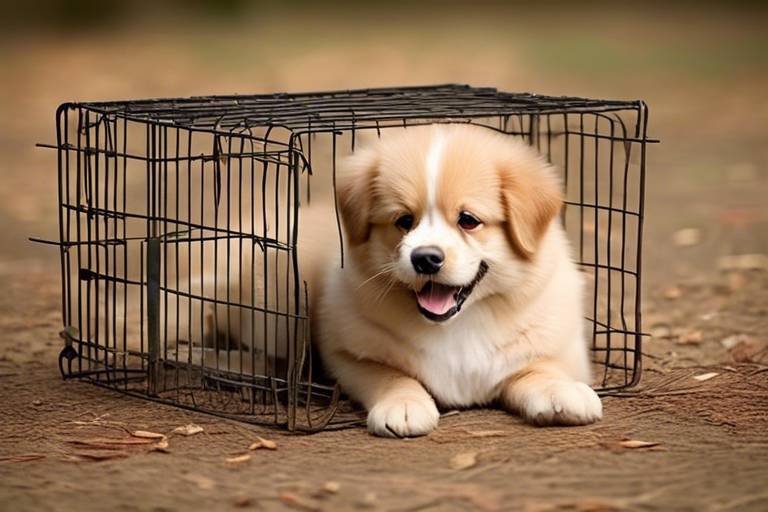
When it comes to our beloved pets, the thought of them getting caught in a trap is enough to send chills down any pet owner’s spine. It’s a scenario that no one wants to face, but being prepared can make all the difference. In this article, we will provide essential guidance for pet owners on how to handle the distressing situation of a pet getting caught in a trap, ensuring safety and effective rescue. Whether you’re a seasoned pet owner or new to the experience, knowing what to do can help you act swiftly and efficiently, potentially saving your furry friend from harm.
Understanding the indicators that your pet may be trapped is crucial for timely intervention. You might notice that your pet is behaving unusually—perhaps they’re more vocal than usual, or they’ve suddenly gone quiet. Sudden absences from their favorite spots can also be a red flag. If your pet usually greets you at the door but is nowhere to be found, it’s time to investigate. Additionally, physical signs of distress, such as limping or whimpering, can indicate that something is wrong. Keep an eye out for these signs, as they can help you determine if your pet needs immediate help.
When you suspect your pet is caught in a trap, swift action is vital. First, assess the situation carefully. Is your pet trapped in a visible location? Are there any other animals nearby? Determine the best course of action without putting yourself or your pet in danger. Remember, your instinct might be to rush in and help, but taking a moment to think can prevent further complications. If you can see the trap, try to identify what kind it is—some traps are designed for small animals and may not pose a significant risk, while others can be dangerous.
Before approaching the trap, evaluate the surrounding area for potential hazards. This includes checking for other traps, wild animals, or unstable terrain that could complicate the rescue. You wouldn’t want to accidentally walk into another trap or encounter an angry raccoon while trying to save your pet! Take a deep breath and look around carefully. If the environment seems chaotic, it might be best to wait for professional help.
Your safety is paramount during a rescue. Wearing protective gloves can provide a barrier between you and potential dangers. Avoid reaching into unknown traps, as they can have sharp edges or even be rigged to snap shut. Remember, you want to help your pet, but not at the expense of your own safety. Think of it like being a superhero—you need to be in good shape to save the day!
If the situation seems too dangerous, don’t hesitate to call animal control or a local rescue organization. They have the expertise and equipment to safely assist in the rescue. Think of them as your sidekicks in this adventure. They can provide the support you need to ensure your pet’s safety without putting you at risk.
If you decide to attempt a rescue, proceed with caution. Carefully open the trap mechanism while keeping your pet calm to minimize stress and potential injury. Speak softly and reassuringly to your pet as you approach. The last thing you want is for them to panic and hurt themselves further. Remember, patience is key here. Sometimes, just a gentle touch or a soothing voice can make all the difference in keeping your pet calm during this stressful time.
Once your pet is free, it’s essential to check for any injuries or signs of distress. Look for bleeding, limping, or signs of shock. Be prepared to seek veterinary care if necessary. Just like any hero needs a good sidekick to patch them up after a battle, your pet might need some medical attention to ensure they’re okay. It’s always better to be safe than sorry, so don’t hesitate to make that vet appointment if you notice anything unusual.
Post-rescue, observe your pet for any changes in behavior that may indicate trauma or stress. This can include hiding, aggression, or reluctance to engage in normal activities. Pets can be surprisingly resilient, but they also have feelings, and the experience of being trapped can leave a mark. Just like a person might feel shaken after a scary incident, your pet might need time to adjust back to their normal routine.
Create a safe and comforting environment for your pet to recover. Offer familiar items, gentle affection, and a quiet space to help ease their anxiety after the ordeal. Think of it as creating a little sanctuary for them to heal. Sometimes, all they need is a cozy blanket, their favorite toy, and a little TLC to bounce back. Show them that they’re safe and loved, and they’ll be back to their playful selves in no time.
- What should I do if I can’t find my pet? – Start by searching your home and yard, then check with neighbors and local shelters.
- How can I prevent my pet from getting caught in traps? – Keep your pet supervised outdoors and educate yourself about local wildlife traps.
- When should I take my pet to the vet after a trap incident? – If you notice any signs of injury or unusual behavior, it’s best to consult a veterinarian.
Recognizing the Signs of a Trap
Understanding the indicators that your beloved pet may be trapped is crucial for timely intervention. It’s a heart-wrenching scenario, and the last thing you want is to feel helpless when your furry friend is in distress. So, what should you look for? First and foremost, pay attention to any unusual behavior. If your pet, usually the life of the party, suddenly becomes withdrawn or anxious, it could be a sign that something is amiss. Additionally, if your pet goes missing for an extended period, it’s time to take action. Don’t just assume they are off on an adventure; they could be caught in a trap, unable to return home.
Physical signs can also be telling. Look for injuries or signs of distress, such as limping or excessive whining. If you notice your pet favoring a particular limb or exhibiting signs of pain, these could be indicators that they have been caught or injured in some way. Furthermore, keep an eye out for any signs of struggle around your home or yard. If you see disturbed soil or broken branches, it might suggest your pet has been in a scuffle.
Another critical aspect is to observe your pet’s vocalizations. If your usually quiet companion is barking, howling, or making unusual sounds, it may be trying to communicate its distress. Sometimes, pets will vocalize more when they feel trapped or scared, so listen closely. If you suspect your pet is trapped, don’t wait for them to return; act immediately. The sooner you recognize these signs, the quicker you can intervene and ensure your pet’s safety.
In summary, here are some key indicators to watch for:
- Unusual behavior or withdrawal
- Sudden absence from home
- Visible injuries or signs of distress
- Vocalizations that are out of character
- Signs of struggle in the environment
By staying vigilant and recognizing these signs early, you can take swift action to help your pet. Remember, your furry friend relies on you, so being proactive can make all the difference in ensuring their safety.
Q: What should I do if I think my pet is caught in a trap?
A: First, assess the situation from a safe distance. Look for signs of distress and determine whether it’s safe to approach. If not, consider calling animal control or a local rescue organization for assistance.
Q: How can I prevent my pet from getting caught in traps?
A: Keeping your pet on a leash during walks and avoiding areas known for traps can help. Additionally, educating yourself about local wildlife and their trapping seasons can provide further insight.
Q: What are the signs of injury I should look for after a rescue?
A: Look for bleeding, limping, or any unusual behavior such as reluctance to move or eat. If you notice any concerning signs, it’s best to consult a veterinarian immediately.
Immediate Actions to Take
When you suspect that your beloved pet is caught in a trap, the situation can feel overwhelming. The first thing to remember is that swift action is vital. Panic can cloud your judgment, so take a deep breath and assess the situation calmly. Start by determining the location of your pet and the type of trap involved. Is it a simple snare, or something more complex? Understanding the trap’s mechanics can help you decide your next steps.
Before you rush in, it’s crucial to evaluate the environment around the trap. Look for potential hazards that could complicate the rescue. For instance, are there other traps nearby? Is there a chance of encountering wild animals that could pose a threat? Assessing these factors not only helps in planning your approach but also ensures your safety. Remember, you’re no good to your pet if you get injured in the process!
Next, protecting yourself should be your top priority. Wear protective gloves to shield your hands from sharp edges or potential bites. If the trap is particularly aggressive or if your pet is frightened and panicking, it’s best not to reach into the trap without a plan. Instead, consider using a blanket or towel to cover your pet gently. This can help calm them down and prevent them from thrashing around, which could lead to further injury.
If, after assessing the situation, you feel that it’s too dangerous to attempt a rescue on your own, do not hesitate to call for help. Contact local animal control or a rescue organization. These professionals have the expertise and equipment to handle such situations safely. They can guide you on what to do next or come to assist you directly, ensuring both you and your pet remain safe.
In the event that you decide to proceed with the rescue, do so with caution. Approach the trap slowly and carefully, keeping your voice calm and reassuring to help soothe your pet. When you’re ready to release them, gently open the trap mechanism while continuously talking to your pet. This helps to minimize their stress and potential injury. Remember, your goal is to get them out safely without causing additional panic.
Lastly, always keep a first aid kit handy for emergencies like this. Having the right supplies can make a world of difference. A simple checklist of items to include might look like this:
| First Aid Kit Essentials | Purpose |
|---|---|
| Gauze pads | For stopping bleeding |
| Antiseptic wipes | To clean wounds |
| Bandages | To wrap injuries |
| Scissors | For cutting tape or gauze |
| Emergency contact numbers | For quick access to help |
Taking these immediate actions can make a significant difference in the outcome of your pet’s situation. Remember, staying calm and collected not only helps you but also reassures your pet during this distressing time.
- What should I do if I can’t find my pet? Start by searching the area where they were last seen. Call their name and listen for any sounds. Check common hiding spots and ask neighbors if they’ve seen your pet.
- How can I prevent my pet from getting caught in traps in the future? Keep your pet on a leash during walks in areas known for trapping. Educate yourself about local trapping laws and avoid areas where traps are likely to be set.
- What are the signs that my pet is injured after being trapped? Look for signs of bleeding, limping, or unusual behavior like hiding or aggression. If you notice any concerning signs, take your pet to the vet immediately.
Assessing the Environment
When you suspect that your beloved pet has gotten caught in a trap, the first thing you need to do is to assess the environment around you. This step is crucial because it ensures not only your pet’s safety but also your own. Imagine approaching a situation where danger lurks behind every corner; it can be overwhelming! Take a deep breath and scan the area carefully. Look for any signs of other traps nearby, as they can pose additional risks. Just like a detective piecing together clues, you want to gather as much information as possible before proceeding.
Check for any wild animals that might be in the vicinity. Remember, a trapped pet can sometimes attract unwanted attention from wildlife, which could lead to further complications. For instance, if you see a curious raccoon or a stray dog, it might be wise to keep your distance. Also, assess the terrain—are there rocks, steep drops, or slippery surfaces that could hinder your rescue efforts? The last thing you want is to injure yourself while trying to save your furry friend.
Furthermore, consider the time of day. If it’s dusk or dawn, visibility may be low, making it harder to spot dangers. In such cases, using a flashlight can be beneficial. It’s like having a guiding light in a dark tunnel; it helps you navigate safely. If you feel that the environment is too risky, don’t hesitate to call for professional help. Animal control or local rescue organizations have the experience and tools necessary to handle these situations safely.
Ultimately, your goal is to create a plan of action that minimizes risk. Think of it as preparing for a mission—every detail matters. Once you have assessed the environment and feel confident about your approach, you can move forward with the rescue. Just remember, taking a moment to evaluate your surroundings can make all the difference between a safe rescue and a potentially dangerous situation.
- What should I do if I can’t find my pet?
If your pet goes missing, start by searching your home and yard. Then, expand your search to nearby areas, calling their name and using familiar sounds, like treats or toys, to attract them.
- How can I prevent my pet from getting caught in traps?
Keep your pet on a leash during walks in areas where traps may be present, and educate yourself about local wildlife traps and their locations.
- Is it safe to try to free my pet from a trap?
Only attempt to free your pet if you feel safe doing so. If the situation seems dangerous, it’s best to call for professional help.
- What signs should I look for to determine if my pet is injured?
Look for signs such as limping, bleeding, excessive whining, or unusual behavior like hiding or aggression, which could indicate trauma.
Safety First: Protecting Yourself
When faced with the distressing situation of rescuing your pet from a trap, it is crucial to prioritize your own safety. After all, if you get injured, you won’t be able to help your furry friend! First and foremost, stay calm. Panic can lead to hasty decisions that might put both you and your pet in greater danger. Before approaching the trap, take a moment to assess the surroundings. Look for any potential hazards such as:
- Other traps in the area
- Wild animals that may feel threatened
- Unstable terrain or slippery surfaces
Wearing protective gloves is a must. These not only safeguard your hands from sharp edges but also provide a barrier against any bites or scratches from an agitated pet. If the trap is particularly complicated or if you notice any signs of aggression from your pet, it’s wise to keep a safe distance. Instead of reaching directly into the trap, consider using a tool like a stick or a hook to manipulate the mechanism from a distance.
Additionally, be aware of your own emotional state. If you’re feeling overwhelmed, take a deep breath and gather your thoughts. Sometimes, taking a moment to regroup can prevent accidents. If at any point you feel that the situation is beyond your control, do not hesitate to call for help. Local animal control or rescue organizations are equipped with the knowledge and tools necessary to handle such situations safely.
Remember, your well-being is just as important as your pet’s. By protecting yourself, you can ensure that you are in the best position to assist your pet effectively. Your calm and collected demeanor can also help soothe your pet during this stressful time, making the rescue process smoother for both of you.
Calling for Help
When you find yourself in the heart-stopping situation of your beloved pet being caught in a trap, it’s important to remember that you don’t have to tackle this daunting challenge alone. can be a lifesaver, not just for your pet but for your own peace of mind. First and foremost, assess the severity of the situation. If your pet is in immediate danger or if you feel that attempting a rescue could put you at risk, it’s time to reach out for professional assistance.
Local animal control agencies and rescue organizations are equipped with the necessary tools and expertise to handle such delicate situations. They know exactly how to approach traps without causing further harm to your pet or themselves. When you call for help, be sure to provide as much information as possible:
- Your location: Share your exact address or any landmarks that can help them find you quickly.
- Type of trap: Describe the trap if you can see it, including whether it’s a live trap, a snare, or something else.
- Condition of your pet: Mention any visible injuries, signs of distress, or if your pet is calm or agitated.
- Surrounding environment: Inform them about any potential hazards, such as the presence of other animals or unstable terrain.
While waiting for help to arrive, try to keep your pet calm. Speaking softly and reassuringly can help alleviate their anxiety. Avoid making sudden movements or loud noises that might startle them. If it’s safe to do so, you can stay nearby to monitor the situation, but be cautious not to put yourself in harm’s way. Remember, your safety is just as important as your pet’s well-being.
In some cases, local wildlife rescue organizations may also be able to assist, especially if the trap is designed for wild animals. They often have the training to handle various types of traps and can provide additional support. Don’t hesitate to tap into these resources; they exist for situations just like this!
Ultimately, the key is to act swiftly but with caution. Your pet relies on you, and calling for help can be the difference between a safe rescue and a potentially dangerous situation. So, take a deep breath, gather your thoughts, and make that call. Your furry friend is counting on you!
Q: What should I do if I can’t find my pet after they went missing?
A: Start by searching your home and yard thoroughly. Check nearby parks or areas where your pet usually goes. If you still can’t find them, consider posting on social media and contacting local shelters.
Q: How can I prevent my pet from getting caught in traps in the future?
A: Keeping your pet on a leash during walks and avoiding areas known for trapping can help. Educating yourself about local wildlife and their trapping practices is also beneficial.
Q: What are the signs that my pet is in distress after being trapped?
A: Look for signs like limping, excessive panting, hiding, or aggression. If you notice any unusual behavior, it’s best to consult a veterinarian.
Q: Is it safe to attempt to release my pet from a trap myself?
A: Only attempt to release your pet if you feel it is safe to do so. If there are risks involved, such as other traps or aggressive animals, it’s best to wait for professionals.
Releasing Your Pet from the Trap
When the moment arrives to free your beloved furry friend from the clutches of a trap, it can feel like a scene straight out of a suspense movie. Your heart races, and adrenaline kicks in, but it’s crucial to remain calm and collected. The first step is to ensure that your pet is as calm as possible. Animals can sense our emotions, and if you’re anxious, they might become more agitated. Speak softly and reassuringly to your pet, letting them know you’re there to help.
Next, carefully approach the trap. Before you even touch it, take a moment to assess the situation. Is your pet injured? Are there any signs of distress? If your pet appears to be in severe pain or panic, it may be best to call for professional help rather than risk causing further injury. However, if you feel confident in your ability to proceed, here’s how to release your pet safely:
- Identify the Trap Type: Different traps operate in various ways. Some might have a simple latch, while others could be more complex. Understanding how the trap functions is critical to releasing your pet without causing harm.
- Open the Trap Mechanism: If it’s safe to do so, gently manipulate the mechanism to open the trap. Be cautious and deliberate; sudden movements could startle your pet and lead to panic.
- Keep Your Pet Calm: As you work to free your pet, continue to talk to them in a soothing voice. You might even try offering a treat or their favorite toy to distract them from the situation.
Once the trap is open, encourage your pet to exit slowly. If they seem hesitant, give them a moment. Rushing them could lead to injury or further stress. After your pet is free, check for any signs of injury or distress. This is a crucial step; sometimes, the trauma of being trapped can lead to hidden injuries that aren’t immediately apparent. If you notice anything unusual, don’t hesitate to seek veterinary care.
Finally, remember that the aftermath of such an experience can be just as important as the rescue itself. Your pet may need time to adjust after the ordeal. Providing a safe space, along with plenty of love and attention, will help them recover both physically and emotionally.
Q: What should I do if I can’t safely release my pet from the trap?
A: If you feel the situation is too dangerous, it’s best to call animal control or a local rescue organization. They have the expertise to handle such situations safely.
Q: How can I prevent my pet from getting caught in traps in the future?
A: Always supervise your pet in areas where traps may be present. Educate yourself about local wildlife and trapping regulations, and consider using a leash or harness in high-risk areas.
Q: What are the signs that my pet may be injured after being trapped?
A: Look for signs such as limping, bleeding, excessive whining or barking, or reluctance to move. If you notice any of these, take your pet to a veterinarian as soon as possible.
After the Rescue: Assessing Your Pet’s Condition
Once your beloved pet is freed from the trap, the next crucial step is to assess their condition. This phase is not just about relief; it’s about ensuring that your furry friend is physically and emotionally okay after such a traumatic experience. Start by observing your pet closely for any signs of injury. Look for bleeding, limping, or any unusual behavior that might indicate they are in distress. Pets can be surprisingly resilient, but they also tend to hide their pain, so your vigilance is key.
It’s essential to check for both physical and psychological effects. Physical injuries may not always be evident at first glance. Therefore, examine the areas where the trap may have made contact. If you notice any swelling, bruising, or open wounds, it’s crucial to seek veterinary care immediately. Additionally, keep an eye out for signs of shock, which can manifest as:
- Rapid breathing
- Weakness or lethargy
- Pale gums
After ensuring that your pet is physically sound, the next step is to monitor their behavior. Pets are sensitive creatures, and the trauma of being caught in a trap can lead to significant behavioral changes. You might notice your pet becoming more withdrawn than usual, hiding in corners, or even exhibiting signs of aggression due to fear. This is a natural response, and it’s important to give them time to adjust.
In addition to monitoring behavioral changes, providing a safe and comforting environment is vital. Create a cozy space where your pet can feel secure. Familiar items like their favorite blanket or toys can help ease their anxiety. Gentle affection and a calm demeanor from you can also make a world of difference. Speak softly and reassure them that they are safe now.
Lastly, consider keeping a journal of your pet’s recovery. Note any changes in their behavior, appetite, or energy levels. This record can be invaluable if you need to consult with a veterinarian later. Remember, your pet’s well-being is a priority, and taking these steps can help ensure a full recovery from this distressing ordeal.
Q: What should I do if I notice my pet is limping after being freed from a trap?
A: If your pet shows signs of limping, it’s crucial to visit a veterinarian as soon as possible. They can assess any potential injuries and provide the necessary treatment.
Q: How can I help my pet cope with the trauma of being trapped?
A: Providing a calm environment, familiar items, and gentle affection can help your pet feel more secure. Monitor their behavior closely and give them time to adjust.
Q: When should I seek veterinary care after a rescue?
A: If you notice any signs of injury, bleeding, or shock, seek veterinary care immediately. Additionally, if your pet’s behavior changes significantly, consult your vet for advice.
Monitoring for Behavioral Changes
After your beloved pet has experienced the trauma of being caught in a trap, it’s crucial to closely monitor their behavior for any signs of distress or changes. Pets, much like us, can react to stressful situations in various ways. They may not have the words to express what they’re feeling, but their actions can tell a compelling story. For instance, you might notice your furry friend being unusually withdrawn or aggressive. These behavioral shifts can be indicators of emotional or physical trauma that may require your attention.
One of the first things to look for is whether your pet is hiding more than usual. This can be a natural response to feeling unsafe or scared. If your pet suddenly retreats to their favorite hiding spot, it could indicate that they are feeling vulnerable. On the other hand, if they display signs of aggression, such as growling or snapping, it might be a way of expressing their fear or discomfort. This shift in behavior can be alarming, but it’s essential to approach them with patience and understanding.
Additionally, keep an eye on their interactions with you and other pets. A pet that was once playful might become disinterested in games or walks. If they are reluctant to engage in their usual activities, it may be a sign that they are still processing the trauma of the incident. It’s important to give them the space they need while also encouraging them gently to participate in their favorite pastimes.
Another key aspect to monitor is their eating and drinking habits. A pet that suddenly stops eating or drinking may be experiencing stress or pain. If you notice that your pet is reluctant to eat or seems to have lost interest in food, it could be time to consult a veterinarian. Remember, just like us, pets can experience a range of emotions, and sometimes those emotions can manifest physically.
To help you track and understand these changes, consider keeping a behavioral journal. Documenting your pet’s behavior can provide valuable insights over time. You might want to note the following:
- Changes in eating habits – Are they eating less or more than usual?
- Alterations in playfulness – Are they engaging in play or avoiding it?
- Social interactions – Are they more withdrawn or aggressive towards other pets or family members?
- Physical signs – Are there any visible injuries or signs of distress?
By keeping a close watch on these aspects, you can better understand your pet’s emotional state and take appropriate action if necessary. If you notice persistent behavioral changes that concern you, don’t hesitate to reach out to your veterinarian. They can help assess whether your pet needs further intervention or support.
Q1: What should I do if my pet shows signs of trauma after being caught in a trap?
A1: If your pet shows signs of trauma, such as hiding, aggression, or changes in eating habits, it’s important to consult your veterinarian. They can assess your pet’s condition and recommend appropriate care.
Q2: How long will it take for my pet to return to normal behavior after a traumatic event?
A2: Recovery times can vary widely depending on the individual pet and the severity of the trauma. Some pets may bounce back quickly, while others may take weeks or even months to fully recover. Patience and a supportive environment are key.
Q3: Should I give my pet extra attention after they have been rescued from a trap?
A3: Yes, providing extra attention and comfort can help your pet feel safe and secure. Spend time with them, offer gentle affection, and create a calm environment to help ease their anxiety.
Q4: Can pets develop long-term behavioral issues after being trapped?
A4: While many pets recover without lasting effects, some may develop anxiety or fear-based behaviors. Monitoring their behavior and seeking professional help if needed can mitigate these issues.
Providing Comfort and Care
After your pet has endured the traumatic experience of being caught in a trap, is essential for their emotional and physical recovery. Just like us, pets can experience stress and anxiety, especially after such a frightening ordeal. The first step is to create a safe haven for them at home. This could be a quiet room where they feel secure and can retreat from the hustle and bustle of daily life. Make sure this space is free from loud noises and sudden movements that could startle them.
To further ease their anxiety, surround them with familiar items. This can include their favorite blanket, toys, or even a piece of your clothing. These comforting items can provide a sense of security, reminding them of happier times. Additionally, try to maintain a calm demeanor yourself. Pets are incredibly perceptive and can pick up on your emotions. If you remain calm and reassuring, it will help your pet feel more at ease.
Another important aspect of their care is gentle affection. Spend time sitting with your pet, offering soft strokes and gentle words. This physical touch can be incredibly soothing. However, be mindful of their body language; if they seem agitated or want to be left alone, respect their space. Sometimes, just being nearby can provide them with the comfort they need.
Furthermore, monitor their eating and drinking habits. After a traumatic event, pets may lose their appetite or become reluctant to drink water. Ensure they have access to fresh water at all times and try to entice them with their favorite food. If they continue to refuse to eat or drink, it might be time to consult your veterinarian.
Lastly, don’t forget about the importance of routine. Keeping a consistent schedule for feeding, walks, and playtime can help your pet regain a sense of normalcy. Routines can be incredibly grounding, especially after a chaotic experience. If your pet enjoys walks, consider taking them on shorter, more frequent outings to help rebuild their confidence.
Here are some common questions pet owners might have after their pet has been caught in a trap:
| Question | Answer |
|---|---|
| How can I tell if my pet is traumatized? | Look for signs such as hiding, aggression, or changes in eating and sleeping habits. If you notice any concerning behavior, consult your veterinarian. |
| What should I do if my pet refuses to eat after the incident? | Try offering their favorite treats or wet food. If they continue to refuse food for more than 24 hours, it’s best to seek veterinary advice. |
| Is it normal for my pet to be more clingy after being rescued? | Yes, it’s common for pets to seek extra comfort and reassurance after a stressful experience. Give them the affection they need while also encouraging independence. |
| When should I take my pet to the vet after a trap incident? | If you notice any injuries, bleeding, or signs of shock, seek veterinary care immediately. Even if there are no visible injuries, a check-up is a good idea to ensure their overall health. |
Frequently Asked Questions
- What should I do if I suspect my pet is caught in a trap?
If you suspect your pet is caught in a trap, the first step is to stay calm and assess the situation. Look for any signs of distress in your pet, such as unusual noises or behaviors. Ensure your safety by evaluating the surrounding area for hazards, and if the situation seems dangerous, don’t hesitate to call animal control or a local rescue organization for assistance.
- How can I tell if my pet is injured after being trapped?
After rescuing your pet, carefully check for any visible injuries. Look for signs like bleeding, limping, or unusual behavior such as whining or hiding. It’s crucial to monitor your pet closely for any signs of shock or trauma. If you notice any concerning symptoms, seek veterinary care immediately to ensure your pet receives the proper treatment.
- What precautions should I take when attempting to free my pet from a trap?
When attempting to free your pet, prioritize your safety. Wear protective gloves to avoid injury from sharp edges or aggressive animals. Approach the trap slowly and calmly to avoid startling your pet. If you’re unsure about how to safely release your pet, it’s best to wait for professional help rather than risking injury to yourself or your pet.
- How can I help my pet recover emotionally after being trapped?
To help your pet recover emotionally, create a safe and comforting environment. Offer familiar items, gentle affection, and a quiet space for them to relax. Spend quality time with your pet to reassure them, and monitor their behavior for any signs of anxiety or stress. If necessary, consult with a veterinarian or animal behaviorist for additional support.
- What are the signs that my pet may have experienced trauma from the trap?
Signs that your pet may have experienced trauma can include changes in behavior, such as hiding, aggression, or reluctance to engage in normal activities. They may also show signs of anxiety, like excessive barking or pacing. If you notice any of these symptoms persisting, it’s important to seek veterinary advice to ensure your pet’s well-being.
pet rescue, trap safety, animal control, emergency treatment, veterinary care, preventative measures, wildlife traps, humane trapping, , pet rescue, trap safety, animal control, emergency treatment, veterinary care, preventative measures, wildlife traps, humane trapping,
Share this content:
Leave a Reply