
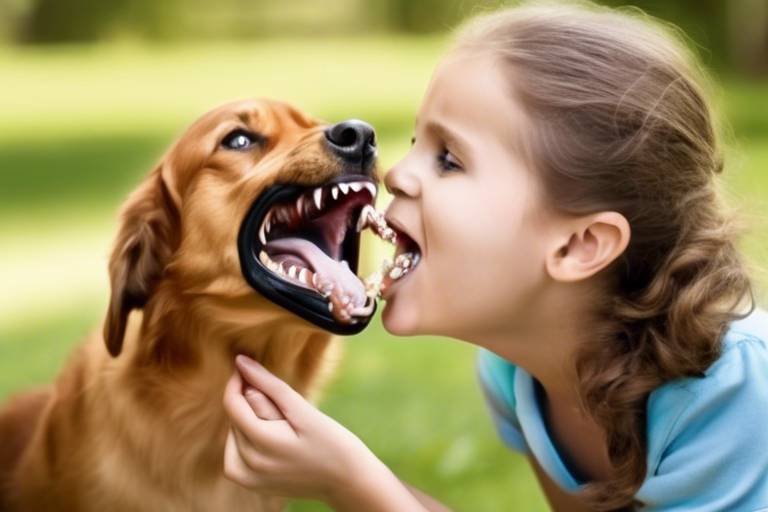
As pet owners, we often prioritize our furry friends’ happiness and health, but one crucial aspect that can easily slip through the cracks is dental care. Just like us, pets can suffer from a variety of dental issues that not only affect their mouths but can also have serious implications for their overall health. Imagine your pet’s mouth as a gateway to their entire body; if that gateway is compromised, it can lead to a cascade of health problems. Regularly checking your pet’s teeth is not just about avoiding bad breath; it’s about ensuring a longer, healthier life for your beloved companion.
Think about it: when was the last time you took a good look inside your pet’s mouth? Many pet owners might be surprised to learn that dental disease is one of the most common health issues in dogs and cats. In fact, studies show that by the age of three, over 80% of dogs and 70% of cats show signs of dental disease. This is alarming! So, what can we do to combat this silent threat? The answer lies in proactive dental care—a combination of regular check-ups, professional cleanings, and diligent at-home care.
When we neglect our pets’ dental health, we open the door to a range of problems. Periodontal disease, for instance, can lead to tooth loss and even affect vital organs such as the heart and kidneys due to bacteria entering the bloodstream. This is a classic example of how a seemingly minor issue can snowball into something much more serious. By recognizing the importance of dental check-ups and maintaining a consistent oral hygiene routine, we can keep our pets happy and healthy.
Moreover, regular dental check-ups can also save you money in the long run. Preventative care is typically much less expensive than treating advanced dental disease. So, not only are you investing in your pet’s health, but you’re also protecting your wallet from unexpected veterinary bills. It’s a win-win situation!
In conclusion, checking your pet’s teeth regularly is not just a good practice; it’s an essential part of responsible pet ownership. By committing to a dental care routine, you are ensuring that your furry friend enjoys a life filled with joy, energy, and vitality. So, grab that toothbrush, schedule that vet appointment, and let’s make dental care a priority for our pets!
- How often should I check my pet’s teeth? It’s recommended to check your pet’s teeth at least once a week for signs of trouble.
- What are the signs of dental problems in pets? Look for bad breath, difficulty eating, swollen gums, and excessive drooling.
- Can I brush my pet’s teeth? Yes! Regular brushing is one of the best ways to maintain your pet’s dental health.
- How often should my pet have professional dental cleanings? Most vets recommend a professional cleaning at least once a year, depending on your pet’s dental health.
Understanding Pet Dental Health
When it comes to our furry companions, we often think about their diet, exercise, and regular vet visits, but how many of us truly consider their dental health? Just like humans, pets require proper oral hygiene to maintain their overall health and well-being. In fact, poor dental hygiene can lead to a myriad of health issues that can significantly shorten your pet’s lifespan. It’s not just about having a pretty smile; it’s about ensuring that your pet can live a long and healthy life.
Did you know that more than 80% of dogs and 70% of cats show signs of dental disease by the age of three? This staggering statistic should raise alarms for all pet owners. The mouth is a gateway to the body, and if dental problems are left unchecked, they can lead to serious complications, including heart disease, liver problems, and even infections that can spread throughout the body. The bacteria from periodontal disease can enter the bloodstream, potentially affecting vital organs and leading to severe health issues.
Maintaining your pet’s dental health is not just about keeping their breath fresh or preventing bad odors. It’s about ensuring they can eat comfortably, play happily, and live a vibrant life. Regular dental care can prevent the buildup of plaque and tartar, which can lead to periodontal disease—a condition that causes inflammation and infection in the gums. If you think about it, just as we brush our teeth daily to ward off cavities and gum disease, our pets need the same level of care.
So, what exactly does good dental health entail for pets? It involves a combination of professional cleanings, at-home care, and regular check-ups. By being proactive about your pet’s dental hygiene, you can avoid painful procedures down the line and ensure your pet enjoys a happy, healthy life. Here are some key components of pet dental health:
- Regular Check-Ups: Schedule dental check-ups at least once a year with your veterinarian to monitor your pet’s oral health.
- At-Home Care: Daily brushing and the use of dental chews can significantly reduce plaque buildup.
- Professional Cleanings: These should be performed by a vet to remove tartar and check for any underlying issues.
In conclusion, understanding the importance of dental health for your pets is crucial. Not only does it improve their quality of life, but it also prevents serious health issues that could arise from neglecting their oral hygiene. By integrating regular dental care into your pet’s routine, you can ensure they remain healthy, happy, and full of life.
Common Dental Issues in Pets
When it comes to our furry friends, dental health is often an overlooked aspect of their overall well-being. Just like humans, pets can suffer from a variety of dental problems that can lead to serious health issues if left untreated. One of the most common dental issues faced by pets is periodontal disease, which affects the tissues surrounding the teeth. This condition starts with plaque buildup, which can harden into tartar, leading to inflammation and infection. Over time, it can cause tooth loss and even affect the pet’s internal organs due to bacteria entering the bloodstream.
Another prevalent issue is tooth decay. While less common than in humans, pets can still develop cavities, particularly if they consume a diet high in sugars or carbohydrates. Tooth decay not only causes pain but can also lead to more severe infections that may require extraction of the affected teeth. Additionally, many pet owners are often alarmed to discover that their beloved companions can also suffer from bad breath. While it’s easy to dismiss this as a minor inconvenience, persistent bad breath is often a sign of underlying dental problems, such as periodontal disease or other oral infections.
It’s essential to recognize that these dental issues can have a cascading effect on your pet’s health. For instance, if your pet is experiencing pain due to dental problems, they may hesitate to eat, leading to nutritional deficiencies. Moreover, the bacteria from dental diseases can enter the bloodstream, potentially affecting the heart, liver, and kidneys. Therefore, maintaining your pet’s dental health is not just about keeping their breath fresh; it’s about ensuring a longer, healthier life.
As a pet owner, being vigilant about the signs of dental problems can make a world of difference. Some common indicators that your pet may be suffering from dental issues include:
- Bad Breath: If your pet’s breath smells foul, it could be a sign of periodontal disease or other dental issues.
- Difficulty Eating: If your pet is reluctant to eat or seems to be in pain while chewing, it’s time to consult your veterinarian.
- Excessive Drooling: An increase in drooling can indicate oral pain or discomfort.
- Loose or Missing Teeth: If you notice any teeth that seem loose or are missing, this is a clear sign that something is wrong.
- Swollen Gums: Healthy gums should be pink and firm. If they appear red or swollen, dental issues may be present.
Recognizing these signs early can lead to prompt veterinary care, which is crucial for addressing dental issues before they escalate into more severe health problems. So, keep an eye on your pet’s oral health; after all, a happy pet is a healthy pet!
Signs of Dental Problems
Recognizing the in your pet is crucial for ensuring their health and happiness. Just like humans, pets can experience a range of dental issues that can lead to serious health complications if left untreated. So, how can you tell if your furry friend is facing dental troubles? Here are some key indicators that warrant your attention:
Firstly, one of the most noticeable signs is bad breath. While it’s normal for pets to have a certain odor, persistent foul breath can indicate underlying dental issues such as periodontal disease or tooth decay. If you find yourself holding your nose every time your pet opens their mouth, it’s time to take a closer look at their oral hygiene.
Another red flag is difficulty eating. If your pet seems reluctant to eat their food or shows signs of discomfort while chewing, this could be a sign of dental pain or sensitivity. It’s heartbreaking to see our pets struggle, and recognizing this behavior early can lead to timely veterinary intervention.
Moreover, you might notice your pet pawing at their mouth or having sudden changes in their eating habits. These behaviors can indicate that something is bothering them in their mouth, whether it’s a loose tooth or inflamed gums. Keep an eye out for any unusual behaviors that deviate from their norm.
Additionally, if you see any swelling around the gums or notice bleeding when they eat or chew, it’s essential to consult with your veterinarian immediately. These symptoms can be indicative of more severe dental issues that require prompt attention.
In summary, being vigilant about your pet’s dental health is vital. If you observe any of the following signs, it might be time to seek professional dental care:
- Persistent bad breath
- Difficulty eating or chewing
- Pawing at the mouth or face
- Swollen or bleeding gums
- Changes in eating habits
Understanding these signs can help you take proactive steps to ensure your pet maintains a healthy mouth and overall well-being. Remember, early detection is key, and your veterinarian can provide the necessary guidance and treatment options.
Q: How often should I check my pet’s teeth?
A: It’s advisable to check your pet’s teeth at least once a week. Regular inspections can help you catch any issues early.
Q: Can I use human toothpaste to brush my pet’s teeth?
A: No, human toothpaste contains ingredients that can be harmful to pets. Always use toothpaste specifically formulated for animals.
Q: How can I tell if my pet needs a dental cleaning?
A: If you notice bad breath, tartar buildup, or any signs of discomfort, it’s best to consult your veterinarian for a professional opinion.
Q: Are dental chews effective?
A: Yes, dental chews can help reduce plaque buildup and promote healthier gums, but they should complement regular brushing and veterinary check-ups.
Bad Breath
When it comes to your furry friend, can be a major red flag that something is not quite right. You might think, “Oh, it’s just dog breath,” but persistent bad breath can be a sign of serious underlying dental issues. Just like humans, pets can suffer from a variety of oral health problems that can lead to more significant health complications if left unchecked. Imagine your pet’s mouth as a bustling city; if the roads (teeth) are blocked with debris (plaque), traffic (food and bacteria) can’t flow smoothly, leading to chaos (infections and pain).
So, what causes this unpleasant odor? Here are some common culprits:
- Periodontal Disease: This is the most common dental issue in pets, where the gums become inflamed and infected, leading to bad breath.
- Tooth Decay: Just like humans, pets can get cavities, which can cause a foul smell.
- Foreign Objects: Sometimes pets get things stuck between their teeth, which can rot and lead to bad odors.
- Diet: Certain foods can contribute to bad breath. Just think about how some foods can linger in our mouths!
As a pet owner, it’s essential to be vigilant about your pet’s oral hygiene. If you notice that your pet’s breath smells like something died in there, it’s time to take action. Regular veterinary check-ups can help catch these issues early, and you can even ask your vet for advice on maintaining your pet’s dental health at home. Remember, a clean mouth leads to a happy pet!
Difficulty Eating
Have you ever noticed your furry friend hesitating to chow down on their favorite kibble? It can be heartbreaking to see them struggle with something as simple as eating, and it often points to underlying dental issues. When pets experience dental problems, it can lead to discomfort or pain that makes munching on food not just unappealing but downright difficult. Imagine trying to enjoy your favorite meal while dealing with a toothache; it’s not a pleasant thought, right?
One of the most common reasons pets may show reluctance to eat is due to gum disease, which can cause inflammation and pain in their mouths. Periodontal disease is sneaky; it often starts with plaque buildup, which can escalate quickly if not addressed. As the disease progresses, it can lead to tooth loss and a host of other health problems. So, if you see your pet struggling to chew or taking longer than usual at mealtime, it’s time to take action!
Here are some signs that your pet might be having difficulty eating due to dental issues:
- Chewing on one side: If you notice your pet favoring one side of their mouth, it could indicate pain or discomfort on the other side.
- Dropping food: Pets may drop food from their mouths if they are having trouble chewing, which can be a clear signal that something is wrong.
- Changes in appetite: A sudden decrease in appetite or refusal to eat can be a red flag that your pet is experiencing dental pain.
It’s essential to pay attention to these signs and consult your veterinarian if you suspect your pet is having trouble eating. Early intervention can make a significant difference in their overall health and quality of life. Your vet can perform a thorough dental examination and recommend appropriate treatments, which may include professional cleanings or dental surgery if necessary. Remember, addressing dental issues promptly can help your pet return to their happy, playful self in no time!
In conclusion, keeping an eye on your pet’s eating habits is crucial. If they show any signs of difficulty, don’t hesitate to seek help. After all, a happy pet is a healthy pet, and their diet plays a vital role in maintaining their well-being.
- How often should I check my pet’s teeth? It’s advisable to check your pet’s teeth at least once a week and schedule professional cleanings at least once a year.
- What are the signs of dental disease in pets? Common signs include bad breath, difficulty eating, swollen gums, and excessive drooling.
- Can I brush my pet’s teeth at home? Yes! Regular brushing at home can significantly improve your pet’s dental health. Just make sure to use pet-safe toothpaste and a proper toothbrush.
Preventive Dental Care
When it comes to your furry friend’s health, is a game changer. Just like how we brush our teeth to avoid cavities and gum disease, our pets also need regular dental attention to keep their smiles bright and healthy. Think of it this way: if you ignore your pet’s dental hygiene, it’s like leaving the door open for a thief. That thief? Dental diseases that can lead to pain, infection, and even more serious health issues.
One of the most effective ways to prevent dental problems is to establish a regular routine that includes brushing your pet’s teeth. Yes, it might sound daunting at first, but with a little patience and the right tools, you can make it a fun bonding activity. Use a toothbrush designed for pets and a toothpaste that’s safe for them—never use human toothpaste as it can be harmful. Aim to brush their teeth at least a few times a week, if not daily. This simple habit can significantly reduce plaque buildup and keep their gums healthy.
In addition to brushing, consider integrating dental treats and toys into your pet’s daily routine. These products are specially designed to help clean teeth while your pet chews on them. Not only do they provide entertainment, but they also serve a practical purpose. Look for dental chews that are approved by veterinary dental organizations, as these are often more effective and safer for your pet. Here’s a quick rundown of some popular options:
| Type of Dental Product | Benefits |
|---|---|
| Dental Chews | Help reduce plaque and tartar while freshening breath. |
| Rubber Toys | Encourage chewing and help massage gums. |
| Dental Wipes | Easy to use for quick cleaning between brushing sessions. |
Another key aspect of preventive dental care is scheduling regular veterinary check-ups. During these visits, your vet can assess your pet’s oral health and perform professional cleanings that you simply can’t achieve at home. They will check for any signs of dental disease and provide you with tailored advice based on your pet’s specific needs. Remember, catching dental problems early can save your pet from unnecessary pain and expensive treatments down the line.
So, why wait? Start implementing these preventive measures today! Your pet’s dental health is intertwined with their overall health and happiness. By taking proactive steps, you’re not just preventing bad breath or tartar buildup; you’re setting the stage for a longer, healthier life for your beloved companion.
Professional Dental Cleanings
When it comes to maintaining your pet’s dental health, are absolutely essential. Just like humans, pets need regular check-ups to ensure their teeth and gums are in tip-top shape. These cleanings are more than just a luxury; they are a vital part of your furry friend’s overall health regimen. Imagine if you never brushed your teeth or visited the dentist—yikes, right? The same applies to our pets. Neglecting their dental care can lead to a myriad of health issues that could easily be avoided with a little proactive attention.
During a professional cleaning, a veterinarian or a certified technician will perform a thorough examination of your pet’s mouth. This examination goes beyond what you can do at home. They will look for signs of periodontal disease, tooth decay, and other potential problems that might not be immediately visible. After the examination, the cleaning process typically involves scaling to remove tartar and plaque from the teeth, which is crucial for preventing gum disease. Think of this as a deep clean for your pet’s mouth, where every nook and cranny is attended to!
But what can you expect during a dental cleaning appointment? Here’s a quick breakdown:
- Pre-Cleaning Examination: Before anything else, your vet will do a thorough check of your pet’s mouth to assess their dental health.
- Anesthesia: Most dental cleanings require anesthesia to ensure your pet is comfortable and pain-free during the procedure.
- Scaling: This is where the real work happens! The vet will use specialized tools to remove tartar and plaque buildup.
- Polishing: After scaling, polishing helps to smooth the surface of the teeth, making it harder for plaque to stick.
- Post-Cleaning Care: Your vet will provide you with instructions on how to care for your pet’s teeth at home after the cleaning.
Now, you might be wondering how often your pet should undergo these professional cleanings. Generally, it depends on your pet’s age, breed, and overall dental health. For instance, smaller breeds often require more frequent cleanings than larger breeds due to their predisposition to dental issues. As a rule of thumb, scheduling a cleaning every six to twelve months is a good practice. However, always consult your veterinarian for personalized recommendations.
In conclusion, regular professional dental cleanings are not just an appointment on your calendar; they are a crucial investment in your pet’s health. By ensuring that your furry friend receives these cleanings, you’re not only preventing dental diseases but also enhancing their quality of life. Remember, a healthy mouth leads to a happy pet!
Q: How can I tell if my pet needs a dental cleaning?
A: Look for signs such as bad breath, difficulty eating, or swollen gums. If you notice any of these symptoms, it’s time to schedule a vet visit!
Q: Is anesthesia safe for my pet during a dental cleaning?
A: Yes, anesthesia is generally safe when administered by a qualified veterinarian. They will monitor your pet closely throughout the procedure.
Q: Can I skip professional cleanings if I brush my pet’s teeth at home?
A: While brushing at home is beneficial, it doesn’t replace the need for professional cleanings. Regular vet check-ups are essential for catching potential issues early.
What Happens During a Cleaning?
When you bring your furry friend in for a dental cleaning, it’s more than just a simple scrub of their pearly whites; it’s a comprehensive procedure designed to ensure their oral health is in top shape. First and foremost, your pet will undergo a thorough examination by the veterinarian. This initial assessment allows the vet to identify any existing dental issues, such as plaque buildup, tartar, or signs of periodontal disease. It’s like getting a full report card on their dental health!
Once the examination is complete, the real magic begins. Your pet will be placed under anesthesia, which is crucial for their comfort and safety during the cleaning process. This may sound alarming, but rest assured, it’s a standard practice that allows the vet to work without your pet feeling any pain or discomfort. Think of it as giving them a little nap while their teeth get the royal treatment!
After your pet is comfortably asleep, the veterinarian or a veterinary technician will start the cleaning process. They will use specialized tools to remove plaque and tartar from your pet’s teeth. This part is akin to using a power washer on a dirty sidewalk; it’s thorough and ensures that all the stubborn buildup is eliminated. The technician will also clean below the gum line, where bacteria can hide and cause serious issues.
Once the cleaning is complete, the vet will check for any signs of cavities, gum disease, or other dental problems. If any issues are detected, they will discuss treatment options with you. This is an excellent opportunity for you to ask questions and understand how to maintain your pet’s dental health moving forward.
Finally, after the cleaning and any necessary treatments, your pet will be monitored until they wake up from anesthesia. Once they’re alert and ready to go home, you’ll receive instructions on how to care for their teeth in the days following the cleaning. This might include recommendations for at-home dental care and tips on what to watch for in the future.
In summary, a professional dental cleaning is an essential part of your pet’s healthcare routine. It not only helps maintain their oral hygiene but also plays a significant role in preventing serious health issues down the line. So, the next time you think about skipping that dental appointment, remember how crucial it is for your beloved companion’s overall health!
- How often should my pet have a dental cleaning?
Generally, pets should have a professional dental cleaning at least once a year, but this can vary based on their age, breed, and dental health. - Is anesthesia safe for pets during dental cleanings?
Yes, anesthesia is safe when administered by a qualified veterinarian. They will monitor your pet throughout the procedure to ensure their safety. - What can I do to maintain my pet’s dental health at home?
Regular brushing, dental chews, and professional cleanings are key to maintaining your pet’s dental health.
Frequency of Dental Check-Ups
When it comes to your furry friend’s dental health, the frequency of check-ups is as critical as the check-ups themselves. Just like humans, pets require regular dental visits to ensure their teeth and gums remain healthy and free from disease. The general guideline for most pets is to schedule a dental check-up at least once a year. However, this can vary based on several factors, including your pet’s age, breed, and overall health. For instance, senior pets or those with a history of dental issues may benefit from more frequent visits—perhaps every six months—to catch potential problems before they escalate.
It’s also important to consider the specific needs of your pet’s breed. Certain breeds, especially those with short muzzles like Bulldogs or Pugs, are more prone to dental problems due to their unique jaw structure. These pets may require more frequent dental check-ups to manage their oral health effectively. On the other hand, larger breeds may have different dental care needs, so it’s crucial to consult with your veterinarian to determine the best schedule for your pet.
During these check-ups, your vet will perform a thorough examination of your pet’s mouth, looking for signs of gingivitis, plaque buildup, or even more severe conditions like periodontal disease. They may also recommend professional cleaning, which can help prevent future dental issues. Just like taking your car in for regular maintenance can keep it running smoothly, regular dental check-ups can help keep your pet’s smile bright and healthy.
To help you keep track of when your pet’s next dental visit is due, consider maintaining a simple record. You can create a chart like the one below to monitor the frequency of dental check-ups:
| Pet Name | Last Dental Visit | Next Scheduled Visit | Notes |
|---|---|---|---|
| Buddy | January 15, 2023 | July 15, 2023 | Needs teeth brushing at home |
| Luna | February 20, 2023 | August 20, 2023 | Check for tartar buildup |
In conclusion, keeping a close eye on your pet’s dental health through regular check-ups is vital for their overall well-being. Don’t hesitate to reach out to your veterinarian to discuss the best dental care routine for your beloved pet. After all, a healthy mouth contributes to a happy and active life!
- How often should I brush my pet’s teeth? Ideally, you should brush your pet’s teeth daily, but even a few times a week can make a significant difference in their oral health.
- What are the signs that my pet needs a dental check-up? Look for symptoms like bad breath, difficulty eating, or swollen gums, which may indicate dental issues.
- Can I use human toothpaste for my pet? No, human toothpaste contains ingredients that can be harmful to pets. Always use toothpaste specifically designed for animals.
At-Home Dental Care Tips
When it comes to your furry friend’s dental health, you don’t have to wait for a vet visit to make a difference. In fact, establishing a solid at-home dental care routine can significantly enhance your pet’s oral hygiene, keeping those pearly whites shining bright! Just like we brush our teeth daily, our pets need the same level of care to prevent dental issues from creeping in. So, what can you do to ensure your pet’s mouth stays as healthy as possible? Let’s dive into some practical tips!
First and foremost, brushing your pet’s teeth is one of the most effective ways to maintain their oral hygiene. It may sound daunting, but with the right approach, it can become a bonding experience between you and your pet. Start by introducing your pet to a toothbrush designed for animals, which usually has softer bristles and a smaller head. Use a toothpaste specifically formulated for pets, as human toothpaste can be harmful to them. Aim to brush your pet’s teeth at least a few times a week, if not daily. Remember, consistency is key!
Another great way to support your pet’s dental health is through the use of dental chews and toys. These products can help reduce plaque buildup and promote healthy gums while providing your pet with a fun activity. Look for chews that are approved by veterinary dental organizations, as they are specifically designed to aid in oral health. You might be surprised at how much your pet enjoys these treats, and the added bonus is that they’re contributing to their dental care!
Additionally, consider incorporating dental rinses or water additives into your pet’s routine. These products can help reduce bacteria in the mouth and freshen breath. It’s a simple way to add an extra layer of protection without much effort. Just be sure to choose products that are safe for your specific type of pet, as some ingredients may not be suitable for all animals.
Lastly, regular monitoring of your pet’s oral health is crucial. Keep an eye out for any changes in their behavior or eating habits. If you notice anything unusual, such as red or swollen gums, or if your pet is reluctant to eat, it might be time to consult your veterinarian. Early detection of dental issues can save your pet from pain and expensive treatments down the line.
In summary, maintaining your pet’s dental health at home doesn’t have to be a chore. By incorporating brushing, dental chews, rinses, and regular monitoring into your routine, you can help ensure your pet enjoys a happy, healthy smile for years to come!
- How often should I brush my pet’s teeth? Ideally, you should brush your pet’s teeth at least a few times a week, but daily brushing is even better.
- Are dental chews safe for all pets? Most dental chews are safe, but always check with your veterinarian to ensure they are appropriate for your specific pet.
- What should I do if my pet resists tooth brushing? Start slowly by letting them taste the toothpaste and gradually introduce the toothbrush. Patience is key!
- Can I use regular toothpaste for my pet? No, human toothpaste can be harmful to pets. Always use toothpaste specifically made for animals.
Brushing Your Pet’s Teeth
Brushing your pet’s teeth might sound like a daunting task, but it’s one of the most effective ways to keep their oral health in check. Just like humans, pets can suffer from a build-up of plaque and tartar, which can lead to serious dental issues if left unchecked. Imagine the feeling of a fresh, clean mouth – that’s exactly what you want for your furry friend! Regular brushing can significantly reduce the risk of periodontal disease, which is one of the most common health problems in pets.
So, how do you go about this? First and foremost, it’s essential to use a toothbrush and toothpaste specifically designed for pets. Human toothpaste contains ingredients that can be harmful to animals, so stick to pet-friendly options. You can find these at your local pet store or online. The toothbrush can be a finger brush or a regular pet toothbrush, depending on your pet’s size and comfort level. It’s all about finding what works best for you and your furry companion!
To make the process smoother, start by getting your pet accustomed to having their mouth handled. Gently lift their lips and touch their teeth and gums. This will help them feel more comfortable when it’s time to brush. You might even want to let them taste a little of the pet toothpaste to pique their interest. Once they’re familiar with the routine, you can begin brushing. Aim to brush your pet’s teeth at least two to three times a week, or ideally every day, for optimal results. Here’s a simple step-by-step guide:
- Step 1: Apply a small amount of pet toothpaste to the toothbrush.
- Step 2: Gently lift your pet’s lips and start brushing in a circular motion, focusing on the outer surfaces of the teeth.
- Step 3: Don’t forget to brush the back teeth and the gum line, where plaque tends to accumulate.
- Step 4: Reward your pet with praise or a treat after brushing to create a positive association.
Consistency is key! Just like with our own dental hygiene, the more you brush, the easier it becomes. Plus, your pet will likely start to enjoy the routine, especially when they associate it with treats and affection. If your pet is particularly resistant, consider breaking the process into shorter sessions, gradually increasing the time as they become more comfortable.
Remember, brushing is just one part of your pet’s dental care routine. Regular veterinary check-ups and professional cleanings are equally important. By integrating brushing into your pet’s daily routine, you’re not just keeping their teeth clean; you’re also contributing to their overall health and happiness. After all, a healthy pet is a happy pet!
Q: How often should I brush my pet’s teeth?
A: Ideally, you should brush your pet’s teeth every day, but at least two to three times a week is beneficial.
Q: What if my pet doesn’t like having their teeth brushed?
A: Start slowly by getting them used to having their mouth handled and try using flavored toothpaste to make it more appealing.
Q: Can I use human toothpaste on my pet?
A: No, human toothpaste can be harmful to pets. Always use toothpaste formulated specifically for animals.
Q: Are there alternatives to brushing?
A: Yes! Dental chews, toys, and water additives can help maintain your pet’s oral health, but they should not replace regular brushing.
Dental Chews and Toys
When it comes to maintaining your pet’s oral health, can play a pivotal role. Think of them as the fun sidekicks in your pet’s dental care routine! These specially designed products not only entertain your furry friend but also help in reducing plaque buildup and promoting healthy gums. Just like we enjoy a good snack that benefits our health, pets can also indulge in tasty treats that contribute to their dental hygiene.
But how do these dental chews and toys work their magic? Many of them are crafted with textures that help scrub away plaque as your pet chews. This mechanical action can be incredibly effective in preventing the onset of dental issues, making them a vital addition to your pet care arsenal. Moreover, some dental chews are infused with ingredients that fight bad breath and support overall oral health, giving your pet a fresh start to their day!
When selecting the right dental chew or toy for your pet, consider the following factors:
- Size: Ensure the chew is appropriate for your pet’s size. A chew that’s too small can pose a choking hazard, while one that’s too large may not be enjoyable.
- Material: Look for durable materials that can withstand your pet’s chewing habits. Some pets are more aggressive chewers and may require tougher options.
- Ingredients: Opt for chews made with natural ingredients, avoiding those with artificial additives and preservatives.
In addition to dental chews, there are also various types of toys designed specifically for dental health. These toys often have grooves and ridges that help clean your pet’s teeth while they play. Just imagine your pet happily gnawing away on a toy that not only entertains them but also contributes to their oral hygiene! It’s a win-win situation!
To maximize the benefits of dental chews and toys, it’s important to incorporate them into your pet’s daily routine. You might set aside a specific time each day for your pet to enjoy their chew or playtime with their dental toy. This not only establishes a routine but also makes dental care a fun and engaging experience for your furry friend.
In conclusion, dental chews and toys are more than just playthings; they are essential tools in your pet’s oral health regimen. By choosing the right products and incorporating them into your pet’s daily life, you’re taking a proactive step towards ensuring their teeth and gums remain healthy. After all, a happy pet is one with a bright smile!
Q: How often should I give my pet dental chews?
A: It depends on the product and your pet’s chewing habits. Generally, one to two times a week is sufficient, but always check the manufacturer’s recommendations.
Q: Can dental toys replace regular vet check-ups?
A: No, dental toys and chews are not a substitute for professional dental care. They should be used as a supplementary tool alongside regular veterinary check-ups.
Q: Are there any dental chews that are better for certain breeds?
A: Yes, some breeds may have specific dental issues. It’s best to consult your veterinarian for recommendations tailored to your pet’s needs.
Frequently Asked Questions
- Why is dental health important for my pet?
Dental health is crucial for your pet’s overall well-being. Poor oral hygiene can lead to serious health issues, including periodontal disease, tooth loss, and even systemic diseases affecting the heart, liver, and kidneys. Regular dental check-ups can help prevent these problems and ensure your furry friend lives a longer, healthier life.
- What are the common signs of dental problems in pets?
Keep an eye out for signs like persistent bad breath, difficulty eating, swollen gums, and excessive drooling. If you notice any of these symptoms, it’s important to consult your veterinarian as soon as possible to address potential dental issues before they escalate.
- How often should I have my pet’s teeth professionally cleaned?
The frequency of professional dental cleanings can vary based on your pet’s age, breed, and dental health. Generally, it’s recommended to schedule a dental cleaning at least once a year. However, some pets may require more frequent visits, so it’s best to consult your veterinarian for personalized advice.
- Can I brush my pet’s teeth at home?
Absolutely! Brushing your pet’s teeth at home is one of the best ways to maintain their dental health. Use a toothbrush and toothpaste specifically designed for pets, and aim to brush their teeth several times a week. Start slowly to get your pet accustomed to the process, and make it a positive experience with treats and praise.
- What types of dental chews are best for my pet?
Look for dental chews that are specifically designed to promote oral health. These should be approved by veterinary dental organizations and made from safe, digestible materials. Chews that have a texture to help reduce plaque and tartar buildup are ideal. Always supervise your pet while they enjoy their chews to ensure safety.
- Is bad breath normal for pets?
No, persistent bad breath is not normal and often indicates underlying dental issues. While occasional bad breath can happen, it’s important to investigate the cause if it becomes a regular occurrence. It could be a sign of periodontal disease or other health problems that need veterinary attention.
- What should I expect during a professional dental cleaning?
During a professional dental cleaning, your pet will typically be placed under anesthesia for their comfort and safety. The veterinarian will thoroughly examine your pet’s mouth, clean the teeth, and may take X-rays to check for any hidden issues. After the procedure, your pet will need some time to recover, but you’ll notice a significant improvement in their oral health!
pet dental health, periodontal disease, plaque removal, bad breath, routine check-ups, preventative care, overall health, veterinary advice, , pet dental health, periodontal disease, plaque removal, bad breath, routine check-ups, preventative care, overall health, veterinary advice,
Share this content:
Leave a Reply