
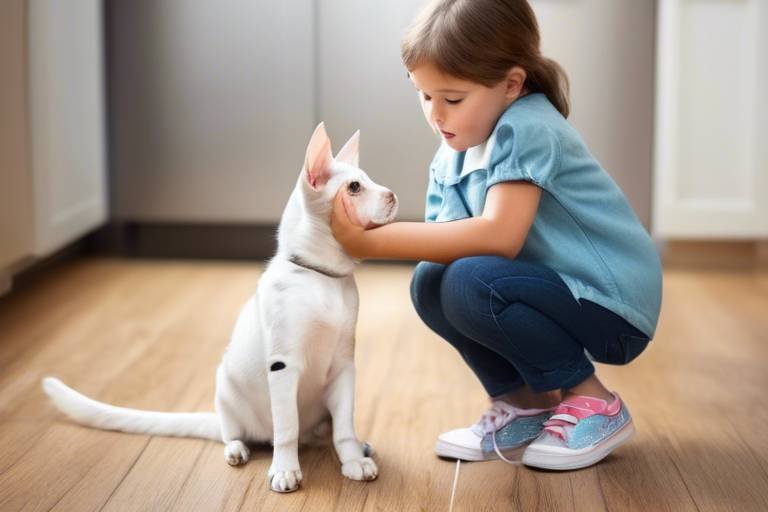
This article explores effective methods for teaching pets essential commands that enhance their safety and well-being, ensuring a harmonious relationship between pets and their owners. Teaching your furry friend basic commands is not just about impressing your friends at the park; it’s a matter of safety and communication. Imagine being able to call your dog back from the edge of a busy street or having your cat sit calmly while you open the door. These commands can make a world of difference in emergency situations and everyday life.
Learning basic commands is crucial for pet safety. These commands help pets respond to their owners, avoid dangerous situations, and improve overall obedience and behavior. Think of commands as the building blocks of communication between you and your pet. Just like humans need to understand each other to function in society, pets need to grasp these cues to navigate their environment safely. When your pet understands commands, it can lead to a more fulfilling and harmonious relationship.
Creating a conducive training environment is vital. A quiet, distraction-free space allows pets to focus better, making the learning process smoother and more effective. Imagine trying to study for an exam in a noisy café; it’s nearly impossible! Similarly, your pet will struggle to learn in a chaotic environment. By selecting a calm space, you can significantly enhance your pet’s ability to absorb new commands.
Minimizing distractions during training sessions helps pets concentrate on commands. This leads to quicker learning and reinforces the importance of paying attention to their owners. Turn off the television, silence your phone, and choose a time when there are fewer people around. Your pet deserves your full attention, and focusing on them will yield better results.
Training in a quiet room can significantly enhance your pet’s focus. The absence of noise and interruptions ensures that they can concentrate fully on your commands. You might want to designate a specific room in your house, like a cozy corner in the living room or a spare bedroom, where distractions are minimal. This space will become their training zone, a place where they learn and grow.
Choosing the right time for training is essential. Select times when your pet is alert and energetic, ensuring they are mentally prepared to learn. Just like you wouldn’t want to study when you’re tired, your pet won’t be able to absorb commands effectively if they’re sleepy or distracted. Early mornings or after a good play session can be great times to train.
Positive reinforcement is an effective training method. Rewarding pets with treats or praise encourages them to repeat desired behaviors, strengthening their understanding of commands. Think of it as a high-five for your pet! Every time they respond correctly, shower them with affection or a tasty treat. This not only builds their confidence but also strengthens the bond between you and your pet.
Certain commands are fundamental for pet safety. Teaching commands like sit, stay, and come can prevent accidents and ensure pets remain safe in various situations. These commands are not just for show; they can literally save your pet’s life. Imagine your dog sitting on command while you open the door to a busy street, or your cat staying put while you carry something heavy. These are the moments when training pays off!
The ‘sit’ command is a foundational skill. It helps manage your pet’s behavior and can be useful in various scenarios, such as waiting at the door or during meal times. To teach this command, hold a treat above your pet’s nose and slowly move it back over their head. As their head goes up, their bottom will naturally go down. Once they are sitting, reward them immediately! Consistency is key here; practice makes perfect.
The ‘stay’ command is crucial for keeping pets safe in potentially dangerous situations. It allows owners to control their pets’ movements and prevent them from running into hazards. Start by having your pet sit, then open your palm towards them and say “stay.” Take a step back, and if they remain in place, reward them! Gradually increase the distance and duration of the stay as they become more comfortable with the command.
Integrating training into daily activities makes learning enjoyable for pets. Consistent practice during walks or playtime reinforces commands and helps pets retain what they’ve learned. The more natural it feels for your pet, the more they’ll enjoy the process. Remember, training shouldn’t feel like a chore; it should be a fun part of your day!
Walks provide an excellent opportunity for training. Incorporating commands like heel or leave it during walks helps reinforce lessons in real-world situations. Every time you go for a walk, think of it as a mini training session. Ask your dog to heel beside you, or practice leave it when they spot something interesting on the ground. This not only keeps them safe but also strengthens your bond.
Playtime can also serve as a training session. Using toys and games to practice commands keeps pets engaged while reinforcing their learning in a fun way. For example, you can use a favorite toy to encourage your pet to fetch and then ask them to sit before you throw it again. This keeps them excited about training and reinforces the commands in a playful context.
- How long should training sessions be? Aim for short sessions of about 5-10 minutes, especially for younger pets. Keeping it brief helps maintain their focus.
- Can I train my pet at home? Absolutely! Home is a great place to start. Just ensure the environment is quiet and free from distractions.
- What if my pet doesn’t respond to commands? Patience is key. Every pet learns at their own pace. If they’re struggling, consider breaking the command down into smaller steps.
Understanding the Importance of Basic Commands
Teaching your pet basic commands is not just a fun activity; it’s a critical aspect of responsible pet ownership. Imagine walking your dog through a bustling park, and suddenly, a squirrel darts across their path. If your furry friend knows the command “stay,” you can prevent a potential chase that could lead to accidents or injuries. Basic commands act as the foundation for a safe and harmonious relationship between you and your pet.
Moreover, these commands enhance your pet’s overall behavior and obedience. When your pet understands commands like “sit,” “stay,” and “come,” they are less likely to engage in unwanted behaviors such as jumping on guests or darting into the street. This not only keeps your pet safe but also reduces stress for you as an owner. You’ll find yourself enjoying outings more, knowing your pet can respond appropriately to your requests.
Here are a few reasons why teaching basic commands is essential:
- Safety: Commands can prevent accidents and keep pets out of harmful situations.
- Control: They allow you to manage your pet’s behavior effectively.
- Communication: Establishes a clear line of communication between you and your pet.
- Bonding: Training sessions strengthen your relationship through positive interactions.
In essence, basic commands are not merely tricks; they are tools that empower both you and your pet. They provide a framework for understanding and responding to each other, enhancing your pet’s confidence and security. When pets know what is expected of them, they feel more at ease in their environment, which can lead to a happier, healthier life. So, whether you have a playful puppy or a seasoned senior, investing time in teaching these commands is a step towards a safer and more enjoyable companionship.
Choosing the Right Environment for Training
When it comes to teaching your pet the essential commands that can enhance their safety, the environment in which you conduct training plays a pivotal role. Imagine trying to focus on a task while loud music blares in the background or people are chatting away. It’s nearly impossible, right? The same principle applies to our furry friends. A quiet, distraction-free space is crucial for effective learning. By creating an ideal training environment, you set the stage for success, allowing your pet to absorb commands without unnecessary interruptions.
One of the first steps in choosing the right environment is to eliminate distractions. This means turning off the television, closing windows to block outside noise, and asking family members to keep the volume down during training sessions. When distractions are minimized, your pet can concentrate better, leading to quicker learning and a stronger bond between you both. Think of it as setting up a study room for a child; the more focus they have, the better they perform.
Training in a quiet room can significantly enhance your pet’s focus. A room with minimal foot traffic and noise will allow your pet to concentrate fully on your commands. If you have a spare room or a quiet corner in your home, consider using that space for training. This dedicated area can become a positive learning environment where your pet feels secure and focused. Remember, the goal is to create a space that is free from chaos, allowing your pet to thrive in their learning experience.
Another essential factor is the timing of your training sessions. Selecting the right times is crucial for maximizing your pet’s attention and energy levels. For instance, if your pet is a morning person, try to schedule training sessions in the morning when they are alert and eager to learn. On the other hand, if your pet tends to be more active in the evening, that might be your golden hour for training. Pay attention to your pet’s natural rhythms and choose times when they are most receptive to learning. This not only makes the training process smoother but also ensures that your pet is mentally prepared to absorb new commands.
In summary, creating the right environment for training is about more than just choosing a quiet space. It involves eliminating distractions and timing your sessions to align with your pet’s natural energy levels. By doing so, you are setting the stage for a successful training experience that will not only enhance your pet’s safety but also strengthen the bond between you and your furry friend.
- How long should training sessions last? Training sessions should ideally last between 5 to 15 minutes, depending on your pet’s attention span.
- What if my pet doesn’t respond to commands? Patience is key! Ensure you’re using positive reinforcement and consider revisiting the basics if needed.
- Can I train my pet in a busy environment? While it’s possible, it’s recommended to start in a quiet space to ensure better focus before introducing distractions.
Eliminating Distractions
This article explores effective methods for teaching pets essential commands that enhance their safety and well-being, ensuring a harmonious relationship between pets and their owners.
Learning basic commands is crucial for pet safety. These commands help pets respond to their owners, avoid dangerous situations, and improve overall obedience and behavior.
Creating a conducive training environment is vital. A quiet, distraction-free space allows pets to focus better, making the learning process smoother and more effective.
Minimizing distractions during training sessions is key to helping your pet concentrate on the commands you’re teaching. Just like humans, pets can easily get sidetracked by their surroundings. Imagine trying to study for a big exam while your friends are throwing a party next door—it’s nearly impossible to focus! Similarly, your furry friend needs a calm atmosphere to absorb new commands effectively.
To create this ideal training space, consider the following tips:
- Choose a Quiet Room: Training in a quiet room can significantly enhance your pet’s focus. The absence of noise and interruptions ensures that they can concentrate fully on your commands.
- Limit Visual Distractions: Close curtains or blinds to minimize outside distractions. A passing squirrel or a neighbor’s cat can easily divert your pet’s attention.
- Turn Off Electronics: Silence the TV, radio, or any other devices that might create noise. You want your pet to hear your voice clearly without competing sounds.
By taking these simple steps, you can create an environment that fosters learning. Remember, the goal is to help your pet focus on you and the commands you are teaching. This way, they can learn more quickly and effectively, leading to a safer and more enjoyable experience for both of you.
Training in a quiet room can significantly enhance your pet’s focus. The absence of noise and interruptions ensures that they can concentrate fully on your commands. This dedicated space can be a spare room, a corner of your living room, or even a quiet backyard area. Just make sure it’s a place where your pet feels comfortable and secure.
Choosing the right time for training is essential. Select times when your pet is alert and energetic, ensuring they are mentally prepared to learn. Early mornings or after a good play session can be ideal. You want your pet to be in the right mindset, just like how you wouldn’t want to study after a long day at work when you’re too tired to focus.
Positive reinforcement is an effective training method. Rewarding pets with treats or praise encourages them to repeat desired behaviors, strengthening their understanding of commands.
Certain commands are fundamental for pet safety. Teaching commands like sit, stay, and come can prevent accidents and ensure pets remain safe in various situations.
The ‘sit’ command is a foundational skill. It helps manage your pet’s behavior and can be useful in various scenarios, such as waiting at the door or during meal times.
The ‘stay’ command is crucial for keeping pets safe in potentially dangerous situations. It allows owners to control their pets’ movements and prevent them from running into hazards.
Integrating training into daily activities makes learning enjoyable for pets. Consistent practice during walks or playtime reinforces commands and helps pets retain what they’ve learned.
Walks provide an excellent opportunity for training. Incorporating commands like heel or leave it during walks helps reinforce lessons in real-world situations.
Playtime can also serve as a training session. Using toys and games to practice commands keeps pets engaged while reinforcing their learning in a fun way.
Q: How long should training sessions last?
A: Training sessions should be short and sweet, ideally lasting about 5 to 10 minutes. This keeps your pet engaged and prevents them from losing interest.
Q: Can I train my pet at home?
A: Absolutely! Home is often the best place to train your pet, especially in a familiar and comfortable environment.
Q: What if my pet doesn’t respond to commands?
A: Patience is key! If your pet isn’t responding, try reducing distractions, changing your approach, or ensuring you’re using positive reinforcement effectively.
Using a Quiet Room
When it comes to training your pet, the environment plays a crucial role in the success of your sessions. Using a quiet room can significantly enhance your pet’s ability to focus and absorb commands. Imagine trying to study for an important exam while loud music blares in the background; it’s nearly impossible to concentrate, right? The same principle applies to your furry friend. A distraction-free zone allows your pet to hone in on your voice and the commands you’re teaching, making the learning process smoother and more effective.
In a quiet room, you can control the noise level and minimize interruptions, which are essential for maintaining your pet’s attention. This environment not only fosters concentration but also creates a sense of calmness, making your pet more receptive to learning. You might consider the following tips when setting up your training space:
- Choose a room away from household traffic and noise.
- Close windows to block out outside distractions.
- Turn off the TV and other electronic devices that could divert attention.
Additionally, the quiet room can serve as a safe haven for your pet, where they can feel relaxed and comfortable. This sense of security is vital, especially for pets that may be anxious or easily startled. By consistently using this space for training, you create a routine that your pet will come to associate with learning and positive experiences. Remember, the goal is to make training a fun and rewarding process, and a quiet room can be the perfect backdrop for that!
Q: How long should training sessions last?
A: Ideally, training sessions should last between 5 to 15 minutes, depending on your pet’s attention span. It’s better to have short, focused sessions than long ones that could lead to frustration.
Q: Can I train my pet in different rooms?
A: Yes! While a quiet room is ideal for focused training, you can also practice in different environments once your pet has mastered commands. This helps them generalize their learning to various situations.
Q: What if my pet gets distracted easily?
A: If your pet is easily distracted, start in a completely quiet room and gradually introduce distractions as they become more comfortable with commands. Always reward their focus and progress!
Timing of Training Sessions
This article explores effective methods for teaching pets essential commands that enhance their safety and well-being, ensuring a harmonious relationship between pets and their owners.
Learning basic commands is crucial for pet safety. These commands help pets respond to their owners, avoid dangerous situations, and improve overall obedience and behavior.
Creating a conducive training environment is vital. A quiet, distraction-free space allows pets to focus better, making the learning process smoother and more effective.
Minimizing distractions during training sessions helps pets concentrate on commands. This leads to quicker learning and reinforces the importance of paying attention to their owners.
Training in a quiet room can significantly enhance your pet’s focus. The absence of noise and interruptions ensures that they can concentrate fully on your commands.
Choosing the right time for training is essential. You want to select moments when your pet is most alert and energetic. Think about it: would you want to study when you’re sleepy or distracted? The same goes for your furry friend! Timing can make all the difference in how well your pet learns. It’s best to avoid training sessions right after meals or during extreme weather conditions when your pet might be feeling sluggish or uncomfortable.
Here are some tips for finding the perfect training times:
- Early Mornings: Pets are often more alert after a good night’s sleep. Early morning sessions can be highly productive.
- Post-Exercise: After a good run or play session, your pet will have burned off excess energy and may be more inclined to focus.
- Consistent Schedule: Try to train at the same times every day. This routine helps your pet understand when it’s time to learn.
By paying attention to your pet’s natural rhythms and energy levels, you can maximize the effectiveness of your training sessions. Just like us, pets have their peak times when they are most receptive to learning. So, take note of when your pet seems most engaged and use that to your advantage!
Positive reinforcement is an effective training method. Rewarding pets with treats or praise encourages them to repeat desired behaviors, strengthening their understanding of commands.
Certain commands are fundamental for pet safety. Teaching commands like sit, stay, and come can prevent accidents and ensure pets remain safe in various situations.
The ‘sit’ command is a foundational skill. It helps manage your pet’s behavior and can be useful in various scenarios, such as waiting at the door or during meal times.
The ‘stay’ command is crucial for keeping pets safe in potentially dangerous situations. It allows owners to control their pets’ movements and prevent them from running into hazards.
Integrating training into daily activities makes learning enjoyable for pets. Consistent practice during walks or playtime reinforces commands and helps pets retain what they’ve learned.
Walks provide an excellent opportunity for training. Incorporating commands like heel or leave it during walks helps reinforce lessons in real-world situations.
Playtime can also serve as a training session. Using toys and games to practice commands keeps pets engaged while reinforcing their learning in a fun way.
Q: How long should each training session be?
A: Ideally, training sessions should last between 5 to 15 minutes, depending on your pet’s attention span.
Q: Can I train my pet at home?
A: Absolutely! Home is a great place to start training, as it provides a familiar environment for your pet.
Q: What if my pet doesn’t respond to commands?
A: Patience is key. Remember to use positive reinforcement and keep sessions short and engaging.
Utilizing Positive Reinforcement Techniques
When it comes to teaching your pet commands, positive reinforcement is the golden rule. This method is not only effective but also creates a bond of trust between you and your furry friend. Imagine this: every time your pet successfully follows a command, you shower them with praise or a tasty treat. It’s like throwing a mini-celebration for their good behavior! This approach encourages them to repeat the desired actions, making the learning process enjoyable and rewarding.
Positive reinforcement can take many forms. While treats are often the go-to reward, don’t underestimate the power of verbal praise or a good scratch behind the ears. Your enthusiastic “Good boy!” or “What a smart girl!” can light up their day just as much as a biscuit. It’s all about finding what motivates your pet the most. For some, it might be food, while others thrive on affection and attention.
Here’s a little tip: consistency is key. Make sure to reward your pet immediately after they perform the command correctly. This helps them associate the action with the reward. For instance, if you’re teaching them to sit, the moment their bottom hits the ground, say “Sit!” and follow it up with a treat. This immediate feedback reinforces their understanding of what you expect from them.
Additionally, you can create a training schedule that incorporates positive reinforcement into your daily routine. For example, you could dedicate a few minutes each day to practice commands, rewarding your pet each time they succeed. Over time, you’ll notice that their ability to follow commands improves significantly. Here’s a simple table to illustrate how you can structure your training sessions:
| Time of Day | Activity | Command | Reward |
|---|---|---|---|
| Morning | Before breakfast | Sit | Treat |
| Afternoon | During walk | Heel | Praise |
| Evening | Playtime | Come | Treat and play |
Remember, patience is essential. Not every pet will grasp commands at the same pace. Celebrate the small victories, and don’t get discouraged by setbacks. If your pet seems confused or frustrated, take a step back and simplify the command or adjust your approach. Sometimes, less is more!
Incorporating positive reinforcement techniques into your training not only helps your pet learn faster but also strengthens your relationship. It transforms training from a chore into a fun and engaging experience for both you and your pet. So, get ready to turn those training sessions into joyful moments filled with laughter, love, and lots of wagging tails!
- What is positive reinforcement? Positive reinforcement is a training method that rewards desired behaviors to encourage their repetition.
- How do I choose the right rewards for my pet? Observe what excites your pet the most—treats, toys, or praise—and use those as rewards during training.
- Can I use positive reinforcement for all types of training? Yes! Positive reinforcement is effective for teaching a variety of commands and behaviors.
- What if my pet doesn’t respond to rewards? It may take time to find the right motivator. Be patient and try different rewards until you find what works.
Essential Commands Every Pet Should Learn
When it comes to ensuring the safety and well-being of your furry friend, teaching them essential commands is a game changer. These commands are not just arbitrary words; they serve as vital tools that can help prevent accidents and keep your pet out of harm’s way. Think of them as the building blocks of communication between you and your pet. By instilling these basic commands, you can foster a sense of trust and understanding that enhances your relationship.
Some of the most crucial commands every pet should learn include sit, stay, and come. Each of these commands plays a unique role in ensuring your pet’s safety and obedience. For instance, the sit command can be particularly useful when you need your pet to pause before crossing a busy street, while stay can prevent them from darting into danger. The come command is essential for calling your pet back to you, especially in situations where they might be tempted to explore or chase after something potentially hazardous.
To illustrate the importance of these commands, let’s take a closer look at how they can be applied in real-life scenarios:
| Command | Purpose | Real-Life Application |
|---|---|---|
| Sit | Helps manage behavior | Waiting at the door or before meals |
| Stay | Prevents dangerous movements | Staying put when you open the door or near traffic |
| Come | Ensures safety and control | Returning to you when called, especially in open spaces |
Each of these commands serves as a safety net, allowing you to guide your pet’s actions effectively. Imagine being able to confidently call your dog back to you when they spot a squirrel or ensuring they sit calmly while you prepare their food. These commands not only promote safety but also enhance your pet’s overall behavior, making them more enjoyable companions.
In addition to these fundamental commands, it’s also beneficial to teach your pet other commands that can enhance their training and safety. Commands like leave it and heel can be particularly useful in various situations. When your pet learns to leave it, it means they will ignore distractions or potentially harmful items, while heel helps them walk politely beside you on a leash. The more commands your pet knows, the more secure they will be in different environments.
Teaching these essential commands requires patience and consistency, but the rewards are immeasurable. Not only will you have a well-behaved pet, but you’ll also have peace of mind knowing that they can respond to your commands in critical situations. So, why wait? Start training your pet today and watch as they flourish into a safer, more obedient companion.
- How long does it take to teach my pet these commands? The time it takes varies by pet, but with consistent training, most pets can learn basic commands within a few weeks.
- Can older pets learn commands too? Absolutely! Pets of all ages can learn new commands. It might take a little longer, but with patience, it’s definitely possible.
- What should I do if my pet doesn’t respond to a command? If your pet is struggling, try breaking the command down into smaller steps and reward them for any progress. Consistency is key!
sit,
This article explores effective methods for teaching pets essential commands that enhance their safety and well-being, ensuring a harmonious relationship between pets and their owners.
Learning basic commands is crucial for pet safety. These commands help pets respond to their owners, avoid dangerous situations, and improve overall obedience and behavior.
Creating a conducive training environment is vital. A quiet, distraction-free space allows pets to focus better, making the learning process smoother and more effective.
Minimizing distractions during training sessions helps pets concentrate on commands. This leads to quicker learning and reinforces the importance of paying attention to their owners.
Training in a quiet room can significantly enhance your pet’s focus. The absence of noise and interruptions ensures that they can concentrate fully on your commands.
Choosing the right time for training is essential. Select times when your pet is alert and energetic, ensuring they are mentally prepared to learn.
Positive reinforcement is an effective training method. Rewarding pets with treats or praise encourages them to repeat desired behaviors, strengthening their understanding of commands.
Certain commands are fundamental for pet safety. Teaching commands like sit, stay, and come can prevent accidents and ensure pets remain safe in various situations.
The ‘sit’ command is a foundational skill that every pet should master. It’s not just about getting your furry friend to drop their rear to the ground; it’s about establishing a line of communication between you and your pet. When your pet sits on command, you’re essentially teaching them to pause and focus on you, which can be incredibly useful in various scenarios. For example, when guests arrive, having your pet sit can prevent them from jumping up excitedly, creating a more pleasant environment.
To effectively teach the ‘sit’ command, you can follow these simple steps:
- Start with your pet in a standing position.
- Hold a treat close to their nose to get their attention.
- Slowly move your hand up, allowing their head to follow the treat. This motion should naturally cause their bottom to lower.
- As soon as their bottom touches the ground, say “sit” and give them the treat.
- Repeat this process several times in short, fun sessions.
Consistency is key! Make sure to practice this command in different locations and situations to help your pet generalize the command. Over time, your pet will learn to associate the word ‘sit’ with the action, making it a reliable behavior you can count on.
The ‘stay’ command is crucial for keeping pets safe in potentially dangerous situations. It allows owners to control their pets’ movements and prevent them from running into hazards.
Integrating training into daily activities makes learning enjoyable for pets. Consistent practice during walks or playtime reinforces commands and helps pets retain what they’ve learned.
Walks provide an excellent opportunity for training. Incorporating commands like heel or leave it during walks helps reinforce lessons in real-world situations.
Playtime can also serve as a training session. Using toys and games to practice commands keeps pets engaged while reinforcing their learning in a fun way.
Q: How long does it take for a pet to learn the ‘sit’ command?
A: It varies by pet, but with consistent training, many pets can learn the ‘sit’ command within a few days to a week.
Q: What if my pet refuses to sit?
A: If your pet is struggling, try using higher-value treats or ensure that your training environment is free from distractions.
Q: Can I teach my pet multiple commands at once?
A: While it’s possible, it’s generally more effective to focus on one command at a time to avoid confusing your pet.
This article explores effective methods for teaching pets essential commands that enhance their safety and well-being, ensuring a harmonious relationship between pets and their owners.
Learning basic commands is crucial for pet safety. These commands help pets respond to their owners, avoid dangerous situations, and improve overall obedience and behavior. Imagine being able to call your furry friend back from the edge of a busy street with just a simple command. It’s not just about control; it’s about creating a bond and ensuring their safety in unpredictable environments.
Creating a conducive training environment is vital. A quiet, distraction-free space allows pets to focus better, making the learning process smoother and more effective. Think of it like studying for an exam; you wouldn’t want loud music blasting in the background while you’re trying to absorb information. Similarly, your pet needs a calm atmosphere to learn effectively.
Minimizing distractions during training sessions helps pets concentrate on commands. This leads to quicker learning and reinforces the importance of paying attention to their owners. If there are toys, other animals, or even tempting smells around, your pet might find it hard to focus on what you’re trying to teach them. By creating a distraction-free zone, you’re setting them up for success.
Training in a quiet room can significantly enhance your pet’s focus. The absence of noise and interruptions ensures that they can concentrate fully on your commands. Whether it’s a spare bedroom or a cozy corner of your living room, find a space that feels safe and serene for your pet. This will help them feel more at ease and ready to learn.
Choosing the right time for training is essential. Select times when your pet is alert and energetic, ensuring they are mentally prepared to learn. Just like humans, pets have their peak times during the day. If your dog is a morning person, then early training sessions might be ideal. Pay attention to their energy levels and schedule your training accordingly.
Positive reinforcement is an effective training method. Rewarding pets with treats or praise encourages them to repeat desired behaviors, strengthening their understanding of commands. It’s like giving a high-five for a job well done! When your pet associates good behavior with a tasty treat or a pat on the back, they’re more likely to perform that behavior again in the future.
Certain commands are fundamental for pet safety. Teaching commands like sit, stay, and come can prevent accidents and ensure pets remain safe in various situations. These commands are not just tricks; they are life-saving skills that can keep your pet out of harm’s way.
The ‘sit’ command is a foundational skill. It helps manage your pet’s behavior and can be useful in various scenarios, such as waiting at the door or during mealtime. To teach this command, hold a treat above your pet’s nose and slowly move it back. As their head goes up, their bottom will naturally go down. Once they sit, praise them immediately. This simple command can make a world of difference in daily interactions.
The ‘stay’ command is crucial for keeping pets safe in potentially dangerous situations. It allows owners to control their pets’ movements and prevent them from running into hazards. Start by asking your pet to sit, then take a step back. If they stay, reward them. Gradually increase the distance and duration. This command is a lifesaver when you need your pet to remain in one place, like at the vet or during a family gathering.
Integrating training into daily activities makes learning enjoyable for pets. Consistent practice during walks or playtime reinforces commands and helps pets retain what they’ve learned. Think of it as weaving training into the fabric of your everyday life, making it a natural part of your routine rather than a chore.
Walks provide an excellent opportunity for training. Incorporating commands like heel or leave it during walks helps reinforce lessons in real-world situations. For instance, if your dog starts to pull, use the ‘heel’ command to guide them back to your side. This not only makes walks more enjoyable but also teaches them to behave in various environments.
Playtime can also serve as a training session. Using toys and games to practice commands keeps pets engaged while reinforcing their learning in a fun way. For example, you can throw a ball and ask your dog to ‘bring it back’ or ‘drop it’ before they can continue playing. This turns training into a game, making it a win-win for both you and your pet.
Q: How long should training sessions be?
A: Training sessions should be short and sweet, ideally lasting between 5 to 10 minutes. This keeps your pet engaged without overwhelming them.
Q: What if my pet doesn’t respond to commands?
A: Patience is key! If your pet isn’t responding, try to eliminate distractions and ensure you’re using positive reinforcement effectively. Sometimes, a little extra time is all they need.
Q: Can I train my pet at home?
A: Absolutely! Home is a great place for training. Just ensure the environment is calm and distraction-free, and incorporate commands into your daily routine.
Q: How do I know if my pet is learning?
A: Look for signs of understanding, such as your pet responding consistently to commands or showing excitement when they receive praise or treats.
stay,
This article explores effective methods for teaching pets essential commands that enhance their safety and well-being, ensuring a harmonious relationship between pets and their owners.
Learning basic commands is crucial for pet safety. These commands help pets respond to their owners, avoid dangerous situations, and improve overall obedience and behavior.
Creating a conducive training environment is vital. A quiet, distraction-free space allows pets to focus better, making the learning process smoother and more effective.
Minimizing distractions during training sessions helps pets concentrate on commands. This leads to quicker learning and reinforces the importance of paying attention to their owners.
Training in a quiet room can significantly enhance your pet’s focus. The absence of noise and interruptions ensures that they can concentrate fully on your commands.
Choosing the right time for training is essential. Select times when your pet is alert and energetic, ensuring they are mentally prepared to learn.
Positive reinforcement is an effective training method. Rewarding pets with treats or praise encourages them to repeat desired behaviors, strengthening their understanding of commands.
Certain commands are fundamental for pet safety. Teaching commands like sit, stay, and come can prevent accidents and ensure pets remain safe in various situations.
The ‘sit’ command is a foundational skill. It helps manage your pet’s behavior and can be useful in various scenarios, such as waiting at the door or during meal times.
The ‘stay’ command is crucial for keeping pets safe in potentially dangerous situations. Imagine you’re at a busy park, and your dog spots a squirrel. If they don’t know how to stay, they might dash into traffic without a second thought. Teaching this command allows owners to control their pets’ movements and prevent them from running into hazards. To teach ‘stay,’ start by asking your pet to sit. Once they are sitting, hold your hand out in front of you, palm facing them, and say stay in a firm but gentle tone. Gradually step back while keeping an eye on your pet. If they remain in place, reward them with a treat and lots of praise. If they move, gently guide them back to the starting position and try again. Consistency is key, and with practice, your pet will learn to stay put until you give them the release command.
Integrating training into daily activities makes learning enjoyable for pets. Consistent practice during walks or playtime reinforces commands and helps pets retain what they’ve learned.
Walks provide an excellent opportunity for training. Incorporating commands like heel or leave it during walks helps reinforce lessons in real-world situations.
Playtime can also serve as a training session. Using toys and games to practice commands keeps pets engaged while reinforcing their learning in a fun way.
- How long does it take to teach my pet the ‘stay’ command?
It varies by pet, but with consistent practice, many pets learn within a few days to a couple of weeks. - Can I use treats for training my pet?
Absolutely! Treats are a fantastic way to motivate your pet and reinforce good behavior. - What should I do if my pet doesn’t understand the command?
Be patient! Go back to basics, and ensure you’re using clear commands and positive reinforcement.
and
This article explores effective methods for teaching pets essential commands that enhance their safety and well-being, ensuring a harmonious relationship between pets and their owners.
Learning basic commands is crucial for pet safety. These commands help pets respond to their owners, avoid dangerous situations, and improve overall obedience and behavior.
Creating a conducive training environment is vital. A quiet, distraction-free space allows pets to focus better, making the learning process smoother and more effective.
Minimizing distractions during training sessions helps pets concentrate on commands. This leads to quicker learning and reinforces the importance of paying attention to their owners.
Training in a quiet room can significantly enhance your pet’s focus. The absence of noise and interruptions ensures that they can concentrate fully on your commands.
Choosing the right time for training is essential. Select times when your pet is alert and energetic, ensuring they are mentally prepared to learn.
Positive reinforcement is an effective training method. Rewarding pets with treats or praise encourages them to repeat desired behaviors, strengthening their understanding of commands.
Certain commands are fundamental for pet safety. Teaching commands like sit, stay, and come can prevent accidents and ensure pets remain safe in various situations.
The ‘sit’ command is a foundational skill. It helps manage your pet’s behavior and can be useful in various scenarios, such as waiting at the door or during meal times.
The ‘stay’ command is crucial for keeping pets safe in potentially dangerous situations. It allows owners to control their pets’ movements and prevent them from running into hazards.
Integrating training into daily activities makes learning enjoyable for pets. Consistent practice during walks or playtime reinforces commands and helps pets retain what they’ve learned.
Walks provide an excellent opportunity for training. Incorporating commands like heel or leave it during walks helps reinforce lessons in real-world situations.
Playtime can also serve as a training session. Using toys and games to practice commands keeps pets engaged while reinforcing their learning in a fun way.
To help you navigate the world of pet training, here are some frequently asked questions that might address your concerns:
| Question | Answer |
|---|---|
| How long should training sessions be? | Training sessions should ideally last between 5 to 15 minutes, depending on your pet’s attention span. |
| What if my pet doesn’t respond to commands? | Be patient and consistent. Ensure you’re using positive reinforcement and try to eliminate distractions during training. |
| Can I train my pet at home? | Absolutely! Home is a great place to train your pet, as long as you create a quiet and distraction-free environment. |
| Is it too late to train an older pet? | No, it’s never too late! Older pets can learn new commands and behaviors with patience and consistency. |
come
The ‘come’ command is one of the most vital commands you can teach your pet, acting as a safety net in various situations. Imagine your dog dashing toward a busy street or your cat sneaking out the door; a reliable ‘come’ can make all the difference. It’s not just about obedience; it’s about ensuring their safety and your peace of mind. When your pet learns to come to you on command, it strengthens the bond between you and builds trust. They learn that responding to your call leads to positive experiences, like treats, playtime, or affection.
To effectively teach the ‘come’ command, start in a controlled environment, free from distractions. Call your pet using a cheerful tone and their name, followed by the command, “Come!” You can use treats to motivate them. When they respond correctly, shower them with praise and rewards. This positive reinforcement will encourage them to associate the command with good things. It’s essential to be consistent; use the same word and tone every time. Consistency helps your pet understand what you expect from them.
As your pet becomes more comfortable with the command, gradually increase the distance between you and your pet. You can even practice in a fenced yard or a safe area, allowing them to explore a bit before calling them back. If they hesitate or don’t come immediately, avoid scolding them. Instead, make your call more enticing by using a playful tone or showing a favorite toy. Remember, the goal is to make coming to you the most appealing option.
Incorporating the ‘come’ command into daily routines can also enhance its effectiveness. For instance, during playtime, you can throw a toy and call your pet back to you. This not only reinforces the command but also turns training into a fun game. Over time, your pet will learn that coming to you is rewarding and enjoyable. Consistent practice will ensure that your pet responds reliably, even in more challenging situations.
- How long does it take for a pet to learn the ‘come’ command? It varies by pet, but with consistent practice, many pets can learn this command within a few weeks.
- What should I do if my pet doesn’t respond to the ‘come’ command? If your pet is not responding, try to make it more rewarding by using treats or toys, and ensure you’re in a distraction-free environment.
- Can I teach the ‘come’ command to older pets? Absolutely! Older pets can learn new commands, though it may take a bit more patience and consistency.
can prevent accidents and ensure pets remain safe in various situations.
This article explores effective methods for teaching pets essential commands that enhance their safety and well-being, ensuring a harmonious relationship between pets and their owners.
Learning basic commands is crucial for pet safety. These commands help pets respond to their owners, avoid dangerous situations, and improve overall obedience and behavior.
Creating a conducive training environment is vital. A quiet, distraction-free space allows pets to focus better, making the learning process smoother and more effective.
Minimizing distractions during training sessions helps pets concentrate on commands. This leads to quicker learning and reinforces the importance of paying attention to their owners.
Training in a quiet room can significantly enhance your pet’s focus. The absence of noise and interruptions ensures that they can concentrate fully on your commands.
Choosing the right time for training is essential. Select times when your pet is alert and energetic, ensuring they are mentally prepared to learn.
Positive reinforcement is an effective training method. Rewarding pets with treats or praise encourages them to repeat desired behaviors, strengthening their understanding of commands.
Certain commands are fundamental for pet safety. Teaching commands like sit, stay, and come can prevent accidents and ensure pets remain safe in various situations.
The ‘sit’ command is a foundational skill. It helps manage your pet’s behavior and can be useful in various scenarios, such as waiting at the door or during meal times.
The ‘stay’ command is crucial for keeping pets safe in potentially dangerous situations. It allows owners to control their pets’ movements and prevent them from running into hazards.
Integrating training into daily activities makes learning enjoyable for pets. Consistent practice during walks or playtime reinforces commands and helps pets retain what they’ve learned.
Walks provide an excellent opportunity for training. Incorporating commands like heel or leave it during walks helps reinforce lessons in real-world situations.
Playtime can also serve as a training session. Using toys and games to practice commands keeps pets engaged while reinforcing their learning in a fun way.
Teaching your pet basic commands is not just about obedience; it’s about creating a safer environment for both your pet and yourself. Commands like sit, stay, and come can be lifesavers. Imagine your dog is about to run into the street chasing a squirrel. If they have mastered the stay command, you can confidently call them back, preventing a potential accident. Similarly, the come command can be crucial in situations where your pet might wander too far or encounter an unfamiliar animal.
Moreover, these commands help build a solid foundation of trust and communication between you and your pet. When your pet understands what you expect from them, they’re less likely to engage in risky behaviors. For instance, if your dog knows to sit before crossing a busy road, it not only keeps them safe but also reinforces your role as their protector. This mutual understanding fosters a positive relationship and enhances their overall well-being.
In essence, mastering these commands can significantly reduce the chances of accidents and ensure that your furry friend remains safe in various situations. Just like teaching a child to look both ways before crossing the street, teaching your pet these commands is an investment in their safety and your peace of mind.
- How long does it take to teach my pet basic commands? – The time varies depending on the pet and the command, but with consistency, most pets can learn basic commands within a few weeks.
- What if my pet doesn’t respond to commands? – Patience is key! Ensure you’re using positive reinforcement and try to eliminate distractions during training.
- Can older pets learn new commands? – Absolutely! It’s never too late for pets to learn. Older pets may take a little longer, but they can certainly grasp new commands.
- How often should I train my pet? – Short, frequent training sessions are more effective than long, infrequent ones. Aim for 5-10 minutes a few times a day.
Teaching the ‘Sit’ Command
Teaching your pet the ‘sit’ command is one of the first and most essential skills you can impart. Not only does this command help in managing your pet’s behavior, but it also sets the stage for a well-behaved companion. Imagine this: your furry friend is jumping around excitedly, and instead of chaos, you simply say “sit,” and they comply. It’s like having a magic wand that instantly brings calm to the situation! This command is particularly useful in various scenarios, such as when you’re trying to get your pet to wait patiently at the door or during meal times.
To begin teaching the ‘sit’ command, start by gathering some of your pet’s favorite treats. The key here is to use positive reinforcement. Hold a treat close to your pet’s nose and slowly move your hand upwards, allowing their head to follow the treat. As their head goes up, their bottom will naturally lower to the ground. The moment their bottom touches the floor, say “sit” and give them the treat along with lots of praise. This not only rewards them for the action but also reinforces the command in their mind.
Here’s a simple step-by-step guide:
- Step 1: Get your pet’s attention with a treat.
- Step 2: Move the treat upward, encouraging them to follow.
- Step 3: As their bottom touches the ground, say “sit.”
- Step 4: Immediately reward them with the treat and praise.
Consistency is crucial in this process. Practice this command multiple times a day, but keep the sessions short—around 5 to 10 minutes—to maintain your pet’s interest. Over time, you can gradually reduce the frequency of treats as your pet becomes more proficient at the command. Instead, offer verbal praise or a pat on the back to show your appreciation. It’s like transitioning from a training wheels phase to riding a bike independently!
Remember, patience is key. Some pets might pick up the command quickly, while others may take a bit longer. If your pet seems frustrated, take a break and try again later. Celebrate small victories along the way, and soon enough, you’ll find that your pet not only understands the ‘sit’ command but also enjoys the training sessions. It’s a wonderful way to bond with your pet while ensuring their safety and obedience.
Mastering the ‘Stay’ Command
Teaching your pet the ‘stay’ command is not just a fun trick; it’s a crucial skill that can significantly enhance their safety and your peace of mind. Imagine a scenario where your dog sees a squirrel and bolts towards the street. If they’ve mastered the ‘stay’ command, you can confidently call them back, preventing a potential disaster. This command acts as a safety net, ensuring that your furry friend remains in a safe spot until you give them the go-ahead to move.
To begin mastering the ‘stay’ command, start in a quiet environment where your pet can focus without distractions. Begin by having your pet sit in front of you. Hold a treat in your hand and command them with a clear and firm “stay.” As they hold their position, gradually take a step back. If they move, gently guide them back to the original spot and repeat the command. It’s essential to reinforce their success with praise or a treat when they stay put.
Consistency is key in this process. To help your pet understand the command better, you might want to establish a routine. For instance, practice the ‘stay’ command during different times of the day or in various locations around your home. This variation helps them understand that ‘stay’ means the same thing, whether they’re in the living room or the backyard. You can also incorporate this command into your daily activities, such as while waiting for their food or before going for a walk.
Here’s a quick overview of some tips to remember while teaching the ‘stay’ command:
- Use a calm and clear voice when giving commands.
- Start with short durations and gradually increase the time.
- Always reward your pet for successfully staying in position.
- Be patient; some pets may take longer to grasp the concept than others.
As your pet becomes more proficient, you can increase the difficulty by adding distractions. This could mean having someone walk by or introducing noise. The goal is to ensure that your pet remains focused on you and the command, even when faced with tempting distractions. This step is crucial as it prepares them for real-world situations where they might need to stay put despite distractions.
Finally, remember that training should be a positive experience for both you and your pet. Celebrate their achievements, no matter how small, and always end training sessions on a high note. This way, your pet will associate the ‘stay’ command with positive experiences, making them more eager to learn and obey in the future.
Q: How long should I practice the ‘stay’ command each day?
A: Short, consistent sessions of about 5-10 minutes are ideal. You can practice multiple times a day, but keep each session engaging and fun!
Q: What if my pet doesn’t stay put?
A: If your pet struggles with the command, go back to basics. Reduce the distance you’re moving away and gradually increase it as they get better. Patience and consistency are key!
Q: Can I use the ‘stay’ command with other commands?
A: Absolutely! The ‘stay’ command works well with commands like ‘sit’ and ‘down.’ It’s all about building a strong foundation of obedience.
Incorporating Training into Daily Routines
Integrating training into your pet’s daily routine is not just a smart move; it’s a fun way to ensure that your furry friend stays engaged and learns effectively. Think about it: when training becomes part of your everyday life, it feels less like a chore and more like a natural interaction between you and your pet. Imagine walking through the park and casually practicing commands while enjoying the fresh air together. This not only reinforces what your pet has learned but also strengthens the bond you share.
One of the best aspects of incorporating training into daily activities is that it can happen almost anywhere. For instance, during your morning routine, you might ask your dog to sit before you pour their food. This simple command can set the tone for a structured day. Similarly, while you’re preparing for your evening walk, you can practice the stay command, ensuring that your pet remains calm and collected before heading out.
Moreover, you can turn everyday situations into training opportunities. Here are a few examples:
- During Walks: Use walks as a chance to reinforce commands like heel or leave it. When your dog starts to pull on the leash, gently remind them to heel, rewarding them with praise or treats when they comply.
- At Home: While playing fetch, you can incorporate commands like drop it or bring it here. This not only makes playtime more structured but also teaches your pet useful commands in a fun way.
- Meal Times: Before serving your pet their meal, ask them to sit and stay. This creates a routine that reinforces their training and teaches them patience.
By weaving training into these daily scenarios, you’re not just teaching commands; you’re also helping your pet understand the world around them. This approach encourages mental stimulation, which is crucial for a pet’s well-being. Remember, consistency is key. The more often you practice, the more ingrained these commands will become in your pet’s behavior.
So, the next time you’re out and about or even just lounging at home, think of creative ways to incorporate training into your routine. It’s a win-win situation: your pet learns, and you both get to enjoy each other’s company in a more meaningful way. Plus, who doesn’t love a well-behaved pet that listens to commands? It can make all the difference in ensuring their safety and your peace of mind.
Q: How long should training sessions be?
A: Training sessions should ideally last between 5 to 15 minutes. Short, frequent sessions are more effective than long, drawn-out ones.
Q: How can I keep my pet motivated during training?
A: Use high-value treats, praise, and playtime as rewards. Keeping the training sessions fun and engaging will help maintain your pet’s interest.
Q: What if my pet doesn’t respond to commands?
A: Patience is key! Revisit the basics, ensure you’re in a distraction-free environment, and consider using positive reinforcement to encourage your pet.
Q: Can I train my pet at any age?
A: Yes! Pets can be trained at any age, though younger animals may learn faster. The important thing is to be consistent and patient.
Using Walks as Training Opportunities
Walks are not just a chance for your pet to stretch their legs; they are an incredible opportunity for training and reinforcing essential commands. Imagine this: every time you step outside, you’re not just going for a stroll; you’re embarking on a mini training session that can enhance your pet’s behavior and responsiveness. By integrating commands like heel or leave it into your daily walks, you can create a dynamic learning environment that keeps your pet engaged and focused.
One of the best parts about using walks for training is that it introduces real-world distractions, which can help your pet learn to obey commands amidst the chaos of everyday life. For instance, when your dog sees a squirrel darting across the path, it’s the perfect moment to practice the stay command. This not only teaches them to listen to you despite distractions but also strengthens the bond between you and your furry friend. The next time they see a squirrel, they’ll remember that staying put means they get to enjoy the walk instead of dashing off into potential danger.
Moreover, you can set up small training challenges during your walks. For example, when you approach a busy street, you can practice the sit command. This teaches your pet to stop and remain calm before crossing, which is crucial for their safety. To make it even more effective, you can reward them with treats or verbal praise when they successfully follow your command. This method not only reinforces their learning but also makes them associate walking with positive experiences.
Here’s a quick table summarizing some effective commands to practice during walks:
Leave a Reply