
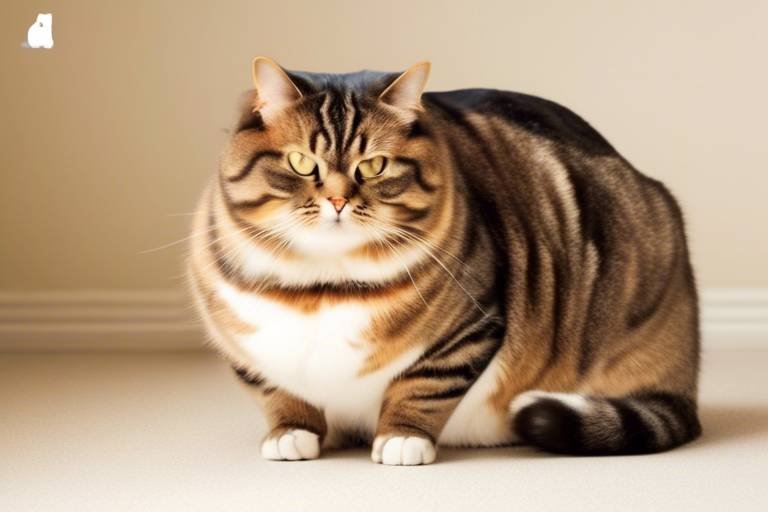
Obesity in cats is more than just a cosmetic issue; it’s a serious health concern that can lead to a myriad of complications if left unchecked. As a loving cat owner, it’s your responsibility to ensure that your furry friend maintains a healthy weight. But how do you recognize if your cat is overweight, and what can you do about it? In this article, we will delve into the signs of obesity in cats, the health implications that come with it, and effective treatment strategies to help your feline friend achieve a healthier weight and lifestyle.
Feline obesity is a growing concern among pet owners, and understanding its causes and consequences is crucial for maintaining your cat’s health and well-being. Just like humans, cats can gain weight due to a variety of factors, including overfeeding, lack of exercise, and even genetic predisposition. It’s not just about how much they eat; it’s also about the quality of their diet and their activity levels. If your cat is lounging around all day, it’s time to take a closer look at their lifestyle.
Recognizing the signs of obesity in cats is essential for early intervention. Common indicators include noticeable weight gain, difficulty grooming themselves, and decreased activity levels. You might notice your cat struggling to jump onto their favorite perch or panting after a short play session. These signs can be subtle but are crucial for identifying weight issues before they escalate.
The Body Condition Score (BCS) is a valuable tool for assessing a cat’s weight. This score ranges from 1 to 9, with 1 being extremely underweight and 9 being severely obese. Ideally, you want your cat to fall between a score of 4 and 5. By using a standardized scale, you can evaluate your pet’s health more accurately. Here’s a quick breakdown:
| BCS | Description |
|---|---|
| 1 | Very Thin |
| 2 | Underweight |
| 3 | Ideal |
| 4 | Overweight |
| 5 | Obese |
Regularly weighing your cat and comparing it to breed standards can help identify weight issues. Understanding normal weight ranges is crucial for assessment. For instance, while a Maine Coon may weigh between 10-25 pounds, a Siamese typically weighs between 5-15 pounds. Knowing these ranges can help you determine if your cat is on the right track.
Physical appearance can also reveal obesity. Look for excess fat deposits, a lack of a defined waist, and difficulty feeling the ribs. If you can’t easily feel your cat’s ribs or see a waistline when looking from above, these are strong indicators that your cat may be overweight.
Obesity in cats can lead to serious health issues, including diabetes, arthritis, and heart disease. Understanding these risks emphasizes the importance of maintaining a healthy weight. Just like us, overweight cats can suffer from joint pain and decreased mobility, making everyday activities a struggle. By keeping your cat at a healthy weight, you can significantly improve their quality of life.
Developing a structured weight loss plan is vital for your cat’s health. This includes dietary adjustments, exercise, and regular veterinary check-ups to monitor progress. Remember, this isn’t just a temporary fix; it’s about creating a sustainable lifestyle for your cat.
Adjusting your cat’s diet is a fundamental part of any weight loss plan. Consider portion control, calorie restriction, and selecting weight management food options. It’s not just about cutting down on food; it’s about providing balanced nutrition that supports their health while helping them shed those extra pounds.
Regular exercise is essential for weight loss. Engaging your cat in play and providing opportunities for physical activity can significantly aid in shedding excess pounds. Think of it as a fun game! Use toys that stimulate their natural hunting instincts, like laser pointers or feather wands, to keep them active and entertained.
Tracking your cat’s weight loss journey is important for success. Regular weigh-ins and adjustments to the plan help ensure that your cat is on the right track. Just like with humans, consistency is key. Keep a journal of your cat’s weight and any changes in their diet or activity levels.
Establishing achievable weight loss goals is crucial for motivation. Aim for gradual weight loss to promote long-term health benefits. A safe rate is typically about 1% of their body weight per week. This means that if your cat weighs 15 pounds, a loss of about 0.15 pounds each week is a reasonable target.
Working closely with a veterinarian can provide tailored advice and support for your cat’s weight loss journey, ensuring safe and effective strategies are implemented. They can help you design a personalized plan that fits your cat’s specific needs and monitor their health throughout the process.
- How do I know if my cat is overweight? Look for signs like difficulty grooming, a lack of a defined waist, and inability to feel their ribs easily.
- What should I feed my cat to help them lose weight? Consider portion control and weight management food options that are low in calories but high in nutrients.
- Is it safe for my cat to lose weight quickly? No, rapid weight loss can be harmful. Aim for gradual weight loss to ensure their health and well-being.
Understanding Feline Obesity
Feline obesity is a growing concern among pet owners, and it’s not just about those extra pounds. It’s a serious health issue that can dramatically affect your cat’s quality of life. Just like humans, cats can struggle with their weight due to a variety of factors. These include overfeeding, lack of exercise, and even certain medical conditions. Understanding these causes is crucial for maintaining your cat’s health and well-being.
Did you know that the percentage of overweight cats has been steadily increasing? In fact, studies show that approximately 60% of cats in the U.S. are classified as overweight or obese. This alarming statistic highlights the importance of being vigilant about your feline friend’s weight. Obesity is not just about appearance—it’s about health. When a cat carries excess weight, it puts them at risk for a plethora of health issues, including diabetes, heart disease, and joint problems.
One of the most common misconceptions is that obesity in cats is simply a cosmetic issue. Many owners may think, “Oh, Fluffy is just a little chubby; it’s cute!” But in reality, this extra weight can lead to severe health complications. Imagine carrying around a heavy backpack all day—it would slow you down, make you feel tired, and could even lead to injuries. The same goes for our furry companions.
To better understand feline obesity, it’s essential to consider the factors that contribute to it. Here are some key points:
- Dietary Choices: Many cat owners unknowingly overfeed their pets or provide high-calorie treats that contribute to weight gain.
- Activity Level: Indoor cats often lead a sedentary lifestyle, which can lead to weight gain if not balanced with playtime and exercise.
- Genetics: Some breeds are more predisposed to obesity than others, so knowing your cat’s breed can help in managing their weight.
- Health Issues: Certain medical conditions, like hypothyroidism, can cause weight gain, making it essential to consult a veterinarian.
Understanding these factors can empower you as a pet owner to take proactive steps in managing your cat’s weight. Just like a well-balanced diet and regular exercise are vital for humans, the same applies to our feline friends. By recognizing the signs of obesity and understanding its implications, you can help your cat lead a healthier, happier life.
In the next sections, we will delve into how to identify the signs of obesity in your cat, the health risks associated with being overweight, and effective strategies for creating a weight loss plan tailored to your furry friend. Remember, taking action now can lead to a longer, healthier life for your beloved pet!
1. What is considered obese for a cat?
A cat is generally considered obese if it weighs more than 20% above its ideal body weight. This can vary depending on the breed and age of the cat.
2. How can I tell if my cat is overweight?
You can assess your cat’s weight by checking for a visible waist when viewed from above and feeling for ribs without excessive fat covering.
3. What should I do if my cat is overweight?
Consult your veterinarian to develop a weight loss plan that includes dietary changes and increased physical activity.
4. Can obesity in cats be reversed?
Yes, with proper diet and exercise, many cats can achieve a healthier weight and reduce the risk of obesity-related health issues.
Signs of Obesity in Cats
Recognizing the signs of obesity in your feline friend is crucial for early intervention and ensuring a healthier life. Just like humans, cats can struggle with weight issues, and being overweight can lead to a host of health problems. So, how do you know if your cat is tipping the scales? Let’s dive into some common indicators that can help you spot obesity in your furry companion.
One of the most noticeable signs of obesity is weight gain. If your cat has been steadily gaining weight, it’s time to take action. A sudden increase in weight can also be alarming, so keep an eye on those numbers. Regular weigh-ins can help you track any changes. Additionally, if your cat is having difficulty grooming itself, this could be a sign that it’s carrying too much weight. Cats are naturally clean creatures, and if they struggle to reach certain areas, it may indicate excess fat.
Another red flag is a decrease in activity levels. If your once playful cat now prefers lounging around all day, it could be a signal that their weight is affecting their energy. Cats often become less active as they gain weight, which can create a vicious cycle: less activity leads to more weight gain, which leads to even less activity. It’s essential to break this cycle early on.
To assess your cat’s weight more accurately, you can use the Body Condition Score (BCS). This standardized scale helps evaluate your pet’s overall health by scoring their body composition. A score of 1 indicates an extremely thin cat, while a score of 9 indicates an obese cat. Ideally, a healthy cat should fall between 4 and 5 on this scale. You can consult your veterinarian for assistance in determining your cat’s BCS.
Regularly weighing your cat is a proactive way to spot potential weight issues. Comparing your cat’s weight to breed standards can help you understand if they are within a healthy range. For instance, a typical domestic cat should weigh between 8 to 10 pounds, but this can vary based on breed and age. If your cat exceeds this range, it’s time to take a closer look at their diet and activity level.
Physical appearance can also reveal a lot about your cat’s weight. Look for excess fat deposits around the abdomen, neck, and legs. A healthy cat should have a defined waist and you should be able to feel their ribs without excessive pressure. If you find it difficult to locate their ribs, it’s a clear indicator that your cat may be overweight.
In summary, being vigilant about these signs can help you maintain your cat’s health and ensure they live a long, happy life. If you suspect your cat is overweight, don’t hesitate to consult your veterinarian for guidance. Remember, early intervention is key!
Q: How can I tell if my cat is overweight?
A: Look for signs such as difficulty grooming, decreased activity levels, and a lack of a defined waist. Regular weigh-ins can also help.
Q: What is a healthy weight for my cat?
A: It varies by breed, but most domestic cats should weigh between 8 to 10 pounds. Consult your vet for breed-specific guidelines.
Q: What should I do if my cat is overweight?
A: Create a weight loss plan that includes dietary adjustments and increased exercise. Consulting with a veterinarian is highly recommended.
Body Condition Score
The Body Condition Score (BCS) is a vital tool that helps pet owners assess their cat’s weight in a more structured and informed way. It’s not just about the numbers on the scale; it’s about understanding what those numbers mean in relation to your cat’s overall health. The BCS typically uses a scale from 1 to 9, where 1 indicates an extremely underweight cat and 9 signifies an extremely overweight cat. Ideally, you want your furry friend to fall somewhere between 4 and 5, which represents a healthy weight.
To evaluate your cat using the BCS, you can follow a few simple steps. First, gently run your hands along your cat’s body. You should be able to feel their ribs without too much pressure. If you can’t feel the ribs, or if there’s a significant layer of fat covering them, your cat may be overweight. Additionally, look for a defined waist when viewed from above; a cat with a healthy weight should have a noticeable hourglass shape. If your feline friend appears round and lacks a waistline, it’s time to consider a weight management plan.
For your convenience, here’s a quick reference table that summarizes the Body Condition Score:
| BCS Score | Condition | Description |
|---|---|---|
| 1 | Emaciated | Ribs, spine, and pelvic bones are easily visible; no body fat. |
| 2 | Underweight | Ribs visible; minimal body fat; noticeable waist. |
| 3 | Ideal | Ribs easily felt; waist visible; minimal fat. |
| 4 | Overweight | Ribs difficult to feel; waist not defined; some fat. |
| 5 | Obese | Ribs not felt; no waist; significant fat deposits. |
| 6-9 | Severely Obese | Excessive fat; very difficult to feel ribs; severe health risks. |
Regularly assessing your cat’s BCS can help you catch potential weight issues before they become serious health problems. By being proactive and keeping an eye on your cat’s body condition, you can make informed decisions about their diet and activity levels. It’s all about creating that perfect balance—just like a well-tuned instrument, your cat’s health requires regular checks and adjustments to keep it playing beautifully.
Evaluating Your Cat’s Weight
Evaluating your cat’s weight is more than just stepping on the scale; it’s about understanding where your furry friend stands in terms of health. Regularly weighing your cat and comparing their weight to breed standards can provide critical insights into their overall well-being. But how do you know if your cat is at a healthy weight? Well, it starts with knowing their ideal weight range, which can vary significantly based on breed, age, and overall health.
To get a clearer picture, consider keeping a weight log. This can help you track changes over time and identify trends. For example, if your cat’s weight has increased steadily over a few months, it might be time to take action. You can create a simple table to log your cat’s weight, noting the date and any dietary changes or activity levels:
| Date | Weight (lbs) | Notes |
|---|---|---|
| 01/01/2023 | 10 | Regular diet |
| 02/01/2023 | 11 | Increased treats |
| 03/01/2023 | 11.5 | Less playtime |
In addition to weighing your cat, assessing their Body Condition Score (BCS) is essential. This score ranges from 1 to 9, with 1 being severely underweight and 9 being severely obese. A score of 5 is considered ideal. To evaluate your cat’s BCS, gently feel their ribs; you should be able to feel them without excessive pressure. If you struggle to feel their ribs or if there’s a noticeable layer of fat, it could indicate that your cat is overweight.
Another critical aspect of evaluating your cat’s weight is observing their physical appearance. Look for signs such as:
- Excess fat deposits on the abdomen and back
- A lack of a defined waist when viewed from above
- Difficulty grooming themselves, particularly around the belly
Remember, your cat’s weight isn’t just a number; it’s a reflection of their health and happiness. Regular evaluations can help you catch potential weight issues early, allowing for timely interventions that can lead to a longer, healthier life for your feline companion.
Q: How often should I weigh my cat?
A: Ideally, you should weigh your cat every month. This frequency allows you to monitor any significant weight changes and adjust their diet or exercise regimen accordingly.
Q: What should I do if my cat is overweight?
A: Consult with your veterinarian to develop a tailored weight loss plan that includes dietary changes and increased physical activity.
Q: Can I use my bathroom scale to weigh my cat?
A: Yes, you can weigh yourself first and then hold your cat to determine their weight. Just be sure to subtract your weight from the total.
Q: Are certain breeds more prone to obesity?
A: Yes, some breeds, like Persians and British Shorthairs, are more prone to obesity. It’s essential to monitor their weight closely.
Physical Appearance Indicators
When it comes to identifying obesity in cats, physical appearance plays a crucial role. Your feline friend may not be able to tell you they’re feeling heavy, but their body can certainly give you the hints you need. One of the first things to look for is the presence of excess fat deposits. These often accumulate around the abdomen, making your cat appear rounder than usual. If you notice a noticeable bulge or sagging in the belly area, it’s time to take a closer look at their diet and activity levels.
Another important indicator is the waistline. A healthy cat should have a defined waist when viewed from above. If your cat’s body resembles more of a cylinder than an hourglass, it’s a sign that they may be carrying extra weight. Additionally, you should be able to feel your cat’s ribs with a gentle touch. If you can’t locate the ribs without pressing hard, that’s a red flag indicating potential obesity.
Moreover, consider how your cat moves. Decreased activity levels can also signal weight issues. If your once playful kitty is now lounging around more often or seems reluctant to engage in play, it could be a result of their weight. Cats that are overweight may struggle with agility, making them less inclined to jump, run, or climb, which can further exacerbate their weight problems.
To summarize, here are some key physical appearance indicators to watch for:
- Excess fat deposits, particularly around the abdomen
- Lack of a defined waist when viewed from above
- Difficulty feeling the ribs without applying pressure
- Reduced activity levels and reluctance to engage in play
By keeping an eye on these physical signs, you can take proactive steps to address your cat’s weight before it leads to serious health complications. Remember, a little vigilance goes a long way in ensuring your furry companion lives a long, healthy life!
Q1: How can I tell if my cat is overweight?
A1: Look for excess fat deposits, a lack of a defined waist, and difficulty feeling their ribs. If you’re unsure, consult with your veterinarian for a Body Condition Score assessment.
Q2: What should I do if my cat is overweight?
A2: Implement a structured weight loss plan that includes dietary modifications and increased physical activity. Regular veterinary check-ups will help monitor progress.
Q3: Can I put my cat on a diet without consulting a vet?
A3: It’s not recommended. Always consult your veterinarian before making significant changes to your cat’s diet to ensure it’s safe and appropriate for their health needs.
Q4: How much weight should my cat lose per week?
A4: Aim for a gradual weight loss of about 1% to 2% of their body weight per week. This slow and steady approach is safer and more sustainable.
Health Risks Associated with Obesity
Obesity in cats is not just a matter of aesthetics; it poses serious health risks that can significantly affect your feline friend’s quality of life. Just like in humans, excess weight can lead to a myriad of health issues that may shorten your cat’s lifespan. Understanding these risks is crucial, as it highlights the importance of maintaining a healthy weight. For instance, cats that are overweight are at a higher risk of developing diabetes, a condition that can lead to severe complications and requires lifelong management.
Moreover, obesity puts extra strain on your cat’s joints, often resulting in arthritis. This can cause pain and discomfort, making it difficult for your cat to engage in its usual playful activities. Imagine how frustrating it must be for your cat to want to chase after a toy but being unable to due to joint pain! Additionally, the extra weight can affect your cat’s heart and lungs, increasing the risk of heart disease and respiratory problems. These conditions can lead to decreased stamina and overall vitality, leaving your cat lethargic and less interactive.
Here’s a quick rundown of some of the most common health risks associated with feline obesity:
- Diabetes Mellitus: A chronic condition that affects insulin production and glucose metabolism.
- Arthritis: Joint pain and inflammation caused by excess weight.
- Heart Disease: Increased workload on the heart can lead to cardiovascular issues.
- Respiratory Problems: Excess fat can restrict lung function, leading to breathing difficulties.
- Urinary Tract Issues: Obesity can increase the risk of urinary tract infections and blockages.
Additionally, obese cats are also more prone to developing skin infections and conditions due to the inability to groom themselves properly. The buildup of excess fat can create folds in the skin, trapping moisture and leading to infections. In essence, the health implications of obesity are vast and can create a vicious cycle where the cat’s quality of life diminishes, leading to even less activity and further weight gain.
Recognizing these risks is the first step towards prevention. By keeping your cat at a healthy weight, you can help ensure that it enjoys a longer, healthier, and happier life. Regular check-ups with your veterinarian can help monitor your cat’s weight and catch any potential health issues early, allowing for timely intervention and treatment.
Q: How can I tell if my cat is overweight?
A: You can assess your cat’s weight by feeling its ribs. If you can’t feel them easily or if your cat has a noticeable belly, it may be overweight. Consulting with your vet for a Body Condition Score (BCS) can provide more clarity.
Q: What should I do if my cat is overweight?
A: Start by consulting your veterinarian for a personalized weight loss plan. This typically includes dietary changes and increased physical activity.
Q: How much weight should my cat lose each week?
A: A safe and realistic weight loss goal is about 1% of your cat’s body weight per week. This gradual approach helps ensure that the weight loss is sustainable and healthy.
Q: Can I feed my cat diet food?
A: Yes, but it’s essential to choose a diet food specifically formulated for weight loss and to consult your veterinarian for recommendations tailored to your cat’s needs.
Q: How can I encourage my cat to exercise?
A: Engage your cat in interactive play using toys like feather wands or laser pointers. Creating a stimulating environment with climbing structures can also encourage more activity.
Creating a Weight Loss Plan
When it comes to helping your furry friend shed those extra pounds, creating a structured weight loss plan is not just beneficial—it’s essential. Think of it like a roadmap; without one, you could easily get lost in the journey to better health. The first step in this journey is to consult with your veterinarian. They can provide invaluable insights tailored to your cat’s specific needs, ensuring that any changes you make are safe and effective.
A well-rounded weight loss plan typically includes three key components: dietary adjustments, exercise, and regular check-ups. Each of these elements plays a crucial role in achieving and maintaining a healthy weight. Let’s break these down further.
Dietary Adjustments are fundamental in any weight loss strategy. Cats are creatures of habit, so changing their diet can be a bit of a challenge. Start by gradually introducing portion control—this means measuring out their food instead of free-feeding. You might also want to look into calorie restriction; many cat food brands offer weight management formulas that are lower in calories but still satisfy your cat’s hunger. Keep in mind that sudden changes can upset their stomach, so take it slow!
Next up is Incorporating Exercise. Just like us, cats need to move to burn calories. However, getting a cat to exercise can sometimes feel like trying to get a toddler to eat vegetables! Try engaging them in playtime with toys that mimic the movement of prey, like feather wands or laser pointers. Regular play sessions not only help with weight loss but also strengthen your bond with your pet. Aim for at least 15-20 minutes of active play each day; you’ll be amazed at how much energy they can burn!
Finally, Monitoring Progress is crucial. Set a schedule for regular weigh-ins—ideally every two weeks. This will help you track your cat’s progress and make necessary adjustments to their diet and exercise routine. If you notice that your cat isn’t losing weight as expected, don’t hesitate to consult with your veterinarian for further guidance.
Setting realistic goals is another important aspect of your weight loss plan. Aim for a gradual weight loss of about 1-2% of their body weight per week. This may seem slow, but it’s a safe and sustainable approach that promotes long-term health benefits.
Incorporating these strategies creates a comprehensive weight loss plan that can lead to a happier, healthier cat. Remember, the journey to weight loss is not just about shedding pounds; it’s about enhancing your cat’s quality of life. So, roll up your sleeves and get ready to support your feline friend on this exciting adventure!
- How much should I feed my cat for weight loss? It’s best to consult your veterinarian, but typically, a reduction of 10-20% in daily calorie intake is recommended.
- Can I use treats during the weight loss process? Yes, but opt for low-calorie treats and limit their quantity to avoid sabotaging your efforts.
- How long will it take for my cat to lose weight? Weight loss can vary by individual, but a safe rate is about 1-2% of their body weight per week.
- What if my cat refuses to exercise? Try different types of toys or play methods, and be patient. Some cats may take longer to warm up to exercise.
Dietary Modifications
When it comes to helping your cat shed those extra pounds, are a crucial first step. Just like us, cats can struggle with weight management, and what they eat plays a significant role in their overall health. So, let’s dive into some effective strategies that can help your feline friend slim down and feel great!
First and foremost, portion control is vital. Cats often have a tendency to overeat, especially if they’re given free access to food. Instead of leaving food out all day, consider implementing scheduled feeding times. This not only helps you monitor how much your cat is consuming but also encourages them to eat at designated times, which can lead to better digestion and overall health.
Next up is calorie restriction. Just like we count calories to manage our weight, your cat might benefit from a similar approach. Consult your veterinarian to determine the appropriate caloric intake for your cat based on their current weight, age, and activity level. It’s essential to choose a high-quality cat food that is lower in calories but still packed with the nutrients your furry friend needs. Brands that offer weight management formulas can be particularly helpful.
Additionally, consider incorporating weight management food options into your cat’s diet. These specially formulated foods are designed to promote weight loss while ensuring your cat still receives the necessary nutrients. Many pet stores carry options that are lower in fat and calories but rich in fiber, which can help your cat feel fuller for longer. Here’s a quick look at some popular weight management cat food options:
| Brand | Type | Calories per Cup |
|---|---|---|
| Hill’s Science Diet | Weight Management | 300 |
| Royal Canin | Weight Care | 280 |
| Purina Pro Plan | Weight Management | 350 |
Another effective strategy is to gradually introduce wet food into your cat’s diet. Wet food typically contains more moisture and fewer calories than dry food, which can help your cat feel satisfied without consuming excess calories. Just remember to adjust their overall caloric intake accordingly to avoid overfeeding.
Lastly, don’t forget about treats. While it’s tempting to spoil your cat with treats, these can add up quickly in terms of calories. Opt for healthier options like small pieces of cooked chicken or fish, or consider using treats that are specifically designed for weight management. Always keep treats to a minimum, ensuring they make up no more than 10% of your cat’s daily caloric intake.
In conclusion, making thoughtful can significantly impact your cat’s weight loss journey. By focusing on portion control, calorie restriction, and selecting the right food, you can help your furry friend achieve a healthier weight. Remember, it’s all about balance and making gradual changes that can lead to long-lasting results!
- How much should I feed my cat? The amount varies based on your cat’s weight, age, and activity level. Consult your veterinarian for personalized recommendations.
- Can I give my cat treats while on a weight loss plan? Yes, but keep them to a minimum and opt for healthier options.
- How long will it take for my cat to lose weight? Weight loss should be gradual. Aim for about 1-2% of their body weight per week for safe and effective results.
Incorporating Exercise
When it comes to helping your cat shed those extra pounds, exercise is a key player in the weight loss game. Just like us humans, our furry friends need to move to stay healthy. But let’s be honest; getting a cat to exercise can sometimes feel like herding cats! So, how do you make it fun and engaging for your kitty? First, think about their natural instincts. Cats are hunters by nature, so tapping into that instinct can make exercise feel less like a chore and more like playtime.
Start by introducing interactive toys that mimic the movements of prey. Feather wands, laser pointers, and even simple crumpled paper balls can ignite your cat’s inner hunter. Playtime sessions should be short but frequent—think of it as a series of mini workouts throughout the day. Aim for about 10-15 minutes of active play at least twice a day. This not only helps burn calories but also strengthens your bond with your feline friend.
Additionally, consider creating an environment that encourages movement. Cat trees, shelves, and scratching posts can provide vertical spaces for climbing and jumping. Cats love to explore, and by providing them with opportunities to climb and jump, you’re turning your home into a mini jungle gym! Not only does this promote physical activity, but it also keeps their minds stimulated, which is equally important for their overall well-being.
It’s also essential to monitor your cat’s progress and adjust their exercise routine accordingly. If your cat seems to be losing interest or isn’t as active, try switching up the toys or introducing new activities. You might even consider taking your cat for a walk with a harness and leash. While it may sound unconventional, many cats enjoy the fresh air and new sights. Just be sure to take it slow and let them explore at their own pace.
Remember, the goal is to make exercise enjoyable and sustainable. If your cat associates playtime with fun, they’ll be more likely to engage in physical activity regularly. So, get ready to unleash your creativity and watch your kitty transform into a more active, healthier version of themselves!
- How much exercise does my cat need daily? It’s recommended that cats get at least 20-30 minutes of playtime daily, broken into shorter sessions for better engagement.
- What types of toys are best for encouraging exercise? Interactive toys, feather wands, laser pointers, and puzzle feeders are excellent choices to stimulate your cat’s natural hunting instincts.
- Can I take my cat for a walk? Yes! Many cats can be trained to walk on a leash and harness, but it’s essential to start slowly and ensure they feel comfortable.
- What if my cat doesn’t seem interested in playing? If your cat is uninterested, try different toys or activities. Sometimes, a change in routine can spark their interest.
Monitoring Progress
When it comes to ensuring your cat is on the right track in their weight loss journey, is essential. Just like we keep track of our own health metrics, your feline friend deserves the same attention. Regular weigh-ins are a fundamental part of this process. Aim to weigh your cat at least once a week; this helps you notice any fluctuations in weight that could indicate whether the current plan is working or needs adjustment. It’s a bit like checking the gauge on a car’s fuel tank—keeping an eye on it helps prevent running on empty!
In addition to weigh-ins, consider maintaining a weight loss journal. This can be a simple notebook or a digital document where you record your cat’s weight, any dietary changes, and notes on their activity levels. This way, you can visually track progress and identify patterns over time. You might even notice that your cat has more energy on days when you engage them in play, which can be a great motivator for both of you!
To help you visualize your cat’s progress, here’s a simple
| Date | Weight (lbs) | Diet Changes | Activity Level | Notes |
|---|---|---|---|---|
| Week 1 | 12.5 | Switched to weight management food | 30 minutes playtime | More energetic |
| Week 2 | 12.0 | Portion control implemented | 35 minutes playtime | Grooming improved |
| Week 3 | 11.5 | Increased playtime | 40 minutes playtime | Active and playful |
Keep in mind that weight loss should be gradual; a safe target is around 1% to 2% of your cat’s body weight per week. This slow and steady approach not only helps in achieving a healthy weight but also minimizes the risk of health complications associated with rapid weight loss.
Lastly, it’s crucial to communicate with your veterinarian throughout this process. They can provide valuable insights and make necessary adjustments to your cat’s weight loss plan. Regular check-ups will ensure that your feline companion is losing weight safely and healthily, much like how a coach guides an athlete through their training.
- How often should I weigh my cat? Weigh your cat at least once a week to monitor progress effectively.
- What should I do if my cat isn’t losing weight? Consult your veterinarian for advice; they may recommend dietary adjustments or increased activity.
- Is it safe for my cat to lose weight quickly? No, rapid weight loss can be harmful. Aim for a gradual loss of 1% to 2% of their body weight per week.
Setting Realistic Goals
When it comes to helping your cat shed those extra pounds, is not just a good idea—it’s essential! Think about it: if you were trying to lose weight, you’d want a plan that feels achievable, right? The same goes for your furry friend. Aiming for gradual weight loss is key. Experts generally recommend a safe rate of weight loss of about 1% to 2% of your cat’s body weight per week. This approach not only helps your cat shed pounds but also ensures that the weight loss is sustainable over time.
To put this into perspective, let’s say your cat weighs 15 pounds. A realistic goal would be to aim for a loss of 0.15 to 0.3 pounds each week. This might not seem like much, but over time, it adds up! In just a few months, your cat could be well on their way to a healthier weight. Remember, the journey to a healthier lifestyle should be a marathon, not a sprint. Setting smaller, achievable milestones can keep both you and your cat motivated.
Consider creating a weight loss chart to track your cat’s progress. This can be as simple as a table that you update weekly. Not only does it provide a visual representation of your cat’s journey, but it also allows you to celebrate those small victories along the way. Here’s an example of what your chart might look like:
| Week | Weight (lbs) | Goal Weight (lbs) | Comments |
|---|---|---|---|
| 1 | 15.0 | 14.7 | Good start! |
| 2 | 14.8 | 14.4 | Keep it up! |
| 3 | 14.6 | 14.1 | Progressing well! |
Also, don’t forget to celebrate milestones! Whether it’s a new toy, extra playtime, or a special treat (just make sure it’s healthy!), these little rewards can motivate both you and your cat. Just like humans, cats respond well to positive reinforcement. So each time your cat achieves a weight loss goal, make it a big deal!
Lastly, it’s important to be flexible with your goals. If you notice that your cat isn’t losing weight as expected, it might be time to adjust your plan. Consult your veterinarian for advice and to ensure that your cat’s weight loss journey is on the right track. Remember, the ultimate goal is not just weight loss but achieving a healthier, happier life for your feline companion.
- How do I know if my cat is overweight? Look for signs such as difficulty grooming, a lack of a defined waist, and difficulty feeling their ribs.
- Can I use regular cat food for weight loss? Some regular cat foods can be high in calories. It’s best to consult your vet for weight management options.
- How much exercise does my cat need? Aim for at least 15-20 minutes of active play each day to help your cat lose weight.
Consulting with a Veterinarian
This article explores the signs of obesity in cats, its health implications, and effective treatment strategies to help your feline friend achieve a healthier weight and lifestyle.
Feline obesity is a growing concern among pet owners. Understanding its causes and consequences is crucial for maintaining your cat’s health and well-being.
Recognizing the signs of obesity in cats is essential for early intervention. Common indicators include weight gain, difficulty grooming, and decreased activity levels.
The Body Condition Score (BCS) is a valuable tool for assessing a cat’s weight. By using a standardized scale, owners can evaluate their pet’s health more accurately.
Regularly weighing your cat and comparing it to breed standards can help identify weight issues. Understanding normal weight ranges is crucial for assessment.
Physical appearance can also reveal obesity. Look for excess fat deposits, a lack of a defined waist, and difficulty feeling the ribs.
Obesity in cats can lead to serious health issues, including diabetes, arthritis, and heart disease. Understanding these risks emphasizes the importance of maintaining a healthy weight.
Developing a structured weight loss plan is vital for your cat’s health. This includes dietary adjustments, exercise, and regular veterinary check-ups to monitor progress.
Adjusting your cat’s diet is a fundamental part of any weight loss plan. Consider portion control, calorie restriction, and selecting weight management food options.
Regular exercise is essential for weight loss. Engaging your cat in play and providing opportunities for physical activity can significantly aid in shedding excess pounds.
Tracking your cat’s weight loss journey is important for success. Regular weigh-ins and adjustments to the plan help ensure that your cat is on the right track.
Establishing achievable weight loss goals is crucial for motivation. Aim for gradual weight loss to promote long-term health benefits.
When it comes to managing your cat’s weight, is one of the best decisions you can make. A vet can provide tailored advice based on your cat’s unique health needs, age, and lifestyle. It’s like having a personal trainer, but for your furry friend! They will assess your cat’s current health status and develop a comprehensive weight loss plan that ensures safety and effectiveness.
During your visit, be prepared to discuss your cat’s eating habits, activity level, and any behavioral changes you’ve noticed. This information is crucial as it helps the veterinarian understand the root causes of your cat’s weight gain. Additionally, they may perform a thorough physical examination and recommend diagnostic tests to rule out underlying health issues that could be contributing to obesity.
Moreover, regular check-ups with your vet are essential throughout the weight loss journey. They can monitor your cat’s progress, adjust the weight loss plan as needed, and keep you motivated. Think of it as having a pit stop in a race; it’s where you refuel and ensure everything is on track!
In summary, don’t hesitate to reach out to your veterinarian. Their expertise can make a significant difference in your cat’s health and well-being. After all, a healthy cat is a happy cat!
- How can I tell if my cat is overweight? Look for signs like a lack of a defined waist, difficulty feeling the ribs, and decreased activity levels.
- What should I feed my overweight cat? Consult your vet for recommendations on weight management food and portion control to help your cat lose weight safely.
- How much exercise does my cat need? Aim for at least 15-30 minutes of active playtime each day to help your cat shed those extra pounds.
- Can my cat lose weight too quickly? Yes, rapid weight loss can be dangerous. It’s important to aim for gradual weight loss with the guidance of a veterinarian.
Frequently Asked Questions
- What are the main signs that my cat is obese?
Some common signs of obesity in cats include noticeable weight gain, difficulty grooming themselves, decreased activity levels, and an inability to feel their ribs easily. If you notice any of these signs, it might be time to evaluate your cat’s diet and exercise routine.
- How can I determine if my cat is overweight?
You can use the Body Condition Score (BCS) system, which involves evaluating your cat’s physical appearance and weight against standardized scales. Regularly weighing your cat and comparing it to breed standards can also help you determine if they are within a healthy weight range.
- What health risks are associated with feline obesity?
Obesity in cats can lead to serious health issues such as diabetes, arthritis, heart disease, and even a decreased lifespan. Maintaining a healthy weight is crucial for your cat’s overall well-being and longevity.
- What should be included in a weight loss plan for my cat?
A comprehensive weight loss plan for your cat should include dietary modifications, such as portion control and calorie restriction, as well as regular exercise. It’s also important to schedule regular veterinary check-ups to monitor your cat’s progress and make necessary adjustments.
- How can I encourage my cat to exercise?
Engaging your cat in interactive playtime, providing toys that stimulate their hunting instincts, and creating an environment that encourages movement can all help increase their physical activity. Simple activities like using a laser pointer or feather wand can make exercise fun!
- What should I do if my cat isn’t losing weight?
If your cat isn’t losing weight despite your efforts, it’s essential to consult with a veterinarian. They can provide tailored advice, assess any underlying health issues, and help you adjust your weight loss plan to ensure safe and effective strategies are in place.
- How quickly should my cat lose weight?
It’s best to aim for gradual weight loss, typically around 1-2% of their body weight per week. Quick weight loss can be harmful to cats, so setting realistic goals and being patient is key to promoting long-term health benefits.
obesity, cats, recognition, symptoms, treatment, weight management, diet, exercise, , obesity, cats, recognition, symptoms, treatment, weight management, diet, exercise,
Share this content:
Leave a Reply