
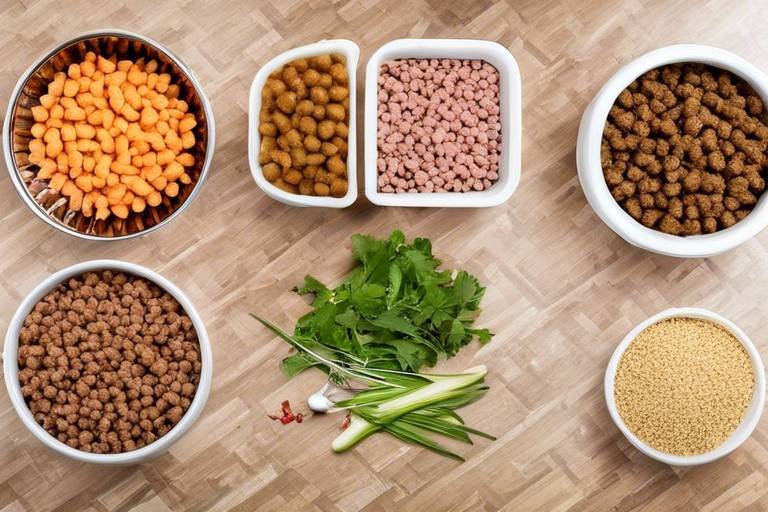
Are you tired of the same old commercial dog food options that leave you questioning the quality of ingredients? If so, you’re not alone! Many pet owners are turning to homemade dog food as a way to ensure their furry friends eat nutritious, wholesome meals tailored to their specific needs. Making dog food at home not only allows you to control what goes into your pet’s diet but also provides an opportunity to bond with your pet during meal preparation. Imagine the joy on your dog’s face when they see you cooking something special just for them!
In this comprehensive guide, we’ll walk you through everything you need to know about preparing homemade dog food. From understanding the benefits of making your own meals to selecting the right ingredients, you’ll gain the confidence to whip up delicious and healthy dishes for your canine companion. And don’t worry, we’ll keep it simple and fun—just like your dog! By the end of this article, you’ll be equipped with practical tips and a step-by-step recipe that will make your dog’s tail wag with delight.
So, why should you consider making homemade dog food? Well, let’s dive into the benefits that come with this rewarding endeavor. First and foremost, you have complete control over the ingredients. This means no more fillers or artificial preservatives that can harm your pet’s health. You can choose fresh, high-quality ingredients that are free from harmful additives, ensuring your dog gets the nutrients they need.
Moreover, many dog owners have noticed significant improvements in their pets’ overall health after switching to homemade food. From shinier coats to increased energy levels, the positive changes are often remarkable. Plus, you may find that making your own dog food can be more cost-effective in the long run, especially if you purchase ingredients in bulk. It’s a win-win situation!
As we move forward, we’ll explore the essential ingredients needed to create a balanced diet for your dog. You’ll learn about proteins, carbohydrates, vitamins, and minerals that are crucial for your pet’s well-being. We’ll also provide you with a step-by-step recipe to guide you through the cooking process, ensuring that you create meals that not only taste great but are also nutritionally complete.
So, are you ready to embark on this delicious journey of homemade dog food? Let’s get started and turn your kitchen into a doggy gourmet haven!
Benefits of Homemade Dog Food
When it comes to your furry friend, nothing beats the peace of mind that comes from knowing exactly what goes into their food. One of the greatest benefits of preparing homemade dog food is the control you have over the ingredients. Unlike commercial dog food, which can contain fillers, preservatives, and questionable meat sources, homemade meals allow you to choose only high-quality ingredients that are safe and nutritious for your pet. You can tailor each meal to meet your dog’s specific dietary needs, whether they require a grain-free diet or have allergies to certain proteins.
Another significant advantage is the potential for improved health. Many pet owners have reported noticeable changes in their dog’s energy levels, coat condition, and overall well-being after switching to homemade diets. This is largely due to the absence of artificial additives and the inclusion of fresh, wholesome ingredients. Think of it like cooking for your family; wouldn’t you prefer to serve them fresh, homemade meals over processed options? Your dog deserves the same consideration!
Moreover, preparing dog food at home can lead to cost savings in the long run. While the initial investment in quality ingredients might seem higher, consider this: you can buy in bulk and prepare larger batches, which can significantly lower the cost per meal. Plus, the health benefits can reduce veterinary bills in the future by keeping your pet healthy and less prone to illnesses related to poor nutrition.
Additionally, making dog food at home can be a fun and rewarding experience. It allows you to bond with your pet in a unique way. You might find joy in watching your dog eagerly devour the meals you’ve prepared, knowing that you’ve put love and effort into their diet. It’s like being a chef in your own kitchen, but instead of serving guests, you’re delighting your best friend!
In summary, the benefits of homemade dog food are numerous and compelling. From having complete control over ingredients to enhancing your dog’s health and saving money, it’s a choice that many pet owners find rewarding. If you’re still on the fence, consider trying it out for a week or two. Your dog will thank you!
Essential Ingredients for Dog Food
When it comes to crafting the perfect homemade dog food, understanding the essential ingredients is key. Just like us, dogs need a balanced diet that includes proteins, carbohydrates, vitamins, and minerals to thrive. But what do these ingredients look like in practice? Let’s dive into each category and explore how they contribute to your furry friend’s overall well-being.
Proteins are the building blocks of your dog’s diet. They are vital for muscle development, energy, and overall health. High-quality protein sources can come from both animal and plant origins. Animal proteins, such as chicken, beef, and fish, provide essential amino acids that dogs cannot produce on their own. On the other hand, plant-based proteins, like lentils and chickpeas, can also be beneficial, especially for dogs with specific dietary restrictions. When considering protein sources, you might ask yourself, “Should I focus on meat or plant proteins?” The answer often lies in your dog’s individual needs and preferences.
Understanding the differences between meat and plant proteins can help you create a more tailored diet for your dog. Meat proteins are generally more complete, offering a higher concentration of essential amino acids. However, plant proteins can provide fiber and other nutrients that are beneficial for digestion. The key is to find a balance that works for your dog’s unique dietary requirements. For instance, a combination of chicken and lentils can offer a well-rounded meal that satisfies both protein and fiber needs.
When preparing homemade dog food, the quality of ingredients cannot be overstated. Fresh, organic ingredients are often the best choice, as they are free from harmful additives and preservatives. It’s essential to source your ingredients from reputable suppliers or farmers’ markets. Look for meats that are grass-fed or free-range and choose organic vegetables whenever possible. This way, you ensure that your dog is not only getting the nutrients they need but also avoiding potentially harmful chemicals. After all, you wouldn’t want to serve your best friend anything less than the best!
Next up are carbohydrates, which are crucial for providing energy. Dogs are omnivores, meaning they can digest and benefit from a variety of carbohydrate sources. Good options include whole grains like brown rice and oats, as well as starchy vegetables such as sweet potatoes and peas. These carbohydrates not only fuel your dog’s energy levels but also support their digestive health. When selecting carbs, consider how they complement the protein sources in your recipes. For example, pairing chicken with brown rice and steamed carrots creates a balanced meal that keeps your pup energized and satisfied.
In summary, crafting homemade dog food requires a thoughtful approach to ingredient selection. By incorporating high-quality proteins, healthy carbohydrates, and fresh vegetables, you can create meals that are not only nutritious but also delicious for your furry friend. Remember, every dog is unique, so it might take a bit of experimentation to find the perfect combination that works for your pet.
| Ingredient Type | Examples | Benefits |
|---|---|---|
| Protein | Chicken, Beef, Fish, Lentils | Muscle development, energy, essential amino acids |
| Carbohydrates | Brown Rice, Sweet Potatoes, Oats | Energy source, digestive health |
| Vitamins & Minerals | Carrots, Spinach, Blueberries | Immune support, overall health |
Protein Sources
This article provides a comprehensive guide on preparing nutritious homemade dog food, ensuring your furry friend receives the best diet tailored to their needs.
Discover the numerous advantages of preparing dog food at home, including better control over ingredients, improved health for your pet, and potential cost savings compared to commercial products.
Learn about the key ingredients necessary for creating balanced and healthy dog food, including proteins, carbohydrates, vitamins, and minerals that contribute to your dog’s overall well-being.
When it comes to your dog’s diet, protein is a crucial building block. It plays a significant role in muscle development, immune function, and overall health. But what are the best sources of protein for your furry friend? Let’s dive into some fantastic options that not only provide essential nutrients but also keep your dog excited about mealtime.
First up, we have animal proteins. These are often the most recommended due to their high biological value, which means they provide all the essential amino acids your dog needs. Common sources include:
- Chicken: Lean and easily digestible, chicken is a favorite among dogs. It’s packed with protein and can be served boiled, baked, or grilled.
- Beef: Rich in iron and other vital nutrients, beef is another excellent choice. Just be careful to trim off excess fat to keep it healthy.
- Fish: Fish like salmon and sardines are not only tasty but also loaded with omega-3 fatty acids that promote a shiny coat and healthy skin.
However, don’t forget about plant-based proteins. They can be a great addition to your dog’s diet, especially if you’re looking for variety or if your dog has specific dietary restrictions. Here are a few options:
- Legumes: Beans and lentils are great sources of protein and fiber, which can aid in digestion.
- Quinoa: This superfood is not only a complete source of protein but also gluten-free, making it suitable for dogs with sensitivities.
- Peas: High in protein and low in calories, peas can be a nutritious addition to your dog’s meals.
It’s essential to remember that while animal proteins are often more complete, incorporating plant proteins can provide a well-rounded diet. Just like humans, dogs benefit from a variety of nutrients, and mixing different protein sources can help achieve that balance.
Understanding the differences between animal and plant proteins can help you make informed decisions about your dog’s diet. Animal proteins are generally more complete, meaning they contain all the essential amino acids in the right ratios. On the other hand, plant proteins may lack one or more essential amino acids but can still be beneficial when combined properly. Think of it like a puzzle; each piece complements the other to create a complete picture of nutrition for your dog.
When preparing homemade dog food, the quality of your ingredients is paramount. Look for fresh, organic options whenever possible. High-quality meats and vegetables not only enhance the nutritional value of the food but also improve its palatability. Always check labels and choose ingredients that are free from additives and preservatives. Remember, you wouldn’t want to eat processed food all the time, and neither does your furry friend!
Find out about suitable carbohydrate sources for dog food, including grains, legumes, and vegetables, and how they contribute to your dog’s energy levels and digestive health.
Follow a simple, easy-to-follow recipe for creating balanced homemade dog food, including preparation, cooking, and storage instructions to ensure your dog’s meals are safe and nutritious.
Get practical tips on how to prepare ingredients efficiently, including chopping, cooking methods, and safe handling practices to maintain food quality and safety.
Learn the best practices for storing homemade dog food, including refrigeration and freezing tips, as well as serving suggestions to keep your pet excited about mealtime.
Q: Can I feed my dog a vegetarian diet?
A: Yes, but ensure it is well-balanced with the right protein sources and nutrients.
Q: How do I know if my homemade dog food is nutritionally complete?
A: Consult with a veterinarian or a pet nutritionist to ensure all dietary needs are met.
Q: How long can I store homemade dog food?
A: Generally, homemade dog food can be stored in the fridge for up to 3-5 days or frozen for up to 3 months.
Meat vs. Plant Proteins
When it comes to feeding your furry friend, the debate between meat and plant proteins is a hot topic. Both types of protein have their unique benefits, but understanding the differences can help you make the best choices for your dog’s diet. Let’s dive into the meaty details!
First off, meat proteins are often considered the gold standard for canine nutrition. They are packed with essential amino acids that are vital for your dog’s growth, maintenance, and overall health. Think of meat as a complete package that provides everything your pet needs. Common sources include:
- Chicken
- Beef
- Fish
- Turkey
These options are not just tasty; they also offer crucial nutrients like iron and zinc, which are essential for a strong immune system. However, it’s important to choose lean cuts and avoid processed meats that can contain harmful additives.
On the flip side, we have plant proteins. While they may not be as complete as meat proteins, they still play a significant role in a balanced diet. Plant-based proteins can be a great complement to meat, offering benefits like:
- Lower fat content
- High fiber, which aids digestion
- Rich in antioxidants and vitamins
Common plant protein sources include lentils, peas, quinoa, and various beans. These ingredients can be particularly beneficial for dogs with certain dietary restrictions or sensitivities. However, it’s crucial to ensure that your dog gets a well-rounded mix of amino acids, which may require combining different plant sources.
Now, you might be wondering: can dogs thrive on a plant-based diet? The answer is yes, but it requires careful planning. You’ll need to ensure that their meals are nutritionally complete by incorporating a variety of protein sources to cover all essential amino acids. This is where a bit of creativity comes into play!
In summary, both meat and plant proteins have their merits. A diet that includes a combination of both can offer the best of both worlds, providing your dog with a balanced intake of nutrients. Just remember, whether you lean towards meat, plants, or a mix of both, the key is ensuring that your dog’s diet is tailored to their specific needs and preferences.
1. Can I feed my dog only plant-based proteins?
While dogs can thrive on plant-based diets, it requires careful planning to ensure they receive all essential amino acids. It’s often recommended to consult with a veterinarian or a pet nutritionist to create a balanced meal plan.
2. What are the signs of protein deficiency in dogs?
Signs may include poor coat quality, lethargy, muscle wasting, and a weakened immune system. If you notice any of these symptoms, it’s essential to consult your veterinarian.
3. How can I ensure my dog is getting enough protein?
Incorporate a variety of protein sources in their diet and monitor their overall health and energy levels. Regular vet check-ups can also help track their nutritional needs.
Quality of Ingredients
When it comes to homemade dog food, the quality of ingredients you choose can make a world of difference in your furry friend’s health and happiness. Just like we wouldn’t want to eat food that’s stale or filled with preservatives, our dogs deserve the same level of care in their meals. High-quality ingredients not only ensure that your dog gets the nutrients they need but also enhance the overall taste and appeal of their meals. Think of it as crafting a gourmet dish for your best buddy!
One of the first things to consider is the source of your ingredients. Opting for fresh, organic produce and ethically sourced meats can significantly boost the nutritional value of your dog’s food. For instance, vegetables like carrots, peas, and sweet potatoes are not just tasty; they are packed with vitamins and antioxidants. Similarly, choosing lean meats such as chicken or turkey ensures that your dog receives adequate protein without unnecessary fats. It’s like choosing between a fast-food burger and a homemade grilled chicken salad—you want the best for your pet!
Additionally, be cautious about processed ingredients. Many commercial dog foods are loaded with fillers, artificial flavors, and preservatives that can be harmful in the long run. For example, some common fillers include corn and soy, which may not provide the best nutritional benefit for your dog. Always read the labels and, if possible, stick to whole foods. If you’re unsure about a specific ingredient, it’s always best to consult with your veterinarian to ensure it’s safe and beneficial for your dog.
Another crucial aspect is the balance of ingredients. A well-rounded homemade dog food recipe should include:
- Proteins: Essential for muscle development and energy.
- Carbohydrates: Important for energy and digestive health.
- Fats: Necessary for healthy skin and coat.
- Vitamins and Minerals: Vital for overall health and immune function.
By focusing on quality ingredients, you’ll not only enhance your dog’s diet but also foster a stronger bond with them through the love and care you put into their meals. Remember, cooking for your dog is not just about feeding them; it’s about nurturing them. So, the next time you’re at the grocery store, think about what you’re putting in your cart. Your dog will thank you for it with wagging tails and joyful barks!
Q: Can I use leftovers from my dinner to make dog food?
A: While it’s tempting to use leftovers, be cautious. Some human foods, like onions and garlic, can be toxic to dogs. Always check if the ingredients are safe for canine consumption.
Q: How do I know if I’m providing a balanced diet?
A: Consult with your veterinarian or a pet nutritionist to ensure that your homemade meals are meeting all of your dog’s nutritional needs.
Q: How long can I store homemade dog food?
A: Generally, homemade dog food can be stored in the refrigerator for up to 3 days or frozen for up to 3 months. Just make sure to label and date your containers!
Q: Can I make dog food for dogs with allergies?
A: Absolutely! Homemade dog food allows you to control the ingredients, making it easier to avoid allergens. Just be sure to consult with a vet for guidance.
Carbohydrate Options
When it comes to crafting a well-rounded diet for your furry friend, carbohydrates play a vital role. They are not just fillers; they provide essential energy that keeps your dog active and playful. Think of carbohydrates as the fuel that powers your pet’s daily adventures, from chasing squirrels in the park to enjoying a game of fetch in the backyard. So, let’s dive into some excellent carbohydrate sources that you can incorporate into your homemade dog food.
First up, we have grains. Brown rice and oats are fantastic choices that are gentle on your dog’s digestive system. They offer a good amount of fiber, which can help keep your dog’s digestive tract healthy. Plus, they are rich in vitamins and minerals. If you’re worried about gluten, you might want to consider quinoa—it’s gluten-free and packed with protein, making it a nutritious option.
Next, let’s talk about legumes. Beans and lentils are not only affordable but also a powerhouse of nutrients. They are high in protein and fiber, which can help keep your dog feeling full and satisfied. Just make sure to cook them thoroughly before adding them to your dog’s meals, as raw legumes can be tough on their stomachs. Some great options include:
- Black beans
- Chickpeas
- Green peas
Another excellent carbohydrate source is vegetables. Carrots, sweet potatoes, and pumpkin are not only tasty but also packed with vitamins and minerals. For instance, sweet potatoes are rich in beta-carotene, which is fantastic for your dog’s vision and immune system. Moreover, they are a great source of dietary fiber, which aids in digestion. Just remember to cook these veggies before serving them to your pup, as they are easier to digest that way.
Now, you might be wondering: how do I balance these carbohydrate sources with proteins and fats? A good rule of thumb is to make sure that carbohydrates make up about 30-50% of your dog’s diet. This balance ensures that your dog receives the energy they need without compromising their overall health. By mixing various carbohydrate sources, you can keep your dog’s meals interesting and nutritionally diverse.
In summary, incorporating a variety of carbohydrate options into your homemade dog food can significantly enhance your pet’s diet. Not only do these carbohydrates provide necessary energy, but they also contribute to your dog’s overall health and happiness. So, go ahead and experiment with different combinations of grains, legumes, and vegetables to find the perfect mix for your furry companion!
1. Can I use any type of grain in my dog’s food?
Yes, but it’s best to stick with whole grains like brown rice and oats. Avoid processed grains as they may not provide the same nutritional benefits.
2. Are legumes safe for dogs?
Absolutely! Cooked legumes like lentils and chickpeas are safe and nutritious for dogs. Just ensure they are well-cooked to aid digestion.
3. How do I know if my dog is allergic to certain carbohydrates?
If you notice any signs of allergies, such as itching, digestive upset, or unusual behavior after feeding, consult your veterinarian for advice.
4. Can I feed my dog raw vegetables?
While some dogs can handle raw veggies, it’s generally better to cook them to make them easier to digest and to enhance their nutritional value.
Step-by-Step Recipe for Homemade Dog Food
Creating homemade dog food might sound like a daunting task, but it’s actually quite simple and incredibly rewarding. Not only will you know exactly what your furry friend is eating, but you’ll also be able to tailor their meals to suit their individual needs. So, let’s dive into a straightforward recipe that will keep your pup healthy and happy!
To kick things off, you’ll need a few essential ingredients. Here’s a quick rundown of what you’ll need:
| Ingredient | Quantity |
|---|---|
| Ground Turkey or Chicken | 1 pound |
| Brown Rice | 1 cup |
| Carrots | 1 cup (chopped) |
| Peas | 1 cup (frozen or fresh) |
| Spinach | 1 cup (chopped) |
| Fish Oil | 1 tablespoon |
| Water | 3 cups |
Now that you have your ingredients ready, let’s get cooking! Follow these simple steps:
- Cook the Protein: In a large pot over medium heat, add the ground turkey or chicken. Cook until it’s browned, breaking it up into smaller pieces as it cooks. This usually takes about 5 to 7 minutes.
- Add the Rice: Once the meat is cooked, add the brown rice and water to the pot. Bring it to a boil, then reduce the heat to low and cover. Let it simmer for about 20 minutes.
- Add Vegetables: After the rice has cooked, stir in the chopped carrots, peas, and spinach. Cook for an additional 5 minutes until the vegetables are tender.
- Finish with Fish Oil: Remove the pot from the heat and let it cool. Once cooled, stir in the fish oil. This adds essential fatty acids that are great for your dog’s coat and overall health.
- Portion and Serve: Allow the food to cool completely before serving it to your dog. You can store any leftovers in the refrigerator for up to 5 days or freeze them for later use.
And there you have it! A delicious and nutritious homemade dog food recipe that your dog will love. Remember, the key to a balanced diet is variety, so feel free to mix and match different proteins and vegetables from time to time.
As you start this journey, always keep an eye on your dog’s health and consult with your veterinarian if you have any concerns about specific dietary needs or allergies. Now, let’s move on to some frequently asked questions that can help guide you further in your homemade dog food adventure!
- Can I use different meats? Absolutely! You can substitute the ground turkey or chicken with beef, lamb, or even fish. Just make sure it’s cooked thoroughly.
- Are there any vegetables I should avoid? Yes, some vegetables like onions, garlic, and grapes can be harmful to dogs. Always research before introducing new foods.
- How do I know if my dog is getting a balanced diet? Consult with your veterinarian to ensure that the homemade meals you prepare are meeting all of your dog’s nutritional needs.
Preparation Tips
When it comes to making homemade dog food, preparation is key to ensuring that your furry friend enjoys every bite while also benefiting nutritionally. First and foremost, cleanliness is crucial. Always wash your hands, utensils, and surfaces thoroughly before handling any ingredients. Think of it as setting the stage for a delicious meal; a clean kitchen is like a blank canvas waiting for a masterpiece!
Next, consider the quality of your ingredients. Fresh, high-quality items not only enhance the flavor of the food but also provide essential nutrients that your dog needs. When selecting proteins, opt for organic or grass-fed meats when possible. For vegetables, choose vibrant, seasonal produce. After all, a colorful plate is not just appealing to the eye; it often means a variety of nutrients that can contribute to your dog’s overall health.
Another essential tip is to chop your ingredients into uniform sizes. This ensures even cooking and makes it easier for your pup to munch on their meal. If you’re working with tougher meats or fibrous vegetables, consider using a slow cooker or pressure cooker, which can help tenderize them beautifully. Think of it as giving your ingredients a warm, cozy spa treatment!
When it comes to cooking methods, steaming or boiling vegetables are excellent choices. These methods help retain nutrients that can be lost through frying or excessive cooking. Additionally, when cooking grains or legumes, make sure they are fully cooked and soft; this not only aids digestion but also enhances palatability for your dog. Remember, the goal is to create a meal that is not only nutritious but also delightful for your pet!
Lastly, always keep an eye on portion sizes. The amount of food your dog needs depends on their age, size, and activity level. If you’re unsure, consult your veterinarian to determine the right portion sizes. You can also use a simple calculation based on your dog’s weight. As a general guideline, a dog needs about 2-3% of their body weight in food daily. Here’s a quick reference table:
| Dog Weight (lbs) | Food Amount (cups/day) |
|---|---|
| 10 | 0.5 – 0.75 |
| 20 | 1 – 1.5 |
| 40 | 2 – 2.5 |
| 60 | 3 – 3.5 |
| 80 | 4 – 4.5 |
By following these preparation tips, you’ll be well on your way to crafting delicious, wholesome meals for your beloved canine companion. Remember, the effort you put into preparing their food will not only nourish their bodies but also strengthen the bond you share. After all, nothing says “I love you” quite like a homemade meal!
Q: Can I use leftover human food for my dog’s meals?
A: While some leftovers can be safe for dogs, it’s important to avoid foods that are toxic to them, such as onions, garlic, chocolate, and certain spices. Always check before sharing!
Q: How long can I store homemade dog food?
A: Homemade dog food can typically be stored in the refrigerator for up to 3-5 days. For longer storage, consider freezing portions in airtight containers.
Q: Should I consult my vet before changing my dog’s diet?
A: Yes! It’s always a good idea to talk to your veterinarian before making significant changes to your dog’s diet, especially if they have specific health concerns.
Storage and Serving Suggestions
When it comes to homemade dog food, proper storage is just as crucial as the preparation itself. After you’ve lovingly crafted a nutritious meal for your furry friend, you want to ensure it stays fresh and safe to eat. First things first, always allow the food to cool completely before storing it. This is important because hot food can raise the temperature inside your refrigerator, potentially compromising the safety of other stored items.
Once cooled, you have a couple of options for storage. If you plan to use the food within a few days, simply place it in an airtight container and store it in the refrigerator. Typically, homemade dog food can last about 3 to 5 days in the fridge. For longer storage, consider freezing portions of the food. This not only extends its shelf life up to 3 months but also allows you to prepare meals in advance, making mealtime a breeze!
When freezing, it’s best to use freezer-safe containers or resealable bags, removing as much air as possible to prevent freezer burn. Label each container with the date and contents to keep track of what you have on hand. Thawing is easy—just move the portion to the refrigerator the night before you plan to serve it, or you can use the microwave for a quick defrost, but be sure to stir it well to avoid hot spots that could burn your dog’s mouth.
Now, let’s talk about serving! Dogs thrive on routine, so try to serve their meals at the same time each day. This helps establish a healthy eating pattern. When it’s time to serve the food, you can warm it slightly to enhance the aroma, making it even more enticing for your pup. Just be cautious not to overheat it; a few seconds in the microwave or a warm water bath should do the trick.
Another great tip is to mix up your dog’s meals occasionally. Just like us, dogs can get bored with the same food every day. You can add a little variety by introducing different proteins or vegetables each week. This not only keeps your dog excited about mealtime but also ensures they receive a wider range of nutrients. Remember, any new ingredient should be introduced gradually to avoid digestive upset.
Lastly, always observe your dog after serving them a new meal. Look for any signs of allergies or discomfort. If your dog seems to love their homemade food, you might just have a happy, healthy pup on your hands!
Q: How long can I store homemade dog food in the fridge?
A: You can store homemade dog food in the refrigerator for about 3 to 5 days. Make sure to keep it in an airtight container.
Q: Can I freeze homemade dog food?
A: Yes, you can freeze homemade dog food. It can last in the freezer for up to 3 months. Just be sure to use freezer-safe containers and label them properly.
Q: Should I warm the food before serving?
A: Warming the food slightly can enhance the aroma and make it more appealing to your dog. Just be careful not to overheat it!
Q: How can I tell if my dog is allergic to an ingredient?
A: Watch for signs such as itching, digestive upset, or unusual behavior after introducing a new ingredient. If you notice any of these symptoms, consult your veterinarian.
Frequently Asked Questions
- What are the benefits of making homemade dog food?
Making homemade dog food allows you to have complete control over the ingredients, ensuring your furry friend gets a nutritious diet without any fillers or preservatives. It can also lead to improved health for your pet and can be more cost-effective compared to commercial dog food.
- What essential ingredients should I include in homemade dog food?
Your dog’s diet should include a balance of proteins, carbohydrates, vitamins, and minerals. Key protein sources can be chicken, beef, or fish, while carbohydrates can come from grains like rice or oats, and vegetables like carrots or peas.
- Can I use plant-based proteins in my dog’s food?
Absolutely! Plant-based proteins, such as lentils or chickpeas, can be a great addition to your dog’s diet. However, it’s essential to ensure that your dog gets a balanced intake of amino acids, so a mix of both animal and plant proteins is often recommended.
- How do I safely prepare homemade dog food?
Preparation is key! Make sure to wash your hands, clean your cooking surfaces, and use fresh ingredients. Chop vegetables into small pieces, cook proteins thoroughly, and avoid toxic ingredients like onions or garlic.
- How should I store homemade dog food?
Homemade dog food can be stored in the refrigerator for up to 3-5 days. For longer storage, you can freeze portions in airtight containers. Just remember to thaw it safely before serving it to your pup!
- How can I tell if my dog is enjoying the homemade food?
If your dog eagerly eats their meals and shows excitement at mealtime, that’s a great sign! Additionally, monitor their energy levels and overall health. If they seem happy and active, you’re likely doing a great job!
- Should I consult a vet before changing my dog’s diet?
Yes, it’s always a good idea to consult with your veterinarian before making significant changes to your dog’s diet. They can provide personalized advice based on your dog’s specific health needs and dietary requirements.
homemade dog food, healthy ingredients, balanced diet, cooking techniques, nutritional supplements, portion control, storage tips, recipe variations, , homemade dog food, healthy ingredients, balanced diet, cooking techniques, nutritional supplements, portion control, storage tips, recipe variations,
Share this content:
Leave a Reply