
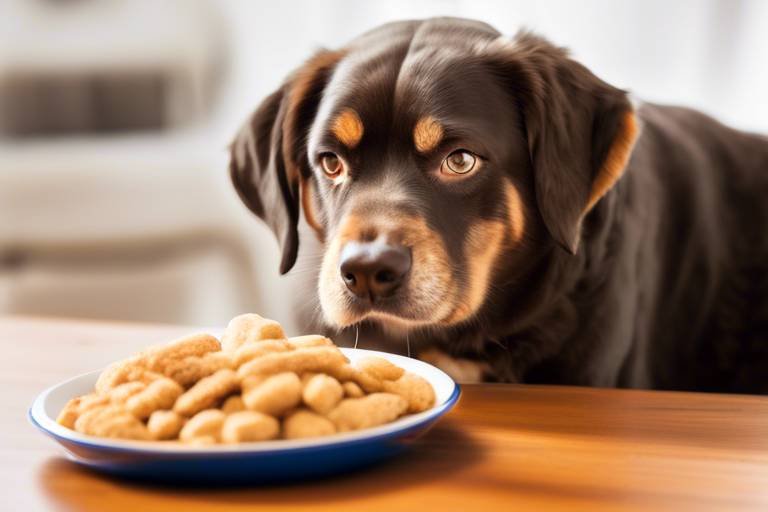
As pet owners, we all want our furry companions to thrive, and that includes enjoying their meals. However, food aversions can pose a significant challenge, leaving both pets and their owners frustrated. Imagine the heartache when your beloved pet turns their nose up at their favorite dish, or worse, refuses to eat altogether. This article explores effective strategies and tips for pet owners to assist their furry companions in overcoming food aversions, ensuring a healthier and happier eating experience for their pets.
Food aversions in pets can stem from various causes, and recognizing these triggers is essential for addressing the issue effectively. Just like humans, pets can develop strong dislikes for certain foods, often due to a negative experience or an underlying health issue. Understanding the root of the problem is the first step towards helping your pet regain their appetite and enjoy mealtime once again.
Common signs of food aversions include refusal to eat, changes in behavior, and weight loss. Observing these symptoms can help you understand your pet’s relationship with food better. For instance, if your dog suddenly turns away from their bowl, it could signal a deeper issue. Paying attention to these cues is crucial for timely intervention.
Pets may exhibit unusual behaviors when experiencing food aversions, such as hiding or becoming aggressive during mealtime. Identifying these behaviors can guide you in addressing their food-related issues. For example, a once-friendly cat might become defensive when you approach their food bowl. This change can be alarming, but it often stems from an aversion to their current food.
Stressful situations, such as changes in environment or routine, can contribute to food aversions. Understanding these factors can help create a more comfortable mealtime atmosphere for your pet. If you recently moved or introduced a new family member, your pet might need some time to adjust. Creating a calm feeding space can alleviate some of their anxiety.
If a pet has had a negative experience with a specific food, it may develop an aversion. Recognizing this can assist in finding alternative food options. For example, if your dog once got sick after eating a particular brand, they might associate that food with discomfort. Being mindful of these experiences can help you choose foods that your pet will be more willing to try.
Sometimes, food aversions can be linked to underlying health problems. Consulting a veterinarian is crucial in determining if health issues are affecting your pet’s appetite. Conditions such as dental disease or gastrointestinal problems can make eating painful or uncomfortable. Don’t hesitate to seek professional advice if you notice concerning changes in your pet’s eating habits.
Selecting high-quality, palatable food can make a significant difference for pets with food aversions. Exploring different brands and formulations may help find the right fit for your pet. Consider their preferences when choosing food; some pets might prefer wet food over dry, or vice versa. It’s all about trial and error to discover what excites their taste buds!
Introducing new foods gradually can ease the transition for pets. Mixing the new food with their current diet can help them adapt without feeling overwhelmed. Start with a 75-25% ratio of their old food to new food, then slowly increase the new food over a week or so. This method can help prevent any digestive upsets and make your pet more receptive to the change.
Experimenting with different textures and flavors can entice pets to try new foods. Understanding your pet’s preferences can lead to a more enjoyable eating experience. For example, if your dog loves crunchy treats, incorporating some crunchy kibble might make the new food more appealing. Don’t be afraid to get creative—mixing in some broth or a splash of water can add flavor and excitement to their meals!
A calm and positive mealtime atmosphere can encourage pets to eat. Reducing distractions and providing a comfortable space can help alleviate food aversions. Make sure their feeding area is quiet and free from stressors. Consider using calming music or a cozy blanket to make the space inviting.
Establishing a consistent feeding routine can help pets feel secure and more willing to eat. Creating a predictable schedule is beneficial in combating food aversions. Pets thrive on routine, and knowing when to expect their meals can make them more enthusiastic about eating.
Using treats and praise can encourage pets to try new foods. Positive reinforcement techniques can help build a healthier relationship with food over time. Whenever your pet shows interest in their food, shower them with praise or a small treat. This creates a positive association with mealtime, making them more likely to eat.
- What are the common causes of food aversions in pets? Food aversions can be caused by stress, negative past experiences, or health-related issues.
- How can I tell if my pet has a food aversion? Symptoms include refusal to eat, behavioral changes, and noticeable weight loss.
- Is it safe to change my pet’s food suddenly? It’s best to introduce new food gradually to prevent digestive issues.
- Should I consult a vet for my pet’s food aversion? Yes, consulting a veterinarian is important to rule out any underlying health problems.
Understanding Food Aversions
This article explores effective strategies and tips for pet owners to assist their furry companions in overcoming food aversions, ensuring a healthier and happier eating experience for their pets.
Food aversions in pets can be a perplexing issue for many pet owners. It’s not just about being picky; there’s often a deeper reason behind it. Understanding what triggers these aversions is crucial for ensuring that your pet receives the nutrition they need. Just like us, pets can develop preferences or dislikes that stem from various experiences or conditions. It’s essential to consider the emotional and physical factors that may be at play.
Common causes of food aversions can include:
- Stressful Experiences: Just like how a bad restaurant meal can turn you off a specific cuisine, pets can associate certain foods with negative experiences. This could be anything from a vet visit to a sudden change in their environment.
- Health Issues: Sometimes, underlying health problems can cause a pet to shy away from food. If they associate eating with discomfort, they might refuse to eat altogether.
- Changes in Routine: Pets thrive on routine. If their feeding schedule changes or if there are new people or pets in the house, they may become anxious and refuse to eat.
Recognizing these triggers is the first step in addressing food aversions effectively. For instance, if your pet has recently had a negative experience with a specific food, it’s important to identify that and find alternatives. A pet’s relationship with food can be very complex, and understanding the emotional aspect can help you create a more positive mealtime experience.
Moreover, it’s essential to observe how your pet interacts with their food. Are they hesitant? Do they sniff and walk away? These behaviors can provide insights into their feelings about food. If you notice such signs, it might be time to rethink their diet and approach to feeding. Consulting with a veterinarian can also provide valuable guidance, especially if you suspect health-related issues are influencing their eating habits.
In summary, understanding food aversions in pets requires a holistic approach. By considering the emotional, physical, and environmental factors, you can help your furry friend overcome their aversions and enjoy a healthier, happier eating experience.
Common signs of food aversions include refusal to eat, changes in behavior, and weight loss. Observing these symptoms can help you understand your pet’s relationship with food better.
Pets may exhibit unusual behaviors when experiencing food aversions, such as hiding or becoming aggressive during mealtime. Identifying these behaviors can guide you in addressing their food-related issues.
Stressful situations, such as changes in environment or routine, can contribute to food aversions. Understanding these factors can help create a more comfortable mealtime atmosphere for your pet.
If a pet has had a negative experience with a specific food, it may develop an aversion. Recognizing this can assist in finding alternative food options.
Sometimes, food aversions can be linked to underlying health problems. Consulting a veterinarian is crucial in determining if health issues are affecting your pet’s appetite.
Selecting high-quality, palatable food can make a significant difference for pets with food aversions. Exploring different brands and formulations may help find the right fit for your pet.
Introducing new foods gradually can ease the transition for pets. Mixing the new food with their current diet can help them adapt without feeling overwhelmed.
Experimenting with different textures and flavors can entice pets to try new foods. Understanding your pet’s preferences can lead to a more enjoyable eating experience.
A calm and positive mealtime atmosphere can encourage pets to eat. Reducing distractions and providing a comfortable space can help alleviate food aversions.
Establishing a consistent feeding routine can help pets feel secure and more willing to eat. Creating a predictable schedule is beneficial in combating food aversions.
Using treats and praise can encourage pets to try new foods. Positive reinforcement techniques can help build a healthier relationship with food over time.
Q: What should I do if my pet refuses to eat?
A: Start by observing their behavior, and consider any recent changes in their environment. Consult your veterinarian if the refusal persists.
Q: Can stress really affect my pet’s appetite?
A: Absolutely! Just like humans, pets can lose their appetite due to stress. Identifying and alleviating stressors can help.
Q: How can I introduce new food to my pet?
A: Gradually mix the new food with their current diet over several days to help them adjust without feeling overwhelmed.
Identifying Symptoms
Identifying symptoms of food aversions in pets is crucial for ensuring their health and happiness. When your furry friend suddenly turns their nose up at their favorite meal, it can be concerning. You might wonder, “Is it just a phase, or is something more serious going on?” Understanding the signs of food aversion can help you address the issue promptly and effectively. Common indicators include a refusal to eat, noticeable changes in behavior, and even weight loss. If your pet is consistently skipping meals, it’s time to take a closer look at their eating habits.
One of the first symptoms to watch for is refusal to eat. If your pet has always been a food lover and suddenly starts ignoring their bowl, this could signal a deeper issue. It’s not just about being picky; it might be a sign of discomfort or distress related to their food. Additionally, changes in behavior can manifest in various ways. For instance, your pet may become withdrawn or anxious during mealtime. Have you noticed them hiding away or acting defensive around their food? These behavioral changes can be a cry for help, indicating that something isn’t right.
Another significant symptom to keep an eye on is weight loss. If your pet is not consuming enough food, their weight will likely drop. This can lead to a host of health problems, so it’s essential to monitor their weight regularly. You might consider keeping a log of their weight over time to spot any concerning trends. If you notice a consistent decline, it’s time to consult a veterinarian.
Moreover, it’s essential to consider the context of these symptoms. For example, if your pet has recently experienced a stressful event—like moving to a new home or a change in routine—this could also contribute to their food aversion. Stress can play a significant role in a pet’s eating habits, making them more sensitive to mealtime changes. Understanding the broader picture can help you address the root cause of their aversion.
In summary, being vigilant about your pet’s eating habits and behaviors is vital. If you notice any of these symptoms, it’s crucial to act quickly. Providing a safe and comfortable environment, along with a little patience, can go a long way in helping your pet overcome food aversions. Remember, you know your pet best, so trust your instincts and don’t hesitate to seek professional guidance if needed.
- What should I do if my pet refuses to eat? Start by observing their behavior and any changes in their environment. If the refusal persists, consult a veterinarian.
- Can food aversions be temporary? Yes, food aversions can be temporary, often linked to stress or changes in routine. Monitoring your pet closely can help determine this.
- How can I encourage my pet to eat? Experiment with different foods, textures, and flavors. Gradually introduce new foods and create a positive mealtime atmosphere.
- When should I be concerned about my pet’s eating habits? If your pet shows signs of weight loss, persistent refusal to eat, or behavioral changes, it’s essential to consult a veterinarian.
Behavioral Changes
When it comes to our furry friends, their behavior can speak volumes about their emotional and physical well-being. If your pet is experiencing food aversions, you might notice some unusual behavioral changes during mealtime. For instance, some pets may start hiding when it’s time to eat, as if they’re trying to escape a situation they find uncomfortable. Others might display aggression, not just towards their food but even towards you when you try to offer it. It’s as if they’re saying, “I don’t want this! Back off!” Understanding these behaviors is crucial in addressing their food-related issues.
It’s important to observe your pet closely. Are they sniffing their food and then walking away? This could indicate a deeper issue. Additionally, you might find them pacing around or showing signs of anxiety, such as whining or excessive licking. These behaviors can be distressing not only for the pet but also for you as a concerned owner. Think of it like a child refusing to eat their vegetables; it’s often not just about the food itself but rather a combination of factors that lead to this aversion.
In some cases, pets may even develop a routine of refusing food altogether, which can lead to a cycle of negative reinforcement. If they learn that refusing food gets them more attention (even if it’s negative), they might continue the behavior. To help break this cycle, it’s essential to create a calm and inviting environment during mealtime. Consider the following strategies:
- Ensure the feeding area is quiet and free from distractions.
- Maintain a consistent feeding schedule to foster a sense of security.
- Be patient and allow your pet to approach their food at their own pace.
By being attentive to these behavioral changes and implementing thoughtful strategies, you can help your pet navigate their food aversions more effectively. Remember, it’s all about building trust and creating a positive association with mealtime. After all, a happy pet is a healthy pet!
Q1: What are some common signs of food aversions in pets?
A1: Common signs include refusal to eat, changes in behavior, and noticeable weight loss. Pets may also exhibit anxiety or aggression during mealtime.
Q2: Can stress contribute to food aversions?
A2: Yes, stressful situations like changes in environment or routine can lead to food aversions. It’s important to identify and minimize these stressors.
Q3: Should I consult a veterinarian if my pet refuses to eat?
A3: Absolutely! Consulting a veterinarian is crucial to rule out any underlying health issues that may be affecting your pet’s appetite.
Q4: How can I encourage my pet to try new foods?
A4: Gradually introducing new foods, experimenting with different textures and flavors, and using positive reinforcement can help encourage your pet to try new meals.
Stress Factors
Understanding the impact of on your pet’s eating habits is crucial for addressing food aversions effectively. Just like humans, pets can experience stress that affects their appetite and overall well-being. Common stressors include changes in their environment, such as moving to a new home, the arrival of a new family member (whether it’s a human or another pet), or even loud noises like thunderstorms or fireworks. These situations can create a sense of unease, making your furry friend reluctant to eat.
Moreover, routine changes can significantly impact your pet’s behavior. For example, if your usual feeding time is disrupted or if you switch up their feeding location, it might lead to confusion and anxiety. Pets thrive on consistency, and any deviation from their normal routine can result in them developing a food aversion. Consider this: if you were suddenly served a dish you didn’t like in an unfamiliar setting, would you feel comfortable eating it? The same logic applies to our pets.
Another critical aspect to consider is the emotional state of your pet. Animals can pick up on their owner’s stress levels, which can inadvertently affect their eating habits. If you’re feeling anxious or upset, your pet may mirror those emotions. It’s essential to create a calm atmosphere during mealtimes, as this can help alleviate their stress and encourage them to eat. Try to establish a peaceful environment by minimizing distractions, such as loud noises or other pets vying for attention during feeding time.
In some cases, pets may also develop food aversions due to previous negative experiences associated with mealtime. For instance, if a pet was frightened during a feeding session—perhaps due to a sudden loud noise or an aggressive encounter with another animal—they may start to associate that fear with their food. Recognizing these triggers is vital. If your pet has a history of traumatic experiences, it may take extra time and patience to help them feel comfortable with their food again.
Ultimately, understanding these stress factors and their effects on your pet’s eating behavior can lead to effective strategies to help them overcome food aversions. By creating a supportive environment and being mindful of their emotional and physical surroundings, you can foster a healthier relationship between your pet and their food.
- What are some common stress factors that affect my pet’s eating habits?
Common stress factors include changes in environment, routine disruptions, loud noises, and the emotional state of the pet owner.
- How can I create a calming mealtime environment for my pet?
To create a calming environment, minimize distractions, stick to a routine, and ensure your pet feels safe and secure during feeding times.
- Can previous negative experiences with food lead to aversions?
Yes, if a pet has had a negative experience related to food, it can develop an aversion to that food, making it essential to identify and address those triggers.
Previous Negative Experiences
Just like us, our furry friends can have their own traumatic experiences that shape their relationship with food. Imagine a scenario where a dog is fed a particular brand of kibble, only to find out that it made them sick. The next time that food is presented, their instinctual reaction is to shy away from it, almost as if they were recalling a bad memory. This phenomenon is known as a food aversion, and it can be particularly challenging for pet owners.
Recognizing that a pet’s aversion might stem from a previous negative experience is crucial. For instance, if a cat had a bad reaction to a specific type of fish, it might refuse to eat anything that smells like it. This can lead to a cycle of unhealthy eating habits and nutritional deficiencies. To help your pet overcome these aversions, it’s essential to approach the situation with patience and understanding.
Here are some common scenarios that may contribute to food aversions:
- Food poisoning: If a pet has experienced food poisoning, they may associate the food they ate with that unpleasant experience.
- Inconsistent feeding: Switching between different brands or types of food without a gradual transition can confuse pets and lead to negative associations.
- Stressful mealtime situations: If a pet has had a stressful encounter during feeding, such as being scolded or being in a noisy environment, they may develop a reluctance to eat.
To combat these aversions, it’s vital to create a positive mealtime experience. Start by introducing new foods that are different from what caused the aversion. Use enticing flavors and textures that appeal to your pet’s palate. Gradually mix the new food with their current diet to help them adjust without overwhelming them. Over time, this approach can help rebuild their trust in food and encourage them to explore new options.
In summary, understanding your pet’s past experiences with food is paramount in helping them overcome aversions. By being mindful of their feelings and offering gentle encouragement, you can foster a more positive relationship with mealtime. Remember, patience is key! Just like humans, pets need time to heal from their past experiences, and with your support, they can learn to enjoy their meals once again.
Q: How can I tell if my pet has a food aversion?
A: Signs of food aversion include refusal to eat, acting anxious around food, or displaying aggressive behavior during mealtime.
Q: Should I consult a veterinarian if my pet has a food aversion?
A: Yes, it’s always a good idea to consult your veterinarian to rule out any underlying health issues that may be affecting your pet’s appetite.
Q: How long does it take for a pet to overcome a food aversion?
A: The time it takes varies by individual pet. With patience and the right approach, many pets can start to show improvement within a few weeks.
Health-Related Issues
This article explores effective strategies and tips for pet owners to assist their furry companions in overcoming food aversions, ensuring a healthier and happier eating experience for their pets.
Food aversions in pets can stem from various causes. Recognizing these triggers is essential for addressing the issue effectively and ensuring your pet receives proper nutrition.
Common signs of food aversions include refusal to eat, changes in behavior, and weight loss. Observing these symptoms can help you understand your pet’s relationship with food better.
Pets may exhibit unusual behaviors when experiencing food aversions, such as hiding or becoming aggressive during mealtime. Identifying these behaviors can guide you in addressing their food-related issues.
Stressful situations, such as changes in environment or routine, can contribute to food aversions. Understanding these factors can help create a more comfortable mealtime atmosphere for your pet.
If a pet has had a negative experience with a specific food, it may develop an aversion. Recognizing this can assist in finding alternative food options.
Sometimes, food aversions can be linked to underlying health problems. It’s crucial to consult a veterinarian to determine if health issues are affecting your pet’s appetite. Pets, much like humans, can experience a range of health issues that might manifest as a disinterest in food. For instance, dental problems, gastrointestinal disorders, or even infections can lead to discomfort while eating, prompting them to avoid food altogether.
Some common health-related issues that could contribute to food aversions include:
- Dental Disease: Painful gums or tooth decay can make chewing uncomfortable, leading pets to refuse food.
- Gastrointestinal Disorders: Conditions like pancreatitis or inflammatory bowel disease can cause nausea or discomfort after eating.
- Infections: Illnesses, whether viral or bacterial, can drastically change a pet’s appetite.
- Allergies: Food allergies can lead to adverse reactions, making pets wary of certain foods.
If you notice your pet showing signs of food aversion, it’s essential to look for other symptoms that could indicate a health issue. These may include lethargy, vomiting, diarrhea, or changes in behavior. A thorough examination by a veterinarian can help pinpoint the problem. They may suggest diagnostic tests or changes in diet to help your pet feel better.
Selecting high-quality, palatable food can make a significant difference for pets with food aversions. Exploring different brands and formulations may help find the right fit for your pet.
Introducing new foods gradually can ease the transition for pets. Mixing the new food with their current diet can help them adapt without feeling overwhelmed.
Experimenting with different textures and flavors can entice pets to try new foods. Understanding your pet’s preferences can lead to a more enjoyable eating experience.
A calm and positive mealtime atmosphere can encourage pets to eat. Reducing distractions and providing a comfortable space can help alleviate food aversions.
Establishing a consistent feeding routine can help pets feel secure and more willing to eat. Creating a predictable schedule is beneficial in combating food aversions.
Using treats and praise can encourage pets to try new foods. Positive reinforcement techniques can help build a healthier relationship with food over time.
Q: What should I do if my pet refuses to eat?
A: Start by observing their behavior and check for any health issues. Consult your veterinarian if the refusal continues.
Q: Can stress really affect my pet’s appetite?
A: Absolutely! Changes in environment or routine can lead to stress, which may cause food aversions.
Q: How can I tell if my pet has a food allergy?
A: Look for symptoms like itching, gastrointestinal upset, or unusual behavior after eating. A vet can help diagnose allergies.
Q: Is it okay to mix different types of food?
A: Yes, mixing can help transition your pet to new food gradually, but be sure to do it slowly to avoid digestive upset.
Choosing the Right Food
When it comes to helping your pet overcome food aversions, one of the most crucial steps is . It’s not just about filling their bowl; it’s about finding a meal that excites their taste buds and meets their nutritional needs. Just like us, pets can be picky, and sometimes they need a little extra nudge to try something new. So, what should you look for?
First, consider the quality of the ingredients. High-quality, premium pet foods often contain real meat, wholesome grains, and fresh vegetables, which not only make the food more palatable but also provide essential nutrients. You wouldn’t want to eat something that doesn’t taste good, right? The same goes for your furry friend! Look for foods that list a specific protein source, like chicken or beef, as the first ingredient. Avoid products with vague terms like “meat by-products” or “animal digest,” as they can be less appealing and nutritious.
Next, think about your pet’s specific needs. Is your pet a puppy or kitten? An active adult? Or perhaps a senior with specific health concerns? Each life stage and lifestyle requires different nutritional profiles. For example, puppies need higher protein and fat levels to support their growth, while seniors might benefit from lower calories and added joint support. To make things easier, here’s a quick comparison table:
| Life Stage | Key Nutrients | Considerations |
|---|---|---|
| Puppy | High protein, fat | Growth support, energy |
| Adult | Balanced diet | Weight maintenance |
| Senior | Lower calories, joint support | Health issues, mobility |
Another critical factor is palatability. This is where experimenting comes into play. Some pets might prefer dry kibble, while others might be more inclined toward wet food. If your pet has been avoiding their meals, try mixing in a bit of wet food with the dry, or even consider adding some low-sodium broth to make it more enticing. It’s like turning a boring meal into a gourmet feast!
Additionally, don’t shy away from flavor variations. Pets can be like children when it comes to food; they may love chicken one day and completely turn their noses up at it the next. Introducing a variety of flavors can keep mealtime exciting. You might want to rotate between different proteins, such as fish, turkey, or lamb, to see what your pet enjoys most. Just make sure to introduce new flavors gradually to avoid upsetting their stomach.
Finally, always consult with your veterinarian when making significant changes to your pet’s diet. They can provide insights tailored to your pet’s unique health needs and help you navigate any food aversions effectively. After all, a happy pet is a healthy pet, and finding the right food is a big part of that equation!
Gradual Introduction
This article explores effective strategies and tips for pet owners to assist their furry companions in overcoming food aversions, ensuring a healthier and happier eating experience for their pets.
Food aversions in pets can stem from various causes. Recognizing these triggers is essential for addressing the issue effectively and ensuring your pet receives proper nutrition.
Common signs of food aversions include refusal to eat, changes in behavior, and weight loss. Observing these symptoms can help you understand your pet’s relationship with food better.
Pets may exhibit unusual behaviors when experiencing food aversions, such as hiding or becoming aggressive during mealtime. Identifying these behaviors can guide you in addressing their food-related issues.
Stressful situations, such as changes in environment or routine, can contribute to food aversions. Understanding these factors can help create a more comfortable mealtime atmosphere for your pet.
If a pet has had a negative experience with a specific food, it may develop an aversion. Recognizing this can assist in finding alternative food options.
Sometimes, food aversions can be linked to underlying health problems. Consulting a veterinarian is crucial in determining if health issues are affecting your pet’s appetite.
Selecting high-quality, palatable food can make a significant difference for pets with food aversions. Exploring different brands and formulations may help find the right fit for your pet.
When it comes to introducing new food to a pet with food aversions, a gradual approach is often the best strategy. Imagine trying a new dish that’s completely different from what you’re used to; it can be overwhelming! Just like humans, pets need time to adjust to new flavors and textures. Start by mixing a small amount of the new food with their current diet. This way, they can slowly become accustomed to the taste without feeling pressured. A good rule of thumb is to begin with a ratio of about 75% old food to 25% new food.
Over the course of several days, you can gradually increase the proportion of the new food while decreasing the old food. This gradual transition helps to prevent digestive upset and allows your pet to explore the new food at their own pace. Keep an eye on their reaction during this process; if they seem hesitant or refuse to eat, consider slowing down the introduction or trying a different flavor or texture.
Here’s a simple table to illustrate how you can transition your pet’s food:
| Day | Old Food (%) | New Food (%) |
|---|---|---|
| 1-2 | 75 | 25 |
| 3-4 | 50 | 50 |
| 5-6 | 25 | 75 |
| 7+ | 0 | 100 |
Remember, patience is key! Every pet is unique, and some may take longer to adjust than others. Keep the experience positive by offering praise or a small treat when they show interest in the new food. This positive reinforcement can go a long way in helping your furry friend embrace their new diet.
A calm and positive mealtime atmosphere can encourage pets to eat. Reducing distractions and providing a comfortable space can help alleviate food aversions.
Establishing a consistent feeding routine can help pets feel secure and more willing to eat. Creating a predictable schedule is beneficial in combating food aversions.
Using treats and praise can encourage pets to try new foods. Positive reinforcement techniques can help build a healthier relationship with food over time.
- Q: How long does it take for a pet to adjust to new food?
A: It can vary, but generally, a gradual introduction over a week or two is recommended. - Q: What should I do if my pet refuses to eat the new food?
A: If your pet refuses to eat, try reducing the amount of new food and mixing in their favorite treats or flavors to entice them. - Q: Can stress affect my pet’s eating habits?
A: Absolutely! Changes in environment, routine, or even family dynamics can impact your pet’s appetite.
Texture and Flavor Variations
When it comes to enticing your pet to eat, can play a pivotal role. Just like humans, pets have their own unique preferences when it comes to what they like to eat. Some might prefer crunchy kibble, while others may lean towards soft, moist food. Understanding these preferences can be the key to overcoming food aversions and ensuring your furry friend enjoys mealtime.
Start by experimenting with different textures. For instance, if your pet usually eats dry kibble, consider introducing wet food or a mix of both. This can create a more appealing meal that captures their interest. You might be surprised to find that a simple change in texture can ignite your pet’s appetite. Additionally, you could try adding warm water or low-sodium broth to dry food, making it more palatable and aromatic.
Flavor is another essential factor. Pets often gravitate towards certain flavors, whether it’s chicken, beef, or fish. If your pet has developed an aversion to a specific food, try switching to a different flavor profile. Offering a variety of flavors can entice your pet to explore new options. Here’s a quick guide to some popular flavors and their appeal:
| Flavor | Appeal |
|---|---|
| Chicken | Most pets love the taste and smell, making it a safe choice. |
| Beef | Rich and hearty, great for pets who enjoy robust flavors. |
| Fish | Highly palatable and often rich in omega-3 fatty acids, beneficial for health. |
| Lamb | A unique flavor that can be appealing for pets with allergies to common proteins. |
Don’t hesitate to mix things up! You can combine different foods to create a custom meal that caters to your pet’s taste buds. For example, mixing a favorite flavor with a new one can help ease your pet into trying something different. Just remember to introduce new flavors gradually to avoid overwhelming them.
Ultimately, the goal is to create a positive and enjoyable eating experience. By paying attention to your pet’s texture and flavor preferences, you can significantly improve their relationship with food. It’s all about trial and error, so be patient and keep experimenting until you find the perfect combination that makes your pet excited for mealtime.
- What should I do if my pet refuses to eat altogether? If your pet refuses to eat for more than a day, it’s best to consult your veterinarian to rule out any underlying health issues.
- How long should I give my pet to adjust to a new food? Allow at least 7-10 days for your pet to adjust to a new food, gradually mixing it with their current diet.
- Can I mix wet and dry food? Yes! Mixing wet and dry food can enhance flavor and texture, making meals more appealing to your pet.
- Is it okay to feed my pet human food? Some human foods are safe for pets, but always check with your veterinarian first to avoid harmful ingredients.
Creating a Positive Mealtime Environment
Creating a positive mealtime environment for your pet is crucial in helping them overcome food aversions. Imagine sitting down for a meal in a noisy, chaotic setting; it’s hard to enjoy your food, right? The same goes for our furry friends. A calm and inviting atmosphere can make all the difference. Start by choosing a quiet spot in your home where your pet can eat without distractions. This could be in a corner of the kitchen or a cozy nook away from the hustle and bustle of daily life. The goal is to create a serene space that promotes relaxation.
Another essential aspect is the feeding area. Ensure it’s clean and comfortable. A designated feeding mat can help define the space and make it feel special for your pet. You might even consider using colorful bowls that catch their eye, as pets are often attracted to vibrant colors. Remember, the more inviting the setup, the more likely your pet will feel comfortable and willing to eat.
Moreover, it’s important to reduce distractions during mealtime. This means turning off the TV, silencing phones, and keeping other pets at bay. If your pet feels threatened or anxious due to noise or the presence of other animals, they may refuse to eat. You can also create a routine around mealtime. Animals thrive on consistency, so feeding your pet at the same times each day can help establish a sense of security. This predictability can ease anxiety and make your pet more willing to approach their food.
In addition to a calm environment, consider incorporating positive reinforcement techniques. When your pet shows interest in their food, even if it’s just sniffing it, shower them with praise or a small treat. This will create a positive association with mealtime and encourage them to eat. Over time, these small gestures can help build a healthier relationship with food.
Finally, be patient. Changing a pet’s eating habits doesn’t happen overnight. It requires time, love, and understanding. If you notice your pet still struggling despite your efforts, it may be helpful to consult a veterinarian for further advice. They can provide tailored recommendations based on your pet’s specific needs and health status, ensuring that your furry companion enjoys a happier and healthier eating experience.
- What should I do if my pet refuses to eat entirely?
If your pet refuses to eat for more than 24 hours, it’s essential to consult a veterinarian. They can rule out any underlying health issues. - Can I mix different types of food to entice my pet?
Yes! Mixing wet and dry food or adding a little broth can make meals more appealing. - How long does it take for a pet to adjust to a new feeding routine?
Every pet is different, but most will start to adjust within a few days to a couple of weeks.
Routine and Consistency
This article explores effective strategies and tips for pet owners to assist their furry companions in overcoming food aversions, ensuring a healthier and happier eating experience for their pets.
Food aversions in pets can stem from various causes. Recognizing these triggers is essential for addressing the issue effectively and ensuring your pet receives proper nutrition.
Common signs of food aversions include refusal to eat, changes in behavior, and weight loss. Observing these symptoms can help you understand your pet’s relationship with food better.
Pets may exhibit unusual behaviors when experiencing food aversions, such as hiding or becoming aggressive during mealtime. Identifying these behaviors can guide you in addressing their food-related issues.
Stressful situations, such as changes in environment or routine, can contribute to food aversions. Understanding these factors can help create a more comfortable mealtime atmosphere for your pet.
If a pet has had a negative experience with a specific food, it may develop an aversion. Recognizing this can assist in finding alternative food options.
Sometimes, food aversions can be linked to underlying health problems. Consulting a veterinarian is crucial in determining if health issues are affecting your pet’s appetite.
Selecting high-quality, palatable food can make a significant difference for pets with food aversions. Exploring different brands and formulations may help find the right fit for your pet.
Introducing new foods gradually can ease the transition for pets. Mixing the new food with their current diet can help them adapt without feeling overwhelmed.
Experimenting with different textures and flavors can entice pets to try new foods. Understanding your pet’s preferences can lead to a more enjoyable eating experience.
A calm and positive mealtime atmosphere can encourage pets to eat. Reducing distractions and providing a comfortable space can help alleviate food aversions.
Establishing a consistent feeding routine can help pets feel secure and more willing to eat. Just like humans, pets thrive on predictability. When they know what to expect, it can alleviate anxiety around mealtime. Here are some strategies to promote routine and consistency:
- Set Fixed Meal Times: Feed your pet at the same times each day. This helps them anticipate when they will eat, creating a sense of security.
- Limit Snacking: Avoid giving your pet snacks between meals. This encourages them to eat their main meals and helps regulate their appetite.
- Stay Calm: Your energy affects your pet. Approach mealtime with a calm demeanor to help your pet feel relaxed.
Moreover, consistency in the type of food you offer can also play a significant role. Switching their food too frequently can lead to confusion and further aversions. Instead, try to stick with a specific brand and flavor for a while before introducing any changes. Remember, patience is key! Just like building a new habit, it might take time for your furry friend to adjust to a routine.
Using treats and praise can encourage pets to try new foods. Positive reinforcement techniques can help build a healthier relationship with food over time.
It can vary from pet to pet, but generally, it may take a few days to a couple of weeks for them to adjust to a new routine. Consistency is key!
If your pet refuses to eat, consult your veterinarian to rule out any underlying health issues. You may also need to reintroduce the previous food gradually.
Absolutely! Just like us, pets can experience stress due to changes in their environment or routine, which can lead to food aversions.
Yes! Pets can have specific preferences for flavors and textures, so it’s essential to pay attention to what they enjoy.
Positive Reinforcement
When it comes to helping your furry friend overcome food aversions, is one of the most effective strategies you can employ. Imagine this: your pet is hesitant to try a new food, and instead of forcing it down their throat, you create a fun and rewarding experience around mealtime. This approach not only makes eating more enjoyable for your pet but also builds a stronger bond between the two of you. By associating food with positive experiences, your pet will be more inclined to give it a go!
The key here is to use treats, praise, and even some playful interaction to encourage your pet to explore new foods. For instance, when you introduce a new brand of kibble, try offering a small portion alongside their favorite treats. This way, they can still enjoy something they love while being gently nudged to sample the new offering. It’s like a culinary adventure for them! Just think of it as a fun game where every bite earns them a little reward.
Additionally, timing is everything. You want to catch your pet in the act of trying the new food and then shower them with praise. Use a cheerful tone and maybe even a little dance to show your excitement. This can be as simple as saying, “Good job!” or “Yummy!” when they take a bite. Over time, your pet will start to associate eating with positive feelings, making them more open to trying different foods. Remember, consistency is crucial here; the more often you reinforce this behavior, the more ingrained it will become.
Another effective method is to create a mealtime ritual that your pet can look forward to. For example, you might set a specific time for meals and always serve them in the same spot. This routine helps your pet feel secure and can reduce anxiety around food. You might even consider incorporating a special dish or bowl that they only see during mealtime. This little trick can make mealtime feel like a celebration!
To sum it up, positive reinforcement is all about creating a joyful atmosphere around food. By rewarding your pet for trying new things and celebrating their successes, you can help them overcome food aversions and develop a healthier relationship with their meals. Remember, patience is key; it might take some time for your pet to fully embrace new foods, but with love and encouragement, you’ll get there together!
- What should I do if my pet refuses to eat any food?
If your pet refuses to eat, it’s essential to consult a veterinarian to rule out any underlying health issues. Sometimes, a simple change in diet or feeding routine can make a world of difference.
- How long does it take for a pet to overcome food aversions?
The time it takes can vary greatly from pet to pet. Some may adapt quickly, while others might need weeks or even months of gentle encouragement. Patience and consistency are vital.
- Can I use human food as a reward?
Yes, but be cautious! Some human foods are unsafe for pets. Stick to pet-safe treats or small amounts of cooked meats or vegetables. Always check with your vet first.
Frequently Asked Questions
- What are the common causes of food aversions in pets?
Food aversions in pets can arise from various triggers, including stress, changes in their environment, previous negative experiences with certain foods, or underlying health issues. It’s essential to observe your pet’s behavior and consult a veterinarian if necessary to understand the root cause.
- How can I tell if my pet has a food aversion?
Common symptoms of food aversions include refusal to eat, noticeable changes in behavior during mealtime, and potential weight loss. If your pet is hiding, becoming aggressive, or showing reluctance to eat their food, these could be signs of a food aversion.
- What should I do if my pet refuses to eat?
If your pet refuses to eat, start by examining their environment for stress factors or changes in routine. Gradually introduce new foods and try different textures and flavors to entice them. If the issue persists, a visit to the veterinarian is advisable to rule out any health-related concerns.
- How can I introduce new food to my pet?
To introduce new food, mix it gradually with your pet’s current diet. Start with a small amount of the new food and increase it slowly over several days. This approach helps your pet adjust without feeling overwhelmed by the change.
- What type of food is best for pets with food aversions?
Selecting high-quality, palatable food is crucial. Look for brands that offer various flavors and textures. Experimenting with different formulations can help you find the right fit for your pet’s taste preferences.
- How can I create a positive mealtime environment for my pet?
To create a positive mealtime atmosphere, ensure a calm and distraction-free space. Establish a consistent feeding routine to help your pet feel secure and more willing to eat. Using positive reinforcement, such as treats and praise, can also encourage your pet to try new foods.
- Is it normal for pets to have food aversions?
Yes, food aversions can be quite common among pets. They can develop for various reasons, and with the right strategies and patience, many pets can overcome these aversions and enjoy a healthier relationship with food.
pet diet, food aversion, gradual introduction, positive reinforcement, tasty alternatives, feeding schedule, veterinary advice, behavioral training, , pet diet, food aversion, gradual introduction, positive reinforcement, tasty alternatives, feeding schedule, veterinary advice, behavioral training,
Share this content:
Leave a Reply