
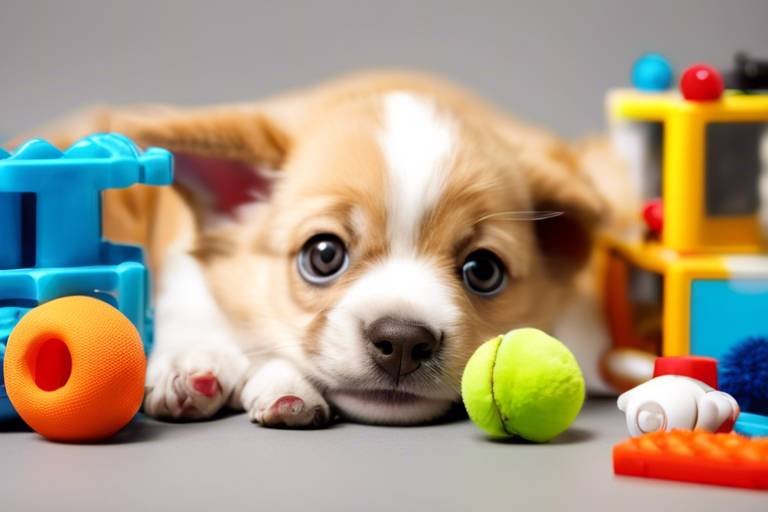
Choosing the right toys for your pet isn’t just about fun and games; it’s a matter of safety and well-being. Just like we wouldn’t give a child a toy that could harm them, we need to be equally vigilant when it comes to our furry friends. The right toys can provide mental stimulation, physical exercise, and a great outlet for their natural instincts. However, the wrong toys can lead to serious health issues and even accidents. So, how do you navigate this maze of options and ensure that your pet’s playtime is both enjoyable and safe? Let’s dive into the essential tips and guidelines that will help you select the safest toys for your beloved pets.
To make informed choices, it’s crucial to understand the safety standards that pet toys must meet. These standards encompass a variety of factors, including the materials used, the construction quality, and proper labeling. For instance, toys should be made from non-toxic materials that won’t harm your pet if chewed or ingested. Always look for toys that have been tested and certified by reputable organizations. This knowledge empowers pet owners to steer clear of harmful products and choose toys that contribute positively to their pet’s health and happiness.
As pet owners, we often overlook the potential dangers lurking in the toys we buy. Many toys contain toxic materials that can be harmful to our pets. Understanding these risks is crucial for safeguarding your pet’s health. Common culprits include certain plastics and chemicals that can leach into your pet’s system. Being aware of these toxic materials can help you make better choices when shopping for toys.
Some of the most common toxic substances found in pet toys include:
- Lead: This heavy metal can cause severe health issues, including neurological damage.
- Phthalates: Often used to soften plastics, these chemicals have been linked to hormonal disruptions.
- BPA: Found in many plastic products, BPA can interfere with your pet’s endocrine system.
Recognizing these substances is key to ensuring your pet’s safety. Always check labels and do your research before purchasing any toy.
Even with the best intentions, accidents can happen. It’s essential to be vigilant and recognize the signs of toxic exposure in pets. Symptoms may include:
- Vomiting: One of the most common signs of poisoning.
- Lethargy: If your pet seems unusually tired or sluggish, it could be a red flag.
- Behavioral changes: Sudden shifts in your pet’s behavior could indicate discomfort or illness.
Early recognition of these symptoms can lead to prompt veterinary care, potentially saving your pet’s life.
When it comes to choosing toys, opt for non-toxic alternatives made from safe materials. Look for brands that emphasize their commitment to safety and use organic or natural materials. This way, you can ensure your pet can play without the risk of harmful exposure. Remember, just because a toy looks fun doesn’t mean it’s safe!
Durability is another critical factor when selecting toys for your pet. A durable toy can withstand rough play, reducing the risk of choking hazards from broken pieces. Always consider your pet’s play style; for instance, a heavy chewer will require sturdier toys than a gentle nibbler. Investing in high-quality toys can save you money in the long run and keep your pet safe.
Selecting the appropriate size toy for your pet is vital. Toys that are too small can pose choking hazards, while oversized toys may be difficult for them to handle. Always consider your pet’s size and breed when shopping for toys. The right fit will not only enhance playtime but also ensure your pet’s safety.
Here are some general size guidelines to help you choose the right toy:
| Pet Size | Recommended Toy Size |
|---|---|
| Small Breeds (e.g., Chihuahuas) | 1-3 inches |
| Medium Breeds (e.g., Beagles) | 3-6 inches |
| Large Breeds (e.g., Labradors) | 6-12 inches |
These guidelines ensure a safer and more enjoyable play experience for your pet.
As your pet grows, their toy needs will change too. Puppies and kittens often outgrow their toys quickly, and what was once safe may become a choking hazard. Regularly assess your pet’s toys and adjust sizes accordingly. This way, you can ensure continued safety and engagement with their toys throughout different life stages.
Interactive toys can be a great way to stimulate your pet’s mind while keeping them entertained. However, while they offer many benefits, they also come with potential risks. It’s essential to choose safe options and monitor your pet during playtime to prevent accidents and ensure their safety.
There are various types of interactive toys available on the market, from puzzle toys that challenge your pet’s problem-solving skills to treat dispensers that keep them engaged. These toys can enhance your pet’s playtime experience, providing both mental and physical stimulation.
It’s crucial to supervise your pet while they play with interactive toys. This not only prevents accidents but also allows you to step in if they become frustrated or overly excited. By keeping an eye on your pet, you can ensure they enjoy their interactive toys safely.
Q: How do I know if a toy is safe for my pet?
A: Look for toys made from non-toxic materials, check for safety certifications, and avoid toys with small parts that could pose choking hazards.
Q: Can I wash my pet’s toys?
A: Yes! Regularly cleaning your pet’s toys can help reduce bacteria and keep them safe. Just ensure they are made from materials that can withstand washing.
Q: How often should I replace my pet’s toys?
A: Inspect toys regularly for wear and tear. Replace them when they show signs of damage to prevent choking hazards.
Understanding Pet Toy Safety Standards
When it comes to our furry friends, ensuring their safety during playtime is paramount. Understanding pet toy safety standards is the first step in making informed choices about the toys we bring into our homes. Just like baby toys, pet toys are subject to certain regulations and guidelines designed to protect our pets from harmful materials and construction flaws. These standards often include criteria related to the materials used, the toy’s design, and the labeling that informs pet owners about potential hazards.
One of the primary organizations that set safety standards for pet toys is the American Society for Testing and Materials (ASTM). They provide guidelines that manufacturers must follow to ensure their products are safe for pets. This includes testing for durability, non-toxicity, and the absence of small parts that could pose choking hazards. So, when you’re shopping for a new toy for your pet, look for labels that indicate compliance with ASTM standards or similar certifications.
Additionally, it’s crucial to consider the materials used in pet toys. Many toys are made from a variety of substances, including rubber, fabric, and plastic. However, not all materials are created equal. Some plastics may contain harmful chemicals that can leach into your pet’s system. Therefore, always opt for toys made from non-toxic materials such as natural rubber, organic cotton, or safe synthetic alternatives. Here’s a quick overview of common materials and their safety:
| Material | Safety Rating | Comments |
|---|---|---|
| Natural Rubber | Safe | Durable and non-toxic. |
| Polyethylene Plastic | Safe | Commonly used in chew toys. |
| Vinyl | Potentially Hazardous | Can contain harmful phthalates. |
| Lead-Based Paint | Unsafe | Highly toxic and should be avoided. |
Another aspect to consider is the construction quality of the toy. A well-constructed toy should be able to withstand your pet’s play style without falling apart. Look for toys that are stitched securely or made from a single piece of material, as these are less likely to break and pose a risk. Remember, a durable toy not only lasts longer but also minimizes the chances of your pet swallowing small parts that could break off.
Lastly, always check for labeling on the toys. Labels often contain important safety information, including age recommendations, usage instructions, and warnings about potential hazards. By taking a moment to read these labels, you can ensure that the toy is appropriate for your pet’s size and play style, further enhancing their safety.
In conclusion, understanding pet toy safety standards is essential for every pet owner. By being aware of the materials, construction quality, and proper labeling, you can choose toys that not only entertain your pet but also keep them safe from potential hazards. Remember, a happy pet is a safe pet!
Identifying Toxic Materials
When it comes to keeping our furry friends safe, one of the most crucial steps is in their toys. Many pet owners might not realize that some toys can contain harmful substances that could jeopardize their pet’s health. Understanding these risks is essential for making informed decisions when it comes to selecting playthings for your beloved companions. It’s like being a detective in a world of fun and games, where the wrong choice could lead to serious consequences.
Common toxic materials found in pet toys often include certain types of plastics, chemicals, and even dyes. For example, polyvinyl chloride (PVC) is a material that can release harmful chemicals, especially when chewed on. Additionally, many toys are treated with phthalates, which are used to make plastics more flexible but can disrupt hormonal functions in pets. It’s vital to scrutinize the labels and materials used in the toys you choose. If you see terms like “soft plastic” or “vinyl,” it might be a red flag.
Another notorious culprit is bisphenol A (BPA), which is often found in hard plastics. BPA has been linked to numerous health issues, including reproductive problems and increased cancer risk. By being aware of these materials, you can steer clear of toys that could potentially harm your pet. Always look for toys that are labeled as non-toxic and free from harmful chemicals.
To further assist you in your quest for safe toys, here’s a quick rundown of some common toxic substances you should watch out for:
- Lead: Often found in paints and coatings, lead is extremely toxic and can cause serious health issues.
- Phthalates: These chemicals are used to soften plastics and can interfere with hormonal functions.
- BPA: A chemical commonly found in hard plastics that can disrupt endocrine functions.
Recognizing these substances is key to ensuring your pet’s safety. Always opt for toys that come from reputable manufacturers who prioritize pet safety. When in doubt, doing a little research can go a long way. Look for brands that provide transparency about their materials and manufacturing processes.
Even with the best intentions, sometimes pets can still be exposed to harmful substances. It’s essential to be vigilant and know the signs of toxic exposure. Symptoms can vary, but some common indicators include:
- Vomiting: If your pet suddenly starts vomiting after playing with a new toy, it could be a sign of toxicity.
- Lethargy: Unusual tiredness or lack of energy can indicate that something is wrong.
- Behavioral Changes: If your pet becomes unusually agitated or withdrawn, it’s worth investigating.
Recognizing these signs early can lead to prompt veterinary care, which is crucial for your pet’s well-being. Always trust your instincts; if something feels off, don’t hesitate to consult a vet.
So, how do you ensure your pet is playing with safe toys? Start by selecting non-toxic alternatives made from natural materials. Look for toys made from natural rubber, organic cotton, or hemp. These materials are not only safer but also often more durable than their synthetic counterparts. Furthermore, many brands now offer toys that are specifically labeled as non-toxic and eco-friendly, making it easier for you to make the right choice.
In conclusion, being proactive about identifying toxic materials in pet toys is an essential part of responsible pet ownership. By staying informed and making careful choices, you can help ensure that your pets enjoy their playtime without the risk of harmful exposure. Remember, a little vigilance goes a long way in keeping your furry friends safe and happy!
Q1: How can I tell if a pet toy is safe?
A1: Always check for labels that indicate non-toxic materials and avoid toys made from soft plastics or vinyl. Look for brands that are transparent about their materials.
Q2: What should I do if I suspect my pet has been exposed to toxic materials?
A2: If you notice any symptoms such as vomiting or lethargy, contact your veterinarian immediately for advice.
Q3: Are there specific brands known for safe pet toys?
A3: Yes, many reputable brands focus on creating safe and non-toxic toys. Researching and reading reviews can help you find the best options.
Common Toxic Substances
This article provides essential tips and guidelines for selecting safe toys for your pets, ensuring their health and happiness while preventing potential hazards associated with inappropriate toys.
Learn about the safety standards that pet toys must meet, including materials, construction, and labeling. This knowledge helps pet owners make informed choices and avoid harmful products.
Discover the common toxic materials found in pet toys, such as certain plastics and chemicals. Understanding these risks is crucial for safeguarding your pet’s health.
When it comes to keeping our furry friends safe, being aware of in pet toys is essential. Many toys on the market may seem harmless at first glance, but they can contain hidden dangers. Here are some of the most notorious culprits:
- Lead: Often found in brightly colored toys, lead is a heavy metal that can cause serious health issues, including neurological damage.
- Phthalates: These chemicals are used to make plastics more flexible and durable. However, they have been linked to hormonal disruptions and other health problems in pets.
- BPA (Bisphenol A): Common in hard plastics, BPA can leach into your pet’s system and is associated with various health risks, including reproductive issues.
It’s crucial to check labels and ensure that the toys you choose are free from these harmful substances. The American Society for the Prevention of Cruelty to Animals (ASPCA) recommends looking for toys that are labeled as non-toxic and free from harmful chemicals.
Moreover, some toys may be marketed as “natural” or “eco-friendly,” but it’s essential to do your homework. Not all natural materials are safe, and some can still pose risks. Always opt for reputable brands that prioritize safety in their manufacturing processes.
Being vigilant about the toys your pet plays with is vital, but you should also know the signs of toxic exposure. Symptoms can range from mild to severe and may include:
- Vomiting: If your pet suddenly starts vomiting after playing with a new toy, it could be a sign of toxicity.
- Lethargy: Unusual tiredness or lack of energy can indicate that something is wrong.
- Behavioral Changes: Sudden aggression, anxiety, or other behavioral shifts may also signal exposure to harmful substances.
If you notice any of these symptoms, it’s crucial to seek veterinary care immediately. Early recognition can lead to prompt treatment and a better outcome for your pet.
To keep your pet safe, consider opting for toys made from natural rubber, organic cotton, or untreated wood. These materials are generally safer and less likely to contain harmful chemicals. Additionally, look for toys that are designed specifically for your pet’s size and breed, as this can further minimize risks.
Understand the importance of toy durability when selecting products for your pet. Durable toys can withstand rough play and reduce the risk of choking hazards.
Selecting the appropriate size toy for your pet is vital. Toys that are too small can pose choking hazards, while oversized toys may be difficult for them to handle.
Learn the general size guidelines for choosing toys based on your pet’s breed and size. This ensures a safer and more enjoyable play experience.
Understand how to adjust toy sizes as your pet grows, ensuring continued safety and engagement with their toys throughout different life stages.
Explore the advantages and potential risks of interactive toys for pets. While they can stimulate mental engagement, it’s essential to choose safe options.
Discover various types of interactive toys available on the market, from puzzle toys to treat dispensers, and how they can enhance your pet’s playtime experience.
Learn the importance of supervising your pet during playtime with interactive toys to prevent accidents and ensure their safety while they engage with these stimulating products.
Q: How can I tell if a toy is safe for my pet?
A: Always check for safety certifications, read labels for toxic materials, and choose toys that are appropriate for your pet’s size and breed.
Q: What should I do if my pet shows signs of toxic exposure?
A: Seek veterinary care immediately if you notice symptoms like vomiting, lethargy, or behavioral changes.
Q: Are there specific brands known for safe pet toys?
A: Yes, many reputable brands focus on pet safety. Look for those that provide clear information about their materials and manufacturing processes.
Signs of Toxic Exposure
Recognizing the signs of toxic exposure in your pet is crucial for their health and well-being. Just like us, pets can suffer from various symptoms when they come into contact with harmful substances. It’s essential to be vigilant and aware of these signs to ensure prompt veterinary care if necessary. Some common symptoms to watch for include:
- Vomiting: If your pet suddenly starts vomiting, it could be a sign that they have ingested something toxic.
- Lethargy: A noticeable decrease in energy or enthusiasm for play can indicate that something is wrong.
- Behavioral Changes: Sudden changes in behavior, such as increased aggression or withdrawal, may signal distress or discomfort.
- Diarrhea: Gastrointestinal upset, including diarrhea, can be a direct result of toxic exposure.
- Excessive Drooling: If your pet is drooling more than usual, it might be a sign of nausea or oral irritation.
These symptoms can vary in severity, and not all pets will exhibit the same signs. It’s essential to trust your instincts as a pet owner; if you notice any unusual behavior or physical symptoms, don’t hesitate to consult your veterinarian. Early intervention can make a significant difference in your pet’s recovery.
Additionally, some pets may display more subtle signs of distress, such as changes in appetite or difficulty breathing. Being aware of your pet’s normal behavior can help you identify when something is amiss. Always keep an eye on their playtime and the toys they’re using; if a toy seems to be causing discomfort or if your pet shows reluctance to engage with it, it might be time to reassess its safety.
In summary, being proactive and knowledgeable about the signs of toxic exposure can save your pet from serious health issues. Regular check-ups with your veterinarian and staying informed about the toys you choose can contribute significantly to your pet’s overall safety and happiness.
Choosing Non-Toxic Alternatives
When it comes to selecting toys for your beloved pet, opting for non-toxic alternatives is paramount. Not only does it ensure their safety, but it also provides peace of mind for you as a pet owner. So, how do you navigate the vast sea of pet toys available on the market and make informed choices that prioritize your furry friend’s health?
First and foremost, always check the materials used in the toy’s construction. Look for toys made from natural rubber, organic cotton, or safe, durable plastics that are free from harmful chemicals. If you see terms like “BPA-free” or “phthalate-free,” that’s a good sign! These labels indicate that the product has undergone testing to ensure it’s safe for your pet. Remember, just because a toy looks cute and fun doesn’t mean it’s safe!
Another crucial factor to consider is the manufacturing process. Reputable brands often prioritize transparency, providing information about their production methods and safety standards. If a company is proud of its safe practices, they’ll likely share this information on their packaging or website. So, take a moment to do a little research before making a purchase. Your pet’s health is worth it!
Additionally, consider the size and type of toy that best suits your pet. For instance, a small dog might enjoy a soft plush toy, while a larger breed may need something more durable, like a rubber chew toy. It’s essential to choose toys that match your pet’s play style and size to prevent any choking hazards. Remember, a toy that is too small can easily become a choking risk, while one that is too large might not be engaging enough.
Moreover, you can also look for toys that offer dual functionality. For example, some toys serve as both a chew toy and a treat dispenser, keeping your pet entertained while also providing mental stimulation. It’s a win-win situation! Just ensure that these interactive toys are made from safe materials and designed for your pet’s specific needs.
Lastly, don’t hesitate to consult with your veterinarian or a pet care expert for recommendations on non-toxic toys. They can provide valuable insights based on your pet’s breed, age, and health conditions. After all, they are the experts when it comes to your pet’s well-being!
In summary, choosing non-toxic alternatives for your pet’s toys is not merely a trend; it’s a necessary step towards ensuring their safety and happiness. By being vigilant about materials, manufacturing processes, and size suitability, you can provide your furry friend with toys that are not only fun but also safe to enjoy. So go ahead, make informed choices, and watch your pet play with joy!
- What materials should I avoid when choosing pet toys? Avoid toys made from hard plastics, vinyl, and any materials that are not labeled as non-toxic.
- How can I tell if a toy is safe for my pet? Look for certifications, read labels carefully, and choose products from reputable brands.
- Are homemade toys a safe option? Homemade toys can be safe if made from non-toxic materials, but always supervise your pet during playtime.
- What should I do if I suspect my pet has been exposed to a toxic toy? Contact your veterinarian immediately for advice and potential treatment.
Evaluating Toy Durability
When it comes to choosing toys for your beloved pets, durability is a key factor that should never be overlooked. Just like you wouldn’t buy a pair of shoes that would fall apart after a few wears, selecting toys that can withstand your pet’s enthusiasm is crucial. Pets, especially dogs and cats, can be quite the rough players. They chew, tug, and toss their toys around, and if a toy isn’t durable enough, it could quickly become a hazard rather than a source of joy.
One of the first things to consider is the material of the toy. Toys made from tough rubber or high-quality nylon tend to be more durable compared to those made from flimsy plastic or soft fabric. For instance, a rubber chew toy can withstand aggressive chewing much better than a plush toy, which might be shredded in mere minutes. When evaluating a toy, look for products that are specifically labeled as “durable” or “heavy-duty,” as these are designed to handle rough play.
Another important aspect is the construction of the toy. Check for any weak points like seams or attachments that could easily tear apart. Toys with reinforced stitching or those that are molded in one piece tend to be more resilient. If you’re considering a toy with parts that could come off, think about how your pet might interact with it. A toy that has small pieces can pose a choking hazard if they manage to detach and your pet swallows them.
Moreover, it’s wise to keep an eye on how your pet interacts with their toys over time. Even the most durable toys can show signs of wear and tear. Regularly inspect toys for any damage, such as cracks, tears, or pieces that are starting to break off. If you notice any of these signs, it’s time to replace the toy to prevent any potential hazards. Remember, a toy that was safe yesterday may not be safe today!
In addition to material and construction, consider the size of the toy as well. A toy that is too small for your pet can easily be swallowed, while one that is too large may not be used effectively. Striking the right balance in size ensures that your pet can enjoy their toy without the risk of choking or struggling to play with it.
Ultimately, investing in durable toys not only enhances your pet’s play experience but also provides peace of mind for you as a pet owner. It’s a win-win situation! So, the next time you’re shopping for pet toys, remember to look for durability, assess the materials, inspect the construction, and always monitor your pet’s playtime. This way, you can ensure that playtime remains safe and enjoyable for your furry friend!
- What materials should I avoid when choosing pet toys? It’s best to steer clear of toys made from toxic plastics, those containing phthalates, or any materials that have a strong chemical smell.
- How can I tell if a toy is durable enough for my pet? Look for toys labeled as “heavy-duty” or “durable,” and check for strong seams and high-quality materials. If it feels flimsy or lightweight, it might not withstand your pet’s play.
- How often should I replace my pet’s toys? Regularly inspect your pet’s toys for signs of wear and tear. If you notice any damage, it’s time to replace them. A good rule of thumb is to do a thorough check every few weeks.
- Are interactive toys durable? Many interactive toys are designed to be durable, but it’s important to choose ones made from tough materials and to supervise your pet while they play to prevent any accidents.
Size Matters: Choosing the Right Toy
When it comes to choosing toys for your furry friends, size truly matters. Just like we wouldn’t want to play with a toy that’s too big or too small for us, pets have their own preferences and safety requirements. Selecting the right-sized toy can significantly enhance your pet’s play experience while keeping them safe from potential hazards. Imagine a tiny Chihuahua trying to wrestle with a giant plush bear; it’s not just impractical, it can be downright dangerous! Toys that are too small can easily become choking hazards, while oversized toys may be cumbersome for your pet to handle, leading to frustration and disinterest.
To ensure you’re making the right choice, consider your pet’s breed and size. For instance, larger breeds like Golden Retrievers might enjoy a hefty chew toy that they can sink their teeth into, while smaller breeds, such as Pomeranians, would benefit more from lighter, smaller toys that match their petite stature. It’s essential to think about their play style too. Does your dog love to tug, chew, or fetch? Each of these activities may require different types of toys and sizes.
Here are some general guidelines to help you choose the right size toy for your pet:
- Small Dogs: Toys should be no larger than the size of their mouth. Look for toys specifically designed for small breeds.
- Medium Dogs: A toy that is about the size of a grapefruit is a good choice. It should be easy for them to carry, but not so small it can be swallowed.
- Large Dogs: Opt for larger, durable toys that can withstand their powerful jaws. Think of toys that are at least the size of a cantaloupe.
As your pet grows, it’s crucial to adjust their toys accordingly. Puppies often start with smaller toys, but as they grow, so should the size of their toys. This not only keeps playtime safe but also keeps your pet engaged and excited about their toys. Regularly assess the toys your pet plays with and consider their size, wear, and tear. A toy that was once suitable might become a hazard as your pet grows or as the toy deteriorates.
In conclusion, choosing the right size toy is a fundamental aspect of pet ownership that can greatly affect your pet’s health and happiness. Always keep an eye on their play behavior, and don’t hesitate to swap out toys that no longer fit their size or play style. After all, a happy pet is a safe pet!
Q: How do I know if a toy is the right size for my pet?
A: A toy should be large enough that your pet cannot swallow it, but small enough for them to carry and manipulate easily. Always refer to the size guidelines based on your pet’s breed and size.
Q: What if my pet shows no interest in the toys I buy?
A: Pets can be picky! Try different types of toys, such as squeaky toys, chew toys, or interactive toys, to find what captures their interest. Sometimes, rotating toys can also keep them engaged.
Q: How often should I replace my pet’s toys?
A: Inspect toys regularly for signs of wear and tear. If a toy is damaged, it’s best to replace it to avoid potential choking hazards. Generally, you should evaluate your pet’s toys every few months.
Size Guidelines for Different Pets
When it comes to choosing the right toy for your furry friend, size truly matters! Selecting a toy that fits your pet’s size and breed is crucial for their safety and enjoyment. Imagine trying to play fetch with a tiny chihuahua using a massive rubber ball; it just wouldn’t work, right? Similarly, giving a small toy to a large breed dog can lead to choking hazards. Therefore, understanding the specific size guidelines for different pets can help you make informed choices that keep your pet engaged and safe.
For example, small breeds like Chihuahuas, Pomeranians, and Yorkshire Terriers thrive on toys that are lightweight and easy for them to carry. Look for toys that are around 4 to 6 inches in size. These toys should be soft enough to avoid hurting their delicate teeth, yet durable enough to withstand their playful antics. On the other hand, medium-sized breeds such as Beagles and Bulldogs require toys that are slightly larger, usually around 6 to 10 inches. This size not only caters to their stronger jaws but also ensures that the toys are not too small to swallow.
Now, if you have a large breed dog like a Labrador Retriever or a German Shepherd, you’ll want to opt for toys that are at least 10 to 14 inches long. These toys should also be robust, as larger dogs tend to be more aggressive chewers. Choosing the right size not only enhances their play experience but also minimizes the risk of accidents. To simplify this further, here’s a quick reference table:
| Pet Size | Recommended Toy Size | Examples of Breeds |
|---|---|---|
| Small | 4 to 6 inches | Chihuahua, Pomeranian, Yorkshire Terrier |
| Medium | 6 to 10 inches | Beagle, Bulldog, Cocker Spaniel |
| Large | 10 to 14 inches | Labrador Retriever, German Shepherd, Golden Retriever |
As your pet grows, their toy needs will change as well. Puppies, for instance, may start with smaller toys that are easy for them to manage but as they grow, you’ll need to transition to larger, more durable options. Keeping an eye on your pet’s development is essential; you wouldn’t want to give a rapidly growing puppy a toy that is too small, as it can lead to choking or swallowing hazards. In the same vein, senior pets may also need special considerations, as they might prefer softer toys that are gentle on their teeth and gums.
In conclusion, always remember that the right toy size can make a world of difference in your pet’s playtime. Not only does it enhance their enjoyment, but it also keeps them safe. So next time you’re out shopping for pet toys, keep these size guidelines in mind, and you’ll be on your way to providing a fun and safe play environment for your beloved companion!
- What should I do if my pet doesn’t play with the new toy? Sometimes pets can be picky! Try different types of toys or engage with them during playtime to spark their interest.
- How often should I replace my pet’s toys? Regularly check toys for wear and tear. If they show signs of damage, it’s time to replace them to ensure safety.
- Can I give my pet human toys? It’s best to stick with toys specifically designed for pets, as human toys may contain small parts or materials that could be harmful.
Adjusting Toy Sizes as Pets Grow
As your furry friend embarks on their journey from a playful puppy or kitten to a full-grown adult, their needs evolve, especially when it comes to toys. Just like how children outgrow their favorite stuffed animals, pets also require toys that are appropriate for their size and developmental stage. It’s crucial to regularly assess the toys your pet plays with to ensure they are safe and suitable. A toy that was perfect for a tiny pup may become a choking hazard for a larger dog. Therefore, understanding when and how to adjust toy sizes is vital for your pet’s safety and enjoyment.
When selecting toys for growing pets, consider the following factors:
- Size of the Pet: Different breeds grow at different rates. For instance, a Great Dane puppy will grow significantly faster than a Chihuahua. Therefore, keep an eye on their growth patterns and adjust their toys accordingly.
- Play Style: Some pets are more aggressive chewers than others. If your pet tends to destroy toys quickly, it might be time to invest in larger, more durable options that can withstand their play style.
- Safety Features: Always check for any small parts that could pose a choking hazard as your pet grows. Toys designed for smaller animals may have components that are not safe for larger pets.
Moreover, it’s essential to rotate your pet’s toys regularly. This not only keeps their interest piqued but also allows you to introduce toys that are more appropriate for their current size and energy levels. If you notice your pet losing interest in their toys, it might be a sign that they need something new or different to engage with.
As a general rule of thumb, here’s a simple size guideline to follow:
| Pet Size | Recommended Toy Size |
|---|---|
| Small (e.g., Chihuahua, Yorkshire Terrier) | Small toys (2-4 inches) |
| Medium (e.g., Beagle, Bulldog) | Medium toys (4-8 inches) |
| Large (e.g., Labrador, German Shepherd) | Large toys (8-12 inches) |
Regularly adjusting toy sizes as your pet grows not only ensures their safety but also enhances their playtime experience. After all, a happy pet is a healthy pet! So, keep an eye on those growth spurts, and don’t hesitate to swap out toys to keep your furry friend engaged and entertained.
Q: How often should I check my pet’s toys for safety?
A: It’s a good practice to inspect your pet’s toys every few weeks for wear and tear. If you notice any damage, it’s time to replace the toy.
Q: Can I give my pet human toys?
A: While some human toys may be safe, it’s best to stick with toys specifically designed for pets, as they are made with pet safety in mind.
Q: What should I do if my pet swallows a toy piece?
A: If your pet swallows any part of a toy, contact your veterinarian immediately for advice on how to proceed.
Interactive Toys: Benefits and Risks
When it comes to keeping our furry friends entertained, interactive toys have become a popular choice among pet owners. These toys are designed not just for fun but also to stimulate your pet’s mind, providing a form of mental exercise that can be just as important as physical activity. Imagine your pet playing with a toy that challenges their problem-solving skills, much like a puzzle that keeps them engaged for hours! However, while these toys offer numerous benefits, they also come with certain risks that every pet owner should be aware of.
One of the major benefits of interactive toys is that they can help alleviate boredom, especially in pets that are left alone for extended periods. A bored pet can quickly become a destructive pet, chewing on furniture or getting into mischief. By providing them with an interactive toy, you can redirect their energy into something positive. Additionally, these toys can enhance your pet’s cognitive skills and reduce anxiety. For example, puzzle toys that dispense treats can keep your dog busy while also rewarding them for their efforts, making it a win-win situation!
However, with great benefits come some potential risks. Not all interactive toys are created equal, and some may pose safety hazards. For instance, toys with small parts can be choking hazards, especially for larger breeds that tend to chew aggressively. It’s essential to read labels and ensure that the toy is appropriate for your pet’s size and chewing habits. Furthermore, some interactive toys may be made from harmful materials that could pose a risk if ingested. Always opt for toys that are labeled as non-toxic and safe for pets.
Another consideration is the supervision aspect. While interactive toys can keep your pet engaged, it’s crucial to monitor their playtime. Pets can sometimes get overly excited or frustrated, leading to accidents or injuries. By keeping an eye on them, you can step in if they need help or if the toy becomes damaged during play. Remember, while these toys can be a great source of entertainment, they should never replace the need for human interaction and playtime.
To help you navigate the world of interactive toys, here’s a quick comparison of some popular types:
| Type of Toy | Benefits | Potential Risks |
|---|---|---|
| Puzzle Toys | Enhance cognitive skills, reduce boredom | Small parts may pose choking hazards |
| Treat Dispensers | Reward-based play, encourages problem-solving | Can become damaged, leading to ingestion of pieces |
| Interactive Balls | Encourages physical activity, great for exercise | May be too large for small breeds, potential for injury |
In conclusion, interactive toys can be a fantastic addition to your pet’s playtime routine, offering both mental and physical stimulation. Just remember to choose wisely, supervise play sessions, and always prioritize your pet’s safety. With the right interactive toys, you can ensure that your furry friend remains happy, healthy, and engaged!
Q: Are interactive toys suitable for all pets?
A: While many pets can benefit from interactive toys, it’s essential to choose toys that are appropriate for their size, breed, and play style. Always supervise your pet during playtime to ensure safety.
Q: How do I know if a toy is safe for my pet?
A: Look for toys made from non-toxic materials and check for any small parts that could pose a choking hazard. Reading labels and reviews can help you make informed choices.
Q: Can interactive toys replace human interaction?
A: No, while interactive toys are great for mental stimulation, they should not replace the need for human interaction. Regular playtime with you is essential for your pet’s emotional well-being.
Types of Interactive Toys
When it comes to keeping your furry friend entertained and mentally stimulated, interactive toys are a game changer! These toys are designed not just for fun but also to challenge your pet’s mind and encourage problem-solving skills. Imagine your pet as a little detective, piecing together clues to uncover hidden treats or solve puzzles. Isn’t that adorable? Let’s dive into some popular types of interactive toys that can transform playtime into an engaging adventure for your pet.
One of the most common types of interactive toys is the puzzle toy. These toys often come with compartments or sliding pieces that your pet must manipulate to find hidden treats. They can vary in complexity, making them suitable for pets of all ages. For instance, a beginner puzzle might have large, easy-to-move pieces, while advanced puzzles can challenge even the smartest dogs and cats with intricate mechanisms. The best part? They keep your pet occupied for hours, reducing boredom and destructive behavior.
Another popular option is the treat dispenser. These toys dispense treats as your pet plays with them, providing a rewarding experience that keeps them motivated. Some treat dispensers are designed to roll around, while others require your pet to nudge or paw at them to release the goodies. This not only encourages physical activity but also promotes mental engagement as your pet figures out how to get to the tasty rewards. Plus, it’s a great way to control portions if you’re watching your pet’s diet!
For those pets who love a challenge, interactive fetch toys can be a fantastic choice. These toys can launch balls or other objects automatically, allowing your pet to enjoy a game of fetch without needing a human partner. Imagine your dog running back and forth, chasing after a ball that keeps launching itself! It’s like having a personal trainer that never gets tired. Just make sure to supervise your pet during play to prevent any accidents or mishaps.
Lastly, let’s not forget about smart toys, which are becoming increasingly popular. These toys often connect to your smartphone or tablet, allowing you to control them remotely. You can engage your pet even when you’re not at home, making it a great option for busy pet owners. Some smart toys even have built-in cameras, so you can watch your pet play and interact with them from afar. Talk about high-tech fun!
In summary, interactive toys come in various forms, each offering unique benefits for your pet’s physical and mental well-being. Whether you choose puzzle toys, treat dispensers, fetch toys, or smart toys, the key is to find the right fit for your pet’s personality and needs. Remember, playtime is not just about entertainment; it’s also a vital part of your pet’s development and happiness!
- What are interactive toys? Interactive toys are designed to engage your pet’s mind and body, providing entertainment and mental stimulation.
- Are interactive toys safe for my pet? Yes, as long as you choose high-quality, non-toxic toys and supervise your pet during playtime.
- How do I know which interactive toy is best for my pet? Consider your pet’s age, size, and play style when selecting an interactive toy. Start with simpler toys and gradually introduce more complex ones as they become proficient.
- Can interactive toys help with behavioral issues? Absolutely! They can reduce boredom and anxiety, which are common triggers for destructive behavior.
Monitoring Playtime with Interactive Toys
When it comes to keeping our beloved pets entertained, interactive toys can be a game changer. These toys not only provide endless fun but also stimulate your pet’s mind, keeping them engaged and active. However, as exciting as these toys can be, it’s crucial to remember that supervision is key. Just like a child playing with a new gadget, pets can sometimes get a bit too enthusiastic, leading to potential mishaps. So, how do you ensure your furry friend has a safe and enjoyable playtime?
First and foremost, always keep an eye on your pet while they’re playing with interactive toys. It might seem tedious, but this simple act can prevent many accidents. For instance, if your dog is tugging at a puzzle toy, they might accidentally chew off a small piece that could become a choking hazard. By monitoring their play, you can catch these moments before they escalate. It’s like being a lifeguard at the beach—your watchful eye can make all the difference!
Additionally, be aware of the recommended playtime limits for interactive toys. Some toys are designed for short bursts of engagement, while others can handle longer play sessions. Overstimulation can lead to frustration or even aggression, especially in competitive pets. It’s essential to observe your pet’s behavior and adjust the playtime accordingly. If you notice signs of fatigue or irritation, it may be time to take a break.
Another important aspect of monitoring is regularly inspecting the toys for wear and tear. Interactive toys can take a beating, and it’s vital to check for any damaged parts that could pose a risk. Look for frayed edges, loose pieces, or any cracks that might compromise the toy’s integrity. If you find any issues, it’s best to replace the toy immediately to avoid any unfortunate incidents.
Lastly, consider setting up a play area that is safe and free from distractions. This dedicated space can help your pet focus on their interactive toys without the temptation of wandering off or getting into trouble. Make sure the area is clear of small objects, cords, or anything else that could be harmful. Think of it as creating a mini playground where your pet can safely explore and play to their heart’s content!
In conclusion, while interactive toys can provide a wealth of benefits for your pet, they come with the responsibility of monitoring and ensuring their safety. By keeping a close eye, setting appropriate play limits, inspecting toys regularly, and creating a safe play environment, you can help your furry friend enjoy their toys while minimizing risks. Remember, a little vigilance goes a long way in keeping our pets safe and happy!
- How often should I supervise my pet while they play? It’s best to supervise your pet during playtime, especially with interactive toys, to prevent accidents and ensure their safety.
- What should I do if my pet shows signs of frustration with a toy? If your pet seems frustrated, take a break and try a different toy or activity to keep their playtime enjoyable.
- How can I tell if an interactive toy is safe for my pet? Look for toys made from non-toxic materials, check for safety certifications, and inspect for any small parts that could pose a choking hazard.
- What are the signs that a toy needs to be replaced? Check for any visible damage, such as frayed edges or broken pieces, and replace the toy if it shows any signs of wear and tear.
Frequently Asked Questions
- What should I look for when choosing a toy for my pet?
When selecting a toy for your furry friend, consider the materials used, the durability of the toy, and the safety standards it meets. Make sure the toy is made from non-toxic materials and is appropriate for your pet’s size and play style. Always check for any small parts that could pose a choking hazard.
- How can I identify toxic materials in pet toys?
To identify toxic materials, look for labels that specify the toy is free from harmful substances like lead, phthalates, and BPA. Research brands that prioritize safety and read reviews from other pet owners. If you’re unsure, opting for toys made from natural materials like rubber or organic cotton can be a safer bet.
- What are the signs of toxic exposure in pets?
Signs of toxic exposure in pets can include vomiting, lethargy, excessive drooling, or unusual behavior. If you notice any of these symptoms after your pet has been playing with a new toy, it’s crucial to consult your veterinarian immediately for advice.
- How do I choose the right size toy for my pet?
Choosing the right size toy is essential for your pet’s safety and enjoyment. A good rule of thumb is to select toys that are larger than your pet’s mouth to avoid choking hazards. For smaller pets, ensure that the toy isn’t too big, making it difficult for them to play with. Always consider your pet’s breed and size when selecting a toy.
- What are some safe non-toxic alternatives for pet toys?
Safe non-toxic alternatives include toys made from natural rubber, organic cotton, or untreated wood. Brands that focus on eco-friendly materials often have great options. Always look for certifications or safety seals that indicate the toys have been tested for safety.
- Are interactive toys safe for pets?
Interactive toys can be safe for pets, but supervision is key. While these toys stimulate mental engagement and can keep your pet entertained, it’s essential to monitor them during playtime to prevent accidents and ensure they don’t chew or swallow any parts that could be harmful.
- What types of interactive toys are available for pets?
There are many types of interactive toys you can find, including puzzle toys that challenge your pet’s problem-solving skills, treat dispensers that reward them for play, and even electronic toys that move or make sounds. Each type offers different levels of engagement, so choose one that suits your pet’s personality!
- How often should I replace my pet’s toys?
It’s a good idea to regularly check your pet’s toys for signs of wear and tear. If a toy is damaged, it’s best to replace it immediately to avoid any choking hazards or ingestion of harmful materials. As a general rule, consider replacing toys every few months or sooner if they show significant wear.
safe materials, non-toxic, size appropriate, durability, supervised play, avoid small parts, easy to clean, pet-specific toys, , safe materials, non-toxic, size appropriate, durability, supervised play, avoid small parts, easy to clean, pet-specific toys,
Share this content:
Leave a Reply