
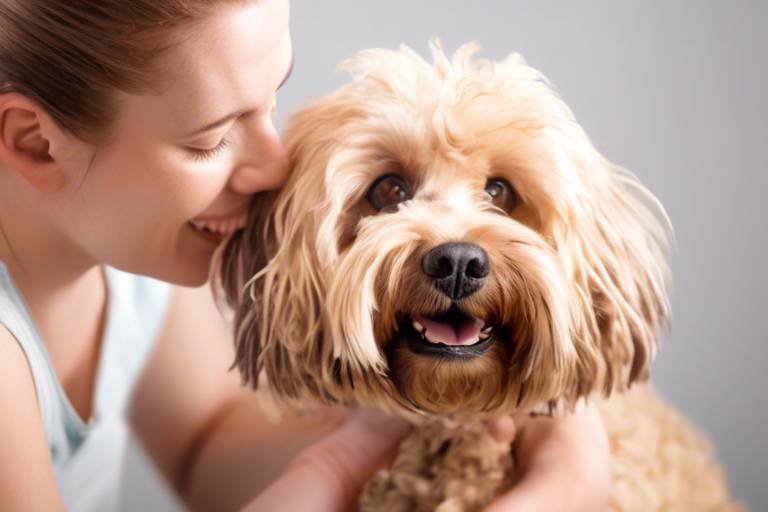
Grooming pets with special health needs can be a daunting task, but it doesn’t have to be! With a little knowledge and the right approach, you can transform grooming into a positive experience for both you and your furry friend. Whether your pet is dealing with arthritis, skin sensitivities, or mobility issues, understanding their unique requirements is the first step towards ensuring their comfort and well-being during grooming sessions. In this article, we will explore essential tips and techniques tailored specifically for pets with special health needs, making the grooming process smoother and more enjoyable.
Recognizing the specific health challenges faced by pets is crucial. Many pets have unique needs that can significantly affect their grooming routines. For instance, pets with arthritis may struggle with mobility, making it difficult for them to stand for long periods during grooming. Similarly, pets with skin sensitivities may experience discomfort from certain grooming products or techniques. It’s essential to be aware of these conditions to adapt your grooming methods accordingly. Common health issues that may affect grooming include:
- Arthritis: This condition can cause pain and stiffness, making it hard for pets to be groomed comfortably.
- Skin Sensitivities: Pets with sensitive skin may react negatively to certain shampoos or grooming tools.
- Mobility Issues: Pets with limited mobility may require special handling and support during grooming.
Selecting appropriate grooming tools is essential for pets with special health needs. The right tools can minimize discomfort and maximize effectiveness, ensuring a more pleasant grooming experience. It’s important to consider your pet’s specific health conditions when choosing grooming tools. For example, gentle brushes and combs can prevent skin irritation and discomfort, while ergonomic handles can ease the strain on your hands during the grooming process.
Using gentle brushes and combs can make a world of difference for pets with sensitive skin or grooming-related issues. Look for tools designed specifically for delicate coats, such as:
- Soft-bristle brushes: These are ideal for pets with sensitive skin as they minimize irritation.
- Wide-toothed combs: Perfect for detangling without pulling on the fur.
The choice between electric and manual grooming tools can impact the grooming experience. Electric tools may be quicker, but they can also be loud and intimidating for some pets. On the other hand, manual tools allow for more control and gentleness. Assess your pet’s comfort level with both types to determine what works best for them.
Ergonomically designed grooming tools can ease the strain on pet owners’ hands and wrists while providing a comfortable experience for pets. These tools are especially beneficial for those who groom multiple pets or have pets that require longer grooming sessions. Investing in ergonomic tools can make the process less tiring for you and more enjoyable for your pet.
Bathing pets with special health needs requires careful planning. It’s essential to create a safe and comfortable bathing environment. Here are some tips to make bath time less stressful:
- Use lukewarm water to ensure your pet is comfortable.
- Consider a non-slip mat in the tub to prevent slips and falls.
- Introduce your pet to the bathing area gradually to reduce anxiety.
Many pets with health needs may experience anxiety during grooming. Recognizing this is key to making the process smoother. Techniques to calm anxious pets include creating a calm environment and using positive reinforcement.
Establishing a peaceful grooming environment can significantly reduce stress. Dim the lights, play soft music, and eliminate distractions to create a soothing atmosphere. This can help your pet feel more relaxed and open to the grooming process.
Positive reinforcement techniques can help alleviate fear and anxiety in pets. Rewarding your pet with treats and praise during grooming can encourage good behavior and create a positive association with the experience. Remember, patience is key!
Caring for pets after grooming is just as important as the grooming process itself. Ensuring your pet remains comfortable and healthy after a grooming session is crucial. Here are some essential post-grooming care tips:
Maintaining the health of a pet’s skin and coat post-grooming is crucial. Regular moisturizing and using the right products can keep their skin hydrated and coat shiny. Look for pet-friendly moisturizers that cater to their specific skin type.
After grooming, it’s vital to monitor pets for any signs of discomfort or health issues. Keep an eye out for excessive scratching, redness, or any unusual behavior. Regular check-ups following grooming sessions can help catch any potential problems early.
Q: How often should I groom my pet with special needs?
A: It depends on your pet’s specific health needs and coat type. Regular grooming can help prevent matting and skin issues, so consult your veterinarian for personalized recommendations.
Q: What should I do if my pet shows signs of anxiety during grooming?
A: Take breaks, use calming techniques, and consider consulting a professional groomer who specializes in pets with anxiety.
Q: Can I use human grooming products on my pet?
A: It’s best to use grooming products specifically designed for pets, as human products can irritate their skin and coat.
Understanding Special Health Needs
When it comes to grooming our beloved pets, understanding their special health needs is a key component that can make all the difference in their comfort and overall well-being. Just like humans, pets can face a variety of health challenges that require tailored approaches to grooming. For instance, conditions such as arthritis, skin sensitivities, and mobility issues can significantly impact how we should groom our furry friends. Recognizing these challenges is crucial for ensuring a stress-free grooming experience.
Many pets with arthritis may struggle with mobility, making it difficult for them to stand for long periods during grooming sessions. This means that pet owners need to adapt their grooming techniques, perhaps by grooming them while they are lying down or using supportive aids to help them feel secure. Additionally, pets with skin sensitivities require gentle handling and the use of hypoallergenic grooming products to avoid irritation. The grooming process should be a soothing experience, not one that exacerbates their discomfort.
Furthermore, mobility issues can vary widely from pet to pet. Some may have limited range of motion, while others might be completely immobile. Understanding the specific needs of your pet is paramount. For instance, if your pet has difficulty standing, you might want to consider using a grooming table that is adjustable or grooming them on a soft surface that provides support. It’s about creating a safe and comfortable environment where your pet can feel relaxed.
To further illustrate these points, let’s take a look at some common health conditions that can affect grooming:
| Condition | Grooming Considerations |
|---|---|
| Arthritis | Use supportive surfaces; consider shorter grooming sessions. |
| Skin Sensitivities | Opt for hypoallergenic products; be gentle with brushing. |
| Mobility Issues | Groom on soft surfaces; use adjustable grooming tables. |
In conclusion, understanding your pet’s special health needs is not just about recognizing their limitations; it’s about adapting your grooming routine to enhance their comfort and well-being. By being aware of these conditions and adjusting your grooming practices accordingly, you can help make grooming a positive experience for your furry friend. Remember, a happy pet is a well-groomed pet!
Q: How can I tell if my pet has special health needs?
A: Look for signs such as difficulty moving, excessive scratching, or changes in behavior during grooming. Always consult your veterinarian for a professional assessment.
Q: What are the best grooming tools for pets with skin sensitivities?
A: Opt for brushes with soft bristles and hypoallergenic shampoos to avoid irritation. Always test new products on a small area first.
Q: How often should I groom my pet with special health needs?
A: It depends on the specific health condition and the type of pet. Generally, more frequent, shorter grooming sessions are recommended to reduce stress.
Choosing the Right Grooming Tools
When it comes to grooming pets with special health needs, choosing the right tools is not just a matter of convenience; it’s a vital aspect of ensuring their comfort and well-being. Just like you wouldn’t use a sledgehammer to crack a nut, you need to select grooming tools that cater specifically to your pet’s unique requirements. For instance, pets suffering from arthritis may require tools that are lighter and easier to handle, while those with skin sensitivities need brushes that are gentle and non-irritating.
One of the first things to consider is the type of grooming tool you’ll use. The market is flooded with options, but not all of them will be suitable for pets with special health needs. Some of the key factors to keep in mind include:
- Material: Opt for tools made from hypoallergenic materials to prevent any allergic reactions.
- Design: Ergonomically designed tools can ease the strain on your hands and wrists, making the grooming process more enjoyable for both you and your pet.
- Functionality: Choose tools that serve multiple purposes, such as a brush that also removes loose hair, to minimize the number of tools you need.
In addition to the aforementioned factors, consider the specific health conditions your pet may have. For example, if your pet has a mobility issue, you might want to invest in tools that allow you to groom them while they are lying down. Similarly, if your pet has skin sensitivities, look for brushes with softer bristles that won’t cause irritation. The right tools can make all the difference, transforming what could be a stressful experience into a pleasant one.
Furthermore, don’t forget to think about the size of the grooming tools. Larger tools might be more challenging to maneuver, especially if your pet is smaller or has specific grooming needs. On the other hand, smaller tools can sometimes take longer to use, which may not be ideal for pets that get anxious easily. Striking a balance between size and functionality is key.
To help you make an informed decision, here’s a quick comparison table of some popular grooming tools designed for pets with special health needs:
| Tool Type | Best For | Pros | Cons |
|---|---|---|---|
| Soft-bristle Brush | Sensitive Skin | Gentle, minimizes irritation | May not remove loose fur effectively |
| Pin Brush | Long-haired Breeds | Good for detangling | Can be harsh on sensitive skin |
| Undercoat Rake | Double-coated Breeds | Removes loose undercoat | Requires careful handling to avoid skin damage |
| Electric Clippers | Regular Trimming | Efficient and quick | Can be noisy and frightening for some pets |
In conclusion, the right grooming tools can significantly enhance the grooming experience for both you and your pet. Take the time to assess your pet’s specific needs and make informed choices that will keep them comfortable and happy during grooming sessions. Remember, grooming is not just about aesthetics; it’s a crucial part of your pet’s overall health and well-being.
Gentle Brushes and Combs
When it comes to grooming pets with special health needs, are your best friends. These tools are specifically designed to minimize discomfort while effectively managing your pet’s coat. Think of grooming as a spa day for your furry friend; just like you wouldn’t want a rough scrub on your sensitive skin, your pet deserves the same gentle treatment. If your pet has sensitive skin or underlying health issues, selecting the right grooming tools is essential to ensure their comfort and well-being.
One of the standout options in this category is the soft-bristle brush. This type of brush is perfect for pets with delicate skin, as it glides over their coat without causing irritation. Additionally, wide-toothed combs can be incredibly useful for detangling without pulling on the hair, making grooming a more pleasant experience. You might even consider using a rubber grooming mitt, which not only helps to remove loose hair but also provides a soothing massage that pets often love. The gentle action of these tools can turn a potentially stressful experience into a bonding moment.
To help you choose the right gentle brushes and combs for your special needs pet, here’s a quick comparison table:
| Tool Type | Benefits | Best For |
|---|---|---|
| Soft-Bristle Brush | Minimizes irritation, comfortable for sensitive skin | Pets with skin sensitivities |
| Wide-Toothed Comb | Detangles without pulling, gentle on the coat | Pets with long or thick fur |
| Rubber Grooming Mitt | Soothing massage, removes loose hair | Pets who enjoy being petted |
Remember, the right tools can make all the difference. Take the time to experiment with different brushes and combs to find what your pet responds to best. You might even notice that they start to look forward to grooming sessions when they feel comfortable and relaxed. After all, grooming shouldn’t be a chore; it should be an enjoyable experience for both you and your beloved pet!
Electric vs. Manual Tools
When it comes to grooming pets with special health needs, the choice between electric and manual grooming tools can significantly influence the overall experience for both the pet and the owner. Each type of tool brings its own set of advantages and disadvantages, and understanding these can help you make an informed decision that prioritizes your pet’s comfort and well-being.
Electric grooming tools, such as clippers and pet dryers, are designed to make the grooming process faster and more efficient. They can be particularly useful for pets with thick coats or those that require regular grooming to prevent matting. However, it’s essential to consider your pet’s sensitivity to noise and vibration. Some pets may find the sound of electric tools frightening, which can lead to increased anxiety during grooming sessions. If your furry friend is easily startled, using electric tools might not be the best option.
On the other hand, manual grooming tools, such as brushes and combs, offer a more gentle approach. They allow for greater control and can be less intimidating for pets who are anxious about the grooming process. Manual tools also provide the opportunity for a more personalized grooming experience. You can adjust your technique based on your pet’s reactions, ensuring that they feel safe and comfortable throughout the session. However, grooming with manual tools can be more time-consuming, especially for pets with dense fur or those that require extensive grooming.
To help you weigh the pros and cons, here’s a quick comparison:
| Feature | Electric Tools | Manual Tools |
|---|---|---|
| Speed | Fast, efficient grooming | Slower, more time-consuming |
| Noise Level | Can be loud and intimidating | Generally quiet and calming |
| Control | Less control over pressure | Greater control and customization |
| Ease of Use | Easy for thick or matted fur | Requires more effort for dense coats |
Ultimately, the best choice between electric and manual grooming tools will depend on your pet’s unique needs and personality. If your furry companion is calm and accustomed to grooming, electric tools may save you time and effort. However, if your pet is more sensitive or anxious, manual tools may be the better option to ensure a stress-free grooming experience. Remember, the goal is to make grooming a pleasant and comfortable routine for your special needs pet.
- What should I do if my pet is scared of electric grooming tools?
Consider using manual tools instead, or gradually introduce the electric tool by allowing your pet to sniff it while it’s turned off. - How can I tell if my pet prefers electric or manual tools?
Observe their behavior during grooming; if they seem more relaxed with one type, stick with that. - Are there specific electric tools designed for sensitive pets?
Yes, look for electric tools that are marketed as quiet or low-vibration.
Ergonomic Handles
When it comes to grooming pets with special health needs, the tools we use can make a world of difference. One of the most significant features to consider is the ergonomic handle. These handles are designed to fit comfortably in your hand, allowing for a more natural grip that reduces strain on your wrists and fingers. Imagine trying to brush your pet while holding a tool that feels awkward and uncomfortable; it can turn what should be a peaceful experience into a frustrating one. With ergonomic handles, you can groom your furry friend with ease, making the process enjoyable for both of you.
Ergonomic grooming tools are especially beneficial for pet owners who may have physical limitations or who are grooming larger pets. The design of these handles often includes features such as non-slip grips and a shape that allows for better leverage. This means you can groom your pet more effectively without having to apply excessive force, which is crucial for pets with sensitive skin or mobility issues. When you’re not struggling with your tools, you can focus more on your pet, making the grooming session less stressful.
Additionally, many ergonomic grooming tools are made from lightweight materials, which further reduces fatigue during longer grooming sessions. This is particularly important if your pet requires regular grooming due to health conditions. Think of it as the difference between lifting a feather and a brick; the lighter the tool, the more control you have, and the easier it is to maintain a steady hand. This can be vital when working around areas that may be sensitive or painful for your pet.
Here are some key benefits of using grooming tools with ergonomic handles:
- Reduced Strain: Ergonomic designs minimize the stress on your hands and wrists.
- Improved Control: A comfortable grip allows for better precision while grooming.
- Less Fatigue: Lightweight materials help prevent tiredness during longer grooming sessions.
- Enhanced Comfort: Your pet will feel more at ease when you’re not struggling with awkward tools.
In conclusion, investing in grooming tools with ergonomic handles is not just a luxury; it’s a necessity for those caring for pets with special health needs. By prioritizing comfort and ease of use, you can create a more positive grooming experience for both you and your beloved pet. Remember, a relaxed groomer leads to a relaxed pet!
Bathing Techniques for Special Needs Pets
Bathing pets with special health needs is not just about keeping them clean; it’s an opportunity to ensure their comfort and well-being. For pets dealing with conditions such as arthritis, skin sensitivities, or mobility issues, bath time can be a source of anxiety and discomfort. Therefore, it’s essential to approach this task with care and consideration. One of the first steps in making bath time enjoyable is to prepare the environment. Ensure the bathing area is warm and free from drafts, as temperature fluctuations can be uncomfortable for pets that are sensitive to cold.
When it comes to the actual bathing process, it’s vital to use lukewarm water. Water that’s too hot or too cold can exacerbate health issues, particularly for pets with skin sensitivities or arthritis. Consider using a handheld showerhead or a pitcher to control the water flow, as this allows for a more gentle approach. If your pet is particularly anxious, you might want to have a non-slip mat in the tub or sink to help them feel secure and prevent them from slipping.
Choosing the right shampoo is equally important. Look for products that are specifically formulated for sensitive skin or those that are hypoallergenic. Avoid harsh chemicals and fragrances, as these can irritate your pet’s skin. Additionally, always do a patch test before applying a new product to ensure it doesn’t cause any adverse reactions. If your pet has specific skin conditions, consult your veterinarian for recommendations on suitable bathing products.
During the bath, take your time. Speak to your pet in a soothing voice, and use gentle strokes to wash them. If your pet has mobility issues, consider using a pet bathing sling or a supportive harness to help keep them stable and comfortable. It’s also beneficial to have a helper on hand, especially if your pet is larger or more active. This way, one person can focus on holding the pet while the other washes.
After rinsing off the shampoo, make sure to thoroughly dry your pet. Use a soft towel, and if your pet tolerates it, a low-heat blow dryer can be used to help them dry off quickly. However, be cautious with the heat setting, as overly hot air can be uncomfortable. For pets with skin sensitivities, ensure that their coat is completely dry to prevent any fungal or bacterial infections.
Finally, remember that bathing can be a bonding experience. Reward your pet with treats and praise throughout the process to create positive associations with bath time. This not only helps alleviate anxiety but also encourages good behavior in future grooming sessions.
- How often should I bathe my special needs pet? – It depends on their specific needs, but generally, every 4-6 weeks is a good rule of thumb. Always consult your vet for personalized recommendations.
- Can I use human shampoo on my pet? – It’s best to avoid human shampoos as they can disrupt the pH balance of your pet’s skin. Always choose a pet-specific product.
- What if my pet is afraid of water? – Introduce water gradually, using treats and positive reinforcement to create a calm experience. Consider sponge bathing as an alternative.
Managing Anxiety During Grooming
Grooming can be a daunting experience for many pets, especially those with special health needs. Just like humans, pets can feel anxious or stressed when faced with unfamiliar situations, and grooming is no exception. Imagine being in a place where you feel vulnerable, with strange noises and unfamiliar tools—it’s no wonder our furry friends might feel uneasy! Understanding how to manage this anxiety is crucial for a successful grooming session.
One of the first steps in managing anxiety during grooming is to create a calm environment. This means choosing a quiet space, free from distractions and loud noises. Consider playing soft music or using calming scents like lavender to help soothe your pet. The goal is to transform the grooming area into a safe haven. You might even want to set up a cozy spot with their favorite blanket or toy, making it feel more familiar and comforting. Remember, the more relaxed the environment, the more relaxed your pet will be!
Additionally, using positive reinforcement techniques can significantly reduce anxiety levels. Think of it as a way to reward good behavior. For instance, offer treats or praise whenever your pet remains calm during grooming. This not only helps them associate grooming with positive experiences but also encourages them to behave well. You might say, “Good boy!” or “What a brave girl!” while giving them a treat. Over time, this will build their confidence and reduce their fear of the grooming process.
Another effective strategy is to break the grooming process into smaller steps. Instead of overwhelming your pet with a full grooming session all at once, try to tackle one aspect at a time. For example, you can start with just brushing one area of their coat, then take a break, and gradually work your way through the entire grooming routine. This method not only makes the process more manageable for your pet but also allows you to monitor their comfort level closely. If they seem to be getting anxious, you can pause and provide reassurance.
Lastly, don’t hesitate to consult with a professional groomer or veterinarian who understands the specific needs of pets with anxiety. They can provide tailored advice and techniques that can make the grooming process smoother. It’s important to remember that every pet is unique, and what works for one may not work for another. Therefore, being patient and attentive to your pet’s responses is key.
In summary, managing anxiety during grooming is about creating a positive experience for your pet. By establishing a calm environment, using positive reinforcement, breaking the grooming process into manageable steps, and seeking professional advice when needed, you can help your furry friend feel more at ease. After all, a happy pet makes for a happy owner!
- Q: How can I tell if my pet is anxious during grooming?
A: Signs of anxiety in pets can include panting, whining, hiding, or trying to escape. Pay attention to their body language. - Q: What should I do if my pet becomes aggressive during grooming?
A: If your pet shows signs of aggression, it’s best to stop immediately. Consult a professional groomer or behaviorist for help. - Q: Can I use calming products for my pet before grooming?
A: Yes, there are various calming sprays and supplements available. Always consult your vet before trying new products.
Creating a Calm Environment
Creating a calm environment for grooming pets with special health needs is essential for reducing their stress and anxiety. Just like humans, pets thrive in soothing surroundings that help them feel secure and relaxed. Imagine how you would feel if you were in a noisy, chaotic room; the same goes for your furry friends. To create a serene grooming space, consider the following elements:
First, choose a quiet area in your home where distractions are minimal. This could be a cozy corner of the living room or a dedicated grooming room. Ensure that the space is free from loud noises, such as barking dogs or the television blaring in the background. Soft, calming music can also create a peaceful atmosphere. Think of it as setting the mood for a spa day!
Next, the temperature of the room plays a significant role in your pet’s comfort level. Make sure that the area is neither too hot nor too cold. A comfortable temperature helps to keep your pet relaxed and focused on the grooming process. You wouldn’t want to feel chilly or sweaty while getting pampered, right?
Additionally, consider using non-slip mats or blankets to provide a secure footing for your pet during grooming. This is especially important for pets with mobility issues, as a stable surface can prevent slips and falls, further enhancing their comfort. You can also use familiar items, such as their favorite blanket or toy, to create a sense of security. The smell of home can be incredibly calming for pets.
Finally, it’s crucial to be mindful of your own energy. Pets are incredibly perceptive and can sense their owner’s emotions. If you are calm and relaxed, your pet is likely to mirror that behavior. Take deep breaths, speak in a soothing tone, and maintain a gentle demeanor. Your calmness can be the anchor that keeps your pet grounded during the grooming session.
By creating a calm environment, you not only make the grooming process easier but also strengthen the bond between you and your pet. Think of it as a nurturing experience where both of you can enjoy the moment together. Remember, a little preparation goes a long way in ensuring a positive grooming experience for your special needs pet!
- How often should I groom my pet with special health needs? – The frequency of grooming depends on the specific needs of your pet. Generally, pets with long fur may require weekly grooming, while short-haired pets might only need it bi-weekly. Always consult your veterinarian for personalized advice.
- What should I do if my pet resists grooming? – If your pet shows signs of resistance, take a step back. Try to create a more relaxed environment, use treats as positive reinforcement, and consider breaking the grooming process into shorter sessions.
- Are there specific grooming products recommended for pets with sensitive skin? – Yes, look for hypoallergenic shampoos and conditioners that are free from harsh chemicals. Always do a patch test with new products to ensure they don’t irritate your pet’s skin.
Using Positive Reinforcement
When it comes to grooming pets with special health needs, positive reinforcement can be a game-changer. Just like humans, pets respond better to encouragement than to criticism, especially when they are already feeling anxious or uncomfortable. Imagine trying to complete a daunting task while someone is hovering over you, pointing out every mistake. It’s stressful, right? That’s how our furry friends feel during grooming sessions. Instead, we want to create an atmosphere of support and encouragement.
So, how do we implement positive reinforcement effectively? First, it’s important to establish a routine that your pet can become accustomed to. This familiarity can significantly reduce their anxiety. Every time your pet exhibits calm behavior during grooming, reward them immediately. This could be in the form of a tasty treat, a gentle scratch behind the ears, or even a favorite toy. The key here is timing; rewards should be given right after the desired behavior to help the pet associate grooming with positive outcomes.
Additionally, consider using a calming voice during the grooming process. Your tone can convey reassurance and comfort, which is particularly beneficial for pets that may be nervous. Consistency is crucial; try to use the same words and phrases each time you groom. This will help your pet recognize that grooming is a safe and enjoyable experience.
For pets that are especially anxious, you might want to break the grooming process into smaller, manageable segments. For instance, instead of doing a full grooming session all at once, start with just brushing one area, then reward them. Gradually increase the time spent grooming as they become more comfortable. This method not only builds trust but also reinforces the idea that grooming can be a pleasant experience.
Here’s a quick overview of some positive reinforcement strategies:
- Immediate Rewards: Give treats or praise right after your pet behaves well.
- Calming Voice: Use a soothing tone to reassure your pet.
- Consistent Phrases: Use the same words to create familiarity.
- Gradual Exposure: Start with short grooming sessions and slowly increase their duration.
Remember, the goal is to make grooming a positive experience rather than a stressful chore. With patience and the right approach, you can transform grooming time into a bonding session that both you and your pet will look forward to. Just like any relationship, building trust takes time. So, embrace the journey, and enjoy those moments of connection with your beloved pet!
Q: How can I tell if my pet is anxious during grooming?
A: Signs of anxiety in pets can include panting, whining, hiding, or trying to escape. If you notice these behaviors, it’s essential to take a step back and reassure your pet.
Q: What types of treats are best for positive reinforcement?
A: Choose treats that are small, soft, and easy to chew. They should be something your pet loves to keep their motivation high.
Q: Is it okay to use toys as rewards?
A: Absolutely! Many pets respond well to playtime as a form of reward, so feel free to incorporate their favorite toys into the grooming routine.
Q: How long should I spend grooming my pet?
A: Start with short sessions of around 5-10 minutes, especially for anxious pets. Gradually increase the duration as they become more comfortable.
Q: Can I use calming products during grooming?
A: Yes, there are various calming sprays and diffusers available that can create a soothing environment for your pet during grooming.
Post-Grooming Care
After the grooming session is complete, the care you provide to your pet is just as vital as the grooming itself. You might think that once the clippers are put away and the brushes are cleaned, the job is done, but that’s far from the truth! The post-grooming period is crucial for ensuring your pet remains comfortable and healthy. One of the first things to consider is skin and coat maintenance. Just like humans, pets can experience dryness or irritation after grooming, especially if they have sensitive skin. Using a gentle, moisturizing conditioner can help keep their coat shiny and skin hydrated.
Moreover, it’s important to monitor your pet for any signs of discomfort or health issues following grooming. Pets can’t always communicate their feelings, so being observant is key. Look for signs of redness, itching, or unusual behavior. If your pet seems overly sensitive to touch or is scratching more than usual, it might indicate that their skin is irritated. Regular check-ups with your veterinarian can also help in catching any potential issues early on.
To further enhance your pet’s comfort post-grooming, consider the following care tips:
- Hydration: Make sure your pet has access to fresh water. Hydration plays a vital role in maintaining their skin health.
- Environment: Create a cozy space for your pet to relax after grooming. A soft bed or a favorite blanket can help them feel secure.
- Regular monitoring: Keep an eye on your pet’s behavior and grooming habits in the days following their grooming session.
In addition to these care tips, it’s also beneficial to establish a routine. Regular grooming not only keeps your pet looking their best but also allows you to monitor their health closely. You can make a note of any changes in their skin or coat condition and discuss these with your vet during your next visit.
Lastly, don’t forget about the emotional aspect of post-grooming care. Your pet may feel a bit anxious or unsettled after their grooming session. Spending some quality time with them, perhaps through gentle petting or play, can help ease their mind. Remember, grooming can be a big event for pets, and your reassurance can make a world of difference!
Here are some common questions pet owners have regarding post-grooming care:
| Question | Answer |
|---|---|
| How often should I groom my pet? | It depends on the breed and coat type. Generally, long-haired breeds require grooming every few days, while short-haired breeds may only need it weekly. |
| What if my pet shows signs of discomfort after grooming? | If your pet exhibits signs of discomfort, consult your veterinarian. They can check for any underlying issues or skin irritations. |
| Can I use human products on my pet? | No, human grooming products can irritate a pet’s skin. Always use products specifically designed for pets. |
Skin and Coat Maintenance
Maintaining the health of your pet’s skin and coat after grooming is absolutely crucial, especially for those with special health needs. Just like us, pets can suffer from dry skin, allergies, and other skin conditions that require extra attention. So, how do you ensure your furry friend remains comfortable and their coat stays shiny and healthy? Let’s dive into some effective strategies!
First and foremost, hydration is key. Just as we drink water to keep our skin hydrated, pets also need proper hydration. Make sure your pet has access to fresh water at all times. Additionally, consider incorporating a high-quality pet food that is rich in omega fatty acids. These nutrients are fantastic for promoting a healthy coat and skin. If you’re unsure about the right food, consult your veterinarian for recommendations tailored to your pet’s specific health needs.
Another essential aspect of skin and coat maintenance is regular moisturizing. For pets with sensitive skin, using a pet-safe moisturizer can help alleviate dryness and irritation. Look for products that are free from harsh chemicals and fragrances. Always perform a patch test before applying any new product to ensure it doesn’t cause an adverse reaction. If your pet is prone to skin allergies, consider discussing with your vet about hypoallergenic options.
Moreover, brushing your pet regularly is a fantastic way to keep their coat healthy. Not only does it remove loose hair and debris, but it also helps distribute natural oils throughout the coat, enhancing its shine and softness. Depending on your pet’s coat type, you might need different brushes. For instance, slicker brushes work well for long-haired pets, while bristle brushes are ideal for short-haired breeds. Make grooming a bonding activity; your pet will appreciate the attention!
After grooming, always take a moment to check for any signs of skin issues. Look for redness, bumps, or excessive scratching, as these could indicate underlying problems. Keeping a close eye on your pet’s skin can help catch issues before they escalate. If you notice anything unusual, don’t hesitate to reach out to your veterinarian for advice.
Lastly, consider scheduling regular veterinary check-ups to monitor your pet’s skin and coat health. Regular visits can help identify any potential health concerns early on, allowing for timely intervention. Your vet can also provide tailored advice on grooming frequency and maintenance that suits your pet’s unique needs.
By implementing these simple yet effective skin and coat maintenance tips, you can help ensure your pet remains comfortable, healthy, and looking their best. Remember, a happy pet is a well-groomed pet!
- How often should I groom my pet?
The frequency of grooming depends on your pet’s breed and coat type. Long-haired breeds may require grooming several times a week, while short-haired pets might only need grooming every few weeks.
- What should I do if my pet has dry skin?
If your pet has dry skin, consider using a pet-safe moisturizer and ensure they are drinking enough water. Consult your veterinarian for specialized products that may help.
- Can I use human shampoo on my pet?
No, human shampoos can be too harsh for pets. Always use shampoos specially formulated for pets to avoid skin irritation.
- How can I tell if my pet is having a skin issue?
Look for signs such as excessive scratching, redness, bumps, or flaking skin. If you notice these symptoms, consult your veterinarian promptly.
Monitoring for Health Issues
After grooming your special needs pet, it’s essential to keep a vigilant eye on their well-being. Just like we might feel a bit sore or off after a long day at the spa, our furry friends can also experience discomfort following grooming sessions. This is especially true for pets with existing health conditions. So, what should you be looking out for? First and foremost, observe their behavior closely. If your pet seems unusually lethargic, irritable, or shows signs of pain, it might be time to take a closer look.
One of the best practices is to perform a quick post-grooming check-up. This can be as simple as gently running your hands over their body to feel for any unusual lumps, bumps, or areas of sensitivity. Pay special attention to areas that were groomed more thoroughly, as these might be more prone to irritation. Additionally, keep an eye on their skin. Look for signs of redness, swelling, or any discharge that may indicate an allergic reaction or irritation from grooming products.
Furthermore, monitor their coat condition. A shiny, healthy coat is often a sign of a happy pet, while excessive shedding or dullness can indicate stress or health issues. If you notice any significant changes, it may be worth consulting your veterinarian. Remember, keeping track of your pet’s health is not just about physical symptoms; behavioral changes can also signal underlying issues. If your pet is hiding more than usual or seems resistant to being touched, these could be signs that something is amiss.
To assist you in monitoring your pet’s health post-grooming, here are some key indicators to watch for:
- Behavioral Changes: Increased hiding, aggression, or withdrawal.
- Physical Symptoms: Redness, swelling, or unusual discharge from the skin.
- Coat Condition: Dullness, excessive shedding, or patches of missing fur.
- Mobility Issues: Difficulty walking or reluctance to move around.
In addition to these observations, consider keeping a grooming diary. Documenting your pet’s reactions and any health issues noticed post-grooming can provide valuable insights for your veterinarian. This record can help identify patterns, making it easier to pinpoint what works best for your pet and what doesn’t. Remember, your pet relies on you to advocate for their health and comfort, so staying proactive is key.
Q: How soon after grooming should I monitor my pet for health issues?
A: It’s best to monitor your pet immediately after grooming and for the following few days to catch any delayed reactions.
Q: What signs should I look for that indicate my pet is in distress after grooming?
A: Look for changes in behavior such as increased hiding, aggression, or signs of pain like whining or reluctance to be touched.
Q: Should I consult my vet if I notice something unusual after grooming?
A: Yes, if you observe any concerning symptoms, it’s always a good idea to consult your veterinarian for advice.
Q: Can I use regular grooming products on pets with special health needs?
A: No, it’s important to use grooming products specifically designed for pets with sensitive skin or other health issues.
Q: How can I make grooming less stressful for my pet?
A: Gradual desensitization, using positive reinforcement, and creating a calm environment can help make grooming a more pleasant experience.
Frequently Asked Questions
- What are some common health needs that affect grooming for pets?
Pets can have a variety of health needs that impact their grooming routines. Common conditions include arthritis, which may make it painful for them to stand for long periods, skin sensitivities that require special shampoos, and mobility issues that necessitate a gentler approach. Understanding these needs is essential for a successful grooming experience.
- How do I choose the right grooming tools for my pet?
Selecting the right grooming tools is crucial for the comfort of pets with special health needs. Look for gentle brushes and combs that prevent skin irritation, as well as tools with ergonomic handles to ease the strain on your hands. Additionally, consider the pros and cons of electric vs. manual tools based on your pet’s comfort and your grooming style.
- What techniques can help manage my pet’s anxiety during grooming?
To help alleviate anxiety during grooming, create a calm environment by minimizing loud noises and distractions. Using positive reinforcement techniques, such as treats and praise, can also encourage good behavior. These strategies can make grooming a more enjoyable experience for both you and your pet.
- How should I handle bathing a pet with special health needs?
Bathing pets with special health needs requires careful planning. Ensure that the water temperature is comfortable and use a gentle, hypoallergenic shampoo. Consider using a non-slip mat to help your pet feel secure during bath time. Always keep the experience as stress-free as possible to avoid overwhelming your pet.
- What post-grooming care should I provide for my pet?
After grooming, it’s important to maintain your pet’s skin and coat health. Use moisturizers suitable for their specific skin type and regularly check for any signs of discomfort. Monitoring your pet for any unusual behavior or health issues post-grooming can help catch potential problems early, ensuring their well-being.
Grooming, Special Health Needs, Sensitive Skin, Gentle Techniques, Regular Check-ups, Specialized Products, Stress Reduction, Professional Help, , Grooming, Special Health Needs, Sensitive Skin, Gentle Techniques, Regular Check-ups, Specialized Products, Stress Reduction, Professional Help,
Share this content:
Leave a Reply