
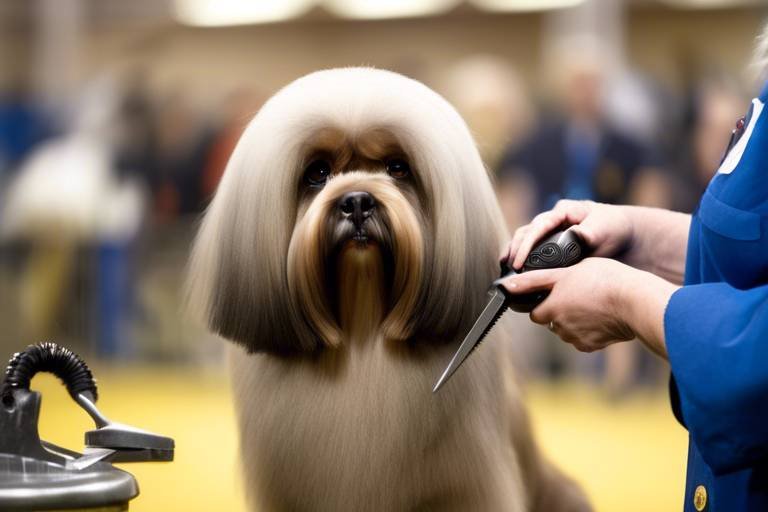
Grooming your dog isn’t just about making them look pretty; it’s a crucial part of preparing for dog shows that can significantly impact their performance and health. Regular grooming enhances your dog’s appearance, ensuring they look their best while also promoting their overall well-being. This article dives into the multifaceted benefits of grooming, from aesthetics to health, and even the bonding experience it creates between you and your furry friend.
When it comes to dog shows, first impressions matter immensely. Regular grooming plays a pivotal role in enhancing your dog’s appearance, making them more presentable and attractive to judges. A well-groomed dog not only meets breed standards but also stands out in a competitive environment. Just think about it: a shiny coat, neatly trimmed nails, and a clean appearance can make all the difference in catching a judge’s eye. Grooming is like putting on a tuxedo for a special event; it’s about making a statement!
Beyond aesthetics, grooming is a fundamental aspect of your dog’s health regimen. Regular grooming practices such as brushing, bathing, and nail trimming can prevent various health issues that could hinder your dog’s performance in shows. For instance, regular brushing removes loose hair and dirt, preventing matting and skin irritations that can be painful for your dog. Moreover, keeping your dog clean reduces the risk of infections, which is essential for maintaining peak condition during competitions.
Maintaining a clean coat through regular grooming is crucial for preventing skin irritations and promoting healthy hair growth. This is especially important for breeds with specific coat requirements in dog shows. A well-groomed coat not only looks good but also feels good, and it can even help regulate your dog’s body temperature. Think of it as a protective barrier; it keeps them safe from environmental factors while also ensuring they shine on the big day!
Routine grooming allows for the early detection of pesky parasites like fleas and ticks, which can compromise your dog’s health and performance. These little invaders can cause discomfort and distraction, making it hard for your dog to focus on the task at hand. Regular grooming sessions can help you spot these issues before they escalate, ensuring your dog stays healthy and happy.
Proper grooming includes skin care that helps maintain hydration, ensuring the coat remains shiny and healthy. A well-hydrated coat not only looks appealing but is also vital for show readiness. Just like we need to eat right and drink enough water to look our best, dogs require the same level of care. Grooming can be a wonderful way to check on your dog’s overall health, keeping their skin and coat in top shape for the spotlight.
Regular nail trimming is essential for your dog’s comfort and mobility. Overgrown nails can lead to pain and affect a dog’s gait, which is crucial during evaluations in dog shows. Imagine trying to walk gracefully on a stage with uncomfortable shoes; it’s not easy! Keeping your dog’s nails trimmed not only helps them move more freely but also contributes to their overall confidence during competitions.
Grooming sessions provide an excellent opportunity for bonding between you and your dog. These moments strengthen trust and comfort, leading to a more relaxed and confident dog during shows. When you take the time to groom your dog, you’re not just maintaining their appearance; you’re building a relationship that enhances their emotional well-being.
Using grooming as a time for positive reinforcement helps dogs associate grooming with enjoyable experiences. This approach reduces anxiety and promotes better behavior in the show ring. Think of it as a training session where every brush stroke is a chance to reward good behavior. It’s all about creating a positive environment that encourages your dog to shine.
Grooming can also serve as a training ground for dogs, teaching them to stand still and cooperate—essential skills for performing well in shows. By integrating grooming into your training routine, you can help your dog become accustomed to being handled, which is crucial for their confidence and presentation during evaluations.
Regular grooming helps dogs adapt to the routines expected in dog shows. Familiarity with grooming procedures can ease stress and improve performance under the spotlight. Just as athletes practice their routines, dogs also need to get comfortable with the grooming process to feel at ease during competitions.
Grooming helps dogs become accustomed to being handled by judges, which is crucial for their confidence and presentation during evaluations. The more comfortable they are with being touched and examined, the better they will perform when it matters most. It’s like rehearsing for a big performance; the more you practice, the more confident you become!
Regular grooming prepares dogs for the various environments they will encounter at shows, helping them remain calm and collected in unfamiliar settings. When dogs are accustomed to grooming, they are less likely to be stressed by the hustle and bustle of a dog show. This adaptability can significantly enhance their performance, making them more likely to impress judges and audiences alike.
- How often should I groom my dog for shows? It depends on the breed, but regular grooming every few weeks is typically recommended.
- What tools do I need for grooming? Essential tools include brushes, combs, nail clippers, and dog shampoo.
- Can grooming help with my dog’s anxiety? Yes, regular grooming can help your dog feel more comfortable and less anxious during shows.
- Is grooming important for all dog breeds? Absolutely! Every dog can benefit from grooming, regardless of breed.
Enhancing Appearance
This article explores the importance of regular grooming in preparing dogs for shows, highlighting how it enhances their appearance, health, and performance, while also fostering a bond between the dog and its owner.
Regular grooming significantly improves a dog’s appearance, making them more presentable for shows. Imagine walking into a dog show with a dog that looks like it just rolled in the mud versus one that shines like a diamond! Well-groomed dogs attract judges’ attention, showcasing their breed standards and increasing their chances of winning accolades. Grooming is not just a chore; it’s an art form that transforms your furry friend into a show-stopper.
One of the key aspects of grooming that enhances appearance is the coat care. A clean, well-maintained coat not only looks good but also reflects the overall health of the dog. Regular brushing helps remove loose hair and dirt, while also distributing natural oils throughout the coat. This process can be likened to giving your dog a spa day; the more you pamper them, the better they look! Additionally, specific breeds require unique grooming techniques to meet breed standards, and understanding these nuances can set your dog apart in the competition.
Furthermore, grooming allows you to pay close attention to details that can make or break a show appearance. For instance, ear cleaning and teeth brushing are often overlooked but are crucial. Dirty ears can lead to infections, and a clean mouth not only looks good but also reflects proper health. When judges evaluate dogs, they look for these little details that indicate a responsible owner who cares for their pet. The overall impression a dog makes can be significantly influenced by how well-groomed they are, so don’t underestimate the power of a good grooming session!
In addition to coat and dental care, eye care is also essential. Dogs can develop tear stains, which can be unsightly, especially in breeds with lighter fur. Regular grooming sessions should include checking the eyes for any signs of irritation or discoloration. This attention to detail can truly enhance a dog’s appearance and ensure they stand out in the ring.
To summarize, regular grooming is not just about making your dog look good; it’s about presenting them in the best light possible. It’s about creating a polished, professional appearance that resonates with judges and spectators alike. So, if you want to elevate your dog’s show potential, invest time in grooming. It’s a win-win situation—your dog feels great, and you increase your chances of walking away with that coveted trophy!
Grooming is not only about aesthetics; it also promotes overall health. Regular brushing, bathing, and nail trimming prevent skin issues, matting, and infections, ensuring dogs are in peak condition for competitions.
Maintaining a clean coat through regular grooming helps prevent skin irritations and promotes healthy hair growth. This is crucial for breeds with specific coat requirements in dog shows.
Routine grooming allows for early detection of parasites like fleas and ticks, which can compromise a dog’s health and performance in shows.
Proper grooming includes skin care that helps maintain hydration, ensuring the coat remains shiny and healthy, which is vital for show readiness.
Regular nail trimming is essential for a dog’s comfort and mobility. Overgrown nails can lead to pain and affect a dog’s gait, crucial during evaluations in dog shows.
Grooming sessions provide an excellent opportunity for bonding between the dog and owner. This strengthens trust and comfort, leading to a more relaxed and confident dog during shows.
Using grooming as a time for positive reinforcement helps dogs associate grooming with enjoyable experiences, reducing anxiety and promoting better behavior in the show ring.
Grooming can also serve as a training ground for dogs, teaching them to stand still and cooperate, essential skills for performing well in shows.
Regular grooming helps dogs adapt to the routines expected in dog shows. Familiarity with grooming procedures can ease stress and improve performance under the spotlight.
Grooming helps dogs become accustomed to being handled by judges, which is crucial for their confidence and presentation during evaluations.
Regular grooming prepares dogs for the various environments they will encounter at shows, helping them remain calm and collected in unfamiliar settings.
- How often should I groom my dog for shows? Regular grooming should be done at least once a week, but some breeds may require more frequent grooming.
- What tools do I need for grooming? Essential tools include brushes, combs, nail clippers, and dog-safe shampoos.
- Can grooming help with my dog’s anxiety? Yes, regular grooming can create a positive association, reducing anxiety during shows.
- What should I do if I find parasites while grooming? Consult your veterinarian for appropriate treatment options.
Health Benefits
This article explores the importance of regular grooming in preparing dogs for shows, highlighting how it enhances their appearance, health, and performance, while also fostering a bond between the dog and its owner.
Regular grooming significantly improves a dog’s appearance, making them more presentable for shows. Well-groomed dogs attract judges’ attention, showcasing their breed standards and increasing their chances of winning accolades.
Grooming is not just about aesthetics; it plays a vital role in promoting overall health. Regular brushing, bathing, and nail trimming can prevent skin issues, matting, and infections, ensuring that dogs are in peak condition for competitions. Think of grooming as a health check-up that doubles as a beauty treatment. It’s essential for every dog, especially those that are show-bound.
Maintaining a clean coat through regular grooming helps prevent skin irritations and promotes healthy hair growth. This is crucial for breeds with specific coat requirements in dog shows. A well-groomed coat not only looks fabulous but also acts as a barrier against environmental factors. Regular brushing removes dead hair and dander, allowing the skin to breathe and reducing the risk of allergies.
Routine grooming allows for early detection of parasites like fleas and ticks, which can compromise a dog’s health and performance in shows. During grooming, owners can easily check for these unwelcome guests, ensuring their furry friend remains healthy and vibrant. Imagine spotting a tick before it has a chance to burrow in—this proactive approach can save a lot of trouble down the line.
Proper grooming also includes skin care that helps maintain hydration, ensuring the coat remains shiny and healthy, which is vital for show readiness. Products like moisturizing shampoos and conditioners can enhance coat quality, making a dog look even more stunning under the spotlight. Just as we need to stay hydrated for our skin to glow, dogs benefit from similar care.
Regular nail trimming is essential for a dog’s comfort and mobility. Overgrown nails can lead to pain and affect a dog’s gait, crucial during evaluations in dog shows. If a dog is uncomfortable, it can’t perform at its best. Think of nail care as the foundation of a dog’s performance; if their feet hurt, they won’t strut their stuff like a champion.
Grooming sessions provide an excellent opportunity for bonding between the dog and owner. This strengthens trust and comfort, leading to a more relaxed and confident dog during shows.
Using grooming as a time for positive reinforcement helps dogs associate grooming with enjoyable experiences, reducing anxiety and promoting better behavior in the show ring.
Grooming can also serve as a training ground for dogs, teaching them to stand still and cooperate, essential skills for performing well in shows.
Regular grooming helps dogs adapt to the routines expected in dog shows. Familiarity with grooming procedures can ease stress and improve performance under the spotlight.
Grooming helps dogs become accustomed to being handled by judges, which is crucial for their confidence and presentation during evaluations.
Regular grooming prepares dogs for the various environments they will encounter at shows, helping them remain calm and collected in unfamiliar settings.
- How often should I groom my dog?
The frequency of grooming depends on the breed and coat type. Generally, dogs should be groomed at least once every few weeks, with more frequent grooming for long-haired breeds.
- What tools do I need for grooming?
Basic grooming tools include a brush, comb, nail clippers, and shampoo. Depending on the breed, you may also need specific tools like clippers or de-shedding tools.
- Can grooming help with shedding?
Absolutely! Regular brushing can help reduce shedding by removing loose fur and preventing matting.
- What should I do if my dog hates grooming?
Start slow and use positive reinforcement. Make grooming a fun experience with treats and praise to help your dog associate it with positive outcomes.
Skin and Coat Health
When it comes to dog shows, the health of your dog’s skin and coat is paramount. Regular grooming plays a vital role in maintaining a clean and healthy coat, which in turn prevents various skin irritations and promotes optimal hair growth. Think of grooming as a spa day for your dog; it’s not just about aesthetics but also about ensuring they feel their best. A well-groomed dog not only looks stunning but also radiates health and vitality, which can make a significant difference in the competitive atmosphere of dog shows.
Different breeds have unique coat requirements, and understanding these can enhance your grooming routine. For instance, long-haired breeds need more frequent brushing to prevent matting, while short-haired breeds may require less maintenance but still benefit from regular brushing to remove loose hair and distribute natural oils. Here’s a quick breakdown of grooming frequency based on coat type:
| Coat Type | Grooming Frequency | Key Grooming Techniques |
|---|---|---|
| Long-haired | Every 1-2 days | Brushing, detangling |
| Short-haired | Weekly | Brushing, bathing |
| Curly-haired | Every 2-3 days | Brushing, trimming |
| Wire-haired | Every 2 weeks | Hand-stripping, brushing |
Moreover, regular grooming helps identify potential issues before they escalate. During grooming sessions, you can check for signs of skin infections, allergies, or unusual lumps and bumps. Early detection is key; it’s much easier to treat a problem when it’s caught early on. Additionally, maintaining a healthy coat involves more than just brushing. Proper bathing with suitable shampoos, conditioning, and even the occasional professional grooming session can elevate your dog’s coat health to the next level.
It’s also essential to remember that a shiny, healthy coat reflects a dog’s overall well-being. This means ensuring your dog receives a balanced diet rich in essential fatty acids, vitamins, and minerals. Just as you wouldn’t expect to feel great on a poor diet, your dog’s coat won’t shine without the right nutrition. So, while grooming is crucial, it should be complemented with a holistic approach to your dog’s care, including proper hydration and nutrition.
Preventing Parasites
When it comes to keeping your furry friend in top shape for dog shows, is a crucial aspect of grooming that can’t be overlooked. Regular grooming sessions are not just about making your dog look good; they are also an opportunity to check for unwanted guests like fleas, ticks, and mites. Imagine preparing for a big performance, only to find out that your dog is uncomfortable or even in pain due to these pesky invaders. Not only can parasites affect your dog’s health, but they can also impact their performance in the ring.
During grooming, you can thoroughly inspect your dog’s skin and coat. Look for any signs of irritation or unusual behavior, which might suggest the presence of parasites. Here are some common signs to watch out for:
- Excessive scratching: If your dog seems to be itching more than usual, it could indicate a flea or tick problem.
- Red or inflamed skin: This could be a sign of an allergic reaction or skin infection caused by parasites.
- Hair loss: Patches of missing fur can suggest a more serious issue, including parasite infestations.
By being proactive and regularly grooming your dog, you not only keep their coat looking fabulous but also create a health check-up routine that can catch these issues early. Early detection is key! It allows for timely treatment, which can save your dog from discomfort and potential health complications. Plus, a healthy dog is a happy dog, and that joy will shine through when it’s showtime.
Moreover, incorporating parasite prevention products into your grooming routine can be a game-changer. Talk to your veterinarian about the best options for your dog, whether it’s topical treatments, oral medications, or natural remedies. Each dog is unique, and finding the right solution tailored to your pet’s needs will ensure they are not just show-ready, but also safe from harmful parasites.
In conclusion, regular grooming is a two-in-one deal: it keeps your dog looking sharp and acts as a protective measure against parasites. So, the next time you grab that brush or comb, remember, you’re not just grooming; you’re safeguarding your dog’s health and enhancing their show potential!
- How often should I groom my dog? – It depends on the breed, but generally, regular grooming every few weeks is recommended.
- What are the signs of a parasite infestation? – Look for excessive scratching, red skin, or hair loss.
- Can grooming prevent all parasites? – While regular grooming helps, it’s essential to use preventative treatments as recommended by your vet.
Hydration and Nutrition
This article explores the importance of regular grooming in preparing dogs for shows, highlighting how it enhances their appearance, health, and performance, while also fostering a bond between the dog and its owner.
Regular grooming significantly improves a dog’s appearance, making them more presentable for shows. Well-groomed dogs attract judges’ attention, showcasing their breed standards and increasing their chances of winning accolades.
Grooming is not only about aesthetics; it also promotes overall health. Regular brushing, bathing, and nail trimming prevent skin issues, matting, and infections, ensuring dogs are in peak condition for competitions.
Maintaining a clean coat through regular grooming helps prevent skin irritations and promotes healthy hair growth. This is crucial for breeds with specific coat requirements in dog shows.
Routine grooming allows for early detection of parasites like fleas and ticks, which can compromise a dog’s health and performance in shows.
Proper grooming includes skin care that helps maintain hydration, ensuring the coat remains shiny and healthy, which is vital for show readiness. Just like humans, dogs require a balanced diet and hydration to maintain their overall health and appearance. A dog’s coat reflects its internal health, and when a dog is well-hydrated, its skin stays supple, preventing dryness and flakiness.
Moreover, nutrition plays a pivotal role in a dog’s grooming regimen. High-quality dog food rich in essential fatty acids, vitamins, and minerals not only supports a healthy coat but also boosts the immune system, making it less susceptible to infections and skin problems. Here’s a quick overview of key nutrients beneficial for your dog:
| Nutrient | Benefits |
|---|---|
| Omega-3 Fatty Acids | Promotes a shiny coat and reduces inflammation. |
| Vitamins A and E | Supports skin health and enhances coat shine. |
| Biotin | Strengthens hair and prevents excessive shedding. |
| Protein | Essential for hair growth and overall body health. |
In addition to a balanced diet, ensuring your dog has access to fresh water is crucial. Hydration helps in maintaining the elasticity of the skin and the health of the coat. Make it a habit to check your dog’s water bowl regularly and encourage them to drink, especially before and after grooming sessions.
Grooming sessions provide an excellent opportunity for bonding between the dog and owner. This strengthens trust and comfort, leading to a more relaxed and confident dog during shows.
Using grooming as a time for positive reinforcement helps dogs associate grooming with enjoyable experiences, reducing anxiety and promoting better behavior in the show ring.
Grooming can also serve as a training ground for dogs, teaching them to stand still and cooperate, essential skills for performing well in shows.
Regular grooming helps dogs adapt to the routines expected in dog shows. Familiarity with grooming procedures can ease stress and improve performance under the spotlight.
Grooming helps dogs become accustomed to being handled by judges, which is crucial for their confidence and presentation during evaluations.
Regular grooming prepares dogs for the various environments they will encounter at shows, helping them remain calm and collected in unfamiliar settings.
- How often should I groom my dog? It depends on the breed and coat type, but generally, regular grooming every 4-6 weeks is recommended.
- What tools do I need for grooming? Essential tools include brushes, combs, nail clippers, and shampoos suitable for your dog’s coat type.
- Can grooming be stressful for my dog? It can be, but with positive reinforcement and gradual exposure, you can help your dog feel more comfortable during grooming sessions.
Nail Care
Nail care is a crucial aspect of grooming that often gets overlooked, yet it plays a significant role in ensuring your dog’s overall comfort and well-being. Just imagine walking around on a rocky path with shoes that are too tight—uncomfortable, right? That’s how your dog feels with overgrown nails. Regular nail trimming not only enhances your dog’s appearance, making their paws look neat and tidy, but it also promotes their mobility. When nails are too long, they can cause pain and discomfort, leading to changes in how a dog walks. This can ultimately affect their performance during dog shows, where every step counts.
So, how often should you trim your dog’s nails? It varies by breed and activity level, but generally, a good rule of thumb is every 3 to 4 weeks. If your dog spends a lot of time on hard surfaces, their nails might naturally wear down, requiring less frequent trims. However, if they’re more of a couch potato, you’ll need to keep a closer eye on their nail length. To help you keep track, consider creating a simple schedule:
| Activity Level | Recommended Nail Trimming Frequency |
|---|---|
| Active (Regular walks on hard surfaces) | Every 4-6 weeks |
| Moderate (Mix of indoor and outdoor activity) | Every 3-4 weeks |
| Low (Mostly indoors, limited exercise) | Every 2-3 weeks |
Additionally, keeping your dog’s nails trimmed can prevent other issues such as splitting or breaking, which can lead to infections. A dog’s nails are made up of a hard outer shell and a sensitive inner quick that contains blood vessels and nerves. If you accidentally cut into the quick, it can be painful and lead to bleeding. To avoid this, it’s essential to use proper tools and techniques. A good pair of dog nail clippers or a grinder can make the process easier. And remember, if you’re unsure, it’s always a good idea to consult with a professional groomer or veterinarian.
Creating a positive experience around nail trimming is also vital. Many dogs can be anxious about having their nails clipped, so consider pairing the experience with treats or praise. This will help your dog associate nail trimming with something enjoyable, making future grooming sessions smoother. Over time, your dog will learn to sit still, making the process quicker and less stressful for both of you.
In conclusion, regular nail care is an essential part of your dog’s grooming routine. Not only does it enhance their appearance, but it also plays a critical role in their comfort and performance, especially in the competitive world of dog shows. So, grab those clippers and get to work—your dog will thank you for it!
- How can I tell if my dog’s nails are too long? If you hear clicking sounds when your dog walks on hard surfaces, it’s time for a trim.
- What happens if I cut the quick? If you accidentally cut the quick, apply a styptic powder to stop the bleeding and soothe the pain.
- Can I use human nail clippers on my dog? It’s best to use clippers specifically designed for dogs to ensure safety and effectiveness.
- How do I make nail trimming less stressful for my dog? Use treats, praise, and take breaks as needed to create a positive experience.
Building Bonding Time
Grooming isn’t just a chore; it’s a golden opportunity to strengthen the bond between you and your furry friend. Think of it as a special ritual where you both can unwind and connect. During grooming sessions, you’re not just brushing out tangles or trimming nails; you’re creating a safe space that fosters trust and companionship. Imagine how much more relaxed your dog feels when they know that grooming is a time for love and attention, rather than just a necessary task.
One of the most beautiful aspects of regular grooming is how it enhances your dog’s confidence. When they experience gentle brushing and soothing baths, they begin to associate these activities with positive feelings. This can be especially important for dogs that may feel anxious about being handled. By using positive reinforcement during grooming, you can help your dog develop a more relaxed demeanor, not only during grooming but also when it’s time to shine in the show ring.
Additionally, grooming sessions can serve as excellent training opportunities. They teach your dog to stand still and cooperate, which are essential skills for the show environment. For instance, when you groom your dog, you can practice commands like “sit” and “stay,” reinforcing good behavior while simultaneously preparing them for the expectations in the ring. This dual-purpose approach makes grooming an enriching experience for both of you.
To make the most of your grooming time, consider incorporating the following elements:
- Gentle Touch: Use a soft brush and be gentle. Your dog’s comfort is paramount.
- Positive Reinforcement: Reward them with treats or praise to create a positive association with grooming.
- Consistency: Regular grooming sessions help your dog become accustomed to the routine, making it easier for both of you.
In conclusion, grooming is more than just a means to an end; it’s a way to deepen the connection you share with your dog. By making grooming a fun and enjoyable experience, you are not only preparing them for dog shows but also nurturing a lifelong bond built on trust, love, and mutual respect.
1. How often should I groom my dog?
Most dogs benefit from grooming every 4-6 weeks, but this can vary based on the breed and coat type. Long-haired breeds may require more frequent grooming to prevent matting.
2. What tools do I need for grooming?
Essential grooming tools include a brush, comb, nail clippers, and dog shampoo. The specific tools may vary depending on your dog’s coat type.
3. Can grooming help with behavioral issues?
Yes! Regular grooming can help reduce anxiety and improve behavior by creating a positive association with being handled.
4. Should I groom my dog before a show?
Absolutely! Regular grooming before a show is crucial to ensure your dog looks their best and feels comfortable under the spotlight.
Positive Reinforcement
When it comes to grooming, incorporating can transform an ordinary grooming session into a delightful experience for both you and your dog. Think of it as a way to turn grooming time into a fun bonding activity rather than a chore. Every time you brush your dog or trim their nails, you have the perfect opportunity to shower them with praise and treats. This not only makes the process more enjoyable but also helps them associate grooming with positive feelings.
Imagine your dog, initially hesitant about the grooming tools, gradually becoming more relaxed and eager as you reward them with their favorite treats. This technique can significantly decrease their anxiety levels during grooming and shows. For instance, every time your dog stays calm while you brush their fur, you can give them a small treat and lots of verbal praise. Over time, they will learn that being groomed is a good thing, and they will look forward to these sessions.
Using positive reinforcement during grooming can also help in teaching your dog specific behaviors. For example, if you want your dog to stand still while you clip their nails, you can reward them for remaining calm and still. This is not only beneficial for grooming but also translates into the show ring, where standing still is crucial. By establishing these good habits through positive reinforcement, you are setting your dog up for success, not just in grooming but also in their performance at dog shows.
Moreover, this approach fosters a deeper bond between you and your furry friend. As your dog begins to trust you more during grooming sessions, they will feel more secure and confident in your presence. This trust is essential when it comes to handling them during competitions, as a relaxed dog is more likely to shine under the judges’ scrutiny. So, remember, the next time you pull out the grooming tools, think of it as a wonderful opportunity to strengthen your relationship with your dog while preparing them for the spotlight!
- How often should I groom my dog? The frequency of grooming depends on the breed and coat type. Generally, long-haired breeds require grooming at least once a week, while short-haired breeds may need it less often.
- What tools do I need for grooming? Essential grooming tools include a brush suitable for your dog’s coat type, nail clippers, and a dog-friendly shampoo for baths.
- Can I groom my dog at home? Yes! With the right tools and techniques, you can groom your dog at home. However, professional grooming may be necessary for specific breeds or complex styles.
- How can I make grooming less stressful for my dog? Use positive reinforcement, take breaks, and ensure that the grooming environment is calm and comfortable to help reduce your dog’s stress.
Training Opportunities
This article explores the importance of regular grooming in preparing dogs for shows, highlighting how it enhances their appearance, health, and performance, while also fostering a bond between the dog and its owner.
Regular grooming significantly improves a dog’s appearance, making them more presentable for shows. Well-groomed dogs attract judges’ attention, showcasing their breed standards and increasing their chances of winning accolades.
Grooming is not only about aesthetics; it also promotes overall health. Regular brushing, bathing, and nail trimming prevent skin issues, matting, and infections, ensuring dogs are in peak condition for competitions.
Maintaining a clean coat through regular grooming helps prevent skin irritations and promotes healthy hair growth. This is crucial for breeds with specific coat requirements in dog shows.
Routine grooming allows for early detection of parasites like fleas and ticks, which can compromise a dog’s health and performance in shows.
Proper grooming includes skin care that helps maintain hydration, ensuring the coat remains shiny and healthy, which is vital for show readiness.
Regular nail trimming is essential for a dog’s comfort and mobility. Overgrown nails can lead to pain and affect a dog’s gait, crucial during evaluations in dog shows.
Grooming sessions provide an excellent opportunity for bonding between the dog and owner. This strengthens trust and comfort, leading to a more relaxed and confident dog during shows.
Using grooming as a time for positive reinforcement helps dogs associate grooming with enjoyable experiences, reducing anxiety and promoting better behavior in the show ring.
Grooming can also serve as a training ground for dogs, teaching them to stand still and cooperate, essential skills for performing well in shows. During grooming sessions, owners can incorporate various training exercises that not only make the process enjoyable but also beneficial for the dog’s overall behavior. For example, while brushing, you can practice commands such as “sit” and “stay,” reinforcing obedience in a calm environment.
Additionally, grooming can help dogs get accustomed to being handled in a way that mimics the experience of being judged at a show. This includes:
- Touch Sensitivity: Dogs learn to tolerate various touches, such as brushing and checking their ears, which are common during evaluations.
- Body Awareness: Grooming helps dogs become aware of their bodies, making them more comfortable with the judge’s examination during shows.
- Patience and Focus: Regular grooming sessions teach dogs to remain calm and focused, skills that are invaluable in the high-energy environment of dog shows.
By integrating training into grooming routines, owners can create a comprehensive preparation strategy that enhances the dog’s performance and confidence in the ring.
Regular grooming helps dogs adapt to the routines expected in dog shows. Familiarity with grooming procedures can ease stress and improve performance under the spotlight.
Grooming helps dogs become accustomed to being handled by judges, which is crucial for their confidence and presentation during evaluations.
Regular grooming prepares dogs for the various environments they will encounter at shows, helping them remain calm and collected in unfamiliar settings.
It depends on the breed and coat type, but generally, grooming should be done at least once a week leading up to a show.
Essential tools include brushes, combs, nail clippers, and shampoos suitable for your dog’s coat type.
Yes, many owners groom their dogs at home. However, for specific breeds, professional grooming may be recommended to achieve the desired look.
Use treats and praise during grooming sessions, and keep the atmosphere calm to help your dog associate grooming with positive experiences.
Preparing for Competition
When it comes to dog shows, preparation is key, and that preparation begins with regular grooming. It’s not just about looking good; it’s about getting your furry friend into the right mindset for competition. Think of grooming as a warm-up session for an athlete. Just as athletes need to practice their routines, dogs need to become familiar with the grooming process to feel comfortable and confident when they step into the spotlight.
Regular grooming helps dogs adapt to the routines expected in dog shows. By establishing a consistent grooming schedule, dogs learn what to expect, which can significantly reduce their stress levels. Imagine walking into an unfamiliar room with bright lights and lots of people; it can be overwhelming! But if your dog is used to being handled and groomed, they’ll feel more at ease in those show environments.
Moreover, grooming sessions can serve as a practice ground for the actual show experience. During these sessions, dogs can be taught to stand still, a crucial skill when being evaluated by judges. This practice not only reinforces good behavior but also builds muscle memory for the dog. Just like a dancer rehearses their moves, your dog can learn to pose and present themselves beautifully under the watchful eyes of the judges.
Additionally, grooming allows dogs to become accustomed to being handled by judges. During shows, judges will examine every inch of your dog, from their coat to their teeth. If your dog is familiar with being touched and examined, they will be more confident and relaxed during their evaluation. This familiarity can make a world of difference when it comes to their performance.
Lastly, regular grooming prepares dogs for the various environments they will encounter at shows. Each venue can present different challenges, from loud noises to unfamiliar smells. A well-groomed dog who is used to the grooming routine is more likely to remain calm and collected in these unfamiliar settings. In essence, grooming is not just about aesthetics; it’s a comprehensive approach to preparing your dog for the unique challenges of competition.
- How often should I groom my dog in preparation for a show? It depends on the breed, but generally, aim for at least once a week to keep your dog in show-ready condition.
- What grooming tasks are essential for dog shows? Key tasks include brushing, bathing, nail trimming, and cleaning ears and teeth.
- Can grooming help with my dog’s anxiety during shows? Yes! Regular grooming can create positive associations and reduce anxiety, making your dog more comfortable in the show environment.
Practice for Judges
This article explores the importance of regular grooming in preparing dogs for shows, highlighting how it enhances their appearance, health, and performance, while also fostering a bond between the dog and its owner.
Regular grooming significantly improves a dog’s appearance, making them more presentable for shows. Well-groomed dogs attract judges’ attention, showcasing their breed standards and increasing their chances of winning accolades.
Grooming is not only about aesthetics; it also promotes overall health. Regular brushing, bathing, and nail trimming prevent skin issues, matting, and infections, ensuring dogs are in peak condition for competitions.
Maintaining a clean coat through regular grooming helps prevent skin irritations and promotes healthy hair growth. This is crucial for breeds with specific coat requirements in dog shows.
Routine grooming allows for early detection of parasites like fleas and ticks, which can compromise a dog’s health and performance in shows.
Proper grooming includes skin care that helps maintain hydration, ensuring the coat remains shiny and healthy, which is vital for show readiness.
Regular nail trimming is essential for a dog’s comfort and mobility. Overgrown nails can lead to pain and affect a dog’s gait, crucial during evaluations in dog shows.
Grooming sessions provide an excellent opportunity for bonding between the dog and owner. This strengthens trust and comfort, leading to a more relaxed and confident dog during shows.
Using grooming as a time for positive reinforcement helps dogs associate grooming with enjoyable experiences, reducing anxiety and promoting better behavior in the show ring.
Grooming can also serve as a training ground for dogs, teaching them to stand still and cooperate, essential skills for performing well in shows.
Regular grooming helps dogs adapt to the routines expected in dog shows. Familiarity with grooming procedures can ease stress and improve performance under the spotlight.
When it comes to dog shows, practice makes perfect. Grooming sessions serve as an excellent opportunity for dogs to get accustomed to being handled by judges, which is crucial for their confidence and presentation during evaluations. Imagine the first time a dog steps into the show ring; the excitement and nerves can be overwhelming! By regularly grooming your dog, you help them become familiar with the sensation of being touched and examined, which mimics the judge’s scrutiny during a competition.
During grooming, focus on the following aspects to prepare your dog for the judges:
- Handling: Get your dog used to having their paws, ears, and tail touched. This helps them become comfortable with judges examining these areas.
- Posture: Encourage your dog to stand still and maintain a good posture. This is vital as judges look for well-balanced and alert dogs.
- Calmness: Work on keeping your dog calm and relaxed during grooming. A calm dog is more likely to perform well under the pressure of competition.
In essence, each grooming session can be viewed as a mini practice run for the show ring. By integrating these practices into your grooming routine, you can significantly enhance your dog’s confidence and presentation skills, setting them up for success when it truly counts.
Regular grooming prepares dogs for the various environments they will encounter at shows, helping them remain calm and collected in unfamiliar settings.
Q1: How often should I groom my dog for shows?
A: It depends on the breed and coat type, but generally, grooming should be done at least once a week, with more frequent sessions leading up to a show.
Q2: What tools do I need for grooming?
A: Essential tools include a good quality brush, comb, nail clippers, and shampoo suitable for your dog’s coat type.
Q3: Can grooming help with my dog’s anxiety?
A: Yes! Regular grooming can create a routine that helps your dog feel more secure and less anxious, especially before shows.
Q4: Should I hire a professional groomer?
A: While you can groom your dog at home, a professional groomer can provide specialized care, particularly for breeds with complex grooming needs.
Adapting to Show Environments
Preparing your dog for the bustling atmosphere of a dog show is not just about grooming; it’s about familiarizing them with the environment they’ll be competing in. Just like humans, dogs can feel overwhelmed in new settings, especially when surrounded by loud noises, unfamiliar smells, and a plethora of other dogs. By incorporating regular grooming sessions into your routine, you can help your dog adapt to these show environments in a way that makes them feel more at ease.
One effective method is to simulate the show atmosphere during grooming. For instance, you might consider playing recordings of dog show sounds—like the chatter of spectators or the clattering of equipment—while you groom your dog at home. This not only helps them get used to the noise but also allows you to observe how they react and address any anxiety they might show. Gradually increasing exposure to these sounds can desensitize them, making the actual show experience less daunting.
Moreover, taking your dog to different locations for grooming can be beneficial. Whether it’s a friend’s house or a local park, changing the scenery can help your dog learn to remain calm in various environments. This practice mimics the unpredictability of a dog show, where the surroundings can change rapidly. By exposing your dog to different sights, sounds, and smells, you’re essentially training them to be adaptable and resilient.
It’s also crucial to teach your dog to remain still and composed during grooming, as this skill translates directly to the show ring. Dogs that are accustomed to being handled in various settings will be more confident when judges examine them. Incorporating short training sessions during grooming can reinforce this behavior. For example, reward your dog for standing still while you brush them or trim their nails. This not only builds their confidence but also strengthens the bond between you and your furry friend.
In summary, regular grooming not only enhances your dog’s appearance but also plays a vital role in helping them adapt to the dynamic environments of dog shows. By simulating show conditions and exposing your dog to various settings, you are paving the way for a confident and well-prepared competitor.
- How often should I groom my dog for shows?
It’s recommended to groom your dog at least once a week, but the frequency may vary based on the breed and coat type. - What grooming tools do I need for dog shows?
Essential tools include a slicker brush, comb, nail clippers, and high-quality shampoo. Depending on the breed, you might need specialized tools. - Can grooming help with my dog’s anxiety?
Yes! Regular grooming can create a positive association and help reduce anxiety, especially when combined with positive reinforcement techniques. - How can I prepare my dog for the noise at shows?
Gradually expose your dog to similar sounds at home using recordings, and take them to busy places to help them get used to the noise and activity.
Frequently Asked Questions
- Why is regular grooming important for dog shows?
Regular grooming is crucial for dog shows as it enhances a dog’s appearance, ensuring they meet breed standards and attract judges’ attention. Additionally, it promotes health by preventing skin issues and infections, which can impact performance during competitions.
- How does grooming benefit my dog’s health?
Grooming contributes to your dog’s overall health by keeping their coat clean and free from matting, which can lead to skin irritations. It also allows for early detection of parasites like fleas and ticks, ensuring your dog remains in peak condition for shows.
- What specific grooming practices should I follow?
Key grooming practices include regular brushing, bathing, nail trimming, and skin care. Each of these helps maintain a healthy coat and skin, while nail care ensures your dog’s comfort and mobility during evaluations.
- Can grooming sessions help strengthen the bond with my dog?
Absolutely! Grooming sessions are a perfect opportunity for bonding. They create a space for trust and comfort, which can lead to a more relaxed and confident dog during shows.
- How can I make grooming a positive experience for my dog?
Using positive reinforcement during grooming can help your dog associate the experience with enjoyable moments. Treats, praise, and gentle handling can reduce anxiety and promote better behavior in the show ring.
- Is grooming a good training opportunity for my dog?
Yes! Grooming can serve as an effective training ground. It teaches dogs to stand still and cooperate, which are essential skills for performing well in dog shows.
- How does regular grooming prepare my dog for competitions?
Regular grooming helps dogs adapt to the routines expected at dog shows, easing stress and improving performance. It familiarizes them with being handled by judges, which boosts their confidence during evaluations.
- What should I do if my dog is anxious during grooming?
If your dog is anxious, try to create a calm environment. Start with short grooming sessions, use soothing tones, and gradually introduce grooming tools. Positive reinforcement can also help alleviate their anxiety.
grooming, dog shows, hygiene, presentation, health, breed standards, coat care, performance, , grooming, dog shows, hygiene, presentation, health, breed standards, coat care, performance,
Share this content:
Leave a Reply