
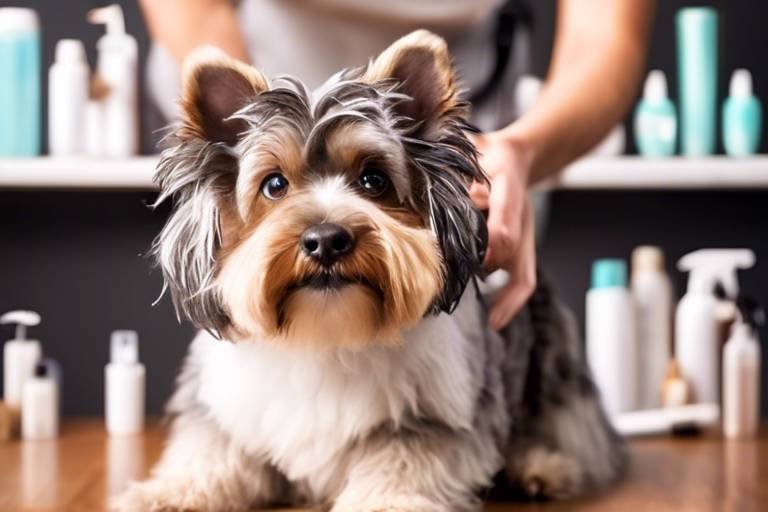
Choosing the right grooming products for your beloved pet can feel like searching for a needle in a haystack, right? With so many options available, how do you know which ones will truly cater to your pet’s unique needs? This comprehensive guide is designed to help you navigate the world of pet grooming products by considering essential factors such as your pet’s fur type, skin sensitivity, and specific grooming requirements. Whether you have a fluffy feline or a dapper dog, selecting the right products can make a world of difference in their grooming routine and overall well-being.
First and foremost, understanding your pet’s grooming needs is crucial. Every pet is different, and their grooming requirements can vary significantly based on their breed, age, and lifestyle. For instance, long-haired breeds may require more frequent brushing to prevent mats and tangles, while short-haired pets may need less intensive care. Additionally, some pets may have sensitive skin or allergies that require special attention when choosing shampoos and conditioners. By taking the time to assess these factors, you can create a tailored grooming regimen that keeps your pet looking and feeling their best.
Now, let’s dive into the types of grooming products available on the market. From shampoos and conditioners to brushes and tools, each category serves a specific purpose. For example, shampoos and conditioners are essential for maintaining coat health, while grooming tools like brushes and clippers help manage shedding and keep your pet’s fur looking neat. It’s important to familiarize yourself with the different types of products to make informed decisions that align with your pet’s needs.
When it comes to shampoos and conditioners, the right choice can significantly impact your pet’s coat health. There are several types to consider, including:
- Hypoallergenic Products: Ideal for pets with sensitive skin, these products are formulated to minimize irritation.
- Medicated Shampoos: Designed to treat specific skin conditions, these shampoos can be beneficial for pets suffering from dermatological issues.
- Natural Options: These products often contain organic ingredients and fewer harsh chemicals, making them a great choice for health-conscious pet owners.
As you explore these options, keep in mind that the right grooming tools can also make a significant difference in your pet’s grooming experience. Brushes and combs come in various shapes and sizes, each designed for specific fur types. For example, slicker brushes work wonders for long-haired breeds, while bristle brushes are perfect for short-haired pets. Additionally, clippers can help maintain a neat appearance, especially for breeds that require regular trimming.
The ongoing debate between natural and chemical grooming products is another important consideration. While natural products often contain fewer harsh chemicals, chemical products can sometimes offer more targeted solutions. It’s essential to weigh the pros and cons of each type to determine what will work best for your furry friend. For instance, natural grooming products can be gentler on the skin and less likely to cause allergic reactions, while chemical options may provide quicker results for specific issues.
Lastly, budgeting for grooming products is a vital aspect of pet ownership. Grooming can be an investment, but it doesn’t have to break the bank. By prioritizing quality over quantity, you can ensure your pet receives the best care possible without overspending. Consider looking for bulk deals or multi-product packages that can save you money in the long run.
Q: How often should I groom my pet?
A: The frequency of grooming depends on your pet’s breed and coat type. Long-haired pets may require grooming several times a week, while short-haired pets might only need it once a month.
Q: Can I use human grooming products on my pet?
A: It’s not recommended to use human grooming products on pets, as they can contain ingredients that are harmful to animals. Always choose products specifically formulated for pets.
Q: What should I do if my pet has a bad reaction to a grooming product?
A: If your pet shows signs of irritation or an allergic reaction, stop using the product immediately and consult your veterinarian for advice on how to proceed.
Understanding Your Pet’s Grooming Needs
Every pet is unique, and just like humans, they have their own specific grooming needs. Understanding these needs is the first step toward ensuring your furry friend looks and feels their best. Have you ever noticed how some pets seem to love bath time while others dread it? This difference often stems from their fur type, skin condition, and lifestyle. So, let’s dive deeper into how you can assess these factors to choose the right grooming products.
The first aspect to consider is your pet’s fur type. Is your pet a fluffy Golden Retriever or a sleek Siamese cat? Different fur types require different grooming products. For instance, long-haired breeds often need more frequent brushing to prevent tangles and mats, while short-haired breeds may require less grooming but still benefit from regular baths to keep their coat healthy. It’s essential to identify your pet’s specific fur type—whether it’s straight, curly, or wiry—as this will guide you in selecting the right brushes and shampoos.
Next, let’s talk about your pet’s skin condition. Some pets have sensitive skin that can easily become irritated by harsh chemicals found in many grooming products. If your pet frequently scratches or has red patches, it might be time to explore hypoallergenic grooming options that are gentler on their skin. On the other hand, if your pet has specific skin conditions like allergies or infections, you may need to consult your vet for recommendations on medicated shampoos that can help treat these issues.
Another important factor is your pet’s lifestyle. An active dog that loves to roll in the mud will have different grooming needs compared to a cat that primarily stays indoors. For example, if your pet spends a lot of time outdoors, they may require more frequent baths and a stronger shampoo to remove dirt and odors. Conversely, if your pet is mostly indoors, a gentle cleaning routine might suffice. Understanding your pet’s daily activities will help you determine how often you need to groom them and what products will work best.
To summarize, here are the key factors to consider when assessing your pet’s grooming needs:
- Fur Type: Long, short, curly, or straight?
- Skin Condition: Sensitive, normal, or prone to issues?
- Lifestyle: Active outdoors or relaxed indoors?
By taking the time to evaluate these aspects, you can better understand your pet’s grooming needs and select products that will keep them looking fabulous and feeling comfortable. Remember, a well-groomed pet is not only a happy pet but also a healthy one!
Types of Grooming Products
When it comes to keeping your furry friend looking fabulous, the variety of grooming products available can be overwhelming. From shampoos to brushes, each product plays a unique role in maintaining your pet’s hygiene and appearance. Understanding the different types of grooming products and their specific purposes is essential for making informed choices that cater to your pet’s individual needs.
First off, let’s talk about shampoos and conditioners. These are the cornerstone of any grooming routine. Just like humans, pets need the right shampoo to keep their coats clean and healthy. There are several types to consider:
- Regular Shampoos: Ideal for routine bathing, these products are formulated to remove dirt and oil without stripping the coat of its natural oils.
- Hypoallergenic Shampoos: Perfect for pets with sensitive skin, these shampoos are designed to minimize irritation and allergic reactions.
- Medicated Shampoos: These are specialized products that target specific skin conditions, such as dermatitis or fungal infections. They contain active ingredients that help treat and soothe affected areas.
- Conditioners: Often used after shampooing, conditioners help to detangle and soften the coat, making it more manageable and shiny.
Next up are grooming tools. The right tools can make a world of difference in your grooming routine. Brushes and combs come in various shapes and sizes, each designed for different fur types. For instance, a slicker brush is fantastic for removing mats from long-haired breeds, while a bristle brush works wonders on short-haired dogs. Additionally, clippers are essential for certain breeds that require regular trimming. Choosing the right tool can turn a tedious chore into a quick and enjoyable bonding experience with your pet.
Now, let’s not forget about grooming wipes and sprays. These handy products are perfect for quick clean-ups between baths. Grooming wipes are great for wiping down your pet’s paws after a walk or freshening up their coat. Sprays can help to deodorize and condition the coat, making your pet smell as good as they look!
In summary, selecting the right grooming products is not just about aesthetics; it’s about ensuring your pet’s health and comfort. Understanding the various types of grooming products available and their specific uses can help you create a grooming routine that works best for your pet. Each product serves a purpose, and when used correctly, they can contribute to a happier, healthier pet.
1. How often should I groom my pet?
The frequency of grooming depends on your pet’s breed, coat type, and lifestyle. Long-haired breeds may require grooming several times a week, while short-haired breeds might only need it once a month.
2. Can I use human grooming products on my pet?
It’s best to avoid using human products on pets, as they can contain ingredients that are harmful to animals. Always opt for products specifically formulated for pets.
3. What should I do if my pet has skin allergies?
If you suspect your pet has allergies, consult your veterinarian for recommendations on hypoallergenic grooming products and treatments tailored to your pet’s needs.
4. Are natural grooming products better for my pet?
Natural grooming products can be gentler and may contain fewer harsh chemicals, making them a good option for pets with sensitive skin. However, always check the ingredients to ensure they are safe and effective.
Shampoos and Conditioners
Choosing the right shampoo and conditioner for your pet is crucial for maintaining their coat health and overall well-being. Just like humans, pets have different fur types and skin sensitivities that require specific care. Imagine if you used a harsh detergent on your favorite shirt; it would lose its softness and vibrancy, right? The same principle applies to your furry friend. A well-chosen grooming product can make their coat shine and feel comfortable while preventing skin issues.
When selecting shampoos and conditioners, consider your pet’s unique needs. For instance, if your dog has a thick, double coat, you’ll want a product that not only cleans but also conditions deeply to avoid matting. On the other hand, a short-haired breed may only need a lightweight formula to maintain a healthy sheen. It’s all about understanding your pet’s fur type and lifestyle. For example, active pets that love to roll around in dirt might benefit from a stronger cleansing shampoo compared to a pampered indoor cat.
There are several categories of shampoos and conditioners available, each designed for specific purposes:
- Hypoallergenic: Ideal for pets with sensitive skin, these products are formulated to minimize irritation.
- Medicated: These shampoos treat specific skin conditions, such as allergies or infections.
- Natural: Often made with organic ingredients, these products are gentle on the skin and the environment.
It’s essential to read the labels carefully. Look for ingredients that are beneficial for your pet’s coat type. For example, oatmeal is known for its soothing properties, making it a great addition for pets with itchy skin. Aloe vera is another fantastic ingredient that helps hydrate and soothe the skin. However, be cautious of products containing sulfates or artificial fragrances, as these can be irritating.
To help you navigate through the myriad of options, here’s a simple comparison table of popular shampoo types:
| Type | Best For | Key Ingredients |
|---|---|---|
| Hypoallergenic | Sensitive Skin | Oatmeal, Aloe Vera |
| Medicated | Skin Conditions | Chlorhexidine, Benzoyl Peroxide |
| Natural | General Use | Organic Oils, Herbal Extracts |
In conclusion, selecting the right shampoos and conditioners can significantly impact your pet’s health, comfort, and happiness. Always consider their specific needs, and don’t hesitate to consult your veterinarian if you’re unsure. After all, a happy pet is a well-groomed pet!
Q1: How often should I bathe my pet?
A: The frequency of baths depends on your pet’s breed, coat type, and lifestyle. Generally, dogs can be bathed every 4-6 weeks, while cats may require less frequent bathing.
Q2: Can I use human shampoo on my pet?
A: It’s not recommended to use human shampoo on pets, as their skin has a different pH balance. Always opt for pet-specific grooming products.
Q3: What should I do if my pet has a reaction to a grooming product?
A: If you notice redness, itching, or any other signs of irritation, discontinue use immediately and consult your veterinarian for advice.
Hypoallergenic Products
When it comes to our furry friends, their comfort and health are paramount. If your pet has sensitive skin or allergies, choosing the right grooming products becomes even more crucial. are specifically formulated to minimize the risk of allergic reactions and irritation, making them an excellent choice for pets with delicate skin. But what exactly should you look for when selecting these products?
First and foremost, it’s essential to understand the ingredients in hypoallergenic grooming products. Many of these products are free from common allergens such as artificial fragrances, dyes, and harsh chemicals. Instead, they often contain gentle, natural ingredients that cleanse and nourish the skin without causing irritation. For example, ingredients like oatmeal, aloe vera, and chamomile are known for their soothing properties and are frequently found in hypoallergenic shampoos and conditioners.
Here are some key ingredients to consider when looking for hypoallergenic grooming products:
- Oatmeal: Known for its soothing properties, oatmeal can help relieve itchy and irritated skin.
- Aloe Vera: This natural hydrator is great for moisturizing the skin and promoting healing.
- Chamomile: With its anti-inflammatory effects, chamomile can calm sensitive skin.
When shopping for hypoallergenic products, it’s not just about the ingredients; the brand reputation also matters. Look for brands that are well-reviewed and have a history of producing quality pet care products. Some popular hypoallergenic grooming brands include Earthbath, Vet’s Best, and Pet Head. These brands are known for their commitment to using safe, effective ingredients that cater specifically to pets with sensitive skin.
Moreover, always remember to do a patch test before fully applying any new product to your pet. Apply a small amount on a discreet area of their skin and wait for 24 hours to see if there is any reaction. This simple step can save you from a potential allergic reaction and ensure that your pet stays comfortable and happy.
In conclusion, selecting hypoallergenic grooming products is a vital step in ensuring your pet’s skin health and overall well-being. By paying attention to the ingredients and choosing reputable brands, you can help your pet enjoy their grooming routine without the discomfort of irritation or allergies. Remember, a happy pet is a well-groomed pet!
Q: What are hypoallergenic grooming products?
A: Hypoallergenic grooming products are specially formulated to minimize allergens and irritants, making them suitable for pets with sensitive skin.
Q: How can I tell if my pet needs hypoallergenic products?
A: If your pet frequently scratches, has red or inflamed skin, or shows signs of discomfort during grooming, it may be time to consider hypoallergenic products.
Q: Are all natural products hypoallergenic?
A: Not necessarily. While many natural products are hypoallergenic, it’s essential to check the ingredient list as some natural ingredients can still cause allergic reactions.
Q: Can I use human hypoallergenic products on my pet?
A: It’s best to use products specifically designed for pets, as human products may not be formulated for their unique skin pH and can lead to irritation.
Medicated Shampoos
When it comes to keeping your furry friend happy and healthy, can be a game changer. These specialized shampoos are designed to address specific skin conditions that your pet may face, such as allergies, dermatitis, or fungal infections. Using a medicated shampoo can not only alleviate your pet’s discomfort but also promote a healthier coat and skin. But how do you know when to use one? And what benefits do they offer? Let’s dive into the details!
First off, it’s important to recognize the signs that your pet might need a medicated shampoo. If you notice excessive scratching, redness, or flaky skin, it may be time to consult your veterinarian. They can help diagnose the issue and recommend a suitable medicated shampoo. These shampoos often contain active ingredients that target specific problems, making them more effective than regular grooming products.
Some common conditions that medicated shampoos can help treat include:
- Allergies: Many pets suffer from allergies that can lead to itchy skin. Medicated shampoos with anti-inflammatory properties can provide relief.
- Fungal Infections: If your pet has a yeast or fungal infection, medicated shampoos containing antifungal agents can help eliminate the problem.
- Parasite Infestations: Shampoos formulated to combat fleas and ticks can be a vital part of your pet’s grooming routine.
- Dermatitis: For pets with skin inflammation, medicated shampoos can soothe and heal the affected areas.
When selecting a medicated shampoo, it’s crucial to read the label carefully. Look for shampoos that list specific active ingredients, as these will indicate what condition the product is designed to treat. Here’s a quick breakdown of some common ingredients and their purposes:
| Active Ingredient | Purpose |
|---|---|
| Chlorhexidine | Antibacterial and antifungal properties |
| Salicylic Acid | Helps to exfoliate and reduce scaling |
| Ketoconazole | Effective against fungal infections |
| Colloidal Oatmeal | Soothes itchy and irritated skin |
It’s also essential to follow the instructions provided on the shampoo’s label. Some medicated shampoos need to be left on the coat for a specific period to be effective, while others may require more frequent application. Always consult your vet for personalized advice tailored to your pet’s unique needs.
In conclusion, medicated shampoos can be a vital tool in your pet care arsenal. They not only help in treating specific skin conditions but also contribute to overall skin and coat health. By understanding your pet’s needs and choosing the right medicated shampoo, you can ensure your furry friend stays comfortable and happy!
Q: How often should I use a medicated shampoo on my pet?
A: It depends on the specific shampoo and the condition being treated. Always follow your veterinarian’s recommendations.
Q: Can I use a medicated shampoo on my puppy or kitten?
A: Some medicated shampoos are safe for young pets, but always check with your vet before use.
Q: Are there any side effects to using medicated shampoos?
A: While generally safe, some pets may experience irritation or allergic reactions. Monitor your pet closely after use and consult your vet if you notice any adverse effects.
Grooming Tools
When it comes to keeping your furry friend looking fabulous, are your best allies. Just like a chef needs the right knives to whip up a culinary masterpiece, you need the right tools to ensure your pet’s grooming routine is effective and enjoyable. The right grooming tools can make a world of difference in the health and appearance of your pet’s coat. But how do you choose the best tools for your pet’s unique fur type and grooming needs? Let’s dive into the essentials!
First off, let’s talk about brushes. Brushes come in various shapes and sizes, and the type you choose should depend on your pet’s fur. For instance, if you have a long-haired breed, like a Persian cat or a Golden Retriever, a slicker brush is fantastic for detangling and removing loose hair. On the other hand, short-haired breeds, such as Beagles or Boxers, may benefit from a bristle brush that helps distribute natural oils and keeps their coat shiny. Additionally, consider a grooming mitt for those pets that are sensitive to brushes; a gentle rub can feel soothing and still get the job done!
Next up are combs. Combs are essential for tackling those pesky knots and mats. A wide-toothed comb is perfect for detangling, while a fine-toothed comb can help with precision grooming, especially around sensitive areas like the face and underbelly. Remember, combing should be a gentle process. If you encounter a knot, be patient and work it out slowly rather than yanking at it, which can cause discomfort for your pet.
| Type of Tool | Best For | Key Features |
|---|---|---|
| Slicker Brush | Long-haired breeds | Removes tangles and mats |
| Bristle Brush | Short-haired breeds | Distributes natural oils |
| Grooming Mitt | Sensitive pets | Gentle massage and hair removal |
| Wide-toothed Comb | Detangling | Works well on knots |
| Fine-toothed Comb | Precision grooming | Ideal for sensitive areas |
Clippers are another important tool in your grooming arsenal, especially if your pet has a coat that requires regular trimming. Whether you have a Poodle that needs a neat cut or a Schnauzer that requires specific styling, investing in a good pair of clippers can save you time and money in the long run. Look for clippers that are quiet and have adjustable blades to accommodate different lengths. And don’t forget about nail clippers! Keeping your pet’s nails trimmed is essential for their comfort and health. There are various styles, including guillotine and electric nail grinders, so choose one that you feel comfortable using.
Finally, don’t underestimate the power of a good grooming table. While it might seem like a luxury, a grooming table can make the grooming process much easier for both you and your pet. It provides a stable surface and keeps your pet at a comfortable height, making it easier to groom without straining your back. Plus, many grooming tables come with adjustable heights and safety features to keep your pet secure.
In summary, selecting the right grooming tools is crucial for maintaining your pet’s coat and overall well-being. By understanding your pet’s specific grooming needs and investing in quality tools, you can turn grooming from a chore into a bonding experience. So, gather your tools, put on some music, and make grooming a fun time for both you and your furry companion!
- How often should I groom my pet? It depends on the breed and coat type. Long-haired pets may need grooming several times a week, while short-haired pets might only need it once a week.
- Can I use human grooming products on my pet? It’s best to avoid human products as they can irritate your pet’s skin. Always choose pet-specific grooming products.
- What should I do if my pet resists grooming? Start slowly, use treats, and make it a positive experience. If necessary, consult a professional groomer for help.
Natural vs. Chemical Products
When it comes to grooming your furry friend, the debate between natural and chemical products is as heated as a dog chasing its tail! Each side has its loyal supporters, and understanding the differences can help you make the best choice for your pet. Natural products often appeal to pet owners looking for gentler options, while chemical products are known for their effectiveness in tackling tough grooming challenges. So, how do you decide which path to take?
First off, let’s break down what we mean by natural and chemical products. Natural grooming products are typically made from organic ingredients, free from synthetic chemicals and harsh additives. They often include things like essential oils, plant extracts, and natural moisturizers. On the flip side, chemical grooming products contain synthetic ingredients designed to address specific issues, such as dandruff or flea infestations, and they often work quickly and effectively.
Now, let’s take a closer look at the benefits of natural products. Many pet owners prefer these options because they tend to be less irritating to the skin and are often biodegradable, making them an eco-friendly choice. For pets with sensitive skin or allergies, natural products can be a lifesaver. They usually contain fewer harsh chemicals, which means there’s a lower risk of adverse reactions. However, it’s crucial to read the labels carefully, as not all products marketed as “natural” are created equal. Some may still include preservatives or other additives that could irritate your pet’s skin.
On the other hand, chemical grooming products have their own set of advantages. They are often formulated to deliver quick results, especially for specific skin conditions or pest problems. For example, medicated shampoos can help treat fungal infections or severe itching caused by allergies. However, the downside is that these products can sometimes lead to side effects, such as skin irritation or allergic reactions, especially if used too frequently. It’s essential to monitor your pet’s reaction and consult your veterinarian if you notice any adverse effects.
In summary, choosing between natural and chemical grooming products often comes down to your pet’s specific needs. If your pet has a history of skin sensitivities or allergies, you might lean towards natural options. But if your furry friend faces persistent issues that require a more targeted approach, chemical products could be the way to go. As with anything, it’s all about finding the right balance.
To help you make a more informed decision, here’s a quick comparison table:
| Feature | Natural Products | Chemical Products |
|---|---|---|
| Ingredients | Organic, plant-based | Synthetic, targeted |
| Skin Sensitivity | Gentle, less irritating | Can cause irritation |
| Effectiveness | Gradual results | Quick and effective |
| Environmental Impact | Eco-friendly | Varies |
Ultimately, the choice between natural and chemical grooming products should be based on your pet’s individual needs and health considerations. Don’t hesitate to consult with your vet for recommendations tailored to your furry companion!
Q: Are natural grooming products always better for my pet?
A: Not necessarily. While they can be gentler on the skin, it depends on your pet’s unique needs. Always consider your pet’s specific conditions and consult with a veterinarian.
Q: Can I use human grooming products on my pet?
A: It’s best to avoid using human products on pets, as they can contain ingredients that are harmful to animals. Always choose products specifically formulated for pets.
Q: How often should I groom my pet?
A: This varies by breed and coat type. Regular grooming is essential for maintaining a healthy coat and skin, but consult your vet for a schedule tailored to your pet.
Benefits of Natural Products
When it comes to grooming your beloved pet, choosing the right products can feel overwhelming. However, opting for natural grooming products can be a game-changer for both you and your furry friend. These products are often formulated with organic ingredients that are gentle on the skin and coat, making them a fantastic choice for pets with sensitivities or allergies. But what exactly are the benefits of using natural grooming products? Let’s dive in!
First and foremost, natural products tend to contain fewer harsh chemicals. This is crucial because many traditional grooming products are loaded with synthetic additives that can irritate your pet’s skin or even lead to long-term health issues. By choosing natural alternatives, you reduce the risk of exposing your pet to these potentially harmful substances.
Another significant advantage is that natural products often incorporate nourishing ingredients like aloe vera, coconut oil, and essential oils. These ingredients not only clean but also condition your pet’s coat, leaving it shiny and healthy. For example, aloe vera is known for its soothing properties, making it perfect for pets with sensitive skin. Meanwhile, coconut oil can help moisturize and protect the fur, preventing dryness and flakiness.
Furthermore, many natural grooming products are environmentally friendly. By choosing these products, you’re not just caring for your pet; you’re also making a conscious choice to support sustainable practices. Many brands prioritize eco-friendly packaging and sourcing, which is a win-win for your pet and the planet!
It’s also worth noting that natural grooming products often have a pleasant scent derived from essential oils rather than artificial fragrances. This means your pet will smell fresh without the risk of chemical exposure. Plus, these natural scents can have calming effects, which is particularly beneficial during grooming sessions that may otherwise be stressful for your pet.
In summary, the benefits of using natural grooming products are numerous. They provide a safer, healthier grooming experience for your pet while also being kinder to the environment. As you consider your options, remember that investing in natural products can lead to a happier and healthier pet in the long run. Why not give them a try? Your furry friend will thank you!
- Are natural grooming products more expensive than chemical ones?
While some natural products may come with a higher price tag, many brands offer affordable options. The long-term benefits to your pet’s health can outweigh the initial cost.
- Can I use human natural products on my pet?
It’s best to use products specifically formulated for pets, as their skin pH differs from humans. Always check the label for pet-safe ingredients.
- How do I know if a product is truly natural?
Look for certifications, read the ingredient list, and choose products from reputable brands known for their commitment to natural ingredients.
Potential Risks of Chemical Products
When it comes to grooming your beloved pet, the choice between natural and chemical products can feel like a tightrope walk. On one hand, chemical grooming products can deliver quick results, but on the other, they might come with a bag of potential risks that could leave you second-guessing your choices. Just like how a flashy car might look good on the outside but could have engine problems under the hood, chemical grooming products can mask underlying issues while posing threats to your pet’s health.
One of the primary concerns with chemical grooming products is the possibility of skin irritation. Many commercial shampoos and conditioners contain harsh ingredients that can strip the skin of its natural oils, leading to dryness and discomfort. Imagine using a shampoo on your own hair that leaves it feeling brittle and lifeless; your pet can experience similar effects. Symptoms of irritation can range from mild redness to severe itching, which can turn grooming time into a stressful ordeal.
Additionally, some chemical products may contain allergens or irritants that can trigger allergic reactions in pets. Just as some humans are sensitive to certain ingredients in skincare products, pets can also be affected. Common allergens found in grooming products include:
- Fragrances
- Preservatives
- Coloring agents
These additives can lead to symptoms such as swelling, hives, or even respiratory issues. It’s essential to monitor your pet closely after introducing a new grooming product to catch any adverse reactions early.
Another critical factor to consider is the long-term effects of using chemical products. Some ingredients, like sulfates and parabens, have raised eyebrows in recent years due to their potential links to health issues. While the research is ongoing, many pet owners prefer to err on the side of caution. Just as we are becoming more aware of what we put into our bodies, the same scrutiny is now being applied to what we apply to our pets’ skin.
Moreover, chemical grooming products can also have environmental impacts. Many of these products are not biodegradable, meaning they can contribute to pollution when washed away down the drain. If you’re a pet owner who cares about sustainability, this is an aspect worth considering. Opting for eco-friendly alternatives might not only be beneficial for your pet but also for the planet.
In summary, while chemical grooming products can offer convenience and immediate results, it’s crucial to weigh their potential risks against their benefits. Always read labels carefully and consider consulting with your veterinarian to choose products that align with your pet’s specific needs. After all, a little research can go a long way in ensuring your furry friend stays healthy and happy!
Q: What are common signs of irritation from grooming products?
A: Look for signs like excessive scratching, redness, swelling, or any unusual behavior after using a new product.
Q: Are there any specific ingredients I should avoid?
A: Yes, try to avoid products containing sulfates, parabens, artificial fragrances, and dyes, as these can be harsh on your pet’s skin.
Q: Can I use human grooming products on my pet?
A: It’s best to avoid using human products on pets as their skin pH is different, which can lead to irritation and other issues.
Q: How can I choose safer grooming products?
A: Look for products labeled as hypoallergenic, natural, or organic, and always check for certifications or reviews.
Budgeting for Grooming Products
Grooming your pet is not just about aesthetics; it’s a vital part of their overall health and well-being. However, can sometimes feel like a daunting task, especially if you want to provide the best care without breaking the bank. Understanding how to allocate your funds effectively can help you strike a balance between quality and cost.
First off, it’s essential to assess your pet’s specific grooming needs. Different breeds and fur types require different products. For instance, long-haired breeds may need specialized shampoos and conditioners, while short-haired pets might only require basic grooming tools. By identifying what your pet truly needs, you can avoid overspending on unnecessary items. Consider creating a simple chart to categorize your pet’s grooming essentials:
| Product Type | Estimated Cost | Frequency of Purchase |
|---|---|---|
| Shampoo | $10 – $30 | Every 1-3 months |
| Conditioner | $10 – $25 | Every 1-3 months |
| Brush/Comb | $5 – $20 | Every 6-12 months |
| Clippers | $20 – $100 | Every 1-2 years |
Once you have a clear idea of what you need, it’s time to set a budget. Start by determining how much you can comfortably spend each month on grooming products. This doesn’t mean you have to sacrifice quality; instead, you can look for bulk buying options or sales that can help you save money. Many pet stores offer loyalty programs or discounts for frequent purchases, so take advantage of those whenever possible.
Another great way to save is by considering DIY grooming solutions. For example, you can make your own pet shampoo using natural ingredients that are gentle on your pet’s skin. Not only is this often cheaper, but it also allows you to control what goes into the products you use. There are countless recipes available online that can guide you through the process, making it a fun and rewarding experience.
Finally, don’t forget to factor in the cost of professional grooming services if needed. While many pet owners prefer to handle grooming at home, some pets may require the expertise of a professional groomer, especially if they have specific needs or are particularly anxious about grooming. In this case, budgeting for these services becomes essential, so consider setting aside a separate fund for occasional visits to the groomer.
In conclusion, budgeting for grooming products doesn’t have to be overwhelming. By understanding your pet’s individual needs, setting a clear budget, seeking out discounts, and exploring DIY options, you can ensure that your furry friend receives the best care possible without straining your finances.
- How often should I groom my pet? It depends on your pet’s breed and coat type. Long-haired breeds may need grooming several times a week, while short-haired pets might only need it once a month.
- Can I use human grooming products on my pet? It’s best to avoid this, as human products can irritate your pet’s skin and coat. Always choose products specifically formulated for pets.
- What are some signs that I need to change my grooming products? If you notice skin irritation, excessive shedding, or a dull coat, it may be time to reevaluate your grooming products.
Frequently Asked Questions
- What factors should I consider when choosing grooming products for my pet?
When selecting grooming products, consider your pet’s fur type, skin sensitivity, and specific grooming needs. For instance, long-haired pets may require different tools than short-haired ones, and pets with sensitive skin may benefit from hypoallergenic products.
- Are natural grooming products better for my pet?
Natural grooming products often contain fewer harsh chemicals, making them a safer choice for pets with sensitive skin or allergies. However, it’s essential to check the ingredient list to ensure they meet your pet’s specific needs.
- How often should I groom my pet?
The frequency of grooming depends on your pet’s breed, fur type, and lifestyle. Generally, long-haired breeds require more frequent grooming, while short-haired breeds can be groomed less often. Regular grooming helps prevent matting and keeps your pet’s coat healthy.
- What are the signs that I need to switch grooming products?
If you notice skin irritation, excessive shedding, or changes in your pet’s coat condition, it might be time to reconsider your grooming products. Additionally, if your pet seems uncomfortable during grooming sessions, the products could be the cause.
- Can I use human grooming products on my pet?
It’s not advisable to use human grooming products on pets, as they are formulated for different skin pH levels and may contain ingredients that could irritate your pet’s skin. Always choose products specifically designed for animals.
- What are some tips for budgeting for grooming products?
To budget effectively for grooming products, consider buying in bulk, looking for sales, and prioritizing essential items over luxury products. You can also explore DIY grooming solutions to save money while still caring for your pet’s grooming needs.
grooming products, pet type, coat condition, skin sensitivity, ingredients safety, brand reputation, grooming tools, budget considerations, , grooming products, pet type, coat condition, skin sensitivity, ingredients safety, brand reputation, grooming tools, budget considerations,
Share this content:
Leave a Reply