
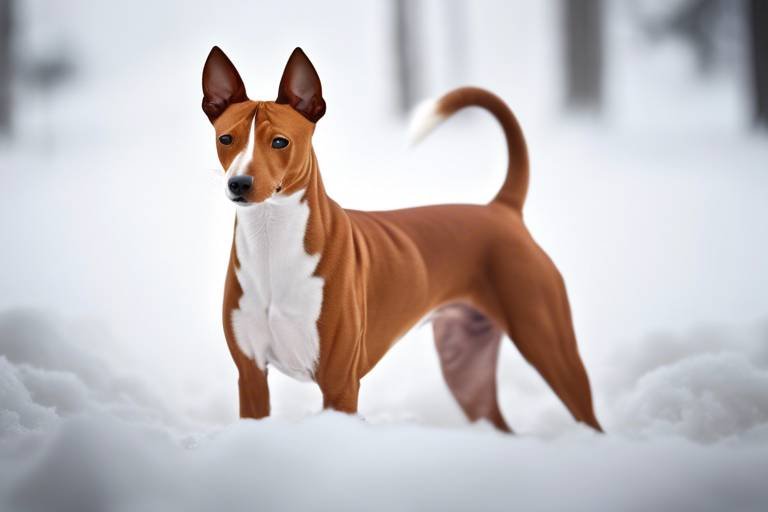
The Basenji dog is not just any breed; it’s a remarkable companion that captivates the hearts of dog lovers around the world. Often referred to as the “barkless dog,” the Basenji stands out with its charming personality and striking appearance. Imagine a dog that combines elegance with a playful spirit, all wrapped up in a compact, athletic frame. This breed is perfect for those who appreciate a loyal friend that is both intelligent and independent. If you’re considering adding a furry friend to your family, let’s dive into why the Basenji might just be the perfect match for you!
First off, the Basenji’s history is as intriguing as its traits. Originating from Central Africa, these dogs were bred for hunting and companionship, showcasing their unique abilities and characteristics early on. Their journey through time has shaped them into the loyal and spirited companions we know today. With a Basenji by your side, you’re not just getting a pet; you’re welcoming a piece of history into your home.
What truly sets the Basenji apart is its barkless nature. Instead of barking, these dogs communicate with a distinctive yodel-like sound, often called a “barroo.” This unique vocalization adds to their charm and makes them a conversation starter among dog enthusiasts. Imagine having a dog that doesn’t disturb the peace with loud barks but instead engages you with its melodious sounds. It’s like having a furry friend that sings rather than shouts!
Moreover, the Basenji’s physical characteristics are nothing short of stunning. With a sleek body, a curled tail, and an expressive face, this breed is a visual delight. Their short, fine coat comes in a variety of colors, including brindle, black, and white, making every Basenji a unique masterpiece. Their compact and muscular build not only makes them agile but also allows them to keep up with active lifestyles. Whether it’s a brisk walk in the park or a playful romp in the backyard, a Basenji is always ready for adventure.
As we explore the temperament of the Basenji, we find a blend of independence and intelligence. These dogs are known for their curious nature, often exploring their surroundings with keen interest. However, this independent streak can pose challenges when it comes to training. It’s essential for potential owners to understand their unique personality traits to foster a harmonious relationship. With patience and the right techniques, you can cultivate a strong bond with your Basenji that’s built on trust and mutual respect.
In summary, the Basenji is a breed that offers a unique blend of history, charm, and companionship. From their fascinating vocalizations to their striking appearance and spirited personality, these dogs are truly one-of-a-kind. If you’re looking for a loyal friend who will keep you on your toes while also being a source of joy and laughter, the Basenji might just be the perfect companion for you!
- Are Basenjis good with children? Yes, Basenjis can be great with children, especially when socialized early. They are playful and enjoy engaging with families.
- Do Basenjis require a lot of grooming? No, their short coat requires minimal grooming, making them a low-maintenance breed in that regard.
- Can Basenjis be left alone for long periods? Basenjis are independent dogs, but they thrive on companionship. Long periods alone can lead to boredom and mischief.
- How much exercise do Basenjis need? Basenjis are active dogs and require regular exercise to keep them healthy and happy. Daily walks and playtime are essential.
Origins of the Basenji
This article explores the distinctive traits, history, and care needs of the Basenji dog, making it an exceptional choice for dog lovers seeking a loyal and intelligent companion.
The Basenji dog boasts a rich and fascinating history that stretches back thousands of years. Originating from the dense jungles of Central Africa, these dogs were not just companions; they were bred primarily for hunting purposes. The Basenji’s ancestors were used by the indigenous tribes for tracking and capturing game, showcasing their agility and keen senses. Their unique traits were recognized early on, and they quickly became cherished members of the households they served.
Interestingly, the Basenji is often referred to as the “barkless dog” because of its inability to produce a traditional bark. Instead, it emits a sound that resembles a yodel, often called a barroo. This distinctive vocalization can be traced back to their African roots, where their silent nature was advantageous for stealthy hunting.
The breed’s history is closely tied to the Congolese people, who valued the Basenji for its hunting prowess and companionship. These dogs were often depicted in ancient art, highlighting their significance in the culture. Over time, the Basenji’s unique characteristics caught the attention of European explorers in the late 19th century, leading to its introduction to the Western world.
As the breed began to gain popularity outside Africa, efforts were made to preserve its lineage and characteristics. The Basenji Club of America was established in 1942, and this organization played a crucial role in promoting responsible breeding practices. Today, the Basenji is recognized by various kennel clubs and is celebrated for its unique traits, making it a beloved choice among dog enthusiasts.
In summary, the origins of the Basenji are deeply rooted in the rich tapestry of African culture and history. Its remarkable journey from the jungles of Central Africa to the homes of dog lovers worldwide is a testament to its enduring appeal and exceptional qualities.
The Basenji is known for its striking appearance, including a sleek body, curled tail, and expressive face. These features contribute to its appeal as a visually stunning breed.
Typically small to medium-sized, Basenjis are well-proportioned with a muscular build. Their compact frame allows for agility and speed, making them excellent companions for active individuals.
Basenjis have a short, fine coat that requires minimal grooming. Their coat colors range from brindle to black and white, adding to their unique aesthetic appeal.
One of the most fascinating aspects of the Basenji is its inability to bark. Instead, they produce a unique yodel-like sound, often referred to as a barroo, adding to their charm.
Basenjis are known for their independent and intelligent nature. Understanding their temperament is crucial for potential owners to ensure a harmonious relationship.
Training a Basenji requires patience and consistency due to their independent streak. Early socialization is essential to help them develop into well-rounded companions.
Using positive reinforcement methods can be particularly effective with Basenjis. Reward-based training encourages desired behaviors and strengthens the bond between dog and owner.
Basenjis can be stubborn and may require extra effort in training. Identifying their unique learning style is key to overcoming potential challenges.
Like all breeds, Basenjis are prone to specific health issues. Regular veterinary check-ups and a healthy lifestyle can help maintain their well-being throughout their lives.
Some common health concerns in Basenjis include hip dysplasia and eye disorders. Awareness of these issues can aid in early detection and treatment.
Routine care, including vaccinations and dental hygiene, is essential for keeping Basenjis healthy. Preventative measures can extend their lifespan and enhance their quality of life.
1. Are Basenjis good family dogs?
Yes, Basenjis can be excellent family dogs, especially if they are properly socialized from a young age. They tend to be affectionate and loyal companions.
2. How much exercise do Basenjis need?
Basenjis are active dogs that require regular exercise. Daily walks and playtime are essential to keep them healthy and happy.
3. Do Basenjis shed a lot?
No, Basenjis have a short coat that sheds minimally, making them a good choice for those who prefer low-maintenance grooming.
4. Can Basenjis be left alone?
While Basenjis are independent, they can become bored if left alone for long periods. It’s best to provide them with toys and activities to keep them engaged.
Physical Characteristics
The Basenji dog is truly a sight to behold, combining elegance and athleticism in its physical form. These dogs are typically classified as small to medium-sized, with a well-proportioned and muscular build that exudes strength and agility. Their compact frame is not just for show; it enables them to be incredibly active and nimble, making them perfect companions for those who enjoy an active lifestyle. Imagine a dog that can effortlessly keep up with you on your morning jog or play fetch in the park without breaking a sweat—this is the Basenji.
One of the most striking features of the Basenji is its curled tail, which adds to its unique silhouette. This tail curls over the back, giving them a distinctive look that sets them apart from other breeds. Their expressive face is another captivating characteristic, often adorned with a curious and intelligent expression that seems to communicate their thoughts and feelings. It’s as if they are always ready to engage with you, making them not just pets but true companions.
The Basenji boasts a short, fine coat that is not only beautiful but also requires minimal grooming. This makes them an attractive option for busy dog owners who still want a stunning pet. Their coat colors are quite diverse, ranging from brindle to black and white, and even red or chestnut variations. Each color pattern has its own charm, allowing for a variety of appearances within the breed. You can see why many dog lovers are drawn to their unique aesthetic appeal!
One of the most fascinating aspects of the Basenji is its inability to bark like traditional dogs. Instead, they communicate through a distinctive sound known as a yodel or barroo. This unique vocalization adds to their charm and personality, making them a conversation starter wherever you go. Just picture having a dog that doesn’t bark at every passerby, but instead greets you with a melodious yodel that is both amusing and endearing. This trait not only makes them quieter companions but also showcases their unique heritage as a breed that was developed in the African wilderness.
In summary, the Basenji’s physical characteristics are a blend of beauty, strength, and uniqueness. From their sleek bodies to their charming sounds, they embody a breed that is both visually stunning and rich in personality. If you’re looking for a dog that stands out in a crowd and has a character to match, the Basenji is an exceptional choice that will surely steal your heart.
- Do Basenjis shed a lot? – Basenjis have a short coat that sheds minimally, making them a good option for those who prefer low-shedding dogs.
- Are Basenjis good with children? – Yes, Basenjis can be good with children, but early socialization is key to ensuring they are comfortable and friendly.
- How much exercise do Basenjis need? – Basenjis are active dogs that require regular exercise, ideally daily walks and playtime to keep them happy and healthy.
Size and Build
The Basenji dog is typically classified as a small to medium-sized breed, which makes them a perfect fit for various living situations, from cozy apartments to spacious homes. On average, adult Basenjis weigh between 22 to 24 pounds (10 to 11 kg) and stand about 16 to 17 inches (41 to 43 cm) tall at the shoulder. This compact size contributes to their agility and speed, allowing them to excel in activities that require quick movements and bursts of energy.
What sets the Basenji apart is not just their size but also their muscular build. Their well-proportioned bodies are designed for both function and aesthetics, giving them a sleek appearance that many dog lovers find appealing. With a deep chest and a narrow waist, they possess a physique that is both athletic and elegant. This unique combination of size and build makes them excellent companions for active individuals who enjoy outdoor activities like hiking or running.
To better understand the physical characteristics of the Basenji, here’s a quick overview:
| Characteristic | Description |
|---|---|
| Weight | 22 – 24 pounds (10 – 11 kg) |
| Height | 16 – 17 inches (41 – 43 cm) |
| Body Type | Muscular, Compact |
| Tail | Curl over the back |
Another fascinating aspect of their build is the Basenji’s distinctive curled tail. This feature not only adds to their charm but also serves a purpose in terms of balance and agility. When they run, their tail acts like a rudder, helping them navigate through various terrains with ease. This unique tail is often a point of conversation among dog enthusiasts, as it sets the Basenji apart from many other breeds.
In essence, the Basenji’s size and build are not just about how they look; they embody a spirit of energy and playfulness that makes them an ideal companion for those who appreciate an active lifestyle. Whether you’re looking to take them on long walks, engage in playful games, or simply enjoy their company at home, the Basenji’s physical characteristics make them a delightful addition to any family.
- What is the average lifespan of a Basenji? The average lifespan of a Basenji is around 12 to 16 years, depending on their health and care.
- Do Basenjis shed a lot? Basenjis have a short coat that sheds minimally, making them relatively low-maintenance in terms of grooming.
- Are Basenjis good with children? Yes, Basenjis can be good with children, but early socialization is important to ensure they are well-adjusted.
- How much exercise do Basenjis need? Basenjis are active dogs and require daily exercise, such as walks or playtime, to keep them happy and healthy.
Coat and Colors
The Basenji is not just a charming companion; its coat and colors contribute significantly to its overall allure. These dogs boast a short, fine coat that feels silky to the touch, making them a joy to pet. One of the best parts about their coat is that it requires minimal grooming. A quick brush here and there is usually enough to keep their fur looking sleek and tidy. This low-maintenance aspect makes them perfect for busy dog lovers who want a beautiful dog without the extensive grooming routine.
When it comes to colors, Basenjis are quite versatile. Their coats can come in a variety of shades, including:
- Brindle: A mix of brown and black stripes, giving them a wild, tiger-like appearance.
- Black and White: A classic combination that highlights their elegant features.
- Chestnut Red: A warm, rich color that exudes vibrancy and energy.
- White: Often seen as a marking on their chest or paws, adding a touch of contrast to their overall look.
What makes the Basenji even more unique is the way their coat patterns and colors can vary from one dog to another. You could have two Basenjis in the same household, and they might look completely different! This diversity in appearance not only makes them visually appealing but also reflects their individual personalities. Imagine having a dog that stands out in a crowd, capturing the attention of everyone around with its striking looks!
Furthermore, the Basenji’s curled tail adds another layer of charm to their physical appearance. It’s not just a tail; it’s a statement! The way it curls over their back gives them an air of elegance and poise, further enhancing their unique character. Whether they are lounging lazily in the sun or running around in the park, their coat and colors play a significant role in their overall presence.
In conclusion, the Basenji’s coat and colors are more than just aesthetic features; they contribute to the breed’s identity and charm. If you’re considering bringing one of these remarkable dogs into your life, you can look forward to not only a loyal companion but also a visually stunning one that will turn heads wherever you go.
Here are some common questions about the Basenji’s coat and colors:
- Do Basenjis shed a lot? – Basenjis have a short coat that sheds minimally, making them a good choice for those who prefer low-shedding dogs.
- How often should I groom my Basenji? – A quick brushing once a week is usually sufficient to keep their coat in good condition.
- Are there any specific grooming products recommended for Basenjis? – A soft bristle brush and a mild dog shampoo are ideal for maintaining their coat.
- Can Basenjis have different color patterns? – Yes, Basenjis can come in various colors and patterns, which adds to their uniqueness.
Distinctive Barkless Trait
The Basenji dog is famously known for its remarkable barkless trait, which sets it apart from many other breeds. Instead of barking like traditional dogs, Basenjis communicate through a unique sound often described as a yodel or a barroo. This intriguing vocalization is not only a reflection of their distinct personality but also a fascinating aspect of their history. Imagine a dog that expresses its joy, excitement, or even discontent through melodious tones rather than the usual barking! This trait is rooted in the breed’s origins, where their silent nature was advantageous for hunting in the dense jungles of Central Africa. By not barking, they could stalk prey without alerting it to their presence.
Interestingly, this barkless characteristic doesn’t mean that Basenjis are completely mute. They have a range of vocalizations that they use to express themselves, making them quite the conversationalists in their own right. Owners often find themselves captivated by the various sounds their Basenjis make, from soft whines to playful yodels. This vocal diversity can sometimes lead to amusing interactions, as these dogs seem to have their own way of chatting with their humans.
Moreover, the absence of a traditional bark can be a blessing for those living in close quarters, such as apartments or urban environments. While many dogs may disrupt the peace with their barking, Basenjis can be the perfect companions for those who prefer a quieter household. However, it’s essential to note that this doesn’t mean they are any less expressive or lively. Their playful nature and energetic disposition ensure that they still bring plenty of joy and excitement into their owner’s lives.
In summary, the Basenji’s distinctive barkless trait is just one of the many reasons why they are such a unique companion. Their ability to communicate in a non-traditional way adds an extra layer of charm to their already captivating personality. If you’re considering bringing a Basenji into your life, prepare for a delightful journey filled with yodels and a bond that transcends typical canine communication.
- Why can’t Basenjis bark?
Basenjis have a unique larynx structure that prevents them from producing a traditional bark. Instead, they express themselves through yodel-like sounds.
- Are Basenjis good for apartment living?
Yes! Their barkless nature makes them ideal for apartments, as they tend to be quieter than many other breeds.
- Do Basenjis require a lot of exercise?
Absolutely! Basenjis are energetic dogs that need regular exercise to stay healthy and happy. Daily walks and playtime are essential.
- Are Basenjis easy to train?
Training a Basenji can be challenging due to their independent nature. Consistency and positive reinforcement techniques work best.
barroo,
This article explores the distinctive traits, history, and care needs of the Basenji dog, making it an exceptional choice for dog lovers seeking a loyal and intelligent companion.
The Basenji has a rich history that dates back thousands of years. Originating from Central Africa, these dogs were bred for hunting and companionship, showcasing their unique traits early on.
The Basenji is known for its striking appearance, including a sleek body, curled tail, and expressive face. These features contribute to its appeal as a visually stunning breed.
Typically small to medium-sized, Basenjis are well-proportioned with a muscular build. Their compact frame allows for agility and speed, making them excellent companions for active individuals.
Basenjis have a short, fine coat that requires minimal grooming. Their coat colors range from brindle to black and white, adding to their unique aesthetic appeal.
One of the most fascinating aspects of the Basenji is its inability to bark. Instead, they produce a unique yodel-like sound, often referred to as a barroo, adding to their charm.
The barroo is not just a quirky trait; it’s a defining characteristic of the Basenji breed. Imagine a dog that communicates not with a bark, but with a melodious sound that resembles a yodel. This vocalization is a result of their unique larynx structure, which allows them to create this distinctive sound. The barroo can be heard when they are excited, curious, or even when they want to get your attention. It’s almost like having a furry friend who sings instead of barks!
Many Basenji owners find the barroo endearing. It’s a sound that can bring a smile to your face, especially when your Basenji decides to serenade you during a quiet evening at home. However, it’s important to note that while their vocalization is charming, it can also be surprising to those unfamiliar with the breed. Expect a few raised eyebrows from guests who might be taken aback by this unusual form of canine communication!
In addition to their unique vocalization, Basenjis are known for their expressive body language. They are incredibly observant and often use their posture and movements to express their feelings. When combined with the barroo, you’ll find that your Basenji has a whole repertoire of ways to communicate with you, making them not just a pet, but a true companion.
Basenjis are known for their independent and intelligent nature. Understanding their temperament is crucial for potential owners to ensure a harmonious relationship.
Training a Basenji requires patience and consistency due to their independent streak. Early socialization is essential to help them develop into well-rounded companions.
Using positive reinforcement methods can be particularly effective with Basenjis. Reward-based training encourages desired behaviors and strengthens the bond between dog and owner.
Basenjis can be stubborn and may require extra effort in training. Identifying their unique learning style is key to overcoming potential challenges.
Like all breeds, Basenjis are prone to specific health issues. Regular veterinary check-ups and a healthy lifestyle can help maintain their well-being throughout their lives.
Some common health concerns in Basenjis include hip dysplasia and eye disorders. Awareness of these issues can aid in early detection and treatment.
Routine care, including vaccinations and dental hygiene, is essential for keeping Basenjis healthy. Preventative measures can extend their lifespan and enhance their quality of life.
- Do Basenjis get along with other pets? Yes, with proper socialization, Basenjis can coexist with other pets, although they may have a strong prey drive.
- How much exercise do Basenjis need? Basenjis are active dogs and require daily exercise, including walks and playtime to keep them happy and healthy.
- Are Basenjis good for first-time dog owners? While they are intelligent, their independent nature may make them challenging for first-time owners. Patience and experience with training are beneficial.
- What is the lifespan of a Basenji? Basenjis typically live between 12 to 16 years with proper care and a healthy lifestyle.
adding to their charm.
This article explores the distinctive traits, history, and care needs of the Basenji dog, making it an exceptional choice for dog lovers seeking a loyal and intelligent companion.
The Basenji has a rich history that dates back thousands of years. Originating from Central Africa, these dogs were bred for hunting and companionship, showcasing their unique traits early on.
The Basenji is known for its striking appearance, including a sleek body, curled tail, and expressive face. These features contribute to its appeal as a visually stunning breed.
Typically small to medium-sized, Basenjis are well-proportioned with a muscular build. Their compact frame allows for agility and speed, making them excellent companions for active individuals.
Basenjis have a short, fine coat that requires minimal grooming. Their coat colors range from brindle to black and white, adding to their unique aesthetic appeal.
One of the most fascinating aspects of the Basenji is its inability to bark. Instead, they produce a unique yodel-like sound, often referred to as a barroo, adding to their charm.
Basenjis are known for their independent and intelligent nature. Understanding their temperament is crucial for potential owners to ensure a harmonious relationship.
Training a Basenji requires patience and consistency due to their independent streak. Early socialization is essential to help them develop into well-rounded companions.
Using positive reinforcement methods can be particularly effective with Basenjis. Reward-based training encourages desired behaviors and strengthens the bond between dog and owner.
Basenjis can be stubborn and may require extra effort in training. Identifying their unique learning style is key to overcoming potential challenges.
Like all breeds, Basenjis are prone to specific health issues. Regular veterinary check-ups and a healthy lifestyle can help maintain their well-being throughout their lives.
Some common health concerns in Basenjis include hip dysplasia and eye disorders. Awareness of these issues can aid in early detection and treatment.
Routine care, including vaccinations and dental hygiene, is essential for keeping Basenjis healthy. Preventative measures can extend their lifespan and enhance their quality of life.
The Basenji’s unique characteristics don’t stop at their physical appearance or vocalizations; they also have a personality that is truly one-of-a-kind. This breed is often described as cat-like in its demeanor, showcasing a sense of independence that many dog owners find refreshing. Their playful yet reserved nature means they can be both affectionate and aloof, depending on their mood. Imagine having a companion that can be a loyal friend one moment and a curious observer the next! This duality adds to their charm and makes them intriguing pets.
Furthermore, Basenjis are known for their cleanliness. They often groom themselves like cats, which is a trait that many owners appreciate, as it means less time spent on grooming and more time enjoying each other’s company. Their natural curiosity and intelligence also make them highly engaging companions. They are always on the lookout for something new to explore, whether it’s a rustling leaf or a passing butterfly, which keeps their owners entertained and active.
In summary, the Basenji dog is not just a pet; they are a unique blend of independence, playfulness, and cleanliness, making them an exceptional choice for those seeking a loyal companion that adds a touch of charm to everyday life.
- Are Basenjis good with children? Yes, Basenjis can be good with children if properly socialized, but supervision is always recommended.
- Do Basenjis shed a lot? No, Basenjis have a short coat and shed minimally, making them relatively low-maintenance in terms of grooming.
- How much exercise do Basenjis need? Basenjis are active dogs and require regular exercise, such as daily walks and playtime, to stay healthy and happy.
- Can Basenjis be left alone? Basenjis can be independent, but they do not like to be left alone for long periods. It’s essential to provide companionship and stimulation.
Temperament and Behavior
The Basenji dog is often described as a bundle of energy wrapped in a sleek, elegant package. Their independent nature can be both a blessing and a challenge for dog owners. Unlike many other breeds, Basenjis are not overly needy and tend to have a strong sense of self. This independence means they are less likely to follow commands blindly; instead, they prefer to think for themselves. Imagine having a roommate who values their personal space and time but still enjoys your company—that’s the Basenji in a nutshell.
Despite their independent streak, Basenjis are incredibly affectionate and loyal companions. They form deep bonds with their families and often display a unique personality that can be both charming and amusing. Their playful antics and quirky behaviors can keep you entertained for hours. For example, many Basenjis enjoy “talking” to their owners in their distinctive yodel-like sound, which can bring a smile to anyone’s face.
However, their intelligence and curiosity mean that they require mental stimulation and physical activity. Without proper engagement, Basenjis can become bored, leading to destructive behaviors. Think of it this way: a Basenji left alone with nothing to do is like a kid stuck in a classroom with no recess—restless and ready to cause mischief! To keep your Basenji happy, consider incorporating a mix of activities such as:
- Interactive toys that challenge their problem-solving skills
- Agility training to channel their energy
- Regular playtime with other dogs or family members
Socialization is also a vital part of a Basenji’s upbringing. Early exposure to various environments, people, and other animals can help them develop into well-rounded companions. While they may appear aloof at first, with the right socialization, Basenjis can be friendly and approachable. However, it’s essential to note that they may not always be the most sociable with unfamiliar dogs, so careful introductions are necessary.
In summary, the Basenji’s temperament is a delightful mix of independence, intelligence, and affection. They are not just pets; they are companions who require understanding and engagement. If you’re looking for a dog that will challenge you while also providing endless love and laughter, the Basenji could be your perfect match.
Training and Socialization
Training a Basenji is not just a necessity; it’s an adventure! These dogs are known for their independent spirit, which can sometimes translate into a stubborn streak. This means that while they are incredibly intelligent, they may not always be eager to follow commands. Think of it like trying to convince a cat to take a bath—it’s not impossible, but it requires a special touch! To establish a harmonious relationship with your Basenji, it’s crucial to start training early and be consistent.
Socialization is equally important. A well-socialized Basenji is not only more comfortable around people and other animals, but it also reduces the likelihood of behavioral issues down the line. Imagine your Basenji as a child at a playground; the more they interact with others, the better they learn to navigate social situations. Therefore, exposing your Basenji to various environments, people, and pets during their formative months is essential.
When it comes to training methods, using positive reinforcement techniques is the way to go. This means rewarding your Basenji with treats, praise, or playtime for good behavior. Not only does this method foster a strong bond between you and your dog, but it also encourages them to repeat those desirable behaviors. For instance, if your Basenji sits on command, shower them with affection and a tasty treat. This approach transforms training into a fun and rewarding experience!
However, be prepared for some challenges along the way. Basenjis can be quite clever and may quickly learn to outsmart their owners. For example, if they realize that ignoring a command results in a delay in getting their favorite toy, they may just choose to play the waiting game. To overcome these challenges, it’s essential to be patient and adaptable. Understanding your Basenji’s unique learning style can significantly enhance your training sessions. Here are a few tips to keep in mind:
- Keep training sessions short and engaging to maintain their interest.
- Use a variety of rewards to keep them motivated.
- Be consistent with commands and expectations.
- Incorporate play into training to make it more enjoyable.
In summary, training and socialization are vital components of raising a well-adjusted Basenji. While their independent nature may pose some challenges, with patience and the right techniques, you can cultivate a loving and obedient companion. So, grab those treats, prepare for some fun-filled sessions, and watch your Basenji flourish!
Q: Are Basenjis easy to train?
A: Basenjis can be a bit challenging to train due to their independent nature, but with patience and positive reinforcement, they can learn effectively.
Q: How important is socialization for a Basenji?
A: Socialization is crucial for Basenjis. Early exposure to various environments, people, and animals helps them become well-rounded companions.
Q: What training methods work best for Basenjis?
A: Positive reinforcement methods, such as treats and praise, are highly effective for training Basenjis. They respond well to rewards and enjoy the interaction.
Q: Can Basenjis be trained to do tricks?
A: Yes! Basenjis can learn a variety of tricks and commands, especially when training is kept fun and engaging.
Positive Reinforcement Techniques
When it comes to training a Basenji, the most effective approach is often rooted in . This method not only encourages good behavior but also fosters a strong bond between you and your furry friend. Imagine this: instead of scolding your Basenji for not sitting on command, you reward them with a treat or praise when they finally do it. This simple act of recognition can work wonders and is far more effective than using negative reinforcement.
Basenjis are known for their intelligent yet independent nature, which means they might not always be eager to please like some other breeds. This is where positive reinforcement shines! By using rewards such as treats, toys, or affection, you create a motivating environment that makes your dog want to learn. For instance, if your Basenji successfully performs a trick, shower them with praise and a tasty snack. Over time, they will associate good behavior with positive outcomes, leading to a more obedient and happy companion.
Another effective strategy is to incorporate clicker training into your sessions. A clicker is a small device that makes a distinct sound when pressed, and it can be an excellent tool for marking desired behaviors. The sound of the clicker helps your Basenji understand exactly what action earned them a reward. This technique is especially useful for a breed that may take a bit longer to grasp commands. Just remember to click at the precise moment they perform the desired action, followed by a reward.
It’s also important to keep training sessions short and engaging. Basenjis have a short attention span, so aim for sessions that last around 5 to 10 minutes. You can always have multiple short sessions throughout the day, which can be more effective than one long session. During these sessions, make sure to vary the rewards to keep your Basenji interested. Sometimes, a favorite toy might be more motivating than a treat!
Lastly, consistency is key. Make sure everyone in your household is on the same page regarding commands and rewards. If one person uses a different command for “sit” than another, it can confuse your Basenji and slow down their learning process. Establishing a clear and consistent training routine will help your Basenji thrive.
In conclusion, using positive reinforcement techniques not only makes training a Basenji more enjoyable but also strengthens the bond you share. By focusing on rewards, clicker training, keeping sessions short, and maintaining consistency, you can cultivate a well-behaved and happy pup who is eager to learn and grow with you.
- What is positive reinforcement training? Positive reinforcement training involves rewarding desired behaviors to encourage their repetition, rather than punishing undesired behaviors.
- How long should training sessions be for a Basenji? Training sessions should ideally last between 5 to 10 minutes, with multiple sessions throughout the day to keep your Basenji engaged.
- Can I use toys as rewards for my Basenji? Absolutely! Toys can be a great motivator for Basenjis, along with treats and verbal praise.
- Is clicker training effective for Basenjis? Yes, clicker training can be highly effective for Basenjis as it provides a clear signal for the behavior you want to reinforce.
Challenges in Training
Training a Basenji can feel like trying to catch a slippery fish—exciting yet frustrating at times. These dogs are renowned for their independent nature, which can make them appear stubborn, especially when they decide that they’d rather do things their own way. It’s essential to recognize that while Basenjis are intelligent, their intelligence often manifests as a strong will. They possess a natural curiosity that can lead them to explore beyond the boundaries of your training commands. So, how do we navigate this unique challenge?
Firstly, consistency is key. Just like a musician practicing their scales, repetition is vital for Basenjis to grasp commands and expectations. If you’re not consistent with your commands or the rules of the house, your Basenji may become confused and less responsive. Imagine teaching a child who gets different rules from each parent; it would be chaotic, right? The same applies to dogs.
Another challenge is their short attention span. Basenjis can easily become distracted, especially in stimulating environments. To combat this, consider breaking training sessions into shorter, more engaging segments. Instead of a long hour of training, try 10-15 minute sessions filled with fun and rewarding activities. This not only keeps your Basenji focused but also makes training feel less like a chore and more like playtime.
Additionally, understanding your Basenji’s unique learning style is crucial. Some dogs respond better to visual cues, while others may excel with verbal commands. Experimenting with different methods can help you discover what resonates most with your furry friend. For instance, if your Basenji seems to respond better to hand signals, incorporate those into your training regimen.
While training can be challenging, it’s important to remember that the rewards are immense. A well-trained Basenji is not only a joy to be around but also a source of pride for any owner. Their loyalty and intelligence shine through once they understand the rules of the game. Just keep your patience hat on, and don’t hesitate to seek help from a professional trainer if needed. Sometimes, having a guide can make all the difference in the world.
- Are Basenjis easy to train?
While Basenjis are intelligent, their independent nature can make training a bit challenging. Consistency and patience are key.
- What is the best way to train a Basenji?
Using positive reinforcement techniques, such as treats and praise, can be particularly effective with Basenjis.
- How long should training sessions be?
Short, engaging sessions of 10-15 minutes are recommended to maintain your Basenji’s focus and enthusiasm.
- Do Basenjis respond better to verbal or visual cues?
It varies by dog, so it’s best to experiment with both to see which your Basenji responds to best.
Health Considerations
The health of your Basenji is paramount, as it plays a significant role in their overall happiness and longevity. Like all breeds, Basenjis are susceptible to certain health issues that prospective owners should be aware of. By understanding these potential health problems, you can take proactive steps to ensure your furry friend lives a long and healthy life. Regular veterinary check-ups, a balanced diet, and an active lifestyle are crucial for maintaining their well-being.
One of the most common health concerns for Basenjis is hip dysplasia. This genetic condition occurs when the hip joint doesn’t fit snugly into the hip socket, leading to arthritis and discomfort. Early detection is key, so regular vet visits and maintaining a healthy weight can help manage this issue. Another prevalent concern is eye disorders, particularly progressive retinal atrophy (PRA), which can lead to vision loss. Keeping an eye on your Basenji’s eye health is essential, and any signs of vision changes should prompt a visit to the vet.
In addition to specific conditions, Basenjis can also be prone to gastrointestinal issues. Their unique digestive system may lead to problems like bloating or food sensitivities. It’s essential to monitor their diet closely and choose high-quality dog food to prevent these issues. A well-balanced diet rich in nutrients will not only support their health but also contribute to their energy levels and coat condition.
To summarize, here are some common health issues that Basenjis may face:
- Hip Dysplasia
- Eye Disorders (e.g., PRA)
- Gastrointestinal Issues
Preventative care is vital in keeping your Basenji healthy. Routine care should include regular vaccinations, dental hygiene, and parasite control. Dental health is often overlooked, yet it can significantly impact your dog’s overall health. Brushing their teeth regularly and providing dental chews can help prevent periodontal disease.
In conclusion, being proactive about your Basenji’s health can lead to a happier, longer life. By staying informed about potential health issues and ensuring regular veterinary care, you can enjoy countless adventures with your loyal companion.
Q: How often should I take my Basenji to the vet?
A: It’s recommended to take your Basenji for a veterinary check-up at least once a year. However, if your dog shows any signs of illness or discomfort, you should consult your vet immediately.
Q: What kind of diet is best for a Basenji?
A: A high-quality, balanced diet that meets their nutritional needs is essential. Look for dog food that lists meat as the first ingredient and avoid fillers like corn and soy.
Q: Can Basenjis be prone to allergies?
A: Yes, Basenjis can develop food or environmental allergies. If you notice symptoms like itching, redness, or digestive issues, consult your vet for advice on how to manage these problems.
Common Health Issues
When it comes to the Basenji dog, being aware of potential health issues is crucial for any owner. Just like any other breed, Basenjis are susceptible to certain genetic conditions that can affect their quality of life. One of the most common health concerns is hip dysplasia, a condition where the hip joint doesn’t fit properly into the hip socket. This can lead to pain and mobility issues as your furry friend ages. Regular check-ups with a veterinarian can help catch this issue early on.
Another health concern that Basenjis may face is eye disorders. These can range from progressive retinal atrophy (PRA), which can lead to blindness, to other less severe conditions that may still require monitoring. By being proactive and scheduling regular eye examinations, you can help ensure that your Basenji maintains good vision throughout their life.
Moreover, Basenjis are known to be prone to certain gastrointestinal issues. They can develop conditions such as bloat, which is a serious and potentially life-threatening condition that requires immediate veterinary attention. Understanding the signs of bloat, such as a distended abdomen and excessive drooling, can be lifesaving. Always be observant of your Basenji’s eating habits and behavior after meals to catch any signs of distress early.
To give you a clearer picture of the common health issues Basenjis face, here’s a summary table:
| Health Issue | Description | Prevention/Treatment |
|---|---|---|
| Hip Dysplasia | A genetic condition affecting the hip joint. | Regular vet check-ups and weight management. |
| Eye Disorders | Conditions like progressive retinal atrophy (PRA). | Routine eye exams and monitoring. |
| Gastrointestinal Issues | Conditions such as bloat that can be life-threatening. | Immediate veterinary attention and careful feeding practices. |
By being informed about these common health issues, you can take proactive steps in caring for your Basenji. Regular veterinary visits, a balanced diet, and proper exercise can significantly enhance your dog’s health and longevity. Remember, an informed owner is the best advocate for their pet’s well-being!
- What is the average lifespan of a Basenji? Basenjis typically live between 12 to 16 years with proper care.
- Are Basenjis good with children? Yes, they can be great companions for children, but supervision is always recommended.
- Do Basenjis require a lot of exercise? Yes, they are an active breed and need regular exercise to stay healthy and happy.
- How often should I take my Basenji to the vet? Regular check-ups at least once a year are recommended, or more often if health issues arise.
Preventative Care
When it comes to keeping your Basenji healthy and happy, is absolutely essential. Just like we humans need regular check-ups and a balanced diet to thrive, our furry friends require the same level of attention. This means scheduling regular visits to the veterinarian, ensuring they are up-to-date on vaccinations, and maintaining a proper diet tailored to their specific needs.
One of the key components of preventative care is vaccination. Vaccines protect your Basenji from various diseases that could potentially be life-threatening. Common vaccinations include those for rabies, distemper, and parvovirus. It’s a good idea to discuss with your vet which vaccinations are necessary based on your dog’s lifestyle and environment.
Another crucial aspect of preventative care is dental hygiene. Basenjis are prone to dental issues, so establishing a routine of brushing their teeth can significantly improve their overall health. Regular dental check-ups and cleanings can prevent the buildup of plaque and tartar, which can lead to more serious health concerns.
Additionally, maintaining a balanced diet is vital. Basenjis have specific dietary needs that should be met to keep them in optimal health. A high-quality dog food that meets their nutritional requirements will ensure they have the energy they need for their playful nature. You might even want to consult your veterinarian about the best food options for your Basenji, considering factors like age, weight, and activity level.
Don’t forget about exercise! Regular physical activity is essential for your Basenji’s physical and mental well-being. A well-exercised dog is generally healthier, happier, and less prone to behavioral issues. Aim for at least an hour of exercise each day, which can include walks, playtime, and mental stimulation through activities like puzzle toys.
Lastly, preventative care also encompasses grooming. Although Basenjis have a short coat that requires minimal grooming, regular brushing can help reduce shedding and keep their skin healthy. Bathing them as needed will also help maintain their coat’s shine and cleanliness. Don’t forget to check their ears and nails regularly, as these areas can also require attention to prevent infections or discomfort.
In summary, a proactive approach to your Basenji’s health can significantly enhance their quality of life. By focusing on regular veterinary visits, vaccinations, dental care, a balanced diet, exercise, and grooming, you’ll not only help prevent health issues but also strengthen the bond between you and your furry companion.
- How often should I take my Basenji to the vet? It’s recommended to take your Basenji for a check-up at least once a year, or more frequently if they have specific health concerns.
- What vaccinations does my Basenji need? Common vaccinations include rabies, distemper, parvovirus, and Bordetella. Consult your vet for a tailored vaccination plan.
- How can I improve my Basenji’s dental health? Regular brushing, dental chews, and professional cleanings can help maintain your dog’s dental hygiene.
- What type of diet is best for my Basenji? A high-quality, balanced dog food that meets their specific nutritional needs is ideal. Consult your vet for recommendations.
- How much exercise does a Basenji need? Basenjis typically require at least an hour of exercise each day to stay healthy and happy.
Frequently Asked Questions
- What makes the Basenji dog unique?
The Basenji is unique primarily due to its barkless trait, producing a distinctive yodel-like sound instead. This, combined with its independent and intelligent nature, sets it apart from other breeds. Additionally, their striking appearance, featuring a curled tail and sleek body, adds to their charm.
- How should I train a Basenji?
Training a Basenji requires a lot of patience and consistency. Using positive reinforcement techniques—like treats and praise—can be especially effective. Remember, these dogs have an independent streak, so it’s important to keep training sessions fun and engaging to hold their attention.
- Are Basenjis good with children?
Yes, Basenjis can be great companions for children, but supervision is key. Their playful nature and energy can match well with kids, but it’s essential to teach both the dog and the children about respectful interactions to ensure a harmonious environment.
- What are the common health issues in Basenjis?
Basenjis can be prone to certain health issues, including hip dysplasia and eye disorders. Regular vet check-ups and being aware of these potential problems can help in early detection and treatment, ensuring your Basenji stays healthy and happy.
- How much exercise does a Basenji need?
Basenjis are energetic dogs that require regular exercise to keep them healthy and happy. Daily walks, playtime, and mental stimulation are crucial. Aim for at least 30 to 60 minutes of exercise each day to meet their needs.
- Do Basenjis shed a lot?
Basenjis have a short, fine coat that requires minimal grooming, and they tend to shed less than many other breeds. Regular brushing can help manage any loose fur and keep their coat looking its best.
- Can Basenjis be left alone?
While Basenjis can tolerate some alone time, they are social animals that thrive on human interaction. It’s best to avoid leaving them alone for long periods, as they may become bored and develop destructive behaviors.
Basenji, unique, companionship, vocalization, intelligence, independence, grooming, sociability, , Basenji, unique, companionship, vocalization, intelligence, independence, grooming, sociability,
Share this content:
Leave a Reply