
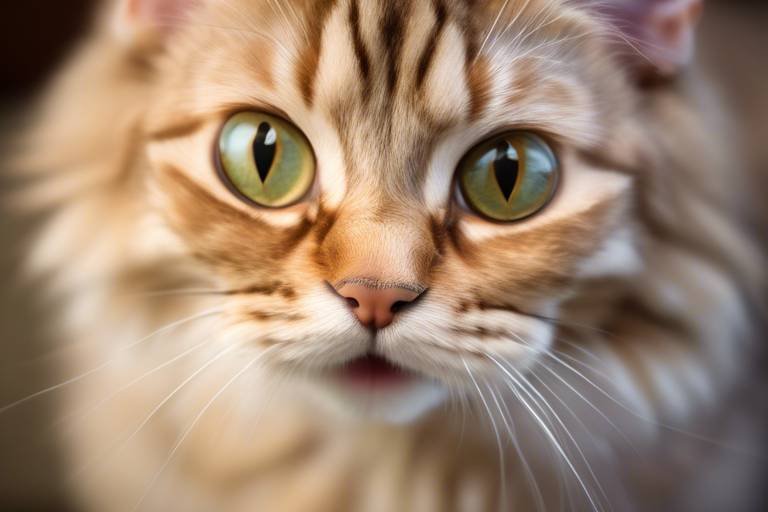
The American Bobtail cat is not just a pet; it’s a bundle of joy wrapped in fur! These fascinating felines are known for their playful spirit and unique personality traits that make them beloved companions for families and individuals alike. Imagine coming home after a long day, and there they are, ready to greet you with their playful antics and affectionate purrs. It’s as if they have an innate ability to sense your mood and respond accordingly, whether you need a good laugh or a comforting cuddle.
Originating from a natural mutation, the American Bobtail has a rich history that enhances its charm. With their distinctive short tails and robust build, these cats are not only adorable but also incredibly active. Their playful nature is deeply rooted in their genetics, making them the perfect playmates for children and adults. But what is it about their spirit that captures our hearts so effortlessly?
As we explore the delightful personality traits of the American Bobtail, we discover that their playfulness is not just a phase; it’s a way of life. They thrive on interaction and engagement, often turning ordinary moments into extraordinary adventures. Whether it’s chasing a feather toy or pouncing on a laser dot, their enthusiasm is contagious. It’s almost like they have a sixth sense for fun, always seeking out new ways to entertain themselves and their human companions.
Moreover, the American Bobtail’s affectionate behavior is equally noteworthy. These cats are known for forming strong bonds with their families. They are the type of pets that will curl up next to you on the couch while you binge-watch your favorite series or follow you around the house, curious about your every move. Their loving nature not only strengthens the connection with their owners but also creates a warm and inviting atmosphere in the home.
In conclusion, the American Bobtail is more than just a cat; it’s a playful companion that brings joy and laughter into our lives. Their unique traits, combined with their affectionate demeanor, make them ideal pets for anyone looking to add a little extra happiness to their household. So, if you’re considering bringing one of these delightful creatures into your life, prepare for a whirlwind of fun, love, and unforgettable moments!
- What is the average lifespan of an American Bobtail? The average lifespan is around 13 to 15 years, but with proper care, they can live even longer.
- Are American Bobtails good with children and other pets? Yes, they are known for their friendly and sociable nature, making them excellent companions for kids and other animals.
- Do American Bobtails require special grooming? While they have a medium-length coat, regular grooming is essential to keep their fur healthy and free from mats.
- What is their exercise needs? American Bobtails are active cats that require regular playtime and mental stimulation to keep them happy and healthy.
Origin and History
The American Bobtail cat has a captivating history that intertwines natural mutations with the hands of dedicated breeders. Its origins can be traced back to the late 1960s when a couple in the United States discovered a stray cat with a unique short tail. This serendipitous encounter marked the beginning of the American Bobtail breed. Unlike many purebred cats that are the result of selective breeding, the American Bobtail’s genesis is rooted in a spontaneous genetic mutation, which adds an element of surprise and charm to its lineage.
As the breed began to take shape, enthusiasts recognized the potential of these playful felines. Breeders started to carefully select for not only the distinctive short tail but also for their robust build and amiable personality. The American Bobtail was officially recognized by the International Cat Association (TICA) in the 1980s, solidifying its status as a distinct breed. This recognition was not just a badge of honor; it also opened doors for further breeding programs aimed at preserving and enhancing the breed’s unique characteristics.
Interestingly, the American Bobtail’s ancestry is somewhat of a mystery. While they are primarily associated with the United States, some believe that their lineage may include influences from various breeds, including the Bobtail breeds of Asia and even the Domestic Shorthair. This blend of genetics contributes to their diverse appearance and playful temperament, making them a beloved choice among cat lovers.
Throughout the years, the American Bobtail has become synonymous with a playful spirit and loving demeanor. Their history is not just about their physical traits but also about the personalities that have evolved over time. These cats are often described as dog-like in their loyalty and affection, which can be traced back to their early days as companions in families. They thrive on interaction and have a knack for engaging their humans in play, which adds to their charm.
In summary, the American Bobtail’s origin is a delightful blend of natural mutation and human intervention. Their journey from a stray cat to a cherished member of many households is a testament to their endearing qualities. Understanding their history not only enriches our appreciation for these cats but also highlights the importance of responsible breeding practices that prioritize health and temperament.
Physical Characteristics
The American Bobtail is a breed that stands out not just for its unique personality but also for its striking physical traits. One of the most notable features is their short tail, which is a result of a natural genetic mutation. This tail can vary in length and may even resemble a bobbed tail or a pom-pom, adding to their distinctive charm. Unlike many other breeds, the American Bobtail’s tail is a conversation starter, often drawing attention and curiosity from visitors. Imagine a cat with a tail that looks like it’s just been playfully clipped—this is what makes the American Bobtail a true feline standout!
In addition to their short tails, these cats boast a robust and muscular build. They are medium to large in size, with a solid frame that suggests strength and agility. Their broad heads and strong jaws give them a powerful appearance, while their expressive eyes can come in various colors, often reflecting their playful and curious nature. The American Bobtail’s coat is another aspect that adds to its allure. It can be short or long, and is typically dense and soft, providing a plush feel that’s irresistible to pet. The coat comes in a variety of colors and patterns, making each Bobtail unique.
What’s truly fascinating is how their physical characteristics contribute to their playful demeanor. The strong, muscular build allows them to engage in various activities with ease, whether it’s a game of chase or a playful leap onto a high perch. They are agile and quick, often surprising their owners with their athleticism. Their playful nature is complemented by their curious and intelligent personality, making them not just beautiful pets, but also engaging companions.
To summarize their physical characteristics, here’s a quick table for easy reference:
| Characteristic | Description |
|---|---|
| Tail | Short and bobbed, varies in length |
| Build | Medium to large, muscular and robust |
| Head | Broad with strong jaws |
| Eyes | Expressive, come in various colors |
| Coat | Dense and soft, short or long, various colors and patterns |
In conclusion, the American Bobtail is a breed that combines unique physical traits with a playful spirit. Their short tails, robust bodies, and charming personalities make them not just a joy to own but also a source of endless entertainment. Whether you’re watching them leap across the room or curl up beside you for a nap, their physical characteristics are just one part of what makes them such beloved companions.
- What is the average lifespan of an American Bobtail? The average lifespan is typically between 13 to 15 years.
- Are American Bobtails hypoallergenic? No, they are not considered hypoallergenic, but some individuals may have fewer allergens.
- Do they require special grooming? While their grooming needs are not overly demanding, regular brushing is recommended to keep their coat healthy.
- Are American Bobtails good with children and other pets? Yes, they are known to be friendly and sociable, making them great companions for families and other animals.
Temperament and Personality
The American Bobtail is not just a cat; it’s a bundle of joy wrapped in fur! Known for their friendly and playful demeanor, these cats are the life of the party in any household. Whether you’re a family with kids or a single individual, their sociable nature makes them the perfect companion. Imagine coming home after a long day and being greeted by a furry friend who seems to understand your every mood. That’s the magic of the American Bobtail!
One of the standout traits of the American Bobtail is their playfulness. They thrive on interaction and love to engage in games that stimulate both their body and mind. You might find them chasing after a feather toy or pouncing on a laser dot with the enthusiasm of a kitten, no matter their age. This playful spirit not only keeps them fit but also brings endless entertainment to their human companions. It’s like having a mini feline athlete in your living room, always ready for the next round of fun!
But wait, there’s more! The affectionate behavior of American Bobtails further enhances their appeal. These cats are known to form deep bonds with their families, often following their owners from room to room, just like a loyal dog. They are not shy about showing their love; expect plenty of snuggles and headbutts. Their affectionate nature can be likened to a warm blanket on a chilly day—comforting and delightful. This bond is not just about companionship; it’s a profound connection that enriches both the cat’s and the owner’s life.
When it comes to their interactions with other pets, American Bobtails are generally quite sociable. They adapt well to living with other cats and even dogs, making them a great choice for multi-pet households. Their playful and curious nature encourages them to engage with other animals, often leading to delightful play sessions. However, it’s important to introduce them to new pets gradually to ensure everyone feels comfortable.
In summary, the American Bobtail’s temperament and personality make them a unique breed that stands out in the feline world. Their playful antics and affectionate nature create a lively, loving atmosphere in any home. If you’re looking for a companion that can bring joy and laughter while also being a source of comfort and affection, the American Bobtail might just be the perfect fit for you!
- Are American Bobtails good with children? Yes, they are known for their friendly and playful nature, making them excellent companions for kids.
- Do American Bobtails require a lot of exercise? While they enjoy playtime, they are generally low-maintenance in terms of exercise needs, but regular play is essential to keep them stimulated.
- How affectionate are American Bobtails? They are very affectionate and often seek out human companionship, making them very loving pets.
- Can American Bobtails live with other pets? Yes, they are sociable and usually get along well with other animals, including dogs and other cats.
Playfulness
The American Bobtail is a cat that embodies the essence of playfulness in every aspect of its being. Imagine a furry little tornado of energy, zipping around your living room, chasing after feather toys, or engaging in a game of hide and seek with a laser pointer. Their playful nature is not just a phase; it’s a defining characteristic that makes them incredibly engaging companions. These cats thrive on interaction, and their playful antics can bring endless joy and laughter into your home.
What’s truly fascinating about the American Bobtail’s playfulness is how it reflects their intelligent and curious personality. They are not just interested in chasing toys; they love to explore their environment. You might find your Bobtail investigating every nook and cranny of your house, from the top of the bookshelf to the depths of the laundry basket. This natural curiosity can lead to delightful surprises, as they often discover new ways to entertain themselves—and you!
One of the best ways to keep your American Bobtail engaged is through interactive play. Here are some favorite activities:
- Feather Wands: These are perfect for simulating the hunt, allowing your Bobtail to leap and pounce as they would in the wild.
- Laser Pointers: A classic choice that gets them moving and provides a great workout.
- Puzzle Toys: These toys challenge their minds and keep them busy, preventing boredom and destructive behavior.
Moreover, the playful spirit of the American Bobtail fosters strong bonds with their human companions. Engaging in playtime not only satisfies their physical needs but also enhances the emotional connection you share. It’s a win-win situation! You’ll find that the more you play with your Bobtail, the more affectionate and loyal they become. Their playful nature often leads to spontaneous cuddles and loving head bumps, making every moment spent together feel special.
In essence, the American Bobtail’s playful demeanor is a delightful blend of energy, curiosity, and affection. They remind us of the importance of play, not just for cats but for everyone. So, if you’re considering bringing one of these joyful creatures into your life, be prepared for a whirlwind of fun and companionship that will keep your heart and home lively!
Affectionate Behavior
The American Bobtail is not just a pretty face with its unique short tail and robust build; it’s also a champion of affection! These cats have a remarkable knack for forming deep emotional bonds with their humans, making them one of the most lovable companions you could ever hope for. Imagine coming home after a long day, and instead of just a casual greeting, you’re met with an enthusiastic pounce and a gentle nuzzle. That’s the magic of an American Bobtail!
One of the standout traits of the American Bobtail is their desire for closeness. They thrive on interaction and are known to follow their owners around the house, almost as if they’re little furry shadows. This behavior isn’t just for show; it’s a testament to their affectionate nature. They love to be involved in whatever you’re doing, whether it’s cooking in the kitchen or lounging on the couch. Their presence can turn a mundane moment into a delightful experience, as they often bring humor and warmth into everyday life.
But what makes their affection so special? For starters, American Bobtails are known for their playful antics, which often serve as a way to express their love. They might bring you their favorite toy as a gift, or engage you in a game of chase, showcasing their playful spirit while simultaneously reinforcing their bond with you. This playful behavior is not just entertaining; it’s a way for them to connect and communicate their feelings.
Moreover, their affectionate behavior extends beyond just their humans. American Bobtails are generally sociable with other pets, too. They often engage in playful interactions with dogs or other cats, showcasing their friendly temperament. This ability to get along with others is a reflection of their warm-hearted nature, making them an excellent choice for families with multiple pets.
To further illustrate their affectionate behavior, consider the following traits:
- Lap Cats: Many American Bobtails enjoy curling up on their owner’s lap, seeking warmth and comfort.
- Head Butting: This is a common way they show affection, as they nuzzle their heads against you, marking you with their scent.
- Purring Machines: Their soothing purrs can be incredibly comforting, often signaling contentment when they’re close to their loved ones.
In essence, the affectionate behavior of the American Bobtail is a beautiful blend of playfulness, companionship, and loyalty. They don’t just want to be near you; they want to be part of your life. This makes them not just pets, but true family members who enrich your life with their love and charm. So, if you’re considering adding an American Bobtail to your household, be prepared for a delightful journey filled with cuddles, playful moments, and an unwavering bond that only grows stronger with time.
- Are American Bobtails good with children? Yes, they are known for their friendly nature and can be great companions for kids.
- How much exercise do American Bobtails need? They are playful and active cats, so regular playtime is important to keep them healthy and happy.
- Do they require special grooming? While they have a medium-length coat, regular brushing helps keep their fur healthy and reduces shedding.
- Are they prone to any health issues? Like all breeds, they can be susceptible to certain health conditions, so regular vet check-ups are essential.
Care and Maintenance
Caring for an American Bobtail is not just about providing food and shelter; it’s about nurturing a vibrant and playful spirit that thrives on love and attention. These cats are known for their unique personalities, and understanding their specific needs is essential to keep them happy and healthy. One of the first things to consider is their grooming requirements. Despite their medium-length fur, American Bobtails are relatively low-maintenance when it comes to grooming. Regular brushing, ideally once or twice a week, helps to remove loose fur and prevent matting. It’s a great bonding activity, and your cat will appreciate the attention. You might think of it as a mini spa day for your furry friend!
Another critical aspect of their care is their dietary needs. American Bobtails are energetic and playful, so they require a balanced diet rich in proteins to fuel their activity levels. Look for high-quality cat food that lists meat as the first ingredient. Additionally, keep an eye on their weight; obesity can lead to serious health issues. A good rule of thumb is to consult with your veterinarian to determine the best portion sizes and feeding schedule for your Bobtail.
Health care is also a significant part of maintaining your American Bobtail’s well-being. Regular vet check-ups are crucial to monitor their health and catch any potential issues early. Common health concerns for this breed include hip dysplasia and certain genetic conditions. Being proactive about their health can help ensure a long and happy life. Remember, a healthy cat is a happy cat!
Socialization is another vital component of their care. American Bobtails are naturally friendly and affectionate, but early socialization can enhance these traits. Exposing them to various environments, people, and other pets can help them develop into well-rounded companions. Think of it as giving them a world of experiences, allowing their playful nature to flourish.
Lastly, don’t underestimate the importance of playtime! Engaging your American Bobtail in interactive play not only strengthens your bond but also keeps them mentally and physically stimulated. Consider investing in a variety of toys, from feather wands to laser pointers, and rotate them regularly to keep things fresh and exciting. After all, a happy cat is one that gets to unleash its playful spirit!
- How often should I groom my American Bobtail? Regular grooming once or twice a week is recommended to keep their coat healthy.
- What should I feed my American Bobtail? A high-quality, protein-rich diet is essential for their energy levels and overall health.
- Are American Bobtails prone to any specific health issues? Yes, they can be susceptible to hip dysplasia and certain genetic conditions, so regular vet check-ups are important.
- How can I socialize my American Bobtail? Expose them to different environments, people, and pets early on to help them become well-adjusted companions.
Grooming Needs
When it comes to the of the American Bobtail, you might be surprised to learn that their care is relatively straightforward, yet essential for their overall health and happiness. These cats have a medium-length coat that can vary from soft and silky to slightly coarse, depending on their lineage. Regular grooming not only keeps their coat looking fabulous but also helps reduce shedding and prevents matting, which can be a common issue in longer-haired cats. Ideally, you should aim to brush your Bobtail at least once a week, but if they have a thicker coat, more frequent grooming might be necessary.
One of the best tools for grooming your American Bobtail is a wide-toothed comb or a slicker brush. These tools are effective in removing loose fur and preventing tangles. As you groom, be sure to check for any signs of skin irritation or parasites, as these can sometimes go unnoticed in the lush fur. Additionally, while brushing, it’s a great opportunity to bond with your cat—think of it as a mini spa day where both you and your furry friend can relax and enjoy some quality time together.
Aside from brushing, don’t overlook the importance of nail trimming and ear cleaning. Regular nail trims, ideally every 2-4 weeks, will help prevent your Bobtail from scratching furniture or injuring themselves. When it comes to ear cleaning, it’s advisable to check their ears weekly for any dirt or wax buildup. If you notice any excessive debris, gently clean their ears with a vet-recommended solution. This simple routine can significantly contribute to their overall well-being.
Lastly, consider adding a professional grooming session to your cat’s routine, especially if you feel overwhelmed by the grooming process. A professional groomer can provide thorough grooming, including a deep clean and check-up, ensuring your American Bobtail is in tip-top shape. Remember, a well-groomed cat is not just a pretty sight; it plays a crucial role in their health and happiness.
In summary, grooming your American Bobtail is an essential part of their care. By dedicating time to their grooming needs, you’ll not only enhance their appearance but also strengthen the bond between you and your feline companion.
Health Considerations
Caring for your American Bobtail goes beyond just providing food and shelter; it involves a keen awareness of their health needs. Like all breeds, American Bobtails can be prone to certain health issues that every owner should be aware of. Regular veterinary check-ups are essential to catch any potential problems early on. These felines are generally robust, but being proactive about their health can make a significant difference in their quality of life.
One of the most common health concerns for American Bobtails is hypertrophic cardiomyopathy (HCM), a condition that affects the heart muscle and can lead to serious complications. Early detection through routine vet visits can help manage this condition effectively. Additionally, maintaining a healthy weight is crucial, as obesity can lead to a host of other health issues, including diabetes and joint problems. A balanced diet and regular exercise are vital components of their care plan.
Another area to consider is their dental health. Just like humans, cats can suffer from dental problems, and American Bobtails are no exception. Regular dental check-ups and at-home dental care, such as brushing their teeth or providing dental treats, can prevent serious issues down the line. It’s important to introduce these practices early, so your cat becomes accustomed to them.
In terms of grooming, American Bobtails have a medium-length coat that requires regular brushing to prevent matting and to keep their skin healthy. While they are generally low-shedding, regular grooming can help minimize hairballs and keep their coat shiny and clean. If you notice any changes in their coat or skin, such as excessive shedding or bald patches, it may be a sign of an underlying health issue that warrants a visit to the vet.
To wrap it up, here are a few key health considerations for your American Bobtail:
- Regular Vet Visits: Schedule annual check-ups to monitor their overall health.
- Watch for HCM: Be aware of signs and symptoms and consult your vet if you notice anything unusual.
- Dental Care: Incorporate dental hygiene into their routine.
- Grooming: Regular brushing is essential to maintain coat and skin health.
By staying informed and attentive to these health considerations, you can ensure that your American Bobtail lives a long, happy, and healthy life. Remember, a healthy cat is a happy cat!
Here are some common questions that potential and current American Bobtail owners often have:
- What is the average lifespan of an American Bobtail?
The average lifespan is typically between 12 to 15 years, but with proper care, they can live even longer. - Are American Bobtails hypoallergenic?
While no cat is completely hypoallergenic, American Bobtails produce less Fel d 1 protein, which may make them suitable for allergy sufferers. - Do American Bobtails require a lot of exercise?
Yes! They are playful and energetic cats, so providing them with toys and playtime is essential for their mental and physical well-being. - How do I socialize my American Bobtail?
Start early by exposing them to various people, pets, and environments in a positive way to help them become well-adjusted adults.
Training and Socialization
Training and socialization are crucial components in ensuring that your American Bobtail thrives in a home environment. These playful and intelligent cats are eager to learn, making them relatively easy to train when approached with patience and understanding. Think of training your Bobtail as a delightful game rather than a chore; after all, they love to engage and interact with their human companions. The key is to use positive reinforcement techniques, which involve rewarding desirable behaviors with treats, praise, or playtime. This not only encourages them to repeat those behaviors but also strengthens the bond between you and your furry friend.
Socialization, on the other hand, is all about exposing your American Bobtail to various experiences, people, and environments. Just like a child learns about the world through exploration, your Bobtail will benefit from early and consistent socialization. Start by introducing them to different rooms in your home, gradually allowing them to explore and get comfortable. Once they’re confident in their surroundings, you can step outside for short walks or visits to pet-friendly places. However, always keep a close eye on their reactions; some cats may be more timid than others, and it’s essential to respect their comfort levels.
To help you get started, here are some effective training techniques:
- Use Treats: Small, tasty treats can motivate your Bobtail to learn new commands.
- Short Sessions: Keep training sessions brief, around 5-10 minutes, to maintain their attention.
- Be Consistent: Use the same commands and cues to avoid confusing your cat.
- Stay Positive: Always encourage and praise your Bobtail, even if they don’t get it right the first time.
Remember, every cat is unique, and what works for one may not work for another. Therefore, it’s essential to be flexible and adapt your training methods to suit your Bobtail’s personality. Some may be more motivated by play than by food, so incorporating their favorite toys into training can also be beneficial.
As for socialization techniques, consider the following approaches:
- Gradual Exposure: Introduce new people and pets slowly to avoid overwhelming your Bobtail.
- Positive Associations: Create positive experiences by giving treats or praise when they meet someone new.
- Variety of Environments: Take them to different places, like parks or friends’ homes, to broaden their experiences.
In conclusion, investing time in training and socializing your American Bobtail can lead to a well-adjusted, happy cat that fits seamlessly into your family. The playful spirit of these cats can be nurtured through consistent training and positive social experiences, making them delightful companions for years to come.
1. How early should I start training my American Bobtail?
It’s best to start training as early as possible, ideally when they are kittens. This helps them become accustomed to commands and social interactions.
2. Can I train my American Bobtail to walk on a leash?
Yes! Many American Bobtails can be trained to walk on a leash. Start by getting them used to wearing a harness indoors before venturing outside.
3. What if my Bobtail seems uninterested in training?
If your Bobtail seems uninterested, try changing your approach. Use different treats, toys, or even a more playful atmosphere to engage their attention.
4. How can I help my Bobtail socialize with other pets?
Introduce them slowly and in a controlled environment. Supervise their interactions and reward positive behavior to create a friendly atmosphere.
5. Are there any specific commands I should focus on?
Start with basic commands like “sit,” “come,” and “stay.” These foundational commands can help in managing their behavior and safety.
Basic Commands
Training your American Bobtail to respond to basic commands is not just a matter of discipline; it’s an opportunity to strengthen the bond between you and your furry friend. Think of it as a dance where both partners must learn the steps to create harmony. American Bobtails are intelligent and eager to please, making them relatively easy to train. However, like any good relationship, it requires patience, consistency, and a sprinkle of fun.
Start with simple commands such as “sit,” “stay,” and “come.” These foundational commands not only enhance your cat’s safety but also enrich their daily life. For instance, teaching “sit” can help manage their excitement during feeding times, while “stay” can be useful when you need them to pause before dashing out the door. Using positive reinforcement, such as treats or affectionate praise, can make learning these commands a rewarding experience for both of you.
Here’s a brief overview of how to teach these commands effectively:
| Command | How to Teach |
|---|---|
| Sit | Hold a treat above their head and move it back. When they sit to reach for it, say “sit” and give them the treat. |
| Stay | Command them to sit, then take a few steps back. If they stay, reward them. Gradually increase the distance. |
| Come | Call their name followed by “come,” and reward them when they approach you. Start with short distances. |
Remember, training sessions should be short and engaging—think of them as playdates rather than chores. Aim for about 5-10 minutes per session, and always end on a positive note. If your Bobtail seems frustrated or distracted, it’s perfectly okay to take a break. Consistency is key, so try to practice these commands daily, incorporating them into your routine.
Moreover, socializing your American Bobtail while training can further enhance their responsiveness. Expose them to different environments and people, and practice commands in various settings. This not only helps them learn but also builds their confidence, making them well-adjusted and happy companions.
In conclusion, teaching basic commands to your American Bobtail is a rewarding journey that fosters communication and understanding between you and your pet. With patience and positivity, you’ll find that your playful Bobtail is not just a pet, but a well-behaved member of your family.
- How long does it take to train an American Bobtail?
Training times can vary, but most American Bobtails can learn basic commands within a few weeks with consistent practice.
- Can I train my Bobtail using treats?
Absolutely! Positive reinforcement with treats is one of the most effective training methods for cats.
- What if my American Bobtail doesn’t respond to commands?
Every cat learns at their own pace. If they’re not responding, try changing your approach or reducing distractions.
- Is it necessary to train my American Bobtail?
While it’s not strictly necessary, training can significantly improve your Bobtail’s behavior and strengthen your bond.
Socialization Techniques
Socializing your American Bobtail is not just a task; it’s an exciting adventure that can significantly enhance their quality of life. Think of it as teaching them the ropes of the world around them—just like a child learning to navigate a playground. The earlier you start this process, the better adjusted your feline friend will be. Begin by exposing your Bobtail to a variety of environments, sounds, and people. This can include taking them to different rooms in your home, introducing them to friendly visitors, or even going for short car rides. Each new experience is a chance for growth!
One effective technique is to create a positive association with new experiences. For instance, when introducing your Bobtail to a new person, have treats or toys on hand. This way, they’ll associate the presence of newcomers with something enjoyable. Remember, patience is key. If your Bobtail seems hesitant or scared, don’t rush the process. Allow them to approach new situations at their own pace, and always reward their bravery with praise or treats.
Another important aspect of socialization is ensuring your Bobtail interacts with other pets. If you have other animals, introduce them slowly and under supervision. This helps prevent any territorial disputes and teaches your Bobtail how to communicate with fellow pets. If you don’t have other pets, consider arranging playdates with friends who have calm and friendly animals. The goal is to build their confidence and teach them how to play and interact positively.
To make socialization even more effective, you can incorporate some structured activities. For example, consider enrolling your Bobtail in a cat agility class or a pet-friendly event. These settings provide a controlled environment where they can learn to socialize with other cats and humans while having fun. Plus, it’s a fantastic way to bond with your furry companion.
In summary, socialization is a vital part of raising a well-adjusted American Bobtail. By exposing them to diverse experiences, using positive reinforcement, and encouraging interactions with other pets, you’ll help them develop into a confident and friendly cat. Remember, the journey of socialization is ongoing, so continue to seek out new experiences throughout their life. Your efforts will not only enrich their lives but also strengthen the bond you share.
- How early should I start socializing my American Bobtail?
It’s best to start socializing them as early as possible, ideally when they are kittens. This helps them adapt better to new experiences and environments.
- What if my Bobtail is shy or fearful?
Take your time and let them approach new situations at their own pace. Use treats and praise to encourage them, and avoid forcing interactions.
- Can I socialize my adult Bobtail?
Absolutely! While it may take more time, adult cats can still learn to socialize. Gradually introduce them to new experiences and be patient.
- Are there specific activities that help with socialization?
Yes! Activities like agility training, playdates with other pets, and visits to pet-friendly events can greatly enhance their social skills.
Frequently Asked Questions
- What is the origin of the American Bobtail?
The American Bobtail has a unique history that traces back to natural mutations and selective breeding. This breed emerged in the 1960s when breeders began to recognize and develop the distinctive short tail and playful nature of these cats. Their origins are often linked to domestic cats with bobbed tails found in the American Southwest, making them a truly American breed.
- How do I care for an American Bobtail?
Caring for an American Bobtail involves regular grooming, a balanced diet, and routine veterinary check-ups. Their medium-length coat requires brushing at least once a week to prevent matting and to keep their skin healthy. Additionally, providing them with quality food and ensuring they stay hydrated is crucial for their overall well-being.
- Are American Bobtails good with children and other pets?
Absolutely! American Bobtails are known for their friendly and sociable nature, making them excellent companions for families with children and other pets. Their playful demeanor encourages interaction, and they often form strong bonds with their human family members as well as their furry friends.
- What are the common health issues associated with American Bobtails?
Like any breed, American Bobtails can be prone to certain health issues, including hip dysplasia and heart conditions. Regular veterinary check-ups and a healthy diet can help mitigate these risks. Keeping an eye on their weight and ensuring they get plenty of exercise is also essential for their long-term health.
- How can I train my American Bobtail?
Training your American Bobtail can be both fun and rewarding! Using positive reinforcement techniques, such as treats and praise, can encourage them to learn basic commands and good behavior. Early socialization is crucial, so exposing them to various environments and experiences will help them grow into well-adjusted pets.
- Do American Bobtails require a lot of grooming?
While American Bobtails have a medium-length coat, they are relatively low-maintenance when it comes to grooming. Regular brushing once a week is usually sufficient to keep their coat healthy and free of mats. However, during shedding seasons, you may need to brush them more frequently to manage loose fur.
- What is the personality of an American Bobtail like?
The personality of an American Bobtail is one of their most charming features! They are known for being playful, affectionate, and social. These cats love to engage in interactive play and often enjoy being involved in family activities. Their friendly nature makes them great companions for both individuals and families.
Playful, Spirit, American Bobtail, Affectionate, Energetic, Intelligent, Curious, Adaptable, , Playful, Spirit, American Bobtail, Affectionate, Energetic, Intelligent, Curious, Adaptable,
Share this content:
Leave a Reply