
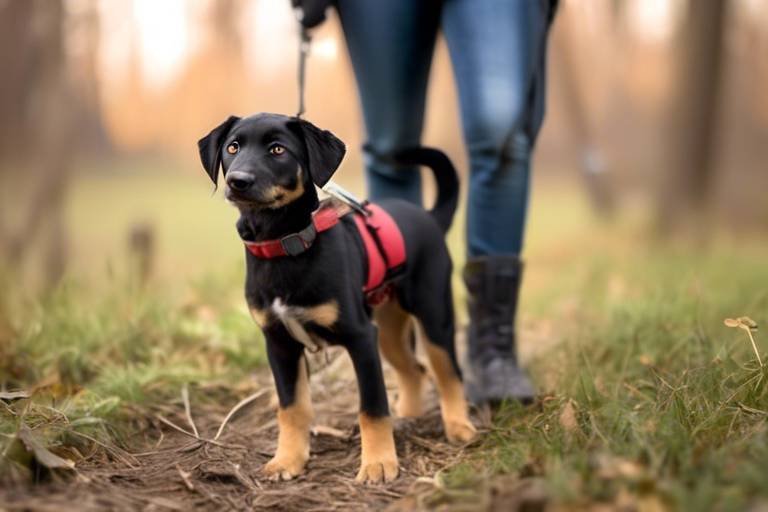
Training a rescue dog can be one of the most rewarding experiences you’ll ever have, but it also comes with its own set of challenges. Just imagine bringing home a furry friend who has faced uncertainties, perhaps even trauma, in their past. Your role as a loving owner is to help them navigate this new world with confidence and joy. So, how do you embark on this journey? Well, it all starts with understanding your dog’s unique background and needs. Each rescue dog has a story, and that story shapes their behavior and training requirements. By tailoring your approach to fit your dog’s specific history, you set the stage for a successful training experience.
Building a strong bond with your rescue dog is absolutely essential. Think of your relationship as a bridge that needs to be constructed with care and trust. Patience and consistency are your best tools here. For instance, using positive reinforcement techniques can significantly enhance your training sessions. When your dog performs a desired behavior, rewarding them with treats, praise, or playtime makes learning a fun and engaging experience. It’s like giving them a high-five for a job well done!
Now, let’s talk about creating a safe environment for your new companion. Imagine a cozy nook where your dog can retreat to feel secure. This space should be free from distractions and stressors that could undermine their confidence. A calm and peaceful environment allows your dog to focus on learning without the anxiety of overwhelming stimuli. After all, wouldn’t you feel more at ease in a space that feels safe and welcoming?
Establishing a routine is another cornerstone of effective training. Dogs thrive when they know what to expect, much like how we feel more comfortable with a daily schedule. A structured daily routine helps your rescue dog understand their role in the household, making them feel secure and less anxious. Consistency in feeding times, walks, and training sessions creates a rhythm that your dog can rely on. Think of it as setting the beat to a song that you both can dance to.
However, it’s important to remember that many rescue dogs may come with behavioral challenges. Whether it’s fear, anxiety, or past trauma, these issues can manifest in various ways. Addressing these behavioral problems requires a gentle and understanding approach. For example, if your dog shows signs of fear, it’s vital to take baby steps in exposing them to new situations. This gradual exposure not only builds their confidence but also fosters a sense of security in their new environment.
In summary, training your rescue dog is about more than just teaching commands; it’s about building a loving and trusting relationship. By understanding their background, creating a safe environment, establishing routines, and addressing behavioral issues with compassion, you’re laying the groundwork for a fulfilling partnership. Remember, patience and love are your best allies in this journey.
- How long does it take to train a rescue dog? Training duration varies based on the dog’s background and individual personality. Generally, consistency and patience lead to quicker results.
- What if my rescue dog has anxiety? Gradual exposure to new experiences, combined with positive reinforcement, can help ease anxiety. Consult a professional trainer if needed.
- Can I train my rescue dog myself? Absolutely! With the right resources, patience, and dedication, you can effectively train your rescue dog at home.
- What are common behavioral issues in rescue dogs? Common issues may include fear, separation anxiety, and aggression. Understanding and addressing these behaviors is crucial for a harmonious relationship.
Understanding Your Rescue Dog’s Background
When you bring a rescue dog into your home, you’re not just adopting a pet; you’re welcoming a new family member with a unique history. Understanding your rescue dog’s background is crucial because it shapes their behavior and training needs. Many rescue dogs have experienced trauma, neglect, or abandonment, which can lead to anxiety, fear, or even aggression. Recognizing these challenges allows you to tailor your training approach to meet their specific needs.
Every rescue dog comes with a story, and these narratives can greatly influence their personality and behavior. For instance, a dog that has been mistreated may be wary of human touch, while one that has lived in a loving environment might be more open and trusting. Here are some key factors to consider when trying to understand your rescue dog’s background:
- Previous Environment: Dogs from abusive or chaotic backgrounds may show signs of anxiety or fearfulness.
- Socialization History: A lack of positive interactions with people or other dogs can lead to behavioral issues.
- Health Concerns: Some rescue dogs may have underlying health issues that affect their behavior, such as pain or discomfort.
By understanding these elements, you can create a more effective training plan. For example, if your dog is fearful of strangers, you might need to implement gradual desensitization techniques. This means slowly introducing your dog to new people in a controlled and positive manner, allowing them to build confidence at their own pace.
Moreover, it’s essential to remember that every dog is an individual. Just because one rescue dog reacts a certain way doesn’t mean another will too. Take the time to observe your dog’s reactions in various situations and adjust your training methods accordingly. This personalized approach not only helps in training but also strengthens the bond between you and your furry friend.
Lastly, consider reaching out to the rescue organization from which you adopted your dog. They often have valuable insights into your dog’s past that can help you understand their behavior better. Knowing their history can also provide clues about what triggers certain reactions, allowing you to manage situations more effectively.
Building Trust and Bonding
Establishing a strong bond with your rescue dog is not just beneficial; it’s absolutely essential for effective training. Imagine trying to teach someone a new skill without them trusting you – it just wouldn’t work, right? The same principle applies to our furry friends. Rescue dogs often come from varied backgrounds, and many may have experienced neglect or trauma. This makes it crucial to approach them with patience and understanding. By doing so, you pave the way for a trusting relationship that will make training a much smoother process.
One of the first steps in building trust is to create a calm and safe environment. Think of it as setting the stage for a great performance; the atmosphere needs to be just right. Ensure that your home is a sanctuary, free from loud noises and chaotic activities that could scare your dog. This safe space will help them feel secure and more open to bonding with you. You can enhance this environment by incorporating cozy spots where your dog can retreat to when they need a break. Consistency in your interactions will also play a vital role. When your dog knows what to expect from you, it can significantly reduce their anxiety levels.
One effective strategy to foster trust is through positive reinforcement. This means rewarding your dog for good behavior rather than punishing them for mistakes. For instance, when your dog sits on command, shower them with praise, treats, or their favorite toy. Over time, they will associate good behavior with positive outcomes, reinforcing their trust in you. Here’s a quick breakdown of some positive reinforcement methods you can employ:
| Method | Description |
|---|---|
| Verbal Praise | Use a cheerful tone to praise your dog when they follow commands. |
| Treats | Offer small, tasty treats as rewards for desired behaviors. |
| Playtime | Engage in fun activities as a reward for good behavior. |
Another key element in building trust is spending quality time with your dog. This can include everything from leisurely walks to cozy cuddle sessions on the couch. The more time you spend together, the stronger your bond will become. You can also engage in interactive games that stimulate both their mind and body, such as hide-and-seek or fetch. These activities not only provide physical exercise but also help your dog learn to rely on you as a source of fun and safety.
Lastly, remember that building trust is a gradual process. Just like a fine wine, it takes time to develop. Celebrate the small victories along the way and be patient. If your dog hesitates or seems unsure, give them time to adjust. Each positive interaction will strengthen your bond, making your training sessions more effective and enjoyable for both of you.
- How long does it take to build trust with a rescue dog?
Building trust can vary greatly depending on the dog’s background and personality. It may take weeks or even months, so patience is key. - What should I do if my dog shows signs of fear?
Recognize their fear signals and give them space. Use positive reinforcement to encourage them when they show bravery. - Can I train my rescue dog without professional help?
Yes, many owners successfully train their dogs at home using resources like books and online videos. However, don’t hesitate to seek professional help if needed.
Creating a Safe Environment
Creating a safe environment for your rescue dog is like laying the foundation for a beautiful home. Just as a sturdy base supports a structure, a secure space allows your furry friend to thrive. When a dog feels safe, they are more likely to relax, explore, and engage in training. This is especially important for rescue dogs, who may have experienced trauma or instability in their past. So, how can you create this sanctuary for your pup?
First and foremost, it’s essential to assess your living space. Look for potential hazards that could cause stress or injury. Things like exposed wires, toxic plants, or small objects that could be swallowed should be removed or secured. Consider implementing baby gates to create boundaries in your home. This allows your dog to explore while keeping them away from areas that might be unsafe.
Next, think about the atmosphere. A calm environment can significantly influence your dog’s behavior. You can achieve this by:
- Minimizing loud noises: Try to reduce sudden sounds that could startle your dog, like loud music or shouting.
- Establishing a quiet zone: Designate a specific area in your home where your dog can retreat to feel safe. This could be a cozy corner with their bed and some toys.
- Using calming scents: Consider using essential oils like lavender, which can help soothe anxious dogs. Just be sure to check that any oils you use are safe for pets!
Additionally, providing a consistent routine can greatly enhance your dog’s sense of security. Dogs thrive on predictability. Establish regular feeding times, walks, and play sessions. This not only helps your dog understand what to expect but also builds their trust in you as their caregiver. Imagine how comforting it is to know what comes next in your day; your dog feels the same way!
Lastly, remember that patience is key. It may take time for your rescue dog to adjust to their new environment. Celebrate small victories along the way, and don’t rush the process. Building a safe space is about creating a loving atmosphere where your dog can feel comfortable and secure, allowing them to blossom into the wonderful companion they are meant to be.
Q: How long does it take for a rescue dog to feel safe in a new environment?
A: Every dog is different, but many rescue dogs may take weeks or even months to fully adjust. Be patient and consistent in your efforts.
Q: What should I do if my dog shows signs of anxiety?
A: If your dog seems anxious, try creating a safe space for them, using calming techniques, and consulting with a veterinarian or a professional trainer if needed.
Q: Can I use crate training to help my rescue dog feel safe?
A: Yes! A crate can provide a secure den-like space for your dog. Just make sure it’s a positive experience by introducing it gradually and never using it as punishment.
Using Positive Reinforcement
When it comes to training your rescue dog, positive reinforcement is like the secret sauce that makes everything better. Imagine this: instead of focusing on what your dog does wrong, you shine a spotlight on what they do right. This approach not only makes training more enjoyable for both of you but also helps build a strong, trusting relationship. After all, who doesn’t like a little praise and a tasty treat?
Positive reinforcement can take many forms, and the key is to find what motivates your furry friend the most. Some dogs might respond well to treats, while others may prefer toys or even verbal praise. The idea is to reward your dog immediately after they perform the desired behavior. This way, they can make the connection between their action and the reward. For instance, if your dog sits on command and you give them a treat right away, they’ll start to understand that sitting equals yummy snacks!
But wait, there’s more! It’s not just about treats. You can also use affection as a powerful reward. A good belly rub or a few minutes of playtime can be just as enticing as a treat. The important thing is to ensure that your dog feels appreciated and motivated to repeat the good behavior. Think of it this way: would you want to keep doing something if you never got any recognition for it? Probably not!
Here’s a quick breakdown of effective positive reinforcement techniques:
- Treats: Use small, healthy treats that your dog loves.
- Praise: Use a happy tone of voice to tell your dog they’re doing great.
- Playtime: Incorporate their favorite game as a reward.
- Affection: Show them love and attention when they follow commands.
It’s also essential to be consistent. If your dog gets a treat for sitting one day, they should receive the same reward for sitting the next day. Inconsistency can confuse your dog and make it harder for them to learn. Imagine trying to learn a new skill without clear instructions—frustrating, right? So, keep your training sessions short, fun, and filled with lots of rewards to keep their interest piqued.
Lastly, remember to be patient. Training takes time, especially with rescue dogs who may have had a rough past. Celebrate the small victories, and don’t get discouraged by setbacks. Just like you wouldn’t expect a child to learn to ride a bike without a few falls, your rescue dog will need time to adjust and learn. With love, patience, and plenty of positive reinforcement, you’ll be amazed at how quickly your dog can learn and grow!
Q: What if my dog doesn’t respond to treats?
A: Not all dogs are motivated by food. Try using toys, praise, or playtime as rewards instead. It’s all about finding what makes your dog tick!
Q: How often should I reward my dog?
A: Initially, reward them every time they perform the desired behavior. As they learn, you can gradually reduce the rewards to intermittent reinforcement, which can actually strengthen their learning.
Q: Can I use negative reinforcement instead?
A: While negative reinforcement can sometimes be effective, it’s generally not recommended. Positive reinforcement fosters a more loving and trusting relationship, making training a more enjoyable experience for both of you.
Establishing a Routine
Establishing a routine is one of the most effective strategies for training your rescue dog. Just like us, dogs thrive on consistency and predictability. Imagine waking up every day not knowing what to expect—chaotic, right? Your rescue dog feels the same way! A structured daily routine not only helps them understand what’s expected but also provides a sense of security in their new environment. It’s like giving them a roadmap to navigate their new life with you.
To create a successful routine, start by incorporating key activities into your dog’s day-to-day life. This includes regular feeding times, walks, playtime, and training sessions. For example, you might set a schedule that looks something like this:
| Time | Activity |
|---|---|
| 7:00 AM | Morning walk |
| 8:00 AM | Feeding time |
| 9:00 AM | Training session |
| 12:00 PM | Afternoon playtime |
| 6:00 PM | Evening walk |
| 7:00 PM | Feeding time |
| 9:00 PM | Wind down time |
This schedule is just a starting point—feel free to adjust it according to your lifestyle and your dog’s needs. The key is to stick to it as much as possible. When your dog knows what to expect, they’ll feel more relaxed and confident, which can significantly enhance their training progress.
Additionally, consider including some mental stimulation in your routine. Dogs, especially rescue dogs, benefit from engaging their minds as much as their bodies. You can incorporate puzzle toys, scent games, or even basic obedience training into your daily activities. This not only helps in reinforcing training but also keeps your dog entertained and happy.
Lastly, don’t forget to be flexible. While routines are great, life happens! If you need to change things up occasionally, it’s perfectly fine. Just remember to maintain the core elements of your routine—consistency is vital for building trust and understanding between you and your rescue dog.
- How long does it take for a rescue dog to adjust to a routine? Every dog is different, but typically, it may take a few weeks for them to fully adapt. Patience is key!
- What if my rescue dog seems anxious with a new routine? Introduce changes gradually and ensure you’re providing plenty of positive reinforcement.
- Can I change the routine once my dog gets used to it? Yes, but try to keep the core activities consistent to avoid confusion.
Addressing Behavioral Issues
When you bring a rescue dog into your home, you may encounter some behavioral issues that stem from their past experiences. Understanding these challenges is the first step toward creating a harmonious relationship. Dogs, much like humans, are shaped by their environments, and a rescue dog may come with a unique set of fears or habits that need to be addressed. Common behavioral issues include anxiety, aggression, and excessive barking. Recognizing these behaviors is crucial, but the real magic happens when you implement effective strategies to tackle them.
One effective approach to addressing behavioral issues is through positive reinforcement. This method encourages your dog to repeat desirable behaviors by rewarding them with treats, praise, or playtime. For instance, if your dog tends to bark at strangers, you can redirect their attention and reward them when they remain calm. This not only reinforces positive behavior but also helps build their confidence in new situations. Remember, patience is key! It may take time for your dog to adjust and learn, but with consistent effort, improvement is possible.
Additionally, creating a structured environment can significantly reduce anxiety and behavioral problems. Dogs thrive on routine, and having a consistent schedule for feeding, walks, and training can help your rescue dog feel more secure. Imagine how comforting it is to know what to expect each day! You can even create a simple
| Time | Activity |
|---|---|
| 7:00 AM | Morning Walk |
| 8:00 AM | Breakfast |
| 12:00 PM | Midday Playtime |
| 5:00 PM | Evening Walk |
| 6:00 PM | Dinner |
| 9:00 PM | Calm Time / Training |
Moreover, it’s essential to address any aggressive behavior with caution. If your dog shows signs of aggression, whether towards people or other animals, it’s crucial to seek professional help. A certified dog trainer or behaviorist can provide tailored strategies that will ensure the safety of everyone involved. Remember, aggression often stems from fear, so understanding the root cause is vital.
Lastly, don’t forget the importance of socialization. Gradually exposing your rescue dog to new environments, people, and other pets can significantly reduce behavioral issues. However, this should be done at a pace that is comfortable for your dog. Rushing the process can lead to increased anxiety and setbacks. Think of it like introducing a friend to a party; you wouldn’t throw them into the crowd without some warm-up time!
In conclusion, addressing behavioral issues in rescue dogs requires a blend of patience, understanding, and strategic training. By utilizing positive reinforcement, establishing a routine, and providing socialization opportunities, you’ll not only help your furry friend overcome challenges but also strengthen your bond. Remember, every small victory counts!
- What should I do if my rescue dog is aggressive? It’s best to consult a professional dog trainer or behaviorist to address aggressive behavior safely and effectively.
- How long does it take to train a rescue dog? The time varies based on the dog’s history and the consistency of training, but with patience, you can see progress in weeks or months.
- Can I train my rescue dog myself? Yes, many owners successfully train their rescue dogs at home using positive reinforcement techniques, but professional help is recommended for more serious issues.
Socialization Techniques
Socialization is more than just a buzzword in the dog training world; it’s a fundamental aspect of raising a well-adjusted rescue dog. Many rescue dogs come with a history that may include neglect, abuse, or simply a lack of exposure to various environments. This background can lead to fear or anxiety in new situations. Therefore, it’s essential to focus on effective socialization techniques that will help your furry friend thrive in their new home. By introducing your dog to new experiences, people, and other animals gradually and positively, you can significantly enhance their adaptability and confidence.
One of the best ways to start socializing your rescue dog is through gradual exposure. Think of it like introducing a friend to a new hobby; you wouldn’t throw them into the deep end right away, right? Instead, you’d ease them into it. Similarly, when it comes to your dog, begin with low-stress situations. For example, if your dog seems anxious around loud noises, start by exposing them to such sounds at a low volume. Gradually increase the volume as they become more comfortable. This technique helps them associate new experiences with positive feelings rather than fear.
Another critical aspect of socialization is engaging with other dogs. Dogs are social creatures, and interacting with their peers is vital for developing good social skills. Consider setting up supervised playdates with friendly, well-behaved dogs. This controlled environment allows your rescue dog to learn appropriate behaviors without the risk of negative experiences. You might also want to visit dog parks, but make sure to choose times when the park isn’t too crowded. A calm atmosphere is key to preventing overwhelming your pup.
In addition, it’s important to expose your dog to various environments. Take them on car rides, visit pet-friendly stores, or stroll through different neighborhoods. Each new location presents an opportunity for your dog to learn and adapt. Remember to reward your dog with treats and praise during these outings. This positive reinforcement will help them associate new experiences with good feelings, making them more eager to explore the world around them.
To summarize, here are some effective socialization techniques you can implement:
- Gradual Exposure: Introduce your dog to new experiences slowly.
- Supervised Playdates: Arrange controlled interactions with other dogs.
- Diverse Environments: Take your dog to different places to broaden their comfort zone.
- Positive Reinforcement: Use treats and praise to encourage good behavior during socialization.
With time and patience, your rescue dog will not only learn to navigate their new world but will also develop the confidence to enjoy it. Remember, each dog is unique, so tailor your approach based on their specific needs and personality. The journey of socialization is not just about training; it’s about building a trusting relationship that will last a lifetime.
Q: How long does it take to socialize a rescue dog?
A: The timeline can vary greatly depending on the dog’s past experiences and temperament. Some dogs may adapt quickly, while others may take months. Consistency and patience are key!
Q: What if my dog is fearful of other dogs?
A: Start with gradual exposure and consider using a muzzle if necessary for safety. Always prioritize your dog’s comfort and proceed slowly.
Q: Can I socialize my dog alone, or do I need help?
A: While you can do some socialization on your own, having a friend with a well-behaved dog can be very beneficial. Professional trainers can also provide valuable guidance.
Q: How can I tell if my dog is ready for a new experience?
A: Look for signs of curiosity and relaxation, such as wagging tails and relaxed body language. If your dog shows signs of stress, it’s best to take a step back and try again later.
Gradual Exposure to New Experiences
When it comes to helping your rescue dog adjust to their new life, gradual exposure is key. Imagine stepping into a bustling city for the first time; the sights, sounds, and smells can be overwhelming. Just like humans, dogs can feel stressed when faced with too many new experiences all at once. By introducing your rescue dog to new environments, people, and situations slowly and steadily, you’re not just easing their anxiety—you’re also building their confidence.
Start with the basics: familiarize your dog with their new home. Allow them to explore each room at their own pace. You might find that your dog feels more comfortable if you let them sniff around and choose where to settle. Once your dog is relaxed in their space, you can begin to introduce them to the outside world. Begin with short walks around the block, gradually extending the distance as your dog becomes more comfortable.
During these outings, pay close attention to your dog’s body language. Signs of stress, such as cowering, tail tucking, or excessive barking, indicate that you may be pushing them too hard. If you notice these signs, take a step back. It’s essential to create a positive association with new experiences. Consider using treats or their favorite toy to reward calm behavior during outings. This helps your dog make connections between new experiences and positive outcomes.
Here are some tips on how to effectively implement gradual exposure:
- Start Small: Begin with less stimulating environments, such as quiet parks or your backyard, before moving to busier areas.
- Short Interactions: Limit the duration of new experiences initially. A few minutes can be enough to start with.
- Positive Reinforcement: Always reward your dog for calm behavior during new experiences with treats or praise.
- Consistent Routine: Gradually increase exposure while maintaining a consistent routine to help your dog feel secure.
Remember, the goal is to help your rescue dog feel secure and confident in their new surroundings. It’s not a race; each dog is unique, and their comfort level will vary. Celebrate small victories along the way. Maybe your dog took a few steps towards a new person without retreating, or they sniffed a new object with curiosity instead of fear. These moments are worth acknowledging and will contribute to building a strong bond between you and your furry friend.
In conclusion, gradual exposure to new experiences is a powerful tool in your training arsenal. By taking the time to introduce your rescue dog to the world around them in a controlled and gentle manner, you are paving the way for a happier, more well-adjusted companion. Remember, patience is not just a virtue but a necessity in this journey. With love and understanding, your rescue dog will soon thrive in their new home.
Q: How long should I wait before introducing my rescue dog to new experiences?
A: It’s best to allow your dog to settle into their new home for at least a few days before starting gradual exposure. Pay attention to their comfort level and proceed at their pace.
Q: What if my dog seems fearful of new experiences?
A: If your dog shows fear, take a step back. Reassure them and try to create positive associations with the new experience. Always go at a pace that feels comfortable for your dog.
Q: Should I always use treats when exposing my dog to new experiences?
A: While treats can be a great way to reinforce positive behavior, it’s not the only method. Praise, toys, and affection can also be effective in encouraging your dog.
Q: How can I tell if my dog is ready for more exposure?
A: Look for signs of relaxed body language, such as a wagging tail, relaxed ears, and a willingness to explore. If your dog seems curious and engaged, they are likely ready for more exposure.
Engaging with Other Dogs
When it comes to training your rescue dog, is a crucial aspect that can significantly enhance their social skills and overall well-being. Imagine your dog as a sponge, soaking up experiences and learning how to interact in a world that might have seemed overwhelming at first. By providing opportunities for your furry friend to meet and play with other dogs, you’re not just helping them make friends; you’re also giving them the chance to learn important canine communication skills. Just like humans, dogs need social interactions to thrive, and these experiences can lead to a happier, more balanced pet.
However, it’s essential to approach these interactions with care. Not all dogs are the same, and some may be more timid or anxious than others. Begin by selecting appropriate playmates for your rescue dog—ideally, dogs that are friendly and well-socialized. This can be done through supervised playdates with friends’ dogs or by visiting local dog parks during quieter times when there are fewer dogs around. The goal here is to create a positive experience, so be sure to observe your dog’s body language closely. Look for signs of stress or discomfort, such as tucked tails or excessive barking, and be ready to intervene if necessary.
To facilitate these interactions, consider the following tips:
- Start Slow: Introduce your dog to one calm dog at a time before gradually increasing the number of playmates.
- Use a Leash: Keep your dog on a leash during initial introductions to maintain control and ensure safety.
- Positive Reinforcement: Reward your dog with treats and praise when they engage positively with other dogs.
Furthermore, creating a routine around socialization can be beneficial. Try to schedule regular playdates or visits to dog parks. This not only reinforces the idea that social interactions are enjoyable but also helps your rescue dog build confidence over time. Think of it as a dance; the more they practice, the more graceful and comfortable they become. As your dog learns to navigate these social settings, you’ll likely see a transformation in their behavior—less anxiety, more playfulness, and an eagerness to engage with both humans and their canine counterparts.
Remember, the aim is to foster a sense of community for your rescue dog. The more they interact with other dogs, the more they learn about boundaries, play styles, and proper behavior. This not only enriches their life but also strengthens the bond between you and your furry friend, as you guide them through these new experiences. So, gear up for some fun, and watch as your rescue dog blossoms into a well-rounded companion!
Q: How do I know if my dog is ready to socialize with other dogs?
A: Look for signs of comfort in your dog’s body language, such as a relaxed posture and wagging tail. If they seem curious but not overly anxious, they may be ready for socialization.
Q: What should I do if my dog shows aggression towards other dogs?
A: It’s essential to consult with a professional trainer or behaviorist to address aggressive behaviors. Avoid forcing interactions and focus on gradual exposure in controlled environments.
Q: How often should I socialize my rescue dog?
A: Regular socialization is key; aim for at least a few times a week, but tailor this to your dog’s comfort level and personality.
Q: Can older dogs learn to socialize?
A: Absolutely! Dogs of all ages can learn new behaviors and social skills, although it may take more time and patience for older dogs.
Frequently Asked Questions
- What should I know about my rescue dog’s background?
Understanding your rescue dog’s history is crucial for effective training. Many rescue dogs come from difficult situations, which can affect their behavior and temperament. It’s important to be patient and observant, as their past experiences may influence how they react to new environments, people, and training methods.
- How can I build trust with my rescue dog?
Building trust takes time and consistency. Start by creating a safe and calm environment where your dog feels secure. Use positive reinforcement techniques, like treats and praise, to reward good behavior. Remember, patience is key; don’t rush the bonding process, and always be gentle and understanding.
- What role does positive reinforcement play in training?
Positive reinforcement is a powerful method for encouraging desired behaviors in your rescue dog. By rewarding your dog with treats, praise, or playtime for good behavior, you help them associate those actions with positive outcomes. This not only motivates them to repeat the behavior but also strengthens your bond.
- Why is establishing a routine important for my rescue dog?
A structured routine provides your rescue dog with a sense of security and predictability. When they know what to expect throughout the day—like feeding times, walks, and play sessions—they can feel more relaxed and confident. Consistency helps reinforce training and establishes clear expectations.
- How can I address behavioral issues in my rescue dog?
To address behavioral challenges, it’s essential to identify the root cause of the behavior. Techniques such as redirecting their attention, providing appropriate outlets for their energy, and using positive reinforcement can be effective. If issues persist, consider consulting a professional trainer who specializes in rescue dogs.
- What socialization techniques should I use for my rescue dog?
Socialization is vital for helping your rescue dog adapt to new experiences and environments. Gradual exposure to different sights, sounds, and people can help build their confidence. Start slowly, allowing your dog to explore at their own pace, and always ensure that new experiences are positive.
- How can I help my rescue dog interact with other dogs?
Supervised playdates and visits to dog parks can be excellent ways to help your rescue dog learn social skills. Monitor their interactions closely, and encourage positive behaviors. If your dog shows signs of anxiety or aggression, it may be best to take a step back and gradually reintroduce them to social situations.
obedience, socialization, positive reinforcement, leash training, consistency, patience, exercise, bonding, , obedience, socialization, positive reinforcement, leash training, consistency, patience, exercise, bonding,
Share this content:
Leave a Reply