
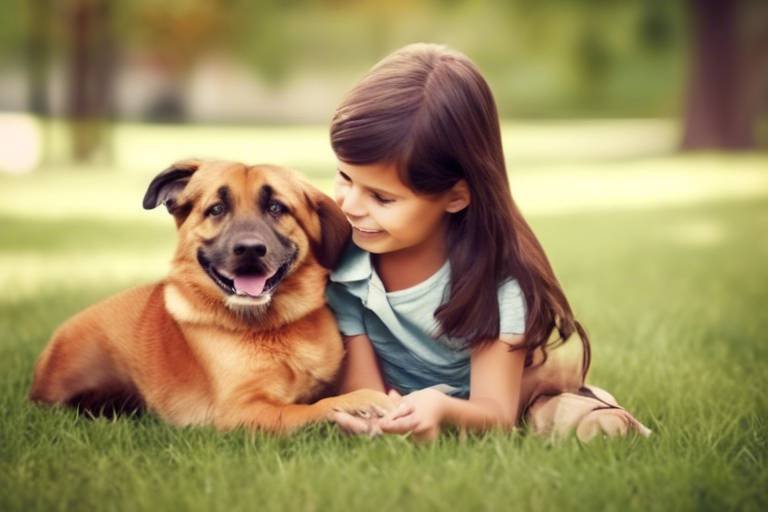
Teaching children about pet adoption is not just about finding a furry friend; it’s about instilling a sense of responsibility, compassion, and empathy towards animals. Imagine your child, eyes wide with wonder, as they learn that every pet deserves a loving home, just like they do. By introducing them to the concept of adopting pets rather than buying them, you open up a world of understanding about the importance of animal welfare. This journey can be both enlightening and fun, filled with engaging activities that make learning enjoyable.
To begin with, it’s essential to explain the fundamental differences between adopting and buying pets. When you adopt, you’re giving a second chance to animals that are often abandoned or neglected. On the other hand, buying pets from breeders can sometimes contribute to overpopulation and unethical breeding practices. By fostering this understanding in children, you help them make informed decisions and cultivate a sense of empathy towards animals in need.
Now, why is empathy so crucial in this context? Teaching kids to connect emotionally with animals can create a profound impact on their lives. It’s like planting a seed of kindness that can grow into a lifelong commitment to animal welfare. Engaging them in discussions about the feelings of pets—how they might feel lonely, scared, or happy—can help them relate to the animals’ experiences. By using storytelling techniques, you can capture their attention and convey powerful messages about the importance of pet adoption. Stories can be a bridge that connects their world to that of the animals, making the lessons more relatable and memorable.
As we delve deeper into this topic, consider introducing children to age-appropriate literature that focuses on pet adoption themes. Books can be a fantastic way to inspire empathy and awareness. You could create a small library of stories that highlight the journeys of adopted pets, showcasing their struggles and triumphs. Sharing personal stories of pet adoption can also resonate deeply. When children hear real-life narratives, it can evoke emotions and foster a connection to the cause, making the idea of adoption feel personal and impactful.
In addition to storytelling, interactive learning activities can reinforce these important lessons. Engaging kids in hands-on activities—like crafting adoption posters or organizing a small fundraising event for a local shelter—can be both educational and fun. These activities not only teach them about the process of adoption but also allow them to express their creativity and passion for helping animals.
Visiting animal shelters is another excellent way to provide children with firsthand experiences of pets in need. These visits can be eye-opening and emotionally impactful. Imagine the excitement on their faces as they meet the animals and learn about their stories! Guided tours of shelters can enhance this experience, with staff members sharing valuable insights about the care and adoption processes. Such interactions can help demystify the adoption process and encourage children to ask questions, fostering a deeper understanding of animal welfare.
Moreover, involving children in volunteer opportunities at shelters can deepen their commitment to animal welfare. Activities like helping with pet care, organizing donation drives, or participating in community outreach can instill a sense of responsibility and pride in helping those who cannot help themselves. It’s about creating a sense of community and belonging, where children feel they are part of something bigger.
Finally, empowering children to advocate for pet adoption enhances their sense of responsibility. Encouraging them to create informative campaigns or engage with social media responsibly can amplify their message. Teaching them safe and effective ways to spread awareness online can help them become leaders in their communities, championing the cause of animal adoption.
- Why is pet adoption important? Pet adoption is vital because it gives homeless animals a second chance at life and helps reduce the number of animals in shelters.
- How can I explain the difference between adopting and buying pets to my child? You can explain that adopting means giving a home to a pet in need, while buying often supports breeding practices that may not prioritize animal welfare.
- What age is appropriate to start teaching kids about pet adoption? You can start introducing the concepts as early as preschool age, using simple stories and discussions appropriate for their understanding.
- How can we get involved as a family in pet adoption? Visiting shelters, volunteering, and participating in community events are great ways to engage as a family in pet adoption efforts.
Understanding Pet Adoption
When we talk about pet adoption, we’re diving into a world filled with compassion, responsibility, and the joy of giving a furry friend a second chance. But what does it really mean to adopt a pet? Adopting a pet means welcoming an animal into your home from a shelter or rescue organization, rather than purchasing one from a store or breeder. This choice not only saves lives but also helps combat the issue of pet overpopulation. Every year, millions of animals find themselves in shelters, waiting for someone to choose them. By adopting, you’re not just gaining a companion; you’re also making a significant impact on the lives of these animals.
Now, let’s break down some of the key benefits of pet adoption:
- Saving Lives: Each adoption helps reduce the number of animals in shelters, giving them a chance to live in a loving home.
- Cost-Effective: Adoption fees are typically much lower than buying a pet from a breeder and often include vaccinations, spaying/neutering, and microchipping.
- Support and Resources: Shelters provide valuable resources, including training and support, to help new pet owners adjust.
Understanding the difference between adopting and buying is crucial when educating kids about pet ownership. While buying a pet might seem like a straightforward option, it often supports unethical breeding practices and contributes to the cycle of overpopulation. On the other hand, adopting a pet means choosing to give an animal a loving home that it desperately needs. This distinction is essential for fostering a sense of responsibility in children, as they learn that every pet deserves a chance, regardless of its background.
As you discuss pet adoption with children, it’s important to emphasize the emotional aspect. Animals in shelters often come from difficult circumstances, and they may have experienced neglect or abandonment. Helping kids understand this reality can foster empathy and compassion. Ask them questions like, “How would you feel if you were in a shelter, waiting for someone to take you home?” This can spark meaningful conversations about the feelings of animals and the importance of kindness.
In summary, educating kids about pet adoption involves not just sharing facts, but also instilling a sense of empathy and responsibility. By exploring the differences between adopting and buying, and by discussing the emotional journeys of shelter animals, we can cultivate a generation that values compassion and takes action to support animal welfare.
The Importance of Empathy
Teaching kids empathy towards animals is not just a nice-to-have; it’s an essential part of their emotional development. When children learn to empathize with pets, they begin to understand that these animals have feelings, needs, and desires just like we do. This awareness can transform a child’s perspective, allowing them to see beyond the cute fur and wagging tails to the deeper stories of love and hardship that many shelter animals endure. But how do we instill this sense of compassion in young minds?
One effective way is through role-playing scenarios where children can imagine themselves in the paws of a shelter pet. For instance, ask them to think about what it would feel like to be a dog waiting for a home, or a cat watching people pass by without noticing them. This kind of imaginative exercise can spark conversations about the importance of pet adoption and the responsibilities that come with caring for an animal.
Additionally, engaging children in discussions about the challenges faced by pets in shelters can deepen their understanding. You might consider asking questions like:
- What do you think a pet feels when it has to leave its home?
- How would you feel if you were waiting for someone to take you home?
- What can we do to help pets find loving families?
These questions not only encourage children to think critically but also help them connect emotionally with the plight of these animals. When kids start to see the world through the eyes of a pet, they naturally develop a sense of responsibility and a desire to advocate for those who cannot speak for themselves.
Moreover, storytelling can be a powerful tool in fostering empathy. By sharing stories—whether through books, movies, or personal anecdotes—children can experience the emotional journeys of animals. For example, reading a heartwarming story about a rescue dog that finds its forever home can evoke feelings of joy and compassion, making the concept of pet adoption more relatable and impactful.
In summary, instilling empathy in children is not just about teaching them to care for animals; it’s about nurturing their ability to feel and understand the emotions of others. By using creative methods like role-playing, thought-provoking questions, and storytelling, we can help shape a generation that not only appreciates the value of pet adoption but also actively participates in creating a kinder world for all living beings.
Q: Why is empathy important in teaching kids about pet adoption?
A: Empathy helps children understand the feelings and needs of animals, fostering a sense of responsibility and compassion, which is crucial for advocating for pet adoption.
Q: How can storytelling enhance a child’s understanding of pet adoption?
A: Storytelling allows children to emotionally connect with the experiences of pets, making the concept of adoption more relatable and inspiring them to take action.
Q: What role do discussions play in teaching empathy?
A: Discussions encourage children to think critically about the challenges faced by shelter animals, helping them develop a deeper understanding and connection to the cause.
Storytelling Techniques
Storytelling is a powerful tool that can transform the way children perceive and understand the world around them, especially when it comes to the concept of pet adoption. By weaving tales that resonate emotionally, we can help kids see beyond the surface and connect with the feelings of animals in need. But how can we effectively use storytelling to instill a sense of empathy and responsibility in our little ones? Here are some engaging techniques that can make a significant impact.
Firstly, consider using imaginative narratives that place children in the paws of a pet waiting for a home. For instance, you could create a story about a dog named Max who dreams of having a family to love him. Through Max’s eyes, children can experience the excitement of being adopted and the heartbreak of being left behind. This narrative technique not only captivates their attention but also helps them understand the emotional journey of pets in shelters.
Another effective method is to incorporate interactive storytelling. This involves inviting children to participate in the story by making choices for the characters or even acting out scenes. For example, you might tell a story about a cat who needs to find her way home and ask the kids what she should do at various points in the tale. Should she ask for help from a kind stranger or try to find her own way? This interactive element encourages kids to think critically about the decisions pets face and the importance of compassion in those situations.
Furthermore, utilizing visual storytelling can enhance the experience. You can use illustrations, pictures, or even videos of animals in shelters to accompany the stories. Showing real images of pets alongside their stories can evoke stronger emotional responses and make the plight of these animals more relatable. For instance, creating a slideshow of adoptable pets while narrating their backgrounds can help children visualize their stories and foster a sense of connection.
Additionally, don’t underestimate the power of books and literature. Introducing children to age-appropriate books that focus on pet adoption can be incredibly impactful. Titles like “The One and Only Ivan” and “Because of Winn-Dixie” not only entertain but also educate kids about the lives of animals and the importance of finding them loving homes. Reading these stories together can spark discussions about empathy and responsibility, making the lessons even more profound.
Finally, sharing personal stories can resonate deeply with children. When you recount your own experiences with pet adoption, whether it’s the joy of bringing a new furry friend home or the challenges faced along the way, you create a relatable narrative. Encourage children to share their thoughts and feelings about these stories, fostering an environment where they can express their emotions and develop a deeper understanding of animal welfare.
Incorporating these storytelling techniques can significantly enhance the way children perceive pet adoption. By engaging their imaginations, sparking their creativity, and connecting emotionally through narratives, we can cultivate a new generation of compassionate individuals ready to advocate for animals in need.
- Why is storytelling effective in teaching kids about pet adoption? Storytelling captures children’s attention and helps them connect emotionally with the subject, making the lessons more impactful.
- What types of stories should I tell? Focus on narratives that highlight the experiences of pets in shelters, their hopes for adoption, and the joy of finding a loving home.
- How can I make storytelling interactive? Involve children by letting them make choices for the characters or by acting out scenes to enhance engagement.
- Are there specific books you recommend? Yes, books like “The One and Only Ivan” and “Because of Winn-Dixie” are excellent choices that teach valuable lessons about empathy and animal welfare.
Books and Literature
When it comes to educating kids about pet adoption, serve as powerful tools that can spark interest and foster empathy. Reading stories about animals in need not only entertains but also opens the door to important conversations about responsibility and compassion. So, what are some great books to introduce to your child? Here are a few that beautifully capture the essence of pet adoption:
- “The One and Only Ivan” by Katherine Applegate – This enchanting tale, based on a true story, follows a gorilla named Ivan who lives in a shopping mall. It beautifully illustrates themes of captivity and the longing for freedom, subtly highlighting the importance of caring for all animals.
- “A Dog’s Purpose” by W. Bruce Cameron – This heartwarming story is told from a dog’s perspective, exploring the different lives he leads and the love he shares. It encourages conversations about the bond between pets and their owners, emphasizing the joy of adopting.
- “Because of Winn-Dixie” by Kate DiCamillo – A touching story about a girl and her dog, this book showcases how animals can help us overcome loneliness and connect with others. It’s a fantastic way to discuss how adopting a pet can change lives.
These books not only entertain but also serve as excellent conversation starters. After reading, you might ask your child questions like, “What do you think the animal felt?” or “How do you think adopting a pet can change its life?” These discussions can deepen their understanding and emotional connection to the subject.
Moreover, visiting your local library or bookstore can be an adventure in itself! Encourage your child to pick out books that interest them, even if they stray from the typical pet adoption theme. The goal is to cultivate a love for reading, which can lead to a greater appreciation for animals and their stories.
In addition to traditional books, consider exploring graphic novels or children’s magazines that feature animal rescue stories or pet care tips. These formats can be particularly engaging for young readers, making the learning experience more enjoyable. Remember, the more relatable and engaging the material, the more likely your child will absorb the lessons about empathy and responsibility.
Finally, don’t overlook the power of personal narratives. Sharing your own stories about pet adoption or experiences at the shelter can create a strong emotional bond. Kids often resonate with real-life experiences, and your stories can inspire them to take action, whether it’s advocating for adoption or volunteering at a local shelter.
In conclusion, books and literature are invaluable resources in teaching kids about pet adoption. They not only provide information but also create emotional connections that can lead to a lifelong commitment to animal welfare. So grab a book and start reading together – it might just be the first step towards a new furry family member!
Personal Stories
Sharing real-life adoption stories can create a profound impact on children’s understanding of pet adoption and animal welfare. When kids hear about the journeys of pets who have found their forever homes, it not only captures their attention but also helps them form an emotional connection to the cause. These narratives often highlight the struggles that animals face before being adopted, painting a vivid picture that resonates with young minds.
For instance, consider the story of a scruffy little dog named Max. Abandoned and alone, Max spent months in a shelter, waiting for someone to notice him. One day, a young girl named Lily visited the shelter with her family. As soon as she saw Max, she felt an instant connection. Through her eyes, children can learn how love and compassion can change an animal’s life forever. This personal story doesn’t just end with adoption; it continues as Lily and Max embark on new adventures together, teaching children about the responsibilities of pet ownership.
Personal stories can be shared in various formats, such as:
- Written Narratives: Create a scrapbook or a blog where children can read and share their favorite adoption stories.
- Video Testimonials: Watching videos of families who adopted pets can be incredibly moving and inspiring.
- Storytime Sessions: Organize events at local libraries or schools where children can listen to heartwarming adoption tales.
Moreover, these stories can serve as a powerful tool for discussion. After sharing a story, ask questions like, “How do you think Max felt before he was adopted?” or “What do you think it means to give a pet a second chance?” This encourages children to think critically and empathize with animals in need. By fostering these discussions, we can help children develop a deeper understanding of the importance of pet adoption and the joy it brings to both pets and their new families.
In conclusion, personal stories are not just entertaining; they are a vital part of educating children about pet adoption. They inspire empathy, teach lessons of compassion, and can even ignite a passion for animal welfare that lasts a lifetime. By sharing these narratives, we can help shape a kinder, more compassionate generation that understands the value of giving every pet a loving home.
- Why is it important to teach kids about pet adoption?
Teaching kids about pet adoption fosters empathy and responsibility, helping them understand the impact of their choices on animals in need. - How can personal stories influence children’s attitudes towards pets?
Personal stories create emotional connections, making children more likely to empathize with animals and advocate for their adoption. - What activities can help children learn about pet adoption?
Activities like visiting animal shelters, reading books about adoption, and participating in volunteer work can enhance children’s understanding and commitment to animal welfare.
Interactive Learning Activities
Engaging children in is a fantastic way to instill a sense of responsibility and empathy towards animals in need of homes. These activities not only make the learning process fun but also create lasting memories that resonate with their understanding of pet adoption. Imagine a child who has just crafted a colorful poster about adopting pets; that experience can spark a lifelong passion for animal welfare!
One effective way to teach kids about pet adoption is through role-playing scenarios. By acting out situations where they might help a pet in need, children can better understand the emotions and responsibilities involved in pet ownership. For instance, you could create a makeshift “adoption center” at home where kids can pretend to be shelter volunteers, interacting with stuffed animals as if they were real pets looking for homes. This imaginative play not only entertains but also educates them about the adoption process.
Another engaging activity is to organize a pet-themed art day. Gather supplies like paper, paints, and markers, and let the kids create their own artwork centered around pet adoption. They could draw their favorite animals, design adoption flyers, or even create a comic strip that tells a story about a pet finding its forever home. This not only enhances their creativity but also reinforces the message of compassion towards animals.
Additionally, consider hosting a community pet adoption event. Involve your children in planning and promoting the event, which could include local shelters. They can help with setting up booths, making signs, and even sharing their newfound knowledge about the importance of adopting pets. This hands-on experience teaches them about teamwork, community involvement, and the joy of helping animals find homes.
To further enrich their understanding, you might also introduce educational games that revolve around animal care and adoption. For instance, create a trivia game where kids can answer questions about different breeds, the responsibilities of pet ownership, and the benefits of adopting pets from shelters. This could be a fun family game night, fostering both learning and bonding.
Finally, consider incorporating technology by using interactive apps or online resources that focus on animal welfare and adoption. Many platforms offer games and quizzes that educate children about the responsibilities of pet ownership, the importance of spaying and neutering, and how to care for animals. This modern approach can make learning about pet adoption exciting and relevant to their lives.
In summary, interactive learning activities can transform the way children perceive pet adoption. By engaging them in creative and hands-on experiences, you not only teach them about the importance of adopting pets but also help them develop empathy and a sense of responsibility that will last a lifetime.
Q1: How can I get my child involved in pet adoption activities?
A1: Start by discussing the importance of pet adoption and then involve them in hands-on activities like creating art, organizing community events, or volunteering at local shelters.
Q2: What age is appropriate to start teaching kids about pet adoption?
A2: You can start teaching children about pet adoption as early as preschool age. Use simple concepts and engaging activities to build their understanding.
Q3: Are there specific books you recommend for teaching kids about pet adoption?
A3: Yes, there are many wonderful children’s books focused on pet adoption. Look for titles that tell heartwarming stories about rescued animals, as they can inspire empathy and understanding.
Q4: How can I encourage my child to advocate for pet adoption?
A4: Empower your child by encouraging them to create awareness campaigns, participate in community events, and share their knowledge with friends and family.
Visiting Animal Shelters
Taking children to animal shelters can be a transformative experience, not only for the kids but also for the animals waiting for a loving home. When you walk through the doors of a shelter, you’re stepping into a world where every wagging tail and soft purr tells a story of hope and resilience. This firsthand experience can ignite a spark of compassion in children, helping them understand the importance of pet adoption in a way that books and conversations alone cannot.
During these visits, children can witness the reality of animals in need, which can evoke a sense of empathy that is both profound and lasting. It’s one thing to hear about pets needing homes, but it’s another to see them up close, to feel their energy, and to understand their longing for companionship. This emotional connection is crucial in teaching kids about responsibility and kindness towards all living beings.
Many shelters offer guided tours that can enrich this experience. These tours often include interactions with the shelter staff, who can share their knowledge about animal care, the adoption process, and the challenges that many pets face. Children can ask questions, learn how to properly interact with animals, and even participate in activities like feeding or grooming. This hands-on involvement not only makes the visit more engaging but also reinforces the lessons of empathy and responsibility.
Additionally, volunteering opportunities at shelters can deepen children’s commitment to animal welfare. Many shelters welcome families to help with tasks such as cleaning, organizing supplies, or even socializing with the animals. This level of involvement teaches children the value of giving back to the community and shows them that they can make a difference in the lives of these animals. It’s a win-win situation: the children learn about compassion and responsibility, while the shelter benefits from their help.
To make the most of your visit, consider discussing the following points with your children:
- What do you think these animals need the most?
- How can we help them feel more comfortable?
- What responsibilities do we have if we decide to adopt a pet?
These questions can lead to meaningful conversations about the realities of pet ownership and the importance of adoption. By engaging in these discussions, you help children reflect on their feelings and thoughts, fostering a deeper understanding of the world around them.
In conclusion, visiting animal shelters is not just an outing; it’s an opportunity to nurture empathy, responsibility, and a sense of community in children. By exposing them to the realities of animal welfare, you are setting the stage for a lifetime of compassion and advocacy for those who cannot speak for themselves.
Q: What should we prepare before visiting an animal shelter?
A: It’s a good idea to discuss the visit with your children beforehand. Prepare them by talking about the types of animals they might see and what to expect. Also, consider bringing along some treats or toys to donate to the shelter.
Q: Can children volunteer at animal shelters?
A: Many shelters have programs for children and families to volunteer together. However, age restrictions may apply, so it’s best to check with your local shelter for their specific policies.
Q: How can we support animal shelters after our visit?
A: You can support shelters by volunteering, donating supplies, or even organizing a fundraising event. Teaching kids about ongoing support helps them understand that caring for animals is a continuous commitment.
Guided Tours
Taking children on of animal shelters can be an incredibly enriching experience. Not only does it provide a unique opportunity to see the pets in need of homes, but it also allows kids to learn about the care and adoption processes in a hands-on environment. During these tours, children can interact with the animals, listen to the stories of each pet, and understand the importance of providing a loving home. The excitement in a child’s eyes when they see a playful puppy or a cuddly kitten is truly priceless!
Guided tours often include a knowledgeable staff member who can provide insights into the lives of the animals. This interaction is crucial as it helps children develop a deeper understanding of the responsibilities that come with pet ownership. They can ask questions, learn about the different breeds, and even discover the various ways animals can end up in shelters. For example, some animals may have been abandoned, while others might have come from unfortunate circumstances. This context helps to foster empathy and compassion.
Moreover, these tours can be structured to include various activities that engage children actively. For instance, children might participate in:
- Feeding the animals
- Learning about grooming and care
- Understanding the adoption process
These activities not only make the experience more memorable but also instill a sense of responsibility in young minds. They begin to understand that caring for a pet is not just about having fun; it requires commitment and love.
In addition to the educational aspect, guided tours can also serve as a platform for fostering community involvement. Children can see firsthand how shelters operate and the importance of community support in helping these animals. This can ignite a spark of advocacy within them, encouraging them to share their experiences with friends and family, thus spreading awareness about pet adoption.
In conclusion, guided tours of animal shelters are a fantastic way to educate children about pet adoption. They provide a blend of fun, learning, and emotional connection that is hard to replicate in a classroom setting. By engaging children in this manner, we not only teach them about animal welfare but also help shape them into compassionate individuals who understand the value of giving a second chance to pets in need.
Q: What age is appropriate for children to visit animal shelters?
A: Children of all ages can benefit from visiting shelters, but it’s best to tailor the experience based on their maturity level. Younger children may need more guidance and supervision during the visit.
Q: How can I prepare my child for a visit to an animal shelter?
A: Talk to your child about what to expect, including the different animals they might see and the importance of being gentle and respectful. You can also encourage them to ask questions during the tour.
Q: Are there any specific rules to follow when visiting a shelter?
A: Yes, it’s important to follow the shelter’s guidelines, which may include not approaching animals without permission, washing hands before and after interactions, and respecting the staff’s instructions.
Q: How can my child get involved with animal shelters outside of visits?
A: Encourage your child to volunteer, participate in fundraising events, or even start a campaign to raise awareness about pet adoption in your community.
Volunteer Opportunities
Involving children in at animal shelters is a fantastic way to deepen their commitment to animal welfare. Not only does volunteering allow kids to see the direct impact of their efforts, but it also instills a sense of responsibility and compassion towards animals in need. Imagine your child walking into a shelter, eyes wide with curiosity, ready to make a difference. This experience can be both educational and emotionally rewarding.
There are various ways children can volunteer, depending on their age and the policies of the shelter. For younger kids, simple tasks like helping to organize supplies or making toys for the animals can be incredibly fulfilling. As they grow older, they can take on more responsibilities, such as walking dogs or assisting with adoption events. Here are some common volunteer opportunities that kids can engage in:
- Animal Care: Assisting staff with feeding, grooming, and socializing pets can teach children the importance of proper animal care.
- Fundraising Events: Participating in or helping organize fundraising events can show kids how community efforts can support animal welfare.
- Awareness Campaigns: Kids can help create posters or flyers to promote adoption and responsible pet ownership, allowing them to use their creativity for a good cause.
Moreover, volunteering provides a unique opportunity for children to learn about teamwork and develop leadership skills. They will not only work alongside shelter staff but also interact with other volunteers, fostering a sense of community. This interaction can be particularly beneficial for shy children, as it encourages them to step out of their comfort zones and engage with others who share their passion for animals.
Additionally, many shelters offer special programs designed specifically for young volunteers. These programs often include training sessions that educate kids about animal behavior, proper care techniques, and the importance of adoption. This knowledge equips them with the tools they need to advocate for animals effectively. If you’re considering getting your child involved, check with your local shelter to find out what opportunities are available.
Ultimately, the goal of these volunteer opportunities is to cultivate a lifelong love and respect for animals. By participating in hands-on activities, children gain a deeper understanding of the challenges faced by pets in shelters, which can inspire them to be lifelong advocates for animal adoption and welfare. After all, when kids see the joy on a pet’s face as they receive love and attention, it creates lasting memories and a strong bond that can shape their values for years to come.
1. What age can my child start volunteering at an animal shelter?
Most shelters have specific age requirements, but many allow children as young as 8 or 9 to volunteer with parental supervision. Always check with your local shelter for their policies.
2. Do we need to have prior experience with animals to volunteer?
No prior experience is usually necessary. Shelters often provide training for new volunteers, which can be a great learning opportunity for both you and your child.
3. Can volunteering lead to adopting a pet?
Absolutely! Many families find that volunteering helps them connect with an animal they wish to adopt. Just remember to discuss the responsibilities of pet ownership with your child before making any decisions.
Advocacy and Awareness
Empowering children to advocate for pet adoption is not just about teaching them the importance of finding loving homes for animals; it’s about instilling a sense of responsibility and community spirit. When kids understand that their voices can make a difference, they are more likely to take action. Encourage them to share their thoughts and feelings about pet adoption with friends and family. This can spark conversations that lead to greater awareness and understanding of the issue.
One effective way to cultivate this advocacy is by involving children in community outreach. Organizing events, such as pet adoption days or informational booths at local fairs, allows kids to take center stage in promoting animal welfare. They can create posters, hand out flyers, or even share their own stories about the joys of adopting a pet. When children see that their efforts can lead to real change, it boosts their confidence and commitment to the cause.
Additionally, teaching children how to use social media responsibly can amplify their message about pet adoption. They can create social media campaigns that highlight the benefits of adopting pets from shelters. This not only helps spread awareness but also teaches them valuable skills in digital communication. For example, kids can:
- Create a blog or social media page dedicated to pet adoption.
- Share photos and stories of adopted pets to inspire others.
- Engage with local shelters and organizations to promote their events.
By encouraging this kind of engagement, you’re helping children develop a sense of ownership over the cause. They learn that advocacy isn’t just about shouting from the rooftops; it’s about connecting with others and fostering a community that cares for animals. Ultimately, the goal is to make pet adoption a topic that is not only discussed but celebrated.
To further enhance their advocacy efforts, consider guiding them in creating informative campaigns. This could include designing brochures that explain the adoption process, the benefits of adopting over buying, or even testimonials from families who have adopted pets. By using their creativity, children can express their beliefs and inform others, making the message more relatable and impactful.
In conclusion, advocacy and awareness are crucial components of teaching kids about pet adoption. By empowering them to take action, whether through community involvement or social media, we are not only fostering a generation that cares about animal welfare but also one that understands the power of their voice in making a difference.
| Question | Answer |
|---|---|
| How can I get my child involved in pet adoption advocacy? | Start by discussing the importance of pet adoption and encourage them to participate in local events or create their own awareness campaigns. |
| What age is appropriate for children to start learning about pet adoption? | Children can begin learning about pet adoption as early as preschool age, with concepts becoming more in-depth as they grow older. |
| Are there specific resources for children to learn about animal welfare? | Yes! Many local shelters offer educational programs for kids, and there are numerous books and online resources dedicated to animal welfare. |
Creating Informative Campaigns
Creating informative campaigns is a fantastic way to engage kids in advocating for pet adoption. Not only does it empower them to take action, but it also teaches them valuable skills in leadership and communication. So, how can we guide our children in crafting these impactful campaigns? First, we need to encourage them to brainstorm ideas that resonate with their peers. This could include organizing events, creating posters, or even starting a social media campaign. The key is to make the process fun and interactive, so they feel motivated to participate.
One method to kickstart this journey is to hold a brainstorming session where kids can freely express their thoughts on pet adoption. Ask them questions like, “What do you think makes a pet special?” or “Why is it important to adopt rather than buy?” This will not only spark their creativity but also help them understand the significance of their message. Once they have a list of ideas, it’s time to narrow it down to a few that they feel passionate about. This step is crucial as it fosters a sense of ownership over the campaign.
Next, let’s talk about execution. Kids can create informative posters that highlight the benefits of pet adoption. These posters can be displayed in schools, community centers, or even local businesses. They can include heartwarming images of adopted pets along with compelling statistics about the number of animals in shelters. For example, a poster might read:
| Fact | Statistic |
|---|---|
| Number of animals in shelters | Approximately 6.5 million pets enter U.S. shelters every year |
| Adoption success rate | Only about 1 in 10 dogs and 1 in 12 cats in shelters find homes |
Furthermore, kids can organize events such as a “Pet Adoption Day” at their local park or school. They could invite local shelters to bring adoptable pets and provide information on how to adopt. This not only raises awareness but also creates an opportunity for families to meet pets looking for homes. Additionally, they can incorporate fun activities like face painting, pet-themed games, or contests to attract more attendees.
Lastly, let’s not forget the power of social media. Teaching children to use platforms like Instagram or Facebook responsibly can help amplify their message. They can create a dedicated page for their campaign where they share stories of adopted pets, post updates about their events, and encourage others to share their experiences with pet adoption. This not only spreads awareness but also builds a community of like-minded individuals who are passionate about animal welfare.
In conclusion, creating informative campaigns about pet adoption is an enriching experience for children. It allows them to express their creativity, develop leadership skills, and make a tangible difference in their communities. By guiding them through brainstorming, execution, and promotion, we can empower the next generation to be advocates for those who cannot speak for themselves.
- Why is it important to teach kids about pet adoption? Teaching kids about pet adoption fosters empathy and responsibility, helping them understand the value of caring for animals in need.
- What age is appropriate to start discussing pet adoption with children? You can start discussing pet adoption with children as young as preschool age, using simple concepts and stories to convey the message.
- How can I encourage my child to participate in pet adoption advocacy? Involve them in hands-on activities, such as creating campaigns or volunteering at shelters, to spark their interest and commitment.
Engaging with Social Media
In today’s digital age, social media has become a powerful tool for communication and advocacy. Teaching kids how to engage with social media responsibly can amplify their voices regarding pet adoption and animal welfare. By encouraging children to use platforms like Instagram, Facebook, and Twitter, we can help them understand the impact of their words and actions. But how do we ensure they use these platforms safely and effectively?
First and foremost, it’s essential to set clear guidelines for social media use. Discussing the importance of privacy and safety is key. Children should be aware of what information is appropriate to share and what should remain private. This leads to a greater understanding of the responsibilities that come with being an active online participant.
Once the safety aspect is covered, encourage kids to create content that spreads awareness about pet adoption. They can share heartwarming stories of adopted pets, post photos of animals in shelters, or even create videos that highlight the joys of having a pet. Engaging in these activities not only fosters creativity but also cultivates a sense of community among fellow animal lovers.
Here are some practical ways kids can engage with social media:
- Creating Awareness Posts: Encourage your child to design eye-catching graphics or write compelling captions that promote pet adoption.
- Starting a Blog: If they’re interested in writing, a blog can be a great platform to share their thoughts on animal welfare and adoption.
- Participating in Challenges: Many organizations run social media challenges to raise awareness. Getting involved can be a fun way to learn and contribute.
Moreover, interacting with local shelters or rescue organizations on social media can provide children with a sense of connection and purpose. They can follow these organizations, share their posts, and even participate in online events. This not only broadens their understanding of the animal welfare community but also allows them to see the real-world impact of their advocacy efforts.
Finally, remind kids that social media should be a tool for positivity. It’s easy to get caught up in negativity online, but fostering a culture of kindness and support can make a significant difference. Encourage them to celebrate the successes of pet adoption and share uplifting stories that can inspire others to consider adopting a pet.
| Question | Answer |
|---|---|
| How can I ensure my child uses social media safely? | Set clear guidelines about privacy, discuss appropriate content, and monitor their online activity. |
| What types of content should my child share about pet adoption? | Encourage them to share stories, photos, and videos that promote the joys of adopting pets and raise awareness about animals in shelters. |
| Can social media really make a difference in pet adoption rates? | Yes! Engaging content can inspire others to adopt, share resources, and create a community around animal welfare. |
Frequently Asked Questions
- Why is it important to educate kids about pet adoption?
Teaching kids about pet adoption helps them understand the value of giving animals a second chance. It fosters empathy, responsibility, and compassion towards animals in need, encouraging them to become advocates for animal welfare as they grow up.
- What are some effective ways to teach children about empathy towards animals?
Engaging storytelling techniques, using age-appropriate books, and sharing personal adoption stories are fantastic ways to teach kids empathy. These methods help them connect emotionally with the experiences of shelter animals, making the lessons more impactful.
- How can visiting animal shelters benefit children?
Visiting animal shelters provides children with firsthand experiences of the realities animals face. It can be educational and emotionally impactful, allowing them to see the importance of adoption and the care that goes into looking after pets.
- What types of volunteer opportunities are suitable for kids at animal shelters?
Kids can participate in various volunteer activities such as helping to clean shelters, organizing pet supplies, or even assisting in educational programs. These activities not only teach responsibility but also deepen their commitment to animal welfare.
- How can children advocate for pet adoption in their communities?
Children can create informative campaigns, engage in community events, and use social media responsibly to spread awareness about pet adoption. Encouraging them to take the lead in these initiatives helps build their leadership and advocacy skills.
- What role does storytelling play in educating kids about pet adoption?
Storytelling captivates children’s attention and conveys powerful messages. By using stories that highlight the journeys of adopted pets, kids can better understand the importance of pet adoption and develop a compassionate outlook towards animals.
pet adoption, education, responsibility, empathy, community involvement, animal welfare, resources, family discussions, , pet adoption, education, responsibility, empathy, community involvement, animal welfare, resources, family discussions,
Share this content:
Leave a Reply