
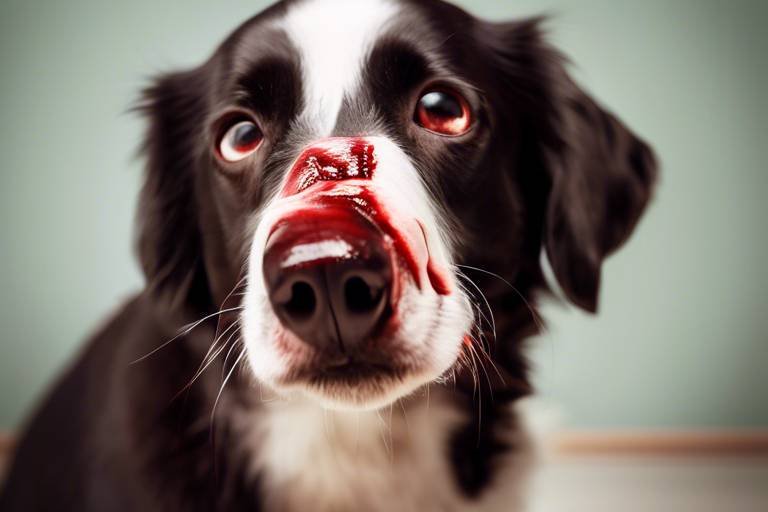
As a pet owner, it can be quite alarming to see your furry friend experiencing a nosebleed. Your heart races, and a million thoughts run through your mind. Is it serious? What should I do? The good news is that, while nosebleeds can be concerning, they are often manageable with the right knowledge and quick action. In this article, we will walk you through everything you need to know about handling a nosebleed in pets, from understanding the causes and symptoms to effective first aid measures that can help ensure your beloved companion receives the care they need.
First and foremost, it’s essential to remain calm. Your pet can sense your anxiety, and staying composed will help you think clearly and take appropriate action. Nosebleeds can be caused by a variety of factors, and understanding these can empower you to make informed decisions. Whether it’s a minor issue or something more serious, knowing how to respond is crucial.
In the following sections, we will explore the common causes of nosebleeds in pets, the immediate steps to take when one occurs, and how to monitor your pet afterward. Additionally, we will provide a “Frequently Asked Questions” section at the end of the article to address any lingering concerns you may have. So, let’s dive in and equip you with the knowledge to handle this situation like a pro!
Nosebleeds in pets, medically known as epistaxis, can occur for several reasons. It’s important to understand that while some causes may be benign, others could indicate a more serious underlying health issue. By recognizing the signs and understanding the potential causes, you can respond effectively and seek appropriate veterinary care when necessary.
There are numerous factors that can lead to nosebleeds in pets. Here are some of the most common:
- Injury and Trauma: Physical injuries, such as falls or fights with other animals, can result in bleeding.
- Infections: Respiratory infections or nasal mites can irritate the nasal passages and cause bleeding.
- Allergies: Allergic reactions can lead to inflammation in the nasal area, making it more susceptible to bleeding.
- Underlying Health Conditions: Conditions such as blood clotting disorders or tumors can also lead to nosebleeds.
Physical injuries can be a significant cause of nosebleeds in pets. Just like us, our furry friends can get into scrapes and scuffles. Whether it’s a rough play session with another dog or a tumble down the stairs, these incidents can lead to trauma that results in bleeding. It’s crucial to recognize the signs of injury, which can include swelling, pain, or visible wounds around the nose area.
When monitoring your pet for signs of injury, keep an eye out for:
- Swelling: Look for any unusual swelling around the nose or face.
- Pain: Observe if your pet is showing signs of discomfort or reluctance to be touched.
- Visible Wounds: Check for cuts or abrasions near the nose.
If your pet experiences a nosebleed due to injury, it is essential to consult a veterinarian, especially if the bleeding is severe or persistent. Even if the nosebleed appears minor, it’s better to err on the side of caution. A vet can evaluate your pet’s overall health and determine if further treatment is necessary.
Some nosebleeds may be a symptom of more serious underlying health conditions. Disorders related to blood clotting or tumors can lead to persistent nosebleeds. If your pet frequently experiences nosebleeds without any apparent cause, it’s vital to discuss this with your veterinarian for a thorough examination.
Knowing how to provide first aid for a pet experiencing a nosebleed can make a significant difference. Simple steps can help control bleeding and keep your pet calm. When a nosebleed occurs, the first thing you should do is keep your pet calm and still. This will help minimize the bleeding.
Here are some immediate steps you can take:
- Gently restrain your pet to prevent movement.
- Apply gentle pressure to the nose using a clean cloth or gauze.
- Keep your pet’s head elevated if possible, as this can help reduce blood flow to the nose.
While it’s important to know what to do, it’s equally crucial to understand what not to do. Avoid using cotton swabs or inserting anything into your pet’s nose, as this can worsen the bleeding or cause further injury. Always prioritize your pet’s safety and comfort during this stressful time.
After a nosebleed, it’s vital to monitor your pet for any changes in behavior or additional symptoms. This vigilance can help identify potential complications early. Keep an eye out for signs of lethargy, difficulty breathing, or excessive bleeding.
If your pet shows any of the following signs, seek veterinary attention immediately:
- Lethargy: If your pet seems unusually tired or unresponsive.
- Difficulty Breathing: Any signs of respiratory distress should be taken seriously.
- Excessive Bleeding: If the bleeding does not stop within a few minutes.
Regular follow-up with your veterinarian can help manage any underlying issues that may have caused the nosebleed. This is essential for ensuring your pet remains healthy and happy. Your vet may recommend routine check-ups or specific tests to monitor your pet’s health.
Q: Can I treat a nosebleed at home?
A: Yes, you can provide initial first aid at home, but if the bleeding persists or if your pet shows other concerning symptoms, contact your veterinarian immediately.
Q: Are nosebleeds serious?
A: Nosebleeds can range from minor to serious. It’s important to assess the situation and seek veterinary care if you have concerns.
Q: How can I prevent nosebleeds in my pet?
A: Keeping your pet away from rough play and monitoring for allergies can help reduce the risk of nosebleeds. Regular veterinary check-ups are also essential for maintaining health.
Understanding Nosebleeds in Pets
This article provides essential information on how to handle a nosebleed in pets, covering causes, symptoms, and effective first aid measures to ensure your furry friend receives the care they need.
Nosebleeds, or epistaxis, can be alarming for pet owners, but understanding what they are and why they happen can help ease some of that anxiety. Just like humans, pets can experience nosebleeds for a variety of reasons, and recognizing these can empower you to take the right steps when it occurs. Imagine your pet’s nose as a delicate flower; it needs to be treated gently and with care. A nosebleed can be a sign that something is amiss, whether it’s a minor issue or something that requires immediate attention.
When a nosebleed happens, it’s not just about the visible blood; it’s about understanding the underlying issues that could be causing it. Some common causes include trauma, infections, or even more serious health conditions. By being aware of these factors, you can respond more effectively and know when it’s time to seek professional help. For instance, if your pet has recently had a rough play session with another dog, it might be a simple case of trauma. However, if the bleeding persists or is accompanied by other symptoms, it could indicate a more serious problem.
Here are some key points to consider when it comes to nosebleeds in pets:
- Observation is Key: Carefully monitor your pet’s behavior and any additional symptoms that may arise.
- Stay Calm: Your pet can pick up on your stress; remaining calm can help keep them relaxed.
- Seek Veterinary Care: Knowing when to consult a vet can make all the difference in your pet’s health.
In summary, understanding nosebleeds in pets involves being aware of their potential causes and knowing how to react appropriately. This knowledge not only helps in providing immediate care but also in fostering a deeper bond with your furry companion. After all, they rely on you to be their advocate and protector!
Several factors can lead to nosebleeds in pets, including trauma, infections, or underlying health issues. Identifying the cause is crucial for effective treatment and prevention of future occurrences.
Physical injuries, such as falls or fights with other animals, can result in nosebleeds. Recognizing signs of trauma can aid in prompt intervention and care.
Common signs of injury in pets include swelling, pain, or visible wounds. Monitoring your pet for these symptoms can help determine if a nosebleed is due to trauma.
If your pet experiences a nosebleed due to injury, it’s essential to consult a veterinarian, especially if bleeding is severe or persistent.
Certain health issues, such as blood clotting disorders or tumors, can also cause nosebleeds. Understanding these conditions can help in managing your pet’s health effectively.
Knowing how to provide first aid for a pet experiencing a nosebleed can make a significant difference. Simple steps can help control bleeding and keep your pet calm.
When a nosebleed occurs, keep your pet calm and still. Applying gentle pressure to the nose can help reduce bleeding and prevent further complications.
Avoid using cotton swabs or inserting anything into your pet’s nose, as this can worsen the bleeding or cause injury. Always prioritize safety and comfort.
After a nosebleed, it’s vital to monitor your pet for any changes in behavior or additional symptoms. This vigilance can help identify potential complications early.
If your pet shows signs of lethargy, difficulty breathing, or excessive bleeding, seek veterinary attention immediately. Early intervention can be critical for their health.
Regular follow-up with your veterinarian can help manage any underlying issues that may have caused the nosebleed, ensuring your pet remains healthy and happy.
Q: What should I do if my pet has a nosebleed?
A: Keep your pet calm, apply gentle pressure to the nose, and monitor for any other symptoms. If the bleeding is severe or does not stop, consult your veterinarian.
Q: Can nosebleeds be a sign of a serious health issue?
A: Yes, persistent nosebleeds can indicate underlying health problems such as blood clotting disorders or tumors. It’s important to seek veterinary advice if you are concerned.
Q: How can I prevent nosebleeds in my pet?
A: Preventing nosebleeds involves regular veterinary check-ups, ensuring your pet is safe during play, and monitoring for any signs of illness or injury.
Common Causes of Nosebleeds
This article provides essential information on how to handle a nosebleed in pets, covering causes, symptoms, and effective first aid measures to ensure your furry friend receives the care they need.
Nosebleeds can occur in pets for various reasons. Understanding the underlying causes can help pet owners respond effectively and seek appropriate veterinary care when necessary.
Nosebleeds in pets can be alarming, but knowing the common causes can help you react appropriately. Various factors can contribute to this condition, and identifying them is crucial for effective treatment. Some of the most frequent causes include:
- Injury and Trauma: Pets are naturally curious and sometimes reckless. A playful tussle with another animal or a fall can lead to injuries that cause nosebleeds. Physical trauma is one of the most straightforward explanations, and recognizing these situations can help you act quickly.
- Infections: Bacterial or viral infections can lead to inflammation in the nasal passages, resulting in bleeding. Conditions like kennel cough or sinus infections can irritate the delicate tissues in a pet’s nose.
- Allergies: Just like humans, pets can suffer from allergies that may cause nasal irritation. Allergens such as pollen, dust, or certain foods can lead to sneezing and nosebleeds.
- Underlying Health Issues: More serious health problems, such as blood clotting disorders, tumors, or liver disease, can also manifest as nosebleeds. These conditions may require veterinary intervention for proper diagnosis and treatment.
Understanding the specific causes of nosebleeds can help you take the right steps to ensure your pet’s health. For instance, if your pet has been in a fight or had a fall, the chances are higher that the bleeding is due to trauma. On the other hand, if your pet has been sneezing a lot and has a runny nose, an infection or allergy might be at play. This knowledge not only helps in managing the situation but also prepares you for a visit to the vet if necessary.
Physical injuries, such as falls or fights with other animals, can result in nosebleeds. Recognizing signs of trauma can aid in prompt intervention and care. If you notice your pet has a nosebleed after a scuffle or an accident, it’s essential to assess the situation calmly. Check for any visible wounds or swelling around the nose area.
Common signs of injury in pets include swelling, pain, or visible wounds. Monitoring your pet for these symptoms can help determine if a nosebleed is due to trauma. If your pet is whimpering, avoiding touch, or showing signs of distress, these could be indicators that there’s more going on than just a simple nosebleed.
If your pet experiences a nosebleed due to injury, it’s essential to consult a veterinarian, especially if bleeding is severe or persistent. In some cases, a nosebleed might indicate a more serious underlying issue that requires immediate attention.
Certain health issues, such as blood clotting disorders or tumors, can also cause nosebleeds. Understanding these conditions can help in managing your pet’s health effectively. If you suspect that your pet’s nosebleeds are not related to injury or environmental factors, it’s crucial to seek veterinary advice.
Knowing how to provide first aid for a pet experiencing a nosebleed can make a significant difference. Simple steps can help control bleeding and keep your pet calm.
When a nosebleed occurs, keep your pet calm and still. Applying gentle pressure to the nose can help reduce bleeding and prevent further complications. Remember, a stressed pet can exacerbate the situation, so soothing words and a gentle touch can go a long way.
Avoid using cotton swabs or inserting anything into your pet’s nose, as this can worsen the bleeding or cause injury. Always prioritize safety and comfort. It’s easy to panic, but staying calm will help you handle the situation better.
After a nosebleed, it’s vital to monitor your pet for any changes in behavior or additional symptoms. This vigilance can help identify potential complications early.
If your pet shows signs of lethargy, difficulty breathing, or excessive bleeding, seek veterinary attention immediately. Early intervention can be critical for their health. Don’t hesitate to act; your pet’s well-being is your top priority.
Regular follow-up with your veterinarian can help manage any underlying issues that may have caused the nosebleed, ensuring your pet remains healthy and happy.
Q: What should I do if my pet has a nosebleed?
A: Stay calm and apply gentle pressure to the nose. Keep your pet still and monitor for any changes.
Q: How can I tell if my pet’s nosebleed is serious?
A: If the bleeding is severe, persistent, or accompanied by other symptoms like lethargy or difficulty breathing, seek veterinary help immediately.
Q: Can allergies cause nosebleeds in pets?
A: Yes, allergies can irritate the nasal passages and lead to nosebleeds.
Q: Is it safe to use cotton swabs to clean my pet’s nose?
A: No, using cotton swabs can worsen the bleeding or cause injury. Always avoid inserting anything into your pet’s nose.
Q: How can I prevent nosebleeds in my pet?
A: Regular veterinary check-ups, managing allergies, and preventing injuries can help reduce the risk of nosebleeds.
Injury and Trauma
Nosebleeds in pets can often be traced back to . Imagine your furry friend playing outside, chasing after their favorite toy, only to trip and fall. Such accidents can lead to physical injuries, which might result in a nosebleed. It’s essential to be vigilant and observant because pets, unlike humans, may not always show obvious signs of pain or discomfort. If your pet has been involved in a scuffle with another animal or has had a fall, keep an eye out for any signs of a nosebleed.
Recognizing the signs of injury is crucial. Common indicators include swelling, pain, or even visible wounds around the nose or face. If you see your pet pawing at their face or acting unusually quiet, it might be time to investigate further. Sometimes, the bleeding may not be immediately apparent, but if you notice a sudden change in behavior, it’s worth checking for injuries. After all, a nosebleed can be a sign of something more serious lurking beneath the surface.
When dealing with potential injuries, it’s important to remember that not every nosebleed is a cause for panic, but some situations do require immediate attention. For instance, if your pet’s nosebleed is severe or persistent, you should definitely consult a veterinarian. They can assess whether the bleeding is a result of a simple injury or if it points to a more serious underlying condition. Early intervention can make all the difference in ensuring your pet’s health and well-being.
To summarize, keep a close eye on your pet after any incident that could lead to injury. If you notice any of the following signs, it may be time to take action:
- Swelling around the nose or face
- Visible wounds or abrasions
- Excessive pawing at the face
- Changes in behavior, such as lethargy or irritability
By being proactive and attentive, you can help ensure that your pet receives the care they need in a timely manner. Remember, pets rely on us to be their advocates, especially when they can’t voice their discomfort.
Signs of Injury
When your furry friend experiences a nosebleed, it’s crucial to look for that might indicate a more serious problem. Pets, like us, can suffer from various types of trauma that can lead to bleeding from the nose. So, how do you know if your pet has sustained an injury? Here are some key indicators to watch for:
- Swelling: If you notice any unusual swelling around the nose or face, it could be a sign that your pet has experienced some trauma.
- Pain: Pay attention to your pet’s behavior. If they are whimpering, avoiding touch, or showing signs of discomfort, pain may be present.
- Visible Wounds: Check for any cuts, bruises, or abrasions on your pet’s face or body. These can be clear indicators of an injury that may have caused the nosebleed.
Additionally, keep an eye on your pet’s overall demeanor. Are they acting unusually lethargic or withdrawn? This change in behavior could indicate that they are not feeling well due to their injury. If your pet is not eating or drinking normally, it might be time to consult a veterinarian. Remember, early detection of these signs can be critical in ensuring your pet receives the proper care it needs.
In some cases, injuries may lead to complications such as infections or more severe health issues. Therefore, if you suspect that your pet has been injured, it’s essential to take action quickly. Don’t hesitate to reach out to your vet if you notice any of these signs. After all, your pet relies on you to advocate for its health and well-being!
Here are some common questions pet owners have regarding nosebleeds and signs of injury:
- What should I do if my pet’s nosebleed doesn’t stop? If the bleeding persists for more than 10 minutes, seek veterinary assistance immediately.
- Can I treat my pet’s injury at home? Minor injuries can sometimes be managed at home, but it’s always best to consult a veterinarian for any signs of severe trauma.
- How can I prevent nosebleeds in my pet? Regular check-ups with your vet can help identify underlying health issues that may lead to nosebleeds, and keeping your pet away from rough play can reduce the risk of trauma.
When to Seek Veterinary Help
Recognizing when to seek veterinary assistance for your pet’s nosebleed is crucial for their health and well-being. While some nosebleeds may be minor and resolve on their own, there are specific scenarios where veterinary intervention is not just recommended, but necessary. If your furry friend experiences a nosebleed that is severe or persists for more than a few minutes, it’s time to pick up that phone and call your vet. Remember, even a seemingly minor issue can be a sign of a more serious underlying condition.
Here are some key indicators that should prompt you to seek professional help:
- Prolonged Bleeding: If the bleeding lasts longer than 5 minutes, it’s essential to consult a veterinarian.
- Excessive Blood Loss: If you notice a significant amount of blood, either dripping from the nose or pooling, don’t hesitate to get help.
- Signs of Distress: If your pet appears to be in pain, is lethargic, or shows signs of anxiety, these could be indicators of a more serious issue.
- Other Symptoms: Watch for additional symptoms such as difficulty breathing, coughing up blood, or unusual behavior. These could signify a severe health problem.
It’s always better to err on the side of caution. If you’re ever in doubt, calling your veterinarian for advice can provide peace of mind. They can guide you on whether it’s an emergency or if you should monitor the situation at home. Your pet relies on you to be their advocate, so don’t hesitate to reach out for professional guidance when you notice concerning signs.
Here are some common questions pet owners have regarding nosebleeds in pets:
- What should I do if my pet has a nosebleed? Keep your pet calm, apply gentle pressure to the nose, and contact your veterinarian if the bleeding persists.
- Can I treat my pet’s nosebleed at home? While minor nosebleeds may not require immediate veterinary care, it’s crucial to monitor your pet closely and seek help if the situation worsens.
- What are the common causes of nosebleeds in pets? Nosebleeds can be caused by injuries, infections, allergies, or underlying health conditions.
- How can I prevent nosebleeds in my pet? Regular veterinary check-ups can help detect and manage any underlying health issues, while keeping your pet safe from physical injuries can reduce the risk of trauma-related nosebleeds.
Underlying Health Conditions
Nosebleeds in pets can be alarming, and while they are often caused by minor issues, they can also indicate more serious underlying health conditions. It’s important to understand that nosebleeds may not just be a random occurrence; they can be symptomatic of various health problems that need attention. For instance, conditions such as blood clotting disorders can lead to frequent and unexplained nosebleeds. These disorders may hinder the blood’s ability to clot properly, making even minor injuries result in excessive bleeding.
Another potential cause of nosebleeds is the presence of tumors in the nasal cavity. These can be benign or malignant, and they often disrupt normal blood flow, leading to bleeding. In addition to these, infections such as nasal mites or fungal infections can irritate the nasal passages, causing inflammation and ultimately resulting in a nosebleed. Recognizing these underlying conditions is essential, as they may require specific treatments ranging from medication to surgical intervention.
It’s crucial for pet owners to be vigilant and observe their furry friends closely. If a nosebleed occurs alongside other symptoms, such as frequent coughing, nasal discharge, or unexplained weight loss, it could indicate a more serious issue that warrants a visit to the veterinarian. Early diagnosis and intervention can make a significant difference in the outcome for your pet.
Here’s a quick overview of some underlying health conditions that can cause nosebleeds in pets:
| Condition | Description | Symptoms |
|---|---|---|
| Blood Clotting Disorders | Conditions that affect the blood’s ability to clot, leading to excessive bleeding. | Frequent nosebleeds, bruising, prolonged bleeding from cuts. |
| Tumors | Growths in the nasal cavity that may cause obstruction and bleeding. | Nasal discharge, sneezing, difficulty breathing. |
| Infections | Infections such as nasal mites or fungal infections causing inflammation. | Foul-smelling discharge, coughing, lethargy. |
In conclusion, while a nosebleed can sometimes be attributed to a minor issue, it is essential to remain alert to the possibility of underlying health conditions. If you notice persistent nosebleeds or any accompanying symptoms, don’t hesitate to consult your veterinarian. They can perform the necessary tests to determine the underlying cause and recommend appropriate treatment options, ensuring your pet stays healthy and happy.
- What should I do if my pet has a nosebleed? Keep your pet calm, apply gentle pressure to the nose, and avoid inserting anything into the nostrils. If bleeding persists, seek veterinary help.
- How can I prevent nosebleeds in my pet? Regular veterinary check-ups can help identify and manage underlying health issues. Keeping your pet’s environment safe can also prevent injuries.
- Are nosebleeds common in pets? While occasional nosebleeds can occur, frequent episodes should be evaluated by a veterinarian to rule out serious health concerns.
First Aid for Nosebleeds
Nosebleeds in pets can be alarming, but knowing how to provide first aid can make all the difference in keeping your furry friend safe and comfortable. The first step is to remain calm yourself—your pet can sense your anxiety, and a calm demeanor will help soothe them during this stressful time. When a nosebleed occurs, it’s crucial to act quickly yet gently. Start by keeping your pet still and calm, as excessive movement can exacerbate the bleeding. You can do this by softly speaking to them and petting them in a reassuring manner.
Next, gently apply pressure to the base of the nose. This can help to constrict the blood vessels and reduce the flow of blood. Use a clean cloth or gauze to apply this pressure, ensuring you do so without causing any discomfort. Remember, it’s important to avoid using cotton swabs or inserting anything into your pet’s nose, as this can lead to further injury or worsen the bleeding.
If the bleeding does not stop after about 10 minutes of applying pressure, it’s time to take further action. You might want to consider placing your pet in a quiet, dark room to help them relax. Stress can increase blood pressure and prolong bleeding, so creating a peaceful environment is essential. After this period, if the nosebleed persists, it’s critical to seek veterinary assistance as soon as possible. Persistent nosebleeds can indicate more serious underlying issues that require professional evaluation.
In addition to immediate first aid, keeping an eye on your pet’s overall condition is vital. Monitor them for any signs of distress or changes in behavior. If they appear lethargic, are having trouble breathing, or if you notice any additional bleeding, do not hesitate to contact your veterinarian. Early intervention can be key to ensuring your pet’s health and well-being.
To summarize, here are some immediate steps to take in case of a nosebleed:
- Stay calm and keep your pet calm.
- Apply gentle pressure to the base of the nose with a clean cloth.
- Do not insert anything into the nose.
- If bleeding persists after 10 minutes, seek veterinary help.
By being prepared and knowing what to do, you can help ensure your pet receives the care they need swiftly and effectively. Remember, your vigilance and quick action can make all the difference in a stressful situation.
Q: What should I do if my pet has a nosebleed?
A: Remain calm, apply gentle pressure to the base of the nose, and monitor your pet. If the bleeding continues after 10 minutes, seek veterinary assistance.
Q: Can nosebleeds in pets be serious?
A: Yes, while some nosebleeds may be minor, others can indicate serious health issues. It’s essential to monitor your pet and consult a veterinarian if you have concerns.
Q: How can I prevent nosebleeds in my pet?
A: Regular veterinary check-ups can help identify underlying health issues. Avoiding situations that may lead to trauma, such as rough play with other animals, can also help prevent nosebleeds.
Q: What are the signs that I should take my pet to the vet after a nosebleed?
A: If your pet shows signs of lethargy, difficulty breathing, or if the bleeding is excessive or persistent, it’s crucial to seek veterinary attention immediately.
Immediate Steps to Take
This article provides essential information on how to handle a nosebleed in pets, covering causes, symptoms, and effective first aid measures to ensure your furry friend receives the care they need.
Nosebleeds can occur in pets for various reasons. Understanding the underlying causes can help pet owners respond effectively and seek appropriate veterinary care when necessary.
Several factors can lead to nosebleeds in pets, including trauma, infections, or underlying health issues. Identifying the cause is crucial for effective treatment and prevention of future occurrences.
Physical injuries, such as falls or fights with other animals, can result in nosebleeds. Recognizing signs of trauma can aid in prompt intervention and care.
Common signs of injury in pets include swelling, pain, or visible wounds. Monitoring your pet for these symptoms can help determine if a nosebleed is due to trauma.
If your pet experiences a nosebleed due to injury, it’s essential to consult a veterinarian, especially if bleeding is severe or persistent.
Certain health issues, such as blood clotting disorders or tumors, can also cause nosebleeds. Understanding these conditions can help in managing your pet’s health effectively.
Knowing how to provide first aid for a pet experiencing a nosebleed can make a significant difference. Simple steps can help control bleeding and keep your pet calm.
When your beloved pet experiences a nosebleed, the first thing you should do is remain calm. Pets can pick up on our emotions, and a panicked owner can make them more anxious. Gently approach your pet and ensure they are in a quiet, comfortable space. Keeping your pet calm is crucial, as stress can exacerbate the bleeding.
Next, apply gentle pressure to the bridge of their nose using a clean cloth or gauze. This step can help stop the bleeding by constricting the blood vessels. Remember, the key is to apply pressure without being too forceful, as you don’t want to cause additional discomfort. While doing this, keep an eye on your pet’s behavior. If they seem to be in pain or are excessively restless, comfort them with a soothing voice.
It’s also advisable to keep your pet’s head elevated. You can achieve this by gently lifting their head or placing them in a comfortable position where their head is above their heart. This can help reduce blood flow to the nose and minimize bleeding.
Finally, do not use cotton swabs or any objects to probe inside your pet’s nose. This can lead to further injury or irritation, making the situation worse. Instead, focus on keeping the area clean and monitoring the bleeding. If the bleeding continues for more than 10 minutes or if you notice any other concerning symptoms, such as swelling or excessive lethargy, it’s time to contact your veterinarian.
After a nosebleed, it’s vital to monitor your pet for any changes in behavior or additional symptoms. This vigilance can help identify potential complications early.
If your pet shows signs of lethargy, difficulty breathing, or excessive bleeding, seek veterinary attention immediately. Early intervention can be critical for their health.
Regular follow-up with your veterinarian can help manage any underlying issues that may have caused the nosebleed, ensuring your pet remains healthy and happy.
- What should I do if my pet has a nosebleed? First, keep your pet calm and apply gentle pressure to the nose. If the bleeding persists, consult your veterinarian.
- How long should a nosebleed last in pets? If the bleeding continues for more than 10 minutes, it is important to seek veterinary help.
- Can I treat my pet’s nosebleed at home? You can provide first aid, but it’s crucial to monitor your pet and seek professional care if necessary.
- What are the signs that I should take my pet to the vet? Signs include excessive bleeding, lethargy, difficulty breathing, or if the nosebleed is a recurring issue.
What Not to Do
When your beloved pet experiences a nosebleed, it’s natural to feel a surge of panic. However, it’s crucial to remain calm and avoid certain actions that could exacerbate the situation. First and foremost, never attempt to insert anything into your pet’s nose. This includes cotton swabs, tissues, or even your fingers. Doing so can not only worsen the bleeding but may also cause further injury to the delicate nasal passages. Imagine trying to fix a delicate piece of art with a hammer; it’s counterproductive and can lead to more damage.
Another common mistake is to apply excessive pressure or force when trying to stop the bleeding. While gentle pressure can be helpful, pressing too hard can cause pain and distress to your pet. Think of it like trying to hold down a balloon too tightly; it only causes more problems. Instead, use a soft cloth or gauze to apply gentle pressure, ensuring your pet is as comfortable as possible.
Additionally, avoid panicking or making loud noises, as this can stress your pet even more. Pets are incredibly sensitive to their owner’s emotions, and your anxiety can amplify theirs. Instead, speak softly and reassuringly to help keep them calm. It’s also important not to delay seeking veterinary help if the bleeding doesn’t stop within a few minutes or if it appears severe. Remember, your pet relies on you to make the right choices in these moments. Taking the right steps can make all the difference, so stay informed and act wisely.
Finally, refrain from giving your pet any home remedies or medications without consulting your veterinarian first. What may seem like a harmless solution could potentially be harmful. Always prioritize professional advice to ensure your pet receives the best care possible.
- What should I do if my pet has a nosebleed?
Stay calm, apply gentle pressure to the nose, and seek veterinary care if the bleeding persists. - Can nosebleeds be a sign of something serious?
Yes, nosebleeds can indicate underlying health issues, so it’s crucial to monitor your pet and consult a vet. - How can I prevent nosebleeds in my pet?
Regular vet check-ups and ensuring a safe environment can help reduce the risk of nosebleeds. - Is it normal for pets to have occasional nosebleeds?
While occasional nosebleeds can happen, frequent occurrences warrant a visit to the veterinarian.
Monitoring Your Pet After a Nosebleed
After your furry friend experiences a nosebleed, it’s crucial to keep a close eye on them. This vigilance isn’t just about being a concerned pet parent; it can truly make a difference in identifying any potential complications early on. Think of it like watching over a child who has just had a little accident. You want to ensure they’re okay and that nothing more serious is brewing beneath the surface.
One of the first things to do is to observe your pet’s behavior closely. Are they acting like their usual selves, or are they a bit more lethargic than normal? Changes in behavior can often be the first indicator that something isn’t quite right. Additionally, you should be on the lookout for any signs of distress. If your pet seems to struggle with breathing, or if the nosebleed continues beyond a few minutes, it’s time to take action.
Here are some specific signs of concern to monitor:
- Lethargy: If your pet is unusually tired or unresponsive, it could indicate a more serious issue.
- Difficulty Breathing: Watch for any labored breathing or wheezing sounds, which could signal a problem.
- Excessive Bleeding: If the bleeding doesn’t stop or resumes after a period of time, seek veterinary help.
It’s also essential to keep track of any other symptoms that may arise post-incident. For instance, if your pet starts to cough up blood or if you notice any unusual swelling around the nose, these could be red flags. Documenting these symptoms can be incredibly helpful for your veterinarian, as it provides them with a clearer picture of your pet’s condition.
In addition to monitoring your pet’s immediate health, follow-up care is equally important. Regular check-ups with your veterinarian can help manage any underlying issues that may have contributed to the nosebleed. This could involve blood tests or imaging studies to rule out conditions like blood clotting disorders or tumors. Early detection and intervention are key to ensuring your pet remains healthy and happy.
Q: How long should I monitor my pet after a nosebleed?
A: It’s best to keep a close watch for at least 24 hours after the incident. If you notice any concerning symptoms, contact your vet immediately.
Q: Can nosebleeds be a sign of something serious?
A: Yes, nosebleeds can sometimes indicate underlying health issues, so it’s important to monitor your pet and consult a veterinarian if they occur frequently.
Q: What should I do if my pet has a nosebleed that won’t stop?
A: If the bleeding persists for more than a few minutes, it’s crucial to seek veterinary care as soon as possible to prevent further complications.
By taking these precautions and remaining vigilant, you can help ensure your pet stays healthy and recovers quickly from any nosebleed incidents. Remember, being proactive is the best way to safeguard your furry friend’s well-being!
Signs of Concern
This article provides essential information on how to handle a nosebleed in pets, covering causes, symptoms, and effective first aid measures to ensure your furry friend receives the care they need.
Nosebleeds can occur in pets for various reasons. Understanding the underlying causes can help pet owners respond effectively and seek appropriate veterinary care when necessary.
Several factors can lead to nosebleeds in pets, including trauma, infections, or underlying health issues. Identifying the cause is crucial for effective treatment and prevention of future occurrences.
Physical injuries, such as falls or fights with other animals, can result in nosebleeds. Recognizing signs of trauma can aid in prompt intervention and care.
Common signs of injury in pets include swelling, pain, or visible wounds. Monitoring your pet for these symptoms can help determine if a nosebleed is due to trauma.
If your pet experiences a nosebleed due to injury, it’s essential to consult a veterinarian, especially if bleeding is severe or persistent.
Certain health issues, such as blood clotting disorders or tumors, can also cause nosebleeds. Understanding these conditions can help in managing your pet’s health effectively.
Knowing how to provide first aid for a pet experiencing a nosebleed can make a significant difference. Simple steps can help control bleeding and keep your pet calm.
When a nosebleed occurs, keep your pet calm and still. Applying gentle pressure to the nose can help reduce bleeding and prevent further complications.
Avoid using cotton swabs or inserting anything into your pet’s nose, as this can worsen the bleeding or cause injury. Always prioritize safety and comfort.
After a nosebleed, it’s vital to monitor your pet for any changes in behavior or additional symptoms. This vigilance can help identify potential complications early.
It’s crucial to be alert to any signs that may indicate your pet is in distress following a nosebleed. If your furry friend exhibits any of the following symptoms, it is essential to seek veterinary attention immediately:
- Lethargy: If your pet seems unusually tired or unresponsive, it could indicate a serious issue.
- Difficulty Breathing: Any signs of labored breathing or gasping should be addressed without delay.
- Excessive Bleeding: If the nosebleed does not stop after a few minutes or if there is a significant amount of blood, this is a cause for concern.
Additionally, keep an eye on your pet’s behavior. If they seem anxious or are hiding more than usual, it might be a sign that something is wrong. Remember, your intuition as a pet owner is invaluable. If you feel that something isn’t right, it’s better to err on the side of caution and consult your veterinarian. Early intervention can be critical for their health, and your quick action could make all the difference.
Regular follow-up with your veterinarian can help manage any underlying issues that may have caused the nosebleed, ensuring your pet remains healthy and happy.
Here are some common questions pet owners have regarding nosebleeds in pets:
- What should I do if my pet has a nosebleed? Keep your pet calm, apply gentle pressure to the nose, and avoid inserting anything into the nostrils. If the bleeding persists, consult your veterinarian.
- Can nosebleeds be a sign of a serious condition? Yes, they can indicate underlying health issues such as blood disorders or tumors. It’s essential to monitor your pet and seek veterinary advice if the nosebleed is severe or recurrent.
- How can I prevent nosebleeds in my pet? Regular veterinary check-ups can help detect potential health issues early. Additionally, keeping your pet safe from physical injuries can reduce the risk of trauma-related nosebleeds.
Follow-Up Care
After your furry friend experiences a nosebleed, becomes crucial in ensuring their health and well-being. It’s not just about stopping the bleeding; it’s about understanding the underlying causes and preventing future incidents. First and foremost, schedule a visit to your veterinarian to discuss the nosebleed and any potential health issues that may have contributed to it. A thorough examination can help rule out serious conditions such as blood clotting disorders or tumors, which could require more extensive treatment.
During the follow-up appointment, be prepared to provide your vet with as much information as possible. Consider keeping a symptom diary that tracks your pet’s behavior, appetite, and any other unusual signs. This information can be invaluable in diagnosing any underlying problems. For instance, if you notice your pet has been lethargic or has difficulty breathing after the nosebleed, mention these symptoms to your vet.
Additionally, your veterinarian may recommend some diagnostic tests, such as blood work or imaging studies, to get a clearer picture of your pet’s health. These tests can help identify any underlying health issues that need to be addressed. If your pet is diagnosed with a condition that could lead to future nosebleeds, your vet will provide a treatment plan tailored to their needs.
It’s also essential to monitor your pet closely after the nosebleed. Look for any signs of recurring bleeding or other symptoms that may arise. If you notice anything unusual, don’t hesitate to reach out to your vet. Early intervention can make a significant difference in your pet’s recovery and overall health.
Lastly, consider adjusting your pet’s environment to minimize the risk of future nosebleeds. This might include:
- Keeping their living area clean and free of irritants.
- Avoiding rough play that could lead to injury.
- Ensuring they have a balanced diet to support their overall health.
In conclusion, follow-up care after a nosebleed is a vital step in ensuring your pet remains healthy and happy. By staying vigilant and working closely with your veterinarian, you can help your furry friend avoid future complications and enjoy a long, happy life.
Q: How can I tell if my pet’s nosebleed is serious?
A: If the nosebleed is severe, persistent, or accompanied by other symptoms like lethargy or difficulty breathing, seek veterinary attention immediately.
Q: What should I do if my pet has a nosebleed?
A: Keep your pet calm and apply gentle pressure to the nose. Avoid inserting anything into the nostrils and contact your veterinarian for further advice.
Q: Can nosebleeds be prevented?
A: While not all nosebleeds can be prevented, maintaining a clean environment, avoiding injuries, and regular veterinary check-ups can help reduce the risk.
Q: What are the common causes of nosebleeds in pets?
A: Common causes include trauma, infections, allergies, or underlying health conditions. Identifying the cause is essential for effective treatment.
Frequently Asked Questions
- What should I do if my pet has a nosebleed?
First, try to keep your pet calm and still. You can apply gentle pressure to the nose using a clean cloth or gauze. This can help control the bleeding. If the bleeding persists for more than a few minutes or is severe, seek veterinary help immediately.
- What are some common causes of nosebleeds in pets?
Nosebleeds in pets can be caused by various factors, including trauma (like injuries from fights or falls), infections, allergies, or underlying health issues such as blood clotting disorders or tumors. Identifying the cause is essential for effective treatment.
- How can I tell if my pet’s nosebleed is serious?
If your pet experiences a nosebleed that is severe, persistent, or accompanied by other symptoms like lethargy, difficulty breathing, or excessive bleeding, it’s crucial to consult a veterinarian right away. These could be signs of a more serious condition.
- Is it safe to use cotton swabs to clean my pet’s nose during a nosebleed?
No, it’s not safe. Avoid using cotton swabs or inserting anything into your pet’s nose, as this can worsen the bleeding or cause additional injury. Always prioritize your pet’s safety and comfort during such situations.
- What should I monitor after my pet has a nosebleed?
After a nosebleed, keep an eye on your pet for any changes in behavior or additional symptoms. Look out for signs of lethargy, difficulty breathing, or any new bleeding. If you notice any concerning symptoms, seek veterinary attention promptly.
- How can I prevent nosebleeds in my pet?
While not all nosebleeds can be prevented, you can reduce the risk by ensuring your pet avoids rough play that could lead to injuries, keeping their living environment clean to prevent infections, and maintaining regular veterinary check-ups to manage any underlying health issues.
pet nosebleed, first aid, veterinary care, causes, symptoms, treatment, home remedies, prevention, , pet nosebleed, first aid, veterinary care, causes, symptoms, treatment, home remedies, prevention,
Share this content:
Leave a Reply