
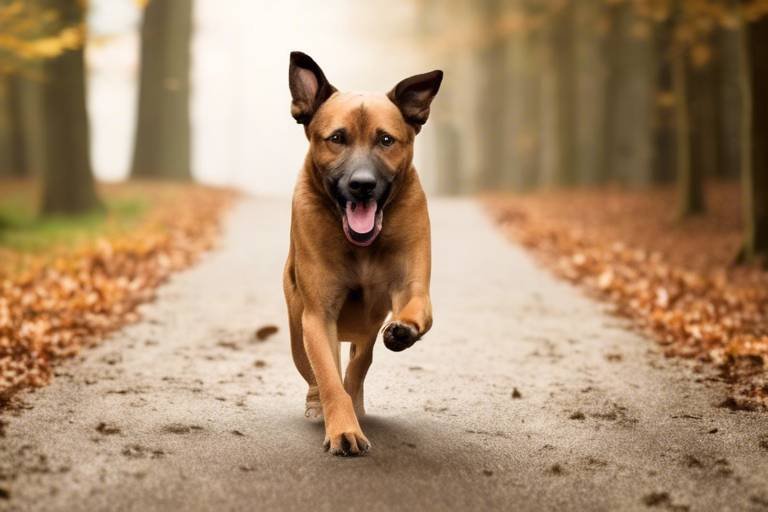
This article provides effective strategies and techniques for teaching your dog the stay command, ensuring they remain in a designated spot until released. Training your dog to stay in place is not just about obedience; it’s about creating a safe environment for your furry friend and those around them. Imagine a scenario where your dog sees a squirrel darting across the yard. If they know the stay command, you can prevent an impulsive dash into the street. This command can be a lifesaver in various situations, making it an essential skill for every dog owner.
Learning the stay command is pivotal in dog training. But why is it so important? Well, think of it as your dog’s way of saying, “I understand what you want from me.” This command can significantly enhance your dog’s obedience and safety, especially in unpredictable environments. It’s a fundamental building block for more advanced commands and tricks. When your dog masters the stay command, it not only boosts their confidence but also strengthens the bond between you and your pet.
Setting the right environment is crucial for successful training. You wouldn’t try to study for an exam in a noisy cafeteria, right? The same goes for your dog. Discovering ideal locations and conditions that minimize distractions will promote focus during training sessions. A calm, quiet environment sets the stage for learning. Whether it’s indoors or outdoors, the right setting can make all the difference.
Indoor spaces can be perfect for initial training. Your home can be transformed into a training haven with a few adjustments. Choose a room with minimal foot traffic and distractions. You might want to clear away toys or anything that could divert your dog’s attention. By creating a conducive environment within your home, you can ensure effective stay training. Consider using a comfortable mat or bed as a designated spot for your dog to practice their stay command.
Identifying common distractions in your home is essential. These could be anything from the TV blaring in the background to family members moving around. Here are some techniques to minimize distractions:
- Close doors to other rooms to limit movement.
- Turn off the TV or radio.
- Use a leash to keep your dog in a specific area.
By minimizing these distractions, you’ll ensure your dog can concentrate on the training process, leading to better results.
Positive reinforcement is vital for effective training. Dogs respond well to rewards, so find out how to use treats and praise to encourage your dog to stay in place. Each time your dog successfully follows the stay command, shower them with praise or a small treat. This not only reinforces the behavior but also makes training a fun experience for both of you. Remember, a happy dog is a learning dog!
Outdoor training offers unique challenges. The great outdoors can be full of enticing smells, sounds, and sights that can easily distract your dog. Understanding how to adapt your approach when training your dog in public spaces or backyards is crucial. Start in a quiet area and gradually introduce more distractions as your dog becomes more proficient with the stay command. This gradual exposure will help your dog learn to focus despite the excitement around them.
Consistency is key in dog training. Just like we thrive on routines, dogs do too! Learn how to develop a structured routine that reinforces the stay command and builds your dog’s understanding over time. By training at the same times each day, you establish a rhythm that your dog can anticipate, making them more eager to learn.
Short, focused training sessions are more effective than long ones. Discover the optimal duration for training sessions to keep your dog engaged. Aim for sessions of about 5-10 minutes, especially for younger dogs. This way, you can maintain their attention and enthusiasm, leading to better retention of the stay command.
As your dog masters the stay command, gradually increase the duration. Start with just a few seconds and slowly extend the time they remain in place. Learn how to effectively extend this time without losing their focus. It’s like building muscle; you can’t lift heavy weights right away, and the same goes for training. Incremental improvements lead to significant results!
Training your dog to stay can present challenges. Explore common issues you may encounter and practical strategies to overcome them. Every dog is unique, and some may take longer to grasp the stay command than others.
Distractions can hinder training progress. Discover techniques to help your dog maintain focus even in stimulating environments. If your dog gets distracted by a passing car or another dog, use their favorite toy or treat to redirect their attention back to you. Consistent practice in various environments will help your dog learn to ignore distractions over time.
Some dogs may struggle with patience. Learn strategies to help your dog remain calm and composed while practicing the stay command. Use calming techniques, such as deep breathing or gentle petting, to soothe your dog when they seem anxious. Patience is a two-way street; it’s essential for both you and your dog during training.
Recognizing and celebrating your dog’s achievements is essential for motivation. Find out how to acknowledge progress and keep your dog excited about training. Whether it’s a simple “good boy” or an extra treat, showing appreciation for their hard work will encourage them to keep trying. Remember, training should be a fun and rewarding experience for both of you!
Q: How long does it take for a dog to learn the stay command?
A: Every dog is different, but with consistent training, most dogs can grasp the stay command within a few weeks.
Q: What should I do if my dog breaks the stay command?
A: If your dog breaks the stay command, calmly guide them back to the original position and try again. Avoid punishment; instead, focus on positive reinforcement.
Q: Can I use the stay command in public places?
A: Absolutely! However, start in a quiet environment and gradually introduce distractions as your dog becomes more proficient.
Q: Is it better to train my dog indoors or outdoors?
A: Both environments have their advantages. Start indoors to establish the command, then transition outdoors for real-world practice.
stay
This article provides effective strategies and techniques for teaching your dog the command, ensuring they remain in a designated spot until released.
Teaching your dog the command is not just a fun trick; it’s a fundamental skill that can significantly enhance your dog’s obedience and safety. Imagine your dog sitting calmly while you answer the door or enjoy a picnic in the park without the worry of them bolting after a squirrel! The command acts as a safety net, allowing your furry friend to remain in a safe position until you give them the go-ahead. This command is particularly beneficial in busy environments where distractions are plentiful, ensuring your dog knows how to stay put even when the world is bustling around them.
Setting the right environment is crucial for successful training. Choosing ideal locations and conditions that minimize distractions will help promote focus during your training sessions. For instance, a quiet room in your house can serve as an excellent starting point. The less chaos around, the better your dog can concentrate. Think of it like studying for an exam; you wouldn’t want to be in a noisy cafeteria, right?
Indoor spaces can be perfect for initial training. You can create a conducive environment within your home for effective training by using a designated area free from distractions. Consider using a room with minimal foot traffic and noise. This could be a quiet living room or a cozy corner of your kitchen. Make it a fun space by adding your dog’s favorite mat or blanket as their training spot.
Identify common distractions in your home, such as other pets, loud appliances, or even family members moving about. To minimize these distractions, you might want to:
- Close doors to other rooms.
- Turn off the TV or radio.
- Use baby gates to restrict access to busy areas.
By creating a calm atmosphere, you give your dog the best chance to focus on learning the command.
Positive reinforcement is vital for effective training. Dogs thrive on rewards, so using treats and praise can significantly encourage your dog to stay in place. When your dog successfully remains in the designated spot, shower them with affection and a tasty treat. Think of it as a little celebration for their hard work! This method not only reinforces the behavior but also builds a positive association with the command.
Outdoor training offers unique challenges. While it can be exciting for your dog, the plethora of smells, sounds, and sights can easily distract them. When training outdoors, it’s essential to find a quiet park or a backyard where distractions are limited. Gradually introduce your dog to busier environments as they become more proficient with the command.
Consistency is key in dog training. Developing a structured routine that reinforces the command is crucial to building your dog’s understanding over time. Try to incorporate training into your daily activities; for example, practice during meal times or before walks. The more you integrate training into your dog’s life, the more natural it will become for them.
Short, focused training sessions are more effective than long ones. Dogs have a limited attention span, so aim for sessions that last around 5 to 10 minutes. This keeps your dog engaged and prevents them from becoming overwhelmed or bored. You can gradually increase the duration as they become more comfortable with the command.
As your dog masters the command, gradually increase the duration they remain in place. Start with just a few seconds and slowly work your way up to longer periods. This gradual approach helps maintain their focus and allows them to build confidence in their ability to stay put.
Training your dog to stay can present challenges. It’s essential to explore common issues you may encounter and practical strategies to overcome them. For instance, distractions can hinder training progress, but techniques like using a leash or practicing in a quieter environment can help. Additionally, some dogs may struggle with patience. In such cases, consider using calming techniques or short breaks to help them remain composed.
Distractions can be a significant hurdle in training. To help your dog maintain focus, try practicing in various environments, starting with quieter places and gradually introducing more stimulating settings. This way, your dog learns to concentrate despite the chaos around them.
Some dogs may struggle with patience, making it challenging to practice the command. To help your dog remain calm and composed, consider incorporating relaxation techniques into your training routine. Teaching them to settle on a mat or using calming music can create a more peaceful training atmosphere.
Recognizing and celebrating your dog’s achievements is essential for motivation. Acknowledging progress, no matter how small, keeps your dog excited about training. Use treats, praise, and even playtime as rewards to reinforce their successes. Remember, training should be a fun and rewarding experience for both you and your furry friend!
- How long does it take to train my dog to stay?
Training duration varies by dog, but with consistent practice, most dogs can learn the command within a few weeks. - What if my dog won’t stay?
Start with shorter distances and less distracting environments, gradually increasing difficulty as they improve. - Can I train my dog to stay off-leash?
Yes, but only after they have mastered the command on-leash in various environments.
command, ensuring they remain in a designated spot until released.
This article provides effective strategies and techniques for teaching your dog the stay command, ensuring they remain in a designated spot until released.
Learning the stay command is not just about teaching your dog to sit still; it’s about enhancing their overall obedience and safety. Imagine a scenario where your dog is tempted to run into the street or jump on visitors. By mastering the stay command, your furry friend will learn to remain in a safe spot until you give them the green light to move. This command can be a lifesaver in various situations, from busy parks to family gatherings.
Setting the right environment is crucial for successful training. You wouldn’t try to learn a new skill in a noisy, chaotic place, right? The same goes for your dog. Discovering ideal locations and conditions that minimize distractions can significantly enhance your training sessions. A calm, quiet space allows your pup to focus on you and the task at hand.
Indoor spaces can be perfect for initial training. Think about it: your home is familiar territory for your dog, making it a great place to start. To create a conducive environment, choose a room with minimal foot traffic and distractions. This could be a quiet living room or a cozy corner of your bedroom where your dog feels comfortable and secure.
Identifying common distractions in your home is the first step to effective training. Things like other pets, loud noises, or even moving objects can break your dog’s concentration. To minimize these distractions, try the following:
- Close doors to other rooms.
- Turn off the TV or radio.
- Use baby gates to restrict access to other areas.
By creating a focused environment, you allow your dog to concentrate on learning the stay command.
Positive reinforcement is vital for effective training. Dogs thrive on praise and rewards, and utilizing treats can make a world of difference. When your dog successfully stays in place, shower them with affection and give them a tasty treat. This encourages them to associate the stay command with positive outcomes, making them more likely to repeat the behavior.
Outdoor training offers unique challenges, especially with all the exciting sights and sounds around. Understand how to adapt your approach when training your dog in public spaces or backyards. Start in a quiet area and gradually introduce more distractions as your dog becomes more proficient with the stay command.
Consistency is key in dog training. Just like humans, dogs learn best through repetition and routine. Developing a structured routine that reinforces the stay command will build your dog’s understanding over time. Set aside specific times each day for training, and stick to them. This will help your dog anticipate training sessions and be more prepared to learn.
Short, focused training sessions are more effective than long ones. Dogs have limited attention spans, so keeping sessions to about 5-10 minutes can help maintain their engagement. Think of it like a game: when you play for too long, it can become tiresome. By keeping it short and sweet, you keep your dog excited and eager to learn.
As your dog masters the stay command, gradually increase the duration they remain in place. Start with just a few seconds and slowly work your way up to longer periods. It’s like building muscle; you wouldn’t lift heavy weights right away. Learn how to effectively extend the time your dog remains in place without losing focus. This gradual increase helps prevent frustration and keeps your training sessions enjoyable.
Training your dog to stay can present challenges, but don’t worry! Explore common issues you may encounter and practical strategies to overcome them. Remember, every dog is unique, and it might take some time to find what works best for your furry friend.
Distractions can hinder training progress. If your dog is easily distracted, try using a leash during training sessions to keep them focused. You can also practice in increasingly stimulating environments, rewarding your dog for maintaining their focus despite the distractions around them.
Some dogs may struggle with patience. If your dog seems restless, incorporate short breaks into your training sessions. This helps your dog remain calm and composed while practicing the stay command. You can also use toys or interactive games to keep them engaged during breaks.
Recognizing and celebrating your dog’s achievements is essential for motivation. Whether it’s a simple “good dog” or a fun play session, acknowledging progress keeps your dog excited about training. Remember, every small victory counts in the journey of learning!
Q: How long does it take for a dog to learn the stay command?
A: The time it takes varies by dog, but with consistent training, most dogs can learn the command within a few weeks.
Q: What if my dog doesn’t respond to the stay command?
A: Ensure you’re using positive reinforcement and practicing in a distraction-free environment. Patience is key!
Q: Can I teach my dog stay at any age?
A: Yes! Dogs of all ages can learn the stay command, although younger dogs may require more patience and consistent training.
Understanding the
This article provides effective strategies and techniques for teaching your dog the stay command, ensuring they remain in a designated spot until released.
Understanding the stay command is crucial for every dog owner. This command not only enhances your dog’s obedience but also plays a vital role in their safety. Imagine a scenario where your dog is about to run into a busy street or chase after a squirrel; having a reliable stay command can prevent potential accidents. It acts as a safety net, giving you control in unpredictable situations.
The stay command is essentially a pause button for your dog, teaching them to remain in one place until you say otherwise. This command can be used in various contexts, such as during meal times, when guests arrive, or even at the park. When your dog understands what it means to stay, it creates a more harmonious living environment where both you and your furry friend can enjoy peace of mind.
Moreover, the stay command fosters discipline and patience in dogs. It encourages them to think before acting, which is a valuable lesson for any pet. Dogs are naturally curious creatures, and without proper training, they might act impulsively. By mastering the stay command, they learn to resist the urge to dart off at the first sight of distraction, whether it’s another dog, a human, or a tempting smell.
To effectively teach your dog the stay command, it’s important to break it down into manageable steps. Start by having your dog in a comfortable position, such as sitting or lying down. Then, gradually introduce the command while using hand signals to reinforce your verbal cues. Consistency is key here; the more you practice, the more your dog will understand what you expect from them.
In addition to verbal commands, using positive reinforcement can significantly enhance the learning process. Dogs respond well to rewards, so be sure to have some treats handy. When your dog successfully stays in place, shower them with praise or give them a treat. This creates a positive association with the command, making them more likely to repeat the behavior in the future.
In summary, understanding the stay command is not just about teaching your dog to remain still; it’s about building a foundation of trust, discipline, and safety. As you embark on this training journey, remember that patience and persistence are your best allies. With time and practice, your dog will not only learn to stay but will also become a more well-rounded and obedient companion.
Setting the right environment is crucial for successful training. Discover ideal locations and conditions that minimize distractions and promote focus during training sessions.
Indoor spaces can be perfect for initial training. Explore how to create a conducive environment within your home for effective stay training.
Identify common distractions in your home and learn techniques to minimize them, ensuring your dog can concentrate on the training process.
Positive reinforcement is vital for effective training. Find out how to use treats and praise to encourage your dog to stay in place.
Outdoor training offers unique challenges. Understand how to adapt your approach when training your dog in public spaces or backyards.
Consistency is key in dog training. Learn how to develop a structured routine that reinforces the stay command and builds your dog’s understanding over time.
Short, focused training sessions are more effective than long ones. Discover the optimal duration for training sessions to keep your dog engaged.
As your dog masters the stay command, gradually increase the duration. Learn how to effectively extend the time your dog remains in place without losing focus.
Training your dog to stay can present challenges. Explore common issues you may encounter and practical strategies to overcome them.
Distractions can hinder training progress. Discover techniques to help your dog maintain focus even in stimulating environments.
Some dogs may struggle with patience. Learn strategies to help your dog remain calm and composed while practicing the stay command.
Recognizing and celebrating your dog’s achievements is essential for motivation. Find out how to acknowledge progress and keep your dog excited about training.
- How long does it take to teach my dog the stay command? It varies by dog, but with consistent training, many dogs can grasp the command within a few weeks.
- Can I use the stay command during walks? Absolutely! The stay command is useful for controlling your dog during walks, especially at crossings.
- What if my dog doesn’t respond to the stay command? It’s important to be patient. Go back to the basics, and ensure you’re using positive reinforcement effectively.
Stay
This article provides effective strategies and techniques for teaching your dog the command, ensuring they remain in a designated spot until released.
Learning the command is not just about obedience; it’s a fundamental skill that can significantly enhance your dog’s safety and your peace of mind. Imagine your dog sitting calmly while you enjoy a picnic, or staying put while you answer the door. This command can be a game changer in various situations, helping to prevent accidents and ensuring your furry friend is well-mannered. It’s like giving your dog a superpower—the ability to control their impulses and remain in place until you say otherwise.
Setting the right environment is crucial for successful training. You want to minimize distractions so your dog can focus entirely on you and the task at hand. Think of it as creating a cozy study corner for a child; the fewer distractions, the better the learning. Ideal locations include quiet rooms in your home or a secluded area in your yard. These spaces allow your dog to concentrate without the temptation of squirrels darting by or the sound of the TV blaring.
Indoor spaces can be perfect for initial training. To create a conducive environment within your home, choose a room that is familiar to your dog but free from chaos. This could be a quiet living room or a spare bedroom. Ensure that the area is free from toys, other pets, or anything that might catch your dog’s attention. A clean slate is essential for effective training. You might even consider using a mat or a specific spot where your dog learns to go when you say “stay.” It’s like giving them their own little stage for the performance!
Identifying common distractions in your home is the first step in minimizing them. These could include family members moving about, toys lying around, or even the enticing smell of food. To tackle this, try the following:
- Close doors to other rooms to limit movement.
- Turn off the TV and put away toys before training.
- Use a leash to keep your dog in a designated area.
By controlling the environment, you allow your dog to focus on the task without the urge to wander off or play.
Positive reinforcement is vital for effective training. Dogs thrive on rewards, whether it’s a tasty treat or enthusiastic praise. When your dog successfully remains in place, shower them with affection and a small treat. This not only reinforces the behavior but also builds a positive association with the command. Think of it like giving a high-five for a job well done! The more they associate staying with good things, the more likely they are to do it again.
Outdoor training offers unique challenges, such as distractions from other dogs, people, and sounds. When training in public spaces or your backyard, start by choosing a quieter time of day. Early mornings or late afternoons can be ideal, as there are typically fewer distractions. Gradually introduce your dog to busier environments as their skills improve. It’s like gradually increasing the difficulty level in a video game; you wouldn’t want to throw a beginner into the final boss fight right away!
Consistency is key in dog training. Developing a structured routine reinforces the command and builds your dog’s understanding over time. Aim for daily practice sessions, even if they are short. This helps solidify the command in your dog’s mind. Think of it as a daily workout; the more you practice, the stronger the skill becomes.
Short, focused training sessions are more effective than long ones. Dogs have limited attention spans, so keeping sessions around 5-10 minutes is optimal. This ensures your dog remains engaged and doesn’t lose interest. If they start to get restless, it’s time to wrap it up. Remember, quality over quantity!
As your dog masters the command, gradually increase the duration they remain in place. Start with just a few seconds and slowly extend the time. Use a timer if necessary, and reward your dog for each successful attempt. It’s like building endurance; you wouldn’t run a marathon without first training for it!
Training your dog to stay can present challenges. Explore common issues you may encounter and practical strategies to overcome them.
Distractions can hinder training progress. To help your dog maintain focus, practice in various environments, gradually increasing the level of distraction. For example, start indoors, then move to your backyard, and eventually to a park. It’s all about building their confidence!
Some dogs may struggle with patience. If your dog seems anxious or restless, take a step back and simplify the task. Start with shorter durations and gradually build up as they become more comfortable. Patience is a two-way street; both you and your dog are learning together!
Recognizing and celebrating your dog’s achievements is essential for motivation. Whether it’s a wagging tail or a happy bark, acknowledge progress and keep your dog excited about training. You might even consider a small celebration, like a fun play session or extra cuddle time after a successful training day. It’s all about making the learning process enjoyable!
Q: How long does it take for a dog to learn the stay command?
A: The time varies by dog, but with consistent practice, you can see progress in a few weeks.
Q: Can all dogs learn the stay command?
A: Yes, most dogs can learn this command, although some may take longer than others depending on their temperament and previous training.
Q: What should I do if my dog breaks the stay command?
A: If your dog breaks the stay, calmly guide them back to their spot and try again. Avoid punishment; instead, focus on positive reinforcement when they succeed.
Q: Is it okay to use treats during training?
A: Absolutely! Treats are a great motivator and help reinforce the behavior you want to see.
Command
This article provides effective strategies and techniques for teaching your dog the stay command, ensuring they remain in a designated spot until released.
The stay command is not just a simple trick; it’s a fundamental building block of dog training that can significantly enhance your dog’s obedience and safety. Imagine a scenario where your dog is about to dart into the street after a squirrel. With a reliable stay command, you can prevent a potentially dangerous situation. This command teaches your dog self-control and patience, qualities that contribute to a well-behaved pet. Moreover, it’s an essential skill that helps in various situations, from family gatherings to busy parks. Understanding the importance of this command is the first step in effective training.
Setting the right environment is crucial for successful training. If you think about it, training in a chaotic space is like trying to study for an exam in a crowded coffee shop—almost impossible! Discovering ideal locations and conditions that minimize distractions is vital for promoting focus during your training sessions. The right environment can make all the difference in how quickly your dog grasps the concept of staying in one place.
Indoor spaces can be perfect for initial training. Your home can serve as a great training ground if you create a conducive environment. Choose a quiet room where your dog feels comfortable and secure. This space should be free from loud noises and sudden movements that could distract your pup. By keeping the training area calm, you set the stage for success.
Identifying common distractions in your home is essential. These can include other pets, noisy appliances, or even family members moving about. To minimize these distractions, consider the following techniques:
- Close doors to limit access to other rooms.
- Turn off noisy devices like televisions and radios.
- Use baby gates to keep other pets at bay during training sessions.
By creating a quiet and focused environment, you ensure that your dog can concentrate on the training process without getting sidetracked.
Positive reinforcement is vital for effective training. Dogs respond best to encouragement rather than punishment. Find out how to use treats and praise to encourage your dog to stay in place. When your dog successfully remains in position, shower them with affection and rewards. This not only reinforces the behavior but also makes training a positive experience for both you and your furry friend.
Outdoor training offers unique challenges. The great outdoors can be full of enticing smells, sounds, and sights that can easily distract your dog. Understand how to adapt your approach when training your dog in public spaces or backyards. Start in a quiet area with minimal distractions, gradually working up to busier environments as your dog becomes more reliable with the stay command.
Consistency is key in dog training. Learn how to develop a structured routine that reinforces the stay command and builds your dog’s understanding over time. Establishing a routine helps your dog know what to expect, making them more likely to succeed.
Short, focused training sessions are more effective than long ones. Dogs have short attention spans, so discover the optimal duration for training sessions to keep your dog engaged. Aim for 5 to 10 minutes of focused training, gradually increasing the time as your dog becomes more adept at following the stay command.
As your dog masters the stay command, gradually increase the duration. Learn how to effectively extend the time your dog remains in place without losing focus. Start by adding just a few seconds to each session, and always reward your dog for their patience and success.
Training your dog to stay can present challenges. Explore common issues you may encounter and practical strategies to overcome them.
Distractions can hinder training progress. Discover techniques to help your dog maintain focus even in stimulating environments. One method is to gradually introduce distractions during training, rewarding your dog for staying calm.
Some dogs may struggle with patience. Learn strategies to help your dog remain calm and composed while practicing the stay command. This could involve starting with very short durations and gradually increasing them as your dog learns to relax in place.
Recognizing and celebrating your dog’s achievements is essential for motivation. Find out how to acknowledge progress and keep your dog excited about training. This could be as simple as a happy dance, verbal praise, or even a special treat. The more you celebrate, the more your dog will want to continue learning!
1. How long does it take to teach a dog to stay?
The time it takes varies by dog, but with consistent training, many dogs can learn the stay command in a few weeks.
2. Can I teach my dog to stay without treats?
While treats are effective, you can also use verbal praise and affection as rewards. The key is to find what motivates your dog.
3. What if my dog breaks the stay command?
If your dog breaks the stay command, calmly guide them back to the position and try again. Consistency and patience are crucial.
stay
This article provides effective strategies and techniques for teaching your dog the command, ensuring they remain in a designated spot until released.
Learning the command is essential for every dog owner. It’s not just about having a well-behaved pet; it’s about enhancing your dog’s safety and your own peace of mind. Imagine your dog sitting calmly while you’re busy with chores or enjoying a picnic in the park. The command can be a game changer in various situations, from preventing your dog from darting into traffic to keeping them calm during family gatherings. A well-trained dog is not just a joy to have; they are also a safer companion.
Setting the right environment is crucial for successful training. Think about it: would you try to concentrate on a task in a noisy, chaotic space? The same goes for your dog! Discovering ideal locations and conditions that minimize distractions can significantly enhance your training sessions. Whether you choose your living room or a quiet corner of your backyard, ensuring a calm atmosphere will help your dog focus on learning.
Indoor spaces can be perfect for initial training. You can create a conducive environment within your home by selecting a room with minimal distractions. Think about using a quiet bedroom or a spacious living room where your dog can feel comfortable. Use soft mats or rugs to keep your dog cozy during training. Remember, the goal is to create a space where your dog can concentrate on the task at hand without the temptation of outside noises or movements.
Identifying common distractions in your home is the first step toward effective training. These distractions can range from family members moving around to the enticing sight of toys. Here are some tips to minimize distractions:
- Close doors to other rooms to limit movement.
- Turn off the television and any loud music.
- Put away toys and treats that may divert your dog’s attention.
By creating a distraction-free zone, you’ll help your dog concentrate better on learning the command.
Positive reinforcement is vital for effective training. It’s all about rewarding your dog for good behavior. When your dog successfully stays in place, shower them with praise or offer a treat. This encourages them to repeat the behavior. It’s like giving them a pat on the back for a job well done! Remember, the more enthusiastic you are, the more your dog will associate the command with positive experiences.
Outdoor training offers unique challenges. While the fresh air and open space can be invigorating, they can also introduce many distractions. Understanding how to adapt your approach when training your dog in public spaces or backyards is essential. Start in a quiet area and gradually introduce your dog to busier environments. This gradual exposure helps them learn to focus despite distractions.
Consistency is key in dog training. Developing a structured routine not only reinforces the command but also builds your dog’s understanding over time. Think of it as creating a rhythm that your dog can learn to follow. Regular training sessions will help solidify the command in your dog’s mind, making it easier for them to respond even in distracting situations.
Short, focused training sessions are more effective than long ones. Dogs have shorter attention spans than we do, so it’s crucial to keep sessions engaging. Aim for 5 to 10 minutes per session, especially in the beginning. This way, you’ll keep your dog interested and eager to learn. Think of it like a quick workout; short bursts of effort can lead to great results!
As your dog masters the command, gradually increase the duration. Start with just a few seconds and slowly extend the time as your dog becomes more comfortable. It’s important to be patient and not rush the process. Just like building muscle, it takes time for your dog to develop the ability to stay in place for longer periods.
Training your dog to stay can present challenges. Don’t be discouraged! Explore common issues you may encounter and practical strategies to overcome them. For instance, if your dog struggles with distractions, consider practicing in a quieter environment first before moving to more stimulating areas.
Distractions can hinder training progress. Discover techniques to help your dog maintain focus even in stimulating environments. One effective method is to use high-value treats that your dog loves. This can help redirect their attention back to you and the task at hand.
Some dogs may struggle with patience. To help your dog remain calm and composed while practicing the command, try to gradually increase the time they need to stay. Use calming techniques, such as gentle petting or soothing words, to reassure them during the training process.
Recognizing and celebrating your dog’s achievements is essential for motivation. Find ways to acknowledge progress, whether it’s through verbal praise, treats, or even a fun game afterward. Keeping your dog excited about training will ensure they look forward to each session, making the learning process enjoyable for both of you!
Q: How long does it take to train my dog to stay?
A: The time it takes varies by dog. With consistent practice, many dogs can learn the command within a few weeks.
Q: Can I use the stay command in public places?
A: Yes! Start in a quiet area and gradually expose your dog to busier environments to help them learn to focus despite distractions.
Q: What should I do if my dog doesn’t stay?
A: Be patient and consistent. Go back to shorter durations and gradually increase the time as your dog becomes more comfortable.
command in dog training and how it can enhance your dog’s obedience and safety in various situations.
The stay command is not just a simple trick; it’s a fundamental skill that every dog should master. Imagine having your furry friend calmly sitting in one spot while you prepare dinner, answer the door, or even enjoy a peaceful moment in the park. This command enhances your dog’s obedience and safety in various situations, making it a crucial part of their training. By teaching your dog to stay, you’re essentially giving them the ability to control their impulses, which can be incredibly beneficial in preventing accidents or unwanted behaviors.
Think about it: how many times have you had to pull your dog back from running into the street or jumping on a guest? By instilling the stay command, you’re equipping your dog with the tools they need to remain calm and composed in potentially chaotic situations. This command can be a lifesaver, especially during outings where distractions abound, such as at the dog park or during a family gathering.
Moreover, the stay command fosters a deeper bond between you and your dog. It encourages communication and understanding, as your dog learns to respond to your cues. When your dog successfully stays in place, it’s not just about obedience; it’s about building trust. You’re showing them that you have their best interests at heart, and in return, they learn to look to you for guidance.
In summary, the stay command plays a pivotal role in your dog’s training. It enhances their obedience, boosts their safety, and strengthens your relationship. So, are you ready to start this rewarding journey? Let’s dive into the practical steps you can take to teach your dog this essential command!
Setting the right environment is crucial for successful training. Discover ideal locations and conditions that minimize distractions and promote focus during training sessions.
Indoor spaces can be perfect for initial training. Explore how to create a conducive environment within your home for effective stay training.
Identify common distractions in your home and learn techniques to minimize them, ensuring your dog can concentrate on the training process.
Positive reinforcement is vital for effective training. Find out how to use treats and praise to encourage your dog to stay in place.
Outdoor training offers unique challenges. Understand how to adapt your approach when training your dog in public spaces or backyards.
Consistency is key in dog training. Learn how to develop a structured routine that reinforces the stay command and builds your dog’s understanding over time.
Short, focused training sessions are more effective than long ones. Discover the optimal duration for training sessions to keep your dog engaged.
As your dog masters the stay command, gradually increase the duration. Learn how to effectively extend the time your dog remains in place without losing focus.
Training your dog to stay can present challenges. Explore common issues you may encounter and practical strategies to overcome them.
Distractions can hinder training progress. Discover techniques to help your dog maintain focus even in stimulating environments.
Some dogs may struggle with patience. Learn strategies to help your dog remain calm and composed while practicing the stay command.
Recognizing and celebrating your dog’s achievements is essential for motivation. Find out how to acknowledge progress and keep your dog excited about training.
Q: How long does it take to teach my dog the stay command?
A: The time it takes varies by dog, but with consistent practice, most dogs can learn the command within a few weeks.
Q: Can I use the stay command for other situations?
A: Absolutely! The stay command can be applied in various scenarios, such as waiting at the door or during meal times.
Q: What if my dog doesn’t respond to the stay command?
A: If your dog struggles, consider revisiting the basics, reducing distractions, and using high-value treats for motivation.
Choosing the Right Environment
When it comes to training your dog to stay, the environment plays a crucial role in the overall success of your efforts. Imagine trying to concentrate on a task in a noisy, chaotic room—it’s nearly impossible, right? The same principle applies to your furry friend. By selecting the right training environment, you can significantly enhance your dog’s ability to focus and learn. So, where should you start?
First and foremost, consider the location. A quiet indoor space is often the best choice for initial training sessions. This could be a room in your home where distractions are minimal. Think of it as a blank canvas where your dog can learn without the interference of outside noises or the temptation of other pets. You might want to choose a room with a comfortable surface, like carpet or a rug, to make your dog feel at ease while they practice their new skills.
Creating a conducive indoor training environment doesn’t have to be complicated. Start by designating a specific area in your home for training. This could be a corner of your living room or even a hallway. The key is consistency—always train your dog in the same spot so they associate that area with learning and focus. You might also want to keep the training area free from toys and other distractions that could divert your dog’s attention away from the task at hand.
To ensure your dog can concentrate fully, it’s essential to eliminate distractions. Common household distractions might include:
- Other pets roaming around
- TV or music playing in the background
- People moving about or talking
By minimizing these distractions, you create a serene space where your dog can focus solely on the stay command. You might consider closing doors, turning off electronics, or even using baby gates to block off areas where distractions may arise.
Now that you have a distraction-free zone, it’s time to talk about the magic of positive reinforcement. Dogs thrive on praise and rewards, so be sure to have some of their favorite treats handy. Each time your dog successfully stays in place, shower them with praise and offer a treat. This not only reinforces the behavior but also makes training a fun and rewarding experience for both of you. Remember, the goal is to create a positive association with the stay command, so keep the atmosphere light and encouraging!
While training indoors is ideal for the initial stages, you’ll eventually want to take your training outside. However, outdoor training presents its own set of challenges. Public spaces or even your backyard can be filled with distractions—like other dogs, people, and various noises. The key here is to gradually introduce your dog to these environments. Start with short sessions in a quiet part of your yard before progressing to busier areas. This way, your dog can learn to stay focused, regardless of the surroundings.
Remember, choosing the right environment is all about setting your dog up for success. By creating a calm and distraction-free space for training, you’re not just teaching them a command; you’re also building a strong foundation for their overall obedience and behavior. So take the time to find the perfect spot, and watch as your dog flourishes in their training journey!
Indoor Training Spaces
When it comes to teaching your dog the stay command, the environment you choose plays a crucial role in the success of your training sessions. Indoor spaces are often ideal for initial training because they provide a controlled setting that minimizes distractions. Imagine trying to learn a new skill in a noisy, chaotic room; it would be challenging, right? The same goes for your furry friend. By creating a calm and focused atmosphere, you set the stage for effective learning.
To optimize your indoor training sessions, consider the layout of your home. Look for a space that is free from clutter and distractions. A living room or a quiet corner of your home can serve as a perfect training ground. Make sure the area is well-lit, as good visibility can help your dog respond better to your cues. You might even want to lay down a mat or a blanket to define the training area, giving your dog a clear understanding of where they should stay.
One of the biggest distractions in a home environment can be other pets or family members. To combat this, try to schedule training sessions during quieter times when the household is less active. If you have children, consider involving them in the training process. This not only teaches your dog to stay focused but also helps your children understand how to interact positively with pets. Remember, patience is key; it may take some time for your dog to grasp the concept of remaining still, especially in a lively home.
Another effective strategy is to eliminate common distractions. For instance, if your dog is easily distracted by sounds from outside, consider closing windows or using white noise to drown out external noises. Additionally, keep toys and treats out of sight during training sessions. This helps your dog concentrate solely on your commands rather than being tempted by their favorite squeaky toy or a treat jar.
Positive reinforcement is essential in any dog training regimen. When your dog successfully stays in place, shower them with praise and rewards. This could be in the form of treats, a favorite toy, or verbal affirmations like “Good boy!” or “Well done!” The key here is to make them feel like a superstar every time they get it right. This not only reinforces the behavior but also builds a strong bond between you and your pet.
In summary, creating an effective indoor training space involves careful consideration of your environment, minimizing distractions, and using positive reinforcement. By setting the right stage for your dog, you’re not just teaching them a command; you’re fostering a deeper understanding and connection that will last a lifetime.
- How long should I train my dog indoors? Short, focused sessions of about 5-10 minutes are ideal to keep your dog engaged and prevent frustration.
- What if my dog doesn’t respond to the stay command? Be patient! Ensure you’re using positive reinforcement and try to eliminate distractions. Gradually increase the difficulty as your dog improves.
- Can I train my dog to stay in different rooms? Absolutely! Once your dog masters the command in one area, gradually introduce them to new spaces while maintaining consistency.
stay
This article provides effective strategies and techniques for teaching your dog the command, ensuring they remain in a designated spot until released.
Learning the command is not just about obedience; it’s about creating a safe environment for your furry friend. Imagine your dog sitting patiently while you grab the mail or answer the door. This command can be a game-changer in various scenarios, from preventing your dog from darting into traffic to keeping them calm during family gatherings. The command enhances your dog’s self-control and builds a stronger bond of trust between you and your pet.
Setting the right environment is crucial for successful training. If you think about it, would you try to focus on a task in a loud, chaotic room? Of course not! The same goes for your dog. Discover ideal locations and conditions that minimize distractions and promote focus during training sessions.
Indoor spaces can be perfect for initial training. You can create a conducive environment within your home for effective training by choosing a quiet room with minimal distractions. Make sure to remove any tempting toys or treats that might divert your dog’s attention. Remember, the goal is to help your dog learn the command without the usual chaos of their surroundings. A simple setup, like a mat or a designated spot, can work wonders!
Identify common distractions in your home, such as family members, other pets, or even the TV. Techniques to minimize these distractions include:
- Training during quieter times of the day.
- Using baby gates to limit your dog’s movement.
- Creating a specific training area away from noise and activity.
By controlling the environment, you provide a better chance for your dog to focus on learning.
Positive reinforcement is vital for effective training. It’s like giving your dog a high-five for a job well done! Find out how to use treats and praise to encourage your dog to stay in place. When your dog successfully remains in position, shower them with affection and rewards. This not only reinforces the behavior but also makes training a fun experience for both of you!
Outdoor training offers unique challenges. Think of it as a whole new world filled with exciting smells and sounds. Understand how to adapt your approach when training your dog in public spaces or backyards. Start in a quiet area, gradually introducing distractions as your dog becomes more proficient with the command.
Consistency is key in dog training. Just like you wouldn’t expect to run a marathon without regular practice, your dog needs a structured routine that reinforces the command and builds their understanding over time. Set aside dedicated training times each day, and stick to them like a schedule!
Short, focused training sessions are more effective than long ones. Dogs have short attention spans, similar to toddlers in a candy store! Discover the optimal duration for training sessions to keep your dog engaged. Aim for sessions of about 5-10 minutes, gradually increasing the length as your dog learns.
As your dog masters the command, gradually increase the duration. Start with just a few seconds and slowly work your way up. Learn how to effectively extend the time your dog remains in place without losing focus. Use a timer or count silently to help your dog understand how long they need to stay put.
Training your dog to stay can present challenges. It’s all part of the journey! Explore common issues you may encounter and practical strategies to overcome them.
Distractions can hinder training progress. Discover techniques to help your dog maintain focus even in stimulating environments. When distractions arise, redirect your dog’s attention back to you using treats or a favorite toy. Gradually expose them to more distractions as they become more confident in their abilities.
Some dogs may struggle with patience. Learn strategies to help your dog remain calm and composed while practicing the command. Patience is a virtue, and it’s something your dog can learn with time. Use calming techniques, like deep breathing or a gentle voice, to help soothe their nerves.
Recognizing and celebrating your dog’s achievements is essential for motivation. Whether it’s a simple “good job” or a special treat, find ways to acknowledge progress and keep your dog excited about training. Remember, every little victory counts!
Q: How long does it take to teach my dog the command?
A: The time it takes can vary based on your dog’s age, breed, and temperament. Generally, with consistent training, you can expect to see progress within a few weeks.
Q: Can I use this command for other behaviors?
A: Absolutely! The command can be used to control your dog in various situations, such as during meals or when guests arrive.
Q: What should I do if my dog doesn’t seem to understand the command?
A: Patience is key! Go back to basics, ensure you’re in a distraction-free environment, and try using more enticing rewards to encourage your dog.
training.
This article provides effective strategies and techniques for teaching your dog the stay command, ensuring they remain in a designated spot until released.
Learn the importance of the stay command in dog training and how it can enhance your dog’s obedience and safety in various situations.
Setting the right environment is crucial for successful training. Discover ideal locations and conditions that minimize distractions and promote focus during training sessions.
Indoor spaces can be perfect for initial training. Explore how to create a conducive environment within your home for effective stay training.
Identify common distractions in your home and learn techniques to minimize them, ensuring your dog can concentrate on the training process.
Positive reinforcement is vital for effective training. Find out how to use treats and praise to encourage your dog to stay in place.
Outdoor training offers unique challenges. Understand how to adapt your approach when training your dog in public spaces or backyards.
Consistency is key in dog training. Learn how to develop a structured routine that reinforces the stay command and builds your dog’s understanding over time.
Short, focused training sessions are more effective than long ones. Discover the optimal duration for training sessions to keep your dog engaged.
As your dog masters the stay command, gradually increase the duration. Learn how to effectively extend the time your dog remains in place without losing focus.
Training your dog to stay can present challenges. Explore common issues you may encounter and practical strategies to overcome them.
Distractions can hinder training progress. Discover techniques to help your dog maintain focus even in stimulating environments.
Some dogs may struggle with patience. Learn strategies to help your dog remain calm and composed while practicing the stay command.
Recognizing and celebrating your dog’s achievements is essential for motivation. Find out how to acknowledge progress and keep your dog excited about training.
- How long does it take to train a dog to stay? The time varies by dog, but with consistent practice, many dogs can learn the stay command within a few weeks.
- What if my dog won’t stay? If your dog struggles with the command, consider reducing distractions and using high-value treats to motivate them.
- Can I train my dog to stay outside? Yes, but start in a controlled environment and gradually introduce outdoor distractions as your dog becomes more proficient.
- Should I use a leash during training? Using a leash can help maintain control and prevent your dog from wandering off during the training process.
Eliminating Distractions
Training your dog to stay in one place can be a challenge, especially when distractions are lurking around every corner. Just think about it—how can your furry friend focus on your commands when the mailman is walking by, or when that squirrel is darting across the yard? It’s like trying to study for an exam in a loud café! To ensure your dog can concentrate, you need to create an environment that minimizes distractions. Here are some effective strategies to help you achieve that.
First and foremost, consider the physical space where you’re training. Choosing a quiet room in your home can significantly enhance your dog’s ability to focus. Make sure to close windows and doors to block out any external noises. If you’re training indoors, a room with minimal foot traffic is ideal. You might even want to set up a designated training area with a comfy mat or blanket that your dog associates with training time. This not only helps in creating a specific training zone but also gives your dog a sense of security.
Next, think about the objects in your training area. Remove any toys, food bowls, or other items that might catch your dog’s attention and divert them from the task at hand. You want to create a space that is free from temptations. For instance, if your dog is particularly fond of a specific toy, it might be best to store it away during training sessions. By eliminating these distractions, you’re setting your dog up for success.
Now, let’s talk about the outside world. If you’re training in your backyard or at a park, you can’t control everything. However, you can choose quieter times of the day to practice. Early mornings or late afternoons tend to be less busy, reducing the likelihood of unexpected distractions. If you do encounter distractions, stay calm and patient. Use treats or toys to redirect your dog’s attention back to you. It’s all about teaching them to focus on you, regardless of what’s happening around them.
Another helpful technique is to gradually introduce distractions during training. Start with a controlled environment and once your dog masters the stay command, slowly add in distractions, such as a friend walking by or a toy being tossed nearby. This method helps your dog learn to maintain focus even when faced with tempting stimuli. Remember, training is a journey, not a sprint. Celebrate small victories along the way!
In summary, eliminating distractions is crucial for effective dog training. By creating a calm and controlled environment, removing tempting objects, and gradually introducing distractions, you can help your dog focus on learning the stay command. With patience and consistency, your dog will soon be a pro at staying in place!
Using Positive Reinforcement
When it comes to training your dog, positive reinforcement is your best friend. This technique not only makes the learning process enjoyable for your furry companion but also fosters a strong bond between you and your dog. Imagine this: every time your dog successfully stays in place, you reward them with a little treat or a hearty praise. It’s like giving them a high-five for a job well done! This method encourages them to repeat the behavior, creating a cycle of success and happiness.
To effectively implement positive reinforcement, you should start by identifying what motivates your dog the most. For some, it might be their favorite treats, while others might respond better to verbal praise or playtime. You can create a reward hierarchy based on your dog’s preferences. Here’s a simple table to help you visualize the different types of rewards:
| Type of Reward | Description |
|---|---|
| Treats | Small, tasty snacks that your dog loves. |
| Verbal Praise | Encouraging words like “Good boy!” or “Well done!” |
| Playtime | A fun session with their favorite toy or game. |
Once you’ve identified the rewards, the next step is to use them consistently. Each time your dog successfully follows the stay command, immediately reward them. This immediate feedback helps your dog make the connection between the command and the reward. For instance, if your dog stays in place for just a few seconds, shower them with praise and a treat right away. This reinforces the idea that staying put leads to good things!
Additionally, it’s essential to keep training sessions ligconsistency, rewards, patience, command cues, practice sessions, distractions, positive reinforcement, gradual progression, , consistency, rewards, patience, command cues, practice sessions, distractions, positive reinforcement, gradual progression,
Share this content:
Leave a Reply