
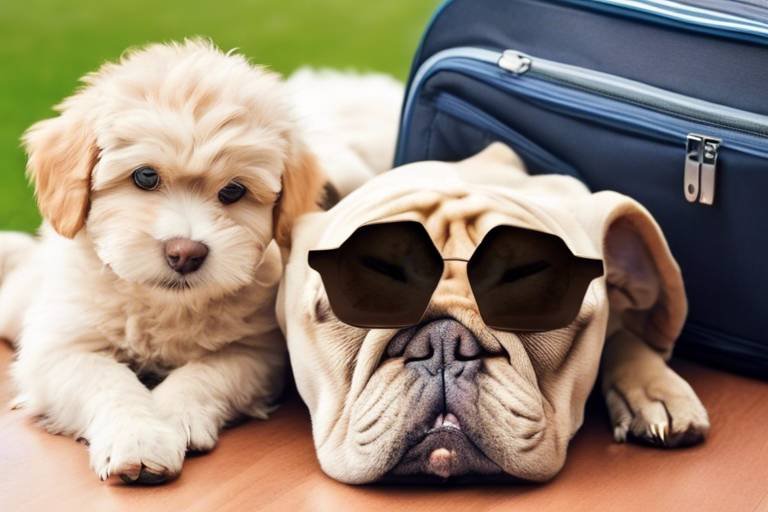
Traveling with your furry companions can be an exhilarating experience, but it also comes with its own set of challenges. Whether you’re planning a road trip, a flight, or a train journey, the key to a successful adventure lies in preparation and understanding your pet’s needs. Imagine the joy of exploring new places together, with your loyal friend by your side, but also consider the potential stressors that could arise during the journey. This guide will equip you with essential tips and insights to ensure that both you and your pets have a safe, enjoyable, and memorable travel experience.
When it comes to traveling with pets, the first step is to choose the right method of transportation. Each option comes with its own set of pros and cons, and what works best for you may depend on your pet’s personality, size, and health. For instance, driving can provide more flexibility, allowing for frequent stops and the comfort of your own vehicle. However, flying might be necessary for longer distances. Trains can also be a viable option, especially for pets that enjoy the rhythmic motion. Let’s break down the various methods:
- Driving: Offers control over the environment and frequent breaks.
- Flying: Fast but can be stressful; requires careful crate training.
- Train: A unique experience, often more pet-friendly than airlines.
Preparation is crucial for a smooth journey. Start by getting your pet accustomed to travel well in advance. This could involve short car rides to help them get used to being in a vehicle or crate training for air travel. A visit to the veterinarian is a must; ensure your pet is up-to-date on vaccinations and obtain any necessary health certificates. Packing essentials for your pet’s comfort is equally important. Consider items such as:
By taking these steps, you’re setting the stage for a more enjoyable experience for both you and your pet.
Before hitting the road or boarding a plane, it’s vital to ensure your pet is healthy and safe. This means visiting the vet for a thorough check-up and discussing any specific health concerns. Make sure your pet is vaccinated against common diseases, and ask for a health certificate if you’re traveling by air. Additionally, consider your pet’s anxiety levels; some pets may require calming medications or natural remedies to ease their nerves during travel.
Not all accommodations are created equal when it comes to pets. Finding a place that welcomes your furry friend can make or break your trip. Look for pet-friendly hotels, cabins, or rentals that cater to your pet’s needs. Websites like Airbnb or dedicated pet-friendly travel sites can be invaluable resources. Always check the pet policy, including any additional fees, size restrictions, and rules regarding pets in common areas.
Traveling with pets often involves navigating a maze of regulations. Different regions have varying rules about pet travel, including import/export laws and quarantine requirements. It’s essential to research these regulations ahead of time to avoid any unpleasant surprises. Make a checklist of the necessary documents you’ll need, such as vaccination records and health certificates, to ensure compliance during your travels.
Car travel can be a pleasant experience for pets if approached correctly. Ensure your pet is secure in the vehicle, using a pet seatbelt or crate. Plan for regular breaks to allow your pet to stretch their legs and relieve themselves. Keeping your pet comfortable during long drives is crucial; consider bringing along their favorite blanket or toy to help them feel at home on the road.
Air travel can be a bit more complicated for pets, but with the right preparation, it can be done safely. Each airline has its own policies regarding pet travel, so it’s essential to check these before booking your flight. Crate training is a significant aspect of air travel; your pet needs to feel comfortable and secure in their crate. Start crate training well in advance of your trip to help your pet acclimate.
Crate training is essential for air travel. Begin by introducing your pet to their crate in a positive way. Use treats and toys to create a positive association with the crate. Gradually increase the time they spend inside, ensuring that they feel secure and relaxed. This process can take time, but it’s worth it to ensure a smoother journey.
Travel can be stressful for pets, and managing their anxiety is crucial for a pleasant experience. Consider using calming products such as pheromone sprays or anxiety wraps. Bringing familiar items like their favorite blanket or toy can also provide comfort. Additionally, creating a soothing environment during travel—whether in a car or a plane—can help ease their nerves. Remember, a calm pet makes for a happy trip!
Q: Can I take my pet on a plane?
A: Yes, but you need to check with the airline for their specific pet travel policies.
Q: What should I pack for my pet?
A: Essentials include food, water, bowls, leash, waste bags, and any medications.
Q: How can I help my pet with travel anxiety?
A: Use calming products, bring familiar items, and create a comfortable environment.
Choosing the Right Travel Method
When it comes to traveling with your furry companions, the method of transportation you choose can make all the difference in ensuring a smooth and enjoyable journey. Each option—whether it’s driving, flying, or taking the train—comes with its own set of advantages and challenges. So, how do you decide which one is best for you and your pet? Let’s break it down!
Driving is often the most flexible option. You can control the pace of your journey, stop for bathroom breaks, and even let your pet stretch their legs. Plus, your pet can enjoy the scenery right alongside you! However, long drives can be tiring, and it’s crucial to ensure your pet is secured properly in the vehicle. Using a pet seatbelt or a travel crate can prevent distractions and keep them safe during sudden stops.
On the other hand, flying can be a bit more complicated. Many airlines have specific policies regarding pet travel, and it’s essential to check these in advance. Some pets may need to travel in the cargo hold, which can be stressful for both the animal and the owner. However, if you’re heading to a far-off destination, flying might be the only practical option. Just think of it as a high-speed adventure for your pet—albeit one that requires careful planning!
Trains can be a middle ground, often allowing pets in passenger cabins. They provide a unique experience and can be less hectic than flying. However, not all train services are pet-friendly, so it’s important to research and book your tickets in advance. Imagine your dog sitting by the window, watching the world whiz by—what a sight!
Here are some factors to consider when choosing your travel method:
- Distance: How far are you going? Long distances might be better suited for flying.
- Pet Size: Larger pets may have restrictions on certain airlines.
- Pet Temperament: Is your pet anxious? A car ride might be less stressful than flying.
- Traveling Time: Consider how much time you have to reach your destination.
Ultimately, the best travel method for you and your pet will depend on your individual circumstances. Weighing the pros and cons of each option can help you make the right choice. Remember, the goal is to ensure that your furry friend feels comfortable and safe, no matter how you choose to travel!
Preparing Your Pet for Travel
Traveling with your furry companions can be a delightful experience, but it requires some careful preparation to ensure a smooth journey. Just like you wouldn’t head out on a road trip without packing your essentials, your pet needs the same level of attention. First things first: schedule a visit to the vet. This is crucial for a health check-up to ensure your pet is fit for travel. Make sure they are up-to-date on vaccinations and ask for a health certificate, especially if you’re flying. It’s like getting a passport for your pet!
Once you have the health check sorted, it’s time to focus on acclimatization. Just as you wouldn’t throw yourself into a cold pool without getting used to the water, your pet also needs time to adjust. Start by taking short car rides to help them get used to the motion and sounds of travel. Reward them with treats and praise to create a positive association. If your pet is nervous, consider using calming products like pheromone sprays or anxiety wraps that can help soothe their nerves.
Next, you’ll want to pack a travel kit specifically for your pet. Think of it as their own mini suitcase! Include the following essentials:
- Food and Water: Bring enough of their regular food to last the trip, along with a portable water bowl.
- Leash and Collar: Ensure their collar has an ID tag with your contact information.
- Comfort Items: Bring their favorite blanket or toy to provide comfort during the journey.
- First Aid Kit: A small kit with basic supplies can come in handy in case of minor injuries.
Another important aspect is training your pet for travel. If your pet isn’t used to being in a crate or carrier, now is the time to start crate training. Make the crate a safe and inviting space by placing treats inside and letting them explore it at their own pace. This not only helps them feel secure but also makes the travel experience less stressful.
Lastly, don’t forget to consider your travel itinerary. If you’re planning to stop at various locations, research pet-friendly accommodations along the way. Not all hotels or rental properties welcome pets, so it’s essential to book places that do. Websites like BringFido or Airbnb can be excellent resources for finding suitable lodging for you and your furry friend.
Here are some common questions pet owners have when preparing for travel:
- What should I do if my pet gets anxious during travel? Consider using calming products or consult your vet for advice on anxiety management.
- Are there specific travel restrictions for pets? Yes, different countries and airlines have specific regulations, so always check in advance.
- How can I keep my pet comfortable during long trips? Take regular breaks, keep the temperature comfortable, and provide familiar items to soothe them.
Health and Safety Checks
Before you hit the road or take to the skies with your furry companion, it’s crucial to ensure that they are in tip-top shape. Just like you wouldn’t embark on a journey without checking your own health, your pet deserves the same level of care. Start by scheduling a visit to the veterinarian for a comprehensive health check. This will help to identify any underlying issues that could affect your pet during travel. Additionally, ensure that your pet is up-to-date on all vaccinations. Some destinations may require specific vaccinations, so it’s wise to do your homework ahead of time.
But wait, there’s more! You might also need to obtain a health certificate from your vet, especially if you’re flying. This document serves as proof that your pet is healthy and free from contagious diseases. It’s like a passport for your pet, ensuring they can travel safely. Most airlines require this certificate to be issued within a certain timeframe before travel, so keep that in mind when planning your trip.
Managing anxiety is another critical aspect of health and safety checks. Many pets experience travel anxiety, which can manifest in various ways, from excessive barking to destructive behavior. To help ease your pet’s nerves, consider using calming products like pheromone sprays or anxiety wraps. Additionally, packing familiar items such as their favorite blanket or toy can provide comfort during the journey. Create a soothing environment in their travel crate or carrier, ensuring they feel secure and relaxed.
In some cases, you may want to discuss medication options with your veterinarian. Certain pets may benefit from anti-anxiety medication to help them cope with the stress of travel. However, this should always be a last resort and discussed thoroughly with a professional. Remember, every pet is unique, and what works for one may not work for another.
Lastly, don’t forget to familiarize yourself with the specific regulations related to pet travel in your destination. Some regions have strict import/export laws and quarantine requirements that you need to adhere to. Being informed is key to avoiding any unpleasant surprises upon arrival. Always check local regulations and make sure you comply to ensure a smooth entry for your furry friend.
- What vaccinations does my pet need before traveling? It depends on your destination, but common vaccinations include rabies, distemper, and Bordetella. Always consult your vet for specifics.
- Do I need a health certificate for my pet? Yes, especially if you are flying. Most airlines require a health certificate issued within a certain timeframe.
- How can I help my pet with travel anxiety? Use calming products, bring familiar items, and consider consulting your vet about medication options.
- Are there any regulations I should be aware of? Yes, different regions have different import/export laws. Always check local regulations before traveling.
Finding a Pet-Friendly Accommodation
When you’re planning a getaway with your furry friend, one of the most crucial steps is finding a pet-friendly accommodation. Not all hotels or rentals welcome pets, and it can be a real hassle if you end up in a place that doesn’t. Imagine arriving at your destination only to discover that your beloved companion is not allowed inside! To avoid such a scenario, it’s essential to do your homework ahead of time.
Start by using online resources specifically designed to help pet owners. Websites like BringFido or Petswelcome provide comprehensive listings of accommodations that are not only pet-friendly but also cater to your pet’s needs. These platforms often include user reviews, which can give you insight into how accommodating the place truly is. It’s also wise to check the hotel or rental’s specific pet policies before booking. Some places may charge extra fees, have weight restrictions, or limit the number of pets allowed.
Another great tip is to call the accommodation directly. This allows you to ask specific questions that might not be listed online. For example, you might want to know if there are designated pet areas, whether they provide pet beds or bowls, or if there are nearby parks for walks. Plus, speaking to someone directly can sometimes help you negotiate better terms or find special pet packages that aren’t advertised.
Consider the type of accommodation that will suit both you and your pet. For instance, a cozy cabin in the woods might be perfect for a nature-loving dog, while a chic city apartment could be ideal for those who enjoy urban adventures. Think about your pet’s personality and needs. If your pet is more anxious, a quiet space might be better than a bustling hotel. On the other hand, if your pet thrives on social interaction, a pet-friendly hotel with other animals around could be a great fit.
Here’s a quick checklist to consider when searching for pet-friendly accommodations:
- Pet Policies: Always check the specific rules regarding pets.
- Location: Ensure the area is safe and has nearby parks or walking trails.
- Amenities: Look for pet-friendly amenities like dog parks, pet beds, or even pet-sitting services.
- Reviews: Read reviews from other pet owners to gauge the experience.
Lastly, don’t forget to make your pet feel at home during your stay. Bring along their favorite toys, blankets, or even some of their regular food. Familiar items can help reduce anxiety and make the transition smoother for your furry companion. By taking these steps, you can ensure that both you and your pet have a memorable and enjoyable trip together.
Understanding Pet Travel Regulations
When it comes to traveling with your furry companions, understanding pet travel regulations is crucial. Just like you wouldn’t want to get caught in a web of red tape at the airport, your pets deserve a smooth journey too! Each country, state, or even city may have its own set of rules regarding pet travel, which can range from vaccination requirements to specific import/export laws. Failing to comply with these regulations can lead to unexpected complications, including quarantine or even being denied entry altogether.
Before you pack your bags, it’s essential to do your homework. Start by checking the regulations for your destination. For instance, some countries require pets to have specific vaccinations, such as rabies, administered within a certain timeframe before travel. You might also need a health certificate from a veterinarian, ensuring your pet is fit for travel. This document often needs to be issued within a few days of your departure, so timing is everything!
Additionally, consider the following important aspects of pet travel regulations:
- Quarantine Requirements: Some regions may require pets to undergo a quarantine period upon arrival. This is especially common in countries that are free from certain diseases.
- Microchipping: Certain places mandate that pets be microchipped before travel. This not only helps in identifying your pet but also ensures they can be returned to you if they get lost.
- Breed Restrictions: Be aware that some locations have restrictions on specific breeds, often due to local laws or safety concerns.
Moreover, don’t forget to check the airline or travel company’s specific pet policies. Each carrier has its own rules regarding pet travel, including size restrictions for crates and fees that may apply. Some airlines even have designated pet travel programs, which can make the process smoother. You might want to create a comparison table to evaluate different airlines’ pet policies, helping you choose the best option for your furry friend.
| Airline | Pet Policy Overview | Cost | Crate Size Limit |
|---|---|---|---|
| Airline A | Pets allowed in cabin and cargo. | $125 | Up to 20 lbs |
| Airline B | Only cargo travel for pets over 25 lbs. | $200 | Up to 30 lbs |
| Airline C | All pets must travel in cargo. | $150 | Up to 50 lbs |
In conclusion, the key to a hassle-free travel experience with your pets lies in thorough preparation and understanding the relevant regulations. By ensuring that you have all the necessary documentation and are aware of the specific requirements for both your destination and travel method, you can avoid unnecessary stress. So, take the time to research and prepare, and you’ll be well on your way to creating unforgettable memories with your beloved pets!
1. What vaccinations do my pets need before traveling?
It varies by destination, but rabies vaccination is commonly required. Always check the specific regulations for your travel location.
2. Do I need a health certificate for my pet?
Yes, many airlines and countries require a health certificate issued by a veterinarian shortly before travel.
3. Can I take my pet in the cabin with me?
It depends on the airline and the size of your pet. Some airlines allow small pets in the cabin, while others only permit them in cargo.
4. What if my pet has anxiety during travel?
Consider using calming products or familiar items to help ease their anxiety. Consult your vet for additional solutions.
Traveling by Car with Pets
Traveling by car with your furry friend can be a delightful experience, but it requires careful planning to ensure both your comfort and your pet’s safety. Imagine hitting the open road, your favorite playlist on, and your pet happily sticking their head out the window, tongue flapping in the wind. Sounds perfect, right? However, before you embark on this adventure, there are several factors to consider to make sure your journey is as smooth as possible.
First and foremost, it’s essential to secure your pet in the vehicle. Just like you wouldn’t let a child roam freely in a moving car, your pet needs to be safely restrained. Consider using a pet seatbelt, a secured crate, or a pet barrier. This not only keeps your furry friend safe but also prevents distractions while you’re driving. A well-secured pet will feel more comfortable and less anxious, making the ride enjoyable for both of you.
Next, plan for regular breaks during your trip. Long stretches of driving can be taxing for your pet, both physically and mentally. Aim to stop every two to three hours to let your pet stretch their legs, relieve themselves, and hydrate. During these breaks, consider bringing along some of their favorite toys or a familiar blanket. This can help create a sense of familiarity and security, especially in new environments. Remember, a happy pet makes for a happy journey!
Additionally, keep your pet’s comfort in mind. The temperature inside a car can fluctuate, so ensure that your vehicle is well-ventilated and at a comfortable temperature. If it’s a hot day, never leave your pet alone in the car, even for a minute. Cars can heat up quickly, leading to heatstroke, which can be fatal. Always keep your pet hydrated by providing fresh water during breaks, and consider bringing along some snacks to keep their energy up.
As you prepare for your trip, it’s also wise to familiarize yourself with the route and identify pet-friendly stops along the way. Many rest areas and parks welcome pets, offering a great place for them to stretch and explore. You can even use apps and websites that help locate pet-friendly accommodations and attractions, making your journey more enjoyable.
Lastly, don’t forget to pack a pet travel kit! This should include essentials like food, water, bowls, a leash, waste bags, grooming supplies, and any medications your pet may need. Having these items readily available will ensure that you’re prepared for any situation that may arise during your travels.
In summary, traveling by car with your pet can be an enjoyable experience if you take the time to plan ahead. From securing your pet for safety to ensuring their comfort and well-being, the right preparations can make all the difference. So, buckle up, hit the road, and create unforgettable memories with your four-legged companion!
Q: How do I keep my pet calm during a long car ride?
A: To help keep your pet calm, try to acclimate them to the car before the trip. Short drives leading up to your journey can help. Additionally, consider using calming products like sprays, treats, or anxiety wraps to soothe them.
Q: Can I feed my pet during the drive?
A: It’s best to avoid feeding your pet right before or during the drive to prevent motion sickness. Instead, feed them a light meal a few hours before you leave, and offer snacks during breaks.
Q: What should I do if my pet gets car sick?
A: If your pet is prone to motion sickness, consult your veterinarian for advice. They may recommend medication or tips to help manage the condition.
Traveling by Air with Pets
Air travel can be a daunting experience for both pets and their owners, but with the right preparation, it can also be a smooth and enjoyable journey. First things first, it’s essential to check the airline policies regarding pet travel. Different airlines have varying rules, including weight limits, crate sizes, and whether your furry friend can fly in the cabin or must be transported in the cargo hold. Always read the fine print and contact the airline directly if you have any questions. Remember, not all airlines are created equal when it comes to our four-legged companions!
Next, let’s talk about crate training. This is crucial for air travel, especially if your pet will be flying in the cargo hold. You want your pet to feel secure and comfortable in their crate, as this will significantly reduce their anxiety during the flight. Start by introducing the crate well in advance of your travel date. Make it a cozy space by adding their favorite blanket and toys. Gradually acclimate them to spending time inside the crate, rewarding them with treats and praise. The goal is to create a positive association with the crate, so they see it as a safe haven rather than a confinement.
Another important aspect to consider is managing your pet’s anxiety during travel. Many pets can become stressed when they sense a change in their environment. To help ease their nerves, consider using calming products such as pheromone sprays, anxiety wraps, or natural supplements. Additionally, bringing along familiar items like their favorite toy or blanket can provide comfort. Creating a soothing environment is key; play soft music in the car on the way to the airport, or talk to your pet in a calm voice to reassure them.
It’s also wise to consult your veterinarian before traveling. They can provide you with valuable advice tailored to your pet’s specific needs. In some cases, they may recommend a mild sedative to help your pet relax during the flight. However, always try these products at home before your travel day to see how your pet reacts.
Finally, don’t forget to prepare for the unexpected. Have a pet travel kit ready, which includes essentials like food, water, bowls, medications, and a first-aid kit. You might also want to include a leash and waste bags for bathroom breaks. Being prepared can make all the difference in ensuring a smooth journey for both you and your beloved pet.
Here are some common questions pet owners often have when it comes to traveling by air with their pets:
- Can I take my pet in the cabin with me? – Many airlines allow pets to travel in the cabin if they meet size and weight restrictions. Always check with your airline for specific guidelines.
- What if my pet is too large to fly in the cabin? – If your pet exceeds the weight limit for cabin travel, they may need to fly in the cargo hold. Ensure their crate is well-ventilated and secure.
- How do I prepare my pet for a long flight? – Gradually acclimate your pet to their crate, and consider using calming products to help manage anxiety.
- Do I need a health certificate for my pet? – Yes, many airlines require a health certificate issued by a veterinarian, especially for international travel.
Pet Crate Training Tips
Crate training your pet is not just a necessity for air travel; it’s also a fantastic way to provide your furry friend with a safe and comfortable space. Think of the crate as a cozy den, a retreat where your pet can feel secure amidst the hustle and bustle of travel. However, the key to successful crate training lies in patience and positive reinforcement. Start by introducing your pet to the crate in a calm environment. Place it in a familiar area of your home and let your pet explore it at their own pace. You might want to add a soft blanket or their favorite toy to make it feel more inviting.
Once your pet seems comfortable with the crate, begin to associate it with positive experiences. You can do this by feeding your pet their meals inside the crate or giving them special treats when they go in voluntarily. This will help them form a positive connection with the space. Gradually increase the amount of time they spend in the crate, starting with just a few minutes and working up to longer periods. Always remember to use plenty of praise and rewards to reinforce good behavior.
As you prepare for travel, it’s crucial to ensure that your pet is crate-trained well in advance. This means practicing short trips in the crate, which can help them get used to the sensation of being confined. If your pet shows signs of anxiety, such as whining or scratching, don’t rush to let them out. Instead, try to soothe them with a calm voice and gentle touch. Over time, they will learn that the crate is a safe place, and their anxiety will diminish.
Here are some additional tips to keep in mind while crate training:
- Choose the Right Size Crate: Make sure the crate is spacious enough for your pet to stand, turn around, and lie down comfortably, but not so large that they can use one corner as a bathroom.
- Familiarize with the Crate: Let your pet explore the crate freely before closing the door. This helps reduce fear and anxiety.
- Use Positive Reinforcement: Always reward your pet for entering the crate. Treats, praise, and toys can make a big difference.
- Practice Crate Time: Gradually increase the duration your pet spends in the crate. Start with short periods and gradually extend them.
Remember, crate training is a process that requires time and consistency. Every pet is different, and some may take longer to adjust than others. Just like us, pets have their own personalities and quirks. If you encounter challenges, don’t get discouraged. Instead, try to understand what might be causing their discomfort and adjust your approach accordingly.
Lastly, always ensure that your pet has access to water and is comfortable during travel. A well-acclimated pet will not only make your journey smoother but will also enjoy the experience more. By following these crate training tips, you can help your furry friend feel secure and at ease, making air travel a breeze!
Q: How long does it take to crate train a pet?
A: The time it takes to crate train a pet varies widely. Some pets may adapt in a few days, while others may take weeks. Consistency and patience are key.
Q: What if my pet is scared of the crate?
A: If your pet shows fear, try to make the crate more inviting with treats and toys. Gradually introduce them to the crate, starting with short sessions.
Q: Should I cover the crate during travel?
A: Covering the crate can provide a sense of security for some pets, but it depends on your pet’s comfort level. Monitor their reaction and adjust accordingly.
Q: Can I use the crate for long periods?
A: Crates should not be used as a long-term confinement solution. Pets need regular breaks for exercise and bathroom needs, especially during long travel.
Managing Pet Anxiety During Travel
Traveling can be an exhilarating experience for humans, but for our furry friends, it often brings a wave of anxiety. Just like us, pets can feel overwhelmed by new environments, sounds, and the motion of vehicles or airplanes. So, how can we ease their worries and ensure a smooth journey? Let’s dive into some effective strategies that can transform travel from a stressful ordeal into a fun adventure for your pet.
First and foremost, creating a calming environment is essential. Before you even hit the road or board that plane, consider familiarizing your pet with their travel space. Whether it’s the car or a pet carrier, allowing your pet to explore and get comfortable with these areas can significantly reduce anxiety. This is where familiar scents come into play. Bringing along their favorite blanket or toy can provide comfort, making them feel at home even in unfamiliar surroundings.
Additionally, you might want to explore calming products specifically designed for pets. There are various options available, from calming collars infused with soothing pheromones to natural supplements like CBD oil and herbal remedies. However, it’s crucial to consult your veterinarian before introducing any new products to ensure they’re safe and effective for your pet.
Another vital aspect of managing pet anxiety is maintaining a consistent routine. Animals thrive on routine, and travel can disrupt their normal schedule. Try to keep feeding, walking, and bathroom breaks as consistent as possible. This predictability can help reduce stress and give your pet a sense of security. For example, if your dog usually eats at 7 AM, try to stick to that schedule, even when traveling.
Now, let’s talk about training and desensitization. If you know your pet gets anxious during travel, consider gradually introducing them to the travel experience. Start with short car rides or visits to the airport without flying. Gradually increase the duration and complexity of these experiences, rewarding your pet with treats and praise for calm behavior. This technique not only helps them acclimate but also builds their confidence.
Lastly, don’t underestimate the power of positive reinforcement. Rewarding your pet for calm behavior with treats, praise, or playtime can reinforce the idea that travel is a positive experience. Always be patient and understanding, as it may take time for your pet to adjust to traveling.
To summarize, managing pet anxiety during travel involves a combination of preparation, familiarity, and positive reinforcement. By creating a comfortable environment, maintaining routines, and using calming products, you can significantly reduce your pet’s stress levels during your adventures together. Remember, the goal is to make travel enjoyable for both you and your furry companion!
- What are the signs of pet anxiety during travel? Pets may exhibit signs of anxiety such as excessive barking, whining, drooling, or trying to escape their carrier. They may also show signs of distress like pacing or refusing to eat.
- Can I give my pet medication for anxiety? Yes, there are medications available for pets that can help manage anxiety, but it’s essential to consult your veterinarian before administering any medication.
- How can I help my pet adjust to traveling by plane? Acclimate your pet to their crate before the flight and consider taking them on short trips to help them get used to being in a confined space.
- Are there specific products to help calm anxious pets? Yes, calming collars, pheromone sprays, and natural supplements can help, but make sure to discuss these options with your veterinarian.
Frequently Asked Questions
- What is the best way to prepare my pet for travel?
Preparing your pet for travel involves several key steps. Start by scheduling a visit to the vet for a health check. Ensure your pet is up-to-date on vaccinations and obtain a health certificate if required. Acclimate your pet to their travel crate by introducing it gradually and making it a comfortable space with familiar items like their favorite blanket or toy. Lastly, practice short trips to help them get used to being in the car or crate.
- Can I take my pet on a plane with me?
Yes, many airlines allow pets to travel with their owners, but there are specific policies to follow. Some airlines permit pets in the cabin if they meet size requirements, while others may require them to travel in the cargo hold. Always check the airline’s pet policy beforehand and ensure your pet is crate trained and comfortable with the travel arrangements.
- What should I do if my pet gets anxious during travel?
Managing pet anxiety during travel can be challenging, but there are effective strategies to help. Use calming products such as pheromone sprays or anxiety wraps. Bring along familiar items that smell like home, like a blanket or toy. Additionally, creating a soothing environment in the vehicle or crate can help; play soft music or talk to your pet in a calming voice to ease their nerves.
- How do I find pet-friendly accommodations?
Finding pet-friendly accommodations is easier than ever with online resources. Websites and apps dedicated to pet-friendly travel can help you locate hotels, cabins, or rentals that welcome furry guests. Always read the pet policies of the accommodation to ensure they meet your pet’s needs, such as size restrictions and additional fees.
- What are the regulations for traveling with pets across state or country borders?
Pet travel regulations vary by location, so it’s crucial to research the specific laws of your destination. This may include vaccination requirements, health certificates, and quarantine rules. Check with the local authorities or the embassy of the country you’re visiting to ensure you comply with all necessary regulations to avoid any issues during your travels.
traveling with pets, pet-friendly destinations, travel tips for pets, pet travel safety, packing for pets, accommodation for pets, pet travel regulations, traveling with dogs and cats, , traveling with pets, pet-friendly destinations, travel tips for pets, pet travel safety, packing for pets, accommodation for pets, pet travel regulations, traveling with dogs and cats,
Share this content:
Leave a Reply