
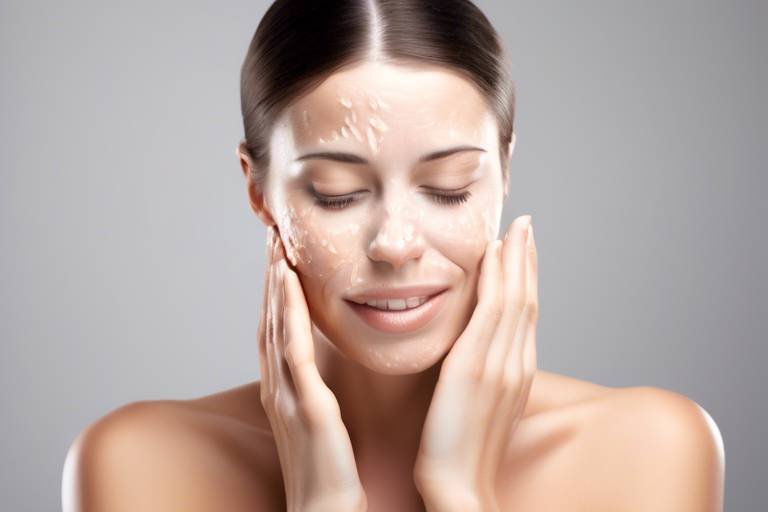
Grooming isn’t just about looking good; it plays a crucial role in managing skin allergies. For many individuals, skin allergies can feel like an unwelcome guest that shows up uninvited, causing discomfort and distress. But fear not! With the right grooming practices, you can take charge of your skin health and minimize those pesky allergic reactions. Think of grooming as your personal shield against allergens, helping you navigate the world with confidence.
When we talk about grooming, we’re diving into a world of techniques, products, and routines that can significantly influence how our skin responds to allergens. It’s like preparing for a big game; you wouldn’t step onto the field without a solid strategy, right? Similarly, a well-thought-out grooming routine can be your game plan for keeping skin allergies at bay. By understanding how grooming affects your skin, you can create a personalized approach that not only addresses symptoms but also promotes overall skin health.
Imagine your skin as a delicate ecosystem. Just like a garden needs the right conditions to flourish, your skin requires the right care to thrive. Regular grooming helps maintain the skin’s natural barrier, which is essential for preventing allergens from wreaking havoc. By incorporating specific practices into your routine, you can reduce irritation and enhance your skin’s resilience. So, whether you’re washing your face, moisturizing, or choosing the right products, each step matters in this intricate dance of skin care.
Moreover, grooming is not a one-size-fits-all solution. Everyone’s skin is unique, and understanding your specific needs can make all the difference. It’s like finding the perfect pair of shoes; they should fit comfortably and support you in every step you take. In the same way, your grooming routine should be tailored to your skin type and any existing allergies. This personalization ensures that you’re not just managing symptoms but actively working towards healthier skin.
As we delve deeper into the world of grooming and skin allergies, remember that knowledge is power. The more you understand about your skin and the products you use, the better equipped you’ll be to make informed decisions. So, let’s explore the various aspects of grooming that can help you conquer skin allergies and embrace a healthier, happier you!
Understanding Skin Allergies
Skin allergies can be a real nuisance, can’t they? They manifest in various forms, often leaving you scratching your head (and your skin) in confusion. From rashes to irritation, these reactions can significantly impact your daily life. Understanding what triggers these allergies and recognizing their symptoms is crucial for effective management. But what exactly causes these pesky skin reactions?
Skin allergies are typically caused by the immune system’s overreaction to certain substances known as allergens. These can include a wide range of irritants such as:
- Pollen – A common trigger during spring and summer.
- Dust mites – Tiny creatures that thrive in household dust.
- Pet dander – Proteins found in the skin flakes, urine, and saliva of furry friends.
- Cosmetics – Certain ingredients in skincare and makeup products can cause reactions.
- Nickel – Often found in jewelry and clothing fasteners.
These allergens can lead to a variety of symptoms, including redness, swelling, and itching. In more severe cases, they can provoke conditions like eczema or hives. The key to managing skin allergies lies in identifying your specific triggers and avoiding them as much as possible. For instance, if you know that pollen sets off your symptoms, you might want to limit outdoor activities during high pollen days or invest in an air purifier to help reduce indoor allergens.
Moreover, skin allergies can be influenced by environmental factors and even your grooming habits. For example, using heavily scented soaps or lotions can exacerbate sensitivity. Therefore, understanding the interplay between your environment, grooming products, and skin health is essential. The more informed you are about your skin’s needs, the better equipped you’ll be to manage and prevent allergic reactions.
So, how can you tell if you’re dealing with a skin allergy? Pay attention to your body’s signals. If you notice a rash or irritation appearing shortly after exposure to a new product or environment, it might be time to investigate further. Keeping a skin diary can be incredibly helpful. Document what you use, where you go, and any symptoms you experience. This can provide valuable insights into your specific triggers and help you develop a tailored approach to managing your skin health.
In summary, understanding skin allergies is the first step toward effective management. By recognizing the causes, symptoms, and potential triggers, you can take proactive measures to protect your skin. Remember, your skin is your body’s largest organ, and taking care of it should be a top priority!
Importance of a Consistent Grooming Routine
Establishing a consistent grooming routine is not just a matter of vanity; it’s a crucial component for anyone dealing with skin allergies. Imagine your skin as a delicate garden that needs regular care to flourish. Just as a garden requires watering, weeding, and sunlight, your skin needs a tailored regimen to maintain its health and resilience against allergens. When you stick to a routine, you create a protective barrier that can significantly reduce the chances of flare-ups and irritation.
So, what does a consistent grooming routine look like? Well, it involves several key practices that work together to keep your skin in top shape. First and foremost, it’s about regular cleansing. Using a gentle, hypoallergenic cleanser can help remove dirt and allergens that accumulate on the skin throughout the day. Think of it as washing away the dust of the world, allowing your skin to breathe and regenerate. Following cleansing, moisturizing is essential. A good moisturizer acts like a shield, locking in hydration and creating a barrier against environmental irritants.
Additionally, consider incorporating exfoliation into your routine, but do so with caution. Exfoliating helps remove dead skin cells, which can trap allergens and contribute to irritation. However, over-exfoliating can lead to increased sensitivity, so it’s best to find a balance that works for your skin type. Aim for gentle exfoliation once or twice a week, depending on your skin’s needs.
Moreover, being consistent with your grooming routine allows you to identify any products that may cause irritation or allergic reactions. For instance, if you notice redness or discomfort after using a new product, you can quickly pinpoint the culprit and eliminate it from your regimen. This proactive approach is essential in managing skin allergies effectively.
To help visualize the importance of a consistent grooming routine, consider the following table that outlines the key components:
| Grooming Component | Purpose | Frequency |
|---|---|---|
| Gentle Cleansing | Removes dirt and allergens | Daily |
| Moisturizing | Locks in hydration | Daily |
| Exfoliating | Removes dead skin cells | 1-2 times a week |
In summary, a consistent grooming routine is the foundation of effective skin allergy management. By following a structured regimen, you not only enhance your skin’s health but also empower yourself to tackle potential allergens with confidence. Remember, just like a well-tended garden, your skin thrives on attention and care!
Q: How often should I change my grooming products?
A: It’s best to stick with products that work for you. However, if you experience irritation, consider switching to hypoallergenic or fragrance-free options.
Q: Can a grooming routine prevent skin allergies?
A: While it may not prevent allergies entirely, a consistent grooming routine can significantly reduce the risk of flare-ups and irritation.
Choosing the Right Products
When it comes to managing skin allergies, choosing the right grooming products can make all the difference. With the myriad of options available on the market, it’s easy to feel overwhelmed. However, understanding what to look for can simplify the process and help you find products that not only suit your skin but also minimize allergic reactions. First and foremost, always opt for hypoallergenic and fragrance-free products. These formulations are specifically designed to reduce the risk of irritation and allergic responses, making them ideal for sensitive skin.
As you navigate the aisles of your local store or browse online, take a moment to examine the ingredient labels of the products you’re considering. Look out for common allergens such as parabens, sulfates, and artificial colors. Instead of just picking up the most popular brand, consider whether the ingredients align with your skin’s needs. Here’s a quick breakdown of what to avoid:
| Ingredient Type | Why Avoid? |
|---|---|
| Fragrances | Can cause irritation and allergic reactions. |
| Parabens | Potential skin irritants and hormone disruptors. |
| Sulfates | Can strip skin of its natural oils, leading to dryness and irritation. |
In addition to avoiding certain ingredients, consider the benefits of using products that contain soothing agents. Ingredients like aloe vera, chamomile, and oat extract are known for their calming properties and can help alleviate inflammation and discomfort. It’s like giving your skin a gentle hug! Remember, the goal is to create a protective barrier that keeps irritants out while nourishing your skin.
Another important aspect of choosing the right products is understanding the difference between natural and synthetic ingredients. While natural products often appeal to those seeking a more organic approach, they can sometimes contain allergens too. Conversely, synthetic products may offer more stability and fewer variables in terms of reactions. It’s crucial to find what works best for you, as everyone’s skin is unique. A little experimentation might be necessary to discover your ideal combination.
Lastly, don’t overlook the importance of patch testing any new product before fully incorporating it into your routine. Simply apply a small amount to a discreet area of your skin, like behind your ear or on your wrist, and monitor for any adverse reactions over 24 hours. This simple step can save you from a potential flare-up and ensure that your grooming routine remains a source of comfort rather than distress.
Natural vs. Synthetic Products
When it comes to managing skin allergies, the choice between natural and synthetic grooming products can feel like navigating a minefield. Both types of products have their advocates, and understanding their differences is crucial for anyone looking to maintain healthy skin. Natural products often boast ingredients derived from plants and minerals, which can be appealing to those seeking a more organic approach. However, just because something is labeled as “natural” doesn’t automatically mean it’s safe for sensitive skin. In fact, some natural ingredients can trigger allergic reactions just as easily as synthetic ones.
On the other hand, synthetic products are formulated in laboratories and can be designed specifically to avoid common allergens. This means they can offer a level of consistency and predictability that natural products sometimes lack. For instance, synthetic moisturizers can be tailored to provide hydration without the risk of irritation from botanical extracts. However, they may contain preservatives and additives that some individuals with sensitive skin might find problematic.
To help you understand the pros and cons of both options, here’s a quick comparison:
| Product Type | Pros | Cons |
|---|---|---|
| Natural |
|
|
| Synthetic |
|
|
Ultimately, the choice between natural and synthetic products depends on your individual skin type and sensitivities. It’s essential to read labels carefully and consider conducting patch tests before fully integrating any new product into your routine. Remember, just because a product is marketed as “natural” does not guarantee it will be gentle on your skin. Take the time to find what works best for you, and don’t hesitate to consult with a dermatologist if you’re unsure.
Q: Are natural products always better for sensitive skin?
A: Not necessarily. While many natural products can be gentle, some may contain allergens. Always check ingredient lists.
Q: Can synthetic products be beneficial for skin allergies?
A: Yes, many synthetic products are formulated to avoid common allergens and can be effective for managing skin allergies.
Q: How can I determine which products are right for me?
A: It’s best to consult with a dermatologist or allergist who can provide personalized recommendations based on your skin type and allergy history.
Patch Testing New Products
When it comes to managing skin allergies, one of the most crucial steps you can take is . This simple yet effective method can save your skin from unnecessary irritation and discomfort. Imagine this: you’ve just found a new moisturizer that promises to hydrate your skin, but what if it contains an ingredient that triggers your allergies? By conducting a patch test, you can avoid a potential disaster before it even starts.
So, how do you go about patch testing? It’s easy! Here’s a straightforward approach:
- Choose a small area: Pick a discreet spot on your skin, like the inside of your wrist or behind your ear.
- Apply the product: Use a small amount of the new product on the chosen area. Make sure to follow the instructions provided by the manufacturer.
- Wait and observe: Allow the product to sit on your skin for at least 24 hours. During this time, keep an eye out for any signs of irritation, redness, or itching.
- Assess the results: If you notice any adverse reactions, it’s best to avoid using the product altogether. However, if your skin remains calm and clear, you can confidently incorporate it into your grooming routine.
Patch testing isn’t just a precaution; it’s a smart strategy for anyone dealing with sensitive skin. It allows you to take control of your skincare choices while minimizing the risk of flare-ups. Additionally, it’s wise to remember that even products labeled as “hypoallergenic” can cause reactions in some individuals. Therefore, the patch test is your best friend when exploring new products.
Furthermore, keeping a record of products that work well for you and those that don’t can be beneficial. You might consider creating a simple
| Product Name | Test Date | Reaction | Notes |
|---|---|---|---|
| Example Moisturizer | 2023-10-01 | No Reaction | Hydrating and soothing |
| Example Cleanser | 2023-10-02 | Redness | Contains fragrance |
By maintaining this kind of record, you’ll have a handy reference that can guide your future purchases, making your grooming routine not just safer but also more effective. Remember, your skin is unique, and what works for someone else may not work for you. So, take that extra step to patch test and ensure that your skincare choices align with your skin’s needs.
Grooming Techniques to Minimize Irritation
When it comes to managing skin allergies, grooming techniques play a pivotal role in minimizing irritation and maintaining healthy skin. Think of your skin as a delicate fabric that requires gentle handling; rough treatment can lead to tears and frays, much like how harsh grooming can exacerbate allergic reactions. So, let’s delve into some effective techniques that not only protect your skin but also enhance your overall grooming experience.
First and foremost, soft washing is crucial. Instead of using abrasive scrubs or harsh soaps, opt for a gentle cleanser that is specifically formulated for sensitive skin. These products often contain fewer irritants and are less likely to trigger a reaction. When washing, use lukewarm water instead of hot, as hot water can strip the skin of its natural oils, leaving it vulnerable to irritation. Imagine your skin as a sponge; hot water can cause it to dry out, making it less resilient against allergens.
After washing, the way you dry your skin is equally important. Instead of rubbing with a towel, which can create friction and irritation, gently pat your skin dry. This technique not only helps to preserve your skin’s moisture but also reduces the risk of triggering a flare-up. Think of it as giving your skin a soft hug rather than a rough shove.
Another technique to consider is the use of moisturizers. Applying a fragrance-free moisturizer immediately after washing can lock in hydration and create a barrier against environmental irritants. Look for products with soothing ingredients like aloe vera or chamomile, which can calm the skin and reduce inflammation. It’s like putting on a protective layer that shields your skin from the harsh elements of the outside world.
Moreover, be mindful of your grooming tools. Using clean, soft brushes and sponges can prevent the transfer of allergens and bacteria to your skin. Regularly wash these tools and replace them as needed. Think of your grooming tools as the soldiers in your skincare army; if they’re not in top shape, they can’t effectively protect your skin.
Lastly, consider the timing of your grooming routine. Performing your skincare regimen at night allows products to work while you sleep, giving your skin ample time to recover and rejuvenate. This nighttime routine can be a soothing ritual that not only benefits your skin but also helps you unwind after a long day. Picture it as tucking your skin in for a good night’s rest, ensuring it wakes up refreshed and ready to face the day.
In conclusion, adopting these gentle grooming techniques can significantly reduce skin irritation and improve your overall skin health. By treating your skin with care and using the right products, you can create a personalized grooming routine that works for you. Remember, your skin deserves the best!
- What are the best products for sensitive skin? Look for hypoallergenic and fragrance-free products that are specifically designed for sensitive skin.
- How often should I wash my face if I have skin allergies? It’s best to wash your face twice a day with a gentle cleanser to keep it clean without over-drying.
- Can I use natural products if I have sensitive skin? Yes, but it’s essential to patch test any new product to ensure it doesn’t cause a reaction.
- What should I do if I experience a flare-up? Consult a dermatologist for tailored advice and treatment options.
Environmental Factors and Skin Allergies
When it comes to managing skin allergies, understanding the environmental factors that can trigger reactions is absolutely crucial. Imagine your skin as a delicate flower that thrives in a specific environment; when that environment changes, it can lead to unexpected reactions. Common culprits like pollen, dust mites, and even pet dander can wreak havoc on sensitive skin. These allergens are all around us, and while we can’t eliminate them entirely, we can certainly take steps to minimize our exposure and protect our skin.
For instance, during the spring and fall, pollen counts can soar. If you’re one of the many who suffer from seasonal allergies, you might notice that your skin becomes more reactive during these times. It’s like your skin is throwing a tantrum because it’s overwhelmed by all the allergens in the air. To combat this, consider adjusting your grooming routine. For example, showering more frequently can help wash away pollen that clings to your skin and hair. Keeping windows closed and using air purifiers can also create a more controlled environment.
But it’s not just outdoor allergens we need to worry about. Indoor allergens can be just as problematic. Dust mites, which thrive in warm and humid environments, can trigger skin allergies and irritations. Regular cleaning is essential. Think of it as giving your skin a breath of fresh air by reducing the number of irritants it has to contend with. Here are some effective strategies to manage indoor allergens:
- Regular vacuuming: Use a vacuum cleaner equipped with a HEPA filter to trap dust mites and dander.
- Wash bedding weekly: Use hot water to wash sheets and pillowcases to eliminate dust mites.
- Declutter: Reducing clutter can minimize dust accumulation and create a more soothing environment for your skin.
Additionally, humidity levels in your home can impact skin health. High humidity can lead to increased mold growth, another common allergen. Keeping your home at a comfortable humidity level can help mitigate this issue. You might want to invest in a dehumidifier if you live in a particularly humid area.
In conclusion, being aware of the environmental factors that contribute to skin allergies is an essential part of your grooming routine. By making small adjustments to your daily practices, you can create a safer and healthier environment for your skin. Remember, your skin is your body’s largest organ, and treating it with care can lead to a significant improvement in your overall skin health.
Q1: How can I tell if my skin allergies are triggered by environmental factors?
A1: Look for patterns in your symptoms. If you notice flare-ups during specific seasons or after cleaning your home, environmental allergens may be the cause.
Q2: What steps can I take to reduce exposure to dust mites?
A2: Regular vacuuming, washing bedding weekly, and using dust-proof covers on pillows and mattresses can help reduce dust mite exposure.
Q3: Are there specific grooming products that can help with skin allergies?
A3: Yes, look for hypoallergenic and fragrance-free products. These are less likely to irritate sensitive skin.
Q4: When should I consult a dermatologist about my skin allergies?
A4: If your symptoms persist despite your efforts to manage them, or if they worsen, it’s a good idea to seek professional help for tailored advice.
Seasonal Changes and Allergies
Seasonal changes can feel like a double-edged sword, especially for those who suffer from skin allergies. As the seasons shift, so do the allergens in the environment. For instance, spring brings a burst of blooming flowers and trees, which can release pollen into the air, triggering allergic reactions in many individuals. On the other hand, autumn often ushers in mold spores and ragweed, both notorious for causing skin irritations. Understanding how these seasonal changes affect your skin is crucial for managing your allergies effectively.
When the weather warms up, the increase in humidity can lead to sweat and oil buildup on the skin, creating the perfect environment for allergens to thrive. This is particularly true for individuals with sensitive skin, who may find that their conditions worsen during these months. The key to navigating these changes lies in adapting your grooming routine to suit the season. For example, during spring, incorporating a gentle exfoliating scrub can help remove pollen that clings to the skin, while in winter, a thicker moisturizer may be necessary to combat dryness caused by cold air.
Moreover, it’s essential to recognize that seasonal changes can also affect the types of products you use. During high-allergen periods, it might be wise to switch to hypoallergenic and fragrance-free options that won’t irritate your skin further. Keeping your grooming routine flexible and responsive to environmental changes can make a significant difference in managing your symptoms.
Here’s a quick look at how different seasons can impact skin allergies:
| Season | Common Allergens | Grooming Tips |
|---|---|---|
| Spring | Pollen from trees and flowers | Use gentle exfoliants; shower after outdoor activities |
| Summer | Insect bites; heat rash | Apply soothing creams; stay hydrated |
| Autumn | Mold spores; ragweed | Use humidifiers; keep skin moisturized |
| Winter | Dry air; indoor allergens | Thicker moisturizers; avoid hot showers |
By staying vigilant and adjusting your grooming habits according to the season, you can significantly alleviate the impact of allergies on your skin. Remember, it’s not just about what you put on your skin, but also how you care for it in response to the world around you. So, the next time the seasons change, take a moment to reassess your grooming routine and make necessary adjustments. Your skin will thank you!
- What are common symptoms of skin allergies during seasonal changes?
Common symptoms include redness, itching, rashes, and dryness, which can worsen depending on the allergens present in the environment. - How can I identify seasonal allergens affecting my skin?
Keeping a diary of your symptoms and the time of year can help you pinpoint which allergens are triggering your reactions. - Are there specific products recommended for seasonal allergies?
Look for hypoallergenic and fragrance-free products designed for sensitive skin, as they are less likely to irritate. - Should I consult a dermatologist for seasonal skin allergies?
Yes, if your symptoms persist or worsen, a dermatologist can provide tailored advice and treatment options.
Indoor Allergens and Grooming
Indoor allergens can wreak havoc on your skin, especially if you have sensitivities. Think of your home as a sanctuary, but sometimes it can feel more like a battleground against allergens like pet dander, mold spores, and even dust mites. These pesky irritants can trigger skin reactions that leave you scratching your head—and your skin! So, how can grooming help combat these indoor foes? Well, it starts with a proactive approach to cleanliness and personal care.
One effective strategy is to maintain a regular cleaning schedule, which includes not just your living spaces but also your personal grooming tools. For instance, washing your bedding and curtains frequently can significantly reduce the buildup of allergens. Additionally, grooming your pets regularly can help minimize dander in your home. Here are some practical tips to consider:
- Vacuum Regularly: Use a vacuum cleaner equipped with a HEPA filter to capture dust mites and other allergens.
- Wash Fabrics: Clean pet bedding, throw pillows, and blankets weekly to keep allergens at bay.
- Air Purifiers: Consider using air purifiers in rooms where you spend the most time to help filter out airborne allergens.
Moreover, your grooming routine should also incorporate products that are specifically designed to combat allergens. For instance, consider using a hypoallergenic shampoo for your pets and a gentle, fragrance-free body wash for yourself. These products can help reduce the likelihood of allergic reactions and soothe irritated skin. Remember, what you use on your body and your pets matters, as it contributes to the overall allergen load in your environment.
In addition, be mindful of your grooming tools. Brushes, combs, and even towels can harbor allergens if not cleaned regularly. A simple rinse and thorough drying can make a world of difference in keeping your grooming routine allergen-free. Think of your grooming tools as the frontline soldiers in your battle against indoor allergens; keeping them clean is crucial for maintaining skin health.
Ultimately, managing indoor allergens through effective grooming practices can lead to a significant reduction in skin irritation and flare-ups. By adopting these simple yet effective strategies, you can create a more comfortable living environment and promote healthier skin. Remember, consistency is key; the more diligent you are in your grooming and cleaning routines, the better equipped you’ll be to tackle those indoor allergens head-on!
- What are common indoor allergens? Common indoor allergens include pet dander, dust mites, mold, and pollen.
- How often should I clean my home to reduce allergens? It’s best to vacuum and wash bedding at least once a week.
- Can grooming my pet help with my skin allergies? Yes, regular grooming can significantly reduce pet dander in your home.
- What products should I use for sensitive skin? Look for hypoallergenic and fragrance-free products to minimize irritation.
Seeking Professional Help
When it comes to managing skin allergies, sometimes the best course of action is to seek the expertise of a professional. Consulting a dermatologist or allergist can provide you with tailored advice and treatment options that are specifically designed for your unique skin type and allergy profile. These professionals have the knowledge and experience to identify the root causes of your skin issues, which can often be complex and multifaceted.
Visiting a specialist can be particularly beneficial if you’ve tried over-the-counter products and home remedies without success. They can conduct tests to determine specific allergens that may be affecting your skin, including common culprits like pollen, dust mites, or certain foods. This is crucial because understanding what triggers your allergies allows for a more effective management plan.
In addition to identifying allergens, dermatologists can recommend a personalized grooming routine that minimizes irritation and enhances skin health. They may suggest specific products that are safe for your skin type and can help alleviate symptoms. For example, they might recommend:
- Prescription creams or ointments that target inflammation and provide relief.
- Allergy medications that can help reduce overall sensitivity.
- Specialized skincare regimens that focus on hydration and barrier repair.
Moreover, if your skin allergies are severe, a professional can guide you through advanced treatment options, such as immunotherapy. This treatment gradually desensitizes your immune system to specific allergens, potentially reducing your allergic reactions over time. While this process requires commitment and patience, many individuals find significant relief from their symptoms.
In summary, seeking professional help is an important step in managing skin allergies effectively. Not only can it lead to a better understanding of your skin’s needs, but it can also empower you with the tools and strategies necessary to keep your skin healthy and irritation-free. Remember, your skin is unique, and professional guidance can make all the difference in your journey towards relief.
Here are some common questions people have regarding skin allergies and grooming:
- What are the most common triggers for skin allergies? Common triggers include pollen, pet dander, certain foods, and various chemicals found in skincare products.
- How can I tell if a product is safe for my sensitive skin? Look for products labeled as hypoallergenic and fragrance-free, and always check the ingredient list for known allergens.
- Is patch testing necessary? Yes, patch testing new products is a prudent step to avoid potential allergic reactions.
- When should I see a dermatologist? If your skin allergies persist despite over-the-counter treatments, or if you experience severe symptoms, it’s time to consult a professional.
Frequently Asked Questions
- What are the common symptoms of skin allergies?
Skin allergies can present themselves in various ways, including redness, itching, rashes, and swelling. Some individuals may experience dryness or flaking, while others might notice hives or blisters. It’s essential to recognize these symptoms early to manage and prevent further irritation.
- How can grooming help in managing skin allergies?
A consistent grooming routine can significantly reduce the likelihood of allergic reactions. By using hypoallergenic products and maintaining clean skin, individuals can minimize exposure to irritants. Gentle grooming techniques also help in maintaining the skin barrier, which is crucial for those with sensitive skin.
- What should I look for in grooming products?
When selecting grooming products, opt for those that are labeled as hypoallergenic and fragrance-free. It’s important to read ingredient labels carefully to avoid common allergens like parabens and sulfates, which can exacerbate skin conditions. Natural products can be beneficial, but always ensure they are suitable for your skin type.
- Is patch testing necessary for new products?
Absolutely! Patch testing is a simple yet effective way to determine if a new product may cause an allergic reaction. Apply a small amount of the product to a discreet area of skin and wait 24-48 hours to see if any irritation occurs. This step can save you from a potentially uncomfortable experience.
- How do environmental factors influence skin allergies?
Environmental factors like pollen, dust mites, and pet dander can trigger skin allergies. Being aware of these triggers allows you to adapt your grooming routine accordingly. For instance, regular cleaning of your living space and grooming your pets can help reduce exposure to indoor allergens.
- What should I do if my skin allergies persist?
If you find that your skin allergies are persistent despite your grooming efforts, it’s best to consult a dermatologist or allergist. They can provide tailored advice and treatment plans that cater specifically to your skin’s needs, helping you achieve optimal skin health.
grooming, skin allergies, hygiene, skincare products, irritation prevention, sensitivity management, allergen removal, routine maintenance, , grooming, skin allergies, hygiene, skincare products, irritation prevention, sensitivity management, allergen removal, routine maintenance,
Share this content:
Leave a Reply