
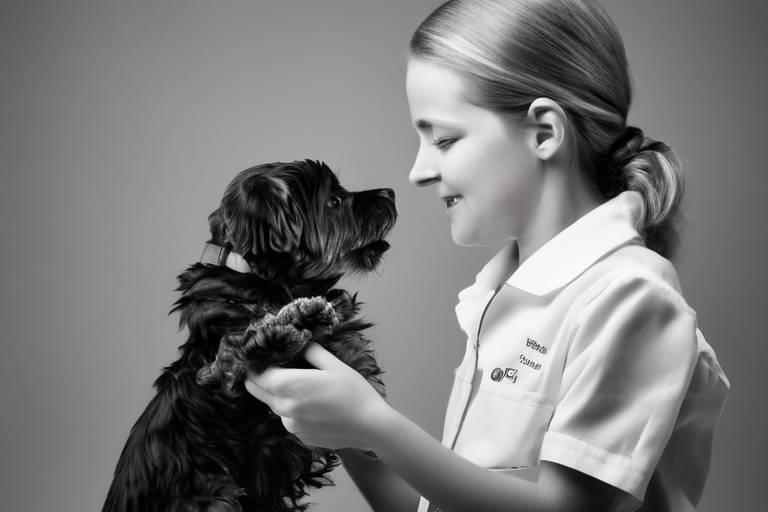
Grooming your pet is more than just a chore; it’s a vital component in developing a deep and trusting bond between you and your furry friend. Picture this: every time you pick up that brush or nail clippers, you’re not just tidying up your pet’s appearance; you’re also nurturing a relationship that can profoundly impact their emotional and physical well-being. Just like how we feel refreshed and closer to our loved ones after a good chat or shared experience, pets feel the same way during grooming sessions. The act of grooming provides an opportunity for connection, allowing you to communicate with your pet in a way that transcends words.
When we think about grooming, we often focus on the aesthetics—keeping our pets looking their best. However, the reality is that grooming plays an essential role in their health and happiness. Regular grooming helps to prevent matting, skin irritations, and even more serious health issues. But there’s an emotional layer to this practice that is often overlooked. By incorporating grooming into your routine, you are not only taking care of your pet’s physical needs but also addressing their emotional needs. This dual approach fosters a sense of security and trust, making your pet feel more at ease in your presence.
Moreover, grooming can act as a form of non-verbal communication. As you run your fingers through your pet’s fur, you are sending signals of care and affection. This touch is incredibly important; it can soothe anxiety and create a calming atmosphere. Imagine how comforting it feels to have someone gently massage your shoulders after a long day. Pets experience similar feelings of relaxation and trust when they are groomed. They learn to associate these moments with positive reinforcement, which is crucial for building a lasting bond.
In addition to the emotional benefits, grooming can also serve as a fantastic way to establish a routine. Pets thrive on predictability, and having a consistent grooming schedule can help them feel more secure. Think of it as creating a comforting rhythm in their lives. When they know that grooming happens regularly, they can anticipate it and feel more relaxed about the process. This predictability not only reduces anxiety but also enhances the trust they have in you as their caregiver.
Furthermore, understanding your pet’s body language during grooming is key to reinforcing that trust. Every little twitch of their ear or wag of their tail can tell you how they are feeling. By paying attention to these signals, you can adapt your grooming techniques to ensure a positive experience. For instance, if your pet seems anxious, you might take a break or offer a treat to make the experience more enjoyable. This attentiveness not only builds trust but also strengthens the bond you share.
In summary, grooming is a multifaceted activity that goes far beyond keeping your pet clean. It is an opportunity to cultivate trust, enhance emotional well-being, and establish a nurturing routine. By prioritizing grooming, you are investing in a relationship that will yield countless rewards for both you and your pet. So next time you reach for that brush, remember: you’re not just grooming your pet; you’re building a foundation of trust that will last a lifetime.
- How often should I groom my pet? The frequency of grooming depends on your pet’s breed, coat type, and lifestyle. Generally, long-haired breeds require more frequent grooming than short-haired ones.
- What tools do I need for grooming? Basic grooming tools include brushes, combs, nail clippers, and shampoos. Selecting the right tools based on your pet’s needs is crucial.
- Can grooming help with my pet’s anxiety? Yes! Regular grooming can be a calming experience for pets, reducing anxiety and stress levels.
- What should I do if my pet doesn’t like grooming? If your pet resists grooming, try introducing the tools slowly, offering treats, and ensuring a calm environment to make the experience more enjoyable.
Understanding Pet Grooming
Pet grooming is more than just a chore; it’s a vital part of pet care that encompasses a variety of practices aimed at maintaining a pet’s hygiene and appearance. Think of grooming as a way to show love and care for your furry friend. It’s like giving them a spa day, where they not only come out looking great but also feeling fantastic! Grooming includes activities such as brushing, bathing, nail trimming, and ear cleaning, all of which play a crucial role in ensuring your pet’s physical health and emotional well-being.
Understanding the importance of grooming is essential for any pet owner. It’s not just about aesthetics; it’s about the overall health of your pet. For instance, regular brushing helps to remove loose fur and dirt, reducing the chances of matting and skin infections. Bathing, on the other hand, keeps the skin clean and can help with odor control. Did you know that some pets may even develop anxiety if they are not groomed regularly? This is because grooming can be a comforting routine that helps them feel secure. By making grooming a regular part of your pet care routine, you are not just helping them look good; you are also enhancing their quality of life.
Moreover, grooming can be an excellent opportunity for you to check for any abnormalities on your pet’s skin or coat. Have you ever noticed a lump or bump while brushing your dog? Regular grooming sessions allow you to catch potential health issues early, which can be crucial in preventing more serious problems down the line. It’s like a two-in-one deal: you’re pampering your pet while also being their first line of defense against health issues.
In addition to the physical benefits, grooming also provides emotional advantages. The act of grooming can create a sense of trust between you and your pet. When they see you pulling out the grooming tools, they might initially be uncertain, but with consistency and positive reinforcement, they will come to associate grooming with affection and care. This bond is strengthened through the tactile experience of brushing and bathing, which can be incredibly soothing for your pet.
In summary, understanding pet grooming is about recognizing its multifaceted nature. It’s not merely a task on your to-do list; it’s a significant aspect of your relationship with your pet. By investing time in grooming, you are not only ensuring their health and comfort but also enhancing the emotional bond you share. So, the next time you grab that brush or shampoo, remember that you’re doing much more than just cleaning your pet; you’re building a deeper connection that will last a lifetime.
The Psychological Benefits of Grooming
When we think of grooming our pets, the first thing that often comes to mind is cleanliness. However, grooming goes far beyond just keeping our furry friends looking their best. In fact, it serves as a powerful tool for enhancing their psychological well-being. Imagine the feeling of a warm hug; that’s what grooming can feel like for your pet. It’s a chance to connect, to bond, and to communicate love and care. This connection is crucial, especially in a world where our pets can often feel anxious or stressed.
Grooming sessions can act as a form of therapy for pets. Just like how humans benefit from a relaxing spa day, pets experience a sense of calm during grooming. The gentle brushing, the soothing baths, and even the simple act of petting can significantly reduce their anxiety levels. Research suggests that regular grooming can lead to a decrease in stress hormones, allowing our pets to feel more at ease in their surroundings. Think of it as a mini-vacation for your pet, where they get to unwind and enjoy some quality time with you.
One of the most remarkable psychological benefits of grooming is the bonding through touch. Physical touch is essential for building trust, and grooming provides the perfect opportunity for this. When you groom your pet, you’re not just cleaning their fur; you’re also communicating that you care for their well-being. This can be especially important for pets who may have experienced trauma or neglect in the past. As you brush their fur or trim their nails, they learn to associate your touch with safety and affection, which can help heal emotional wounds.
Creating a routine around grooming can also enhance this bond. Pets thrive on consistency, and when they know what to expect, they feel more secure. Establishing a regular grooming schedule can turn what might be a chore into a cherished ritual. Just like how you might look forward to your weekly coffee date with a friend, your pet can come to anticipate their grooming sessions as a special time spent with you. This routine not only builds trust but also reinforces the notion that they can rely on you for care and comfort.
Furthermore, understanding your pet’s body language during grooming is crucial. It’s not just about brushing or bathing; it’s about recognizing their feelings. Are they leaning into the brush, or are they trying to back away? Paying attention to these signals allows you to tailor the experience to their comfort level. This is where the real magic happens; when your pet feels understood and safe, the bond of trust grows even stronger. It’s a dance of communication, where both you and your pet learn to express your needs and emotions.
In conclusion, grooming is not just a practical necessity; it’s a profound opportunity to strengthen the emotional ties between you and your pet. By prioritizing grooming as a bonding activity, you’re not only enhancing their physical appearance but also nurturing their mental health. So next time you pull out the brush, remember that you’re doing more than just grooming—you’re building a lasting relationship filled with trust and love.
- How often should I groom my pet?
It depends on the breed and coat type. Generally, long-haired breeds require more frequent grooming than short-haired ones. - Can grooming help with my pet’s anxiety?
Yes, regular grooming can significantly reduce anxiety levels in pets by providing them with a sense of security and comfort. - What should I do if my pet doesn’t like being groomed?
Start slowly, use positive reinforcement, and be attentive to their body language. Gradually introduce grooming to make it a more enjoyable experience. - Are there specific tools I should use for grooming?
Yes, using the right grooming tools for your pet’s coat type is essential for effective grooming and their comfort.
Bonding Through Touch
When it comes to building a strong relationship with your pet, touch plays a pivotal role. Imagine how comforting a gentle stroke or a soft brush can be; it’s almost like a warm hug that says, “I care.” Grooming is not just about keeping your pet clean; it’s a wonderful opportunity to connect with them on a deeper level. During grooming sessions, your hands become a source of comfort and trust, allowing your pet to feel safe and loved. This physical interaction can significantly enhance the emotional bond you share.
In fact, studies have shown that physical touch can release oxytocin, often referred to as the “love hormone,” in both pets and their owners. This hormone is responsible for promoting feelings of affection and reducing stress. So, when you’re brushing your dog or cat, you’re not just tidying up their fur; you’re actively fostering a sense of security and well-being. It’s like creating a little bubble of happiness, where both you and your furry friend can relax and enjoy each other’s company.
Moreover, grooming can be a therapeutic experience for both pets and owners. The rhythmic motions of brushing or bathing can be soothing, helping to alleviate anxiety for both parties. Think of it as a mini spa day! Just like we feel rejuvenated after a good massage, pets can experience similar feelings during grooming. The key is to approach these sessions with patience and love, ensuring that your pet feels comfortable and relaxed.
As you engage in grooming, pay attention to your pet’s body language. Are they leaning into the brush, or are they pulling away? Understanding these cues is essential in building trust. When your pet sees that you respect their comfort zones, they are more likely to relax and enjoy the process. It’s a dance of mutual understanding, where both you and your pet learn to communicate and connect.
In summary, bonding through touch during grooming sessions is not just an act of hygiene; it’s a profound way to strengthen your relationship. So, the next time you pick up that brush or comb, remember that you’re not just grooming your pet—you’re building a lasting bond that will enhance both your lives. Embrace the moments of connection, and watch how your pet flourishes in trust and love!
- How often should I groom my pet? The frequency of grooming depends on your pet’s breed, coat type, and lifestyle. Generally, long-haired pets require more frequent grooming than short-haired ones.
- What are the signs that my pet enjoys grooming? Signs include leaning into the brush, purring, or wagging their tail. If they seem relaxed and calm, it’s a good indication they enjoy the process!
- Can grooming help with shedding? Yes! Regular grooming helps remove loose hair and reduces shedding in your home.
- What should I do if my pet seems anxious during grooming? Take it slow! Use treats and positive reinforcement to create a more comfortable environment for your pet.
Creating a Routine
Establishing a grooming routine for your pet is akin to creating a comforting rhythm in their life, much like a favorite song that plays on repeat. This routine not only helps maintain your pet’s hygiene but also instills a sense of security and predictability in their day-to-day activities. Imagine how you feel when you wake up to a consistent morning routine; it sets the tone for the day, right? Similarly, pets thrive on consistency. By incorporating regular grooming sessions into your schedule, you are not just cleaning their fur; you are nurturing a bond that fosters trust and comfort.
So, how do you create an effective grooming routine? First, consider your pet’s specific needs. Different breeds require varying levels of grooming, from the sleek coat of a Greyhound to the fluffy fur of a Poodle. Understanding these needs allows you to tailor the routine accordingly. For instance, long-haired breeds may need brushing several times a week to prevent matting, while short-haired breeds might only require occasional brushing. Here’s a simple table to illustrate the grooming frequency based on different coat types:
| Coat Type | Recommended Grooming Frequency |
|---|---|
| Short Hair | Every 1-2 weeks |
| Medium Hair | Once a week |
| Long Hair | 2-3 times a week |
Next, pick a time that works best for both you and your pet. This could be a quiet afternoon or a lazy Sunday morning. Make it a special moment, perhaps by playing soft music or having their favorite treats on hand. This not only makes the grooming session enjoyable but also reinforces the idea that grooming is a positive experience. You might even consider using a checklist to track grooming tasks, ensuring that you don’t miss any crucial steps. Here’s a quick rundown of what your grooming checklist might include:
- Brushing
- Bathing
- Nail trimming
- Ear cleaning
- Teeth brushing
As you establish this routine, pay attention to your pet’s reactions. Are they relaxed and enjoying the process, or do they seem anxious? Adjust your approach based on their comfort level. If they are nervous, take it slow. Perhaps start with just a few minutes of brushing, gradually increasing the duration as they become more comfortable. This attentiveness not only helps build trust but also deepens your emotional connection.
In conclusion, creating a grooming routine is more than just a chore; it’s an opportunity to bond with your pet, ensuring they feel secure and loved. By being consistent and attentive, you’ll find that grooming becomes a cherished part of your relationship, enhancing both their well-being and yours.
Q: How often should I groom my pet?
A: Grooming frequency depends on the breed and coat type. Short-haired pets may need grooming every 1-2 weeks, while long-haired pets should be groomed 2-3 times a week.
Q: What tools do I need for grooming?
A: Essential grooming tools include brushes, combs, nail clippers, and dog-friendly shampoo for baths.
Q: How can I make grooming less stressful for my pet?
A: Create a calm environment, use treats as rewards, and start with short sessions to help your pet adjust to the routine.
Recognizing Body Language
Understanding your pet’s body language during grooming is like deciphering a secret code that can unlock deeper trust between you and your furry friend. Just as we communicate with facial expressions and gestures, pets express their feelings through their physical posture and movements. For example, a wagging tail can signify excitement, while a tucked tail might indicate fear or discomfort. Paying close attention to these signals can help you create a more positive grooming experience.
When you start grooming your pet, look for signs of relaxation or tension. If your dog or cat leans into your touch or closes their eyes, they are likely enjoying the experience. On the other hand, if they pull away, flatten their ears, or show their teeth, these may be indicators that they are feeling anxious or threatened. Recognizing these cues allows you to adjust your approach, perhaps by taking a break or using a softer brush, ensuring that your pet feels safe and secure.
Moreover, it’s essential to create a calming environment during grooming sessions. You might consider using gentle voices, soothing music, or even treats to create a positive association with grooming. By observing how your pet reacts to different stimuli, you can tailor your grooming routine to suit their preferences, further enhancing the bond of trust between you two.
Here’s a quick reference table to help you recognize some common body language signals during grooming:
| Body Language Signal | Meaning |
|---|---|
| Wagging Tail | Happy and relaxed |
| Tucked Tail | Fear or discomfort |
| Flattened Ears | Stress or anxiety |
| Leaning Into Touch | Enjoying the grooming |
| Pulling Away | Uncomfortable or wants to stop |
Ultimately, recognizing and responding to your pet’s body language during grooming not only helps in creating a more enjoyable experience but also fosters a deeper emotional connection. The more you learn about your pet’s signals, the more trust you build, transforming grooming from a simple chore into a cherished bonding activity.
- How can I tell if my pet is enjoying grooming? Look for relaxed body language, such as a wagging tail or leaning into your touch. If they seem tense or try to pull away, they may not be enjoying it.
- What should I do if my pet shows signs of anxiety during grooming? Take a break, offer treats, and try to create a calming environment. You may need to adjust your technique or the tools you’re using.
- How often should I groom my pet? This varies by breed and coat type, but regular grooming is generally recommended at least once a week to maintain hygiene and comfort.
Health Benefits of Regular Grooming
Regular grooming is not just about keeping your pet looking fabulous; it’s a vital part of their overall health and well-being. Think of grooming as a health check-up that you can do right at home! It helps to prevent a myriad of health issues that can arise if your pet’s hygiene is neglected. For instance, when you groom your pet, you’re not just brushing away loose fur; you’re also checking for any signs of skin irritations, lumps, or bumps that could indicate underlying health problems. This proactive approach can be a game-changer for your furry friend.
One of the most significant benefits of grooming is the prevention of skin issues. Regular brushing helps to distribute natural oils throughout your pet’s coat, which keeps their skin moisturized and healthy. It also reduces the chances of matting, which can lead to painful skin conditions. Moreover, during grooming, you can easily spot parasites like fleas and ticks, allowing you to take quick action before they become a bigger problem.
Grooming also plays a crucial role in maintaining your pet’s dental health. Many pets suffer from dental diseases, which can lead to serious health complications if left untreated. Regular brushing of your pet’s teeth, along with dental chews and toys, can help keep their teeth clean and gums healthy. Did you know that poor dental health can lead to infections that affect your pet’s heart, liver, and kidneys? Keeping their mouth clean is essential for their overall health.
Furthermore, grooming can significantly impact your pet’s emotional well-being. A well-groomed pet is often a happier pet. They feel comfortable and confident in their skin, which is essential for their mental health. When you regularly groom your pet, you’re not just caring for their physical appearance; you’re also enhancing their emotional state. Think of it as a spa day for your furry friend, where they get to relax and enjoy some quality time with you!
In conclusion, regular grooming is a multifaceted approach to your pet’s health. It’s about more than just aesthetics; it’s a crucial part of their routine that can lead to a longer, healthier life. By establishing a grooming routine, you’re not only ensuring your pet looks great but also fostering a trusting relationship where your pet feels safe and cared for. So, grab those brushes and combs, and let’s make grooming a fun and beneficial experience for both you and your beloved pet!
- How often should I groom my pet? The frequency of grooming depends on your pet’s breed, coat type, and activity level. Generally, long-haired breeds require more frequent grooming, while short-haired breeds may need less.
- What tools do I need for grooming? Essential grooming tools include brushes, combs, nail clippers, and toothbrushes specifically designed for pets.
- Can grooming help with shedding? Yes! Regular grooming helps to remove loose fur and reduce shedding, keeping your home cleaner and your pet more comfortable.
- What if my pet doesn’t like grooming? It’s important to introduce grooming gradually and use positive reinforcement techniques to make it a pleasant experience for your pet.
Choosing the Right Grooming Tools
When it comes to grooming your beloved pet, selecting the right tools is essential. Just like a painter needs the perfect brush to create a masterpiece, you need the appropriate grooming tools to keep your furry friend looking and feeling their best. The right tools not only make the process smoother but also enhance the overall experience for both you and your pet. Imagine trying to detangle your pet’s fur with a tool that’s not designed for the job — it could lead to frustration for both of you! So, let’s dive into the world of grooming tools and discover what you need to create a grooming routine that fosters trust and comfort.
First off, consider the type of coat your pet has. Different breeds have different grooming requirements, and using the right tool can make all the difference. For instance, long-haired breeds may require a wide-toothed comb or a slicker brush to prevent matting, while short-haired breeds might do well with a simple rubber curry brush to remove loose hair. Understanding your pet’s specific needs will help you choose the most effective tools. Here’s a quick overview of common grooming tools and their purposes:
| Tool | Purpose |
|---|---|
| Brush | Removes loose hair and prevents matting |
| Comb | Detangles fur and checks for parasites |
| Clippers | Trims fur for a neat appearance |
| Shampoo | Maintains coat cleanliness and health |
| Nail Clippers | Prevents overgrown nails and discomfort |
Now, let’s talk about the importance of quality. Investing in high-quality grooming tools can save you time and effort in the long run. Cheap tools might break easily or fail to do their job effectively, leading to a frustrating grooming session. Think of it this way: would you rather spend a little more upfront for a tool that lasts or keep replacing cheap tools that don’t work? Quality grooming tools not only make the process easier but also contribute to a more enjoyable experience for your pet.
Another aspect to consider is ergonomics. Grooming can be a lengthy process, and using tools that are comfortable to hold can make all the difference. Look for tools that have a good grip and are designed to reduce hand fatigue. A comfortable tool can mean the difference between a quick grooming session and a drawn-out battle with your pet. After all, you want your pet to associate grooming with positive experiences, not stress and discomfort.
Lastly, don’t forget about safety! Always choose tools that are safe for your pet. For example, when using nail clippers, opt for those with a safety guard to prevent cutting too much. You wouldn’t want to accidentally hurt your furry friend during grooming, as this could lead to fear and distrust in future sessions. Remember, the goal is to build trust and create a positive grooming experience.
In conclusion, choosing the right grooming tools is a vital step in establishing a trusting relationship with your pet. By understanding your pet’s grooming needs, investing in quality tools, ensuring ergonomic design, and prioritizing safety, you’ll create an environment that promotes comfort and trust. So, gear up and get ready to make grooming a delightful bonding experience for you and your furry companion!
- What tools do I need for grooming my pet? The essential tools include a brush, comb, shampoo, nail clippers, and possibly clippers for trimming.
- How often should I groom my pet? It depends on the breed and coat type, but generally, regular grooming every few weeks is recommended.
- Can I use human grooming tools on my pet? It’s best to use tools specifically designed for pets to avoid injury or discomfort.
- What should I do if my pet resists grooming? Try to make the experience more enjoyable with treats and praise, and consider taking breaks if they seem stressed.
Types of Grooming Tools
When it comes to grooming our furry friends, having the right tools is essential for both their comfort and our effectiveness. Just like a painter needs the right brushes to create a masterpiece, pet owners need a variety of grooming tools to ensure their pets look and feel their best. Let’s take a closer look at some of the most common types of grooming tools available, and how each one serves a unique purpose in maintaining your pet’s hygiene and appearance.
First on the list are brushes. Brushes come in various shapes and sizes, each designed for different types of fur. For instance, a slicker brush is great for removing tangles and loose hair from long-haired breeds, while a bristle brush works wonders for short-haired pets, giving their coat a nice shine. It’s important to choose a brush that matches your pet’s fur type to avoid discomfort and ensure effective grooming.
Next, we have combs. Combs are particularly useful for detangling and removing debris from your pet’s coat. They can also help in identifying any skin issues that might be hiding beneath the fur. A wide-toothed comb is perfect for long-haired pets, while a fine-toothed comb is ideal for short-haired ones. Remember, combing should be gentle and done in sections to avoid pulling on your pet’s skin.
Another essential grooming tool is the nail clipper. Keeping your pet’s nails trimmed is crucial for their comfort and health. Overgrown nails can lead to pain and mobility issues. Nail clippers come in various styles, including scissor-type and guillotine-type. It’s important to choose a clipper that feels comfortable in your hand and is appropriate for your pet’s size. If you’re unsure about clipping nails, consider consulting a professional groomer or veterinarian.
For pets that require a bath, shampoo and conditioners designed specifically for animals are must-haves. Human products can be harsh on a pet’s skin, so it’s important to select products that are gentle and effective. Look for shampoos that address specific needs, such as sensitive skin or flea control. Conditioning your pet’s coat after a bath can also help keep it soft and manageable.
Additionally, grooming gloves have become increasingly popular. These gloves allow you to brush your pet while petting them, creating a soothing experience that can help build trust. They’re particularly useful for pets that may be anxious about traditional grooming tools. Just slide on the glove and gently stroke your pet to remove loose hair and dirt.
Lastly, let’s not forget about ear and dental care tools. Ear cleaners and dental brushes are vital for maintaining your pet’s overall health. Regularly cleaning your pet’s ears can prevent infections, while dental care tools help in preventing plaque buildup, which can lead to serious health issues. Incorporating these tools into your grooming routine can significantly enhance your pet’s well-being.
In summary, having a range of grooming tools at your disposal is key to ensuring a positive grooming experience for both you and your pet. By understanding the different types of tools available and their specific purposes, you can make informed decisions that will contribute to your pet’s health and happiness.
Safety Considerations
When it comes to grooming your beloved pet, safety should always be at the forefront of your mind. Just like how we ensure our own safety while getting a haircut or a spa treatment, pets deserve the same level of care and attention. Grooming can be a delightful bonding experience, but it can also pose risks if not done properly. So, what should you keep in mind to ensure a safe grooming session?
First and foremost, choose the right tools. Using inappropriate or dull tools can lead to discomfort or even injury. For instance, a sharp clipper can cause nicks or cuts, while a rough brush can irritate your pet’s skin. Always opt for tools specifically designed for your pet’s breed and size. This not only makes the process smoother but also enhances the overall experience for both of you.
Another critical aspect is creating a calm environment. Just like humans, pets can pick up on the energy around them. If you’re anxious or hurried, your pet may feel the same way, leading to a stressful grooming session. Play some soft music, speak in soothing tones, and ensure the grooming area is free of distractions. This will help your pet feel more at ease, making them more receptive to the grooming process.
Furthermore, it’s essential to monitor your pet’s behavior throughout the grooming session. Look for signs of discomfort or distress, such as whining, growling, or attempting to escape. If your pet shows signs of anxiety, take a break. Sometimes, a little pause can help them relax and regain composure. Remember, grooming should be a positive experience, not a stressful one.
Lastly, always have a first aid kit handy. Accidents can happen, even with the best precautions. Having essential items like antiseptic wipes, bandages, and a thermometer can be invaluable in case of minor injuries. It’s always better to be prepared than to scramble for supplies when you need them the most.
In summary, prioritizing safety during grooming sessions not only protects your pet but also strengthens the trust between you and your furry friend. By using the right tools, creating a calm environment, monitoring your pet’s behavior, and being prepared for emergencies, you can turn grooming into a safe and enjoyable bonding experience.
- How often should I groom my pet? The frequency of grooming depends on your pet’s breed, coat type, and lifestyle. Long-haired breeds may require grooming several times a week, while short-haired pets may only need it once a month.
- What tools do I need for grooming? Basic grooming tools include brushes, combs, nail clippers, and shampoos designed for pets. Always choose tools suited to your pet’s specific needs.
- Can I groom my pet at home? Yes! Home grooming can be a great way to bond with your pet, but ensure you have the right tools and knowledge to do it safely.
- What if my pet doesn’t like grooming? If your pet shows signs of anxiety, consider breaking up the grooming process into shorter sessions, using treats, and ensuring a calm environment to help them adjust.
Grooming as a Social Activity
Grooming isn’t just about keeping your pet looking fabulous; it can also be a fantastic social activity that enhances the bond between pets and their owners. Imagine this: you and your furry friend are spending quality time together, brushing away the tangles and dirt, while sharing gentle strokes and soothing words. This interaction not only helps in maintaining your pet’s hygiene but also creates a positive atmosphere where trust and affection can flourish. Just like humans, pets thrive on social interactions, and grooming provides a perfect platform for that.
When you think about it, grooming can be likened to a mini spa day for your pet. It’s a time for relaxation, bonding, and even a bit of fun! During grooming sessions, pets can express themselves, and they often respond to the attention with playfulness and affection. This shared experience can help pets feel more secure in their relationship with you, which is essential for building trust. Not to mention, it’s a great way to learn more about your pet’s personality and preferences.
Moreover, grooming can also be a social event if you involve other pets. Group grooming sessions can be a delightful way for pets to interact with one another while being pampered. Picture a gathering of dogs or cats, each getting their fur brushed while sniffing and playing with each other. This not only enhances their social skills but also helps them learn to trust not just their owners but also other animals. In these settings, pets can observe and mimic each other’s behaviors, which can be especially beneficial for younger or more anxious pets.
Incorporating social elements into grooming can also include inviting friends or family who have pets over for a grooming party. This creates a lively atmosphere where pets can enjoy each other’s company while getting groomed. It’s important to keep the environment calm and positive, as this will help all pets feel at ease. By making grooming a fun and social experience, you’re not just taking care of your pet’s physical needs; you’re also enriching their emotional life.
To summarize, grooming as a social activity is a wonderful way to build trust and confidence in your pet. Whether it’s through one-on-one bonding time or group sessions with other furry friends, the benefits are immense. So, the next time you grab that brush, think of it not just as a tool for cleaning but as a bridge to a deeper, more trusting relationship with your beloved pet.
- Why is grooming important for my pet? Grooming helps maintain your pet’s hygiene, prevents health issues, and strengthens the bond between you and your pet.
- How often should I groom my pet? The frequency depends on the breed and type of coat. Long-haired breeds may need grooming several times a week, while short-haired breeds may only need it once a month.
- Can grooming help with my pet’s anxiety? Yes! Regular grooming can provide a calming routine that helps reduce anxiety and stress in pets.
- What tools do I need for grooming? Basic grooming tools include brushes, combs, nail clippers, and shampoo. The right tools depend on your pet’s specific grooming needs.
Group Grooming Sessions
Group grooming sessions represent a fantastic opportunity for both pets and their owners to engage in a shared experience that goes beyond the usual one-on-one grooming routine. Imagine a vibrant space filled with the sounds of playful barks and purrs, where pets can socialize, and owners can exchange tips and stories. It’s not just about getting your furry friend clean; it’s about creating a community of pet lovers who understand the importance of grooming in building trust.
During these sessions, pets can interact with their peers, which can significantly enhance their social skills. By observing other animals being groomed, your pet learns to relax and feel more comfortable in the grooming environment. This exposure to different pets and grooming styles can help alleviate any anxiety they might have about the process. After all, just like humans, pets can feel more at ease when they see others enjoying the same experience!
Moreover, group grooming sessions often include professional groomers who are skilled in handling various breeds and temperaments. These experts can provide valuable insights into grooming techniques, helping pet owners understand how to groom their pets effectively at home. It’s like a mini-class on pet care, where you can learn about the best practices for maintaining your pet’s hygiene and appearance. Here are some benefits of participating in group grooming sessions:
- Enhanced Socialization: Pets learn to interact with others, reducing fear and anxiety.
- Expert Guidance: Professional groomers can offer tips and tricks to improve your grooming routine.
- Community Building: Owners can connect with fellow pet lovers, sharing experiences and advice.
- Positive Reinforcement: Pets observe calm behavior from others, which can encourage them to relax.
In addition to the direct benefits for your pet, group grooming sessions foster a sense of community among pet owners. It’s a chance to bond over shared experiences, exchange advice, and even make new friends. This social aspect can be incredibly beneficial for you as an owner, as it provides a support network where you can discuss challenges and successes in pet care.
Whether you’re grooming a rambunctious puppy or a serene senior cat, participating in group grooming sessions can transform a mundane chore into an engaging and enjoyable activity. So, why not seek out local grooming events or pet care workshops in your area? You might just find that the joy of grooming is amplified when shared with others who are just as passionate about their pets as you are!
Q: What should I bring to a group grooming session?
A: It’s best to bring your pet’s usual grooming tools, any favorite toys, and a leash. Some sessions may have specific requirements, so check in advance.
Q: Are group grooming sessions suitable for all pets?
A: While most pets can benefit from group grooming, those with severe anxiety or aggression issues may need individual attention first.
Q: How can I find group grooming sessions in my area?
A: Check with local pet stores, grooming salons, or community centers that host pet events. Social media groups for pet owners can also be a great resource!
Q: What if my pet doesn’t get along with others?
A: It’s important to assess your pet’s temperament. If they tend to be aggressive or overly anxious, consider starting with private grooming sessions before introducing them to groups.
Positive Reinforcement Techniques
When it comes to grooming your pet, using can transform what might be a stressful experience into a delightful bonding activity. Imagine this: instead of your furry friend dreading grooming time, they look forward to it with excitement! This shift in attitude can be achieved through the power of rewards and encouragement. By associating grooming with positive outcomes, you can effectively train your pet to enjoy these sessions.
So, how do you implement positive reinforcement during grooming? First and foremost, it’s essential to choose the right rewards. These could be treats, praise, or even a favorite toy. For instance, if your dog remains calm while you brush their fur, offer them a tasty treat immediately afterward. This creates a mental link between calm behavior and positive outcomes, encouraging them to repeat that behavior in the future.
Moreover, timing is everything in positive reinforcement. The reward should be given immediately after the desired behavior occurs. This helps your pet understand exactly what they are being rewarded for. For example, if your cat allows you to trim their nails without fussing, give them a treat right after. This immediate feedback reinforces the idea that grooming isn’t something to fear, but rather a part of their routine that can come with perks.
Additionally, keep the grooming sessions short and sweet, especially when starting out. Gradually increase the duration as your pet becomes more comfortable. If your pet shows signs of anxiety, such as growling or trying to escape, take a step back. This is a clear signal that they need a break or a change in approach. Always remember that patience is key. The goal is to create a positive association with grooming, not to overwhelm them.
To further enhance the experience, consider incorporating playtime into your grooming routine. After a successful grooming session, engage in a fun activity with your pet, such as a game of fetch or a quick play session with their favorite toy. This not only reinforces the idea that grooming leads to fun but also strengthens your bond.
In summary, positive reinforcement techniques are a game changer when it comes to grooming. By rewarding calm behavior, timing your rewards correctly, keeping sessions manageable, and integrating play, you can help your pet develop a trusting relationship with grooming. This not only makes the process easier for both of you but also enhances the overall bond you share. Remember, a happy pet leads to a happy owner!
- Why is positive reinforcement important in grooming? Positive reinforcement helps pets associate grooming with good experiences, reducing anxiety and building trust.
- What types of rewards can I use? Treats, praise, and favorite toys are all effective rewards to encourage calm behavior during grooming.
- How can I tell if my pet is stressed during grooming? Signs of stress may include growling, trying to escape, or excessive panting. If you notice these signs, take a break.
- How long should grooming sessions last? Start with short sessions of about 5-10 minutes and gradually increase the duration as your pet becomes more comfortable.
Frequently Asked Questions
- Why is grooming important for my pet?
Grooming is essential for maintaining your pet’s hygiene and overall health. It helps prevent skin issues, reduces shedding, and allows you to check for any abnormalities. Plus, it’s a great way to bond with your furry friend!
- How often should I groom my pet?
The frequency of grooming depends on your pet’s breed, coat type, and lifestyle. Generally, long-haired breeds may need grooming several times a week, while short-haired pets might only require grooming once every few weeks. Establishing a routine can help your pet feel more secure!
- What tools do I need for grooming?
Essential grooming tools include brushes, combs, nail clippers, and pet-friendly shampoos. The right tools can make grooming easier and more enjoyable for both you and your pet. Always choose tools that are suitable for your pet’s specific needs!
- Can grooming help reduce my pet’s anxiety?
Absolutely! Regular grooming sessions can provide comfort and reduce anxiety in pets. The gentle touch and consistent routine can help them feel secure and relaxed, making grooming a positive experience.
- How can I tell if my pet is comfortable during grooming?
Pay attention to your pet’s body language. Signs of comfort include relaxed posture, wagging tails, and calm behavior. If your pet seems tense or tries to escape, it may be time to take a break or adjust your approach.
- What are positive reinforcement techniques in grooming?
Positive reinforcement involves rewarding your pet for calm behavior during grooming. This could be treats, praise, or playtime. By associating grooming with positive experiences, your pet will be more likely to look forward to future sessions!
- Is it safe to groom my pet at home?
Yes, grooming at home can be safe and beneficial if done correctly. Ensure you use the right tools and techniques. If you’re unsure, consider consulting a professional groomer for guidance or to learn the best practices.
- What should I do if my pet is scared of grooming?
If your pet is fearful, start slowly. Introduce grooming tools gradually and create a calm environment. Use treats and praise to encourage positive associations. Patience is key, and over time, your pet can learn to trust the grooming process!
grooming, trust, bond, pet care, routine, communication, behavior, comfort, , grooming, trust, bond, pet care, routine, communication, behavior, comfort,
Share this content:
Leave a Reply