
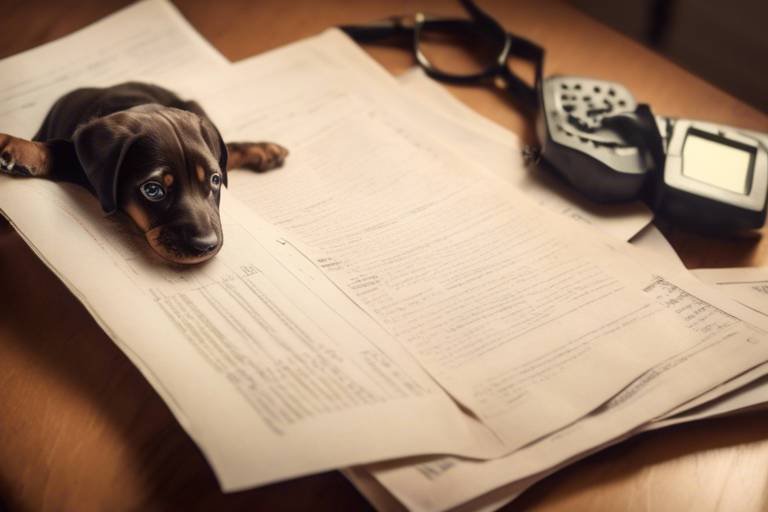
When it comes to our furry friends, we want nothing but the best for them, right? One of the most crucial aspects of pet ownership is ensuring that we keep their records updated. Imagine navigating a maze blindfolded; that’s what it feels like when you don’t have accurate information about your pet’s health. Keeping your pet’s records in check is not just about being organized; it’s about providing the best care possible. Think of it as a roadmap that guides you through your pet’s health journey, helping you make informed decisions and ensuring timely medical care.
So, why should you care about these records? For starters, they can significantly enhance your pet’s well-being. Regularly updated records allow you to track vaccinations, monitor health conditions, and even prepare for emergencies. Just like how you wouldn’t want to forget your own doctor’s appointments, your pet deserves the same level of attention. In fact, accurate records can be lifesavers, especially during unexpected situations. If your pet suddenly falls ill, having their medical history at your fingertips can help veterinarians provide the best treatment without delay.
Moreover, maintaining these records fosters a better relationship between you and your vet. When you have organized information about your pet’s health history, it allows for more productive conversations during check-ups. It’s like having a cheat sheet that helps you address any concerns or questions you may have. Plus, it shows your vet that you’re a responsible pet owner who genuinely cares about your pet’s health. And let’s be honest, who doesn’t want to be the pet parent that everyone admires?
In summary, keeping your pet’s records updated is not just a task; it’s a commitment to their health and happiness. The importance of this practice cannot be overstated, as it lays the foundation for effective health management and enhances the overall quality of life for your beloved companion. Remember, a well-informed pet owner is a powerful ally in the battle for your pet’s health!
Understanding the importance of keeping your pet’s records can lead to better health management and ensure timely medical care. Accurate records help pet owners make informed decisions regarding their pets’ health.
This section outlines the crucial documents every pet owner should maintain, including vaccination records, medical history, and identification details, which are vital for emergencies and routine care.
Vaccination records are essential for tracking your pet’s immunizations and ensuring they receive timely boosters. This information is critical for public health and your pet’s safety.
Different vaccines are required for various pets based on their species and lifestyle. Understanding these vaccines helps you ensure your pet is adequately protected against diseases.
Maintaining an organized vaccination schedule can help prevent lapses in your pet’s immunizations, ensuring they remain protected against preventable diseases throughout their lives.
Keeping a comprehensive medical history for your pet allows veterinarians to make informed decisions during check-ups and emergencies, facilitating better treatment and care.
Effective organization of pet records can simplify access to important information. This section discusses various methods to keep records orderly and easy to retrieve when needed.
Deciding between digital and physical records can impact accessibility and organization. Each method has its pros and cons, which are essential to consider for effective record-keeping.
Pet management apps can streamline the process of tracking your pet’s health records, appointments, and reminders, offering convenience and accessibility for busy pet owners.
Regular updates to your pet’s records are crucial for maintaining accurate and relevant information. This section emphasizes the importance of timely updates following veterinary visits or changes in health status.
Updating records promptly after veterinary visits ensures that all health information is current, which is vital for ongoing care and treatment decisions.
Life changes such as moving, new medications, or changes in diet can affect your pet’s health. Keeping records updated allows for better management of these changes.
- Why is it important to keep my pet’s records updated? Keeping records updated ensures you have accurate information for veterinary visits and emergencies.
- What essential documents should I maintain? Key documents include vaccination records, medical history, and identification details.
- How often should I update my pet’s records? You should update records after every vet visit and when any significant health changes occur.
- Are digital records better than physical ones? It depends on your preference. Digital records offer easy access, while physical records can be useful in emergencies.
Why Pet Records Matter
When it comes to our furry friends, we often think of cuddles, treats, and playtime. But have you ever paused to consider the importance of keeping accurate and up-to-date records for your pet? Just like we keep track of our own health, maintaining your pet’s records can significantly enhance their overall well-being. Imagine having a treasure trove of information at your fingertips, ready to guide you in making informed decisions about your pet’s health. This is precisely why pet records matter.
First and foremost, accurate records allow for better health management. When you have a detailed history of your pet’s vaccinations, medical treatments, and any health issues, it becomes much easier to provide your veterinarian with the information they need during check-ups. Think of it as a roadmap for your pet’s health journey. Without this roadmap, you might find yourself lost, unsure of the next steps to take. Moreover, in emergencies, having quick access to medical records can be a lifesaver, ensuring your pet receives timely and appropriate care.
Another critical aspect is that keeping your pet’s records updated fosters a proactive approach to their health. You might wonder, “How does this work?” Well, by regularly reviewing vaccination schedules and medical histories, you can spot potential health issues before they escalate. For instance, if your pet has a history of allergies, knowing this can prompt you to avoid certain foods or environments that might trigger a reaction. This proactive management is akin to having a personal health coach for your pet, guiding you to make the right choices.
Furthermore, accurate pet records can also be beneficial when transitioning between different veterinary clinics or when traveling. If you need to visit a new vet, having a complete record of your pet’s medical history can help the new veterinarian understand their needs quickly. This is especially important when your pet is in distress or requires immediate care. Think about it—wouldn’t you want to ensure that your pet gets the best possible treatment without unnecessary delays?
In summary, maintaining accurate pet records is not just a good idea; it’s essential. From ensuring timely vaccinations to facilitating informed veterinary care, the benefits are numerous. So, the next time you think about your pet’s health, remember that keeping their records updated is just as crucial as their daily walks and meals. After all, a healthy pet is a happy pet!
Essential Documents to Keep
As a responsible pet owner, it’s crucial to understand that maintaining accurate and comprehensive records for your furry friend is not just a best practice; it’s a necessity. These records can be the difference between a healthy, happy pet and one that suffers due to overlooked health issues. Imagine trying to recall your pet’s vaccination history during an emergency; it could be a stressful experience if you don’t have the information readily available. So, what essential documents should you keep? Let’s dive into the must-have records that will help you manage your pet’s health effectively.
First and foremost, vaccination records are paramount. These documents detail every vaccine your pet has received and when they are due for their next shot. Keeping this information organized not only ensures that your pet is up-to-date on immunizations but also helps prevent the spread of diseases in the community. You wouldn’t want your pet to be at risk because you missed a booster, right?
Next up is the medical history. This document chronicles all your pet’s health-related events, including illnesses, surgeries, allergies, and any medications prescribed. Having a detailed medical history allows veterinarians to make informed decisions during check-ups or emergencies, ensuring your pet receives the best care possible. Just like we keep our own health records, our pets deserve the same level of attention.
Additionally, don’t forget about identification details. This includes microchip information, tags, and any other identifiers that can help reunite you with your pet in case they get lost. You wouldn’t want to lose your furry companion without a way to bring them back home, would you? Keeping a copy of these details in a safe but accessible place can make a world of difference.
To make it easier for you, here’s a quick table summarizing the essential documents:
| Document Type | Description |
|---|---|
| Vaccination Records | Details of all vaccinations received and upcoming due dates. |
| Medical History | Comprehensive record of health issues, treatments, and medications. |
| Identification Details | Microchip information and tags for easy identification. |
Finally, it’s also wise to keep any pet insurance documents handy. In the unfortunate event that your pet needs emergency care, having insurance can alleviate some of the financial burdens. These documents can help you quickly access your policy information and understand what treatments are covered.
In conclusion, keeping these essential documents organized and up-to-date is not just about being meticulous; it’s a proactive approach to ensuring your pet’s health and safety. Remember, an ounce of prevention is worth a pound of cure, so invest the time to maintain these records. You’ll thank yourself later when you have everything you need at your fingertips!
1. Why is it important to keep vaccination records?
Keeping vaccination records is crucial for ensuring your pet receives timely immunizations, which protect them from various diseases. It also helps in situations where proof of vaccination is required, such as boarding or travel.
2. What should I include in my pet’s medical history?
Your pet’s medical history should include any past illnesses, surgeries, allergies, medications, and treatments. This comprehensive overview assists veterinarians in providing the best care during visits.
3. How can I organize my pet’s records?
You can organize your pet’s records either digitally or physically. Digital formats can be easier to manage and access, while physical records can be stored in a dedicated binder or file. Choose the method that works best for you!
4. How often should I update my pet’s records?
It’s essential to update your pet’s records after every veterinary visit, vaccination, or any significant health changes. Regular updates ensure that you have the most current information available when needed.
Vaccination Records
Vaccination records are not just pieces of paper; they are your pet’s health passport, keeping track of their immunizations and ensuring they receive timely boosters. Think of it as a safety net for your furry friend, protecting them from diseases that could seriously impact their health. When you have accurate vaccination records, you’re not only safeguarding your pet but also contributing to public health by minimizing the spread of contagious diseases. For example, if your dog has not been vaccinated against rabies and bites someone, it could lead to serious legal and health repercussions. Therefore, staying on top of these records is crucial.
Each pet has unique vaccination needs based on their species, age, and lifestyle. For instance, indoor cats might require different vaccines compared to outdoor dogs. Understanding these differences is key to ensuring your pet is adequately protected. Here’s a quick breakdown of some common vaccines:
| Pet Type | Common Vaccines | Frequency |
|---|---|---|
| Dogs | Rabies, Distemper, Parvovirus | Annually or every 3 years |
| Cats | Rabies, Feline Distemper, Feline Leukemia | Annually or every 3 years |
| Rabbits | Myxomatosis, Viral Hemorrhagic Disease | Annually |
To ensure your pet’s vaccination records remain current, maintaining an organized vaccination schedule is essential. This can be as simple as setting reminders on your phone or keeping a calendar dedicated to your pet’s health needs. Regular check-ins with your veterinarian can also help prevent lapses in immunizations. After all, just like a car needs regular maintenance to run smoothly, your pet requires consistent health care to thrive.
Additionally, consider keeping a physical copy of your pet’s vaccination records in a safe place, such as a pet health folder or a digital format in a cloud storage service. This way, you can easily access the information when needed, whether it’s for a vet visit, boarding, or traveling. Remember, an ounce of prevention is worth a pound of cure, and keeping your pet’s vaccination records up to date is a crucial step in ensuring their long-term health.
Types of Vaccines
When it comes to protecting our furry friends, understanding the available is crucial. Just like humans, pets require vaccinations to shield them from various diseases that could pose serious health risks. Vaccines can be broadly categorized into two main types: core vaccines and non-core vaccines. Core vaccines are essential for all pets, while non-core vaccines are recommended based on the pet’s lifestyle, environment, and exposure risks.
Core vaccines typically include:
- Canine Parvovirus (CPV): A highly contagious virus that can cause severe gastrointestinal illness in dogs.
- Canine Distemper Virus (CDV): This virus affects a dog’s respiratory, gastrointestinal, and central nervous systems, often leading to severe complications.
- Canine Adenovirus (CAV): Protects against infectious canine hepatitis, which can cause liver damage.
- Rabies: A fatal virus that affects the central nervous system and is transmissible to humans.
On the other hand, non-core vaccines are tailored to specific needs and include:
- Bordetella bronchiseptica: Often required for dogs that frequent boarding facilities or dog parks.
- Lyme disease vaccine: Recommended for pets living in or traveling to areas where ticks are prevalent.
- Leptospirosis vaccine: Important for pets that may come into contact with contaminated water or wildlife.
For cats, core vaccines generally encompass:
- Feline Viral Rhinotracheitis (FVR): A common respiratory disease in cats.
- Feline Calicivirus (FCV): Another respiratory virus that can lead to serious health issues.
- Feline Panleukopenia (FPV): A highly contagious viral disease that can be fatal.
- Rabies: Just like in dogs, this vaccine is critical for cats.
Non-core vaccines for cats may include:
- Feline Leukemia Virus (FeLV): Recommended for cats that go outdoors or are at risk of exposure.
- Chlamydia psittaci vaccine: Often given to cats in multi-cat environments.
Understanding these vaccine types enables pet owners to make informed decisions about their pets’ health. It’s essential to consult with your veterinarian to determine which vaccines are necessary based on your pet’s specific circumstances. By keeping your pet’s vaccinations up to date, you not only protect their health but also contribute to the overall well-being of the pet community.
- How often should my pet be vaccinated? – Vaccination schedules can vary based on the type of vaccine and your pet’s age. Consult your veterinarian for a personalized schedule.
- Are there side effects to vaccinations? – While most pets experience no side effects, some may have mild reactions like swelling at the injection site or slight fever. Serious reactions are rare.
- Can my pet still get sick if vaccinated? – Vaccines significantly reduce the risk of disease, but no vaccine is 100% effective. It’s still essential to monitor your pet’s health.
Tracking Vaccination Schedules
Keeping track of your pet’s vaccination schedule is not just a good idea; it’s essential for their health and well-being. Imagine this: you’ve just adopted a cute little puppy or kitten, and the excitement is palpable. But amidst the joy, the responsibility of ensuring they are vaccinated on time can feel overwhelming. That’s where a well-organized vaccination schedule comes into play. It’s like having a roadmap for your pet’s health journey, guiding you through the necessary immunizations that will keep them safe from preventable diseases.
To effectively track your pet’s vaccination schedule, consider creating a simple calendar or using a digital tool. You can jot down the dates of vaccinations, the type of vaccines administered, and any follow-up appointments. This way, you not only keep your pet protected but also have a quick reference to share with your veterinarian during visits. If you prefer a more structured approach, here’s a sample table you might find useful:
| Date | Vaccine | Next Due Date | Notes |
|---|---|---|---|
| 01/15/2023 | DHPPC (Distemper, Hepatitis, Parvovirus, Parainfluenza, Coronavirus) | 03/15/2023 | First dose |
| 03/15/2023 | Rabies | 03/15/2024 | Required for licensing |
| 05/20/2023 | Bordetella (Kennel Cough) | 11/20/2023 | Needed for boarding |
By maintaining a record like this, you can avoid the stress of forgetting important dates. Plus, it allows you to stay ahead of any potential health issues. Remember that some vaccines require boosters, and keeping a close eye on your pet’s vaccination timeline will help ensure they receive these vital shots on time. It’s like setting a reminder for your own doctor’s appointments—only this time, it’s for your furry friend!
Also, don’t forget to share this schedule with anyone who might care for your pet. Whether it’s a pet sitter or a family member, having access to your pet’s vaccination history can be crucial in case of emergencies. Just think of it as creating a safety net for your beloved companion. After all, a well-vaccinated pet is a happy and healthy pet!
Medical History
Keeping a comprehensive for your pet is not just a good idea; it’s essential for their overall health and well-being. Imagine walking into a vet’s office with a blank slate—no records, no history. It’s like trying to solve a puzzle without knowing what the picture looks like. A detailed medical history allows veterinarians to make informed decisions during check-ups and emergencies, leading to better treatment and care. This record includes everything from past illnesses and surgeries to allergies and chronic conditions.
When you maintain an updated medical history, you’re essentially creating a roadmap for your pet’s health. It can include:
- Previous illnesses: Knowing what your pet has battled in the past helps vets understand their current health status better.
- Surgeries: Documenting any surgeries can provide insights into potential complications or ongoing care needs.
- Allergies: If your pet has allergies, having this information readily available can prevent adverse reactions during treatments.
- Chronic conditions: For pets with ongoing health issues, a detailed history is vital for monitoring their condition and adjusting treatments as necessary.
Additionally, a well-organized medical history can also assist in identifying patterns in your pet’s health over time. For example, if your dog has had recurrent ear infections, having a history of these incidents can guide your vet in determining whether there’s an underlying issue, such as allergies or an anatomical problem. This proactive approach can save time, money, and, most importantly, your pet’s health.
Moreover, when you take your pet to a new veterinarian, having a comprehensive medical history can greatly enhance the quality of care they receive. It eliminates guesswork and allows the vet to tailor their approach based on your pet’s unique health profile. In essence, maintaining an organized medical history is not just about record-keeping; it’s about empowering you and your pet to navigate their health journey together.
So, how do you keep this information organized? Consider using a combination of digital and physical records. Digital records can be easily accessed and shared with your vet, while physical copies can serve as a backup. You might even want to create a simple table to summarize your pet’s medical history:
| Date | Event | Notes |
|---|---|---|
| 01/15/2022 | Spay Surgery | Routine procedure, no complications. |
| 03/10/2022 | Ear Infection | Prescribed antibiotics, follow-up in 2 weeks. |
| 06/22/2022 | Annual Checkup | All vaccinations up to date. |
This table can serve as a quick reference for you and your vet, ensuring that no vital information slips through the cracks. Remember, a well-documented medical history can be a lifesaver, quite literally, when it comes to your pet’s health!
1. Why is it important to keep my pet’s medical history updated?
Keeping your pet’s medical history updated allows for better treatment decisions and helps your veterinarian provide the best care possible.
2. What should I include in my pet’s medical history?
Include previous illnesses, surgeries, allergies, chronic conditions, and any medications your pet is currently taking.
3. How can I organize my pet’s medical records?
You can organize records digitally using apps or software, or maintain a physical file with printed documents. A combination of both is often the most effective.
4. How often should I update my pet’s records?
You should update your pet’s records after every veterinary visit or when there are significant changes in their health or treatment plan.
How to Organize Pet Records
When it comes to keeping your pet’s records organized, it can feel a bit overwhelming at first. But fear not! With a little bit of planning and some handy tips, you can streamline the process and make it as easy as pie. Imagine trying to find a needle in a haystack; that’s what it feels like when your pet’s important documents are scattered everywhere. So, how do you avoid that chaos? Let’s dive into some effective methods for organizing those crucial records!
One of the first decisions you’ll need to make is whether to go digital or stick with physical records. Both methods have their pros and cons. Digital records are easily accessible and can be stored on your phone or computer, making it simple to update and retrieve information anytime, anywhere. On the other hand, physical records can be comforting and tangible, allowing you to have everything in one place. Regardless of your choice, the key is to ensure that your records are organized in a way that makes sense to you.
If you opt for digital records, consider using cloud storage services like Google Drive or Dropbox. This way, you can access your pet’s information from any device. You can create folders for different categories such as
- Vaccination Records
- Medical History
- Identification Details
and even share them with your vet if needed. Just remember to back up your data regularly to avoid any mishaps!
For those who prefer the traditional route, a simple binder can work wonders. Use dividers to separate sections for each pet and label them clearly. You might want to include a table of contents at the front for quick reference. Here’s a quick example of how you might structure it:
| Section | Content |
|---|---|
| Vaccination Records | All vaccination certificates and schedules. |
| Medical History | Notes from vet visits, treatments, and medications. |
| Identification | Microchip information, licenses, and insurance details. |
Whichever method you choose, the goal is to ensure that your pet’s records are easily accessible and up to date. Regularly reviewing and organizing your records can help you spot any missing documents or information that needs to be updated. You wouldn’t want to scramble at the last minute when your furry friend needs a vet visit, right?
Lastly, consider using pet management apps. These handy tools can help you track appointments, vaccination schedules, and even reminders for medications. With features designed specifically for pet owners, you can have all your pet’s health information at your fingertips. It’s like having a personal assistant dedicated to your pet’s well-being!
In conclusion, organizing your pet’s records doesn’t have to be a daunting task. By choosing a method that works for you, whether it’s digital or physical, and keeping everything structured and updated, you can ensure that you have all the necessary information at hand when you need it the most. So, roll up your sleeves and get started on creating a well-organized system for your beloved pet!
Q: How often should I update my pet’s records?
A: It’s best to update your pet’s records immediately after any veterinary visits or changes in health status. Regular reviews every few months can also help keep everything current.
Q: What should I do if I lose my pet’s vaccination records?
A: Contact your veterinarian; they can usually provide a copy of your pet’s vaccination records. It’s a good idea to keep a digital copy as a backup!
Q: Are pet management apps secure?
A: Most reputable pet management apps prioritize security and data protection. Always read reviews and check the app’s privacy policy before use.
Q: Can I share my pet’s records with my vet electronically?
A: Yes, many digital record-keeping methods allow you to share documents easily via email or cloud services, making it convenient for vet visits.
Digital vs. Physical Records
When it comes to keeping your pet’s records, one of the first decisions you’ll face is whether to go with digital or physical records. Each method has its own set of advantages and disadvantages, and understanding these can help you make an informed choice that suits your lifestyle and needs. Let’s dive into the pros and cons of each option, shall we?
On one hand, digital records offer unparalleled convenience. Imagine having all your pet’s information at your fingertips, accessible from anywhere, anytime. With just a few taps on your smartphone or clicks on your computer, you can pull up vaccination records, medical history, and even appointment reminders. This is particularly useful during emergencies when every second counts. Plus, many pet management apps allow you to set up alerts for upcoming vaccinations or vet visits, ensuring your furry friend never misses an important appointment.
However, digital records also come with their own challenges. For instance, what happens if your device crashes or you accidentally delete a file? There’s always the risk of losing important information if you don’t back it up regularly. Moreover, not everyone is comfortable navigating technology, and some pet owners may find it overwhelming to manage their records digitally.
On the flip side, physical records are tangible and can be quite reassuring. There’s something comforting about having a neatly organized folder filled with your pet’s documents right in front of you. You can easily jot down notes during vet visits or highlight important information without needing to worry about battery life or internet connectivity. Plus, physical records can be shared easily with vets who prefer hard copies, making them a straightforward option for some.
Yet, physical records have downsides too. They can be easily misplaced, damaged, or destroyed by accidents like spills or fires. Imagine frantically searching for your pet’s vaccination records only to find them crumpled at the bottom of a drawer or worse, missing altogether! Additionally, keeping physical documents organized can be a chore, especially if you have multiple pets, leading to clutter and confusion.
To help you weigh your options, here’s a quick comparison table:
| Aspect | Digital Records | Physical Records |
|---|---|---|
| Accessibility | Accessible from anywhere with internet | Requires physical presence |
| Convenience | Easy to update and share | Tangible and straightforward |
| Risk of Loss | Data loss due to technical issues | Physical damage or misplacement |
| Organization | Can be organized using apps | Requires manual filing and sorting |
Ultimately, the choice between digital and physical records boils down to your personal preferences and lifestyle. Some pet owners might even choose a hybrid approach, maintaining both digital and physical records to enjoy the best of both worlds. Whichever method you choose, the most important thing is to ensure that your pet’s records are up-to-date and easily accessible when you need them.
- How often should I update my pet’s records? It’s best to update them immediately after any veterinary visit or significant change in your pet’s health.
- What should I do if I lose my pet’s records? Contact your veterinarian for copies of any important documents, such as vaccination records.
- Can I use both digital and physical records? Absolutely! Many pet owners find a combination of both methods works best for them.
Using Pet Management Apps
In today’s fast-paced world, keeping track of your pet’s health can feel like a juggling act. Between work, family, and daily responsibilities, it’s easy to let important pet records slip through the cracks. This is where pet management apps come into play, acting as your personal assistant for all things pet-related. These apps are designed to streamline the process of tracking your pet’s health records, appointments, and even reminders for vaccinations. Imagine having all your pet’s important information right at your fingertips; it’s like having a digital pet care concierge!
One of the major advantages of using a pet management app is the convenience it offers. You can easily access your pet’s medical history, vaccination records, and upcoming appointments from your smartphone or tablet. No more digging through piles of paperwork or searching for that elusive vaccination card. With just a few taps, you can pull up all the crucial information you need, whether you’re at the vet’s office or planning a trip to the pet sitter.
Furthermore, many of these apps allow you to set reminders for medications, vet visits, and even grooming appointments. This feature is particularly helpful for busy pet owners who might forget when it’s time for a booster shot or a routine check-up. By staying organized and proactive, you can ensure your furry friend receives the best care possible. Here are some popular features of pet management apps:
- Health Tracking: Monitor your pet’s weight, diet, and exercise routines.
- Appointment Scheduling: Easily book and manage vet appointments.
- Medication Reminders: Set alerts for when it’s time to give your pet medication.
- Emergency Contacts: Keep a list of important contacts, including your veterinarian and emergency animal hospitals.
Moreover, some apps even provide educational resources, offering tips on pet care, training, and nutrition. This can be invaluable for new pet owners who may not yet be familiar with best practices. By leveraging technology, you can enhance your pet’s well-being and ensure they live a healthy, happy life.
In conclusion, pet management apps are more than just a trend; they are a practical solution for modern pet owners. By incorporating these digital tools into your routine, you can take control of your pet’s health and well-being, making it easier than ever to stay organized and informed. So, if you haven’t already, consider downloading a pet management app today and give your furry friend the care they deserve!
1. Are pet management apps free?
Many pet management apps offer a free version with basic features, while others may require a subscription for premium functionalities. It’s best to explore a few options to find one that fits your needs.
2. Can I use these apps for multiple pets?
Yes! Most pet management apps allow you to create profiles for multiple pets, making it easy to manage their records in one place.
3. Are my pet’s records safe in these apps?
Reputable pet management apps prioritize user privacy and data security. Always check the app’s privacy policy to ensure your information is protected.
4. Do I need an internet connection to use these apps?
While some features may require an internet connection, many apps allow you to access basic information offline. However, syncing data may require connectivity.
Updating Records Regularly
When it comes to keeping your pet healthy and happy, one of the most crucial aspects is updating their records regularly. Just like we keep track of our own health information, our pets deserve the same level of attention. Imagine you just got back from the vet, and they mentioned your dog needs a new vaccination. If you don’t update their records right away, you might forget about it, leading to lapses in their immunizations. This could expose them to unnecessary health risks. So, how do we ensure that our furry friends are always up to date?
First and foremost, it’s essential to make it a habit to update records immediately after veterinary visits. This practice ensures that all health information is current, which is vital for ongoing care and treatment decisions. You wouldn’t want to be in a situation where your vet asks about your pet’s last vaccination, and you can’t recall the date! Keeping a consistent record helps avoid such scenarios. You can create a simple table like the one below to track important dates:
| Date | Type of Visit | Notes |
|---|---|---|
| 01/15/2023 | Vaccination | Rabies booster given |
| 03/22/2023 | Check-up | Allergies discussed |
| 06/10/2023 | Dental Cleaning | Teeth cleaning performed |
Moreover, life changes can significantly impact your pet’s health. For instance, if you’ve moved to a new area, your pet may need different vaccinations based on local regulations. Or perhaps you’ve introduced a new diet or medication. Keeping records updated allows you to manage these changes effectively, ensuring that your pet receives the best possible care. Think of it as a roadmap for your pet’s health journey. Without it, you might find yourself lost in the twists and turns of their medical history.
In addition to updating records after vet visits, it’s also wise to set reminders for yourself. Whether you use a calendar app or a simple sticky note on your fridge, having a visual cue can prompt you to check and update records regularly. This simple step can save you a lot of headaches down the line. After all, a well-organized record is not just about keeping track; it’s about ensuring your pet lives a long, healthy life.
- How often should I update my pet’s records? It’s best to update them after every veterinary visit or when there are any changes in their health or lifestyle.
- What should I include in my pet’s records? Include vaccination dates, medical history, medications, dietary changes, and any notes from vet visits.
- Can I keep digital records instead of physical ones? Yes, digital records can be more accessible and easier to manage. Just ensure you have backups!
After Vet Visits
After a visit to the vet, it’s crucial to update your pet’s records as soon as possible. Why? Because the information gathered during these visits is often the key to ensuring your furry friend remains healthy and receives the appropriate care. Think of it as a report card for your pet’s health; the more accurate and detailed it is, the better decisions you can make regarding their care.
During a veterinary appointment, the vet will typically provide a wealth of information, including any diagnoses, treatments administered, and recommendations for future care. This is your opportunity to gather vital details that will help you keep track of your pet’s health journey. Here are some important pieces of information to note:
- Diagnosis: Any health issues that were identified during the visit.
- Treatments: Medications prescribed, including dosages and administration instructions.
- Follow-up Care: Recommendations for future visits or tests that may be needed.
- Vaccination Updates: Any new vaccinations that were given or are due soon.
Updating your pet’s records immediately after the vet visit not only helps you keep a clear history but also prepares you for any upcoming appointments. It’s like having a roadmap for your pet’s health; you can easily see where they’ve been and where they need to go. If you wait too long to jot down this information, you might forget key details, which could lead to gaps in care or missed follow-ups.
To make the process easier, consider creating a dedicated section in your pet’s health records specifically for vet visits. You can use a simple table format like this:
| Date | Vet’s Name | Reason for Visit | Diagnosis | Treatment/Medications | Next Appointment |
|---|---|---|---|---|---|
| MM/DD/YYYY | Dr. Smith | Annual Check-up | Healthy | None | MM/DD/YYYY |
This structured approach not only keeps your records organized but also makes it easier to share information with other caregivers or pet sitters. Remember, keeping your pet’s records updated is not just about compliance; it’s about ensuring that your beloved companion receives the best possible care throughout their life.
Q: How often should I update my pet’s records?
A: It’s best to update your pet’s records immediately after each vet visit or whenever there are significant changes in their health or care routine.
Q: What if I forget to update the records right after the vet visit?
A: If you forget, try to do it as soon as you remember. Even if some details are vague, it’s better to have some information than none at all.
Q: Can I keep my pet’s records in a digital format?
A: Absolutely! Digital records can be easier to manage and access. Just ensure they are backed up and secure.
Q: What should I do if I change vets?
A: Request a copy of your pet’s records from your previous vet to ensure continuity of care. Update your new vet with any pertinent information as well.
Life Changes and Their Impact
Life is full of changes, and just like us, our pets are affected by these shifts in environment and routine. Whether you’re moving to a new home, welcoming a new family member, or even changing your pet’s diet, these transitions can have a significant impact on your furry friend’s health and well-being. It’s essential to keep their records updated to reflect these changes, ensuring that your veterinarian has the most accurate information at their fingertips. For instance, did you know that a change in your pet’s diet could lead to different nutritional needs or health issues? That’s why maintaining a detailed record of dietary changes is crucial.
When you move to a new area, your pet may be exposed to different environmental factors, such as new allergens or parasites. This is particularly important for pets with allergies or pre-existing health conditions. Keeping a log of any changes in your pet’s health or behavior during this transition can help your veterinarian make informed decisions about their care. Additionally, if you’ve recently adopted a new pet, it’s vital to document their health history, including any vaccinations or treatments they’ve received. This not only helps in ensuring their health but also aids in understanding how they might interact with your existing pets.
Moreover, life changes can also involve new medications or treatments. If your pet starts a new medication, it’s essential to note this in their medical records. This documentation can help track any side effects or reactions, making it easier for your vet to adjust dosages or switch medications if necessary. Regular updates to your pet’s records can prevent potential health issues from escalating, ensuring that your beloved companion remains happy and healthy.
In summary, being proactive about your pet’s records during life changes can significantly enhance their quality of life. By keeping track of these transitions, you not only empower yourself as a pet owner but also create a healthier environment for your furry friend.
- Why is it important to update my pet’s records after moving?
Moving can expose your pet to new health risks, and keeping records updated ensures your vet has the latest information to provide the best care. - How can changes in diet affect my pet’s health?
A change in diet can lead to different nutritional needs, allergies, or digestive issues. Documenting these changes helps your vet monitor your pet’s health. - What should I do if my pet starts a new medication?
Make sure to note the medication in your pet’s records, including any side effects observed. This information is crucial for future veterinary visits.
Frequently Asked Questions
- Why is it important to keep my pet’s records updated?
Keeping your pet’s records updated is crucial for their health management. It ensures that you have accurate information regarding vaccinations, medical history, and any treatments they may need. This can lead to timely medical care and informed decisions about your pet’s well-being.
- What essential documents should I maintain for my pet?
Every pet owner should keep several essential documents, including vaccination records, medical history, and identification details. These documents are vital for emergencies, routine care, and ensuring your pet receives the best possible treatment.
- How can I organize my pet’s records effectively?
You can organize your pet’s records either digitally or physically. Digital records can be easily accessed and updated using pet management apps, while physical records can be stored in a dedicated folder. Choose the method that best suits your lifestyle and ensures easy access when needed.
- What should I do after a veterinary visit?
After a veterinary visit, it’s essential to update your pet’s records promptly. This includes adding any new diagnoses, treatments, or changes in medications. Keeping this information current is vital for ongoing care and helps veterinarians make informed decisions during future visits.
- How often should I update my pet’s records?
You should update your pet’s records regularly, especially after veterinary visits or when there are changes in their health status, such as new medications or dietary adjustments. Regular updates help ensure that you have the most accurate information for your pet’s care.
- What are the benefits of using pet management apps?
Pet management apps offer convenience and accessibility for busy pet owners. They can help you track your pet’s health records, appointments, and vaccination schedules all in one place, making it easier to stay organized and ensure your pet’s health needs are met.
pet records, health updates, vaccination history, vet visits, medical conditions, emergency information, treatment tracking, responsible ownership, , pet records, health updates, vaccination history, vet visits, medical conditions, emergency information, treatment tracking, responsible ownership,
Share this content:
Leave a Reply