
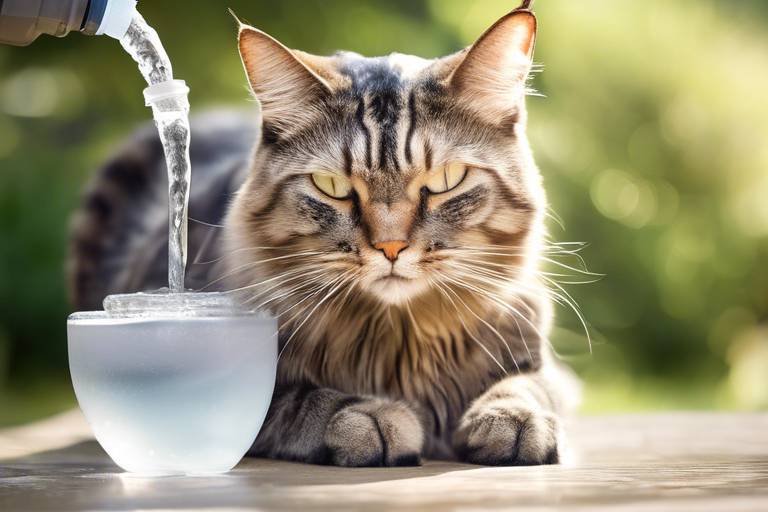
As our feline companions age, their health needs evolve, and one of the most crucial aspects of their well-being is hydration. Senior cats, typically those over the age of 7, face unique challenges that can affect their ability to maintain proper hydration levels. Just like us, our furry friends rely on water to support their bodily functions, from digestion to temperature regulation. However, many senior cats may not drink enough water, leading to potential health issues. Understanding the significance of hydration for these beloved pets is essential for every cat owner.
Did you know that a cat’s body is made up of about 60% water? This means that staying hydrated is vital for every aspect of their health. As cats age, their thirst drive can diminish, making them less inclined to drink water. This is compounded by certain health conditions, such as kidney disease or diabetes, which are more common in older felines. Therefore, it’s important to be proactive in ensuring that our senior cats get enough fluids to stay healthy and happy.
Hydration plays a pivotal role in several bodily functions. For instance, it aids in nutrient absorption, helps regulate body temperature, and supports kidney function. When a cat is well-hydrated, their organs can perform optimally, allowing them to maintain energy levels and an overall sense of well-being. Conversely, dehydration can lead to serious complications, including urinary tract infections, kidney stones, and even kidney failure. These conditions can drastically affect a senior cat’s quality of life, making it imperative to monitor their water intake closely.
To put things into perspective, think of your cat’s body as a well-tuned machine. Just as a car requires oil and coolant to function smoothly, your cat needs water to keep everything running efficiently. Without adequate hydration, the machine starts to falter, leading to a variety of health problems that can be both painful and costly to treat. So, how can we ensure our senior cats are getting enough hydration? That’s where the next sections come into play, offering insights into recognizing signs of dehydration and practical tips for encouraging water intake.
In summary, hydration is not just a matter of quenching thirst; it’s about safeguarding your senior cat’s health and enhancing their quality of life. By understanding their unique hydration needs and being vigilant about their water intake, you can help your feline friend thrive well into their golden years.
Understanding Cat Hydration Needs
As our feline friends age, their hydration needs change significantly. Just like us, senior cats experience a decline in their body’s ability to retain water, making it essential for cat owners to understand these unique requirements. It’s not just about having a bowl of water available; it’s about ensuring that they are drinking enough to support their overall health. A well-hydrated cat is a happy cat, and keeping your senior cat hydrated can help prevent a myriad of health issues.
Senior cats may develop health conditions such as kidney disease or diabetes, which can further complicate their hydration needs. Did you know that as cats age, they often lose their thirst drive? This means that they may not feel the urge to drink as frequently, putting them at risk for dehydration. Therefore, it is crucial to be proactive in monitoring their water intake and encouraging them to drink more.
To truly understand your senior cat’s hydration needs, consider the following factors:
- Age: As cats reach their senior years, their metabolism slows down, and they may not drink as much water as they used to.
- Diet: Cats that eat dry kibble may require more water compared to those who consume wet food, as wet food contains a significant amount of moisture.
- Health Conditions: Conditions like kidney disease, hyperthyroidism, or diabetes can increase a cat’s need for water.
- Environment: Hot weather or increased physical activity can lead to higher water consumption.
By being aware of these factors, you can take steps to ensure your senior cat stays hydrated. Regular vet check-ups can also help monitor their hydration status and overall health. Remember, hydration is not just about drinking water; it’s about creating an environment that encourages your cat to hydrate effectively. This can include providing fresh water daily, experimenting with different types of bowls, or even investing in a water fountain that keeps the water flowing and fresh.
Ultimately, understanding your senior cat’s hydration needs is a vital part of responsible pet ownership. By staying informed and proactive, you can help your furry companion live a longer, healthier, and happier life.
Signs of Dehydration in Senior Cats
Recognizing the signs of dehydration in senior cats is absolutely crucial for their health and well-being. As our feline friends age, their bodies undergo various changes that can affect their hydration levels. It’s essential to be vigilant and aware of the subtle signs that your senior cat might be struggling with dehydration. After all, just like humans, cats can suffer from dehydration, which can lead to serious health issues if left unchecked.
One of the first things to look out for is physical symptoms. These can be quite telling and include signs like dry gums, which may feel tacky to the touch, and decreased skin elasticity. To check skin elasticity, gently pinch the skin on the back of your cat’s neck; if it doesn’t spring back quickly, it may indicate dehydration. Another common physical symptom is the appearance of your cat’s eyes—if they look sunken or dull, it could be a warning sign that your cat needs more fluids.
In addition to dry gums and skin elasticity, there are other physical indicators that can help you assess your cat’s hydration status. For instance, urine concentration plays a significant role in understanding hydration levels. If you notice that your cat’s urine is darker than usual or that they are urinating less frequently, it may suggest that they are not getting enough water. Keeping an eye on the litter box can provide valuable insight into your cat’s hydration.
It’s not just physical symptoms to watch for; behavioral changes can also be a red flag. If your usually playful kitty seems lethargic or is showing a decreased appetite, these could be signs of dehydration. Cats are creatures of habit, and any significant shifts in their behavior should prompt you to investigate further. Perhaps your cat is spending more time lounging in the sun than engaging in their usual antics. Such changes can be subtle but are worth noting.
Monitoring your cat’s urine can provide key insights into their hydration levels. A cat that is well-hydrated will produce light yellow urine, while darker or concentrated urine can indicate that they need to drink more water. Furthermore, if you notice that your cat is using the litter box less frequently, it can be a clear indication that they are not drinking enough. Keeping track of these changes can help you intervene before dehydration becomes a serious issue.
In conclusion, being aware of these signs of dehydration can make a significant difference in your senior cat’s health. By observing both physical symptoms and behavioral changes, you can ensure that your furry friend remains hydrated and happy. Remember, early detection is key! If you suspect your cat is dehydrated, don’t hesitate to consult your veterinarian for guidance.
- How much water should my senior cat drink daily?
A general guideline is about 3.5 to 4.5 ounces of water per 5 pounds of body weight, but this can vary based on diet and activity level.
- What are the best ways to encourage my cat to drink more water?
Try using a water fountain, offering multiple water bowls, or incorporating wet food into their diet to increase fluid intake.
- What should I do if I suspect my cat is dehydrated?
If you notice signs of dehydration, contact your veterinarian immediately for advice and potential treatment options.
Physical Symptoms
When it comes to the health of our beloved senior cats, being vigilant about their hydration status is crucial. As cats age, their bodies undergo various changes that can affect their ability to maintain adequate hydration. One of the most telling signs of dehydration is the condition of their gums. You might notice that instead of being moist and pink, their gums may appear dry or sticky, which is a clear indication that they are not getting enough fluids. Additionally, a simple test you can perform at home is the skin elasticity test. Gently pinch the skin on the back of your cat’s neck and release it. In a well-hydrated cat, the skin will quickly return to its normal position. However, if the skin takes time to fall back or remains tented, it could be a sign of dehydration.
Another physical symptom to keep an eye on is the cat’s overall energy levels. Dehydration can lead to lethargy, making your once playful kitty seem more like a sleepy sloth. This lack of energy can be concerning, especially if your cat is usually active and engaged. Furthermore, pay attention to their eyes; if they appear sunken or dull, this could also indicate that your cat is not adequately hydrated. It’s essential to observe these physical signs closely, as they can provide critical clues to your cat’s hydration status.
To sum up, here are some key physical symptoms of dehydration in senior cats:
- Dry gums: Look for a sticky or dry texture.
- Poor skin elasticity: Skin that doesn’t bounce back quickly.
- Lethargy: A noticeable drop in energy levels.
- Sunken eyes: Eyes that appear dull or sunken can be a red flag.
By being aware of these physical symptoms, you can take proactive steps to ensure that your senior cat stays hydrated and healthy. Remember, hydration isn’t just about drinking water; it’s about maintaining the overall well-being of your furry friend. If you notice any of these symptoms, it’s essential to consult your veterinarian promptly to address any underlying health issues and to discuss hydration strategies tailored for your senior cat.
Q: How much water should a senior cat drink daily?
A: On average, a cat should drink about 3.5 to 4.5 ounces of water per 5 pounds of body weight daily. However, this can vary based on diet, activity level, and health status.
Q: Can I give my cat flavored water to encourage drinking?
A: Yes, you can try adding a small amount of low-sodium chicken or beef broth to their water to make it more appealing. Just ensure it doesn’t contain any harmful ingredients like onions or garlic.
Q: What are the best wet food options for senior cats?
A: Look for high-quality wet foods that are specifically formulated for senior cats. These foods typically have higher moisture content and are enriched with nutrients that support aging cats.
Behavioral Changes
When it comes to our beloved senior cats, their can often serve as the first indicators of dehydration. Cats are masters at hiding their discomfort, and as they age, they may become less active or exhibit subtle shifts in their usual demeanor. For instance, if your once playful kitty suddenly prefers to lounge around all day, it might be more than just a sign of aging; it could indicate that they are not getting enough water.
Have you noticed your cat becoming increasingly lethargic? This is a common behavioral change that can signal dehydration. A hydrated cat is typically more energetic and engaged with their environment. If your furry friend is less inclined to chase after their favorite toy or seems uninterested in their surroundings, it’s worth investigating their hydration levels. Additionally, a decreased appetite can also be a red flag. Cats that are dehydrated may not feel motivated to eat, which can further exacerbate their hydration issues.
Moreover, keep an eye on their grooming habits. Cats are known for their meticulous grooming routines, but if you notice your senior cat licking themselves less frequently, this could indicate that they’re feeling unwell or dehydrated. A well-hydrated cat will have a shiny coat and will groom themselves regularly, while dehydration can lead to a dull, unkempt appearance.
Another behavioral sign to watch for is vocalization. Some cats may become more vocal when they are uncomfortable or in distress, which could include dehydration. If your cat is meowing more than usual, it might be their way of communicating that something is off. It’s important to listen to these cues and assess their overall condition.
In summary, being attentive to these subtle yet significant behavioral changes can help you catch dehydration early. Regularly observing your cat’s activity level, grooming habits, and vocalizations will not only enhance your bond with your feline friend but also ensure that they stay healthy and hydrated in their golden years.
- How much water should my senior cat drink daily?
Senior cats generally need about 2 to 4 ounces of water per 5 pounds of body weight daily, but this can vary based on their diet and activity level. - What are the best ways to encourage my cat to drink more water?
Providing fresh water daily, using a cat water fountain, and incorporating wet food into their diet can significantly increase their water intake. - What should I do if I suspect my cat is dehydrated?
If you notice signs of dehydration, such as dry gums or lethargy, consult your veterinarian immediately for a proper assessment and treatment.
Urine Concentration
Monitoring your senior cat’s urine concentration is a key indicator of their hydration status. Just like how we might check the color of our own urine to gauge our hydration, paying attention to your cat’s urine can provide valuable insights into their health. A well-hydrated cat typically produces clear, light yellow urine, while darker or more concentrated urine can be a red flag. Think of it like a traffic light; clear urine is green, signaling that everything is running smoothly, while darker urine can be a cautionary yellow or even a stop sign, indicating that something might be off.
To effectively monitor your cat’s urine concentration, consider the following aspects:
- Color: As mentioned, a pale yellow color suggests good hydration, while a darker hue indicates dehydration.
- Frequency: Are you noticing that your cat is urinating less frequently than usual? This can be a sign that they are not drinking enough water.
- Volume: If your cat is producing very small amounts of urine, it’s time to investigate further.
Understanding these signs can help you take proactive measures to ensure your furry friend stays hydrated. If you notice any alarming changes in their urine, don’t hesitate to consult your veterinarian. They can provide guidance on how to improve your cat’s hydration levels and overall health.
- How much water should my senior cat drink daily? A general guideline is that cats should drink about 3.5 to 4.5 ounces of water per 5 pounds of body weight daily. However, this can vary based on diet and activity level.
- What are the best signs to look for in my cat’s drinking habits? Pay attention to changes in their urine color, frequency of urination, and overall behavior. If they seem lethargic or are not eating as much, these could be signs of dehydration.
- Can wet food really help with hydration? Yes! Wet food contains a significant amount of moisture, which can contribute to your cat’s daily fluid intake. It’s a great way to keep them hydrated while also providing essential nutrients.
Health Risks of Dehydration
Dehydration is not just a minor inconvenience for senior cats; it can lead to a cascade of serious health issues that can severely impact their quality of life. As our feline friends age, their bodies become less efficient at conserving water, making them more vulnerable to the effects of dehydration. This is particularly concerning because many senior cats may not drink enough water voluntarily, often due to a decreased sense of thirst or other underlying health problems.
One of the most immediate risks associated with dehydration is the strain it places on the kidneys. The kidneys play a vital role in filtering waste from the blood and maintaining fluid balance in the body. When a cat is dehydrated, the kidneys have to work overtime, which can lead to conditions such as acute kidney injury or chronic kidney disease. These conditions are not only painful but can also be life-threatening if not addressed promptly.
Moreover, dehydration can lead to urinary tract issues. A lack of sufficient water intake can cause concentrated urine, which increases the risk of urinary crystals and stones. This is especially problematic for senior cats, as they may already be predisposed to urinary issues. If these stones block the urinary tract, it can result in a medical emergency requiring immediate veterinary intervention.
In addition to kidney and urinary problems, dehydration can also affect a cat’s overall energy levels and cognitive function. A dehydrated cat may exhibit signs of lethargy, confusion, or even disorientation. Imagine how you feel after a long day without water; your senior cat experiences similar feelings, making them less likely to engage in play or social interaction. This can lead to a cycle of inactivity and further health decline.
To sum up, the health risks associated with dehydration in senior cats are significant and multifaceted. These risks include:
- Kidney Damage: Increased workload on the kidneys can lead to serious kidney diseases.
- Urinary Tract Issues: Concentrated urine can cause crystals and stones.
- Decreased Energy Levels: Lethargy and reduced cognitive function can greatly affect their quality of life.
Recognizing the signs of dehydration early can be the difference between a minor issue and a major health crisis. As devoted cat owners, it’s our responsibility to ensure our senior cats are hydrated and healthy. By keeping a close eye on their water intake and being aware of the potential health risks, we can help our furry companions lead happier, healthier lives.
- How much water should my senior cat drink daily? Senior cats should generally drink about 3.5 to 4.5 ounces of water per 5 pounds of body weight daily, but this can vary based on diet and activity level.
- What are the best ways to encourage my cat to drink more water? Consider using a water fountain, providing multiple water bowls, or incorporating wet food into their diet.
- What should I do if I suspect my cat is dehydrated? If you notice signs of dehydration, such as dry gums or lethargy, consult your veterinarian immediately for guidance and potential treatment.
Encouraging Water Intake
Keeping your senior cat hydrated is not just a matter of health; it’s a vital part of their happiness and longevity. As cats age, their thirst drive may diminish, making it essential for you, as a responsible pet owner, to find creative ways to encourage them to drink more water. After all, hydration is like the fuel that keeps their engines running smoothly! So, how can you make water more appealing to your feline friend? Let’s dive into some practical strategies.
One effective method is to experiment with different types of water bowls and fountains. Cats are notoriously picky, and the right bowl can make all the difference. Some cats prefer wide, shallow bowls that allow them to drink without their whiskers touching the sides, while others might be attracted to the movement of water in a fountain. The sound of flowing water can be enticing, mimicking the natural streams they would seek out in the wild. If you haven’t already, consider investing in a pet water fountain; many cats find running water irresistible!
Another excellent way to boost your senior cat’s hydration is through their diet. Incorporating wet food into their meals can significantly increase their fluid intake. Wet food contains about 70-80% water, which is a fantastic way to supplement their hydration. Not only does it provide moisture, but it also offers essential nutrients that help support your cat’s overall health. If your cat is used to dry kibble, try gradually mixing in some wet food to see if they take to it. You might be surprised at how quickly they adapt!
Additionally, you can make drinking water more enticing by adding a splash of flavor. Some cats enjoy broth (make sure it’s low sodium and free of onions or garlic) or even a few drops of tuna juice. Just be cautious and offer these treats sparingly, as you wouldn’t want to upset their stomach. It’s all about finding that perfect balance that keeps them hydrated while still maintaining a healthy diet.
Lastly, consider the placement of their water source. Cats can be quite particular about where they drink. Ensure that their water bowl is in a quiet, low-traffic area away from their food dish. Cats often prefer to have their food and water separated, as it mimics their natural instincts. Keeping their drinking area clean and fresh is equally important; change the water daily to encourage them to sip more often.
In summary, encouraging your senior cat to drink more water is crucial for their health. By experimenting with different bowls, incorporating wet food, adding flavor, and placing the water in a suitable spot, you can help ensure your beloved feline stays hydrated and happy!
- How much water should my senior cat drink daily? Generally, a senior cat should drink about 3.5 to 4.5 ounces of water per 5 pounds of body weight daily, but this can vary based on diet and activity level.
- What are the signs my cat is drinking enough water? Signs of adequate hydration include clear, pale urine, normal skin elasticity, and healthy gums. If your cat seems energetic and active, they are likely well-hydrated.
- Can I give my cat flavored water? Yes, adding a small amount of low-sodium broth or tuna juice can entice your cat to drink more, but do so in moderation to avoid digestive issues.
- What if my cat refuses to drink water? If your cat consistently refuses to drink water, consult your veterinarian. They may recommend specific dietary changes or hydration solutions.
Water Bowls and Fountains
When it comes to keeping our beloved senior cats hydrated, the type of water bowl or fountain we choose can make a significant difference. Cats are notoriously picky creatures, and this extends to their drinking habits. Some cats may prefer a shallow dish, while others might be drawn to the gentle flow of a fountain. It’s essential to experiment with different options to discover what your feline friend prefers. A clean, fresh source of water is crucial for encouraging hydration, as stale water can deter even the thirstiest of cats.
Water fountains, for instance, can be a game-changer. Many cats are attracted to running water, which is often perceived as fresher and cleaner than still water. This instinctual behavior can lead to increased water consumption. Moreover, fountains typically have filters that keep the water clean, making it more appealing. If you’re considering a fountain, look for models that are easy to clean and have a design that suits your home environment. Some fountains even come with adjustable flow settings, allowing you to tailor the experience to your cat’s preferences.
On the other hand, traditional water bowls also have their advantages. They are simple and can be placed in various locations around your home, making it easy for your cat to access water wherever they feel comfortable. However, it’s important to keep the bowls clean and filled with fresh water. Cats can be sensitive to odors and residues, so washing their water bowl daily can encourage them to drink more. Additionally, consider the material of the bowl; stainless steel or ceramic options are often more hygienic and less likely to harbor bacteria compared to plastic bowls.
Ultimately, the key is to observe your cat’s behavior. If you notice that they are drinking less than usual, it might be time to switch up their water source. You could even try placing multiple water bowls or fountains around your home to see if this encourages them to drink more. Remember, keeping your senior cat hydrated is not just about providing water; it’s about creating an environment that promotes healthy drinking habits.
Incorporating Wet Food
When it comes to ensuring that our senior cats stay hydrated, incorporating wet food into their diet is an excellent strategy. Wet food not only provides essential moisture but also offers a range of nutrients that can enhance your cat’s overall health. Imagine a sponge soaking up water; that’s essentially what wet food does for your cat’s body. It helps to keep their internal systems running smoothly, especially as they age and may struggle to drink enough water on their own.
One of the key benefits of wet food is its high moisture content, typically ranging from 70% to 80%. This is significantly higher than dry kibble, which usually contains only about 10% moisture. By adding wet food to your senior cat’s diet, you can effectively increase their water intake without them even realizing it. It’s like sneaking in a glass of water disguised as a delicious meal!
Moreover, wet food can be particularly appealing to senior cats, who may have a reduced sense of taste or smell. The aroma of wet food can entice them to eat more, which is crucial since many older cats experience a decline in appetite. Not to mention, the soft texture of wet food is easier on their teeth and gums, making it a more comfortable option for those with dental issues.
When selecting wet food, look for high-quality brands that prioritize real meat as the primary ingredient. This ensures that your cat receives the necessary protein for muscle maintenance and overall health. Additionally, consider the nutritional balance of the food. Many wet cat foods are fortified with vitamins and minerals that support joint health, digestive function, and even cognitive abilities, which are all vital for senior cats.
It’s also worth noting that variety can play a significant role in maintaining your cat’s interest in their meals. Cats can be notoriously picky eaters, so rotating different flavors and textures of wet food can keep mealtime exciting. You might even consider mixing wet food with their dry kibble to enhance hydration while still satisfying their crunch preference.
In summary, incorporating wet food into your senior cat’s diet is a simple yet effective way to boost their hydration levels. Not only does it provide essential moisture, but it also supports their overall health and well-being. By being mindful of the quality and variety of wet food, you can help ensure that your feline friend stays hydrated, happy, and healthy throughout their golden years.
- How much wet food should I feed my senior cat?
It’s best to consult your veterinarian for personalized recommendations, but generally, a combination of wet and dry food can be beneficial. A good rule of thumb is to provide about 1/4 to 1/2 can of wet food per 5 pounds of body weight daily. - Can I mix wet food with dry food?
Yes! Mixing wet and dry food can enhance hydration and provide a balanced diet. Just ensure that the total calorie intake aligns with your cat’s dietary needs. - What should I look for in wet cat food?
Choose wet food that lists real meat as the first ingredient, has a good balance of protein and fat, and is free from fillers and artificial preservatives.
Frequently Asked Questions
- Why is hydration so important for senior cats?
Hydration is crucial for senior cats because it helps maintain their kidney function, supports digestion, and keeps their skin healthy. As cats age, they may become less aware of their thirst, making it essential for owners to ensure they drink enough water.
- What are the common signs of dehydration in senior cats?
Common signs of dehydration include dry gums, decreased skin elasticity, lethargy, and changes in appetite. If you notice your cat’s urine is darker or less frequent, it may also indicate that they need more fluids.
- How can I encourage my senior cat to drink more water?
There are several ways to encourage your senior cat to drink more water. You can try using a water fountain, as many cats prefer running water. Additionally, incorporating wet food into their diet can significantly boost their hydration levels.
- Is it normal for senior cats to drink less water?
While it can be normal for senior cats to drink less due to changes in their thirst drive, it’s important to monitor their water intake closely. If you notice a significant decrease, it could be a sign of health issues that need to be addressed.
- Can dehydration lead to serious health problems in senior cats?
Absolutely! Dehydration can lead to serious health complications such as kidney disease, urinary tract infections, and even organ failure. It’s vital to address dehydration promptly to protect your cat’s health.
- What type of water bowl is best for senior cats?
The best water bowl for senior cats is one that is shallow and wide, making it easier for them to drink without straining. Some cats also prefer ceramic or stainless steel bowls over plastic, as they can be more hygienic and less likely to retain odors.
hydration, senior cats, health benefits, moisture intake, kidney function, urinary tract, dehydration prevention, lifestyle adjustment, , hydration, senior cats, health benefits, moisture intake, kidney function, urinary tract, dehydration prevention, lifestyle adjustment,
Share this content:
Leave a Reply