
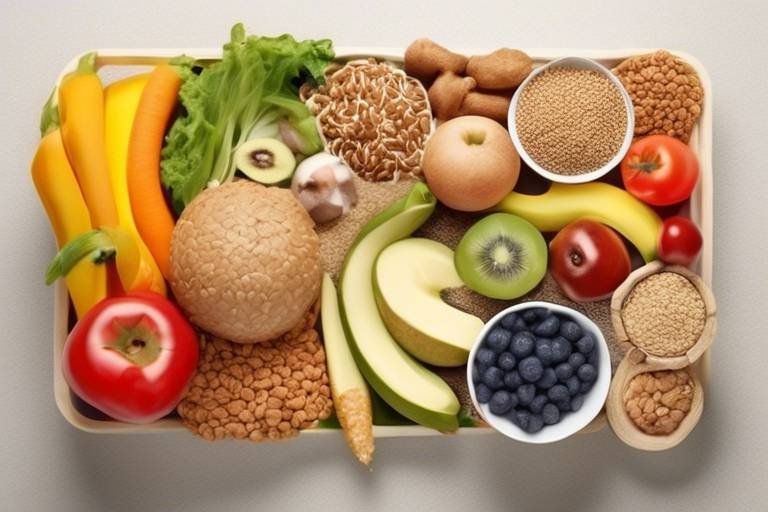
When it comes to our furry friends, we all want the best for them, right? One of the most significant ways to ensure their health and happiness is through their diet. Fiber-rich diets are not just a trend; they come with a plethora of benefits that can transform your pet’s well-being. Imagine fiber as a superhero for your pet’s digestive system, swooping in to regulate bowel movements and prevent unpleasant issues like constipation and diarrhea. By incorporating fiber into your pet’s meals, you’re not just feeding them; you’re investing in their long-term health and vitality.
But what exactly does fiber do? Think of it as a natural broom, sweeping through the intestines and keeping everything clean and tidy. It helps to bulk up stool, making it easier for your pets to do their business. This is particularly important for dogs and cats who may struggle with digestive issues. When their digestive system is functioning optimally, you can expect fewer trips to the vet and a happier pet overall.
Moreover, fiber isn’t just about digestion. It’s also a key player in weight management. We all know how easy it is for pets to overindulge, especially when those puppy-dog eyes are pleading for just one more treat. A fiber-rich diet promotes a feeling of fullness, which can help reduce the likelihood of overeating. This means that your pet can enjoy their meals without the risk of packing on the pounds. After all, nobody wants a chubby kitty or a hefty hound!
On top of that, a well-balanced fiber intake can lead to long-term health benefits. Imagine your pet living a longer, healthier life—who wouldn’t want that? By maintaining a healthy weight, you can significantly reduce the risk of chronic diseases, such as diabetes and heart disease. It’s like giving your pet a ticket to a longer adventure filled with playtime and snuggles!
But wait, there’s more! A fiber-rich diet also supports a healthy gut microbiome. Just like humans, pets have a community of beneficial bacteria in their guts that help with digestion and overall health. Feeding them fiber-rich foods encourages the growth of these good bacteria, which can lead to improved nutrient absorption and better overall health. Think of it as nurturing a garden; the more you feed it, the more it flourishes!
In summary, incorporating fiber into your pet’s diet is a simple yet powerful way to enhance their health. From improved digestion to weight management and disease prevention, fiber is a must-have in your pet’s food bowl. So why not take that extra step today? Your furry friend will thank you with wagging tails and purring cuddles!
- What types of fiber are good for pets?
Both soluble and insoluble fibers are beneficial. Soluble fiber helps regulate blood sugar and cholesterol levels, while insoluble fiber aids in digestion.
- How can I introduce fiber into my pet’s diet?
Start by gradually incorporating fiber-rich foods like pumpkin, sweet potatoes, or specially formulated pet foods into their meals. Always consult your vet first!
- Can too much fiber be harmful?
Yes, excessive fiber can lead to digestive issues. It’s essential to find the right balance for your pet’s specific needs.
Improved Digestive Health
This article explores the advantages of incorporating fiber into your pet’s diet, including improved digestion, weight management, and overall health benefits for both dogs and cats.
When it comes to our furry friends, digestive health is paramount. Just like us, pets can suffer from a range of digestive issues, and fiber is a key player in keeping their systems running smoothly. Fiber acts like a broom, sweeping through the intestines and ensuring that everything moves along as it should. This means fewer trips to the vet for pesky problems like constipation and diarrhea. Imagine how uncomfortable it must be for your pet to have a tummy ache; fiber-rich diets can help prevent that discomfort!
One of the most significant benefits of fiber is its ability to regulate bowel movements. When pets consume adequate fiber, it helps to form stool that is both firm and easy to pass. This is especially important for older pets or those with sensitive stomachs. Think of fiber as a personal trainer for your pet’s gut, motivating it to work efficiently. Regular, healthy bowel movements not only keep your pet comfortable but also reduce the risk of more serious health issues down the line.
Moreover, fiber doesn’t just help with digestion; it also fosters a healthy gut microbiome. This is where the magic happens! A balanced gut microbiome is crucial for overall health, as it aids in the absorption of nutrients and helps fend off harmful bacteria. A fiber-rich diet encourages the growth of beneficial bacteria, creating a thriving environment in your pet’s intestines. It’s like throwing a party for the good bacteria and letting them do their job!
Consider the different types of fiber available in pet foods:
- Soluble Fiber: Found in oats and barley, soluble fiber dissolves in water and helps to slow down digestion, which can be beneficial for pets with sensitive stomachs.
- Insoluble Fiber: Present in whole grains and vegetables, insoluble fiber adds bulk to the stool, promoting regularity and preventing constipation.
Incorporating both types of fiber into your pet’s diet can lead to a well-rounded digestive health strategy. Just like humans, pets benefit from a variety of fiber sources, which can be found in specially formulated pet foods or even in some fruits and vegetables. However, it’s essential to introduce fiber gradually to avoid any sudden digestive upset. Think of it as easing your pet into a new exercise routine—too much too soon can lead to discomfort!
In conclusion, improving your pet’s digestive health through a fiber-rich diet is not just a trend; it is a fundamental aspect of their overall well-being. By ensuring that your pet gets the right amount of fiber, you can help them avoid digestive troubles, promote a healthy gut microbiome, and enhance their quality of life. After all, a happy gut means a happy pet!
Q1: How much fiber should I include in my pet’s diet?
A1: The amount of fiber needed can vary based on your pet’s age, size, and health conditions. Generally, a diet with 2-5% fiber is recommended for dogs, while cats typically require around 1-2%.
Q2: Can I give my pet fiber supplements?
A2: Yes, fiber supplements can be beneficial, but it’s best to consult with your veterinarian before adding them to your pet’s diet to ensure they are appropriate for your pet’s specific needs.
Q3: What are some good fiber-rich foods for pets?
A3: Some great fiber sources include pumpkin, sweet potatoes, green beans, and certain grains like oats and barley. Always introduce new foods gradually.
Weight Management
When it comes to our furry friends, maintaining a healthy weight is crucial for their overall well-being. A fiber-rich diet can be a game changer in this department. Imagine fiber as a superhero for your pet’s diet, swooping in to save the day by promoting a feeling of fullness. This means that your pet will be less likely to beg for those extra treats or snacks between meals. Have you ever noticed how some pets seem to have an insatiable appetite? Well, fiber can help curb that incessant craving, making it easier for you to manage their caloric intake and keep them at a healthy weight.
But how does fiber work its magic? It’s all about satiety and portion control. When pets consume fiber, it expands in their stomachs, creating a sensation of fullness that lasts longer than a regular meal. This is particularly beneficial for pets that tend to overeat or those who are less active. By incorporating fiber into their meals, you can help them feel satisfied without overindulging. Think of it as a natural appetite suppressant, allowing you to control portions without the constant battle of ‘just one more bite.’
Additionally, fiber can play a significant role in reducing unhealthy snack cravings. Instead of reaching for that bag of commercial treats, consider offering your pet a fiber-rich meal that keeps them feeling full and satisfied. This not only leads to healthier eating habits but also contributes to better weight control. Imagine replacing those high-calorie snacks with a hearty bowl of fiber-rich food; it’s like swapping a sugary soda for a refreshing glass of water!
Long-term, maintaining a healthy weight through a fiber-rich diet can lead to a longer, healthier life for your pets. Obesity in pets is linked to various chronic diseases, including diabetes and heart issues. By ensuring that your pet’s diet is rich in fiber, you are not just managing their weight; you are investing in their future health. Consider the benefits of a well-balanced diet that includes fiber:
| Benefit | Description |
|---|---|
| Weight Control | Helps pets feel full, reducing the likelihood of overeating. |
| Healthier Eating Habits | Reduces cravings for unhealthy snacks, promoting better food choices. |
| Chronic Disease Prevention | Maintains a healthy weight, lowering the risk of obesity-related diseases. |
In conclusion, incorporating fiber into your pet’s diet is not just a trend; it’s a lifestyle change that can lead to significant improvements in their weight management. By promoting satiety, controlling portions, and encouraging healthier eating habits, fiber serves as a vital component in keeping your furry companions healthy and happy. So next time you shop for pet food, don’t forget to check the fiber content. Your pet will thank you for it!
1. How much fiber should I include in my pet’s diet?
The amount of fiber varies based on your pet’s size, age, and health conditions. Generally, a diet with about 5-10% fiber is beneficial for most pets. Consult your veterinarian for personalized recommendations.
2. Can I give my pet fiber supplements?
Yes, fiber supplements can be helpful, but it’s best to prioritize whole food sources. If considering supplements, consult your vet to ensure they are appropriate for your pet’s needs.
3. What are some good sources of fiber for pets?
Good sources of fiber include pumpkin, sweet potatoes, green beans, and certain grains like oats and brown rice. Always introduce new foods gradually to avoid digestive upset.
4. Will a high-fiber diet make my pet gassy?
Some pets may experience increased gas when transitioning to a high-fiber diet. It’s important to introduce fiber gradually and monitor your pet’s response.
5. Can fiber help with my pet’s digestive issues?
Absolutely! Fiber can help regulate bowel movements and alleviate issues like constipation or diarrhea. However, consult your vet if your pet has ongoing digestive problems.
Satiety and Portion Control
This article explores the advantages of incorporating fiber into your pet’s diet, including improved digestion, weight management, and overall health benefits for both dogs and cats.
Fiber plays a crucial role in promoting healthy digestion in pets, helping to regulate bowel movements and prevent issues such as constipation and diarrhea.
A fiber-rich diet can aid in weight management for pets by promoting a feeling of fullness, reducing the likelihood of overeating and obesity-related health issues.
When it comes to keeping our furry friends healthy, satiety is a game-changer. Imagine this: you’re at an all-you-can-eat buffet, and you fill your plate with veggies. Before you know it, you’re feeling full, and the urge to grab that third slice of cake fades away. This is exactly how fiber works for our pets! Fiber-rich foods expand in the stomach, creating a sense of fullness that can help control their appetite.
By incorporating fiber into their meals, you can effectively manage portion sizes. Think of it as giving your pet a natural weight management tool. When pets feel satisfied after their meals, they are less likely to beg for snacks or second helpings. This not only helps maintain a healthy weight but also reduces the risk of obesity-related health issues.
Moreover, fiber can be a secret weapon in reducing snack cravings. When pets are constantly looking for something to munch on, it can lead to unhealthy habits and weight gain. However, with a fiber-rich diet, they’re less likely to feel the need to snack between meals. This encourages healthier eating habits, ensuring that they get the nutrients they need without the extra calories.
In essence, fiber acts like a bulking agent that fills up your pet’s tummy without adding a ton of calories. It’s like swapping out a heavy meal for a big bowl of salad; you’re still getting a satisfying meal, but without the guilt. This is especially important for pets that might struggle with weight management or have a tendency to overeat.
However, it’s crucial to remember that balance is key. While fiber is fantastic for satiety and portion control, it should be part of a well-rounded diet that includes proteins, fats, and other essential nutrients. Think of it as a puzzle; each piece plays a vital role in your pet’s overall health.
Incorporating fiber into meals can help curb unhealthy snack cravings, leading to healthier eating habits and better weight control.
Maintaining a healthy weight through a fiber-rich diet can lead to a longer, healthier life for pets, reducing the risk of chronic diseases.
A diet high in fiber supports a healthy gut microbiome, promoting the growth of beneficial bacteria that aid in digestion and overall health.
Fiber can play a role in preventing various diseases in pets, including diabetes, heart disease, and certain types of cancer.
Fiber helps regulate blood sugar levels, which can be especially beneficial for pets at risk of diabetes or those already diagnosed.
A diet rich in fiber can support cardiovascular health by helping to lower cholesterol levels and maintain a healthy weight in pets.
Fiber can improve nutrient absorption in pets, ensuring they receive the maximum benefits from their food and supporting overall health.
By promoting a healthy digestive system, fiber enhances the body’s ability to utilize essential nutrients effectively, contributing to better overall health.
It’s important to balance fiber intake with other nutrients to ensure pets receive a well-rounded diet that meets all their dietary needs.
- How much fiber should I include in my pet’s diet?
Consult your veterinarian for personalized recommendations based on your pet’s size, age, and health status. - Can too much fiber be harmful?
Yes, excessive fiber can lead to digestive issues. It’s essential to maintain a balanced diet. - What are some good sources of fiber for pets?
Vegetables like carrots and peas, as well as whole grains, are excellent sources of fiber. - Will my pet like fiber-rich foods?
Many pets enjoy the taste of fiber-rich foods, especially when mixed with their regular diet.
Reducing Snack Cravings
When it comes to our furry friends, we all know that those big, pleading eyes can make it hard to resist giving them a little extra treat here and there. But did you know that incorporating fiber into their meals can significantly help in ? That’s right! Fiber acts like a sponge in your pet’s stomach, soaking up water and expanding, which creates a feeling of fullness. This means your pet is less likely to beg for those unhealthy snacks that could lead to weight gain and other health issues.
Imagine this: if you were to eat a big bowl of fluffy oatmeal versus a small serving of sugary cereal. Which one do you think would keep you satisfied longer? The oatmeal, right? The same principle applies to your pets. By including fiber-rich foods in their diet, such as pumpkin, sweet potatoes, or certain vegetables, you’re not just filling their bellies; you’re also helping them feel more satisfied and less likely to scavenge for snacks throughout the day.
Additionally, reducing snack cravings can lead to healthier eating habits. When pets are accustomed to feeling full from their meals, they are less likely to look for extra food or treats. This not only helps in managing their weight but also promotes a more balanced diet overall. You can think of it as creating a healthy relationship with food for your pets. Instead of a constant cycle of begging and snacking, they can enjoy their meals and feel content.
To help you understand how fiber works in your pet’s diet, here’s a quick table summarizing some fiber-rich foods you might consider incorporating:
| Fiber-Rich Food | Benefits |
|---|---|
| Pumpkin | Great for digestion and helps maintain a healthy weight. |
| Sweet Potatoes | High in vitamins and provides a feeling of fullness. |
| Green Beans | Low in calories and high in fiber, perfect for snacking. |
| Carrots | Crunchy and satisfying, they can be a healthy treat. |
In conclusion, by making simple adjustments to your pet’s diet and incorporating fiber, you can effectively reduce those pesky snack cravings. Not only will this help in managing their weight, but it will also promote a healthier lifestyle overall. So the next time you’re tempted to give in to those adorable puppy dog eyes, remember that a fiber-rich meal can be just as satisfying for them!
Q: How much fiber should I include in my pet’s diet?
A: Generally, dogs require about 2-5% fiber in their diet, while cats may need around 1-4%. However, it’s best to consult your veterinarian for personalized recommendations.
Q: Can too much fiber be harmful to my pet?
A: Yes, excessive fiber can lead to digestive issues such as diarrhea or bloating. It’s important to gradually introduce fiber and monitor your pet’s reaction.
Q: Are there any fiber supplements I can give to my pet?
A: Yes, there are several fiber supplements available, but it’s essential to consult your veterinarian before adding any supplements to ensure they’re appropriate for your pet’s specific needs.
Long-Term Health Benefits
When it comes to our furry friends, we all want them to lead long, happy lives. One of the most effective ways to support your pet’s longevity is through a fiber-rich diet. You might be wondering, how does fiber contribute to a longer life for pets? Well, think of fiber as the unsung hero in your pet’s nutrition. It not only keeps their digestive system running smoothly but also plays a significant role in preventing chronic diseases that can shorten their lifespan.
Research shows that maintaining a healthy weight is crucial for pet longevity. A fiber-rich diet helps pets achieve and maintain a healthy weight by promoting a feeling of fullness. This means they’re less likely to overeat, which can lead to obesity—a condition that is linked to numerous health issues such as diabetes, heart disease, and joint problems. Imagine your pet as a car; just like a well-maintained vehicle runs better and lasts longer, a pet that maintains a healthy weight can enjoy a longer, healthier life.
Moreover, fiber contributes to a healthier gut microbiome, which is essential for overall well-being. A balanced gut microbiome not only aids in digestion but also strengthens the immune system. When your pet’s immune system is robust, they’re better equipped to fend off illnesses and infections. Think of fiber as the foundation of a house; without a strong foundation, the structure may crumble. In this case, a solid gut health foundation ensures your pet stands strong against health challenges.
Here’s a quick breakdown of the long-term health benefits of a fiber-rich diet:
- Weight Management: Helps prevent obesity-related diseases.
- Improved Digestive Health: Reduces the risk of gastrointestinal disorders.
- Stronger Immune System: Aids in fighting off infections.
- Lower Risk of Chronic Diseases: Decreases the likelihood of conditions like diabetes and heart disease.
Incorporating fiber into your pet’s diet doesn’t have to be complicated. Many pet foods already include fiber-rich ingredients, such as sweet potatoes, peas, and pumpkin. However, it’s essential to consult your veterinarian before making any significant changes to your pet’s diet. They can guide you on the right balance of fiber and other nutrients to ensure your pet receives a well-rounded diet that meets all their dietary needs.
In conclusion, a fiber-rich diet is not just a trend; it’s a vital component of your pet’s long-term health. By promoting weight management, supporting digestive health, and enhancing the immune system, fiber plays a crucial role in ensuring your pet enjoys a longer, healthier life. So, why not give your furry friend the gift of health? Start incorporating fiber into their meals today and watch them thrive!
- What types of fiber are best for pets? Soluble and insoluble fibers both offer benefits. Soluble fiber can help with digestion, while insoluble fiber aids in bowel regularity.
- Can I add fiber supplements to my pet’s diet? Yes, but it’s best to consult your vet first to determine the appropriate type and amount.
- How much fiber does my pet need? The amount varies by species, age, and health condition. Generally, a diet containing 5-10% fiber is recommended.
- Are there any side effects of too much fiber? Yes, excessive fiber can lead to digestive upset. Always introduce fiber gradually.
Improved Gut Microbiome
This article explores the advantages of incorporating fiber into your pet’s diet, including improved digestion, weight management, and overall health benefits for both dogs and cats.
Fiber plays a crucial role in promoting healthy digestion in pets, helping to regulate bowel movements and prevent issues such as constipation and diarrhea.
A fiber-rich diet can aid in weight management for pets by promoting a feeling of fullness, reducing the likelihood of overeating and obesity-related health issues.
Fiber helps pets feel full longer, making it easier to control portions and manage their overall caloric intake effectively.
Incorporating fiber into meals can help curb unhealthy snack cravings, leading to healthier eating habits and better weight control.
Maintaining a healthy weight through a fiber-rich diet can lead to a longer, healthier life for pets, reducing the risk of chronic diseases.
When we talk about the gut microbiome, it’s like discussing a bustling city full of diverse inhabitants, all working together to keep things running smoothly. For our pets, a fiber-rich diet acts as the foundation for this vibrant community of bacteria. Fiber serves as a prebiotic, which means it feeds the good bacteria in your pet’s gut, allowing them to thrive. This is crucial because a healthy gut microbiome can lead to better digestion, enhanced immune function, and even improved mood in pets.
Think of fiber as the gardener of your pet’s gut flora, nurturing and promoting the growth of beneficial bacteria while keeping harmful bacteria at bay. When these good bacteria flourish, they help break down food more effectively, leading to better nutrient absorption. This means your pet can actually get more out of their meals, translating into better health and vitality.
Moreover, a balanced gut microbiome can have far-reaching effects on your pet’s overall health. Research suggests that it may even influence everything from their energy levels to their susceptibility to diseases. Here are some key benefits of a fiber-rich diet on gut health:
- Enhanced Digestion: Fiber helps in breaking down food, making it easier for your pet’s body to absorb nutrients.
- Balanced Microbial Population: A diet high in fiber encourages the growth of beneficial bacteria while suppressing the bad ones.
- Improved Immune Function: A healthy gut microbiome supports a strong immune system, helping your pet fend off illnesses.
In conclusion, incorporating fiber into your pet’s diet is like providing them with a robust support system for their digestive health. It’s a simple yet powerful way to ensure they lead a happy, healthy life.
Fiber can play a role in preventing various diseases in pets, including diabetes, heart disease, and certain types of cancer.
Fiber helps regulate blood sugar levels, which can be especially beneficial for pets at risk of diabetes or those already diagnosed.
A diet rich in fiber can support cardiovascular health by helping to lower cholesterol levels and maintain a healthy weight in pets.
Fiber can improve nutrient absorption in pets, ensuring they receive the maximum benefits from their food and supporting overall health.
By promoting a healthy digestive system, fiber enhances the body’s ability to utilize essential nutrients effectively, contributing to better overall health.
It’s important to balance fiber intake with other nutrients to ensure pets receive a well-rounded diet that meets all their dietary needs.
1. How much fiber should I include in my pet’s diet?
The amount of fiber needed can vary based on your pet’s size, age, and health condition. Generally, a diet containing 2-5% fiber is ideal for most pets. It’s always best to consult your veterinarian for personalized advice.
2. Can too much fiber be harmful?
Yes, while fiber is beneficial, too much of it can lead to digestive issues such as gas or diarrhea. It’s important to gradually introduce fiber into your pet’s diet and monitor their response.
3. What are some good sources of fiber for pets?
Good sources of fiber include pumpkin, sweet potatoes, carrots, and certain grains like oats and brown rice. Many commercial pet foods also contain added fiber.
4. Will a high-fiber diet help my pet lose weight?
Absolutely! A fiber-rich diet helps pets feel fuller for longer, which can reduce overall calorie intake and support weight loss efforts.
Prevention of Certain Diseases
When it comes to our furry friends, we all want them to live long, healthy lives, right? One of the most effective ways to achieve this is by incorporating a fiber-rich diet into their meals. You might be surprised to learn that fiber does more than just aid digestion; it can actually play a significant role in the prevention of various diseases. Just think of fiber as a superhero for your pet’s health, swooping in to protect against ailments like diabetes, heart disease, and even certain types of cancer.
Let’s dive deeper into how fiber acts as a shield against these health issues. For starters, fiber helps regulate blood sugar levels, which is crucial for pets at risk of diabetes or those already diagnosed. When you feed your pet a diet high in fiber, it slows down the absorption of sugar into the bloodstream. This gradual release helps maintain stable blood sugar levels, reducing the risk of sudden spikes that can lead to serious health complications.
But that’s not all! A fiber-rich diet also supports heart health. It works by helping to lower cholesterol levels, which is vital for maintaining a healthy cardiovascular system. Just like humans, pets can suffer from heart problems, and keeping their weight in check through a fiber-rich diet can make a world of difference. Imagine fiber as a trusty sidekick, helping to keep those cholesterol levels in check while also promoting a healthy weight.
Moreover, fiber can even play a role in cancer prevention. Some studies suggest that a high-fiber diet may lower the risk of certain types of cancer in pets, particularly those affecting the digestive system. Fiber acts like a broom, sweeping through the intestines and helping to eliminate toxins and waste products that could potentially lead to cancerous growths. It’s like giving your pet’s insides a thorough cleaning!
Here’s a quick summary of the disease prevention benefits of a fiber-rich diet:
| Disease | How Fiber Helps |
|---|---|
| Diabetes | Regulates blood sugar levels, preventing spikes. |
| Heart Disease | Lowers cholesterol and maintains a healthy weight. |
| Certain Cancers | Promotes intestinal health and eliminates toxins. |
Incorporating fiber into your pet’s diet is not just about improving digestion; it’s about setting them up for a healthier future. Think of it as an investment in their well-being. By making simple changes to their meals, you can help reduce the risk of serious health issues that could shorten their lifespan. So, the next time you’re at the pet store or preparing their food at home, remember the incredible benefits of fiber and how it can be a game-changer for your beloved pets.
- What types of fiber are best for pets? – Both soluble and insoluble fibers are beneficial. Soluble fiber can be found in oats and beans, while insoluble fiber is found in whole grains and vegetables.
- How can I introduce fiber into my pet’s diet? – Start gradually by mixing fiber-rich foods into their regular meals, such as pumpkin, sweet potatoes, or specially formulated pet foods.
- Can too much fiber be harmful? – Yes, excessive fiber can lead to digestive issues. It’s important to find a balance that works for your pet.
Blood Sugar Regulation
When it comes to our furry friends, maintaining balanced blood sugar levels is crucial for their overall health and well-being. A fiber-rich diet can play a pivotal role in this aspect. Fiber works wonders by slowing down the absorption of sugar in the bloodstream, which helps to prevent those dreaded spikes and crashes that can leave our pets feeling lethargic or, worse, lead to serious health issues.
Imagine your pet’s digestive system as a bustling highway. When fiber is introduced into their diet, it acts like a traffic signal, regulating the flow of sugar into the bloodstream. Instead of a sudden rush of sugar that can overwhelm their system, fiber ensures a steady stream, allowing their body to utilize energy more efficiently. This is particularly beneficial for pets that are prone to diabetes or those who are already managing the condition.
Additionally, fiber can help pets feel fuller for longer periods, which naturally reduces their cravings for unhealthy snacks that can lead to weight gain and further complicate blood sugar management. By incorporating fiber into their meals, you’re not only promoting a healthier lifestyle but also teaching them to appreciate the value of a balanced diet.
Consider the following benefits of fiber in regulating blood sugar:
- Stabilizes Blood Sugar Levels: Fiber slows down the digestion and absorption of carbohydrates, leading to gradual increases in blood sugar rather than sudden spikes.
- Reduces Insulin Resistance: A fiber-rich diet can help improve insulin sensitivity, making it easier for your pet’s body to manage glucose levels.
- Supports Weight Management: A healthy weight is crucial for blood sugar regulation, and fiber helps pets feel full, reducing the likelihood of overeating.
Incorporating fiber into your pet’s diet doesn’t have to be complicated. Simple additions like pumpkin, sweet potatoes, or specially formulated pet foods can make a significant difference. However, it’s always wise to consult with your veterinarian before making any major changes to your pet’s diet, especially if they have existing health concerns.
In summary, a fiber-rich diet is not just a trend; it’s a vital component of your pet’s health that can lead to better blood sugar regulation, improved energy levels, and a happier, healthier life. So, why not give your pet the gift of fiber? After all, a little change can lead to a big difference!
- What types of fiber are best for pets? Soluble fibers, like those found in oats and beans, are great for regulating blood sugar, while insoluble fibers, such as those in wheat bran, help with digestion.
- Can I give my pet human foods high in fiber? Yes, but always check with your vet first. Foods like pumpkin, carrots, and green beans can be beneficial.
- How much fiber should my pet have daily? This varies by pet size and dietary needs, so consulting with a veterinarian is essential to determine the right amount.
Heart Health
When it comes to our furry friends, maintaining is paramount, and a fiber-rich diet can play a crucial role in this. Just like us, pets can suffer from heart-related issues, and what they eat can significantly impact their cardiovascular health. A diet high in fiber helps to lower cholesterol levels, which is a key factor in preventing heart disease. Think of fiber as a natural scrub brush for your pet’s arteries, helping to keep them clean and clear.
Moreover, when pets consume a fiber-rich diet, they often experience a healthier weight. This is important because excess weight can put additional strain on the heart, leading to various complications. By incorporating fiber into your pet’s meals, you can help them maintain a healthy weight, which in turn supports their heart. It’s like giving them a well-fitting harness that doesn’t restrict their movement but instead supports their overall well-being.
But how does fiber achieve all this? It works by slowing down the absorption of sugar and fat in the bloodstream, which helps to regulate blood sugar levels and maintain a healthy balance of nutrients. This regulation is crucial for pets, especially those at risk of developing diabetes or heart disease. To put it simply, fiber acts as a guardian of your pet’s heart, helping to ward off potential threats.
In addition to these benefits, fiber-rich foods can also be packed with essential nutrients that contribute to overall heart health. Foods like oats, pumpkin, and green beans are not only high in fiber but also contain vitamins and minerals that support cardiovascular function. Including these in your pet’s diet can be as beneficial as adding a superfood to your own meals.
To sum it up, a fiber-rich diet is not just a trend; it’s a vital part of caring for your pet’s heart health. By ensuring your furry companion gets enough fiber, you’re not only helping them feel fuller and more satisfied but also giving their heart the support it needs to thrive. Remember, a happy heart leads to a happy pet!
- What are some fiber-rich foods I can give my pet? Foods like pumpkin, sweet potatoes, and certain fruits and vegetables are excellent sources of fiber for pets.
- Can too much fiber be harmful to my pet? Yes, while fiber is beneficial, too much can lead to digestive issues. It’s essential to balance fiber intake with other nutrients.
- How can I tell if my pet needs more fiber? Signs might include irregular bowel movements, excessive weight gain, or a lack of energy. Consult your vet for personalized advice.
Enhanced Nutrient Absorption
When it comes to our furry friends, we all want to ensure they’re getting the most out of their meals. One of the often-overlooked benefits of a fiber-rich diet is its ability to enhance nutrient absorption in pets. Think of fiber as the unsung hero of your pet’s digestive system—while it may not be the star of the show, it plays a crucial role in ensuring that every bite your pet takes is packed with goodness. Just like a sponge absorbs water, fiber helps your pet’s body soak up essential nutrients from their food, leading to better overall health and vitality.
So, how does this magical process work? Fiber aids in creating a healthy digestive environment, which is essential for breaking down food and allowing nutrients to be absorbed effectively. When fiber moves through the gastrointestinal tract, it helps to regulate the speed at which food passes through. This regulation is key because it allows the body ample time to extract vital nutrients, ensuring that your pet is not just eating, but truly benefiting from their meals.
Moreover, fiber contributes to a balanced gut microbiome, which is vital for optimal nutrient absorption. A healthy gut is teeming with beneficial bacteria that assist in breaking down food particles and releasing nutrients. When fiber is present, it acts as a prebiotic, feeding these good bacteria and promoting their growth. This symbiotic relationship between fiber and gut bacteria leads to improved digestion and nutrient uptake.
To illustrate this, let’s take a look at how different types of fiber can impact nutrient absorption:
| Type of Fiber | Benefits |
|---|---|
| Soluble Fiber | Helps to slow digestion, allowing for better nutrient absorption and blood sugar regulation. |
| Insoluble Fiber | Promotes regular bowel movements and overall gut health, which indirectly supports nutrient absorption. |
| Fermentable Fiber | Feeds beneficial gut bacteria, enhancing their ability to break down food and absorb nutrients. |
It’s important to remember that while fiber plays a significant role in nutrient absorption, it should be balanced with other essential nutrients in your pet’s diet. Too much fiber can lead to digestive discomfort, so it’s crucial to consult with your veterinarian to determine the right amount for your pet’s specific needs. By striking this balance, you can ensure that your pet enjoys all the benefits of a fiber-rich diet while still receiving the necessary vitamins and minerals for a healthy, happy life.
In conclusion, enhancing nutrient absorption through a fiber-rich diet is a fantastic way to support your pet’s health. Not only does it help them get the most out of their food, but it also contributes to a healthier digestive system and a happier pet overall. So, next time you’re choosing your pet’s food, remember the power of fiber and how it can make a world of difference in their diet!
- What types of fiber are best for pets? Soluble and insoluble fibers are both beneficial, but it’s essential to balance them based on your pet’s needs.
- Can too much fiber be harmful? Yes, excessive fiber can lead to digestive issues, so it’s important to consult with a veterinarian for proper guidance.
- How can I incorporate more fiber into my pet’s diet? You can add fiber-rich foods like pumpkin, sweet potatoes, or specific commercial pet foods designed for high fiber content.
Optimal Nutrient Utilization
When it comes to our furry friends, is key to ensuring they lead vibrant, energetic lives. Think of your pet’s digestive system as a finely tuned engine; to run smoothly, it needs the right fuel. Fiber acts as that essential component, enhancing the body’s ability to absorb vital nutrients from their food. Just like a sponge soaking up water, fiber helps to capture and retain nutrients, making them more available for your pet’s body to use.
Imagine feeding your dog or cat a meal packed with vitamins and minerals, but if their digestive system is sluggish or not functioning well, those nutrients might just pass right through without being absorbed. This is where fiber comes into play. It promotes a healthy digestive tract, ensuring that food moves through the system at an optimal pace. This not only prevents issues like constipation but also allows for a more efficient extraction of nutrients. In a way, fiber is like a friendly guide, leading nutrients to their proper destinations within the body.
Furthermore, a fiber-rich diet can help maintain a balanced gut microbiome, which is crucial for nutrient absorption. A healthy gut is home to a diverse community of bacteria that play a significant role in breaking down food and facilitating the absorption of nutrients. By incorporating fiber into your pet’s diet, you’re not just improving their digestion; you’re also nurturing these beneficial bacteria. This symbiotic relationship between fiber and gut health ultimately leads to enhanced nutrient uptake.
However, it’s important to remember that while fiber is beneficial, it should be balanced with other nutrients. Just like a well-rounded meal for us humans, pets require a mix of proteins, fats, vitamins, and minerals alongside fiber to thrive. Overloading on fiber without considering other dietary needs can lead to digestive upset or nutrient deficiencies. Therefore, consulting with your veterinarian to create a balanced diet tailored to your pet’s specific needs is a wise approach.
In conclusion, ensuring your pet has access to a fiber-rich diet not only promotes optimal nutrient utilization but also supports their overall health and well-being. By being mindful of their dietary intake and providing a balanced mix of nutrients, you can help your furry companion live a longer, healthier, and happier life.
- What types of fiber are best for pets?
The best types of fiber for pets include soluble fibers like those found in oats, barley, and psyllium, as well as insoluble fibers from sources like pumpkin and green beans. Each type plays a unique role in digestion and health.
- How can I tell if my pet needs more fiber?
Signs that your pet may need more fiber include irregular bowel movements, excessive weight gain, or frequent begging for food. If you notice these signs, consider discussing dietary changes with your vet.
- Can too much fiber be harmful?
Yes, excessive fiber can lead to digestive issues such as gas, bloating, or diarrhea. It’s crucial to introduce fiber gradually and monitor your pet’s response.
Balanced Diet Considerations
When it comes to crafting the perfect diet for your furry friends, balance is key. Just like us, pets require a variety of nutrients to thrive, and while fiber is essential for digestion and overall health, it should not be the sole focus of their diet. Think of fiber as the supporting actor in a movie; it plays a critical role, but it needs a strong cast of other nutrients to shine. A well-rounded diet for your pet should include proteins, fats, vitamins, and minerals, alongside that all-important fiber.
To ensure your pet is getting a balanced diet, consider the following components:
- Proteins: Essential for growth and repair, proteins should make up a significant portion of your pet’s diet. Look for high-quality sources like chicken, fish, or beef.
- Fats: Healthy fats are crucial for energy and absorbing certain vitamins. Omega-3 and Omega-6 fatty acids can be particularly beneficial for skin and coat health.
- Vitamins and Minerals: These micronutrients support various bodily functions, including immune health and bone strength. A mix of fruits and vegetables can help provide these essential nutrients.
It’s important to remember that not all fibers are created equal. There are two types of fiber: soluble and insoluble. Soluble fiber, found in foods like oats and apples, can help regulate blood sugar levels and lower cholesterol. Insoluble fiber, found in whole grains and vegetables, aids in digestion by adding bulk to the stool. A balanced diet should incorporate both types to maximize health benefits.
Moreover, when introducing fiber into your pet’s diet, do so gradually. Sudden changes can lead to digestive upset, much like how we might feel after a big meal of something new and rich. Start by mixing a small amount of fiber-rich foods into their regular meals, and gradually increase the amount over several days. This approach allows their digestive system to adapt smoothly, ensuring they reap the benefits without discomfort.
Finally, regular veterinary check-ups are crucial to monitor your pet’s health and dietary needs. Your vet can provide tailored advice to ensure that your pet’s diet remains balanced as they age or if their health status changes. Remember, a happy pet is a healthy pet, and a balanced diet is one of the best ways to keep them that way!
Q: How much fiber should my pet have in their diet?
A: The ideal amount of fiber can vary based on your pet’s size, age, and health status. Generally, a diet with about 2-5% fiber is adequate for most pets. Consult your veterinarian for personalized recommendations.
Q: Can I give my pet human food for fiber?
A: Yes, many human foods are safe for pets and can provide fiber, such as pumpkin, sweet potatoes, and green beans. However, always check with your vet before introducing new foods to ensure they are safe and appropriate for your pet.
Q: What are the signs of too much fiber in my pet’s diet?
A: Signs of excessive fiber can include diarrhea, bloating, and gas. If you notice these symptoms, reduce the fiber content in their diet and consult your vet.
Frequently Asked Questions
- What are the benefits of a fiber-rich diet for pets?
A fiber-rich diet can significantly improve your pet’s digestion, help with weight management, and provide overall health benefits. It promotes regular bowel movements, reduces the risk of obesity, and can even help prevent certain diseases.
- How does fiber improve digestive health in pets?
Fiber aids in maintaining a healthy digestive system by regulating bowel movements. It can prevent issues like constipation and diarrhea, ensuring your furry friend stays comfortable and healthy.
- Can fiber help my pet manage their weight?
Absolutely! Fiber promotes a feeling of fullness, which can reduce the likelihood of overeating. This makes it easier for you to control portion sizes and helps your pet maintain a healthy weight.
- What types of fiber are best for pets?
Both soluble and insoluble fibers are beneficial. Soluble fiber can help regulate blood sugar levels, while insoluble fiber promotes healthy bowel movements. Foods like pumpkin, sweet potatoes, and certain grains are great sources!
- Is it safe to increase my pet’s fiber intake suddenly?
It’s best to gradually introduce more fiber into your pet’s diet. A sudden increase can lead to digestive upset. Start slowly and monitor your pet’s reaction to the changes.
- Can a fiber-rich diet prevent diseases in pets?
Yes! A diet high in fiber can help prevent various diseases, including diabetes and heart disease. It supports blood sugar regulation and can lower cholesterol levels, contributing to your pet’s overall health.
- How does fiber enhance nutrient absorption in pets?
Fiber promotes a healthy gut microbiome, which aids in digestion and nutrient absorption. This means your pet can get the maximum benefits from their food, leading to better overall health.
- What should I consider when balancing my pet’s diet?
While fiber is important, it’s crucial to balance it with other nutrients. Ensure your pet’s diet includes proteins, fats, vitamins, and minerals to meet all their dietary needs effectively.
Fiber, digestion, weight management, gastrointestinal health, nutrient absorption, blood sugar control, stool quality, satiety, , Fiber, digestion, weight management, gastrointestinal health, nutrient absorption, blood sugar control, stool quality, satiety,
Share this content:
Leave a Reply