
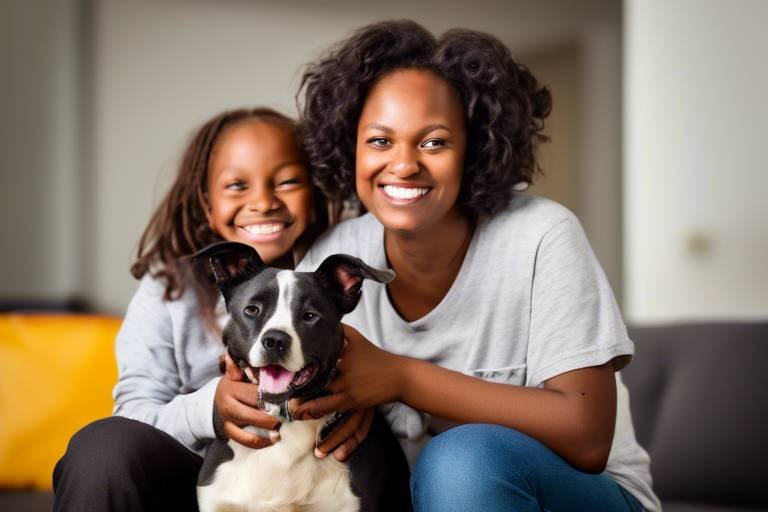
Adoption is not just a lifeline for countless animals; it also serves as a profound source of joy and fulfillment for shelter staff and volunteers. When you think about it, the act of bringing a pet into a loving home is akin to watching a beautiful story unfold. Each adoption is a chapter filled with hope, love, and second chances. For those who dedicate their time and energy to these shelters, the emotional rewards are immense. They witness firsthand the transformative journeys of animals as they transition from being abandoned or neglected to finding their forever families. This process not only uplifts the spirits of the animals but also enriches the lives of those who care for them, creating a ripple effect of positivity throughout the community.
One of the most significant benefits of adoption for shelter staff and volunteers is the emotional fulfillment it brings. Imagine the joy of seeing a once-timid dog blossom into a confident companion as it walks out the shelter doors with its new owner. It’s like watching a caterpillar turn into a butterfly, a transformation that fills everyone involved with an overwhelming sense of happiness. The emotional connection that develops during this process is nothing short of magical. Each successful adoption serves as a reminder of why these individuals chose to work in animal welfare in the first place. They become invested in the lives of these animals and their new families, often celebrating milestones together, from the first day at home to the first vet visit.
Engaging in adoption initiatives allows shelters to strengthen their ties within the community. When shelters host adoption events, they create a platform for local residents to come together, share stories, and connect over a common cause. This sense of community fosters partnerships that can lead to increased local participation in animal welfare efforts. As more people become aware of the importance of adoption, the community begins to rally around the shelter, leading to more successful adoption rates. It’s a beautiful cycle: the more people engage, the more animals find homes, and the more the community becomes invested in animal welfare.
Another noteworthy aspect of the adoption process is the relationships that form between shelter staff, volunteers, and adopters. These connections often extend beyond the initial adoption, creating a network of support that promotes responsible pet ownership. For instance, many shelters organize follow-up events where adopters can share their experiences, ask questions, and receive guidance. This ongoing relationship not only benefits the adopters but also helps shelter staff and volunteers stay connected with the community they serve.
Support groups formed by adopters can provide valuable resources, sharing experiences and advice that benefit both new pet owners and the shelter community. These groups create an environment where individuals can discuss challenges, celebrate successes, and foster a sense of belonging. It’s like having a book club, but instead of discussing novels, members share the adventures of their pets, creating bonds that last a lifetime.
Community events and fundraisers centered around adoption not only raise awareness but also generate funds to support shelter operations. These gatherings can include everything from pet parades to bake sales, all aimed at enhancing the shelter’s effectiveness. By participating in these events, staff and volunteers not only boost their morale but also contribute to a cause they are passionate about, creating a win-win situation for everyone involved.
The success of adoption programs contributes to a positive atmosphere within shelters. When staff and volunteers celebrate each successful placement, it boosts morale and creates a sense of accomplishment. This positive energy is infectious; it encourages everyone to work harder and strive for even more successful outcomes. In a world where negativity can often overshadow the good, the joy of seeing an animal find a loving home is like a breath of fresh air.
Involvement in adoption processes allows shelter staff and volunteers to develop essential skills that are beneficial in both personal and professional contexts. Through their work, they hone their communication skills, learning how to effectively convey the needs and personalities of the animals they care for. Organization becomes second nature as they manage adoption events and coordinate with potential adopters. Problem-solving skills are also put to the test as they navigate the challenges that come with matching pets to the right families. These are skills that transcend the shelter environment, proving invaluable in various aspects of life.
Shelters often provide training for volunteers, equipping them with knowledge about animal care, behavior, and adoption procedures. This training enhances their effectiveness in the field, allowing them to provide better support to both the animals and the adopters. It’s like a crash course in empathy and responsibility, preparing volunteers to tackle the unique challenges that come with animal welfare.
Volunteering in adoption programs can offer individuals valuable leadership experiences. Many volunteers take on roles that require coordination, planning, and team management. This hands-on experience is not only rewarding but also prepares them for future leadership positions, whether in animal welfare or other fields. It’s an opportunity to step up and make a difference while developing skills that will serve them well in any career.
Successful adoption initiatives benefit not only individual animals but also contribute to the overall improvement of animal welfare standards in the community. Each successful adoption promotes a culture of compassion and responsibility, encouraging more people to consider adopting rather than purchasing pets. This shift in mindset can lead to a significant reduction in the number of animals in shelters, creating a more humane society where every animal is valued and cared for.
- How can I get involved with my local shelter? Many shelters welcome volunteers for various roles, including fostering, adoption events, and outreach programs.
- What are the benefits of adopting a pet? Adopting a pet saves a life, provides companionship, and contributes to the overall well-being of your community.
- Can I volunteer if I have no prior experience? Absolutely! Most shelters provide training and support for new volunteers.
Emotional Fulfillment
This article explores the positive impacts of adoption on shelter staff and volunteers, highlighting how it enhances their emotional well-being and fosters a stronger community connection.
Adoption provides shelter staff and volunteers with profound emotional rewards, as they witness the transformative journeys of animals finding loving homes and the joy it brings to both pets and adopters. Imagine the heartwarming moment when a timid dog, once abandoned and scared, finally wags its tail in excitement as it steps into its new home. This is not just a moment for the animal; it’s a celebration of hope for everyone involved. Each successful adoption story serves as a reminder of the impact that love and care can have on a life, and this sense of fulfillment can be incredibly motivating.
For many staff members and volunteers, the emotional connection to these animals runs deep. They often invest their time and energy into nurturing these pets, forming bonds that make the adoption process even more rewarding. The joy of seeing an animal thrive in a new environment is akin to watching a flower bloom after being nurtured through harsh conditions. This emotional investment fosters a sense of purpose, making the hard work worthwhile.
Moreover, adoption initiatives create a ripple effect of positivity. When a pet finds a home, it not only changes the life of that animal but also impacts the lives of the adopters. The stories of these adoptions often spread through social media and community networks, inspiring others to consider adopting as well. This creates a community of compassionate individuals who share a common goal: to improve the lives of animals in need. As a result, shelter staff and volunteers become part of a larger movement, one that champions kindness and responsibility towards animals.
In addition to the joy of seeing animals adopted, the emotional fulfillment extends to the relationships formed during the process. Shelter staff and volunteers often develop strong connections with adopters, sharing in their excitement and providing support as they transition into pet ownership. This network of relationships can lead to lasting friendships and a sense of belonging within the community. The emotional rewards are not just about the animals; they also encompass the shared experiences and bonds that form among people who care about animal welfare.
In essence, the emotional fulfillment derived from adoption is a powerful motivator for shelter staff and volunteers. It fuels their passion for animal welfare and reinforces the importance of their work. By witnessing the joy of successful adoptions, they are reminded that their efforts contribute to a greater good, making every challenge faced along the way worthwhile.
Engaging in adoption initiatives helps shelters strengthen their ties within the community, fostering partnerships and encouraging local participation in animal welfare efforts, ultimately leading to more successful adoption rates.
Shelter staff and volunteers often form lasting relationships with adopters, creating a network of support that extends beyond the adoption process and promotes responsible pet ownership.
Support groups formed by adopters can provide valuable resources, sharing experiences and advice that benefit both new pet owners and the shelter community.
Community events and fundraisers centered around adoption not only raise awareness but also generate funds to support shelter operations, enhancing overall effectiveness.
The success of adoption programs contributes to a positive atmosphere within shelters, boosting morale among staff and volunteers as they celebrate each successful placement.
Involvement in adoption processes allows shelter staff and volunteers to develop essential skills such as communication, organization, and problem-solving, which are beneficial in both personal and professional contexts.
Shelters often provide training for volunteers, equipping them with knowledge about animal care, behavior, and adoption procedures, enhancing their effectiveness in the field.
Volunteering in adoption programs can offer individuals valuable leadership experiences, as they may take on roles that require coordination, planning, and team management.
Successful adoption initiatives not only benefit individual animals but also contribute to the overall improvement of animal welfare standards in the community, promoting a culture of compassion and responsibility.
- What are the emotional benefits of working in a shelter?
Working in a shelter provides emotional rewards, such as witnessing the joy of animals finding homes and building connections with adopters. - How can community engagement improve adoption rates?
Engaging the community through events and partnerships fosters awareness and encourages more people to adopt. - What skills can volunteers develop through adoption programs?
Volunteers can develop skills in communication, organization, and leadership, which are beneficial in various aspects of life.
Community Engagement
Community engagement is a vital aspect of any shelter’s mission, and adoption initiatives play a crucial role in strengthening these ties. When shelters actively involve themselves with their local communities, they create a ripple effect that benefits not just the animals, but also the people who care for them. Imagine a bustling community where everyone is connected through a shared love for animals; this is what effective community engagement can achieve. By organizing adoption events, shelters can attract a diverse crowd, from families looking for their new furry friend to individuals simply wanting to learn more about animal welfare.
Moreover, these initiatives foster partnerships with local businesses and organizations, creating a network of support that enhances the shelter’s visibility and resources. For example, a local pet store might collaborate with a shelter to host an adoption day, where they offer discounts on pet supplies for adopters. This not only encourages people to adopt but also builds a sense of community ownership over the welfare of local animals. The more people feel involved, the more likely they are to participate in future events and support the shelter in various ways.
Engagement doesn’t stop at adoption days; shelters can also host educational workshops and seminars to inform the community about responsible pet ownership, training techniques, and the importance of spaying and neutering. These events serve dual purposes: they educate the public while simultaneously promoting the shelter’s mission. It’s a win-win situation! When community members are informed, they are more likely to advocate for animal welfare, resulting in a more compassionate society.
Additionally, shelters can utilize social media platforms to enhance community engagement. By sharing success stories of adopted pets, posting updates about upcoming events, and even showcasing volunteer opportunities, shelters can maintain an ongoing dialogue with the community. This continuous interaction helps to build a loyal following, as people feel invested in the shelter’s journey and accomplishments. It’s like nurturing a garden; the more you tend to it, the more it flourishes.
In summary, community engagement through adoption initiatives not only strengthens the bond between shelters and their localities but also creates a culture of compassion and responsibility towards animals. It empowers individuals to take action, whether through adoption, volunteering, or simply spreading the word about the shelter’s mission. The result? A thriving community where animals find loving homes, and people find purpose and connection.
- How can I get involved with my local shelter’s adoption initiatives? Many shelters welcome volunteers for various tasks, including event planning and animal care. Check their website or visit in person to learn more.
- What types of events do shelters typically host for adoption? Shelters often organize adoption fairs, workshops, and community outreach events to promote awareness and encourage adoptions.
- Can community members help with fundraising efforts for shelters? Absolutely! Many shelters rely on community support for fundraising through events like bake sales, charity runs, and auctions.
Building Relationships
When you think about the role of shelter staff and volunteers, it’s easy to focus on the animals. However, one of the most rewarding aspects of working in an animal shelter is the opportunity to build meaningful relationships with adopters. Each interaction is not just a transaction; it’s a chance to connect with someone who is about to embark on a journey of love and companionship. Imagine the joy of watching a family walk out with a new furry friend, their faces lighting up with excitement. That moment is a testament to the bond that forms not only between the pet and the adopter but also between the shelter staff and the community.
As shelter staff and volunteers engage with potential adopters, they often find themselves sharing stories, offering advice, and providing support. This interaction creates a network of support that extends beyond the adoption process. For instance, after adopting a pet, many new pet owners return to the shelter for advice or to share updates about their new family member. This ongoing relationship fosters a sense of community, where adopters feel they have a safe space to discuss their experiences, challenges, and triumphs with their pets.
Moreover, these relationships can evolve into something even more profound. Shelter staff and volunteers often organize support groups for adopters. These groups serve as a platform for sharing experiences and advice, creating a rich tapestry of community knowledge. Here, new pet owners can learn from seasoned adopters about everything from training tips to health care. Such interactions not only benefit the new pet owners but also strengthen the shelter community as a whole.
Additionally, events and fundraisers play a crucial role in building these relationships. By hosting adoption events, shelters invite the community to participate actively. These gatherings allow adopters to meet fellow pet owners, share stories, and even form friendships. The camaraderie that develops during these events can lead to ongoing support networks, where individuals rally together to help each other navigate the joys and challenges of pet ownership.
In essence, the relationships forged in the shelter environment are invaluable. They create a ripple effect of compassion and support that enhances the lives of animals and humans alike. By fostering these connections, shelters not only improve the adoption experience but also contribute to a more responsible and caring community of pet owners.
- How can I get involved with my local shelter? Many shelters welcome volunteers for various roles, from fostering animals to helping with events. Check your local shelter’s website for opportunities.
- What should I expect during the adoption process? Expect to fill out an application, meet with shelter staff to discuss your lifestyle and preferences, and possibly have a home visit.
- Are there any post-adoption resources available? Yes, many shelters offer support groups, training sessions, and resources to help new pet owners.
- Can volunteers adopt pets from the shelter? Yes, many shelters have policies in place that allow volunteers to adopt, often with priority given to them.
Support Groups
Support groups formed by adopters serve as a crucial lifeline for both new pet owners and the shelter community. These groups create a space where individuals can come together, share their experiences, and offer advice on various aspects of pet ownership. Imagine a cozy gathering of like-minded individuals, all passionate about their furry companions, exchanging stories and tips over a cup of coffee. It’s not just about sharing the joys of pet ownership; it’s also about navigating the challenges that come with it.
In these support groups, members often discuss topics such as training techniques, health care tips, and socialization strategies. By sharing their unique experiences, they help each other grow as responsible pet owners. This exchange of knowledge fosters a sense of community and belonging, which is essential for new adopters who may feel overwhelmed during the initial transition period.
Moreover, support groups can play a significant role in strengthening the bond between adopters and the shelter. They often serve as a bridge, allowing shelters to maintain contact with adopters long after the adoption process is complete. This ongoing relationship not only enhances the adopters’ experience but also provides valuable feedback to shelters about the animals they place. It’s a win-win situation!
Additionally, these groups can organize events that promote responsible pet ownership and raise awareness about animal welfare issues. Whether it’s a fun day at the park or an educational seminar, these gatherings help to reinforce the community’s commitment to animal welfare. The camaraderie built within these groups can lead to lasting friendships, creating a network of support that extends far beyond the initial adoption.
In essence, support groups are a vital component of the adoption process, enriching the lives of both adopters and shelter staff. They cultivate a culture of sharing and learning, ensuring that every pet owner feels empowered and supported in their journey. By fostering these connections, shelters not only enhance the experience for adopters but also contribute to a more compassionate community.
- What are support groups for pet adopters?
Support groups are gatherings where pet adopters can share experiences, advice, and resources related to pet ownership. - How can I join a support group?
Many shelters offer information on how to join support groups during the adoption process or through their websites. - What topics are discussed in these groups?
Common topics include training, health care, and socialization of pets, as well as general pet care tips. - Can support groups help with behavioral issues?
Yes, support groups often provide a platform for discussing and finding solutions to behavioral challenges faced by new pet owners. - Are support groups only for new adopters?
No, support groups welcome all pet owners, regardless of how long they have had their pets.
Events and Fundraisers
Community events and fundraisers are not just about raising money; they are vibrant celebrations that bring together animal lovers, potential adopters, and supporters of the shelter. These events serve as a platform to showcase the amazing animals available for adoption while also educating the public about the importance of animal welfare. Imagine a sunny day filled with laughter, wagging tails, and the sound of children playing—this is the atmosphere that events like “Adopt-a-Pet Day” or “Pawtacular Fundraiser” create.
During these gatherings, shelters often organize a variety of activities that engage the community in meaningful ways. From pet parades to fun runs, there is something for everyone. Not only do these events foster a sense of community spirit, but they also provide a fantastic opportunity for shelter staff and volunteers to connect with the public. They can share heartwarming stories of the animals in their care, which can resonate deeply with attendees and inspire them to consider adopting a pet.
Moreover, fundraising events are crucial for sustaining shelter operations. The funds raised can go towards essential resources such as food, medical care, and facility maintenance. For instance, a well-planned fundraising gala can attract local businesses and community members willing to contribute. Here’s a quick look at how funds from these events can be allocated:
| Expense Category | Percentage of Funds |
|---|---|
| Animal Care (Food, Medical) | 50% |
| Facility Maintenance | 20% |
| Community Outreach Programs | 15% |
| Staff Training and Development | 10% |
| Emergency Fund | 5% |
In addition to raising funds, these events create a buzz that can lead to increased adoption rates. When community members see the joy on the faces of new pet owners or hear testimonials from previous adopters, they are more likely to consider adopting a pet themselves. It’s a ripple effect that can transform the lives of countless animals.
Ultimately, events and fundraisers are not just a means to an end; they are a celebration of the bond between humans and animals. They highlight the importance of community involvement in animal welfare and show how everyone can play a part in making a difference. So, whether you’re a volunteer, a staff member, or just an animal enthusiast, participating in these events can be a fulfilling experience that strengthens the connection between the shelter and the community.
- How can I get involved in shelter events? Most shelters have volunteer programs where you can sign up to help with events. Check their website or contact them directly for more information.
- Are donations to fundraisers tax-deductible? Yes, most donations to registered non-profits are tax-deductible. Always keep your receipt for tax purposes!
- Can I bring my pet to fundraising events? It depends on the event. Some are pet-friendly, while others may not allow pets. Always check the event details beforehand.
- What types of events do shelters typically organize? Shelters often host adoption fairs, fun runs, bake sales, and charity auctions, among other activities.
- How do funds from events help the shelter? Funds raised help cover the costs of animal care, shelter maintenance, and outreach programs, ensuring that the shelter can operate effectively.
Positive Work Environment
Creating a in animal shelters is not just a bonus; it’s a necessity. When shelter staff and volunteers witness the joyful transformations of animals being adopted, it fosters a sense of accomplishment and purpose that permeates through the entire organization. Imagine walking into a place where every corner echoes with laughter, wagging tails, and the warmth of community spirit. This vibrant atmosphere not only uplifts the spirits of those working there but also significantly enhances the overall experience for everyone involved, from the animals to the adopters.
Furthermore, the emotional satisfaction derived from successful adoptions serves as a powerful motivator. Each time a pet finds a forever home, it acts like a ripple effect, boosting morale and encouraging staff and volunteers to continue their hard work. There’s something incredibly fulfilling about knowing that your efforts directly contribute to giving a loving home to a deserving animal. It’s like planting seeds of happiness that blossom into beautiful stories of companionship.
In addition, a supportive work environment encourages teamwork and collaboration. Staff and volunteers often share their experiences, celebrating each adoption like a mini-victory. This sense of camaraderie can lead to the formation of strong bonds, creating a family-like atmosphere within the shelter. Here are a few ways this positive environment manifests:
- Celebration of Achievements: Regularly acknowledging the hard work of staff and volunteers through small celebrations or shout-outs can significantly enhance morale.
- Open Communication: Encouraging an open dialogue where everyone feels comfortable sharing ideas and concerns fosters trust and collaboration.
- Shared Goals: When everyone is united by the common goal of finding homes for animals, it creates a sense of purpose that energizes the entire team.
Moreover, a positive work environment can lead to reduced stress levels and lower turnover rates. When individuals feel valued and supported, they are more likely to stay committed to their roles. This stability is crucial for shelters, as consistent staff and volunteers can build deeper relationships with the animals and the community. As they become more familiar with the needs of the pets, they can provide better care and more personalized attention, leading to higher adoption success rates.
In conclusion, fostering a positive work environment in animal shelters is not merely about happy employees; it’s about creating a thriving ecosystem where animals, people, and the community can flourish together. The joy of seeing a pet leave for a new home is a shared triumph, and it’s this sense of community and collaboration that makes the journey so rewarding for everyone involved.
Q: How does a positive work environment affect animal adoptions?
A: A positive work environment boosts morale among staff and volunteers, leading to better care for animals and increased enthusiasm in promoting adoptions, ultimately resulting in higher adoption rates.
Q: What are some ways to create a supportive atmosphere in a shelter?
A: Regular celebrations of achievements, open communication, and fostering a sense of shared goals are effective ways to create a supportive atmosphere.
Q: Why is teamwork important in animal shelters?
A: Teamwork is essential as it allows staff and volunteers to share experiences, collaborate on solutions, and create a unified effort towards finding homes for animals.
Skill Development
This article explores the positive impacts of adoption on shelter staff and volunteers, highlighting how it enhances their emotional well-being and fosters a stronger community connection.
Adoption provides shelter staff and volunteers with profound emotional rewards, as they witness the transformative journeys of animals finding loving homes and the joy it brings to both pets and adopters.
Engaging in adoption initiatives helps shelters strengthen their ties within the community, fostering partnerships and encouraging local participation in animal welfare efforts, ultimately leading to more successful adoption rates.
Shelter staff and volunteers often form lasting relationships with adopters, creating a network of support that extends beyond the adoption process and promotes responsible pet ownership.
Support groups formed by adopters can provide valuable resources, sharing experiences and advice that benefit both new pet owners and the shelter community.
Community events and fundraisers centered around adoption not only raise awareness but also generate funds to support shelter operations, enhancing overall effectiveness.
The success of adoption programs contributes to a positive atmosphere within shelters, boosting morale among staff and volunteers as they celebrate each successful placement.
Involvement in adoption processes allows shelter staff and volunteers to develop essential skills such as communication, organization, and problem-solving, which are beneficial in both personal and professional contexts. For instance, when volunteers interact with potential adopters, they hone their communication skills, learning how to convey important information about animal care and behavior effectively. This not only helps in matching the right pet with the right family but also boosts the volunteers’ confidence in public speaking and interpersonal interactions.
Moreover, the organization is key in managing adoption events and procedures. Volunteers often take the lead in arranging adoption days, which requires meticulous planning and coordination. They learn to juggle multiple tasks, from setting up the venue to ensuring that all animals are healthy and ready for potential adopters. This experience translates well into various career paths, as strong organizational skills are highly valued in any workplace.
As they navigate challenges and unexpected situations during the adoption process, staff and volunteers develop robust problem-solving skills. For example, if an adopter has concerns about a pet’s behavior, volunteers must think on their feet to provide solutions and reassurance. This ability to assess situations quickly and respond effectively is a crucial skill that benefits them in everyday life.
Additionally, shelters often provide training for volunteers, equipping them with knowledge about animal care, behavior, and adoption procedures, enhancing their effectiveness in the field. This training is not just about understanding animals better; it also includes learning how to manage stress and work collaboratively with others, which is invaluable in any team setting.
Many shelters offer structured training programs that cover a range of topics, from basic animal care to advanced behavioral assessments. These programs are designed to ensure that volunteers are well-prepared for their roles, which ultimately leads to a more successful adoption process. By participating in these training sessions, volunteers gain insights that can be applied in various aspects of their lives, making them more well-rounded individuals.
Volunteering in adoption programs can offer individuals valuable leadership experiences, as they may take on roles that require coordination, planning, and team management. This hands-on experience is not only fulfilling but also builds a strong foundation for future career opportunities. For instance, a volunteer who organizes an adoption event learns how to lead a team, delegate tasks, and motivate others, all of which are essential skills in any leadership role.
Successful adoption initiatives not only benefit individual animals but also contribute to the overall improvement of animal welfare standards in the community, promoting a culture of compassion and responsibility.
- What are the benefits of adopting a pet from a shelter? Adopting from a shelter saves lives, gives a homeless animal a loving home, and often includes spaying/neutering, vaccinations, and microchipping.
- How can I get involved with my local animal shelter? You can volunteer, foster animals, participate in fundraising events, or even consider adopting a pet.
- What skills can I develop by volunteering at a shelter? Volunteers can develop skills in communication, organization, problem-solving, and leadership, all of which are beneficial in various life aspects.
Training Opportunities
This article explores the positive impacts of adoption on shelter staff and volunteers, highlighting how it enhances their emotional well-being and fosters a stronger community connection.
Adoption provides shelter staff and volunteers with profound emotional rewards, as they witness the transformative journeys of animals finding loving homes and the joy it brings to both pets and adopters.
Engaging in adoption initiatives helps shelters strengthen their ties within the community, fostering partnerships and encouraging local participation in animal welfare efforts, ultimately leading to more successful adoption rates.
Shelter staff and volunteers often form lasting relationships with adopters, creating a network of support that extends beyond the adoption process and promotes responsible pet ownership.
Support groups formed by adopters can provide valuable resources, sharing experiences and advice that benefit both new pet owners and the shelter community.
Community events and fundraisers centered around adoption not only raise awareness but also generate funds to support shelter operations, enhancing overall effectiveness.
The success of adoption programs contributes to a positive atmosphere within shelters, boosting morale among staff and volunteers as they celebrate each successful placement.
Involvement in adoption processes allows shelter staff and volunteers to develop essential skills such as communication, organization, and problem-solving, which are beneficial in both personal and professional contexts.
Shelters often provide a variety of that are invaluable for volunteers. These training sessions cover a wide range of topics, from animal care and behavior to the intricacies of adoption procedures. For instance, volunteers may learn how to assess an animal’s temperament, which is crucial in matching pets with the right adopters. This not only enhances the effectiveness of the adoption process but also boosts the confidence of volunteers as they gain hands-on experience.
Moreover, these training sessions foster a sense of community among volunteers, as they often work together in groups, sharing insights and experiences. The collaborative atmosphere can lead to lasting friendships and a network of support that extends beyond the shelter walls. In addition to practical skills, volunteers often develop soft skills such as empathy and patience, which are essential when working with both animals and potential adopters.
To illustrate how these training sessions are structured, here’s a brief overview:
| Training Topic | Duration | Objective |
|---|---|---|
| Animal Behavior Basics | 2 hours | Understanding animal body language and behavior. |
| Adoption Procedures | 1.5 hours | Learning the step-by-step process of pet adoption. |
| Customer Service Skills | 1 hour | Enhancing communication with potential adopters. |
This structured approach not only makes the training sessions more engaging but also ensures that volunteers leave with a comprehensive understanding of their roles. Ultimately, these training opportunities empower volunteers to make a significant impact on the lives of animals and their future families.
Successful adoption initiatives not only benefit individual animals but also contribute to the overall improvement of animal welfare standards in the community, promoting a culture of compassion and responsibility.
- What types of training are available for volunteers? Training includes animal behavior basics, adoption procedures, and customer service skills.
- How can I get involved with my local shelter? Contact your local shelter to inquire about volunteer opportunities and upcoming training sessions.
- What are the benefits of adopting a pet? Adoption saves lives, provides a loving home for animals, and can enhance the well-being of the adopter.
Leadership Experience
Volunteering in adoption programs at animal shelters is not just about caring for animals; it’s also a fantastic opportunity to develop leadership skills that can have lasting benefits in both personal and professional realms. When you step into the role of a volunteer, you may find yourself taking on responsibilities that require you to coordinate activities, manage teams, and even lead community outreach initiatives. This hands-on experience can be incredibly empowering, as it allows you to hone your abilities in a supportive environment where the common goal is the well-being of animals.
Consider the various ways in which volunteers can step into leadership roles. For instance, you might be tasked with organizing an adoption event, which involves planning logistics, recruiting fellow volunteers, and promoting the event to the community. This not only boosts your organizational skills but also enhances your ability to communicate effectively with diverse groups of people. You’re not just managing tasks; you’re inspiring others to join the cause and work towards a shared vision of finding homes for animals in need.
Moreover, many shelters offer training programs that focus on leadership development. These programs can cover a range of topics, including conflict resolution, team dynamics, and effective communication strategies. By participating in these sessions, you gain valuable insights that can be applied in various aspects of your life. The skills you acquire can also translate into improved performance in your career, as employers highly value individuals who can lead teams and manage projects efficiently.
In addition, volunteering can lead to networking opportunities that extend beyond the shelter. You may meet other passionate individuals who share your interests and values, potentially opening doors to future collaborations or job opportunities. The relationships you build within the shelter community can serve as a support system, providing encouragement and guidance as you navigate your leadership journey.
Ultimately, the leadership experience gained through volunteering in adoption programs is a transformative journey. It empowers you to take initiative, fosters a sense of responsibility, and cultivates a deeper connection to your community. By stepping up to lead, you’re not only contributing to the success of the shelter but also enriching your own life in ways you may never have imagined.
- What types of leadership roles can I expect as a volunteer? Volunteers can take on various roles, including event coordinator, team leader during adoption events, and community outreach ambassador.
- Do I need prior experience to volunteer in a leadership capacity? No prior experience is necessary, as shelters often provide training and support to help you develop the skills you need.
- How can volunteering improve my career prospects? Volunteering allows you to gain practical experience, develop soft skills, and expand your professional network, all of which are valuable to employers.
- Can I lead my own initiatives within the shelter? Many shelters encourage volunteers to propose and lead their own projects, fostering creativity and innovation.
Long-Term Impact on Animal Welfare
The long-term impact of successful adoption initiatives extends far beyond the immediate joy of placing an animal in a loving home. When shelters effectively promote and facilitate adoptions, they contribute to a ripple effect that enhances the overall welfare of animals in the community. This transformation fosters a culture of compassion, responsibility, and proactive care, creating a brighter future for countless animals. Imagine a community where every pet has a loving home, where abandonment and neglect are rare, and where people understand the importance of spaying and neutering—this is the vision that effective adoption programs help to create.
One of the most significant long-term benefits of adoption is the reduction in the number of homeless animals. As more pets find permanent homes, the pressure on local shelters decreases. This not only allows shelters to allocate resources more effectively but also improves the living conditions for animals still in their care. When shelters are not overcrowded, they can provide better medical care, socialization, and training for the animals, increasing their chances of being adopted in the future.
Moreover, successful adoption initiatives cultivate a sense of community responsibility. When individuals adopt pets, they often become advocates for animal welfare, sharing their experiences and encouraging others to consider adoption. This creates a network of informed pet owners who understand the importance of responsible pet ownership. They are more likely to participate in community events, volunteer at shelters, and support local animal welfare organizations. The cycle of compassion continues as these adopters educate others about the joys of adopting and the responsibilities that come with pet ownership.
To illustrate the impact of adoption on animal welfare, consider the following table that highlights key statistics from communities with robust adoption programs:
| Community | Adoption Rate (%) | Reduction in Euthanasia Rates (%) | Increase in Spay/Neuter Programs (%) |
|---|---|---|---|
| Community A | 75% | 50% | 60% |
| Community B | 85% | 70% | 80% |
| Community C | 90% | 80% | 90% |
As shown in the table, communities that prioritize adoption see significant improvements in animal welfare metrics. Higher adoption rates correlate with lower euthanasia rates, demonstrating the direct impact of successful adoption programs. Additionally, increased participation in spay and neuter programs reflects a growing awareness of responsible pet ownership, further contributing to the long-term welfare of animals.
Ultimately, the long-term impact of adoption initiatives is a testament to the power of community involvement and compassion. By fostering a culture that values animal welfare, shelters, staff, and volunteers can create an environment where every pet is given the chance to thrive. It’s not just about finding homes for animals; it’s about building a community that cares deeply for its four-legged members and recognizes the importance of their well-being.
- What are the benefits of adopting a pet? Adopting a pet provides a loving home for an animal in need, reduces the number of homeless pets, and supports local shelters.
- How can I get involved with my local shelter? You can volunteer, attend events, or participate in fundraising efforts to support your local animal shelter.
- What should I consider before adopting a pet? Consider your lifestyle, financial situation, and the time you can dedicate to caring for a pet before making the commitment to adopt.
Frequently Asked Questions
- What are the emotional benefits of adoption for shelter staff and volunteers?
Adoption brings profound emotional rewards for shelter staff and volunteers. Witnessing the transformative journeys of animals finding loving homes not only fills their hearts with joy but also reinforces their commitment to animal welfare. It’s like watching a flower bloom after a long winter—every adoption is a reminder of hope and happiness.
- How does community engagement through adoption initiatives help shelters?
Engaging in adoption initiatives helps shelters strengthen their ties within the community. It encourages local participation in animal welfare efforts, creating partnerships that lead to more successful adoption rates. Imagine a web of support where everyone plays a role in improving the lives of animals—this is what community engagement fosters.
- What types of support can adopters provide to each other?
Adopters often form support groups that serve as a valuable resource for sharing experiences and advice. These groups help new pet owners navigate the challenges of pet care and promote responsible pet ownership. Think of it as a community of friends who’ve got each other’s backs, sharing tips and tricks for raising happy, healthy pets.
- How do events and fundraisers impact shelters?
Community events and fundraisers centered around adoption not only raise awareness but also generate essential funds to support shelter operations. This enhances the overall effectiveness of the shelter, allowing them to care for more animals. It’s like throwing a party where everyone has fun while also making a difference!
- What skills can volunteers develop through adoption programs?
Involvement in adoption processes allows shelter staff and volunteers to develop essential skills such as communication, organization, and problem-solving. These skills are not only beneficial in the animal welfare context but also translate well into personal and professional lives. It’s like training for a marathon—every step strengthens you for the race ahead.
- Are there training opportunities for volunteers at shelters?
Yes! Shelters often provide training for volunteers, equipping them with knowledge about animal care, behavior, and adoption procedures. This training enhances their effectiveness in the field and prepares them for various challenges. Think of it as a toolkit that helps them become better advocates for animals.
- What long-term impacts do successful adoption initiatives have on animal welfare?
Successful adoption initiatives contribute to the overall improvement of animal welfare standards in the community. They promote a culture of compassion and responsibility, benefiting not just individual animals but the entire community. It’s like planting seeds of kindness that grow into a garden of care and respect for all living beings.
Compassion, Community, Support, Lifesaving, Education, Engagement, Satisfaction, Advocacy, , Compassion, Community, Support, Lifesaving, Education, Engagement, Satisfaction, Advocacy,
Share this content:
Leave a Reply