
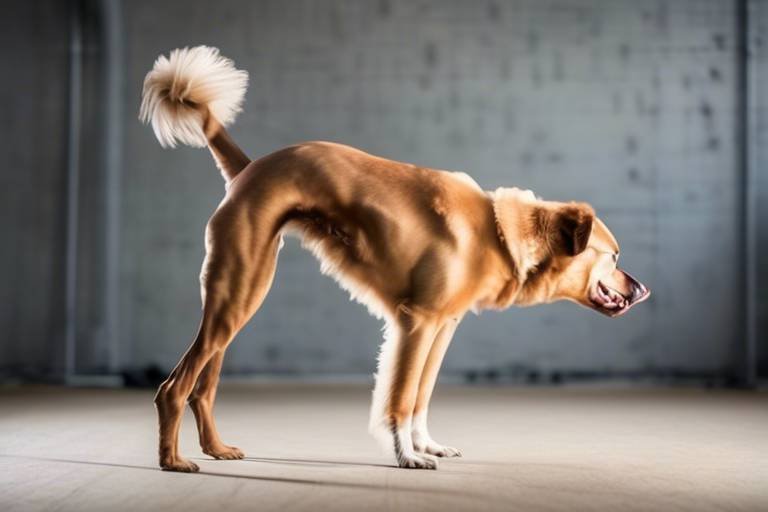
Teaching your dog to do a handstand is not just about impressing your friends or showing off on social media; it’s a fantastic way to bond with your furry companion while also providing them with mental and physical stimulation. Imagine the joy on your dog’s face as they master this impressive trick! But before you dive into the training, it’s essential to ensure that both you and your dog are ready for this fun adventure. In this article, we’ll guide you through the necessary steps and techniques to teach your dog how to do a handstand, ensuring a safe and enjoyable experience for both of you.
Before embarking on the journey of teaching your dog to do a handstand, it’s crucial to understand their physical capabilities and limitations. Not all dogs are created equal, and factors such as breed, age, and overall health can significantly impact their ability to perform this trick. For instance, larger breeds may find it more challenging due to their weight distribution, while younger dogs might have the energy and flexibility needed to master the handstand quickly. Always consult with your veterinarian if you have any concerns about your dog’s physical condition before starting the training.
The environment where you train your dog can make a world of difference in how effectively they learn. Selecting a quiet, distraction-free space is essential for effective training, allowing your dog to focus and absorb the commands without interruptions. Whether you choose to train indoors or outdoors, each setting has its pros and cons that you should consider.
Indoor training provides a controlled environment, which is ideal for initial learning stages. You can eliminate distractions and create a safe space for your dog to practice. On the other hand, outdoor training introduces varied surfaces and stimuli, which can help your dog adapt to different environments. Here’s a quick comparison:
| Indoor Training | Outdoor Training |
|---|---|
| Controlled environment | Varied surfaces |
| Fewer distractions | More natural stimuli |
| Consistent temperature | Weather-dependent |
When preparing your indoor area, ensure it is clear of obstacles and has a non-slip surface to prevent accidents. A carpeted area or a yoga mat can provide a safe space for your dog to practice without the risk of slipping.
If you opt for outdoor training, choose a flat, grassy area. This will not only provide comfort for your dog but also allow them to explore different environments, which can be beneficial for their adaptability and confidence.
Always keep an eye on the weather when planning outdoor training sessions. Extreme heat or cold can affect your dog’s performance and comfort. If it’s too hot, your dog might become lethargic, and if it’s too cold, they may struggle to focus. Aim for mild weather conditions to ensure your dog is at their best.
Before attempting to teach your dog a handstand, ensure they have mastered basic commands like sit, stay, and down. These foundational commands will facilitate the learning process for more complex tricks. Think of it as building a house; you need a solid foundation before you can add the fancy roof!
A solid understanding of basic commands will help your dog feel more secure and confident when learning new tricks, including the handstand. This foundation not only aids in their learning but also strengthens the bond between you and your furry friend.
Using treats and praise effectively during training sessions encourages your dog to engage and learn. Positive reinforcement is a powerful tool that reinforces desired behaviors, making the experience enjoyable. Remember, training should be fun for both you and your dog!
The training process involves several steps, starting with building strength and balance and gradually progressing to the full handstand. This gradual progression ensures your dog feels comfortable and confident throughout the training journey.
Incorporate exercises that build core strength and balance, such as downward dog stretches and gentle leg lifts. These exercises will prepare your dog for the handstand and improve their overall fitness. Think of it as a warm-up before the main event!
Start with simple movements and gradually increase the difficulty. Allow your dog to adapt and grow more comfortable with the handstand position over time. Patience is key, and remember to celebrate each small victory along the way!
Training a dog to do a handstand may come with challenges. Identifying and addressing these issues early can lead to a smoother training experience. Some dogs may initially show fear or hesitation, while others might have physical limitations that need to be considered.
It’s important to be patient. Use encouragement and gradual exposure to help your dog overcome any fears. Think of it as gently coaxing a shy friend into joining a party; sometimes, they just need a little nudge!
Be aware of any physical limitations your dog may have, such as joint issues or age-related concerns. Adjust your training approach accordingly to prevent injury. Always prioritize your dog’s safety and well-being above all else.
Every small achievement should be celebrated! Recognizing your dog’s progress will boost their confidence and strengthen your bond as you continue to train together. Celebrate those little wins—whether it’s a successful attempt at the handstand or just a perfect sit command!
Keep track of your dog’s milestones through photos or videos. This not only serves as motivation but also creates a fun way to look back on their journey. Plus, who doesn’t love a good before-and-after photo?
Consistency, patience, and positive reinforcement are the key ingredients for successfully teaching your dog a handstand. By ensuring a rewarding experience for both of you, you’ll create lasting memories and a stronger bond with your furry friend.
- What breeds are best suited for learning a handstand? While any dog can learn with the right training, smaller and more agile breeds often adapt better to this trick.
- How long does it take to teach a dog to do a handstand? The time varies depending on the dog’s age, breed, and prior training experience. Be patient and allow your dog to learn at their own pace.
- Can older dogs learn new tricks like handstands? Yes! With proper care and consideration of their physical limitations, older dogs can still learn new tricks.
Understanding Canine Physiology
Before you dive into the exciting world of teaching your dog to do a handstand, it’s essential to grasp the basics of canine physiology. Dogs, like humans, have unique physical characteristics that can influence their ability to perform certain tricks. Understanding these aspects not only ensures that the training is appropriate but also keeps your furry friend safe and healthy.
First and foremost, consider your dog’s breed. Different breeds come with varying body shapes, sizes, and muscle structures that can affect their agility and balance. For instance, a Greyhound may find it easier to balance on its hind legs than a Bulldog, which has a stockier build. Additionally, age plays a crucial role; younger dogs generally have more energy and flexibility, while older dogs may have physical limitations that need to be taken into account.
Moreover, it’s important to recognize the significance of muscle strength and core stability in performing a handstand. Just as humans need a strong core to execute a handstand, dogs also require well-developed muscles to support their weight and maintain balance. Engaging in exercises that enhance core strength, such as downward dog stretches or gentle leg lifts, can prepare your dog for the challenge ahead.
In addition to muscle strength, joint health is another critical factor. Dogs with pre-existing joint issues or those that are overweight may struggle with the physical demands of a handstand. Therefore, it’s vital to assess your dog’s overall health and consult with a veterinarian if you have any concerns before starting training. Remember, the goal is to make learning enjoyable, not to push your dog beyond its limits.
Lastly, consider your dog’s temperament. Some dogs are naturally more adventurous and willing to try new tricks, while others may be more cautious. Tailoring your training approach to fit your dog’s personality can lead to a more positive experience. For instance, if your dog is hesitant, you might want to take smaller steps and use more positive reinforcement to build their confidence.
In summary, understanding your dog’s physiology is a crucial step in teaching them to do a handstand. By paying attention to their breed, age, muscle strength, joint health, and temperament, you can create a safe and effective training environment that sets both you and your dog up for success.
Choosing the Right Environment
When it comes to teaching your dog to do a handstand, the environment plays a crucial role in the success of your training sessions. A well-chosen space can make all the difference, not just for your dog’s learning but also for their comfort and safety. Imagine trying to focus on a challenging task while distractions are buzzing around you; it’s tough, right? The same applies to our furry friends! A quiet, distraction-free area allows your dog to concentrate fully on the task at hand, making the learning process smoother and more enjoyable.
Now, let’s dive into the differences between indoor and outdoor training environments. Each has its own set of advantages and potential challenges. Indoor spaces offer controlled conditions, which can be particularly beneficial for initial training. You can manage the temperature, lighting, and surface, ensuring your dog feels secure. However, outdoor training can introduce varied surfaces and stimuli, helping your dog to adapt to different environments. This adaptability is essential, especially if you plan to showcase their new trick in various settings.
Both settings come with unique benefits:
- Indoor Training: Provides a stable, quiet environment. You can easily control the temperature and eliminate distractions. Just make sure the space is clear of obstacles to prevent any accidents.
- Outdoor Training: Offers varied surfaces and natural distractions, which can enhance your dog’s ability to focus amidst chaos. However, be mindful of the weather and ensure the surface is safe and comfortable.
When preparing your indoor space, it’s essential to create a safe training zone. Clear the area of any objects that could pose a hazard, like furniture or loose items. Opt for a non-slip surface, such as a yoga mat or carpet, to prevent your dog from slipping while attempting their handstand. Just picture your dog trying to balance, only to slide and lose their footing—definitely not the kind of experience you want for them!
If you choose to train outdoors, select a flat, grassy area that provides comfort and safety. Grass is forgiving, reducing the risk of injury if your dog loses their balance. Plus, a little sunshine can do wonders for both your mood and your dog’s energy levels! Just remember to keep an eye on the weather. Extreme heat can be exhausting, while cold weather can lead to discomfort or even injuries. So, check the forecast before heading out!
Always consider the weather when planning your outdoor training sessions. Here’s a quick guide:
| Weather Condition | Training Recommendation |
|---|---|
| Sunny | Train in the early morning or late afternoon to avoid heat. |
| Rainy | Stick to indoor training to keep your dog dry and comfortable. |
| Cold | Limit training duration and consider a dog jacket for warmth. |
Ultimately, the right environment will set the stage for a successful training experience. Whether you choose to train indoors or outdoors, remember that the goal is to create a safe and comfortable space where your dog can learn and thrive. With the right setup, you’ll both be well on your way to mastering the impressive handstand trick!
Q: Can any dog learn to do a handstand?
A: While most dogs can learn this trick, it’s essential to consider their physical capabilities and age. Some breeds may find it easier than others.
Q: How long should training sessions be?
A: Keep training sessions short and fun, around 5-10 minutes, to maintain your dog’s interest and prevent fatigue.
Q: What if my dog is afraid of doing a handstand?
A: Be patient and use positive reinforcement. Start with simple exercises to build confidence before attempting the handstand.
Indoor vs. Outdoor Training
When it comes to teaching your dog to do a handstand, the choice between indoor and outdoor training can significantly impact the learning experience. Both environments have their unique advantages and challenges, and understanding these can help you make the best decision for your furry friend.
Training indoors allows for a more controlled environment. You can minimize distractions, which is particularly helpful for dogs that might be easily sidetracked by noises or movements outside. A quiet space enables your dog to focus on your commands and the task at hand. Moreover, indoor training typically means you can maintain a consistent temperature, which is great for your dog’s comfort. However, the downside is that the space may feel limited, which could restrict your dog’s movement as they learn to balance.
On the other hand, outdoor training offers a different set of benefits. The fresh air and natural surroundings can energize your dog, making them more enthusiastic about training. The varied surfaces and stimuli they encounter outdoors can also help them become more adaptable and confident. For instance, training on grass can provide a softer landing if your dog loses balance during the handstand practice. Yet, outdoor training can introduce distractions like other animals, people, or even interesting smells that might pull your dog’s attention away from you.
Here’s a quick comparison of the two:
| Aspect | Indoor Training | Outdoor Training |
|---|---|---|
| Distractions | Minimal distractions | Potential distractions |
| Space | Limited space | More space to move and explore |
| Weather | Weather controlled | Weather dependent |
| Surface | Flat, non-slip surfaces | Varied surfaces (grass, dirt, etc.) |
Ultimately, the best approach may be to mix both indoor and outdoor training sessions. Start indoors to establish a foundation, then gradually introduce outdoor elements as your dog becomes more confident. This way, you can create a well-rounded training experience that keeps your dog engaged and excited to learn!
- How long should each training session last? Aim for 10-15 minutes to keep your dog engaged without overwhelming them.
- What age should my dog be to start learning a handstand? Ideally, your dog should be at least 6 months old and fully grown, but consult your vet for specific advice based on your dog’s breed.
- Can all dogs learn to do a handstand? While most dogs can learn this trick with patience and practice, some breeds may have physical limitations that make it more challenging.
Preparing Indoor Space
Creating a safe and effective indoor training space for your dog is crucial when teaching them to do a handstand. First and foremost, you want to ensure that the area is free from any obstacles that could potentially cause harm. Think of your training space as a blank canvas; it should be clear of furniture, sharp edges, or anything that might distract or hurt your dog during practice. A clutter-free environment not only minimizes risks but also helps your dog focus better on the task at hand.
Next, consider the surface where your dog will be practicing. A non-slip surface is essential to prevent accidents. Dogs can easily lose their footing, especially when attempting something as challenging as a handstand. If your flooring is slippery, you might want to lay down some yoga mats or rugs that provide good traction. This will not only make your dog feel more secure but will also encourage them to try harder without the fear of slipping.
Additionally, lighting plays a significant role in your indoor training space. Ensure that the area is well-lit, as bright lighting can help your dog see better and understand what you’re asking them to do. If natural light is limited, consider using soft artificial lights that mimic daylight. This can create a more inviting atmosphere for your dog, making them more eager to learn.
Finally, keep in mind that your dog may be sensitive to noise and distractions. If you have children, other pets, or loud appliances in the home, try to choose a time when the environment is quieter. You want your dog to concentrate fully on you and the training process, so a serene space can significantly enhance their learning experience.
In summary, preparing your indoor space effectively involves:
- Clearing the area of obstacles
- Using non-slip surfaces
- Ensuring adequate lighting
- Minimizing noise and distractions
By taking these steps, you create a conducive environment that not only makes training safer but also more enjoyable for both you and your furry friend. Now, let’s move on to the next steps in this exciting journey of teaching your dog to do a handstand!
- What breeds are best suited for learning a handstand? While any dog can learn this trick, breeds with a natural inclination towards agility and flexibility, such as Border Collies and Poodles, may find it easier.
- How long should training sessions last? Keep training sessions short and engaging—about 10 to 15 minutes is ideal. This prevents your dog from losing interest or becoming fatigued.
- Can older dogs learn to do a handstand? Yes, but it’s essential to consider their physical limitations. Always consult with a veterinarian before starting any new training, especially for older dogs.
- What if my dog is afraid of the handstand? Take your time and be patient. Use positive reinforcement and gradually expose them to the handstand position until they feel comfortable.
Utilizing Outdoor Spaces
When it comes to teaching your dog to do a handstand, utilizing outdoor spaces can be an exciting adventure for both you and your furry friend. Imagine the fresh air, the sound of rustling leaves, and the delightful scent of grass—all of which can make training sessions more enjoyable and stimulating. However, there are some important factors to consider to ensure that your outdoor training is both safe and effective.
First and foremost, choose a flat, grassy area for your training sessions. Grass provides a soft landing in case your dog loses balance, reducing the risk of injury. Avoid rocky or uneven surfaces, as they can lead to slips and falls that might discourage your dog from trying the handstand. Think of it as laying down a soft, welcoming mat for your pup—one that encourages them to explore and learn without fear.
Additionally, consider the level of distractions in your chosen outdoor space. Parks can be bustling with people, other dogs, and various noises that might divert your dog’s attention. Instead, look for quieter areas where your dog can focus on you and the training at hand. A serene environment allows your dog to concentrate on mastering the handstand without the overwhelming stimuli of a busy park.
Furthermore, take advantage of the natural surroundings. You can use trees or benches as props to assist your dog with their balance and strength exercises. For instance, having your dog perform stretches near a sturdy tree trunk can provide them with a sense of security as they learn to navigate their body in different positions. This not only makes training more engaging but also helps your dog to associate outdoor training with fun and exploration.
Lastly, always remember to monitor the weather conditions. Training on a sunny day is fantastic, but extreme heat can lead to fatigue and dehydration. On the flip side, cold and wet conditions can make your dog uncomfortable and less inclined to participate. Aim for mild weather conditions, and ensure your dog has access to fresh water during breaks. After all, just like us, dogs thrive in comfortable environments!
In summary, utilizing outdoor spaces for training your dog to do a handstand can be highly beneficial. With the right environment, minimal distractions, and attention to weather conditions, you can create a positive and effective training experience that your dog will love. So grab those treats, head outside, and watch your dog shine as they learn this impressive trick!
- Can all dogs learn to do a handstand? While most dogs can learn this trick, some breeds may find it more challenging due to their physical structure. Always consider your dog’s unique abilities.
- How long should training sessions be? Keep training sessions short and fun, around 5-10 minutes, to prevent fatigue and keep your dog engaged.
- What if my dog is afraid of the handstand? Patience is key! Use positive reinforcement and gradual exposure to help your dog overcome their fears.
- Are there any safety precautions I should take? Yes! Always train on a soft surface, monitor your dog for signs of discomfort, and consult with a vet if you have concerns about their physical abilities.
Weather Considerations
When it comes to training your dog to do a handstand, weather conditions play a crucial role in ensuring both your pet’s comfort and safety. Extreme temperatures, whether too hot or too cold, can significantly affect your dog’s performance and willingness to engage in training. For instance, during hot summer days, the pavement can become scorching, which can hurt their paws. On the other hand, cold and wet conditions might make your dog hesitant or even lead to injuries if they slip on icy surfaces.
It’s essential to monitor the weather forecast before heading out for training sessions. Ideally, you want to choose a time when the weather is mild and pleasant. Here are a few considerations to keep in mind:
- Temperature: Aim for training when the temperature is between 60°F and 75°F (15°C to 24°C). This range is generally comfortable for most dogs.
- Humidity: High humidity can make it feel hotter than it is, leading to overheating. If the humidity is above 70%, consider training indoors.
- Precipitation: Rainy days can make outdoor training slippery and dangerous. If it’s drizzling, it might be best to stick to indoor training.
- Wind: Strong winds can be distracting for your dog and may affect their balance during training.
By paying attention to these weather factors, you can create a positive training environment that enhances your dog’s learning experience. Remember, a happy and comfortable dog is more likely to engage enthusiastically in training sessions. So, choose wisely, and adapt your training schedule based on the weather conditions!
Basic Commands and Tricks
Before diving into the exciting world of teaching your dog to perform a handstand, it’s vital to establish a solid foundation of basic commands. Think of these commands as the building blocks that will support the more complex tricks you want to teach. A dog that has mastered commands like sit, stay, and down will find it much easier to learn how to balance on their hind legs. These basic commands not only enhance communication between you and your furry friend but also create a sense of security and trust. When your dog understands what you expect from them, they are more likely to feel confident in attempting new and challenging tricks.
Mastering basic commands can be likened to learning the alphabet before writing a novel. Without that foundational knowledge, it would be nearly impossible to express complex ideas. So, investing time in teaching these commands pays off in the long run. For instance, when your dog can comfortably sit, they are more likely to maintain balance when you start introducing the handstand position. Similarly, the stay command can help your dog hold their position while you guide them through the trick.
To ensure your dog is ready for the handstand challenge, consider the following essential commands:
- Sit: This command teaches your dog to lower their rear to the ground, providing a strong base for learning balance.
- Stay: This command reinforces the idea of remaining in one place, which is crucial for maintaining a handstand.
- Down: This command encourages your dog to lie down, helping them understand body control and positioning.
Once these commands are mastered, you can begin incorporating them into your handstand training sessions. For example, you might ask your dog to sit before attempting the handstand, creating a routine that helps them feel more secure. The key is to maintain a positive atmosphere during training sessions; rewarding your dog with treats and praise when they correctly follow commands will make the learning process enjoyable for both of you.
In addition to these basic commands, you might also want to introduce fun tricks that can enhance your dog’s focus and agility. Tricks like spin or roll over can improve your dog’s coordination and help them become more comfortable with their own body movements. The more tricks your dog learns, the more adaptable and confident they will become, making the transition to a handstand much smoother.
In summary, establishing a solid foundation of basic commands is essential for teaching your dog a handstand. By focusing on commands like sit, stay, and down, you not only prepare your dog for this exciting challenge but also strengthen your bond through positive reinforcement and shared experiences. Remember, every dog learns at their own pace, so be patient and enjoy the journey together!
Q: How long does it take to teach my dog a handstand?
A: The time it takes can vary greatly depending on your dog’s age, breed, and prior training experience. Some dogs may learn quickly, while others may take weeks. The key is consistency and patience.
Q: Is it safe for all dogs to learn a handstand?
A: Not all dogs are physically suited for this trick. It’s important to consider your dog’s age, size, and any existing health issues. Always consult with a veterinarian if you’re unsure about your dog’s ability to perform this trick safely.
Q: What should I do if my dog seems scared or hesitant?
A: If your dog shows fear or hesitation, take a step back. Use positive reinforcement, provide encouragement, and allow them to get comfortable with the idea gradually. Patience is crucial in this process.
Q: Can I teach my dog a handstand without prior training?
A: While it’s possible, it’s highly recommended to first teach your dog basic commands. This will make the learning process smoother and more enjoyable for both you and your dog.
sit,
This article will guide you through the steps and techniques necessary to teach your dog the impressive trick of doing a handstand, ensuring a fun and safe experience for both of you.
Before teaching a handstand, it’s crucial to understand your dog’s physical capabilities and limitations, ensuring that the training is safe and appropriate for their breed and age.
Selecting a quiet, distraction-free space is essential for effective training, allowing your dog to focus and learn without interruptions or overwhelming stimuli.
Both indoor and outdoor settings have their pros and cons. Indoor training provides controlled conditions, while outdoor training can introduce varied surfaces and stimuli for adaptability.
Ensure the indoor area is clear of obstacles and has a non-slip surface to prevent accidents during training sessions.
Choose a flat, grassy area for outdoor training to provide comfort and safety while allowing your dog to explore different environments.
Always consider the weather when planning outdoor training sessions, as extreme heat or cold can affect your dog’s performance and comfort.
Before attempting a handstand, ensure your dog has mastered basic commands like sit, stay, and down, which will facilitate the learning process for more complex tricks.
A solid understanding of basic commands will help your dog feel more secure and confident when learning new tricks, including the handstand.
Using treats and praise effectively during training sessions encourages your dog to engage and learn, reinforcing desired behaviors and making the experience enjoyable.
The training process involves several steps, starting with building strength and balance, gradually progressing to the full handstand, ensuring your dog feels comfortable and confident throughout.
Incorporate exercises that build core strength and balance, such as downward dog stretches and gentle leg lifts, to prepare your dog for the handstand.
Start with simple movements and gradually increase difficulty, allowing your dog to adapt and grow more comfortable with the handstand position over time.
Training a dog to do a handstand may come with challenges. Identifying and addressing these issues early can lead to a smoother training experience.
Some dogs may initially show fear or hesitation. It’s important to be patient, using encouragement and gradual exposure to help them overcome these feelings.
Be aware of any physical limitations your dog may have, such as joint issues or age-related concerns, and adjust your training approach accordingly to prevent injury.
Every small achievement should be celebrated! Recognizing your dog’s progress will boost their confidence and strengthen your bond as you continue to train together.
Keep track of your dog’s milestones through photos or videos, which can serve as motivation and a fun way to look back on their journey.
Consistency, patience, and positive reinforcement are key ingredients for successfully teaching your dog a handstand, ensuring a rewarding experience for both of you.
Teaching your dog to sit is one of the fundamental commands that lays the groundwork for more advanced tricks, including the handstand. It’s not just about getting your dog to obey; it’s a way to establish communication and build a trusting relationship. To start, you’ll want to find a quiet spot where your dog feels comfortable. Grab some of their favorite treats and get ready for a fun session!
Begin by holding a treat close to your dog’s nose, allowing them to sniff it. As they focus on the treat, slowly move it upwards, encouraging their head to follow the treat. This motion will naturally cause their bottom to lower to the ground. The moment they sit, say the command “Sit” and reward them with the treat, followed by lots of praise. It’s all about positive reinforcement!
Here’s a simple breakdown of the steps:
- Get your dog’s attention with a treat.
- Move the treat upwards to encourage them to sit.
- As soon as they sit, say “Sit” and give them the treat.
- Repeat this several times until they associate the command with the action.
Remember, patience is key! Some dogs may catch on quickly, while others might take a little longer. Don’t rush the process; instead, make it enjoyable for both of you. Once your dog has mastered the sit command, you’ll find it much easier to progress to more complex tricks like the handstand.
The time it takes varies by dog. Some might pick it up in a few weeks, while others may take several months. Consistency and patience are essential!
Most dogs can learn with the right training, but some breeds may be more physically suited for it than others. Always consider your dog’s physical capabilities.
Take it slow! Use positive reinforcement to build their confidence and gradually expose them to the position without forcing it.
Both environments have their benefits. Indoors is distraction-free, while outdoors can help your dog adapt to different surfaces. Choose what works best for you and your dog!
This article will guide you through the steps and techniques necessary to teach your dog the impressive trick of doing a handstand, ensuring a fun and safe experience for both of you.
Before teaching a handstand, it’s crucial to understand your dog’s physical capabilities and limitations, ensuring that the training is safe and appropriate for their breed and age. Dogs come in all shapes and sizes, and what works for a small breed may not be suitable for a larger one. Make sure to consider factors like age, weight, and any pre-existing health conditions. For instance, older dogs may have joint issues that could make certain movements uncomfortable. Always consult with your veterinarian if you’re unsure about your dog’s ability to perform physical activities.
Selecting a quiet, distraction-free space is essential for effective training, allowing your dog to focus and learn without interruptions or overwhelming stimuli. Imagine trying to learn a new skill in a noisy, chaotic environment—it would be tough, right? The same goes for your dog. A calm atmosphere helps them concentrate and absorb the training better.
Both indoor and outdoor settings have their pros and cons. Indoor training provides controlled conditions, while outdoor training can introduce varied surfaces and stimuli for adaptability. For example, indoor spaces are often free from distractions like other animals or loud noises, making it easier for your dog to focus on you. On the other hand, outdoor training can expose your dog to different environments, which is beneficial for their overall adaptability.
Ensure the indoor area is clear of obstacles and has a non-slip surface to prevent accidents during training sessions. A clutter-free space allows your dog to move freely without the risk of tripping over furniture or other items. Consider using yoga mats or carpets that provide grip, making it safer for your dog to practice their new skills.
Choose a flat, grassy area for outdoor training to provide comfort and safety while allowing your dog to explore different environments. Grass is not only softer than concrete, but it also provides a more forgiving surface for those inevitable tumbles. Plus, the fresh air can make training sessions more enjoyable for both of you!
Always consider the weather when planning outdoor training sessions, as extreme heat or cold can affect your dog’s performance and comfort. If it’s too hot, your dog may become fatigued quickly, while cold weather can lead to stiffness. Aim for mild temperatures and avoid the hottest parts of the day to keep your dog in the best shape for training.
Before attempting a handstand, ensure your dog has mastered basic commands like sit, stay, and down, which will facilitate the learning process for more complex tricks. Think of these commands as the building blocks of your dog’s training. Without a solid foundation, it can be challenging to teach them advanced tricks.
A solid understanding of basic commands will help your dog feel more secure and confident when learning new tricks, including the handstand. Just like humans, dogs thrive on routine and familiarity. When they know what to expect, they are more likely to engage positively in training.
Using treats and praise effectively during training sessions encourages your dog to engage and learn, reinforcing desired behaviors and making the experience enjoyable. Positive reinforcement is like a pat on the back for your dog. It tells them, “Hey, you did great!” This not only boosts their confidence but also strengthens your bond.
The training process involves several steps, starting with building strength and balance, gradually progressing to the full handstand, ensuring your dog feels comfortable and confident throughout. Rushing through the process can lead to frustration for both you and your dog, so take your time and enjoy the journey!
Incorporate exercises that build core strength and balance, such as downward dog stretches and gentle leg lifts, to prepare your dog for the handstand. These exercises not only help with physical readiness but also make the training more dynamic and fun. Think of it as a warm-up before hitting the gym—you want to be ready for the main event!
Start with simple movements and gradually increase difficulty, allowing your dog to adapt and grow more comfortable with the handstand position over time. This gradual approach is key to preventing injury and ensuring that your dog feels secure in their abilities. Remember, patience is a virtue!
Training a dog to do a handstand may come with challenges. Identifying and addressing these issues early can lead to a smoother training experience. Every dog is unique, and what works for one may not work for another, so stay flexible and observant.
Some dogs may initially show fear or hesitation. It’s important to be patient, using encouragement and gradual exposure to help them overcome these feelings. Think of it as teaching a child to ride a bike—they might wobble at first, but with a little support, they’ll gain confidence.
Be aware of any physical limitations your dog may have, such as joint issues or age-related concerns, and adjust your training approach accordingly to prevent injury. Always prioritize your dog’s well-being over achieving the trick. It’s better to take it slow and ensure they’re healthy and happy.
Every small achievement should be celebrated! Recognizing your dog’s progress will boost their confidence and strengthen your bond as you continue to train together. Whether it’s a small wiggle of excitement or a successful attempt at the handstand, every step forward is worth acknowledging!
Keep track of your dog’s milestones through photos or videos, which can serve as motivation and a fun way to look back on their journey. Imagine flipping through an album filled with your dog’s training moments—it’s not just a record; it’s a celebration of your shared experiences.
Consistency, patience, and positive reinforcement are key ingredients for successfully teaching your dog a handstand, ensuring a rewarding experience for both of you. Remember, the goal is to have fun and strengthen your bond, so enjoy every moment of the process!
- How long does it take to teach a dog a handstand? – The time can vary depending on the dog’s age, breed, and previous training experience. Be patient and consistent!
- Is it safe for all dogs to do a handstand? – Not all dogs are physically suited for this trick. Always consult your veterinarian if you’re unsure.
- What if my dog is scared of the handstand? – Take it slow and use positive reinforcement to help them gain confidence.
- Can older dogs learn tricks like a handstand? – Yes, but adjustments may be needed based on their physical condition.
stay,
This article will guide you through the steps and techniques necessary to teach your dog the impressive trick of doing a handstand, ensuring a fun and safe experience for both of you.
Before teaching a handstand, it’s crucial to understand your dog’s physical capabilities and limitations, ensuring that the training is safe and appropriate for their breed and age.
Selecting a quiet, distraction-free space is essential for effective training, allowing your dog to focus and learn without interruptions or overwhelming stimuli.
Both indoor and outdoor settings have their pros and cons. Indoor training provides controlled conditions, while outdoor training can introduce varied surfaces and stimuli for adaptability.
Ensure the indoor area is clear of obstacles and has a non-slip surface to prevent accidents during training sessions.
Choose a flat, grassy area for outdoor training to provide comfort and safety while allowing your dog to explore different environments.
Always consider the weather when planning outdoor training sessions, as extreme heat or cold can affect your dog’s performance and comfort.
Before attempting a handstand, ensure your dog has mastered basic commands like sit, stay, and down, which will facilitate the learning process for more complex tricks.
A solid understanding of basic commands will help your dog feel more secure and confident when learning new tricks, including the handstand.
Using treats and praise effectively during training sessions encourages your dog to engage and learn, reinforcing desired behaviors and making the experience enjoyable.
The training process involves several steps, starting with building strength and balance, gradually progressing to the full handstand, ensuring your dog feels comfortable and confident throughout.
Incorporate exercises that build core strength and balance, such as downward dog stretches and gentle leg lifts, to prepare your dog for the handstand.
Start with simple movements and gradually increase difficulty, allowing your dog to adapt and grow more comfortable with the handstand position over time.
Training a dog to do a handstand may come with challenges. Identifying and addressing these issues early can lead to a smoother training experience.
Some dogs may initially show fear or hesitation. It’s important to be patient, using encouragement and gradual exposure to help them overcome these feelings.
Be aware of any physical limitations your dog may have, such as joint issues or age-related concerns, and adjust your training approach accordingly to prevent injury.
Every small achievement should be celebrated! Recognizing your dog’s progress will boost their confidence and strengthen your bond as you continue to train together.
Keep track of your dog’s milestones through photos or videos, which can serve as motivation and a fun way to look back on their journey.
Consistency, patience, and positive reinforcement are key ingredients for successfully teaching your dog a handstand, ensuring a rewarding experience for both of you.
The command stay is one of the most crucial skills your dog can learn. It not only helps in everyday situations but also lays the groundwork for advanced tricks like the handstand. Teaching your dog to stay requires patience and consistency, but the payoff is worth it. Start by having your dog in a sitting position. Hold your hand up, palm facing them, and say “stay” in a firm yet encouraging voice. This gesture acts as a visual cue, reinforcing the command.
Once your dog understands the command, gradually increase the distance between you and your dog. Begin with just a few steps away, and if they remain in place, return and reward them with a treat and lots of praise. If they break the stay, calmly guide them back to the original spot and try again. It’s essential to keep the training sessions short and fun, as dogs have limited attention spans. You can also use a clicker to mark the behavior when they successfully stay. This positive reinforcement will help solidify the command in their mind.
As your dog becomes more proficient, challenge them with distractions, like other pets or people moving around. This will help them learn to focus despite the environment. Remember, the goal is to make the training enjoyable, so mix it up with playtime or a favorite toy after a successful session.
- How long does it take to teach my dog to do a handstand? – The duration varies based on your dog’s age, breed, and previous training experience. Be patient and allow them to progress at their own pace.
- Is it safe for all dogs to learn a handstand? – Not all dogs are physically suited for this trick. Consult your veterinarian if you’re unsure about your dog’s ability to perform a handstand.
- What should I do if my dog is afraid of the handstand? – Take a step back and work on building their confidence with simpler tricks and commands before returning to the handstand.
and
This article will guide you through the steps and techniques necessary to teach your dog the impressive trick of doing a handstand, ensuring a fun and safe experience for both of you.
Before teaching a handstand, it’s crucial to understand your dog’s physical capabilities and limitations, ensuring that the training is safe and appropriate for their breed and age.
Selecting a quiet, distraction-free space is essential for effective training, allowing your dog to focus and learn without interruptions or overwhelming stimuli.
Both indoor and outdoor settings have their pros and cons. Indoor training provides controlled conditions, while outdoor training can introduce varied surfaces and stimuli for adaptability.
Ensure the indoor area is clear of obstacles and has a non-slip surface to prevent accidents during training sessions.
Choose a flat, grassy area for outdoor training to provide comfort and safety while allowing your dog to explore different environments.
Always consider the weather when planning outdoor training sessions, as extreme heat or cold can affect your dog’s performance and comfort.
Before attempting a handstand, ensure your dog has mastered basic commands like sit, stay, and down, which will facilitate the learning process for more complex tricks.
A solid understanding of basic commands will help your dog feel more secure and confident when learning new tricks, including the handstand.
Using treats and praise effectively during training sessions encourages your dog to engage and learn, reinforcing desired behaviors and making the experience enjoyable.
The training process involves several steps, starting with building strength and balance, gradually progressing to the full handstand, ensuring your dog feels comfortable and confident throughout.
Incorporate exercises that build core strength and balance, such as downward dog stretches and gentle leg lifts, to prepare your dog for the handstand.
Start with simple movements and gradually increase difficulty, allowing your dog to adapt and grow more comfortable with the handstand position over time.
Training a dog to do a handstand may come with challenges. Identifying and addressing these issues early can lead to a smoother training experience.
Some dogs may initially show fear or hesitation. It’s important to be patient, using encouragement and gradual exposure to help them overcome these feelings.
Be aware of any physical limitations your dog may have, such as joint issues or age-related concerns, and adjust your training approach accordingly to prevent injury.
Every small achievement should be celebrated! Recognizing your dog’s progress will boost their confidence and strengthen your bond as you continue to train together.
Keep track of your dog’s milestones through photos or videos, which can serve as motivation and a fun way to look back on their journey.
Consistency, patience, and positive reinforcement are key ingredients for successfully teaching your dog a handstand, ensuring a rewarding experience for both of you.
Here are some common questions dog owners might have when teaching their furry friends to do a handstand:
| Question | Answer |
|---|---|
| Can all dogs learn to do a handstand? | Most dogs can learn with the right training, but physical limitations should be considered. |
| How long does it take to teach a dog a handstand? | The time varies by dog, but with consistent practice, you may see progress in a few weeks. |
| What if my dog seems scared? | Be patient, use positive reinforcement, and take gradual steps to build their confidence. |
| Is it safe for older dogs to learn this trick? | Consult your veterinarian first, especially if your dog has any pre-existing conditions. |
down,
This article will guide you through the steps and techniques necessary to teach your dog the impressive trick of doing a handstand, ensuring a fun and safe experience for both of you.
Before teaching a handstand, it’s crucial to understand your dog’s physical capabilities and limitations, ensuring that the training is safe and appropriate for their breed and age.
Selecting a quiet, distraction-free space is essential for effective training, allowing your dog to focus and learn without interruptions or overwhelming stimuli.
Both indoor and outdoor settings have their pros and cons. Indoor training provides controlled conditions, while outdoor training can introduce varied surfaces and stimuli for adaptability.
Ensure the indoor area is clear of obstacles and has a non-slip surface to prevent accidents during training sessions.
Choose a flat, grassy area for outdoor training to provide comfort and safety while allowing your dog to explore different environments.
Always consider the weather when planning outdoor training sessions, as extreme heat or cold can affect your dog’s performance and comfort.
Before attempting a handstand, ensure your dog has mastered basic commands like sit, stay, and down, which will facilitate the learning process for more complex tricks.
A solid understanding of basic commands will help your dog feel more secure and confident when learning new tricks, including the handstand.
Using treats and praise effectively during training sessions encourages your dog to engage and learn, reinforcing desired behaviors and making the experience enjoyable.
The training process involves several steps, starting with building strength and balance, gradually progressing to the full handstand, ensuring your dog feels comfortable and confident throughout.
Incorporate exercises that build core strength and balance, such as downward dog stretches and gentle leg lifts, to prepare your dog for the handstand.
Start with simple movements and gradually increase difficulty, allowing your dog to adapt and grow more comfortable with the handstand position over time.
Training a dog to do a handstand may come with challenges. Identifying and addressing these issues early can lead to a smoother training experience.
Some dogs may initially show fear or hesitation. It’s important to be patient, using encouragement and gradual exposure to help them overcome these feelings.
Be aware of any physical limitations your dog may have, such as joint issues or age-related concerns, and adjust your training approach accordingly to prevent injury.
Every small achievement should be celebrated! Recognizing your dog’s progress will boost their confidence and strengthen your bond as you continue to train together.
Keep track of your dog’s milestones through photos or videos, which can serve as motivation and a fun way to look back on their journey.
Consistency, patience, and positive reinforcement are key ingredients for successfully teaching your dog a handstand, ensuring a rewarding experience for both of you.
The down command is one of the essential building blocks for teaching your dog a handstand. It not only helps establish control but also teaches your dog to lower their body and maintain a stable position. To effectively teach the down command, follow these steps:
- Start with a treat: Hold a treat close to your dog’s nose to grab their attention.
- Move the treat downwards: Gradually move the treat towards the ground, encouraging your dog to follow it.
- Reward the position: As soon as your dog lowers their body into a down position, praise them and give them the treat.
- Repeat and reinforce: Practice consistently, gradually phasing out the treat while maintaining verbal praise.
By mastering the down command, your dog will build the necessary strength and understanding needed for more complex tricks, including the handstand. This command not only serves as a foundation for further training but also strengthens the bond between you and your furry friend.
Q: How long does it take to teach my dog to do a handstand?
A: The time it takes can vary greatly depending on your dog’s age, breed, and prior training experience. Patience and consistency are key!
Q: Can all dogs learn to do a handstand?
A: While most dogs can learn new tricks, some breeds may have physical limitations that could make a handstand challenging. Always consider your dog’s health and capabilities.
Q: What if my dog is afraid of the handstand position?
A: Take it slow! Use positive reinforcement and gradual exposure to help them feel more comfortable with the position.
Q: Is it safe for my dog to do a handstand?
A: Yes, as long as you ensure proper training techniques and consider your dog’s physical condition. Always consult with a veterinarian if you have concerns.
which will facilitate the learning process for more complex tricks.
This article will guide you through the steps and techniques necessary to teach your dog the impressive trick of doing a handstand, ensuring a fun and safe experience for both of you.
Before teaching a handstand, it’s crucial to understand your dog’s physical capabilities and limitations, ensuring that the training is safe and appropriate for their breed and age.
Selecting a quiet, distraction-free space is essential for effective training, allowing your dog to focus and learn without interruptions or overwhelming stimuli.
Both indoor and outdoor settings have their pros and cons. Indoor training provides controlled conditions, while outdoor training can introduce varied surfaces and stimuli for adaptability.
Ensure the indoor area is clear of obstacles and has a non-slip surface to prevent accidents during training sessions.
Choose a flat, grassy area for outdoor training to provide comfort and safety while allowing your dog to explore different environments.
Always consider the weather when planning outdoor training sessions, as extreme heat or cold can affect your dog’s performance and comfort.
Before attempting a handstand, ensure your dog has mastered basic commands like sit, stay, and down, which will facilitate the learning process for more complex tricks.
Mastering these foundational commands is like building a sturdy house; without a strong base, everything else can come crumbling down. When your dog understands these basic commands, it not only makes the learning process smoother but also enhances their confidence. Imagine trying to teach a child to ride a bike without first teaching them to balance; it just wouldn’t work! Similarly, a dog that is comfortable with basic commands is much more likely to succeed in learning advanced tricks like a handstand.
Furthermore, these foundational commands help establish a clear communication channel between you and your dog. This connection is vital during training, as it allows your dog to understand your expectations better. For example, if your dog is already familiar with the down command, transitioning to a handstand becomes easier because they already understand the concept of shifting their weight and adjusting their body position. You can even reward your dog with treats or praise when they follow these commands correctly, reinforcing positive behavior and making them eager to learn more.
A solid understanding of basic commands will help your dog feel more secure and confident when learning new tricks, including the handstand.
Using treats and praise effectively during training sessions encourages your dog to engage and learn, reinforcing desired behaviors and making the experience enjoyable.
The training process involves several steps, starting with building strength and balance, gradually progressing to the full handstand, ensuring your dog feels comfortable and confident throughout.
Incorporate exercises that build core strength and balance, such as downward dog stretches and gentle leg lifts, to prepare your dog for the handstand.
Start with simple movements and gradually increase difficulty, allowing your dog to adapt and grow more comfortable with the handstand position over time.
Training a dog to do a handstand may come with challenges. Identifying and addressing these issues early can lead to a smoother training experience.
Some dogs may initially show fear or hesitation. It’s important to be patient, using encouragement and gradual exposure to help them overcome these feelings.
Be aware of any physical limitations your dog may have, such as joint issues or age-related concerns, and adjust your training approach accordingly to prevent injury.
Every small achievement should be celebrated! Recognizing your dog’s progress will boost their confidence and strengthen your bond as you continue to train together.
Keep track of your dog’s milestones through photos or videos, which can serve as motivation and a fun way to look back on their journey.
Consistency, patience, and positive reinforcement are key ingredients for successfully teaching your dog a handstand, ensuring a rewarding experience for both of you.
- How long does it take to teach a dog a handstand? – The time varies based on the dog’s age, breed, and previous training experience. Generally, with consistent practice, you can expect to see progress within a few weeks.
- Can all dogs learn to do a handstand? – While many dogs can learn this trick, certain breeds with physical limitations or older dogs may find it more challenging.
- What if my dog is scared of doing a handstand? – It’s essential to be patient and use positive reinforcement. Gradual exposure and encouragement can help them overcome their fears.
Building a Strong Foundation
Before diving into the exciting world of teaching your dog to do a handstand, it’s essential to establish a strong foundation of basic commands. Think of this foundation as the sturdy base of a house; without it, everything else could come tumbling down. Mastering fundamental commands like sit, stay, and down not only enhances your dog’s overall obedience but also builds their confidence. When your dog is comfortable with these commands, they are more likely to be receptive to learning new and more complex tricks, such as the handstand.
Imagine trying to teach a child to ride a bike without first teaching them to balance. It’s a recipe for frustration! Similarly, when your dog has a solid grasp of basic commands, they will feel more secure and ready to tackle the challenge of a handstand. Start by practicing these commands in short, engaging sessions. Keep the atmosphere light and fun; after all, training should be a bonding experience between you and your furry friend.
Incorporating positive reinforcement is crucial during this phase. Use treats, praise, and playtime as rewards when your dog successfully follows a command. This not only reinforces the behavior but also makes your dog look forward to training sessions. The more they associate learning with positive outcomes, the more eager they will be to participate. Remember, patience is key! If your dog struggles with a command, take a step back and simplify the task until they feel comfortable again.
As you work on these basic commands, consider incorporating some fun exercises that can also help strengthen your dog’s body and mind. Activities such as fetch, hide and seek, or even simple agility drills can enhance their physical abilities and mental agility. A well-rounded dog is not only more prepared for advanced tricks but also more balanced and happy overall.
To help you visualize the importance of these foundational commands, here’s a simple table summarizing the key commands and their benefits:
| Command | Benefit |
|---|---|
| Sit | Promotes calmness and focus, a prerequisite for further training. |
| Stay | Enhances impulse control, allowing your dog to remain still during training. |
| Down | Encourages relaxation and prepares your dog for more complex positions. |
In conclusion, building a strong foundation of basic commands is not just a preparatory step; it’s a vital part of your dog’s training journey. By ensuring that your dog is well-versed in these commands, you set the stage for a successful and enjoyable experience when it comes time to teach them how to perform a handstand. So, take your time, enjoy the process, and celebrate every little victory along the way!
- How long does it take to teach a dog a handstand?
Every dog is different, but with consistent practice and patience, many dogs can learn to do a handstand in a few weeks. - Can all dogs do a handstand?
Not all dogs are physically capable of doing a handstand, especially those with joint issues or certain breeds that are not built for such tricks. Always consult with your vet if you’re unsure. - What if my dog seems scared during training?
Take a step back and reassure your dog. Training should be a positive experience, so use encouragement and gradual exposure to help them feel more comfortable.
Positive Reinforcement Techniques
When it comes to teaching your dog a handstand, positive reinforcement is your best friend. This training method is all about rewarding your dog for good behavior, makingteach dog handstand, training techniques, positive reinforcement, balance exercises, dog agility, physical conditioning, canine yoga, safety precautions, , teach dog handstand, training techniques, positive reinforcement, balance exercises, dog agility, physical conditioning, canine yoga, safety precautions,
Share this content:
Leave a Reply