
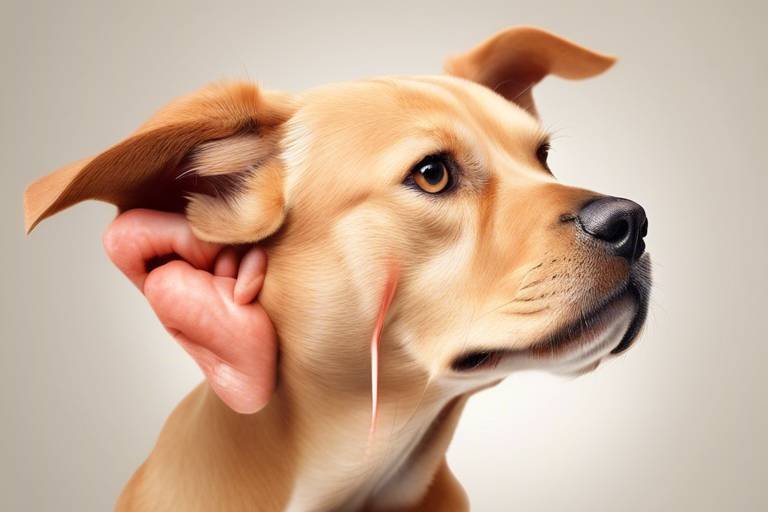
Ear infections in pets can be a real pain—literally! They can affect our furry friends in various ways, and as loving pet owners, it’s crucial for us to recognize the signs early on. Just like humans, pets can suffer from ear infections, which can lead to discomfort and serious health issues if left untreated. In this article, we will explore the common signs of ear infections, the causes behind them, and why seeking veterinary care is essential for your pet’s well-being.
Ear infections can affect pets of all ages and breeds. In simple terms, an ear infection occurs when bacteria, yeast, or parasites invade the ear canal, leading to inflammation and discomfort. There are two primary types of ear infections in pets: otitis externa, which affects the outer ear canal, and otitis media, which impacts the middle ear. Understanding these infections is vital because they can significantly impact your pet’s overall health and happiness. If you notice any signs, don’t brush them off; they could lead to more severe complications!
Recognizing the symptoms of an ear infection is crucial for prompt treatment. Many pet owners might overlook subtle signs, but knowing what to look for can make all the difference. Here are some common symptoms to keep an eye on:
Pets may exhibit various physical signs of discomfort due to ear infections. You might notice your furry friend shaking their head excessively or scratching at their ears more than usual. These behaviors are not just quirks; they indicate that something is wrong. Additionally, watch for signs of pain, such as whimpering or avoiding touch around their ears. It’s a bit like having a splinter; you just can’t ignore the irritation!
Changes in behavior can indicate an underlying issue. If your usually playful pup suddenly becomes withdrawn or irritable, it could be a sign of an ear infection. Pets are masters at hiding their discomfort, but just like us, they can become grumpy when something isn’t right. Keep an eye out for any shifts in their normal behavior, as this can often be the first clue that they need help.
An unusual odor can be a telltale sign of an ear infection. If you notice a foul smell coming from your pet’s ears, it’s time to investigate further. This odor can be a result of bacteria or yeast overgrowth, which often accompanies infections. Trust your nose—if it smells off, it probably is! Identifying and interpreting these smells can help you determine whether it’s time to consult your veterinarian.
Visual indicators can provide important clues about your pet’s ear health. When examining your pet’s ears, look for signs such as redness, swelling, or discharge. If you see any brown or yellowish discharge, it’s a strong indicator of an infection. Think of it like checking the oil in your car; you want to make sure everything looks clean and clear. If you spot any abnormalities, don’t hesitate to reach out to your vet.
Understanding the causes of ear infections can help in prevention. Several factors can contribute to ear infections in pets, and being aware of these can save your pet from unnecessary discomfort.
Allergies can significantly contribute to ear infections in pets. Whether it’s food allergies or environmental sensitivities, these issues can lead to inflammation and infection in the ear canal. Just like how pollen can make us sneeze, allergens can cause your pet’s ears to become inflamed and vulnerable to infections. Identifying and managing these allergies can help keep your pet’s ears healthy and infection-free.
Moisture and wax buildup are common culprits in ear infections. If your pet loves swimming or bathing, water can get trapped in their ears, creating a perfect breeding ground for bacteria. Additionally, excessive wax can block the ear canal, leading to infections. Regularly checking and cleaning your pet’s ears can help prevent these issues. Think of it as routine maintenance; a little care goes a long way in keeping your pet healthy!
Knowing when to consult a veterinarian is key to your pet’s health. If you observe any of the symptoms mentioned above, especially if they persist for more than a day or two, it’s time to make that phone call. Don’t wait for the situation to worsen; early intervention is crucial for effective treatment. Your veterinarian can provide a proper diagnosis and treatment plan tailored to your pet’s needs.
- How can I prevent ear infections in my pet? Regular ear cleaning and keeping your pet dry after baths can help prevent infections.
- Can I treat my pet’s ear infection at home? It’s best to consult a veterinarian for appropriate treatment. Home remedies can sometimes worsen the condition.
- What breeds are more prone to ear infections? Breeds with floppy ears, like Cocker Spaniels and Basset Hounds, are more susceptible to ear infections.
Understanding Ear Infections in Pets
Ear infections can affect pets of all ages and breeds, and they are more common than you might think. Just like humans, pets can suffer from various types of ear infections that can lead to discomfort and serious health issues if not addressed promptly. An ear infection occurs when bacteria, yeast, or parasites invade the ear canal, causing inflammation and infection. It’s crucial for pet owners to understand what ear infections are, the different types, and their potential impact on your furry friend’s overall health.
There are primarily two types of ear infections in pets: otitis externa, which affects the outer ear canal, and otitis media, which involves the middle ear. Each type can stem from different causes and may exhibit unique symptoms. For instance, otitis externa is often associated with allergies, moisture, or foreign bodies, while otitis media can result from untreated otitis externa or systemic infections. The health of your pet’s ears is vital, as untreated infections can lead to more severe complications, including hearing loss or even spread to other areas of the body.
One of the most alarming aspects of ear infections is how they can silently affect your pet. Imagine your pet being unable to communicate their discomfort; they might not show obvious signs at first. Instead, they may exhibit subtle changes in behavior, which can make it difficult for pet owners to recognize the problem early on. Therefore, being proactive and understanding the signs of ear infections can make a significant difference in your pet’s health and comfort.
In addition to being aware of the types of ear infections, it’s essential to recognize a few common risk factors that can increase your pet’s susceptibility to these infections. Factors such as allergies, excessive moisture, and earwax buildup can create a perfect storm for infections to thrive. For instance, pets that frequently swim or are bathed often may have moisture trapped in their ears, leading to an ideal environment for bacteria. Moreover, pets with floppy ears, like Cocker Spaniels or Basset Hounds, are more prone to ear infections due to reduced airflow in their ear canals.
Understanding ear infections in pets is about more than just recognizing symptoms; it’s about fostering a proactive approach to your pet’s health. Regular check-ups with your veterinarian, maintaining proper ear hygiene, and being vigilant about any changes in your pet’s behavior can significantly reduce the risk of ear infections. Remember, a healthy pet is a happy pet!
Common Symptoms to Watch For
Recognizing the symptoms of an ear infection in your pet is crucial for ensuring their health and comfort. Ear infections can lead to serious complications if left untreated, so being vigilant can make all the difference. You might be wondering, “What should I look for?” Well, let’s dive into some of the most common signs that could indicate your furry friend is suffering from an ear infection.
One of the first things you might notice is a change in your pet’s behavior. If they’re suddenly more irritable or withdrawn, it could be a sign that something’s not right. Pets are great at masking their discomfort, but changes in behavior often reveal underlying issues. For instance, a normally playful pup might become lethargic, or your usually cuddly cat might start avoiding you. These shifts are your pet’s way of signaling that they need help.
Physical signs of discomfort are also prevalent in pets dealing with ear infections. You might see them shaking their heads frequently, as if trying to rid themselves of an annoying itch. Scratching at their ears is another behavior that screams for attention. If your pet is persistently pawing at their ears or rubbing them against furniture, it’s time to take notice. These actions can indicate that they are experiencing significant discomfort or pain, which often accompanies ear infections.
Moreover, don’t neglect to check for any unusual odors emanating from your pet’s ears. A foul smell can be a telltale sign of an infection, often due to the buildup of bacteria or yeast. If your pet’s ears have an unpleasant odor, it’s a key indicator that something is amiss. It’s essential to investigate further, as this could lead you to the root of the problem.
Visual indicators are also critical in assessing your pet’s ear health. When examining your pet’s ears, look for signs such as redness, swelling, or discharge. An ear that appears inflamed or has a brown, yellow, or bloody discharge is a strong indication of an infection. If you notice any of these symptoms, it’s crucial to consult your veterinarian promptly.
In summary, being aware of these common symptoms can help you catch ear infections early. Your pet relies on you to notice these changes and to seek help when needed. If you observe any of the signs mentioned—behavioral changes, physical signs of discomfort, unusual odors, or visual indicators—don’t hesitate to reach out to your veterinarian for a thorough examination. After all, a happy pet is a healthy pet!
Q: How can I clean my pet’s ears safely?
A: It’s best to consult your veterinarian for advice on cleaning your pet’s ears. They can recommend safe cleaning solutions and techniques tailored to your pet’s specific needs.
Q: Can ear infections be prevented?
A: While not all ear infections can be prevented, maintaining proper ear hygiene and addressing allergies can significantly reduce the risk. Regular veterinary check-ups can also help catch potential issues early.
Q: How long does it take for an ear infection to heal?
A: Healing time can vary depending on the severity of the infection and the treatment administered. Typically, you should see improvement within a few days of starting treatment, but always follow your veterinarian’s advice.
Q: Are certain breeds more prone to ear infections?
A: Yes, some breeds with floppy ears or excessive hair in their ear canals, such as Cocker Spaniels or Poodles, are more susceptible to ear infections. Regular ear checks and grooming can help mitigate this risk.
Physical Signs of Discomfort
When it comes to our furry friends, their ability to communicate discomfort can often be a bit of a mystery. Unlike humans, pets can’t tell us in words that something’s wrong, so we must rely on their behavior and physical signs. If your pet is suffering from an ear infection, you might notice them shaking their head more than usual. This head-shaking can be an instinctive attempt to relieve the discomfort or itchiness in their ears. Imagine having an annoying itch that you just can’t reach; you’d probably shake your head too!
Another common sign to watch for is scratching at their ears. If you see your pet pawing at their ears or rubbing them against furniture, it’s a clear indication that something isn’t right. Think of it as their way of saying, “Hey, I’ve got a problem here!” This behavior can be accompanied by other physical signs, such as whining or yelping, which may indicate pain. It’s essential to pay attention to these vocalizations, as they can give you insight into how uncomfortable your pet is feeling.
Additionally, you might observe your pet displaying signs of general unrest. This could manifest as restlessness, where they can’t seem to settle down, or even a sudden increase in irritability. If your usually playful pup turns into a grumpy companion, it might be time to investigate further. Just like humans, pets can become short-tempered when they’re in pain or discomfort.
Lastly, when examining your pet, look for changes in their posture. A pet that is experiencing ear pain may hold their head at an unusual angle or avoid certain movements altogether. It’s almost as if they’re trying to protect their ears from any additional discomfort. If you notice these behaviors, it’s crucial to consult with a veterinarian to determine the underlying cause.
In summary, keeping an eye out for these physical signs of discomfort can help you catch an ear infection early. The sooner you recognize the symptoms, the quicker you can provide your pet with the relief they need. Remember, your pet relies on you to be their voice, so stay vigilant and proactive about their health!
- How can I tell if my pet has an ear infection? Look for signs such as head shaking, scratching at the ears, unusual odors, and changes in behavior.
- What should I do if I suspect my pet has an ear infection? It’s best to consult a veterinarian for a proper diagnosis and treatment plan.
- Can ear infections be prevented? Yes, regular ear cleaning and monitoring for allergies can help prevent ear infections in pets.
- Are certain breeds more prone to ear infections? Yes, breeds with floppy ears or excessive ear wax production are generally more susceptible.
Changes in Behavior
When it comes to our furry friends, their behavior often speaks volumes about their health. If your pet is suffering from an ear infection, you might notice some significant changes in their usual demeanor. For instance, many pets that typically exhibit a friendly and playful attitude may become more withdrawn or irritable. It’s almost as if they’re trying to tell you something is off, but they can’t quite put it into words. Instead of the usual tail-wagging excitement, you might find them sulking in a corner or avoiding interaction.
Another common behavioral change is an increase in aggression or defensiveness. Pets in discomfort may feel vulnerable and, as a result, could react negatively to touch or even sudden movements. This is particularly important to note, as a normally docile pet might snap if you inadvertently touch their ears. It’s essential to approach them with caution and empathy during this time.
Additionally, you might observe that your pet is less interested in their favorite activities. Whether it’s chasing a ball or begging for treats, a sudden lack of enthusiasm can be a red flag. Pets may also exhibit signs of anxiety, such as pacing or excessive vocalization, which can be distressing to witness. If you notice any of these behavioral changes, it’s crucial to take a step back and assess whether your pet might be suffering from an ear infection or another health issue.
In summary, paying attention to your pet’s behavioral shifts can be a vital part of identifying potential health problems. If you notice any of the following changes, it may be time to consult your veterinarian:
- Increased withdrawal or isolation
- Uncharacteristic aggression or defensiveness
- Loss of interest in favorite activities
- Signs of anxiety such as pacing or excessive barking
Being observant and responsive to these changes can help ensure your pet receives the care they need before a minor issue turns into a more serious health concern.
Q: How can I tell if my pet has an ear infection?
A: Look for signs like shaking their head, scratching at their ears, changes in behavior, and unusual odors coming from the ears.
Q: What should I do if I suspect my pet has an ear infection?
A: It’s best to consult your veterinarian for a proper diagnosis and treatment plan.
Q: Are certain breeds more prone to ear infections?
A: Yes, some breeds with floppy ears or excessive ear wax production are more susceptible to ear infections.
Q: Can I treat my pet’s ear infection at home?
A: Home treatments are not recommended without veterinary guidance, as improper care can worsen the infection.
Unusual Odors
When it comes to our beloved pets, one of the most alarming signs of an ear infection is the presence of . If you’ve ever caught a whiff of something off while petting your furry friend, it might be time to investigate further. The ears are a warm, moist environment, and when an infection strikes, they can produce a smell that’s anything but pleasant. Think of it like a forgotten gym bag that’s been left in the back of your closet for too long—definitely not something you want to ignore!
Typically, a healthy ear should have a faint, neutral smell. However, an ear infection can lead to a range of odors, often described as foul or musty. You might notice a scent that resembles yeast or mold, which indicates a potential fungal infection, or a pungent, rancid smell that suggests a bacterial infection. Not only are these odors unpleasant, but they also serve as a crucial warning sign that your pet needs attention.
Here are some common types of odors you might encounter:
- Yeasty Smell: Often associated with fungal infections, this odor can be quite strong and may indicate an overgrowth of yeast in the ear canal.
- Foul or Rancid Odor: This smell can suggest a bacterial infection, which requires immediate veterinary attention.
- Musty or Moldy Odor: Indicative of moisture buildup, this can be a sign of both bacterial and fungal infections.
If you notice any of these unpleasant smells, it’s essential to act quickly. The longer an infection goes untreated, the more severe it can become, potentially leading to chronic issues or even hearing loss. So, if your pet’s ears are emitting these unusual odors, don’t hesitate to consult your veterinarian. They can provide a thorough examination and appropriate treatment to get your furry friend back to their happy, healthy self!
Q: What should I do if I notice an unusual odor coming from my pet’s ears?
A: If you detect an unusual odor, it’s best to consult your veterinarian as soon as possible. They can diagnose the issue and recommend appropriate treatment.
Q: Can I clean my pet’s ears at home?
A: While you can clean your pet’s ears at home, it’s important to use products specifically designed for ear cleaning. Always consult your veterinarian for guidance on how to do this safely.
Q: Are certain breeds more prone to ear infections?
A: Yes, some breeds with floppy ears or those that are prone to allergies may be more susceptible to ear infections. Regular ear checks can help catch issues early.
Visual Indicators
When it comes to your pet’s health, being observant can make all the difference. are key signs that can help you determine the state of your furry friend’s ears and whether they might be suffering from an infection. Regularly inspecting your pet’s ears is crucial, not just during grooming sessions but as a part of your routine care. So, what exactly should you look for?
First and foremost, redness is a significant visual cue. If you notice that the inside of your pet’s ears appears more red than usual, it could indicate inflammation, which is often associated with infections. This redness can be a sign that your pet is experiencing discomfort, so keep an eye out for any changes in color.
Next, discharge is another telltale sign of an ear infection. If you see any unusual discharge coming from your pet’s ears, it’s time to take notice. The discharge can vary in color and consistency; it could be yellow, brown, or even black, and may have a foul smell. This can be a result of bacteria or yeast overgrowth, and it’s essential to address it promptly. Here’s a quick breakdown of what different types of discharge could mean:
| Discharge Color | Possible Cause |
|---|---|
| Yellow | Bacterial infection |
| Brown | Ear mites or wax buildup |
| Black | Yeast infection |
Additionally, when examining your pet’s ears, pay attention to any signs of swelling. Swollen ears can indicate a serious underlying issue, such as an infection or even a hematoma (a collection of blood outside of blood vessels). If you notice that your pet’s ears are puffy or inflamed, it’s best to consult your veterinarian for further examination.
Lastly, don’t underestimate the importance of ear canal odor. A foul smell emanating from your pet’s ears can be a strong indicator of an infection. Healthy ears should not have a noticeable odor, so if you catch a whiff of something unpleasant, it’s a signal that something is amiss. Trust your instincts; if it smells bad, it likely is bad!
In conclusion, keeping an eye out for these can help you catch ear infections early, allowing for prompt treatment and a quicker recovery for your beloved pet. Remember, regular ear checks are an essential part of pet care, and if you spot any of these signs, don’t hesitate to reach out to your veterinarian.
- How often should I check my pet’s ears? It’s a good practice to check your pet’s ears at least once a week, especially if they are prone to ear infections.
- Can ear infections be prevented? Yes, maintaining proper ear hygiene, keeping your pet’s ears dry, and managing allergies can help prevent ear infections.
- What should I do if I suspect my pet has an ear infection? If you notice any signs of an ear infection, it’s best to consult with your veterinarian for a proper diagnosis and treatment plan.
Causes of Ear Infections
Understanding the causes of ear infections in pets is essential for effective prevention and management. Ear infections can arise from a variety of factors, and being aware of these can help you take proactive steps to protect your furry friend. One of the most significant contributors to ear infections is allergies. Just like humans, pets can suffer from food or environmental allergies that lead to inflammation in their ears. For instance, if your pet is allergic to certain foods or pollen, their immune system may react by producing excess wax and causing irritation, creating a perfect breeding ground for bacteria and yeast.
Another common cause of ear infections is moisture and wax buildup. Pets that frequently swim or are bathed too often may have moisture trapped in their ears, which can lead to infections. Additionally, some breeds, particularly those with floppy ears, are more prone to this issue because their ear canals are less ventilated. When combined with wax buildup, this moisture can create an ideal environment for pathogens to thrive.
It’s also important to consider ear mites, which are tiny parasites that can infest your pet’s ears, leading to inflammation and secondary infections. These pesky critters are more common in young animals and can cause intense itching and discomfort. If you notice your pet shaking their head or scratching at their ears excessively, it might be a sign of ear mites.
Lastly, other underlying health issues such as hormonal imbalances or immune system disorders can make pets more susceptible to ear infections. For example, pets with hypothyroidism may experience skin and ear problems due to hormonal deficiencies. Therefore, it’s crucial to maintain regular veterinary check-ups to identify and manage any health issues that could contribute to ear infections.
In summary, the causes of ear infections in pets can be varied and complex. By understanding these factors, you can help prevent ear infections and keep your pet happy and healthy. If you suspect that your pet may be suffering from an ear infection, don’t hesitate to consult your veterinarian for a proper diagnosis and treatment plan.
- What are the common signs of an ear infection in pets? Look for symptoms such as head shaking, scratching at the ears, unusual odors, and changes in behavior.
- Can ear infections be prevented? Yes, regular ear cleaning and keeping your pet’s ears dry can help prevent infections.
- When should I take my pet to the vet for an ear infection? If you notice any signs of discomfort, unusual smells, or persistent symptoms, it’s best to seek veterinary care.
Allergies and Sensitivities
When it comes to our beloved pets, allergies and sensitivities can be more than just a nuisance; they can be a gateway to serious health issues, including ear infections. Just like humans, pets can have allergic reactions to a variety of substances, and these reactions can manifest in ways that might surprise you. It’s essential to understand how allergies can lead to ear infections, as this knowledge can empower you to take proactive steps in keeping your furry friend healthy and happy.
Allergies in pets often stem from two main sources: environmental factors and food. Environmental allergens can include pollen, dust mites, mold, and even certain chemicals found in household cleaners. Food allergies, on the other hand, may arise from specific ingredients in your pet’s diet, such as proteins or grains. When a pet is exposed to an allergen, their immune system can overreact, leading to inflammation. This inflammation can extend beyond the skin and into the ear canal, creating a perfect storm for infection.
When pets experience allergic reactions, they may display a range of symptoms that can serve as red flags. Here are some common indicators:
- Itching and Scratching: If you notice your pet scratching at their ears or shaking their head frequently, it could be a sign that they are uncomfortable due to an allergic reaction.
- Redness and Swelling: Allergies can cause irritation, leading to redness and swelling in the ear area, which is often accompanied by excessive wax buildup.
- Ear Discharge: Watch for any unusual discharge from the ears, which can range from clear to brown or even bloody, indicating a potential infection.
Managing allergies effectively is crucial in preventing ear infections. Regular vet check-ups are essential for identifying allergens and determining the best course of action. Your veterinarian might suggest allergy testing or dietary changes to help pinpoint the source of the problem. Additionally, keeping your home clean and free of dust and allergens can significantly reduce your pet’s exposure to irritants.
In conclusion, understanding the link between allergies and ear infections is vital for any pet owner. By being vigilant and proactive, you can help your furry friend avoid the discomfort and potential health issues associated with ear infections. Remember, a happy pet is a healthy pet, and addressing allergies promptly can make all the difference in their quality of life.
Q: How can I tell if my pet has an allergy?
A: Look for signs such as excessive itching, redness, swelling, or unusual ear discharge. If you notice these symptoms, consult your veterinarian.
Q: Can ear infections be prevented?
A: Yes, regular cleaning of your pet’s ears and managing allergies can help prevent ear infections.
Q: What should I do if I suspect my pet has an ear infection?
A: It’s best to take your pet to the veterinarian for a proper diagnosis and treatment plan.
Moisture and Wax Buildup
When it comes to ear infections in pets, one of the most common culprits is . Just like a damp, dark basement can become a breeding ground for mold, your pet’s ears can turn into a cozy home for bacteria and yeast if they are not kept dry and clean. This is especially true for pets that love to swim or play in water. If you’ve ever noticed your dog shaking their head or scratching at their ears after a bath or a swim, it’s not just for show; they may be trying to rid themselves of trapped moisture.
Wax, while it serves a protective purpose, can also become problematic when it accumulates excessively. Think of earwax as a shield that protects the ear canal from dirt and debris, but when it builds up, it can create a blockage that traps moisture and fosters an environment ripe for infection. If you notice your pet’s ears looking a bit too waxy, it’s crucial to take action before it escalates into a full-blown infection.
Additionally, certain breeds are more prone to ear issues due to their ear structure. For instance, breeds with floppy ears, like Cocker Spaniels and Basset Hounds, are particularly susceptible to moisture retention. Their ear flaps can trap moisture and wax, creating a perfect storm for infection. Regular ear cleaning can help prevent this buildup, but it’s essential to do it correctly. Using the wrong cleaning solutions or techniques can worsen the situation, so always consult your veterinarian for recommendations.
In summary, keeping an eye on your pet’s ear health is paramount. If you suspect that moisture or wax buildup might be an issue, consider scheduling a veterinary appointment. Early intervention can save your pet from discomfort and potential health complications. Remember, prevention is always better than cure!
When to Seek Veterinary Care
Knowing when to consult a veterinarian is crucial for your pet’s well-being. Ear infections can escalate quickly, leading to more severe health issues if left untreated. So, how do you know when it’s time to make that call? Here are some key indicators that should raise a red flag:
- Persistent Symptoms: If your pet is showing signs of discomfort, such as shaking their head or scratching at their ears, for more than a day or two, it’s time to seek help. These symptoms often indicate that the infection is not just a passing annoyance.
- Swelling or Redness: Upon examining your pet’s ears, if you notice any swelling, redness, or heat, you should contact your vet. These visual signs can indicate a serious infection that requires immediate attention.
- Discharge: Any unusual discharge, especially if it’s foul-smelling or discolored, is a strong sign that your pet needs veterinary care. This could be a sign of a bacterial or yeast infection.
- Behavioral Changes: If your usually playful pet becomes withdrawn, irritable, or displays signs of pain when you touch their ears, these behavioral shifts can be a cry for help. Animals often hide their discomfort, so any noticeable change is worth investigating.
- Loss of Balance: If your pet is staggering or having trouble maintaining balance, this could indicate that the infection has spread to the inner ear. This is a serious condition that requires immediate veterinary attention.
In addition to these signs, it’s important to remember that some pets may not exhibit obvious symptoms. For instance, older pets or those with chronic health issues might mask their discomfort better than younger, more energetic animals. Therefore, regular check-ups and being attuned to your pet’s normal behavior are essential.
If you suspect your pet has an ear infection, don’t wait for symptoms to worsen. Early intervention can often lead to a quicker recovery and less discomfort for your furry friend. A veterinarian will conduct a thorough examination, which may include looking inside the ear with an otoscope and possibly taking samples for laboratory analysis. This can help determine the exact cause of the infection, whether it’s bacterial, fungal, or due to allergies.
In summary, being proactive about your pet’s ear health can save them from unnecessary pain and complications. If in doubt, it’s always better to err on the side of caution and consult with your veterinarian. Your pet relies on you to recognize when something is off, so trust your instincts and seek help when needed!
Q: How are ear infections diagnosed in pets?
A: A veterinarian will typically perform a physical examination of the ear and may use an otoscope to look deeper into the ear canal. They might also take samples to identify the type of infection.
Q: Can ear infections in pets be prevented?
A: While not all ear infections can be prevented, keeping your pet’s ears clean and dry, managing allergies, and scheduling regular veterinary check-ups can significantly reduce the risk.
Q: What treatments are available for ear infections in pets?
A: Treatment often includes cleaning the ear canal, topical medications, or oral antibiotics, depending on the severity and type of infection. Always follow your vet’s instructions for the best results.
Q: Are certain breeds more prone to ear infections?
A: Yes, breeds with floppy ears, such as Cocker Spaniels and Basset Hounds, are more susceptible due to reduced airflow in the ear canal, which can lead to moisture buildup and infections.
Frequently Asked Questions
- What are the common signs of an ear infection in pets?
Common signs of ear infections in pets include shaking their heads frequently, scratching at their ears, and displaying signs of discomfort or pain. You might also notice unusual odors coming from their ears, along with redness or discharge. If your furry friend seems more irritable or withdrawn than usual, it could be a sign that something’s not right.
- How can I tell if my pet’s ear infection is serious?
If your pet is exhibiting severe symptoms like persistent head shaking, significant discomfort, or if you observe a lot of discharge or a strong odor, it’s time to seek veterinary care. A serious ear infection can lead to more severe health issues if not treated promptly, so don’t hesitate to get professional help.
- What causes ear infections in pets?
Ear infections in pets can be caused by a variety of factors, including allergies, moisture buildup, and wax accumulation. Allergies can lead to inflammation, while moisture and wax can create a breeding ground for bacteria. Keeping your pet’s ears clean and dry is essential in preventing infections.
- Can I treat my pet’s ear infection at home?
While it might be tempting to try home remedies, it’s crucial to consult your veterinarian first. They can provide a proper diagnosis and recommend suitable treatments. Using inappropriate treatments can sometimes worsen the situation, so professional guidance is always the best route.
- How can I prevent ear infections in my pet?
Preventing ear infections involves regular ear cleaning and ensuring your pet’s ears are dry after baths or swimming. Additionally, keeping an eye on any allergies your pet may have and addressing them promptly can help reduce the risk of infections. Regular check-ups with your vet can also catch potential issues before they escalate.
- When should I take my pet to the vet for an ear infection?
If you notice any of the symptoms mentioned earlier, especially if they persist for more than a day or two, it’s time to visit the vet. Immediate care is essential if your pet is experiencing severe pain, swelling, or if the infection seems to be spreading. Better safe than sorry!
ear infection, pets, signs, symptoms, treatment, discomfort, veterinary care, prevention, , ear infection, pets, signs, symptoms, treatment, discomfort, veterinary care, prevention,
Share this content:
Leave a Reply