
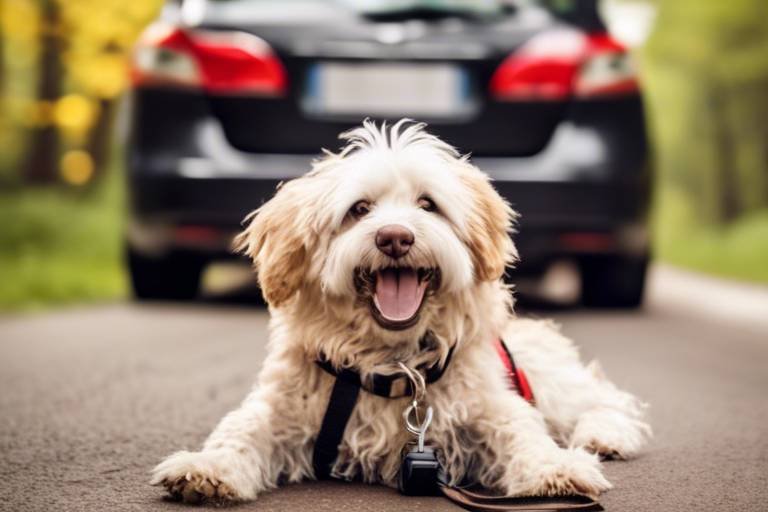
Traveling with your furry friend can be one of the most rewarding experiences, but it also comes with its fair share of challenges. Imagine cruising down the highway with your dog’s ears flapping in the wind or your cat peacefully purring beside you. However, what happens if an unexpected emergency arises during your journey? The thought can be overwhelming, but with the right preparation, you can keep your pet safe and sound. In this article, we’ll dive into essential tips and strategies that every pet owner should know to handle emergencies effectively while on the go. So, buckle up and let’s ensure your travel adventures are as safe as they are fun!
Before hitting the road, it’s crucial to familiarize yourself with common pet emergencies that can occur while traveling. From sudden illnesses to injuries, being prepared can make all the difference. Picture this: your dog suddenly limps after jumping out of the car, or your cat develops a strange cough during a long trip. These scenarios can be alarming, but knowing how to respond quickly can save your pet’s life. Common emergencies include:
- Injuries: Cuts, scrapes, or broken bones can happen unexpectedly.
- Illnesses: Allergic reactions, vomiting, or diarrhea can strike at any time.
- Heatstroke: Pets left in hot vehicles can suffer from severe heat exhaustion.
- Lost Pets: Pets can escape from their carriers or during rest stops.
By understanding these situations, you can prepare yourself to act swiftly and effectively, ensuring your pet receives the care they need without delay.
When it comes to traveling with pets, packing the right supplies is not just a good idea; it’s essential. Think of it as your pet’s travel survival kit! Imagine being on the road and realizing you don’t have the necessary items to address an emergency. It can be a nightmare! Here’s a list of essential supplies every pet owner should bring along:
- First Aid Kit: A well-stocked first aid kit can be a lifesaver.
- Food and Water: Always have enough food and fresh water for your pet.
- Medications: Bring any necessary medications your pet requires.
- Identification: Ensure your pet has a collar with ID tags and consider microchipping.
By keeping these supplies handy, you’re setting yourself up for a smooth journey, no matter what surprises come your way.
A well-stocked first aid kit can make a significant difference in emergencies. Think of it as your pet’s personal medic on the road! Here’s what you should include in your pet’s first aid kit:
| Item | Purpose |
|---|---|
| Gauze and Bandages | To cover wounds and prevent infection. |
| Antiseptic Wipes | For cleaning cuts and scrapes. |
| Adhesive Tape | To secure bandages in place. |
| Thermometer | To check for fever. |
| Emergency Blanket | To keep your pet warm in shock. |
Having these items ready can empower you to act quickly and effectively in case of an emergency.
Keeping your pet’s medications and health records handy is vital. Imagine being in a foreign place and needing to provide a vet with your pet’s medical history. It can be stressful! Always pack a copy of your pet’s health records, including vaccination history and any ongoing treatments. This information can be crucial for any vet you might consult while traveling. Additionally, carry a supply of any medications your pet requires, ensuring you have enough for the duration of your trip.
Having a list of emergency contacts can save time in critical situations. Imagine your pet gets injured, and you need to find a vet fast. Having this information organized is key! Include:
- Your regular veterinarian’s contact information
- Local veterinary clinics in your travel area
- Emergency pet hospitals
Keep this list in your travel kit or on your phone for quick access. It’s a small step that can lead to a big difference in a time of need!
Knowing where to find local veterinary services is essential when traveling. Before you embark on your journey, do a little research to identify nearby vets in case of emergencies. Use online resources, apps, or even ask fellow pet owners for recommendations. Having this information at your fingertips can significantly reduce stress and ensure your pet gets the care they need without delay.
Proper training can prepare your pet for the travel experience and potential emergencies. Think of it as a crash course for your furry friend! Training not only helps your pet adapt but also ensures they remain calm and responsive while on the road. It’s all about creating a positive travel experience for both of you.
Utilizing behavioral training techniques can help your pet adapt to travel. Start with basic commands like “sit” and “stay,” which can be invaluable during travel. Gradually expose your pet to car rides and new environments, rewarding them for calm behavior. This positive reinforcement will help your pet associate travel with good experiences, making it easier for them to handle various situations.
Desensitizing your pet to new environments can reduce anxiety. Gradually acclimate your pet to different travel settings by introducing them to various locations before your trip. Take them on short outings to parks, pet-friendly stores, or even friends’ houses. The more familiar they become with different environments, the less anxious they’ll be during your travels.
Developing a comprehensive emergency plan is crucial for pet owners. It’s like having a safety net that ensures you’re prepared for the unexpected. Think of it as your travel insurance for your pet’s well-being. Your plan should address potential travel emergencies effectively.
Choosing a reliable caregiver for your pet can provide peace of mind. In case of emergencies, having someone who knows your pet’s needs can make all the difference. When selecting a caregiver, consider their experience with pets, availability, and their willingness to follow your emergency plan. This way, you can travel with confidence, knowing your furry friend is in good hands.
Effective communication can streamline emergency responses. Discuss your pet’s needs and emergency plan with anyone traveling with you. Ensure they understand what to do in case of an emergency, including how to administer first aid or where to find veterinary services. This proactive approach can save precious time and help your pet get the care they need quickly.
Q: What should I do if my pet gets lost while traveling?
A: Stay calm! Immediately search the area, call local animal shelters, and post on social media. Having your pet microchipped and wearing a collar with ID tags can significantly increase the chances of a quick reunion.
Q: How can I prevent motion sickness in my pet during travel?
A: Gradually acclimate your pet to car rides, start with short trips, and consider consulting your vet for medications or tips on managing motion sickness.
Q: Is it safe to leave my pet in the car while I run errands?
A: It’s generally not safe to leave pets in the car, especially in hot weather. If you must leave them, ensure the car is well-ventilated and the temperature is comfortable.
Q: What should I do if my pet has a medical emergency while traveling?
A: Remain calm, assess the situation, and contact a local vet immediately. Having a first aid kit and emergency contact list can be invaluable in these situations.
Understanding Common Pet Emergencies
When you’re on the road with your furry friend, the last thing you want is to face a pet emergency. However, being prepared for the unexpected can make all the difference. Understanding common pet emergencies can help you respond quickly and effectively, ensuring your pet’s safety and well-being. From minor injuries to sudden illnesses, knowing what to look out for is essential.
One of the most frequent emergencies pet owners encounter while traveling is injuries. Whether it’s a cut from sharp objects, a sprain from jumping out of the car, or even a more serious injury from an accident, being aware of how to assess and treat these injuries is crucial. For instance, if your pet cuts their paw, you need to know how to clean the wound and apply a bandage properly. This type of knowledge can prevent infections and further complications.
Another common scenario is gastrointestinal issues. Pets can be sensitive to changes in their diet, and travel often disrupts their routine. If your pet experiences vomiting or diarrhea, it can quickly escalate into dehydration, which is especially dangerous on the road. Recognizing the signs early, such as lethargy or refusal to eat, can help you take action before the situation worsens.
Allergies are also something to consider. Just like humans, pets can suffer from allergic reactions, which can be triggered by various factors while traveling, including new foods, environmental changes, or even insect bites. Symptoms may include itching, swelling, or difficulty breathing. It’s vital to have antihistamines on hand and know how to administer them if needed.
In addition to these emergencies, heatstroke is a serious concern, especially during summer travels. Pets can overheat quickly, particularly in enclosed spaces like cars. Signs of heatstroke include excessive panting, drooling, and lethargy. If you notice these symptoms, it’s critical to cool your pet down immediately and seek veterinary assistance.
To help you further understand these emergencies, here’s a quick overview of common pet emergencies you might face while traveling:
| Emergency Type | Symptoms | Initial Response |
|---|---|---|
| Injury | Cuts, limping, bleeding | Clean the wound, apply pressure, bandage if necessary |
| Gastrointestinal Issues | Vomiting, diarrhea, lethargy | Monitor for dehydration, consult a vet if severe |
| Allergic Reaction | Itching, swelling, difficulty breathing | Administer antihistamines, seek vet care immediately |
| Heatstroke | Excessive panting, drooling, weakness | Cool down with water, seek veterinary help |
Understanding these emergencies not only prepares you for the worst but also gives you peace of mind while traveling. Always remember, being proactive and informed is your best defense against any unexpected situations that may arise on your journey with your beloved pet.
Essential Travel Supplies for Pets
When embarking on an adventure with your furry friend, it’s crucial to ensure you have all the essential travel supplies to keep them safe and comfortable. Just like you wouldn’t hit the road without packing your essentials, your pet deserves the same level of preparation. Imagine being on a long road trip and realizing you forgot their favorite blanket or, worse, their medication! The thought alone can send shivers down any pet owner’s spine. So, let’s dive into what you absolutely need to bring along for a smooth journey.
First and foremost, a well-stocked first aid kit is a must-have. This isn’t just a suggestion; it’s a necessity! Accidents can happen anywhere, and having the right supplies can be the difference between a minor inconvenience and a major emergency. Your first aid kit should include:
- Adhesive bandages and gauze
- Antiseptic wipes
- Hydrogen peroxide (for cleaning wounds)
- Pet-safe pain relievers
- Emergency blanket
- Contact information for your veterinarian
Next up is food and water. You know how cranky you can get when you’re hungry or thirsty? Your pet feels the same way! Make sure to pack enough food for the duration of your trip, plus a little extra in case of delays. Don’t forget a collapsible water bowl to keep them hydrated on the go. It’s a small item that can make a big difference in your pet’s comfort.
Another essential is a sturdy pet carrier or travel crate. This isn’t just about transportation; it’s about creating a safe space for your pet. A well-ventilated carrier can help reduce anxiety and provide a sense of security as you travel. Make sure it’s appropriately sized—your pet should be able to stand up, turn around, and lie down comfortably. You wouldn’t want to be cramped up in a tiny space for hours, right?
Additionally, don’t forget about identification tags and microchips. In the unfortunate event that your pet gets lost, having up-to-date identification is vital. Ensure your pet’s tag has your current contact information, and consider getting your pet microchipped for an extra layer of security. It’s like having a safety net that can help reunite you with your furry friend if they wander off.
Lastly, consider bringing along some of your pet’s favorite toys or blankets. Familiar items can provide comfort and reduce anxiety during travel. Think of it as packing a piece of home for your pet. Just a simple toy can make them feel more at ease in unfamiliar surroundings.
In summary, preparing for travel with your pet involves more than just packing a bag. It’s about ensuring their safety, comfort, and well-being throughout the journey. By having the right supplies on hand, you can focus on enjoying your adventure together instead of worrying about what you forgot at home.
Q: What should I include in a pet first aid kit?
A: Your pet first aid kit should include adhesive bandages, antiseptic wipes, hydrogen peroxide, pet-safe pain relievers, an emergency blanket, and your veterinarian’s contact information.
Q: How much food should I pack for my pet?
A: Pack enough food for the duration of your trip plus a little extra in case of delays. It’s always better to have more than you need!
Q: Is a pet carrier necessary for travel?
A: Yes, a sturdy pet carrier or travel crate is essential for transportation and provides a safe space for your pet during the journey.
Q: How can I help my pet feel comfortable while traveling?
A: Bring familiar items like toys or blankets to provide comfort and reduce anxiety during travel.
First Aid Kits for Pets
When it comes to traveling with your furry companions, being prepared can mean the difference between a minor hiccup and a major crisis. One of the most important tools in your pet travel arsenal is a well-stocked first aid kit. Just like you wouldn’t embark on a road trip without your own emergency supplies, your pet deserves the same level of preparedness. A first aid kit specifically designed for pets can help you address injuries or health issues promptly, ensuring your pet’s safety and comfort on the road.
So, what should you include in your pet’s first aid kit? While every pet’s needs may vary, there are some essential items that every pet owner should consider packing. Here’s a quick rundown:
- Gauze and Bandages: These are vital for treating cuts and scrapes. Make sure to include both adhesive bandages and gauze rolls.
- Antiseptic Wipes or Spray: Keeping wounds clean is crucial to prevent infections. Look for pet-safe antiseptics.
- Scissors: A pair of blunt-tipped scissors can help you cut bandages or fur away from a wound.
- Thermometer: A digital thermometer can help you monitor your pet’s temperature in case of illness.
- Tweezers: These are handy for removing splinters or ticks from your pet’s skin.
- Pet-Safe Pain Relievers: Consult your vet for recommendations on safe medications for your pet’s size and species.
- Emergency Blanket: A compact, lightweight emergency blanket can help keep your pet warm in case of shock.
In addition to these items, you might want to consider including any specific medications your pet may need, such as allergy medications or prescription drugs. It’s also wise to pack a copy of your pet’s medical records. This information can be invaluable in emergencies, especially if your pet requires treatment from a veterinarian unfamiliar with their history.
Remember, the goal of having a first aid kit is to be prepared for the unexpected. Whether it’s a minor scrape from a rough play session or a more serious issue, having the right supplies on hand can alleviate stress and help you manage the situation effectively. So, before you hit the road, take the time to assemble a comprehensive first aid kit tailored to your pet’s specific needs. It’s a small investment for your peace of mind and your pet’s safety.
Q: How often should I check my pet’s first aid kit?
A: It’s a good idea to check your pet’s first aid kit every few months to replace any expired items and ensure everything is in working order.
Q: Can I use human medications for my pet?
A: Some human medications are safe for pets, but you should always consult your veterinarian before administering any medication to ensure it’s appropriate for your pet’s specific condition and size.
Q: Where should I keep my pet’s first aid kit while traveling?
A: Store the first aid kit in an easily accessible location in your vehicle or travel bag, so you can reach it quickly in case of an emergency.
Medications and Health Records
When it comes to traveling with your furry companion, having their medications and health records readily available is not just a good idea—it’s essential. Imagine being in a remote area with your pet experiencing a sudden health issue. The last thing you want is to scramble for information or realize you’ve left important documents behind. By preparing ahead of time, you can ensure that you have everything you need at your fingertips.
First and foremost, it’s crucial to gather all of your pet’s medications. This includes any regular prescriptions, as well as emergency medications that may be necessary during travel. Be sure to keep these in their original containers, clearly labeled with your pet’s name and dosage instructions. This not only helps you keep track of what your pet needs, but it also provides critical information to any veterinarian who may need to treat your pet in an emergency.
In addition to medications, having your pet’s health records is equally important. These documents provide a comprehensive overview of your pet’s medical history, including vaccinations, previous illnesses, and any ongoing treatments. You might want to consider creating a travel folder that includes:
- Vaccination records
- Medical history
- Contact information for your regular veterinarian
- Any special dietary needs or allergies
By keeping this folder organized and easily accessible, you can save precious time in case of an emergency. You might even want to make digital copies of these documents and store them on your phone or a cloud service, ensuring that you have backup access no matter where you are. In this digital age, having a quick reference can be a lifesaver.
Moreover, if your pet requires specific medications, it’s wise to consult your veterinarian before traveling. They can provide advice on how to manage your pet’s health on the go and may even suggest alternatives that are easier to transport or administer while you’re away from home. This proactive approach can prevent many potential issues and give you peace of mind during your travels.
In summary, being prepared with your pet’s medications and health records is a vital part of ensuring a safe and enjoyable trip. By taking the time to organize these essentials, you not only enhance your pet’s safety but also your own peace of mind. Remember, a little preparation can go a long way in turning a potential crisis into a manageable situation.
1. What should I do if I forget my pet’s medications at home?
If you find yourself without your pet’s medications, contact your veterinarian immediately. They may be able to provide a refill or suggest alternatives that are available at local pharmacies or veterinary clinics.
2. How can I ensure my pet’s health records are accepted by out-of-state veterinarians?
Most veterinarians will accept health records as long as they are clearly labeled and contain pertinent information. It’s helpful to call ahead and confirm with the local vet what documentation they require.
3. Are there any specific medications I should always carry when traveling?
While it depends on your pet’s individual health needs, common medications include anti-nausea medication, pain relief, and any prescription drugs your pet takes regularly. Always consult your vet for personalized advice.
Emergency Contact Information
When you’re on the road with your beloved pet, the last thing you want is to be caught off guard in an emergency situation. That’s why having a well-organized list of emergency contact information is not just a good idea; it’s essential. Imagine being in a new city, your pet suddenly falls ill or gets injured, and you have no idea where to turn. Panic can set in quickly, but with the right information at your fingertips, you can act swiftly and effectively.
Start by compiling a list of critical contacts before your trip. This should include:
- Your veterinarian: Include their phone number and address, so you can reach them for advice or referrals.
- Local veterinary clinics: Research and note down the contact details of nearby veterinary services at your travel destination.
- Pet poison control hotline: Keep the number handy in case your pet ingests something harmful.
- Emergency pet hospitals: Identify 24-hour emergency facilities in the area.
It’s also wise to keep a printed copy of this information, as you might not always have access to your phone or the internet. Consider placing this list in your pet’s travel bag or your wallet for easy access. Additionally, you can create a simple table to keep track of this information, like so:
| Contact Type | Name | Phone Number | Address |
|---|---|---|---|
| Your Veterinarian | Dr. Smith | (123) 456-7890 | 123 Pet Street, YourTown, ST 12345 |
| Local Vet Clinic | Happy Paws Clinic | (987) 654-3210 | 456 Animal Ave, TravelCity, ST 67890 |
| Pet Poison Control | Pet Poison Helpline | (800) 123-4567 | N/A |
| Emergency Pet Hospital | Emergency Pet Care | (555) 987-6543 | 789 Care Lane, VetTown, ST 54321 |
In addition to this information, don’t forget to include any specific instructions regarding your pet’s health needs, such as allergies or medications. This can be a lifesaver in emergencies, as it allows the veterinarian to understand your pet’s history quickly. Remember, the more prepared you are, the better you can safeguard your furry companion in unexpected situations.
Lastly, share this information with anyone who might be responsible for your pet while you’re traveling. Whether it’s a family member, a friend, or a pet sitter, ensuring they have access to this vital information can make all the difference. So, as you pack your bags and get ready for your adventure, take a moment to prepare your emergency contact list. It’s a small effort that can lead to significant peace of mind when you’re on the go.
Q1: What should I do if my pet gets injured while traveling?
A1: Stay calm and assess the situation. If it’s a minor injury, you can treat it with your first aid kit. For serious injuries, contact a local veterinarian immediately using the emergency contact information you prepared.
Q2: How can I find a vet in an unfamiliar area?
A2: Before you travel, do some research online or use a pet travel app to find local veterinary services. Keep this information handy in case of emergencies.
Q3: What if my pet has a medical condition?
A3: Always carry a copy of your pet’s medical records, including any medications they are on. This information is crucial for any vet treating your pet in an emergency.
Identifying Local Veterinary Services
When you’re on the road with your furry friend, the last thing you want is to be caught off guard in an emergency. That’s why it’s crucial to know how to identify local veterinary services before you even pack your bags. Imagine you’re in a new city, and your pet suddenly becomes ill or has an accident. The clock is ticking, and your heart is racing. In such moments, having a plan can make all the difference.
Start by doing some research ahead of time. Utilize online resources such as Google Maps, Yelp, or even local pet forums to find veterinary clinics near your travel route or destination. Don’t just settle for the first name that pops up; read reviews and check ratings to ensure that the clinic is reputable and provides quality care. It’s like choosing a restaurant; you wouldn’t want to eat at a place with bad reviews, right?
In addition to online research, consider asking fellow pet owners for recommendations. You can tap into social media groups or local community boards where pet lovers gather. They often have firsthand experiences and can point you toward reliable vets. You might also want to look for veterinary services that are accredited by organizations like the American Animal Hospital Association (AAHA). Such accreditation is a good indicator that the clinic meets high standards of veterinary care.
Another effective strategy is to create a simple table of local veterinary services that includes essential information. This table can serve as a handy reference while traveling:
| Clinic Name | Address | Phone Number | Hours of Operation |
|---|---|---|---|
| Happy Paws Veterinary Clinic | 123 Pet Lane, Pawtown | (123) 456-7890 | Mon-Fri: 9am – 6pm |
| Care for Critters | 456 Woof St, Bark City | (987) 654-3210 | Mon-Sun: 8am – 8pm |
Having this information at your fingertips can save you precious time in an emergency. Don’t forget to note down the location of the nearest 24-hour emergency vet clinic as well. These clinics are invaluable when you find yourself needing urgent care outside of regular hours.
Lastly, always carry your pet’s medical records, including vaccination history and any ongoing treatments. This information is essential for any vet to provide the best care possible. It’s like bringing your own health records to a new doctor; it helps them understand your pet’s needs quickly.
By taking these proactive steps, you’ll not only be prepared for emergencies but also ensure that your pet receives the best care possible, no matter where your adventures take you. Remember, being prepared is not just about having the right supplies; it’s also about knowing where to go when you need help.
Q: What should I do if I can’t find a local vet?
A: If you’re unable to locate a nearby vet, consider contacting your regular veterinarian for advice. They may be able to recommend a trusted clinic or provide guidance over the phone.
Q: How can I ensure my pet’s medical records are accessible while traveling?
A: Keep a digital copy of your pet’s medical records on your phone or in the cloud. You can also carry a physical copy in your travel bag for quick access.
Q: What if my pet has a pre-existing condition?
A: Make sure to inform any vet you visit about your pet’s pre-existing conditions. It’s essential for them to understand your pet’s health history for effective treatment.
Training Your Pet for Travel
Traveling with your pet can be a delightful experience, but it can also come with its own set of challenges. To ensure that both you and your furry friend have a smooth journey, proper training is essential. Think of it as preparing for a big game—just like athletes practice their moves, your pet needs to learn how to navigate the travel environment. Training your pet not only helps them adapt to new situations but also equips them to handle potential emergencies that might arise on the road.
One effective way to prepare your pet for travel is through behavioral training techniques. This involves teaching your pet specific commands and behaviors that will keep them calm and responsive during your journey. For instance, teaching your dog to sit and stay can prevent them from jumping out of the car or running away when you make a pit stop. Additionally, practicing commands like “leave it” can help keep them safe from harmful objects they might encounter along the way.
Another important aspect of training is desensitization to travel environments. Start by introducing your pet to different travel scenarios gradually. Maybe you could begin with short car rides to nearby parks, allowing your pet to get used to being in a vehicle. Over time, you can increase the duration and complexity of these trips. This gradual exposure will help reduce anxiety and make your pet more comfortable with various travel settings, whether it’s a bustling airport or a quiet hotel room.
During these training sessions, it’s crucial to use positive reinforcement. Reward your pet with treats, praise, or playtime whenever they exhibit calm behavior in new environments. This not only encourages them to repeat those behaviors but also strengthens the bond between you and your pet. Remember, patience is key—some pets may take longer to adjust than others, so be sure to keep the training sessions fun and low-pressure.
Additionally, consider incorporating socialization into your training routine. Expose your pet to different people, animals, and environments. This will help them become more adaptable and less fearful of new experiences. Socialization can be as simple as taking your dog to a pet-friendly café or allowing your cat to explore a new room in your home. The more comfortable they are in various settings, the less likely they are to panic during travel.
In conclusion, training your pet for travel is a multi-faceted approach that involves behavioral training, desensitization, and socialization. By investing time and effort in this process, you can create a more enjoyable travel experience for both you and your pet. After all, a well-trained pet is not just a joy to travel with; they can also be a source of comfort and companionship during unexpected situations. So, gear up, get your training hat on, and prepare your pet for the adventures that lie ahead!
- How long should I train my pet before traveling? It’s best to start training at least a few weeks before your trip. This gives your pet ample time to learn and adapt.
- What if my pet is already anxious about travel? Gradual desensitization and positive reinforcement can help ease their anxiety. Start with short trips and build up to longer ones.
- Can I train my pet on my own? Yes, many pet owners successfully train their pets at home. However, consider consulting a professional trainer if you encounter challenges.
Behavioral Training Techniques
Traveling with your furry friend can be an exhilarating experience, but it also comes with its own set of challenges. To ensure a smooth journey, it’s essential to equip your pet with the right behavioral training techniques. Think of it as giving your pet a toolbox filled with skills that will help them navigate the unfamiliar landscapes of travel. After all, a well-prepared pet is a happy pet!
One of the most effective methods to train your pet for travel is through **positive reinforcement**. This technique involves rewarding your pet for exhibiting desired behaviors, which encourages them to repeat those behaviors in the future. For instance, if your dog remains calm during a car ride, reward them with a treat or praise. This creates a positive association with travel, making them more likely to behave well in the future.
Another important aspect of behavioral training is **desensitization**. This process involves gradually exposing your pet to the travel environment in a controlled manner. Start by introducing your pet to the car or carrier in a familiar setting. Allow them to explore these spaces without any pressure. Over time, take short car rides, gradually increasing the duration and complexity of the trips. This method helps your pet become accustomed to the sensations and sounds associated with travel, reducing anxiety and stress.
Additionally, consider incorporating **command training** into your pet’s routine. Teaching your pet basic commands such as “sit,” “stay,” and “come” can be invaluable during travel. These commands not only help manage your pet in unfamiliar environments but also enhance their overall obedience. For example, if your dog is excited and wants to jump out of the car, a firm “stay” command can help keep them safe until it’s time to exit.
Moreover, socialization plays a crucial role in behavioral training. Exposing your pet to different people, animals, and environments can help them become more adaptable and less fearful during travel. Arrange playdates with other pets or take your dog to busy parks. This will help them learn how to cope with new situations, making travel less daunting.
Lastly, it’s essential to remain patient and consistent during the training process. Every pet learns at their own pace, and some may take longer to adjust than others. Celebrate small victories along the way, and don’t hesitate to seek professional help if needed. A dog trainer or behaviorist can provide tailored strategies to address specific challenges your pet may face.
In summary, employing behavioral training techniques such as positive reinforcement, desensitization, command training, and socialization can significantly enhance your pet’s travel experience. With the right preparation, you and your furry companion can embark on your adventures with confidence and joy!
- What should I do if my pet gets anxious during travel? Consider using calming products, such as anxiety wraps or pheromone sprays, and consult your veterinarian for advice.
- How can I ensure my pet stays safe in a moving vehicle? Always use a pet seatbelt or secure crate to prevent your pet from moving around while driving.
- Is it necessary to train my pet for every type of travel? While not every situation requires extensive training, familiarizing your pet with various environments can help reduce anxiety.
Desensitization to Travel Environments
Traveling with your pet can be a thrilling adventure, but it can also be a source of anxiety for both you and your furry friend. One of the best ways to ensure a smooth journey is through desensitization to various travel environments. This process involves gradually exposing your pet to different settings they might encounter on your travels, helping them to become more comfortable and less stressed.
Start by introducing your pet to the travel environment in small, manageable doses. For instance, if you’re planning a road trip, take your pet on short car rides to help them acclimate to being in a vehicle. During these rides, make the experience enjoyable by bringing along their favorite toys or treats. This positive reinforcement can transform their perception of car travel from a potential source of anxiety to an exciting adventure.
Next, consider exposing your pet to different locations that resemble your travel destinations. If you’re heading to a beach, take your pet to a local park where they can experience new sights, sounds, and smells. The key is to create a familiarity with these environments, which can significantly reduce their anxiety when they encounter them during your travels. You can even simulate the experience of being in a hotel by setting up a temporary space in your home that mimics the environment they will be in.
Another effective technique is to practice desensitization through gradual exposure to various stimuli. For example, if your pet is fearful of crowds or loud noises, start by introducing them to quieter environments and gradually increasing the level of activity and noise. This might include visiting a less crowded area of a pet-friendly store or a quiet outdoor café. Over time, your pet will learn to associate these environments with positive experiences rather than stress.
Throughout this process, it’s crucial to monitor your pet’s reactions. If they seem overwhelmed, take a step back and allow them to adjust at their own pace. Patience is key! Remember, the goal is to create positive associations with travel environments, so always end each session on a high note, rewarding them with praise or treats for their bravery.
In summary, desensitizing your pet to travel environments is a vital step in ensuring a pleasant journey. By gradually exposing them to new experiences, you can help alleviate their fears and build their confidence, making your travels together more enjoyable. So, as you prepare for your next adventure, take the time to invest in your pet’s comfort—it’s sure to pay off in the long run!
Creating a Pet Emergency Plan
Traveling with your beloved furry friend can be an exciting adventure, but it also comes with its fair share of uncertainties. That’s why creating a pet emergency plan is not just a good idea; it’s essential! Think of it as your safety net, ready to catch you if anything goes awry. An effective emergency plan ensures that you and your pet are prepared for any unexpected situations that may arise while on the road. So, how do you go about crafting this crucial plan? Let’s dive in!
First and foremost, you need to identify potential emergencies specific to your travel plans. Are you heading to a remote area where veterinary services are scarce? Or perhaps you’re traveling to a bustling city where the risks of accidents are higher? Understanding the landscape will help you formulate a plan tailored to your unique circumstances. For instance, if you’re venturing into the wilderness, consider potential dangers like wild animal encounters or injuries from rough terrain.
Next, it’s vital to designate a pet caregiver. This person should be someone you trust implicitly, who can step in and take care of your pet in case of an emergency. Whether it’s a family member, a close friend, or a professional pet sitter, make sure they are familiar with your pet’s needs, habits, and medical history. It can be helpful to create a caregiver guide that includes:
| Caregiver Guide Components | Description |
|---|---|
| Emergency Contacts | List of veterinarians, pet hospitals, and poison control hotlines. |
| Daily Routine | Feeding schedules, exercise needs, and any specific behavioral quirks. |
| Medication Information | Details on any medications your pet is taking, including dosages and timing. |
| Behavioral Notes | Information on how your pet reacts to stress, strangers, or loud noises. |
Once you have a caregiver in place, it’s time to focus on communication strategies. Effective communication can streamline emergency responses, ensuring that everyone involved knows how to act swiftly and efficiently. Have a clear discussion with your caregiver about your pet’s needs and how to reach you in case of an emergency. Consider using a shared digital document or app to keep all relevant information organized and easily accessible. This way, everyone is on the same page, and there’s no room for confusion when time is of the essence.
Additionally, don’t forget to include your pet in your emergency plan. Yes, you heard that right! Train your pet to respond to basic commands, and practice what to do in case of an emergency. For example, teaching your pet to come when called can be a lifesaver if they get spooked and run off. You can also rehearse your emergency plan with your pet, so they know what to expect and how to behave in stressful situations.
Finally, it’s crucial to have a backup plan. What if your primary caregiver is unavailable? Or if you find yourself in a location where veterinary services are not accessible? Having a list of alternative contacts, such as local animal shelters or emergency veterinary clinics, can be invaluable. You may also want to consider having a portable pet carrier or crate, which can make transporting your pet easier in emergencies.
In summary, creating a comprehensive pet emergency plan involves identifying potential risks, designating a reliable caregiver, implementing effective communication strategies, training your pet, and having a solid backup plan. With these steps in place, you can embark on your travels with confidence, knowing that you and your furry friend are well-prepared for whatever comes your way!
Q: What should I include in my pet emergency kit?
A: Your pet emergency kit should include basic first aid supplies, medications, health records, food and water, a leash, and any comfort items that can help calm your pet.
Q: How can I find a veterinarian while traveling?
A: Before your trip, research local veterinary services at your destination. Apps and websites can help you locate nearby vets, and you can also ask locals for recommendations.
Q: Should I train my pet for travel emergencies?
A: Absolutely! Training your pet to respond to commands and acclimating them to different environments can significantly reduce anxiety and improve their behavior during travel.
Designating a Pet Caregiver
When it comes to ensuring your furry friend is well taken care of during your travels, designating a reliable pet caregiver is essential. This individual will be your pet’s temporary guardian, responsible for their well-being in your absence. But how do you choose the right person for this important task? First and foremost, consider someone who knows your pet well. Familiarity can ease your pet’s anxiety and help them feel more secure in a stressful situation. Think about friends, family, or even a trusted neighbor who has spent time with your pet.
Next, ensure that your chosen caregiver is not only trustworthy but also knowledgeable about your pet’s specific needs. For instance, if your pet requires medication, the caregiver should be comfortable administering it. You might prepare a care instructions document that outlines your pet’s daily routine, dietary restrictions, and any behavioral quirks. This way, your caregiver will have all the information they need at their fingertips. Don’t forget to include emergency contacts, such as your veterinarian’s phone number, on this document.
In addition to the basics, it’s wise to have a face-to-face meeting with your caregiver before your trip. This meeting allows your pet to get acquainted and helps the caregiver understand your pet’s behavior better. You can also discuss any potential concerns or questions during this time. For example, if your pet tends to be skittish around strangers, you might want to share strategies to help them feel more comfortable.
To further prepare your caregiver, consider setting up a trial run. This could be a short outing where you leave your pet with them for a few hours. This trial will not only help your pet adjust but also give you peace of mind knowing how they handle the situation. If any issues arise, you can address them before your actual trip.
Finally, don’t underestimate the value of communication. Ensure your caregiver knows how to reach you during your travels. This way, they can contact you if any questions or emergencies arise. Establishing a clear line of communication can make all the difference in ensuring your pet receives the best possible care while you’re away.
In summary, choosing the right pet caregiver involves careful consideration and preparation. By selecting someone familiar with your pet, providing clear instructions, and maintaining open communication, you can travel with the confidence that your furry friend is in good hands.
Communication Strategies
When it comes to traveling with your furry friend, having a solid communication strategy is essential for ensuring their safety and well-being. Imagine you’re on a road trip, and your pet suddenly becomes anxious or unwell. In such moments, clear communication can be the difference between a smooth recovery and a chaotic situation. Start by discussing your pet’s needs and any specific emergency protocols with everyone involved in the trip. This includes family members, friends, and even pet sitters if you’re leaving your pet with someone. By ensuring everyone is on the same page, you can avoid confusion and act swiftly in case of an emergency.
One effective way to communicate your pet’s needs is by creating a Pet Emergency Information Sheet. This document should include vital details such as your pet’s medical history, allergies, medications, and contact information for your veterinarian. For example, consider the following layout:
| Information | Details |
|---|---|
| Pet Name | Your Pet’s Name |
| Breed | Your Pet’s Breed |
| Age | Your Pet’s Age |
| Medical Conditions | List any conditions |
| Medications | List any medications |
| Veterinarian Contact | Your Vet’s Phone Number |
Having this sheet handy can be invaluable. You can keep a physical copy in your travel bag and share digital copies with anyone responsible for your pet during the journey. This way, if something happens, anyone can quickly access the necessary information to provide appropriate care.
Another crucial aspect of communication is establishing a clear signal system with your travel companions. For instance, if your pet starts to show signs of distress, having a predetermined signal (like a specific phrase or hand gesture) can alert others to the situation without causing panic. This method ensures that everyone knows what to do without needing to shout or create a scene, which can further upset your pet.
Lastly, don’t underestimate the power of technology. There are numerous apps available that allow you to share information, set reminders for medications, or even track your pet’s health records. Utilizing these tools can streamline communication and make it easier to manage your pet’s needs during travel. By being proactive and organized, you can create an environment that minimizes stress for both you and your pet, ensuring a safer and more enjoyable journey.
- What should I include in my pet emergency information sheet? Include your pet’s name, breed, age, medical conditions, medications, and veterinarian contact information.
- How can I calm my pet during travel? Use calming techniques like familiar toys, blankets, and regular breaks to help your pet relax.
- What should I do if my pet gets sick while traveling? Refer to your pet emergency information sheet and locate a nearby veterinarian immediately.
Frequently Asked Questions
- What should I do if my pet gets injured while traveling?
If your pet gets injured while you’re on the road, stay calm and assess the situation. If it’s a minor injury, clean the wound with a pet-safe antiseptic and apply a bandage. For more serious injuries, it’s crucial to locate the nearest veterinary clinic. Always have your pet’s first aid kit handy, as it can provide immediate supplies to help stabilize your pet until professional help is available.
- How can I prepare my pet for travel emergencies?
Preparation is key! Start by packing a well-stocked first aid kit specifically for your pet, including items like bandages, antiseptic wipes, and any necessary medications. Additionally, familiarize yourself with common pet emergencies and have a plan in place. Make sure to have your pet’s health records and emergency contact information easily accessible.
- What essential items should I include in my pet’s travel kit?
Your pet’s travel kit should include a first aid kit, medications, a copy of their health records, food and water, a leash, a muzzle (if needed), and comfort items like a favorite toy or blanket. Don’t forget to pack any necessary grooming tools and a portable water bowl for hydration during stops!
- How do I find a local vet in an unfamiliar area?
Before you travel, research local veterinary services in your destination area. Use apps or websites that allow you to search for vets by location. Keep a list of these contacts in your travel kit or on your phone. In case of an emergency, you can quickly find the nearest veterinary clinic.
- What training techniques can help my pet travel better?
Behavioral training techniques, such as positive reinforcement and desensitization, can greatly help your pet adapt to travel. Start with short trips to get your pet used to being in a vehicle, gradually increasing the duration. Reward them for calm behavior to create a positive association with travel.
- How can I create a pet emergency plan?
To create a pet emergency plan, identify potential emergencies that could occur while traveling. Designate a reliable caregiver who can take over if needed and ensure they are familiar with your pet’s needs. Additionally, communicate your plan clearly to anyone traveling with you, so everyone knows what to do in case of an emergency.
pet first aid, travel safety kit, emergency contacts, pet health records, travel precautions, local veterinarians, pet identification, anxiety management, , pet first aid, travel safety kit, emergency contacts, pet health records, travel precautions, local veterinarians, pet identification, anxiety management,
Share this content:
Leave a Reply