
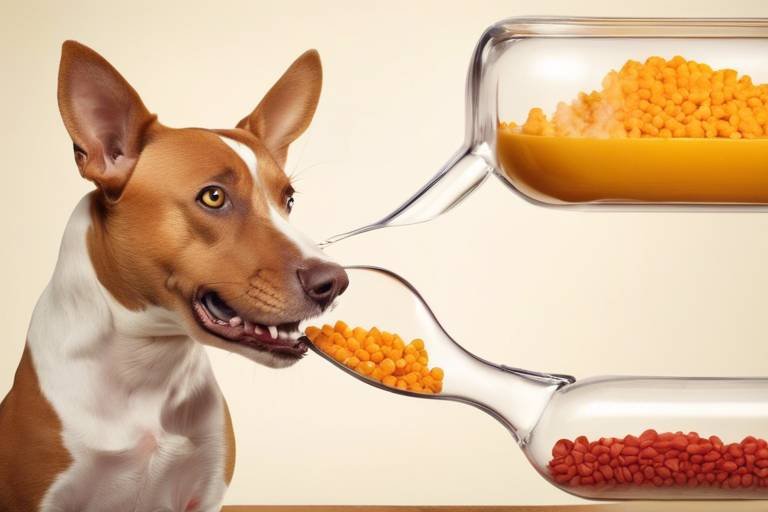
When it comes to our beloved furry companions, ensuring they receive the right nutrients is as vital as giving them love and attention. Just like us, pets need a balanced diet to thrive. But how do you know if your pet is getting everything they need? It can feel like navigating a maze with so many options available—each claiming to be the best. But fear not! This article will guide you through the essential aspects of pet nutrition, helping you make informed choices that keep your pet healthy and happy.
Every pet is unique, and their nutritional needs can vary widely based on factors like species, age, and activity level. For instance, a playful puppy has different requirements compared to a senior cat lounging on the couch. Recognizing these needs is crucial for their overall health and well-being. Think of it like a tailor-made suit; it should fit perfectly to be effective. If you’re unsure where to start, consider consulting with a veterinarian who can provide personalized advice based on your pet’s specific circumstances.
Selecting the appropriate food can feel overwhelming, especially with so many brands and formulations on the market. It’s like being a kid in a candy store, but instead of sweets, it’s about your pet’s health! Start by reading the labels carefully; they should provide clear information about the ingredients and nutritional content. Look for high-quality options that list real meat as the first ingredient and avoid fillers like corn or soy. Remember, you’re not just feeding your pet; you’re fueling their life!
From dry kibble to wet food and even raw diets, each type of pet food has its pros and cons. Here’s a quick rundown:
- Dry Kibble: Convenient and easy to store, but may lack moisture.
- Wet Food: More palatable and hydrating, but can be pricier and less convenient.
- Raw Diets: Advocates argue they mimic a natural diet, but they require careful handling and preparation.
Choosing the right type depends on your pet’s preferences and dietary needs. It’s essential to experiment and see what works best for them.
Commercial pet foods offer convenience, but homemade diets allow you to tailor meals specifically to your pet’s needs. Think of it as cooking a gourmet meal versus grabbing fast food. While commercial options are often balanced and regulated, homemade meals can be customized but require careful planning to ensure they meet all nutritional requirements. If you choose the homemade route, consider consulting a vet or a pet nutritionist to create a balanced menu.
If your pet has specific health conditions, they may require specialized diets. For instance, pets with kidney issues may need low-protein diets, while those with allergies might benefit from limited ingredient formulas. Understanding these requirements is like having a map through the forest of pet nutrition; it helps you navigate potential pitfalls and ensures your pet stays on the right path to health.
Even with a balanced diet, pets can suffer from deficiencies. Some common nutrient gaps include:
- Omega Fatty Acids: Important for skin and coat health.
- Vitamins: Essential for immune function and overall vitality.
- Minerals: Crucial for bone health and metabolic processes.
Addressing these deficiencies might involve adjusting their diet or introducing supplements. Always keep an eye on your pet’s overall health and consult with your vet if you notice any changes.
Sometimes, supplements are necessary to fill nutritional gaps. Just like people might take vitamins to boost their health, pets can benefit from additional nutrients too. However, it’s essential to introduce supplements safely and under the guidance of a veterinarian. They can help determine what your pet needs and the appropriate dosage, ensuring that you’re not overdoing it.
Regular vet check-ups are essential for monitoring your pet’s health and nutrition. Your veterinarian can provide valuable insights into your pet’s dietary needs and help you make informed decisions. Think of them as your pet’s personal nutrition coach, guiding you through the complexities of pet food.
Maintaining a healthy weight is crucial for your pet’s longevity. Obesity can lead to various health issues, just like it can in humans. To keep your pet in tip-top shape, monitor their weight regularly and adjust their diet as needed. If you notice any sudden changes in weight or energy levels, don’t hesitate to reach out to your vet for advice.
1. How do I know if my pet is getting enough nutrients?
Keep an eye on their energy levels, coat condition, and overall health. Regular vet check-ups can also help assess their nutritional status.
2. Can I feed my pet human food?
Some human foods are safe for pets, while others can be harmful. Always research or consult your vet before sharing your meals with your furry friend.
3. How often should I change my pet’s diet?
Changes in diet should be gradual and based on your pet’s life stage, health needs, and preferences. Consult your vet for personalized recommendations.
Understanding Your Pet’s Nutritional Needs
Every pet is unique, and just like humans, they have their own specific dietary requirements. Understanding these needs is critical for ensuring your furry friend remains healthy and happy. Factors such as species, age, size, and activity level play a significant role in determining what your pet should eat. For instance, a playful puppy has different nutritional demands compared to a senior cat lounging in the sun. This is why it’s essential to tailor their diet to fit these variables.
When considering your pet’s nutritional needs, think of it as building a puzzle. Each piece represents a different nutrient that contributes to their overall health. These essential nutrients include proteins, fats, carbohydrates, vitamins, and minerals. Let’s break it down:
- Proteins: These are the building blocks of your pet’s body, crucial for growth, maintenance, and repair of tissues.
- Fats: They provide energy and support cell function. Healthy fats also aid in the absorption of certain vitamins.
- Carbohydrates: While not always necessary, they can be a good source of energy and fiber, which aids digestion.
- Vitamins and Minerals: These are vital for various bodily functions, including immune response and bone health.
As you can see, the right balance of these nutrients is essential. You wouldn’t fuel your car with the wrong type of gas, right? The same goes for your pet. Choosing the right food that meets these nutritional requirements is crucial for their longevity and vitality.
Another important aspect to consider is your pet’s life stage. Puppies and kittens require different ratios of nutrients compared to adult and senior pets. For example, puppies need higher protein levels to support their rapid growth, while older pets might benefit from diets lower in calories to prevent obesity. It’s like adjusting the thermostat based on the season; you want to create the optimal environment for your pet’s health.
Additionally, activity level plays a significant role in their dietary needs. A highly active dog may require more calories and protein to maintain its energy levels, while a more sedentary pet might need fewer calories to avoid weight gain. Always pay attention to your pet’s lifestyle and adjust their diet accordingly.
In summary, understanding your pet’s nutritional needs is a multifaceted approach that requires consideration of various factors. By assessing their age, activity level, and specific health requirements, you can ensure that they receive the right nutrients for a balanced diet. This is not just about feeding them; it’s about nurturing them and providing them with the best possible care.
Choosing the Right Pet Food
When it comes to selecting the right food for your furry companion, it can feel like navigating a maze. With so many options available, how do you even begin to choose? The first step is to understand that not all pet food is created equal. Just like us, our pets have specific nutritional needs, and finding the right food is crucial for their health and happiness. Think of it as picking the perfect meal for yourself; you wouldn’t just grab the first thing you see, right? So, let’s dive into the essentials of choosing the right pet food!
To make an informed choice, you need to become a label detective! Start by examining the ingredients list. The first few items should be high-quality protein sources, such as chicken, beef, or fish. If you see vague terms like “meat by-products,” it’s a red flag. You want to ensure your pet is getting real, wholesome ingredients. Also, look for foods that contain whole grains, fruits, and vegetables, as these provide essential nutrients and fiber.
Another important factor is the life stage of your pet. Puppies and kittens have different needs compared to adult or senior pets. For example, puppies require more protein and calories to support their rapid growth, while senior pets may benefit from lower calorie options to help maintain a healthy weight. It’s like choosing a meal plan that fits your lifestyle – you wouldn’t eat the same way at 20 as you would at 60!
Here’s a quick breakdown of what to look for based on your pet’s life stage:
| Life Stage | Key Nutritional Needs |
|---|---|
| Puppy | High protein, higher calories, DHA for brain development |
| Adult | Balanced diet, maintain healthy weight, moderate protein |
| Senior | Lower calories, joint support, easily digestible ingredients |
Don’t forget about your pet’s specific health needs! Pets with allergies, sensitivities, or certain health conditions may require specialized diets. For instance, if your dog has a sensitive stomach, you might want to look for a limited-ingredient diet that minimizes potential allergens. It’s like finding that perfect pair of shoes – you need to ensure it fits just right!
Lastly, consider the type of pet food that suits your lifestyle. Are you the busy type who needs convenience, or do you enjoy preparing meals at home? Here’s a quick comparison of the most common types of pet food:
- Dry Kibble: Convenient and shelf-stable, but check for quality ingredients.
- Wet Food: More palatable for picky eaters, but can be pricier.
- Raw Diet: Advocates say it mimics a natural diet, but it requires careful handling and preparation.
In conclusion, choosing the right pet food is not just about picking a brand off the shelf. It’s about understanding your pet’s unique needs and making informed decisions. Don’t hesitate to consult with your veterinarian if you’re unsure; they can provide tailored advice to help you choose the best food for your beloved pet!
Q: How can I tell if my pet’s food is good quality?
A: Look for specific protein sources as the first ingredient, avoid fillers like corn and soy, and check for AAFCO approval on the label.
Q: Should I switch my pet’s food gradually?
A: Yes! Transitioning slowly over a week can help prevent digestive upset.
Q: Are homemade diets better than commercial ones?
A: It depends! Homemade diets can be tailored to your pet’s needs, but they require careful planning to ensure they’re nutritionally balanced.
Q: How often should I feed my pet?
A: It varies by age and size, but generally, adult pets should be fed twice a day, while puppies may need three to four meals.
Types of Pet Food
When it comes to feeding your furry friend, the options can feel as endless as a dog chasing its tail! Understanding the different types of pet food available is essential for making informed choices that cater to your pet’s unique needs. Let’s dive into the most common types of pet food and their characteristics, so you can find the perfect match for your beloved companion.
First up, we have dry kibble. This is perhaps the most popular choice among pet owners. Kibble is convenient, easy to store, and helps keep your pet’s teeth clean by reducing plaque buildup. However, not all kibble is created equal! It’s crucial to select a high-quality brand that lists meat as the first ingredient and avoids fillers like corn and soy. A good kibble should provide a balanced diet, but be sure to monitor your pet’s water intake, as dry food can lead to dehydration if not paired with sufficient hydration.
Next, we have wet food, which comes in cans or pouches. This type of food is often more palatable for pets, making it a great option for picky eaters. Wet food typically contains higher moisture content, which can be beneficial for pets that struggle to drink enough water. However, it can be more expensive than kibble and may not provide the same dental benefits. If you choose wet food, consider mixing it with dry kibble to create a balanced meal that offers both taste and texture!
For those looking to take a more natural approach, raw diets have gained popularity in recent years. These diets often consist of uncooked meat, bones, fruits, and vegetables. Proponents argue that raw diets can lead to healthier coats, increased energy levels, and improved digestion. However, it’s important to note that raw diets require careful planning to ensure they are nutritionally complete and safe for your pet. Always consult with a veterinarian before making the switch to a raw diet, as improper handling can lead to health risks.
Another option is commercially prepared fresh food, which is a step up from traditional kibble and canned food. These meals are typically made with high-quality, human-grade ingredients and are often delivered fresh to your door. They provide convenience and peace of mind, knowing that your pet is eating wholesome food. However, they can be on the pricier side, so it’s essential to weigh the benefits against the cost.
Lastly, let’s not forget about homemade diets. Preparing meals at home allows you to tailor your pet’s diet to their specific needs, ensuring they get the right nutrients. However, cooking for your pet requires a solid understanding of their dietary requirements, and it can be time-consuming. If you’re considering this route, it’s wise to consult with a veterinary nutritionist to create balanced recipes that meet your pet’s needs.
In summary, the type of pet food you choose can significantly impact your pet’s health and happiness. Whether you opt for dry kibble, wet food, raw diets, commercially prepared fresh food, or homemade meals, ensure that you prioritize quality ingredients and balanced nutrition. Each option has its pros and cons, so take the time to evaluate what works best for your furry family member.
- What is the best type of pet food for my dog? The best type of pet food varies based on your dog’s age, breed, and health needs. Consult your veterinarian for personalized recommendations.
- Can I mix different types of pet food? Yes, mixing wet and dry food can provide variety and enhance palatability. Just ensure that the overall diet remains balanced.
- Are raw diets safe for pets? Raw diets can be safe if properly managed, but it’s essential to consult with a veterinarian to avoid nutritional deficiencies and health risks.
Commercial vs. Homemade Diets
When it comes to feeding your beloved pet, the choice between commercial and homemade diets can feel like standing at a crossroads with no clear signpost. Both options have their merits and drawbacks, and understanding these can help you make an informed decision that best suits your furry friend’s needs. Let’s dive into the world of pet nutrition and explore the pros and cons of each diet type, shall we?
Starting with commercial diets, these are often the go-to choice for many pet owners due to their convenience. Imagine walking into a pet store and being greeted by aisles filled with colorful bags and cans, each promising to provide your pet with all the nutrients they need. Commercial pet foods are meticulously formulated to meet the dietary requirements of various species and life stages. They often include a mix of proteins, fats, carbohydrates, vitamins, and minerals, all designed to keep your pet healthy and happy. However, it’s essential to read the labels carefully, as not all commercial foods are created equal. Some may contain fillers, artificial preservatives, or low-quality ingredients that could do more harm than good.
On the flip side, homemade diets offer a personalized approach to pet nutrition. Imagine whipping up a delicious meal in your kitchen tailored specifically for your pet’s unique needs! This option allows you to control the ingredients, ensuring that your pet receives high-quality, fresh food without any unwanted additives. However, creating a balanced homemade diet requires a solid understanding of pet nutrition. It’s crucial to include the right proportions of protein, carbohydrates, and fats, along with essential vitamins and minerals. Without proper knowledge, there’s a risk of nutritional deficiencies that could affect your pet’s health.
Here’s a quick comparison to help you visualize the differences:
| Aspect | Commercial Diets | Homemade Diets |
|---|---|---|
| Convenience | Very convenient; ready-to-serve | Time-consuming; requires preparation |
| Ingredient Control | Limited control over ingredients | Full control over ingredients |
| Nutritional Balance | Formulated for balanced nutrition | Requires knowledge for balance |
| Cost | Varies widely; can be expensive | Can be cost-effective but time-intensive |
In summary, both commercial and homemade diets have their advantages and disadvantages. The right choice often depends on your lifestyle, your pet’s specific needs, and your willingness to invest time and effort into meal preparation. If you lean towards homemade diets, consider consulting with a veterinarian or a pet nutritionist to ensure that you’re meeting all of your pet’s dietary requirements. After all, a well-fed pet is a happy pet!
- Can I mix commercial and homemade diets? Yes, but it’s essential to ensure that the overall diet remains balanced and meets your pet’s nutritional needs.
- How do I know if my pet’s diet is balanced? Regular vet check-ups can help monitor your pet’s health and nutritional status, ensuring they are getting the right nutrients.
- Are there any risks associated with homemade diets? Yes, if not properly balanced, homemade diets can lead to nutritional deficiencies or excesses. It’s crucial to do your research or consult a professional.
Specialized Diets for Health Issues
When it comes to our beloved pets, their health is often a top priority. Just like humans, pets can face a variety of health issues that require special attention to their diet. It’s essential to understand that a one-size-fits-all approach to pet nutrition doesn’t always work, especially when health problems arise. For instance, pets suffering from conditions such as obesity, diabetes, kidney disease, or allergies may need tailored diets to manage their symptoms and support their overall health.
Let’s break down some common health issues and the dietary adjustments that can help:
- Obesity: Overweight pets are at risk for multiple health complications. A diet rich in high-quality protein and low in carbohydrates can help them shed those extra pounds while keeping them satisfied.
- Diabetes: Pets with diabetes require a diet that helps regulate their blood sugar levels. Foods that are high in fiber and have a low glycemic index are often recommended to maintain stable glucose levels.
- Kidney Disease: For pets with kidney issues, a diet low in protein but rich in essential fatty acids can reduce the burden on their kidneys while providing necessary nutrients.
- Allergies: If your pet has food allergies, identifying the allergens is key. A hypoallergenic diet, often made with novel proteins and limited ingredients, can help alleviate symptoms.
It’s important to note that these dietary changes should not be made lightly. Consulting with a veterinarian is crucial, as they can provide guidance tailored to your pet’s specific needs. They might recommend a prescription diet that is scientifically formulated to address particular health concerns. This can be a game changer, providing your pet with the right balance of nutrients while addressing their health issues.
Another aspect to consider is the transition to a specialized diet. Making changes too quickly can upset your pet’s digestive system. Gradually mixing the new food with their current diet over a week or so can help ease this transition. For example, start with 25% of the new food and 75% of the old food, and gradually increase the new food while decreasing the old.
In conclusion, specialized diets for health issues can significantly improve your pet’s quality of life. By understanding their unique needs and working closely with your veterinarian, you can ensure that your furry friend receives the nutrition they require to thrive.
Q: How do I know if my pet needs a specialized diet?
A: If your pet is showing signs of health issues such as excessive weight gain, lethargy, or digestive problems, it’s time to consult your veterinarian. They can assess your pet’s health and suggest dietary changes if necessary.
Q: Can I make my own specialized pet food at home?
A: While homemade diets can be beneficial, it’s crucial to ensure they are balanced and meet all nutritional needs. Always consult with a veterinarian or a pet nutritionist before making homemade food for your pet.
Q: How long does it take to see improvements after changing my pet’s diet?
A: This can vary depending on the health issue and the pet. Some pets may show improvement within a few weeks, while others may take longer. Regular check-ups with your veterinarian will help track progress.
Common Nutritional Deficiencies
Even with the best intentions, many pet owners unknowingly overlook certain essential nutrients in their furry friend’s diet. Just like humans, pets can suffer from nutritional deficiencies that can lead to serious health issues. It’s vital to understand these common gaps, which can often be subtle yet impactful. For instance, many pets may not be getting enough Omega-3 fatty acids, which are crucial for maintaining a healthy coat and skin. A deficiency in Omega-3 can lead to dry skin, excessive shedding, and even allergies.
Another common deficiency is protein. While most commercial pet foods are formulated to provide adequate protein, the quality and digestibility of that protein can vary greatly. Dogs and cats require high-quality protein sources to support muscle development and overall health. If your pet seems lethargic or is losing weight, it may be time to evaluate their protein intake.
Vitamins and minerals are also critical for your pet’s health. For example, Vitamin D is essential for calcium absorption and bone health. Pets that are primarily indoors may not get enough sunlight, which can lead to deficiencies. Similarly, Calcium and Phosphorus are vital for bone development and maintenance, especially in growing puppies and kittens. A lack of these minerals can lead to skeletal problems.
Additionally, fiber is often overlooked in pet diets. While not a nutrient in the traditional sense, fiber plays a significant role in digestive health. Insufficient fiber can lead to constipation or other gastrointestinal issues. To ensure your pet is getting enough fiber, consider incorporating vegetables like carrots or green beans into their meals.
To help you keep track of these deficiencies, here’s a handy table summarizing common nutritional deficiencies in pets:
| Nutrient | Common Symptoms | Sources |
|---|---|---|
| Omega-3 Fatty Acids | Dry skin, excessive shedding | Fish oil, flaxseed |
| Protein | Lethargy, weight loss | Meat, fish, eggs |
| Vitamin D | Bone weakness | Sunlight, fortified foods |
| Calcium | Skeletal problems | Dairy, leafy greens |
| Fiber | Constipation, digestive issues | Vegetables, whole grains |
Being aware of these common deficiencies can help you take proactive steps to ensure your pet receives a balanced diet. Regularly assessing your pet’s health and consulting with your veterinarian can also help catch any deficiencies before they become serious problems. Remember, a healthy pet is a happy pet!
Q: How do I know if my pet is lacking essential nutrients?
A: Look for signs like lethargy, poor coat condition, weight loss, or digestive issues. Regular vet check-ups can also help identify deficiencies.
Q: Can I supplement my pet’s diet?
A: Yes, but it’s essential to consult with your veterinarian before introducing any supplements to ensure they are appropriate for your pet’s specific needs.
Q: Are homemade diets better for my pet?
A: Homemade diets can be tailored to your pet’s needs, but they must be well-balanced. Consulting with a veterinary nutritionist is recommended to avoid deficiencies.
Supplementing Your Pet’s Diet
Just like us, our furry companions sometimes need a little extra help to ensure they are getting all the essential nutrients they require. While a well-balanced diet is crucial, there are times when supplements can play a key role in filling nutritional gaps. But how do you know when your pet might need these additional nutrients? It’s important to recognize that pets, just like people, can have varying dietary needs based on their age, health conditions, and lifestyle. For instance, a senior dog may benefit from joint supplements, while an active kitten might need extra protein for growth.
Before introducing any supplements, it’s essential to consult with your veterinarian. They can provide insights tailored to your pet’s specific needs and help you avoid the common pitfalls of over-supplementation. Remember, not all supplements are created equal! Some may contain fillers or unnecessary additives that could do more harm than good. This is why understanding ingredients and choosing high-quality products is vital. When considering supplements, look for those that have been tested for safety and efficacy.
Here are some common types of supplements that pet owners might consider:
- Vitamins and Minerals: Essential for overall health, especially if your pet is on a homemade diet.
- Fatty Acids: Great for skin and coat health, particularly for pets with allergies or skin issues.
- Probiotics: Beneficial for digestive health, helping to maintain a balanced gut flora.
- Joint Supplements: Often made with glucosamine and chondroitin, these can be helpful for older pets or those with joint issues.
When you decide to add supplements to your pet’s diet, consider starting with one at a time. This allows you to monitor how they react and whether you notice any positive changes in their health or behavior. Additionally, keep an eye on their weight and overall condition; sometimes, supplements can lead to unexpected weight gain if not properly managed.
Lastly, remember that supplements should not be a substitute for a balanced diet. They are meant to complement the nutrients your pet is already receiving. Think of it like adding a sprinkle of seasoning to your favorite dish—it enhances the flavor, but it doesn’t replace the main ingredients!
Q: How do I know if my pet needs supplements?
A: If your pet shows signs of nutritional deficiencies, such as poor coat condition, lethargy, or digestive issues, it may be time to consult your vet about potential supplements.
Q: Can I give my pet human supplements?
A: Some human supplements can be harmful to pets. Always consult your veterinarian before giving your pet any human supplements.
Q: How do I choose the right supplement for my pet?
A: Look for high-quality products that are specifically formulated for pets. Check for certifications and consult your veterinarian for recommendations.
Q: Are there any risks associated with pet supplements?
A: Yes, over-supplementation can lead to toxicity and health issues. Always follow your veterinarian’s guidance regarding dosages and types of supplements.
Consulting with a Veterinarian
When it comes to your pet’s health, consulting with a veterinarian is not just a good idea; it’s absolutely essential. Just like you wouldn’t ignore your own health concerns, your furry friend deserves the same level of care and attention. Regular vet visits can help you stay ahead of potential issues, ensuring that your pet receives the right nutrients and maintains a healthy lifestyle. But why is this consultation so crucial?
First and foremost, veterinarians are trained professionals who understand the intricate dietary needs of pets. They can help you decipher the complex world of pet nutrition, guiding you in making informed choices about your pet’s diet. Whether you’re considering a commercial food brand or a homemade meal plan, a vet can provide insights tailored to your pet’s specific needs, based on factors such as age, breed, and health status.
Additionally, regular check-ups allow for early detection of health issues that may not be immediately visible. For instance, your pet might seem perfectly fine on the outside, but underlying nutritional deficiencies could be brewing. A vet can perform necessary tests to identify these issues before they escalate, ensuring that your pet stays healthy and vibrant. Imagine catching a problem early, much like spotting a small leak in your roof before it turns into a waterfall in your living room!
Moreover, discussing your pet’s diet with a veterinarian can help you address any specific health concerns. For example, if your pet is diagnosed with obesity, diabetes, or allergies, your vet can recommend a specialized diet that caters to these conditions. This tailored approach can significantly improve your pet’s quality of life. It’s like having a personalized nutrition plan designed just for them!
To make the most out of your vet consultations, consider preparing a list of questions and concerns beforehand. Here are some important topics you might want to discuss:
- What are the best food options for my pet’s age and breed?
- Are there any specific nutrients my pet might be lacking?
- Should I consider supplements, and if so, which ones?
- How can I safely transition my pet to a new diet?
- What signs should I look for that indicate my pet’s diet isn’t working?
In conclusion, consulting with a veterinarian is a vital step in ensuring your pet receives the right nutrients and maintains optimal health. Their expertise can help you navigate the often confusing world of pet nutrition, making the journey smoother for both you and your furry companion. So, don’t hesitate to schedule that appointment; your pet’s health is worth it!
Have questions about pet nutrition? Here are some frequently asked questions that might help clarify your concerns:
- How often should I take my pet to the vet? It’s recommended to have annual check-ups for healthy pets, but more frequent visits may be necessary for older pets or those with health issues.
- Can I feed my pet human food? Some human foods are safe for pets, but many can be harmful. Always consult your vet before introducing new foods.
- What signs indicate my pet may have a nutritional deficiency? Look for changes in coat quality, energy levels, and weight. If you notice anything unusual, consult your veterinarian.
Monitoring Your Pet’s Weight and Health
Keeping an eye on your pet’s weight and overall health is not just a good practice; it’s essential for ensuring they live a long, happy life. Just like humans, pets can struggle with weight issues, which can lead to serious health problems. But how do you know if your furry friend is at a healthy weight? And what should you do if they aren’t? Let’s dive into some practical tips to help you monitor your pet’s weight and health effectively.
First off, it’s important to understand that weight is just one piece of the puzzle. You should also pay attention to your pet’s energy levels, coat condition, and behavior. A sudden change in any of these areas could signal a health issue. For instance, if your dog, usually a bundle of energy, suddenly becomes lethargic, it’s time to investigate further. Similarly, a shiny coat is often a sign of good health, while a dull or patchy coat might indicate nutritional deficiencies.
To help you keep track of your pet’s weight, consider the following methods:
- Regular Weigh-Ins: Weigh your pet at least once a month. If you notice a significant change in their weight, consult your veterinarian.
- Body Condition Scoring: Use a body condition score chart, which allows you to visually assess if your pet is underweight, ideal, or overweight. You can find many resources online or ask your vet for a chart.
- Measuring Food Intake: Keep track of how much food you’re giving your pet. Overfeeding is a common issue, and understanding portion sizes can make a huge difference.
If you find that your pet is gaining weight, don’t panic! Weight management can be achieved through a combination of dietary adjustments and increased physical activity. Consider switching to a weight management formula if you’re using commercial pet food. These diets are specifically designed to help pets lose weight while still providing essential nutrients.
Incorporating more playtime into your pet’s routine can also help. Regular walks, play sessions, and even interactive toys can keep your pet active and engaged. Think of it as a fun way to bond with your furry friend while also keeping them healthy. After all, a tired pet is a happy pet!
Lastly, don’t forget to schedule regular check-ups with your veterinarian. They can provide tailored advice based on your pet’s specific needs and help monitor any changes in weight or health. Your vet can also recommend suitable dietary changes or supplements if necessary. Remember, your pet relies on you to make the best choices for their health, so don’t hesitate to ask questions and seek advice!
- How often should I weigh my pet? It’s best to weigh your pet at least once a month to monitor any significant changes.
- What are the signs of obesity in pets? Look for difficulty in breathing, decreased energy, and difficulty in performing normal activities like walking or playing.
- Can I use human food as treats? Yes, but ensure it’s safe for pets. Foods like carrots, apples, and green beans can be healthy options.
- How can I tell if my pet is underweight? A visible ribcage, bony structure, and lack of energy can be indicators. Consult your vet for a proper assessment.
Frequently Asked Questions
- What are the basic nutritional needs of my pet?
Every pet requires a balanced diet that includes proteins, carbohydrates, fats, vitamins, and minerals. These needs vary based on factors like species, age, and activity level. For instance, puppies and kittens need more calories and protein than adult pets to support their growth.
- How do I choose the right food for my pet?
Selecting the right food can feel overwhelming, but it starts with reading labels. Look for high-quality ingredients, and ensure the food meets the nutritional standards set by organizations like AAFCO. It’s also helpful to consult your veterinarian for personalized recommendations.
- Are homemade diets better than commercial pet food?
Both options have their pros and cons. Homemade diets allow you to tailor meals to your pet’s specific needs, but they require careful planning to ensure nutritional balance. Commercial foods are convenient and formulated to meet dietary guidelines, making them a safe choice for many pet owners.
- What should I do if my pet has a specific health issue?
If your pet has a health condition, specialized diets may be necessary. Common issues like obesity, diabetes, or allergies often require dietary adjustments. Always consult your veterinarian to create a diet plan that supports your pet’s health needs.
- How can I tell if my pet is getting enough nutrients?
Monitoring your pet’s overall health is key. Look for signs like a shiny coat, healthy weight, and good energy levels. Regular vet check-ups can also help identify any nutritional deficiencies. If you notice changes in behavior or health, it may be time to reassess their diet.
- When should I consider adding supplements to my pet’s diet?
Supplements can be beneficial if your pet has specific deficiencies or health conditions. However, it’s essential to consult with your veterinarian before introducing any supplements to ensure they are safe and appropriate for your pet’s needs.
- How often should I take my pet to the veterinarian?
Regular vet visits are crucial for monitoring your pet’s health and nutrition. Typically, annual check-ups are recommended for healthy pets, while older or sick pets may need more frequent visits. Your vet can provide tailored advice based on your pet’s unique needs.
- What are some signs that my pet is overweight?
Signs of obesity in pets include difficulty in feeling their ribs, lack of energy, and difficulty in performing normal activities like playing or walking. Keeping an eye on their body condition score can help you determine if adjustments to their diet are needed.
pet nutrition, balanced diet, essential vitamins, dietary requirements, portion control, high-quality food, nutrient deficiencies, regular vet check-ups, , pet nutrition, balanced diet, essential vitamins, dietary requirements, portion control, high-quality food, nutrient deficiencies, regular vet check-ups,
Share this content:
Leave a Reply