
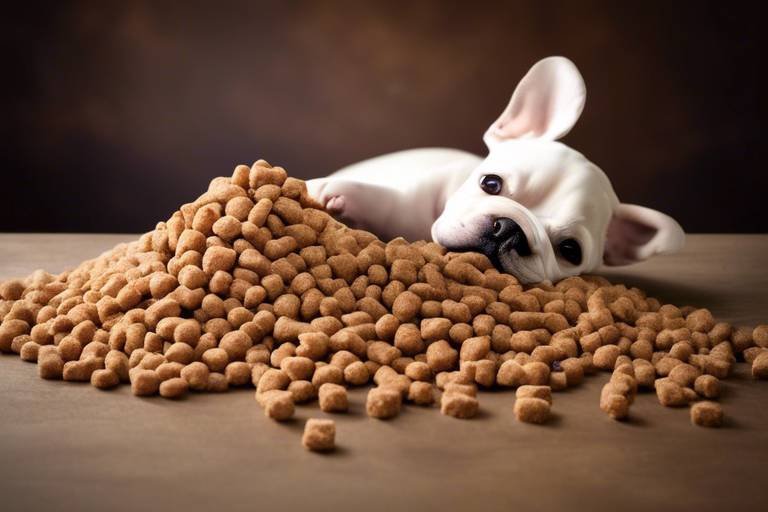
Creating homemade pet food with limited ingredients is not just a trend; it’s a movement toward healthier, happier pets. If you’ve ever looked at the ingredient list on commercial pet food and felt overwhelmed by the unpronounceable additives, you’re not alone. Many pet owners are now taking the plunge into the world of DIY pet food, ensuring their furry companions receive nutritious meals without the harmful fillers. This article will guide you through the essentials of crafting simple yet balanced meals for your pets, focusing on quality ingredients that support their health and well-being.
Imagine this: your pet, wagging its tail in excitement, as you serve a steaming bowl of homemade food, knowing exactly what went into it. It’s a rewarding experience that not only strengthens your bond with your pet but also allows you to cater to their specific dietary needs. With the right knowledge and a bit of creativity, you can whip up meals that are both delicious and nourishing, using just a handful of wholesome ingredients. Let’s dive into how you can make this a reality!
Before you start cooking, it’s essential to understand your pet’s unique nutritional needs. Just like humans, pets require a balanced diet to thrive. This includes a mix of proteins, carbohydrates, fats, vitamins, and minerals. Each pet has different requirements based on their age, weight, and activity level. For instance, a growing puppy might need more protein compared to an older dog. By focusing on a limited-ingredient diet, you can simplify meal preparation while still meeting these essential nutritional needs.
When planning your pet’s meals, consider the following key nutrients:
- Protein: Vital for growth, muscle development, and energy.
- Carbohydrates: Provide energy and aid in digestion.
- Fats: Important for skin health and energy.
- Vitamins and Minerals: Support overall health and immune function.
Now that you understand your pet’s nutritional needs, the next step is selecting the right ingredients. The beauty of a limited-ingredient diet is the ability to choose high-quality sources that pack a nutritional punch without unnecessary fillers. Focus on whole foods that are minimally processed. For a balanced meal, you’ll want to include a source of protein, a carbohydrate, and healthy fats.
Protein is the cornerstone of any pet’s diet. It fuels their energy and supports their growth and muscle development. When it comes to limited-ingredient diets, you have a variety of options. Let’s explore some of the best sources:
Animal proteins are rich in essential amino acids that pets need for optimal health. Popular choices include:
- Chicken: Lean and easily digestible.
- Beef: Rich in iron and vitamins.
- Fish: Packed with omega-3 fatty acids for a shiny coat.
If you’re considering a vegetarian option, plant-based proteins can also be effective. These include:
- Legumes: Lentils and chickpeas are great protein sources.
- Quinoa: A complete protein that is also gluten-free.
- Brown rice: Provides energy and fiber.
Carbohydrates and fats are crucial for providing energy. Healthy carbs like sweet potatoes and oats are excellent choices, while fats from sources like fish oil or flaxseed can help maintain healthy skin and coat. Balancing these components will ensure your pet receives a well-rounded meal that keeps them active and vibrant.
Once you have your ingredients ready, it’s time to prepare the food. The cooking method can significantly impact the nutrient retention in your pet’s meals. Here are some popular cooking methods:
Different cooking methods can affect the nutrients in your pet’s food. Here are a few methods to consider:
- Boiling: A simple method that retains most nutrients.
- Baking: Great for making treats or dry food.
- Raw Preparation: Some owners prefer a raw diet, but it requires careful handling and knowledge of food safety.
After preparing the food, proper storage is essential to maintain its quality. Store homemade pet food in airtight containers in the refrigerator for up to five days, or freeze portions for longer storage. Always ensure that the food is cooled before placing it in the fridge or freezer to prevent bacterial growth.
While making pet food at home can be rewarding, there are common pitfalls to watch out for. These include:
- Not balancing nutrients properly.
- Using too many ingredients, which defeats the purpose of a limited-ingredient diet.
- Ignoring food safety practices, which can lead to spoilage.
Before making any significant changes to your pet’s diet, it’s always a good idea to consult with a veterinarian. They can provide tailored advice based on your pet’s specific needs, ensuring that you’re meeting all their nutritional requirements effectively. Remember, a little professional guidance can go a long way in keeping your furry friend healthy and happy.
Q: Can I feed my pet a vegetarian diet?
A: Yes, but it’s crucial to ensure that all nutritional needs are met, especially protein requirements.
Q: How do I know if my pet is getting enough nutrients?
A: Regular vet check-ups can help monitor your pet’s health and nutrition.
Q: Is it safe to prepare pet food at home?
A: Yes, as long as you follow proper food safety practices and ensure balanced nutrition.
Understanding Nutritional Needs
Every pet, just like us, has unique dietary requirements that are essential for their overall health and well-being. Understanding these nutritional needs is the first step toward creating a balanced and nutritious diet for your furry friend. Pets require a variety of nutrients, including proteins, carbohydrates, fats, vitamins, and minerals, to thrive. It’s like building a house; if you miss even one crucial component, the structure can become unstable.
Let’s break this down a bit further. Think of your pet’s diet as a color palette—each nutrient adds a different hue to the overall picture of health. For instance, proteins are the building blocks of your pet’s body, essential for growth, repair, and energy. On the other hand, carbohydrates provide the energy needed for daily activities, while fats support cell function and help absorb certain vitamins. It’s a delicate balance, and getting it right is crucial.
When preparing homemade pet food with limited ingredients, it’s important to ensure that each ingredient serves a purpose. Here’s a quick overview of the essential nutrients:
| Nutrient | Function | Sources |
|---|---|---|
| Proteins | Builds and repairs tissues | Meat, fish, eggs, legumes |
| Carbohydrates | Provides energy | Rice, oats, potatoes |
| Fats | Supports cell function and energy | Fish oil, chicken fat, flaxseed |
| Vitamins | Supports various bodily functions | Fruits, vegetables, supplements |
| Minerals | Important for bone health and metabolism | Meat, dairy, leafy greens |
It’s also vital to consider your pet’s age, size, and activity level when determining their nutritional needs. For instance, a puppy will have different requirements compared to a senior dog. Active breeds may need more protein and fat to fuel their energy, while less active pets might thrive on a diet with fewer calories. Just like how we adjust our diets based on our lifestyle, the same principle applies to our pets!
In summary, understanding your pet’s nutritional needs is key to crafting a limited-ingredient diet that is both safe and nourishing. By carefully selecting high-quality ingredients that meet these needs, you can ensure that your beloved companion receives all the essential nutrients they require to lead a healthy and happy life.
Choosing the Right Ingredients
When it comes to making homemade pet food, is paramount. Just like us, our furry friends need a well-rounded diet to thrive. But how do you navigate the endless options available? It can feel overwhelming, but fear not! By focusing on a few key elements, you can create nutritious meals that pack a punch without cluttering your pet’s diet with unnecessary fillers.
First and foremost, consider the quality of the ingredients. Opt for fresh, whole foods whenever possible. This means steering clear of processed items that often contain additives and preservatives. Instead, think of it like cooking for a friend; you wouldn’t serve them a frozen dinner filled with mystery ingredients, right? The same goes for your pet! Aim for ingredients that you can recognize and pronounce.
Next, let’s break down the essential components you need to include in your pet’s meals. A balanced diet typically consists of:
- Protein: This is the building block of your pet’s diet, crucial for muscle development and energy.
- Carbohydrates: These provide energy and aid in digestion.
- Fats: Healthy fats are essential for skin and coat health.
When selecting protein sources, it’s vital to consider both animal and plant-based options. Animal proteins like chicken, beef, and fish are not only tasty but also packed with the essential amino acids your pet needs. On the flip side, if you’re leaning towards a vegetarian diet for your pet, legumes and grains can be excellent alternatives. Just make sure to combine different sources to ensure a complete amino acid profile.
Now, let’s talk about carbohydrates. You might be wondering, “Do pets really need carbs?” The answer is yes, but in moderation. Carbohydrates can be great for providing energy and promoting a healthy digestive system. Good sources include sweet potatoes, brown rice, and oats. These options are not only nutritious but also easy to digest, making them ideal for pets.
As for fats, they should not be overlooked! Healthy fats are crucial for maintaining a shiny coat and healthy skin. Look for sources like fish oil or flaxseed oil, which are rich in omega-3 fatty acids. Just remember, moderation is key—too much fat can lead to obesity and other health issues.
To summarize, when choosing ingredients for your pet’s meals, keep the following in mind:
| Ingredient Type | Examples | Benefits |
|---|---|---|
| Protein | Chicken, Beef, Fish | Essential for growth and energy |
| Carbohydrates | Sweet Potatoes, Brown Rice, Oats | Provides energy and aids digestion |
| Fats | Fish Oil, Flaxseed Oil | Supports skin and coat health |
By carefully selecting high-quality ingredients, you can ensure that your pet receives a balanced and nutritious diet that supports their health and well-being. Remember, it’s all about finding the right balance while keeping it simple. Your pet will thank you for it!
Protein Sources
When it comes to crafting a nutritious diet for your furry companions, protein is undeniably one of the most crucial components. Think of protein as the building blocks for your pet’s body, fueling their growth, energy, and overall health. But with so many options available, how do you choose the right protein sources for a limited-ingredient diet? Let’s dive into the world of animal and plant-based proteins and discover what works best for your beloved pets.
First off, let’s talk about animal proteins. These are often the most recommended sources of protein for pets because they provide essential amino acids that are vital for their health. Meats like chicken, beef, and fish are not only delicious but also packed with nutrients. For instance:
| Protein Source | Benefits |
|---|---|
| Chicken | Lean protein, rich in niacin and phosphorus, promotes muscle health. |
| Beef | High in iron and zinc, supports immune function and energy levels. |
| Fish | Contains omega-3 fatty acids, beneficial for skin and coat health. |
However, not every pet owner opts for animal proteins, and that’s perfectly okay! There’s a growing interest in plant-based proteins, especially for those looking to reduce their carbon footprint or cater to pets with specific dietary restrictions. Legumes, grains, and other plant sources can provide a solid protein punch without the use of animal products. Some popular plant-based protein options include:
- Chickpeas: High in protein and fiber, they help maintain a healthy digestive system.
- Quinoa: A complete protein, meaning it contains all nine essential amino acids.
- Peas: Packed with vitamins and minerals, they also offer a good amount of protein.
While animal proteins are often more bioavailable (meaning your pet can absorb them more easily), plant-based proteins can still play an essential role in a balanced diet. The key is to ensure that your pet is receiving a variety of protein sources to meet their nutritional needs. Remember, it’s all about balance!
In conclusion, whether you choose animal or plant-based proteins, the focus should always be on quality. Look for fresh, whole ingredients that are free from fillers and additives. After all, your pets deserve the best, and with the right protein sources, you can ensure they thrive on a limited-ingredient diet.
Q: Can I mix animal and plant-based proteins in my pet’s diet?
A: Absolutely! Mixing both sources can provide a well-rounded nutritional profile for your pet.
Q: How do I know if my pet is getting enough protein?
A: A balanced diet, regular vet check-ups, and observing your pet’s energy levels and coat condition can help you gauge their protein intake.
Q: Are there any protein sources I should avoid?
A: Yes, avoid processed meats and those high in preservatives, as they can be harmful to your pet’s health.
Animal Proteins
When it comes to crafting a nutritious diet for your furry friend, play a pivotal role. These proteins are not just a source of energy; they are essential for muscle development, immune function, and overall health. Think of animal proteins as the building blocks that help your pet grow strong and stay active. They provide the essential amino acids that pets cannot synthesize on their own, which makes them crucial for a balanced diet.
Among the various animal proteins, chicken, beef, and fish are some of the most popular choices. Each of these meats offers unique benefits:
- Chicken: This lean protein is easily digestible and packed with essential nutrients. It’s a great option for pets with sensitive stomachs.
- Beef: Rich in iron and zinc, beef supports your pet’s immune system and promotes healthy skin and coat.
- Fish: Fish, particularly fatty fish like salmon, is loaded with omega-3 fatty acids, which are fantastic for heart health and reducing inflammation.
Incorporating these proteins into your pet’s diet can be as simple as cooking up a batch of homemade meals. For instance, consider a recipe that combines cooked chicken with sweet potatoes and green beans. This not only provides a balanced meal but also includes a variety of nutrients that your pet needs to thrive.
However, it’s important to choose high-quality meats. When selecting animal proteins, look for options that are free from hormones and antibiotics. Organic or grass-fed meats are often better choices as they typically contain fewer additives and higher nutrient levels. Always remember that the source of your protein can greatly affect your pet’s health.
Finally, while animal proteins are vital, moderation is key. Too much protein can lead to health issues, just as too little can. It’s essential to balance animal proteins with other food groups, including carbohydrates and fats, to ensure your pet receives a well-rounded diet. Consulting with a veterinarian can help you determine the right amount of protein for your pet’s specific needs.
Plant-Based Proteins
When it comes to creating a balanced diet for your furry friends, can be an excellent addition, especially for those looking for vegetarian or vegan options. These proteins not only provide essential amino acids but also come packed with other vital nutrients. Think of them as the unsung heroes of pet nutrition, quietly contributing to your pet’s health without the fuss of animal products.
Legumes, such as lentils and chickpeas, are fantastic sources of protein. They are not only rich in protein but also high in fiber, which aids digestion. Incorporating legumes into your pet’s diet can be as simple as cooking them thoroughly and mixing them into their meals. However, it’s important to ensure they are well-cooked, as raw legumes can be harmful to pets.
Another great option is quinoa, a grain that is often touted as a superfood for humans. Quinoa is a complete protein, meaning it contains all nine essential amino acids necessary for your pet’s health. It’s also gluten-free, making it a safe choice for pets with grain sensitivities. Just remember to rinse it well before cooking to remove any bitter coating.
While grains like brown rice and oats are often considered carbohydrate sources, they also offer a decent amount of protein. These grains can be easily cooked and mixed into your pet’s meals, providing energy and keeping them satisfied. A well-rounded meal might include a combination of these ingredients, ensuring your pet gets a variety of nutrients.
However, it’s essential to balance plant-based proteins with other nutrients. For instance, while these proteins are beneficial, they often lack certain amino acids that animal proteins provide. Therefore, when formulating a diet, consider pairing plant proteins with small amounts of animal proteins to create a more complete nutritional profile. This combination can help avoid any deficiencies and keep your pet thriving.
In summary, incorporating plant-based proteins into your pet’s diet can be both healthy and rewarding. Just like us, pets can benefit from a diverse range of foods. So, don’t hesitate to experiment with different combinations of legumes, grains, and other plant sources to find what your pet enjoys the most. With a little creativity and care, you can provide your furry friend with a nutritious and delicious meal that’s packed with the goodness of nature.
- Can I feed my pet a completely plant-based diet? While some pets can thrive on a plant-based diet, it’s crucial to consult with a veterinarian to ensure they receive all necessary nutrients.
- What are the best plant-based protein sources for pets? Legumes, quinoa, and certain grains like brown rice and oats are excellent sources of plant-based protein.
- How can I ensure my pet gets enough protein on a limited-ingredient diet? Balance plant proteins with small amounts of animal proteins and consider adding a variety of protein sources to meet their nutritional needs.
Carbohydrates and Fats
When it comes to crafting a balanced diet for your pet, carbohydrates and fats play a crucial role in providing the energy needed for daily activities. Think of carbohydrates as the fuel that powers your pet’s engine, while fats serve as the high-octane booster that keeps things running smoothly. But what exactly are the best sources of these essential nutrients? Let’s dive in!
Carbohydrates are not just fillers; they are vital for maintaining your pet’s energy levels. They help in digestion and can even support a healthy gut. When choosing carbohydrates for your homemade pet food, consider options like:
- Brown rice: A great source of fiber and energy.
- Sweet potatoes: Packed with vitamins and minerals, they also add natural sweetness.
- Oats: A wholesome grain that can aid digestion.
On the other hand, fats are essential for nutrient absorption and help maintain a shiny coat. They also provide a concentrated source of energy. But not all fats are created equal! You want to focus on healthy fats that can benefit your pet’s health. Some excellent sources include:
- Fish oil: Rich in omega-3 fatty acids, it promotes heart health and reduces inflammation.
- Flaxseed oil: Another great source of omega-3s, beneficial for skin and coat health.
- Chicken fat: A tasty option that adds flavor along with essential fatty acids.
When formulating your pet’s diet, aim to strike a balance between these macronutrients. A good rule of thumb is to ensure that around 30% of the diet consists of healthy fats, while carbohydrates can make up about 40-50%. This combination will not only keep your pet energetic but also support their overall health.
In conclusion, understanding the role of carbohydrates and fats in your pet’s diet is the first step toward creating a nutritious and balanced meal. By selecting high-quality ingredients, you can ensure your furry friend enjoys delicious meals that keep them happy and healthy.
1. Can pets digest carbohydrates?
Yes, pets can digest carbohydrates, but the type and amount should be carefully considered. Whole grains and vegetables are usually the best choices.
2. Are all fats bad for pets?
Not at all! Healthy fats, such as those from fish oil and flaxseed, are beneficial for pets. It’s important to avoid unhealthy trans fats.
3. How do I know if I’m providing enough carbohydrates and fats?
Monitoring your pet’s energy levels and overall health can help. If they seem lethargic or have a dull coat, it might be time to reassess their diet.
Preparing Homemade Pet Food
Creating homemade pet food can be a delightful experience for both you and your furry friend. It allows you to know exactly what goes into their meals, ensuring they receive only the best nutrition. However, the preparation process requires careful attention to detail to guarantee that the food is not only safe but also nutritionally balanced. The first step is to gather your ingredients. Make sure to select high-quality sources that meet your pet’s dietary needs. This can include fresh meats, vegetables, and grains, depending on your pet’s specific requirements.
Once you have your ingredients ready, it’s vital to understand the best cooking methods to preserve the nutrients. You might be wondering, “What’s the best way to cook for my pet?” Well, there are several methods to consider, each with its own set of advantages:
- Boiling: This method is straightforward and helps retain moisture in the food. However, boiling can sometimes lead to nutrient loss, so it’s essential to monitor cooking times.
- Baking: Baking can create a crunchy texture that some pets enjoy. It’s also a great way to combine ingredients evenly but may require additional moisture to prevent dryness.
- Raw Preparation: Some pet owners opt for a raw diet, which can be beneficial if done correctly. It’s crucial to ensure that all ingredients are fresh and handled safely to avoid any health risks.
After choosing your cooking method, the next step is to prepare the food. For instance, if you’re boiling chicken and vegetables, make sure to chop everything into small, digestible pieces. This not only helps in even cooking but also makes it easier for your pet to eat. Always remember to avoid seasoning the food with salt, garlic, or onions, as these can be harmful to pets.
Once cooked, allow the food to cool before serving it to your pet. This is important because hot food can burn their mouth. Portion out the food into servings based on your pet’s size and dietary needs, and consider using a measuring cup for accuracy. It’s also wise to introduce new foods gradually to avoid upsetting your pet’s stomach. Start with small amounts mixed with their regular food and observe how they react.
Storage is another critical aspect of making homemade pet food. If you’ve prepared a large batch, store the food in airtight containers to maintain freshness. Refrigerate any leftovers and use them within a few days. For longer storage, consider freezing portions and thawing them as needed. This not only saves time but also ensures that your pet always has a nutritious meal ready to go.
In summary, preparing homemade pet food involves selecting high-quality ingredients, choosing the right cooking method, and ensuring proper storage. By following these guidelines, you can create delicious and nutritious meals that will keep your furry friend happy and healthy!
Here are some common questions pet owners have about preparing homemade pet food:
- Can I use leftovers from my meals? While some leftovers are safe, be cautious with ingredients like onions, garlic, and heavy seasonings.
- How do I know if my pet is getting enough nutrients? Consulting with a veterinarian can help you determine if your homemade meals meet your pet’s nutritional needs.
- Is it safe to feed my pet raw food? Raw diets can be beneficial but require careful handling and knowledge about safe food practices.
Cooking Methods
When it comes to preparing homemade pet food, the cooking method you choose can significantly influence the nutritional value of the final product. Each method has its pros and cons, and understanding these can help you make informed decisions. Let’s dive into the most popular cooking techniques: boiling, baking, and raw food preparation.
Boiling is one of the simplest and most common methods for cooking pet food. It involves submerging the ingredients in water and heating them until they’re fully cooked. This method is particularly effective for making soups or stews that can be easily digested by your pet. However, boiling can lead to the loss of some water-soluble vitamins, so it’s crucial to use minimal water and avoid overcooking. To retain nutrients, consider using the broth in your pet’s meal.
Baking is another excellent option, especially for creating dry food or treats. When you bake, the ingredients are exposed to dry heat, which can help preserve certain nutrients while also enhancing flavors. This method is great for making crunchy kibble or biscuits that your pet will love. Just remember to monitor the temperature and cooking time closely to avoid burning the food. A good rule of thumb is to bake at a moderate temperature (around 350°F or 175°C) and check for doneness regularly.
On the other hand, raw food preparation has gained popularity among pet owners who prefer a more natural diet for their furry friends. This method involves feeding pets uncooked meat, bones, and vegetables. Proponents argue that raw food diets can lead to better digestion and improved energy levels. However, it’s crucial to ensure that the raw ingredients are fresh and sourced from reputable suppliers to avoid the risk of bacterial contamination. If you choose this method, consider consulting with a veterinarian to ensure your pet’s diet remains balanced.
Here’s a quick comparison of these cooking methods:
| Cooking Method | Pros | Cons |
|---|---|---|
| Boiling | Simple, easy to digest | Possible nutrient loss |
| Baking | Flavorful, preserves nutrients | Can burn if not monitored |
| Raw Food | Natural, promotes better digestion | Risk of bacterial contamination |
Ultimately, the best cooking method depends on your pet’s specific needs and preferences. It might even be beneficial to rotate between different methods to keep things exciting and ensure a varied diet. Always observe how your pet reacts to different foods and adjust accordingly. After all, happy pets are healthy pets!
- Can I mix different cooking methods? Yes, mixing cooking methods can provide variety and cater to your pet’s preferences. Just ensure that the ingredients remain balanced.
- How do I know if my pet’s food is properly cooked? Always check that meats are cooked to a safe internal temperature and that vegetables are soft enough for easy digestion.
- Is raw food safe for all pets? Not all pets do well on a raw food diet. Consult your veterinarian to determine if it’s suitable for your pet’s health condition.
Storage and Safety Tips
When it comes to homemade pet food, proper storage is essential to maintain its quality and safety. Just like you wouldn’t leave your leftovers out for days, your furry friends deserve the same level of care! The first step is to ensure that your homemade pet food is stored in airtight containers. This helps prevent exposure to air, which can lead to spoilage and loss of nutrients. Consider using glass or BPA-free plastic containers that seal tightly. Make sure to label each container with the date it was made; this way, you can keep track of freshness and avoid any unintentional feedings of old food.
Another important aspect is to store the food in a cool, dry place. A pantry or a cupboard away from direct sunlight is ideal. If you’ve made a large batch, you might want to consider freezing portions. Freezing can extend the shelf life of your pet food significantly. Just remember to thaw it in the refrigerator when you’re ready to use it, as this helps maintain its quality. Avoid microwaving the food directly from the freezer, as this can create hot spots that could burn your pet’s mouth.
It’s also crucial to keep an eye on the food’s consistency and smell. If you notice any changes in color, texture, or odor, it’s best to err on the side of caution and discard it. Pets can be quite sensitive to spoiled food, and consuming it can lead to digestive issues. Always prioritize their health and well-being!
Here are some quick tips to keep in mind:
- Use airtight containers for storage.
- Label containers with preparation dates.
- Store in a cool, dry place, away from sunlight.
- Freeze portions for extended shelf life.
- Check for signs of spoilage before serving.
By following these storage and safety tips, you can ensure that your homemade pet food remains nutritious and safe for your beloved companions. Remember, a little care goes a long way in keeping your pets healthy and happy!
Q: How long can I store homemade pet food in the refrigerator?
A: Generally, homemade pet food can be stored in the refrigerator for about 3 to 5 days. If you want to keep it longer, consider freezing it.
Q: Can I freeze homemade pet food?
A: Yes, freezing is a great way to extend the shelf life of homemade pet food. Just make sure to thaw it in the refrigerator before serving.
Q: How can I tell if the pet food has gone bad?
A: Look for changes in color, texture, or smell. If it seems off in any way, it’s best to throw it out to avoid any health issues for your pet.
Q: Is it safe to reheat homemade pet food?
A: Yes, but make sure to reheat it gently and evenly to avoid hot spots that could burn your pet’s mouth. Always check the temperature before serving.
Common Mistakes to Avoid
Creating homemade pet food can be an incredibly rewarding experience, but it’s essential to navigate this journey with caution. Many pet owners, in their eagerness to provide a healthy diet for their furry companions, often fall into common traps that can compromise the nutritional balance of their meals. One of the most prevalent mistakes is neglecting to research nutritional needs. Just like humans, pets require a specific balance of proteins, fats, carbohydrates, vitamins, and minerals to thrive. Skipping this crucial step can lead to deficiencies that might affect your pet’s health over time.
Another frequent error is using inappropriate or harmful ingredients. Some foods that are safe for humans can be toxic to pets. For instance, ingredients like onions, garlic, and chocolate can be dangerous for dogs and cats. Therefore, it’s vital to familiarize yourself with which foods are safe and which should be avoided. A comprehensive list of safe and unsafe ingredients can be invaluable in this regard.
Moreover, failing to maintain portion control can lead to obesity and other health issues. Just because you’re making food at home doesn’t mean you can ignore the recommended serving sizes. Overfeeding can lead to weight gain, which is a significant health risk for pets. It’s essential to consult with your veterinarian to establish the right portion sizes based on your pet’s age, weight, and activity level.
Another common pitfall is not incorporating variety into your pet’s diet. While a limited ingredient diet is beneficial, it’s crucial to ensure that your pet receives a range of nutrients. Sticking to the same few ingredients can lead to deficiencies over time. Try rotating ingredients and introducing new ones gradually to keep your pet’s meals exciting and nutritionally balanced.
Lastly, ignoring food safety practices can have dire consequences. Just like human food, pet food can spoil and harbor harmful bacteria if not handled correctly. Always ensure that you store homemade pet food in airtight containers and keep it refrigerated to prevent spoilage. Additionally, practice good hygiene when preparing the food to minimize the risk of contamination.
In conclusion, while making pet food at home can be a fantastic way to ensure your pet is getting high-quality nutrition, avoiding these common mistakes is essential for their health and well-being. By staying informed and cautious, you can create delicious and nutritious meals that your pet will love.
Here are some common questions pet owners have when transitioning to homemade pet food:
- How do I know if my pet’s diet is balanced? Consult with a veterinarian or a pet nutritionist who can help you formulate a balanced diet tailored to your pet’s needs.
- Can I use leftovers from my meals in my pet food? While some leftovers may be safe, it’s crucial to ensure they do not contain harmful ingredients like onions or garlic, and they should not be overly seasoned.
- How long can I store homemade pet food? Generally, homemade pet food can be stored in the refrigerator for 3-5 days. For longer storage, consider freezing portions.
- Should I add supplements to my pet’s food? Depending on the ingredients used, supplements may be necessary to ensure a complete and balanced diet. Always consult your veterinarian before adding any supplements.
Consulting with a Veterinarian
When it comes to your furry friend’s health, is not just a good idea; it’s essential. Just like we wouldn’t embark on a new diet without seeking expert advice, the same applies to our pets. Each pet is unique, with different nutritional needs based on their age, breed, size, and health conditions. A veterinarian can provide tailored recommendations that ensure your homemade pet food meets all the necessary dietary requirements.
Imagine trying to solve a puzzle without knowing what the final picture looks like. That’s what it’s like to prepare homemade pet food without professional guidance. A vet can help you identify any specific deficiencies in your pet’s diet and suggest appropriate supplements or alternative ingredients. They might even recommend a blood test to check for allergies or sensitivities, ensuring that the food you prepare is not only nutritious but also safe for your pet.
Moreover, vets can offer insights into the right balance of macronutrients—proteins, fats, and carbohydrates—your pet needs. For instance, did you know that certain breeds may require more protein than others? Or that some pets may have trouble digesting certain grains? With the right guidance, you can avoid common pitfalls and craft meals that promote optimal health.
It’s also worth mentioning that some pets may have special dietary restrictions due to medical conditions. For example, pets with kidney issues might need a low-protein diet, while those with allergies may require a limited-ingredient approach. A veterinarian can help you navigate these complexities, ensuring that your pet’s meals are both safe and beneficial.
To make the most out of your consultation, consider preparing a list of questions beforehand. Here are some examples:
- What are the best protein sources for my pet?
- Are there any ingredients I should avoid?
- How can I ensure my pet gets all essential vitamins and minerals?
- What portion sizes should I aim for based on my pet’s weight and activity level?
In summary, while making homemade pet food can be a rewarding endeavor, it’s crucial to consult with a veterinarian to ensure your pet’s health and well-being. This professional guidance can help you create a balanced diet that meets all your pet’s needs, allowing you to enjoy peace of mind while your furry friend enjoys delicious, nutritious meals.
1. How often should I consult my veterinarian about my pet’s diet?
It’s advisable to consult your veterinarian whenever you make significant changes to your pet’s diet or if you notice any changes in their health or behavior.
2. Can I use human food in my pet’s diet?
Yes, but not all human foods are safe for pets. Always check with your veterinarian before introducing new ingredients.
3. How do I know if my pet is getting enough nutrients?
Regular check-ups with your veterinarian can help assess your pet’s overall health and nutritional status.
4. What should I do if my pet has food allergies?
Consult your veterinarian for a proper diagnosis and they may suggest an elimination diet to identify allergens.
Frequently Asked Questions
- What are the essential nutrients my pet needs in a limited-ingredient diet?
Pets require a balanced intake of proteins, carbohydrates, fats, vitamins, and minerals. In a limited-ingredient diet, focus on high-quality protein sources, healthy fats, and digestible carbohydrates to meet their nutritional needs effectively.
- Can I use only one type of protein in my homemade pet food?
While it’s possible to use a single protein source, it’s best to provide variety to ensure your pet receives all essential amino acids. Incorporating different proteins, such as chicken, beef, or fish, can enhance the nutritional profile of their meals.
- What are some safe cooking methods for preparing pet food?
Safe cooking methods include boiling, baking, and steaming. Each method has its benefits; for instance, boiling retains moisture, while baking can create a crunchy texture. Choose the method that best suits your pet’s preferences and nutritional needs.
- How should I store homemade pet food to keep it fresh?
Store homemade pet food in airtight containers in the refrigerator for up to 3-5 days. For longer storage, consider freezing portions. Always ensure the food is completely cooled before storing to prevent condensation and spoilage.
- What common mistakes should I avoid when making pet food at home?
Common mistakes include not balancing nutrients, using inappropriate ingredients, and failing to consult a veterinarian. Ensuring a proper balance of ingredients and seeking professional advice can help you create a healthy diet for your pet.
- Should I consult my veterinarian before changing my pet’s diet?
Absolutely! Consulting with a veterinarian is crucial before making any significant dietary changes. They can provide tailored advice based on your pet’s specific health needs and nutritional requirements.
limited ingredients, homemade pet food, simple recipes, nutritional balance, protein sources, cooking methods, pet dietary needs, food safety, , limited ingredients, homemade pet food, simple recipes, nutritional balance, protein sources, cooking methods, pet dietary needs, food safety,
Share this content:
Leave a Reply