
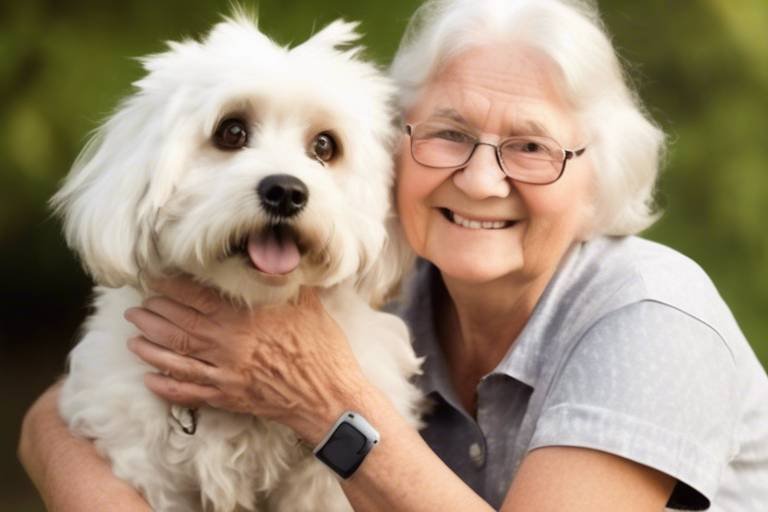
As our beloved furry companions age, it’s essential to shift gears and prepare for their senior years. Just like us, pets experience a variety of changes as they grow older, and being proactive can make all the difference in their quality of life. Imagine your pet as a wise old sage, full of stories and experiences, but also facing new challenges that require our attention and care. In this article, we will explore the crucial aspects of preparing for a pet’s senior years, focusing on health, nutrition, and lifestyle adjustments that will ensure your furry friend enjoys their golden years to the fullest.
The journey into seniority can be a bit like navigating a winding road—sometimes bumpy, sometimes smooth, but always requiring careful steering. As pet owners, it is our responsibility to recognize the signs of aging and adapt our care accordingly. From regular veterinary check-ups to understanding their changing nutritional needs, every step we take can help our pets maintain their vitality and happiness. Let’s dive into the essential considerations that will guide you through this important phase of your pet’s life!
As pets age, their health needs change significantly. Recognizing common health issues and scheduling regular veterinary check-ups are crucial for maintaining their well-being during their senior years. Senior pets are often prone to a range of health problems, including arthritis, dental issues, and even cognitive decline. By staying informed and vigilant, you can help detect these problems early on. Think of it as being a detective for your pet’s health—observing, questioning, and ultimately solving the mystery of their well-being.
Proper nutrition is vital for senior pets. Just like humans, as pets age, their metabolism slows down, and their dietary needs change. Tailoring their diet to meet these changing metabolic needs can help manage weight and prevent health issues, ensuring they remain active and healthy. It’s like adjusting the recipe for your favorite dish; sometimes, a little tweak can enhance the flavor and nutrition. So, let’s explore how to create the perfect meal plan for your aging pet!
Selecting high-quality, age-appropriate food can make a tremendous difference in a senior pet’s health. Ingredients should support joint health, digestion, and overall vitality. Look for foods that contain:
- High-quality proteins to maintain muscle mass
- Joint-supporting ingredients like glucosamine and chondroitin
- Fiber for digestive health
- Omega fatty acids for a shiny coat and healthy skin
Understanding the benefits and drawbacks of wet and dry food can help pet owners make informed decisions. Wet food is often more palatable and can help keep your pet hydrated, while dry food is convenient and can aid in dental health. Each type has unique advantages that can cater to specific needs. It’s essential to consider your pet’s preferences and health conditions when making this choice.
Many pet owners consider supplements to support their senior pets’ health. Omega fatty acids, glucosamine, and probiotics can enhance their quality of life when added to their diet. However, it’s important to consult with your veterinarian before introducing any new supplements. Think of them as the cherry on top of an already balanced diet—perfect for giving that extra boost!
As pets age, their behavior may change. Being vigilant about these changes can help identify potential health issues early, allowing for timely intervention and care. Have you ever noticed your pet acting differently? Maybe they’re less energetic, or perhaps they’re more anxious than usual. Keeping a watchful eye can be like having a secret window into their world, helping you understand their needs better.
A senior pet’s living space should be comfortable and accommodating. Making adjustments can enhance their mobility and overall quality of life as they age. Consider their needs carefully—like a tailor fitting a suit, every detail matters. Small changes can lead to significant improvements in their day-to-day comfort.
Mobility aids such as ramps, orthopedic beds, and harnesses can significantly improve a senior pet’s comfort and independence, making it easier for them to navigate their environment. Imagine how much easier it would be for them to join you on the couch or stroll through the yard with a little help. These aids can be game-changers, allowing your pet to maintain their quality of life and enjoy their surroundings.
Designating quiet, safe areas for senior pets to rest can help reduce stress and anxiety, providing them with a peaceful retreat as they age. Think of this space as a cozy nook where they can curl up and feel secure, away from the hustle and bustle of daily life. It’s their little sanctuary, a place where they can recharge and feel safe.
Q: How often should I take my senior pet to the vet?
A: It’s recommended to schedule veterinary check-ups at least twice a year for senior pets to monitor their health closely.
Q: What signs indicate that my pet may be in pain?
A: Look for changes in behavior, such as reluctance to move, changes in appetite, or excessive vocalization, which may indicate discomfort.
Q: Can I switch my pet’s food suddenly?
A: It’s best to transition to a new food gradually over several days to avoid digestive upset.
Understanding Senior Pet Health
As our beloved furry companions age, their health needs evolve dramatically. It’s akin to watching a child grow into an adult; just as they require different care at various life stages, so do our pets. Understanding the common health issues that accompany aging is vital for any pet owner. From arthritis and dental disease to kidney issues and cognitive decline, senior pets can experience a plethora of challenges. Regular veterinary check-ups become not just important but essential, enabling early detection and treatment of potential health problems.
During a veterinary visit, your vet will likely perform a thorough examination and may recommend blood tests or imaging studies to assess your pet’s overall health. Just like us, senior pets can benefit from preventive care, which can help catch issues before they escalate. For instance, a simple blood test can reveal underlying kidney problems that might not show obvious symptoms initially. It’s crucial to stay proactive rather than reactive when it comes to your pet’s health.
Moreover, keeping an eye on your pet’s behavior is equally important. Changes in eating habits, energy levels, or even bathroom habits can be early indicators of health issues. For example, if your once-active dog suddenly prefers to lounge around or if your cat starts hiding more than usual, these could be signs that something is amiss. Being attuned to these changes allows for timely veterinary intervention, which can significantly improve your pet’s quality of life.
To further illustrate the importance of understanding senior pet health, consider the following common health concerns:
- Arthritis: Affects mobility and can cause significant discomfort, making it difficult for pets to enjoy their favorite activities.
- Dental Disease: Often overlooked, poor dental health can lead to serious infections and pain.
- Kidney Disease: Common in older pets, it can lead to serious health complications if not managed properly.
- Cognitive Dysfunction Syndrome: Similar to dementia in humans, it can affect behavior and cognitive abilities, leading to confusion and anxiety.
By understanding these health concerns and maintaining regular veterinary visits, you can ensure that your senior pet receives the care they need to thrive. Remember, the goal is to provide them with the highest quality of life possible during their golden years. After all, they have given us so much joy; it’s only fair we return the favor by being vigilant and proactive about their health.
Nutrition for Senior Pets
As our beloved furry companions age, their nutritional needs evolve just like they do. Understanding these changes is crucial for ensuring that our senior pets lead healthy and vibrant lives. Just think about it: a senior pet’s metabolism slows down, and their ability to absorb nutrients may not be as efficient as it once was. This means we, as responsible pet owners, need to pay extra attention to their diet. A well-balanced diet tailored to their specific needs can help manage their weight, support joint health, and boost their overall vitality. After all, who wouldn’t want their pet to enjoy their golden years to the fullest?
When it comes to nutrition for senior pets, it’s essential to focus on high-quality ingredients that cater to their changing bodies. Look for foods that are rich in protein, low in calories, and packed with essential vitamins and minerals. Ingredients like omega fatty acids and glucosamine can be particularly beneficial, as they support joint health and mobility. You might even consider adding fresh fruits and vegetables to their meals—just be sure to research which ones are safe for pets! It’s like giving your pet a delicious, nutritious buffet that keeps them happy and healthy.
Another aspect to consider is the type of food you’re offering. Many pet owners find themselves in a dilemma between wet and dry food. Each has its own set of advantages. For instance, wet food can be easier for older pets to chew and digest, while dry food can help maintain dental health. It’s a bit like choosing between a cozy blanket and a sturdy chair—both have their merits, but it ultimately depends on your pet’s specific needs and preferences. If you’re unsure, consulting with your veterinarian can provide personalized guidance to ensure your pet’s diet is on point.
So, how do you go about selecting the right food for your senior pet? Start by looking for products specifically formulated for seniors, as these often contain the right balance of nutrients to support aging bodies. It’s like shopping for a tailored suit versus off-the-rack clothing—customization can make all the difference! Additionally, check the ingredient list. High-quality protein sources, whole grains, and healthy fats should be at the top of the list. Avoid foods with fillers and artificial additives, as these can do more harm than good.
Let’s break down the pros and cons of wet and dry food a bit more. Wet food is often more palatable for senior pets, especially those with dental issues or decreased appetite. It also provides extra moisture, which is beneficial for hydration. On the other hand, dry food is typically more convenient and can help keep teeth clean due to its crunchiness. Ultimately, you might find that a combination of both works best for your furry friend. It’s like mixing your favorite flavors together to create a gourmet dish!
Many pet owners also explore the option of adding supplements to their senior pet’s diet. Supplements such as omega fatty acids, glucosamine, and probiotics can provide additional support for joint health, digestion, and overall well-being. Think of these supplements as the cherry on top of a well-balanced meal—they can enhance your pet’s quality of life when integrated properly. However, always consult with your veterinarian before introducing any new supplements to ensure they are safe and suitable for your pet’s specific health needs.
As you adjust your senior pet’s diet, keep an eye on their behavior. Changes in appetite, energy levels, or bathroom habits can signal that something isn’t quite right. If you notice any significant shifts, it’s essential to consult your veterinarian promptly. Early detection can be a game-changer in managing potential health issues. It’s like catching a small crack in a wall before it turns into a full-blown leak—proactive care can prevent bigger problems down the road.
- What should I look for in senior pet food? Look for high-quality protein sources, low calories, and added nutrients like omega fatty acids and glucosamine.
- Is wet food better than dry food for senior pets? It depends on your pet’s needs. Wet food is easier to chew and digest, while dry food can help with dental health.
- Are supplements necessary for senior pets? While not always necessary, supplements can enhance your pet’s quality of life. Always consult your vet before adding them.
Choosing the Right Food
When it comes to selecting the right food for your senior pet, it’s essential to remember that they aren’t just older versions of their younger selves. Their nutritional needs shift as they age, so what worked for them in their prime may not be suitable anymore. It’s like trying to fit a square peg in a round hole; it simply won’t work! As a loving pet owner, you want to ensure that your furry friend enjoys their golden years with vitality and joy. This starts with a well-balanced diet tailored to their specific needs.
First off, high-quality ingredients are non-negotiable. Look for foods that list real meat as the first ingredient, as this provides the essential protein that senior pets need to maintain muscle mass. Additionally, ingredients that support joint health, such as glucosamine and chondroitin, can be a game-changer, especially for larger breeds that may be prone to arthritis. Think of it as giving them a little extra help to keep their joints moving smoothly, much like oiling the hinges on a door to keep it from squeaking!
Another aspect to consider is the digestibility of the food. Senior pets often have more sensitive stomachs, so choosing a diet rich in fiber and easy-to-digest carbohydrates can help prevent gastrointestinal upset. Ingredients like sweet potatoes and brown rice are excellent choices that can provide the necessary energy without causing discomfort. Always remember, a happy tummy leads to a happy pet!
Moreover, don’t overlook the importance of hydration. Many senior pets may become less inclined to drink water, leading to dehydration. Incorporating wet food into their diet can help increase their water intake, making it easier for them to stay hydrated. Wet food is like a refreshing drink on a hot day—it’s not just nourishing, but it also keeps them cool and comfortable!
To make the best decision, it’s wise to consult with your veterinarian. They can offer tailored recommendations based on your pet’s health history, weight, and activity level. Think of your vet as your pet’s personal nutritionist, guiding you through the maze of pet food options available in the market today.
In summary, when it comes to choosing the right food for your senior pet, keep an eye out for:
- High-quality protein sources to maintain muscle mass.
- Joint-supporting ingredients like glucosamine.
- Easy-to-digest carbohydrates for sensitive stomachs.
- Hydration options through wet food.
By paying careful attention to these factors, you’ll be setting the stage for a healthier, happier life for your beloved senior pet. Remember, their diet is the foundation of their overall health, and with the right food, they can continue to thrive well into their golden years!
Wet vs. Dry Food
When it comes to feeding our beloved senior pets, the debate between wet and dry food is a hot topic among pet owners. Both options have their merits, and understanding the differences can help you make the best choice for your furry friend. So, what’s the scoop? Wet food, often seen as a gourmet treat, is packed with moisture, making it an excellent choice for pets that may be prone to dehydration. It’s particularly beneficial for senior pets who might not drink enough water on their own. The high moisture content can also aid in digestion and make meals more palatable, especially for those with dental issues or diminished appetites.
On the flip side, dry food offers its own set of advantages. It’s convenient, easy to store, and often more affordable than wet food. Plus, the crunchy texture can help reduce plaque buildup on teeth, promoting better oral health. However, it’s essential to ensure that your senior pet has access to plenty of fresh water when consuming dry food to prevent dehydration. So, how do you decide?
Here’s a quick comparison to help you weigh your options:
| Aspect | Wet Food | Dry Food |
|---|---|---|
| Moisture Content | High (up to 80% water) | Low (around 10% water) |
| Convenience | Less convenient, needs refrigeration after opening | Easy to store and serve |
| Cost | Generally more expensive | More economical |
| Dental Health | Less effective for plaque control | Helps reduce plaque and tartar |
| Palatability | Highly palatable, often preferred by pets | Varies; some pets may not prefer dry food |
Ultimately, the choice between wet and dry food may come down to your pet’s specific needs and preferences. Some pet owners even opt for a combination of both, providing the benefits of each. For instance, you might serve dry food during the day for convenience and offer wet food at mealtime to keep things exciting and appetizing. It’s all about finding that perfect balance!
Remember, regardless of the type of food you choose, always consult your veterinarian to ensure it meets your senior pet’s unique dietary requirements. After all, a well-fed pet is a happy pet!
- Can I mix wet and dry food? Yes, many pet owners find that mixing the two can provide a balanced diet and keep their pets interested in their meals.
- How do I know which food is best for my senior pet? Consult your veterinarian, who can recommend the best diet based on your pet’s health, weight, and preferences.
- Is wet food better for hydration? Yes, wet food has a higher moisture content, which can help keep your pet hydrated, especially if they tend to drink less water.
Supplements for Senior Pets
As our furry companions age, their nutritional needs evolve, and this is where supplements can play a vital role in enhancing their quality of life. Just like humans, senior pets can benefit from additional nutrients that support their overall health and well-being. Think of supplements as the secret sauce to help your pet age gracefully, ensuring they remain lively and vibrant even in their golden years.
One of the most popular supplements for senior pets is omega fatty acids. These essential fats are known for their anti-inflammatory properties, which can be particularly beneficial for pets suffering from arthritis or joint pain. Omega fatty acids can also promote a healthy coat and skin, making your pet not just feel good, but look good too!
Another important supplement is glucosamine, a compound that helps maintain joint health. As pets age, their joints may become stiff and painful, leading to decreased mobility. By incorporating glucosamine into their diet, you can help alleviate some of these issues, allowing your pet to enjoy their daily activities without discomfort. It’s like giving them a little extra spring in their step!
Probiotics are also a fantastic addition to a senior pet’s diet. These beneficial bacteria support gut health, which is crucial as digestive systems can slow down with age. A healthy gut can lead to better nutrient absorption and improved overall health. Think of probiotics as tiny warriors fighting off bad bacteria and keeping your pet’s digestive system in top shape!
When considering supplements, it’s essential to consult with your veterinarian. They can provide tailored advice based on your pet’s specific needs and health conditions. Remember, not all pets will require the same supplements, and what works wonders for one may not be suitable for another. Your vet can help you navigate this supplement journey, ensuring your furry friend is getting the right support.
To give you a clearer picture, here’s a quick comparison of popular supplements for senior pets:
| Supplement | Benefits | Considerations |
|---|---|---|
| Omega Fatty Acids | Supports joint health and promotes a healthy coat | Consult vet for proper dosage |
| Glucosamine | Helps maintain joint flexibility and reduces pain | May take time to see results |
| Probiotics | Improves gut health and digestion | Choose a high-quality product |
In conclusion, supplements can be a game-changer for senior pets, providing them with the extra support they need to thrive. By carefully selecting the right supplements and working closely with your veterinarian, you can help ensure that your furry friend enjoys their senior years with energy and vitality. After all, every pet deserves to feel their best, no matter their age!
- What are the best supplements for senior pets? The best supplements can vary by pet, but omega fatty acids, glucosamine, and probiotics are commonly recommended.
- How do I know if my pet needs supplements? Consult with your veterinarian to assess your pet’s health and determine if supplements are necessary.
- Can I give my pet human supplements? No, human supplements can be harmful to pets. Always use pet-specific supplements.
- When should I start giving my pet supplements? It’s best to start considering supplements as your pet enters their senior years, typically around 7 years old, but consult your vet for personalized advice.
Monitoring Behavior Changes
As our beloved pets transition into their senior years, it’s essential to recognize that they may not only experience physical changes but also behavioral ones. Just like humans, pets can undergo shifts in their mood, energy levels, and habits as they age. Keeping a close eye on these changes can be a game-changer in ensuring their well-being. Have you ever noticed your once-playful pup becoming a couch potato? Or perhaps your chatty feline has suddenly turned shy? These alterations can signal underlying health issues, so staying vigilant is key.
One of the most significant changes you might observe is a decrease in activity levels. Senior pets often prefer lounging over leaping, which can be perfectly normal. However, if your pet seems excessively lethargic or uninterested in activities they used to enjoy, it could be a red flag. Similarly, watch for any signs of discomfort or pain, such as difficulty jumping, reluctance to climb stairs, or changes in their grooming habits. These behaviors can indicate joint problems or other health concerns that may require veterinary attention.
Another aspect to monitor is their social behavior. Some senior pets may become more withdrawn, while others might seek out companionship more than ever. If your pet starts isolating themselves or showing signs of anxiety, it’s crucial to address these changes. You might consider creating a more stimulating environment with interactive toys or engaging in gentle playtime to help them feel more connected and active.
To better understand and monitor these changes, consider keeping a behavior diary. Documenting your pet’s daily activities, eating habits, and interactions can provide valuable insights. You can use a simple table like the one below to track changes over time:
| Date | Activity Level | Eating Habits | Social Interaction | Notes |
|---|---|---|---|---|
| 10/01/2023 | Active | Normal | Playful | Enjoyed a long walk |
| 10/08/2023 | Less Active | Eating Less | More Withdrawn | Seemed tired after short playtime |
By documenting these changes, you’ll be better equipped to discuss your observations with your veterinarian during check-ups. Remember, early intervention can lead to better outcomes for your furry friend. If you notice any significant shifts that concern you, don’t hesitate to reach out to your vet. They can help determine if these behavioral changes are a normal part of aging or if there’s an underlying issue that needs addressing.
In summary, keeping a close watch on your senior pet’s behavior is not just about noticing the small things; it’s about being proactive in their care. By understanding their needs and changes, you can provide a nurturing environment that supports their health and happiness during their golden years.
- What are common signs of aging in pets? Look for decreased energy, changes in appetite, and altered social behaviors.
- How can I help my senior pet stay active? Engage in gentle play and consider short walks to keep them moving without overexerting them.
- When should I consult a vet about behavior changes? If you notice significant or concerning changes, it’s best to consult your veterinarian for guidance.
Creating a Comfortable Environment
As our beloved pets age, creating a comfortable environment becomes paramount. Just like we might adjust our living spaces to accommodate our changing needs, our furry friends deserve the same consideration. Imagine how a cozy corner with soft blankets can transform a cold, hard floor into a warm haven. It’s essential to make these thoughtful changes to ensure our senior pets feel safe, secure, and happy in their golden years.
One of the first steps in fostering a comfortable environment is to assess your pet’s mobility. Senior pets may struggle with stairs or jumping onto furniture. This is where mobility aids come into play. Items like ramps can help them access their favorite spots without strain, while orthopedic beds provide the support they need for aching joints. Think of these aids as little lifelines that help your pet maintain their independence and dignity.
Additionally, creating safe spaces is crucial. Designate areas where your pet can retreat when they need a break from the hustle and bustle of daily life. This could be a quiet corner of a room or a cozy crate lined with their favorite blankets. These safe spaces should be away from noise and activity, allowing your pet to relax and recharge. Just like we all need our cozy nooks to unwind, senior pets thrive when they have a peaceful retreat.
Let’s not forget about the importance of environmental enrichment. Keeping your senior pet mentally stimulated is just as important as physical comfort. Engage them with gentle toys or puzzle feeders that encourage problem-solving without overwhelming them. This keeps their minds sharp and spirits high. After all, a happy pet is a healthy pet!
To summarize, here are some key elements to consider when creating a comfortable environment for your senior pet:
- Mobility Aids: Ramps, orthopedic beds, and harnesses.
- Safe Spaces: Quiet areas for rest and relaxation.
- Environmental Enrichment: Gentle toys and puzzle feeders for mental stimulation.
In the end, each adjustment you make in your home is a step towards enhancing your pet’s quality of life. Just as we would want a cozy, accommodating space as we age, our pets deserve the same love and care. By being proactive and attentive to their needs, you can ensure that their senior years are filled with comfort, joy, and plenty of tail wags!
Q: How can I tell if my senior pet is comfortable in their environment?
A: Look for signs of relaxation, such as your pet lounging in their favorite spots, sleeping soundly, and showing interest in their surroundings. If they seem anxious or restless, it might be time to make adjustments.
Q: What types of mobility aids are best for my senior pet?
A: Ramps, non-slip mats, and orthopedic beds are great options. Ensure any mobility aid is sturdy and easy for your pet to use.
Q: How can I create a safe space for my pet?
A: Choose a quiet area away from household traffic, add comfortable bedding, and ensure it’s free from hazards. This will provide your pet with a peaceful retreat.
Q: Are there specific toys that are better for senior pets?
A: Look for soft, easy-to-handle toys and puzzle feeders that don’t require too much physical exertion. The goal is to keep them engaged without overwhelming them.
Mobility Aids
This article discusses essential considerations for pet owners as their furry friends enter their golden years, including health, nutrition, and lifestyle adjustments to ensure a comfortable and happy life.
As pets age, their health needs change significantly. Recognizing common health issues and regular veterinary check-ups are crucial for maintaining their well-being during their senior years.
Proper nutrition is vital for senior pets. Tailoring their diet to meet changing metabolic needs can help manage weight and prevent health issues, ensuring they remain active and healthy.
Selecting high-quality, age-appropriate food can make a difference in a senior pet’s health. Ingredients should support joint health, digestion, and overall vitality.
Understanding the benefits and drawbacks of wet and dry food can help pet owners make informed decisions. Each type has unique advantages that can cater to specific needs.
Many pet owners consider supplements to support their senior pets’ health. Omega fatty acids, glucosamine, and probiotics can enhance their quality of life when added to their diet.
As pets age, their behavior may change. Being vigilant about these changes can help identify potential health issues early, allowing for timely intervention and care.
A senior pet’s living space should be comfortable and accommodating. Making adjustments can enhance their mobility and overall quality of life as they age.
Mobility aids are essential for ensuring that our senior pets maintain their independence and comfort as they age. Just like a good pair of shoes can make a world of difference for an elderly human, the right mobility aids can significantly improve a senior pet’s quality of life. For instance, ramps can help pets navigate stairs without straining their joints, while orthopedic beds provide the necessary support for aging bones and muscles.
Additionally, harnesses designed for senior pets can assist in lifting them when they struggle to get up or move around. These aids not only promote physical well-being but also offer emotional support, allowing pets to feel secure in their surroundings. It’s like giving them a helping hand when they need it the most!
Here’s a quick overview of some popular mobility aids for senior pets:
| Mobility Aid | Benefits |
|---|---|
| Ramps | Facilitates easy access to furniture and vehicles, reducing strain on joints. |
| Orthopedic Beds | Provides support for aching joints and muscles, enhancing sleep quality. |
| Pet Slings | Helps lift pets with limited mobility, making it easier for them to walk. |
| Non-slip Mats | Prevents slipping on floors, increasing safety for pets with mobility issues. |
Incorporating these mobility aids into your senior pet’s daily routine can help them navigate their environment with greater ease. Just imagine how much happier your furry friend will be when they can move around comfortably, enjoying their favorite spots in the house without fear of falling or straining themselves!
- What are the signs that my pet may need mobility aids? Look for signs like difficulty climbing stairs, reluctance to jump onto furniture, or struggling to stand up after lying down.
- How can I choose the right mobility aid for my pet? Assess your pet’s specific needs, including their size, weight, and mobility challenges. Consulting with your veterinarian can also provide tailored recommendations.
- Are mobility aids expensive? Prices can vary widely depending on the type of aid. However, many options are available at different price points, ensuring you can find something that fits your budget.
Safe Spaces
Creating a safe space for your senior pet is one of the most thoughtful things you can do as they age. Imagine a cozy nook where they can retreat, away from the hustle and bustle of daily life. This space should be their sanctuary, a place where they feel secure and comfortable. As pets grow older, they often experience changes in their senses and mobility, making it essential to provide them with an area that caters to their evolving needs.
When designing a safe space, consider the following elements:
- Quiet Environment: Choose a location that is away from loud noises and foot traffic. This will help to minimize stress and anxiety, allowing your pet to relax.
- Comfortable Bedding: Invest in a soft, orthopedic bed that supports their joints. A well-cushioned bed can make a world of difference for an aging pet.
- Accessible Location: Ensure that the space is easy for your pet to access. If they have mobility issues, avoid stairs and opt for a flat area.
Additionally, you might want to incorporate some familiar items into their safe space. This could include their favorite blankets, toys, or even a piece of your clothing. The scent of these items can provide comfort and a sense of security.
It’s also important to monitor your pet’s behavior in their safe space. If they seem to spend more time there, it might be an indication that they need more quiet time or that they are experiencing discomfort elsewhere. Make adjustments based on their needs; after all, their comfort is the priority.
Finally, consider adding some gentle lighting to the area. As pets age, their vision may decline, and a well-lit space can help them navigate more easily. A few soft lights or a cozy lamp can transform their safe zone into a warm and inviting retreat.
Q: How can I tell if my pet is comfortable in their safe space?
A: Look for signs such as relaxation, stretching, or even sleeping in their designated area. If they frequently return to their safe space, it’s a good indicator that they feel comfortable and secure.
Q: Should I change the safe space as my pet ages?
A: Yes, as your pet ages, their needs may change. Regularly assess their safe space to ensure it remains accessible and comfortable for them.
Q: Can I create a safe space in a small apartment?
A: Absolutely! Even a small corner with a cozy bed and a few familiar items can serve as a perfect safe space for your senior pet.
Frequently Asked Questions
- What are the common health issues in senior pets?
As our furry friends age, they can face a variety of health challenges. Common issues include arthritis, dental disease, kidney problems, and obesity. Regular veterinary check-ups are essential to catch these issues early and keep your pet healthy and happy.
- How can I tell if my senior pet is in pain?
Pets can be pretty good at hiding pain, but there are signs to watch for. Look for changes in behavior, such as increased irritability, reluctance to move, or changes in appetite. If you notice any of these signs, it’s best to consult your vet for a thorough examination.
- What should I feed my senior pet?
Feeding your senior pet a high-quality, age-appropriate diet is crucial. Look for foods that support joint health, digestion, and overall vitality. It’s also important to consider their specific health needs, so consulting with your vet about the best diet for your pet is always a smart move.
- Are supplements necessary for senior pets?
Supplements can be beneficial for senior pets, but they’re not always necessary. Omega fatty acids, glucosamine, and probiotics can enhance their quality of life. However, it’s important to discuss any supplements with your vet to ensure they’re appropriate for your pet’s specific health needs.
- How can I help my senior pet with mobility issues?
Mobility aids like ramps, orthopedic beds, and harnesses can make a world of difference for senior pets struggling with movement. These tools can help them navigate their environment more comfortably and maintain their independence.
- What can I do to create a comfortable environment for my senior pet?
Creating a comfortable space for your senior pet involves making adjustments to their living area. Ensure they have a quiet, safe space to rest, and consider adding soft bedding and easy access to their favorite spots. Reducing stress and providing comfort is key to their well-being as they age.
- How often should I take my senior pet to the vet?
For senior pets, it’s generally recommended to visit the vet at least twice a year. Regular check-ups can help monitor their health and catch any potential issues early. Your vet will be able to advise on the best schedule based on your pet’s specific needs.
- What behavioral changes should I look for in my senior pet?
As pets age, they may exhibit changes in behavior, such as increased aggression, withdrawal, or changes in sleeping patterns. Being vigilant about these changes can help you identify potential health issues early, allowing for timely intervention and care.
senior pets, health care, nutrition, exercise, veterinary check-ups, comfort options, mobility aids, enrichment activities, , senior pets, health care, nutrition, exercise, veterinary check-ups, comfort options, mobility aids, enrichment activities,
Share this content:
Leave a Reply