
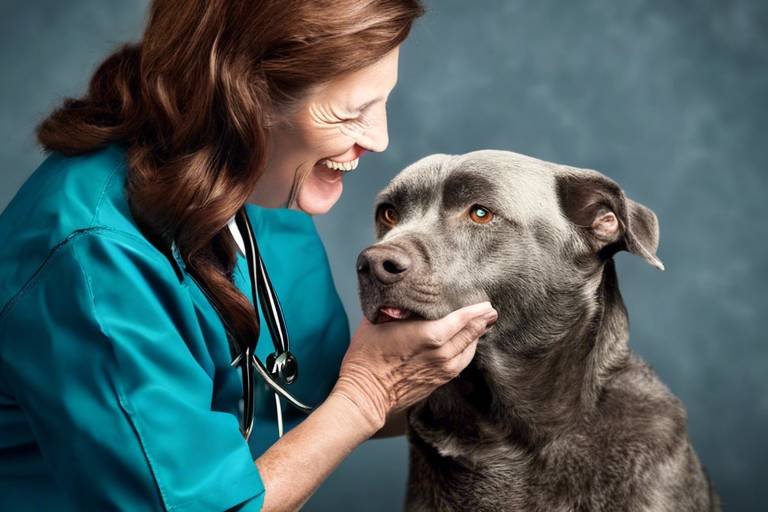
Choosing the right veterinarian for your senior pet is one of the most important decisions you’ll make as a pet owner. Just like humans, our furry friends require specialized care as they age, and finding a vet who understands their unique needs can make all the difference in their quality of life. Imagine your pet as a wise old sage, with a lifetime of stories and experiences that deserve the utmost respect and care. This article provides guidance on selecting the right veterinarian for your aging pet, ensuring they receive the best possible care tailored to their unique health needs.
As pets age, their health requirements change significantly. Just like how we might need reading glasses or a little more time to recover from a cold, senior pets often face a range of health issues that can affect their daily lives. Understanding these needs is essential for choosing a vet who can provide appropriate care and support for your senior companion. Common health issues in senior pets may include arthritis, dental disease, kidney problems, and even heart conditions. By recognizing these potential challenges, you can better assess which veterinarian will be best equipped to address your pet’s specific health concerns.
Start your search by researching local veterinarians. The internet is a treasure trove of information, but don’t forget to tap into your community resources. Ask friends, family, or even local pet groups for their recommendations. Consider their experience with senior pets, available services, and overall reputation within the community to ensure you find a qualified professional. You might want to create a shortlist of potential vets and compare them based on the following criteria:
- Years of experience with senior pets
- Range of services offered
- Client reviews and testimonials
It’s crucial to verify the qualifications and experience of veterinarians. Look for certifications and specialties in geriatric care to ensure they are well-equipped to handle your pet’s specific health issues. A veterinarian with a strong background in senior pet care will be familiar with the nuances of aging animals and can provide insights that a general vet might miss. Don’t hesitate to ask about their experience with conditions that commonly affect older pets, such as diabetes or joint issues.
Veterinary medicine includes various specialties. Knowing the differences can help you choose a vet who specializes in areas relevant to your senior pet’s health concerns, such as cardiology or oncology. For instance, if your pet has heart issues, finding a veterinarian with a specialty in cardiology can be invaluable. You wouldn’t go to a general doctor for a heart condition, right? The same principle applies to our pets.
Veterinary medicine is constantly evolving. Ensure your chosen vet participates in continuing education to stay updated on the latest advancements in senior pet care and treatment options. This is crucial because new treatments and techniques can significantly enhance your pet’s quality of life. Ask potential vets about their commitment to ongoing education and how they integrate new findings into their practice.
A visit to the veterinary clinic will give you insight into the environment and staff. Observe the cleanliness, equipment, and how staff members interact with both pets and their owners. A welcoming atmosphere can make visits less stressful for both you and your pet. Pay attention to how the staff handles senior pets; are they gentle and understanding? This can be a good indicator of how your pet will be treated during their visits.
Effective communication is key to a strong vet-client relationship. Assess how well the veterinarian listens to your concerns and explains treatment options to ensure you feel comfortable and informed. A good vet should be able to break down complex medical jargon into terms you can easily understand. After all, you want to be a partner in your pet’s care, not just a bystander.
A good veterinarian should be willing to discuss various treatment options for your senior pet. Understanding the pros and cons of each option is essential for making informed decisions about their care. Whether it’s medication, dietary changes, or alternative therapies, your vet should provide you with a comprehensive view of what each option entails.
Emergencies can happen at any time. Check if the veterinary clinic offers emergency services or if they have partnerships with nearby emergency facilities to ensure your pet receives prompt care when needed. Knowing that your vet can handle emergencies can bring peace of mind, allowing you to focus on what really matters—your pet’s health and happiness.
- What should I look for in a veterinarian for my senior pet? Look for experience with senior pets, specialties in geriatric care, and a commitment to ongoing education.
- How can I tell if my pet is experiencing health issues? Watch for changes in behavior, appetite, or mobility. Regular check-ups can also help catch issues early.
- Is it necessary to have a vet who specializes in senior pets? While not mandatory, a specialist can provide more tailored care for age-related health issues.
Understanding Senior Pet Needs
As our beloved pets age, their health requirements undergo significant changes, much like how we experience different stages of life. It’s essential to recognize that senior pets often face unique challenges that require specialized care. Understanding these needs is not just beneficial; it’s crucial for ensuring that our furry friends live their golden years comfortably and happily.
Firstly, senior pets may experience a decline in mobility. This can manifest as stiffness or difficulty in getting up after lying down, similar to how we might feel after a long day. Regular veterinary check-ups become increasingly important to monitor conditions like arthritis, which can affect their quality of life. A veterinarian experienced in geriatric care can recommend treatments, including pain management strategies, to keep your pet active and engaged.
Moreover, dietary adjustments play a pivotal role in a senior pet’s health. Aging pets often require a diet that is lower in calories but higher in nutrients. Just as we adapt our diets as we age, our pets need similar considerations. A veterinarian can guide you on the best food choices tailored to your pet’s specific health issues, whether it’s kidney disease, diabetes, or obesity. For instance, a high-fiber diet can help with digestive issues, while omega-3 fatty acids may support joint health.
Another critical aspect is the increased risk of chronic health conditions. Senior pets are more susceptible to ailments such as heart disease, dental problems, and even cancer. Regular screenings and blood tests can help catch these issues early, allowing for prompt treatment. Many veterinarians recommend annual or biannual wellness exams for pets over the age of seven, as early detection can make a world of difference in treatment outcomes.
Additionally, mental health is often overlooked in senior pets. Just like humans, pets can suffer from cognitive decline as they age, leading to confusion or anxiety. Engaging in mental stimulation through interactive toys or gentle training exercises can help keep their minds sharp. It’s essential to discuss these behavioral changes with your veterinarian, who can provide resources and strategies to enrich your pet’s life.
In summary, understanding the specific needs of senior pets is the first step in providing them with the care they deserve. This understanding goes hand-in-hand with selecting a veterinarian who is not only knowledgeable but also compassionate about the unique challenges faced by aging animals. Your pet’s health and happiness depend on this crucial partnership.
Researching Local Veterinarians
When it comes to the health and well-being of your beloved senior pet, finding the right veterinarian can feel like a daunting task. After all, you want someone who not only understands the unique needs of older animals but also has a reputation for providing top-notch care. So, where do you start? The first step is to research local veterinarians and gather all the information you can about their services, experience, and community reputation. This process is like being a detective on a mission, and your furry friend deserves the best!
Begin by asking fellow pet owners in your neighborhood or community for recommendations. Personal experiences can be incredibly insightful. You might discover hidden gems that don’t pop up on the first page of your online search. Social media groups and local online forums can also be a treasure trove of information, where pet owners share their stories and experiences with various vets. Don’t hesitate to reach out; people love to talk about their pets, and you might just find the perfect match!
Next, take your research online. Look for veterinary clinics in your area and check their websites. Most clinics will list their services, staff qualifications, and any specialties they may have. Pay attention to their focus on senior pet care. A vet that showcases a commitment to geriatric medicine is a promising sign. Additionally, check for reviews and testimonials on platforms like Google, Yelp, or Facebook. These reviews can provide a glimpse into the experiences of other pet owners and highlight the level of care provided.
Another important factor to consider is the availability of services. Does the clinic offer a range of treatments specifically designed for senior pets? Some clinics may provide wellness exams, pain management options, or even acupuncture, which can be beneficial for older animals. You might want to compile a list of potential veterinarians and create a comparison table to help you visualize your options better. Here’s a simple example:
| Veterinarian | Specialties | Reviews | Emergency Services |
|---|---|---|---|
| Dr. Smith’s Animal Clinic | Geriatric Care, Cardiology | 4.8/5 | Yes |
| Happy Paws Veterinary | Oncology, Pain Management | 4.5/5 | No |
| Four-Legged Friends Vet | General Practice, Geriatric Focus | 4.9/5 | Yes |
This table can help you visualize which clinics align best with your senior pet’s needs. Don’t forget to check if the clinic has any affiliations with veterinary organizations, as this could be a sign of their commitment to ongoing education and quality care.
Finally, once you have a shortlist of potential veterinarians, it’s time to take the next step: visiting the clinics in person. This will give you a feel for the environment and allow you to meet the staff. Observe how they interact with pets and their owners. A welcoming and friendly atmosphere can make all the difference for both you and your furry friend. Remember, your pet’s comfort is key, and a positive experience at the vet can make all the difference in their overall health journey.
Checking Qualifications and Experience
When it comes to your senior pet’s health, you want nothing but the best. That’s why checking the qualifications and experience of a veterinarian is crucial. After all, just like we seek out specialists for our own health issues, our furry friends deserve the same level of care. Start by looking for veterinarians who have specific training in geriatric care, as this indicates they have a deeper understanding of the unique health challenges that come with aging.
One way to gauge a vet’s qualifications is by checking their credentials. Most reputable veterinarians will have their degrees and certifications displayed in their clinic. Look for memberships in professional organizations such as the American Veterinary Medical Association (AVMA) or the American Animal Hospital Association (AAHA). These affiliations often require veterinarians to adhere to high standards of practice and continuing education.
Experience matters, especially when dealing with senior pets who may have complex health issues. Ask potential vets about their experience with conditions commonly seen in older animals, such as arthritis, kidney disease, or cancer. A vet who has successfully treated many senior pets will likely have valuable insights into managing these conditions effectively. You might want to ask questions like:
- How many senior pets do you see on a regular basis?
- What specific treatments do you recommend for common geriatric conditions?
- Can you provide references from other pet owners who have senior pets?
Furthermore, many veterinarians pursue additional certifications in specialized fields. For example, a vet with a certification in internal medicine can be particularly beneficial if your pet has chronic health problems. You might also find veterinarians with a focus on pain management or palliative care, which can greatly enhance your pet’s quality of life in their golden years.
In addition to checking their credentials, consider the clinic’s overall reputation. Online reviews and testimonials can provide insight into other pet owners’ experiences. Look for comments that mention the vet’s ability to handle senior pets and their communication style. A veterinarian who takes the time to explain conditions and treatment options can make a world of difference in your pet’s care journey.
Ultimately, finding the right vet for your senior pet is about ensuring they receive the best possible care tailored to their unique health needs. By focusing on qualifications and experience, you can make an informed decision that will benefit your beloved companion.
Here are some common questions pet owners have when selecting a veterinarian for their senior pets:
- What should I look for in a veterinarian for my senior pet? Look for qualifications in geriatric care, experience with common senior conditions, and a good communication style.
- How can I verify a veterinarian’s credentials? Check their degrees, certifications, and memberships in professional organizations.
- Is it important for a vet to have experience with senior pets? Yes, experienced vets are more likely to understand the unique needs and health issues of aging pets.
- What if my pet has a specific health condition? Seek out veterinarians who specialize in that condition for better care options.
Understanding Veterinary Specialties
When it comes to the health of your senior pet, understanding veterinary specialties can be a game changer. Just like human medicine, veterinary medicine has various fields of expertise. This means that not all veterinarians are created equal; some may focus on general practice, while others dive deep into specific areas. For instance, if your furry friend is facing heart issues, you wouldn’t want to consult just any vet. You’d want a veterinary cardiologist, someone who has dedicated their career to understanding and treating heart-related conditions in animals.
Think of it this way: if you were experiencing a complicated health issue, would you prefer a general practitioner or a specialist? The same logic applies to your pet. By choosing a veterinarian with the right specialty, you can ensure that your pet receives the most informed and effective care possible. Here are some common veterinary specialties you might encounter:
- Veterinary Internal Medicine: Focuses on diagnosing and treating chronic diseases.
- Veterinary Oncology: Specializes in the treatment of cancer in pets.
- Veterinary Cardiology: Deals with heart-related issues.
- Veterinary Surgery: Focuses on surgical interventions.
- Veterinary Dermatology: Specializes in skin conditions and allergies.
Choosing a vet who specializes in a relevant area can make a significant difference in the quality of care your senior pet receives. For example, if your pet is diagnosed with arthritis, a veterinarian who specializes in orthopedics would be ideal. They would have the experience and knowledge to recommend the best treatment options, whether it’s medication, physical therapy, or even surgical intervention.
Moreover, many veterinarians are not just generalists; they often have additional certifications and training in specific fields. When you’re researching potential vets, don’t hesitate to ask about their specialties and any additional training they have completed. This will give you peace of mind knowing that your beloved pet is in capable hands.
In summary, understanding veterinary specialties is crucial when selecting the right vet for your senior pet. By aligning your pet’s health needs with a veterinarian’s expertise, you can ensure that they receive the best possible care tailored to their unique circumstances. It’s all about finding that perfect match to support your furry family member as they age gracefully.
Q: How do I know if my pet needs to see a specialist?
A: If your pet has a chronic condition, exhibits unusual symptoms, or if your general vet recommends it, it may be time to consult a specialist.
Q: Are specialists more expensive than general vets?
A: Generally, yes. Specialists may charge more due to their additional training and expertise, but the investment can lead to better outcomes for your pet.
Q: Can my regular vet refer me to a specialist?
A: Absolutely! Many general practitioners work closely with specialists and can provide you with referrals based on your pet’s specific needs.
Q: What should I look for in a veterinary specialist?
A: Look for their credentials, experience, and reviews from other pet owners. It’s also important that you feel comfortable communicating with them about your pet’s health.
Evaluating Continuing Education
When it comes to the health of your senior pet, staying informed is essential. Veterinary medicine is a field that is constantly evolving, with new research and advancements emerging regularly. This is why evaluating a veterinarian’s commitment to continuing education is crucial. A vet who actively participates in ongoing training and education is more likely to be aware of the latest treatments, technologies, and best practices for caring for aging pets.
So, how can you assess a veterinarian’s dedication to continuing education? Start by asking them about their recent training and any additional certifications they have obtained. Many veterinary professionals attend workshops, seminars, and conferences to keep their skills sharp and knowledge up to date. For instance, a vet who specializes in geriatric care may have attended specialized courses that focus on the unique health challenges faced by senior pets.
Additionally, you can look for signs that a clinic values education. Do they have up-to-date materials in their waiting area? Are they involved in community outreach or educational programs? These factors can indicate a commitment to not only their own education but also to educating pet owners about the best practices in pet care.
Here’s a quick checklist of questions you might consider asking during your initial visit or consultation:
- What recent workshops or seminars have you attended?
- Do you have any certifications in geriatric veterinary care?
- How do you stay informed about advancements in veterinary medicine?
- Are you involved in any professional organizations that focus on continuing education?
By ensuring that your chosen veterinarian is committed to ongoing learning, you can feel confident that they will provide the best possible care for your beloved senior pet. After all, just like us, our furry friends deserve to have their health managed by someone who is knowledgeable and passionate about their well-being.
- Why is continuing education important for veterinarians?
Continuing education is important because it ensures that veterinarians stay current with the latest medical advancements and treatment options, which is crucial for providing the best care for pets, especially senior ones with unique health needs.
- How can I find out if my vet participates in continuing education?
You can ask your vet directly about their recent training and certifications or check their clinic’s website for information about their staff’s qualifications and ongoing education.
- What should I look for in a veterinarian for my senior pet?
Look for a veterinarian who has experience with senior pets, a commitment to continuing education, good communication skills, and a clean, welcoming clinic environment.
Visiting the Clinic
When it comes to your beloved senior pet, the environment where they receive care is just as important as the veterinarian themselves. A visit to the clinic can unveil a lot about the quality of care your furry friend will receive. First impressions matter, and the moment you step through those doors, you should be on the lookout for several key indicators of a well-run veterinary practice.
Start by observing the cleanliness of the clinic. A tidy space is often a reflection of the professionalism and attention to detail of the staff. Look around—are the floors clean? Are the examination rooms organized and free of clutter? A clean environment helps prevent infections and ensures that your pet is in safe hands.
Next, take note of the equipment available. Modern veterinary clinics should be equipped with up-to-date technology to diagnose and treat your senior pet effectively. This includes diagnostic tools like ultrasound machines, digital X-rays, and laboratory facilities. Having access to these resources can make a significant difference in your pet’s diagnosis and treatment plan.
Another crucial aspect to consider is how the staff interacts with both pets and their owners. Are they friendly and approachable? Do they seem genuinely interested in your pet’s well-being? A warm and welcoming atmosphere can greatly ease the stress that often accompanies veterinary visits, especially for senior pets who may already be anxious. Pay attention to how the staff handles your pet; gentle and compassionate handling is a must.
During your visit, don’t hesitate to ask questions. Inquire about their experience with senior pets specifically. A knowledgeable staff member should be able to provide insights into common health issues for aging animals and how they address them. This conversation is not just about assessing the clinic but also about establishing a relationship with the team that will be caring for your pet.
Finally, take a moment to observe the overall atmosphere of the clinic. Is it calm and inviting, or does it feel chaotic? A peaceful environment can help keep your pet relaxed, which is especially important for senior animals that may be more sensitive to stress. Remember, a clinic that prioritizes comfort can make all the difference in your pet’s experience.
In summary, visiting the clinic is an essential step in selecting the right veterinarian for your senior pet. By paying attention to cleanliness, equipment, staff interactions, and overall atmosphere, you can gain valuable insights into the quality of care your pet will receive. Trust your instincts—if something feels off, it’s perfectly okay to continue your search for the best veterinary practice for your furry friend.
- What should I look for during my clinic visit? Look for cleanliness, modern equipment, and friendly staff interactions.
- How do I know if the staff is experienced with senior pets? Ask about their experience and inquire about common health issues they manage for aging animals.
- Can I ask questions during the visit? Absolutely! It’s important to communicate openly with the veterinary staff about your pet’s needs.
- What if I feel uncomfortable at the clinic? Trust your instincts; if something feels off, continue searching for a vet that feels right for you and your pet.
Assessing Communication Style
When it comes to the well-being of your senior pet, effective communication with your veterinarian is paramount. Imagine trying to navigate a maze blindfolded; that’s what it feels like when you don’t have a vet who communicates clearly. You need someone who not only listens to your concerns but also explains things in a way that makes sense to you. A good veterinarian should create an environment where you feel comfortable asking questions and discussing your pet’s health. This rapport is essential, especially when dealing with the complexities of senior pet care.
During your initial visit, pay attention to how the veterinarian interacts with you. Are they patient and attentive? Do they take the time to listen to your worries about your pet’s health? You might want to consider the following aspects:
- Listening Skills: Does the vet seem genuinely interested in what you have to say? Are they asking follow-up questions to clarify your concerns?
- Clarity of Information: Are they able to explain medical terms and treatment options in simple language? You shouldn’t leave the clinic feeling more confused than when you arrived.
- Empathy: Does the veterinarian show compassion for your pet’s situation? A vet who understands the emotional bond between you and your pet can make a significant difference in your experience.
Moreover, it’s beneficial to discuss treatment options openly. A good veterinarian will present various choices for your senior pet, detailing the pros and cons of each. This collaborative approach empowers you to make informed decisions about your pet’s care. For instance, if your pet is diagnosed with a chronic condition, the vet should outline not just the recommended treatment but also alternative therapies, lifestyle changes, and even palliative care options. This level of transparency is crucial for building trust.
Don’t hesitate to ask your vet about their communication style. You might want to inquire if they prefer phone calls, emails, or in-person discussions for follow-ups. Understanding their preferred method can help you stay connected and informed about your pet’s health. Remember, your comfort and understanding are just as important as your pet’s treatment.
In addition to verbal communication, observe how the clinic staff interacts with you and your pet. The way they communicate and handle your furry friend can give you insights into the overall culture of the clinic. A welcoming and friendly atmosphere can make all the difference, especially when your pet is feeling under the weather.
Ultimately, assessing communication style isn’t just about the words exchanged; it’s about building a partnership with your veterinarian. This relationship is vital for navigating the challenges of caring for a senior pet, ensuring that both you and your furry companion feel supported every step of the way.
1. How important is communication style in choosing a vet for my senior pet?
Effective communication is crucial as it helps you understand your pet’s health needs and treatment options, creating a collaborative environment for better care.
2. What should I look for in a veterinarian’s communication?
Look for a vet who listens attentively, explains medical terms clearly, shows empathy, and discusses treatment options openly.
3. Can I ask my vet about their preferred communication methods?
Absolutely! It’s important to know how your vet prefers to communicate, whether through phone, email, or in-person discussions, to ensure you stay informed.
4. How can I assess the clinic staff’s communication style?
Observe how the staff interacts with you and your pet. Friendly, attentive communication can indicate a supportive environment for your pet’s care.
Discussing Treatment Options
When it comes to the health of your beloved senior pet, discussing treatment options with your veterinarian is not just important—it’s absolutely crucial. Imagine standing at a crossroads, where each path represents a different treatment approach. You want to feel empowered in your decision-making, and that starts with having a thorough conversation with your vet. A good veterinarian will not only present various treatment options but will also take the time to explain the pros and cons of each, ensuring you understand what’s best for your furry friend.
Consider this: your senior pet may have unique health challenges, and the treatment plan should be as tailored as a custom-made suit. For example, if your pet is diagnosed with arthritis, your vet might suggest a combination of medication, physical therapy, and dietary changes. Each option has its benefits and potential drawbacks. By discussing these openly, you can weigh the risks and benefits, making an informed choice that aligns with your pet’s needs and your lifestyle.
Moreover, it’s essential to consider not just the treatment itself but also the logistics involved. Will the treatment require frequent visits to the clinic? What is the estimated cost? Are there any side effects you should be aware of? These are all valid questions that deserve thoughtful answers. A transparent conversation will help you feel more at ease and confident in the path you choose.
Additionally, don’t hesitate to ask about alternative therapies. Many veterinarians are open to discussing holistic options, such as acupuncture or herbal remedies, which can be beneficial alongside traditional treatments. It’s like adding a splash of color to a black-and-white painting—these alternatives can enhance your pet’s quality of life in ways you might not have considered.
In summary, the discussion surrounding treatment options should be an interactive dialogue rather than a one-sided lecture. Your veterinarian should be a partner in your pet’s health journey, offering guidance while also respecting your insights and preferences. Remember, you know your pet best, and your input is invaluable in shaping the treatment plan. So, don’t shy away from asking questions and expressing your concerns; after all, this is about ensuring the best care for your cherished companion.
- What should I ask my vet about treatment options? Focus on the effectiveness, side effects, costs, and alternative therapies.
- How can I prepare for a discussion with my vet? List your pet’s symptoms, any medications they are currently taking, and your questions or concerns.
- Are alternative treatments safe for senior pets? Always consult with your vet before trying alternative therapies to ensure they are appropriate for your pet’s specific health conditions.
Considering Emergency Services
When it comes to our beloved senior pets, the last thing we want is to be caught off guard during an emergency. Just like humans, pets can experience sudden health issues that require immediate attention. Therefore, it’s crucial to ensure that the veterinarian you choose has a solid plan in place for emergencies. Ask yourself, “What if my furry friend suddenly collapses or shows signs of distress?” You want to be prepared, right?
First and foremost, inquire whether the veterinary clinic offers emergency services. Some clinics have dedicated emergency departments, while others may refer you to nearby facilities. It’s essential to know where to go in case of an urgent situation. A good vet should be able to provide you with a list of local emergency clinics and their contact information. This way, you won’t be scrambling for answers when your pet needs you the most.
Additionally, consider the clinic’s hours of operation. Does it remain open after regular business hours? Are there weekend services available? These factors can significantly impact your pet’s chances of receiving timely care. In the world of veterinary medicine, every second counts, especially when dealing with issues such as:
- Severe injuries
- Difficulty breathing
- Signs of poisoning
- Uncontrolled bleeding
Moreover, it’s wise to ask about the clinic’s protocols for handling emergencies. Do they have the necessary equipment and trained staff to manage critical situations? A well-equipped clinic should have access to:
| Emergency Equipment | Purpose |
|---|---|
| Oxygen therapy units | For pets experiencing respiratory distress |
| IV fluid pumps | To administer fluids quickly in case of dehydration or shock |
| Surgical instruments | For immediate surgeries if needed |
| Diagnostic imaging tools | X-rays or ultrasounds to quickly assess internal injuries |
Finally, don’t forget to gauge the clinic’s overall atmosphere during your visit. A calm and organized environment can make all the difference during a stressful situation. Pay attention to how the staff interacts with both pets and their owners. Are they compassionate and attentive? This can be a good indicator of how they will handle emergencies.
In conclusion, being prepared for emergencies involves more than just selecting a vet; it’s about ensuring that your chosen clinic is equipped, knowledgeable, and accessible. After all, your senior pet’s health and safety are paramount, and having a solid emergency plan in place can provide you with peace of mind.
- What should I do in case of a pet emergency? Always have the contact information of your vet and nearby emergency clinics readily available. Keep calm and transport your pet safely to the nearest facility.
- How can I tell if my senior pet needs emergency care? Look for signs like difficulty breathing, excessive bleeding, seizures, or unresponsiveness. If in doubt, it’s better to err on the side of caution and contact your vet.
- Are all veterinary clinics equipped for emergencies? No, not all clinics offer emergency services. It’s essential to ask during your initial consultation.
Frequently Asked Questions
- What should I look for in a veterinarian for my senior pet?
When choosing a veterinarian for your senior pet, consider their experience with geriatric care, the range of services they offer, and their reputation in the community. It’s also essential to check their qualifications and whether they have any specialties related to your pet’s specific health needs.
- How can I determine if a vet is knowledgeable about senior pet care?
To assess a vet’s knowledge about senior pet care, inquire about their continuing education efforts and any certifications they hold in geriatric medicine. You might also want to ask about their experience with conditions commonly seen in older pets, such as arthritis or heart disease.
- Why is it important to visit the clinic before choosing a vet?
Visiting the clinic allows you to evaluate the environment and the staff. You can observe the cleanliness of the facility, the quality of the equipment, and how the staff interacts with both pets and their owners. This firsthand experience can help you feel more confident in your choice.
- What role does communication play in the vet-client relationship?
Effective communication is crucial for a successful vet-client relationship. A good veterinarian should listen to your concerns, explain treatment options clearly, and make sure you feel comfortable asking questions. This open dialogue helps ensure your senior pet receives the best possible care.
- Should I consider emergency services when choosing a vet?
Absolutely! Emergencies can happen unexpectedly, so it’s vital to check if the veterinary clinic offers emergency services or has partnerships with nearby emergency facilities. This ensures that your pet can receive prompt care when they need it the most.
vet experience, senior pet care, recommendations, facility tour, communication, specialized services, emergency care, holistic options, , vet experience, senior pet care, recommendations, facility tour, communication, specialized services, emergency care, holistic options,
Share this content:
Leave a Reply