
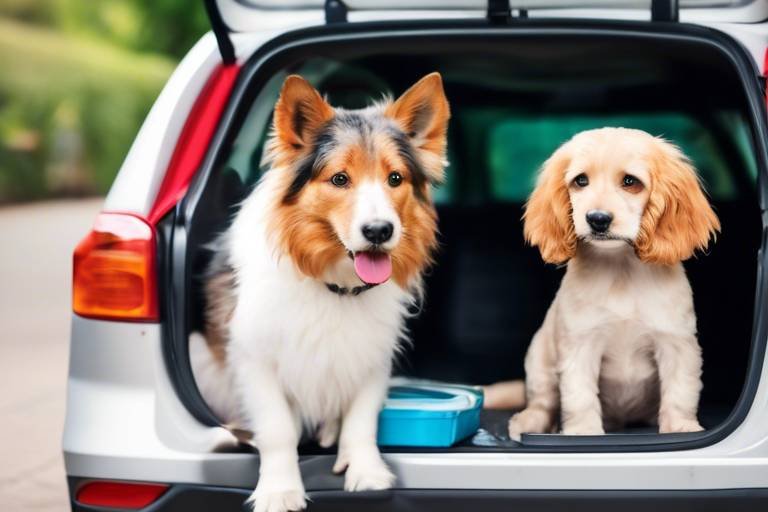
Traveling with your furry friend can be one of the most rewarding experiences, but it also requires careful planning to ensure both your comfort and theirs. Whether you’re heading out for a weekend getaway or embarking on a cross-country adventure, creating a pet-friendly packing list is essential. This list not only guarantees that you have all the necessary items for your pet but also helps you avoid any last-minute scrambles that could lead to stress for both you and your pet. So, let’s dive into the essentials that will make your journey smooth and enjoyable!
Understanding your pet’s specific needs is crucial for a successful trip. Every pet is unique, and their requirements can vary significantly. For instance, consider their dietary requirements, exercise routines, and any medical conditions that may require special attention while traveling. Are they used to a certain type of food? Do they need regular bathroom breaks or specific types of exercise? By taking the time to assess these needs, you can tailor your packing list accordingly. Imagine your pet’s comfort during the trip as a puzzle; every piece must fit perfectly for the whole picture to come together!
Compiling a list of essential supplies is vital to ensure your pet’s well-being during travel. Start with the basics: food, water, bowls, leashes, and any other items necessary for your pet’s comfort during the journey. Packing these items will not only make your pet feel at home but also keep them healthy and happy on the road. Think of it this way: just like you wouldn’t leave home without your toothbrush, your pet shouldn’t travel without their essentials!
It’s important to pack enough food and water for the duration of your trip. Consider your pet’s usual diet and any specific preferences to avoid digestive issues while traveling. For example, if your dog is used to a specific brand of kibble, make sure to bring enough to last throughout the trip. It’s also wise to pack some treats for those moments when you want to reward them for being such a good travel buddy.
Using portable food containers can help keep your pet’s food fresh and organized. Look for containers that are easy to carry and can hold sufficient quantities for your journey. These containers are not just practical; they also prevent spills and messes in your vehicle. Imagine opening a bag of food only to have it scatter everywhere—what a disaster!
Ensure your pet stays hydrated by packing collapsible water bowls and a sufficient supply of fresh water. This is particularly important for long trips or hot weather conditions. A well-hydrated pet is a happy pet, and you’ll avoid the stress of dealing with a thirsty companion during your travels.
Bringing comfort items can help alleviate your pet’s anxiety during travel. Familiar blankets, toys, or bedding can create a sense of security in unfamiliar environments. Think of these items as your pet’s emotional support system. Just as you might bring your favorite pillow on a trip, your pet will appreciate having their favorite items close by.
Keeping your pet healthy and safe while traveling is paramount. This section covers vaccinations, medications, and emergency contacts to ensure a smooth trip. Always consult with your veterinarian before traveling to make sure your pet is fit for the journey. You wouldn’t want to embark on an adventure without knowing your pet is in good health!
Having your pet’s veterinary records handy is essential, especially in case of emergencies. This includes vaccination records and any medication instructions that may be needed during your travels. Keeping these documents in a waterproof folder can save you a lot of headaches down the line.
Compile a list of emergency contacts, including local veterinarians and pet hospitals along your travel route. This preparation can provide peace of mind in case of unforeseen circumstances. You never know when you might need a helping hand, so being prepared is key!
Traveling by car presents unique challenges and opportunities for pet owners. This section discusses safety measures, comfort tips, and how to keep your pet entertained during the journey. Think of your car as a mini home for your pet during the trip; the more comfortable and secure they feel, the more enjoyable the journey will be for everyone.
Using safety restraints, such as pet seat belts or carriers, is crucial for your pet’s safety during car travel. This prevents distractions and ensures your pet remains secure. Just like you buckle up for safety, your pet deserves the same protection!
Keeping your pet entertained during long car rides can help reduce anxiety. Consider bringing toys, chewables, or interactive games to keep your pet engaged throughout the journey. A bored pet can quickly become a restless one, so think of fun activities as a way to keep the peace in the car.
Finding pet-friendly accommodations is essential for a stress-free trip. This section explores various options, including hotels, rentals, and campsites that cater to pets. Researching these options ahead of time can save you from the stress of searching for a place to stay when you arrive.
Before booking, research the pet policies of potential accommodations. Understand their size restrictions, fees, and any specific rules regarding pets to avoid surprises upon arrival. This preparation will ensure that you and your pet can settle in without any hiccups.
Look for pet-friendly activities and attractions at your destination. This ensures that your furry companion can join in on the fun, making the trip enjoyable for everyone involved. After all, the adventure is more fulfilling when your pet can share in the experience!
- What should I do if my pet gets anxious during travel? Consider bringing their favorite toys or blankets to help soothe them.
- How can I ensure my pet stays hydrated on long trips? Use collapsible water bowls and take regular breaks to offer water.
- Are there specific accommodations that are better for pets? Look for hotels or rentals that explicitly state they are pet-friendly and check their policies.
Assess Your Pet’s Needs
When it comes to traveling with your furry companion, understanding your pet’s specific needs is absolutely crucial for a successful trip. Just like humans, pets have their own unique requirements that can significantly affect their comfort and well-being during travel. Think about it: would you embark on a long journey without considering your own dietary preferences or health needs? Of course not! The same logic applies to your pet.
Start by assessing dietary requirements. Is your pet on a special diet due to allergies or health issues? If so, make sure to pack their specific food to avoid any digestive hiccups. It’s also wise to consider their usual feeding schedule and how it might be affected by travel. For instance, if you typically feed your pet in the morning, plan to do the same even when you’re on the road.
Next, think about your pet’s exercise routines. Some pets, especially high-energy breeds, need regular exercise to stay calm and happy. If you’re planning a long drive, schedule breaks to let your pet stretch their legs and relieve themselves. This not only helps your pet but also gives you a chance to recharge!
Another important aspect to consider is any medical conditions your pet may have. Do they require medication? If so, pack enough to last the duration of your trip, plus a little extra just in case. Keep their medications in an easily accessible place, and consider bringing a list of any medical conditions along with veterinarian contact information. This can be a lifesaver in case of emergencies.
In summary, assessing your pet’s needs is not just about what to pack; it’s about ensuring your furry friend has a safe and enjoyable experience while traveling. By taking the time to consider their dietary needs, exercise routines, and medical conditions, you can create a travel plan that caters to their unique requirements. After all, a happy pet makes for a happy trip!
Essential Supplies to Pack
When it comes to traveling with your pet, packing the right supplies is absolutely essential for ensuring their comfort and well-being. Imagine embarking on a road trip with your furry friend, only to realize you forgot their favorite toys or enough food for the journey. It can be a recipe for stress, not just for you but for your pet as well. To avoid such mishaps, it’s crucial to compile a comprehensive list of essential supplies before you hit the road.
First and foremost, consider your pet’s daily needs. This includes their food, water, and feeding supplies. You wouldn’t want to be caught off guard without enough kibble or treats! Make sure to pack:
- Food: Enough for the duration of your trip, plus a little extra just in case.
- Water: Always have fresh water on hand to keep your pet hydrated.
- Bowls: Portable and collapsible bowls are a great space-saving option for feeding and watering your pet on the go.
Next, let’s talk about your pet’s comfort. Just like you, pets can get anxious during travel. Bringing along familiar items can make a world of difference. Think about packing:
- Comfort items: This could be their favorite blanket or a special toy that smells like home.
- Bed or bedding: A cozy spot for them to relax can help ease their travel anxiety.
Additionally, don’t forget about the essentials for keeping your pet safe and secure during your travels. A sturdy leash and a reliable harness are must-haves, especially if you plan on stopping for breaks. It’s also wise to bring:
- Identification tags: Ensure your pet has updated ID tags with your contact information.
- Pet first aid kit: Accidents can happen, so it’s better to be prepared for minor injuries.
Lastly, think about the logistics of your trip. If you’re traveling by car, a pet carrier or a pet seat belt can keep them safe during the journey. For air travel, check with your airline for specific requirements regarding pet carriers. By ensuring you have all these essentials packed, you can focus on the adventure ahead rather than worrying about what you might have forgotten.
Q: What should I do if my pet has special dietary needs?
A: If your pet has specific dietary requirements, make sure to pack their usual food and any supplements they may need. It’s also a good idea to bring along a copy of their dietary guidelines from your veterinarian.
Q: How can I make my pet comfortable during long car rides?
A: To keep your pet comfortable, take regular breaks for bathroom and stretching. Bring along their favorite blanket or toy to help them feel more secure, and ensure they are properly restrained in the vehicle.
Q: Are there any pet-friendly accommodations I should consider?
A: Yes! Many hotels, vacation rentals, and campsites are pet-friendly. Always check their pet policies before booking to ensure a smooth stay.
Food and Water Requirements
When embarking on a journey with your beloved pet, one of the most crucial aspects to consider is their . Just like us, our furry friends need a consistent supply of nutrition and hydration to stay healthy and happy, especially during travel. Imagine trying to enjoy a road trip while feeling famished or parched—your pet experiences the same discomfort if their needs aren’t met. Therefore, it’s essential to plan ahead and pack accordingly.
First and foremost, calculate the amount of food your pet typically consumes in a day. This will help you determine how much to bring along. Generally, it’s wise to pack enough for the entire trip, plus a little extra in case of delays. For instance, if your pet eats 1 cup of food twice a day, and your trip is three days long, you should pack at least 7 cups of food. This ensures that your pet won’t face any dietary disruptions, which can lead to digestive issues or discomfort.
Next, consider your pet’s hydration needs. Water is vital, especially during long trips or in hot weather. A good rule of thumb is to provide at least 1 ounce of water per pound of your pet’s body weight each day. For example, if your dog weighs 20 pounds, you should aim for around 20 ounces of water daily. To make things easier, pack collapsible water bowls that are lightweight and easy to store. This way, you can offer your pet fresh water during breaks without hassle.
To keep your pet’s food fresh and organized, consider using portable food containers. These containers can prevent spills and keep moisture away, ensuring that your pet’s meals stay appetizing. Look for containers that are durable, lightweight, and easy to carry. A well-sealed container can be a game changer, especially if you plan to stop for a picnic or a rest break.
Additionally, it’s important to maintain your pet’s regular feeding schedule as much as possible. Sudden changes in diet or feeding times can lead to anxiety or stomach upset. If your pet is used to eating at specific times, try to stick to that routine during your travels. This consistency can provide a sense of familiarity, making your pet feel more at ease.
In summary, ensuring your pet’s food and water requirements are met during travel is essential for a smooth journey. By planning ahead, packing the right amount of food and water, and maintaining their regular feeding schedule, you can help make the trip enjoyable for both you and your furry friend. Remember, keeping your pet hydrated and well-fed is not just a necessity; it’s a way to show them love and care, making every mile worthwhile!
- How much food should I pack for my pet?
Calculate your pet’s daily intake and add a little extra for unexpected delays. A good rule is to pack enough for the entire trip plus a day’s worth. - What type of water container should I use?
Collapsible water bowls are ideal for travel as they are lightweight and easy to store. - Can I change my pet’s diet while traveling?
It’s best to stick to your pet’s regular diet to avoid digestive issues during travel.
Portable Food Containers
When you’re hitting the road with your furry friend, can be a game changer. Imagine this: you’re on a long drive, the sun is shining, and your pet is eagerly waiting for their next meal. The last thing you want is to fumble around with bulky bags or containers that spill everywhere. That’s where these handy containers come into play!
Portable food containers are designed to keep your pet’s food fresh and organized while being easy to carry. Look for options that are lightweight, durable, and easy to clean. A good container should also have an airtight seal to prevent any spills or spoilage. Some containers even come with built-in measuring cups, which can help you serve the perfect portion every time. Here are some features to consider when selecting a portable food container:
- Size: Make sure it holds enough food for the duration of your trip without being too bulky.
- Material: Opt for BPA-free plastic or stainless steel to ensure safety and durability.
- Ease of Use: Look for containers with wide openings for easy filling and cleaning.
Additionally, consider investing in a container that has a compartment for treats. This way, you can reward your pet during breaks without having to dig through your bag. And let’s not forget about those long hikes or park visits—having a portable food container means you can easily feed your pet wherever you are, ensuring they stay energized and happy.
In summary, choosing the right portable food container can make your travels smoother and more enjoyable. It’s all about keeping your pet’s meals fresh and accessible, so you can focus on making memories together instead of worrying about their food. So, next time you plan a trip, don’t forget to pack a reliable food container; it could be the difference between a happy pet and a restless one!
Q: What size portable food container should I get for my pet?
A: The size of the container depends on your pet’s dietary needs and the length of your trip. A good rule of thumb is to choose a container that can hold enough food for your pet’s daily intake, plus a little extra for emergencies.
Q: Are there any special features I should look for in a portable food container?
A: Yes! Look for containers that are lightweight, durable, and have an airtight seal. Some containers come with measuring cups or compartments for treats, which can be incredibly handy during travel.
Q: Can I use regular containers for my pet’s food while traveling?
A: While you can use regular containers, portable food containers are specifically designed for travel. They are more convenient, easier to carry, and often have features that help keep food fresh and secure.
Hydration Solutions
When it comes to keeping your furry friend hydrated during your travels, preparation is key. Just like you wouldn’t embark on a long road trip without a sufficient supply of water, the same goes for your pet. Hydration is essential for their health and well-being, especially when they are exposed to new environments or warmer climates.
To ensure your pet stays refreshed, consider packing collapsible water bowls. These handy bowls are not only lightweight but also easy to store when not in use. You can quickly set them up at rest stops or during breaks, making it convenient for your pet to sip water whenever they need. Imagine your pet’s delight as they lap up cool, fresh water after a long stretch in the car!
Moreover, it’s crucial to carry a sufficient supply of fresh water for the duration of your trip. Depending on the length of your journey, you might want to calculate how much water your pet typically consumes in a day and pack accordingly. A good rule of thumb is to provide about 1 ounce of water per pound of body weight daily. For example, if your dog weighs 20 pounds, aim to bring at least 20 ounces of water. Here’s a quick breakdown:
| Pet Weight (lbs) | Water Needed (oz) |
|---|---|
| 10 | 10 |
| 20 | 20 |
| 30 | 30 |
| 40 | 40 |
Additionally, consider the temperature during your travels. If you’re heading to a warmer destination or it’s a particularly hot day, your pet may require more water than usual. Always keep an eye on your pet for signs of dehydration, such as excessive panting, lethargy, or dry gums. If you notice any of these symptoms, stop and offer them water immediately.
Lastly, don’t forget to make hydration part of your routine! Whenever you stop for a break, make it a habit to offer your pet some water. This not only keeps them hydrated but also gives them a chance to stretch their legs and relieve themselves. By making hydration a priority, you’ll help ensure that your pet remains happy and healthy throughout your travels.
- How much water should I bring for my pet on a road trip? As a general guideline, provide about 1 ounce of water for every pound of your pet’s weight each day.
- What are the best types of water bowls for traveling with pets? Collapsible water bowls are ideal as they are lightweight and easy to store.
- How can I tell if my pet is dehydrated? Look for signs such as excessive panting, dry gums, and lethargy. If you notice any of these, offer water immediately.
Comfort Items for Your Pet
When it comes to traveling with your furry friend, ensuring their comfort is just as important as packing the essentials. Think of your pet as a little traveler who needs their own cozy corner, even in the midst of unfamiliar surroundings. One of the best ways to help alleviate any travel anxiety is by bringing along their favorite comfort items. These can range from familiar blankets and toys to special bedding that smells like home. Imagine how comforting it is for you to have a piece of home with you; it’s the same for your pet!
First and foremost, consider packing a familiar blanket or bed. This not only provides a soft place for your pet to rest but also carries their scent, making it a source of comfort. If your pet has a favorite toy, don’t forget to bring that along too! Toys can serve as a great distraction during long trips and can help your pet feel more at ease in new environments. It’s amazing how a simple squeaky toy can turn a stressful car ride into a fun adventure!
Additionally, if your pet has a specific routine, try to maintain that as much as possible during your travels. For example, if they usually have a specific spot where they like to relax, create a similar space in the car or hotel room with their bedding and comfort items. This can significantly reduce their anxiety levels. You might even want to consider packing a travel crate that they are accustomed to. This can provide a safe, enclosed space where they can retreat when feeling overwhelmed.
To summarize, here are some key comfort items to consider for your pet:
- Familiar Blanket: A soft, comforting blanket that smells like home.
- Favorite Toys: Bring along toys that your pet loves to play with.
- Comfortable Bedding: A portable bed or mat that provides a cozy resting place.
- Travel Crate: A familiar crate can offer a sense of security during travel.
By taking the time to pack these comfort items, you’re not just making the journey more enjoyable for your pet; you’re also enhancing your own travel experience. A calm, happy pet means a more relaxed trip for you, allowing you both to create wonderful memories together. So, as you prepare for your adventure, don’t forget to think about what will make your furry companion feel right at home, no matter where the road takes you!
Q: What are the best items to pack for my pet’s comfort?
A: The best items include a familiar blanket, favorite toys, comfortable bedding, and a travel crate. These items can help reduce anxiety and provide a sense of security during travel.
Q: How can I help my pet feel comfortable in a new environment?
A: Bringing along familiar items from home, such as their bedding and toys, can help your pet adjust to new surroundings. Setting up a cozy space for them can also make a huge difference.
Q: Should I consider my pet’s routine while traveling?
A: Absolutely! Keeping your pet’s routine as consistent as possible, including feeding and rest times, can help minimize stress and anxiety during travel.
Health and Safety Considerations
When it comes to traveling with your pet, health and safety should be at the forefront of your mind. Just like you wouldn’t embark on a journey without ensuring your own well-being, the same goes for your furry friend. Start by gathering your pet’s veterinary records. These documents are essential in case of any emergencies that may arise during your travels. Having a copy of vaccination records and medication instructions can save you a lot of hassle, especially if you need to visit a vet in an unfamiliar area.
Moreover, it’s wise to compile a list of emergency contacts. This list should include local veterinarians and pet hospitals along your travel route. Imagine being in a new city and your pet suddenly falls ill; having this information readily available can provide peace of mind. You can create a simple table to keep track of these contacts:
| Location | Veterinarian Name | Contact Number |
|---|---|---|
| City A | Vet Clinic A | (123) 456-7890 |
| City B | Vet Clinic B | (234) 567-8901 |
| City C | Vet Clinic C | (345) 678-9012 |
Additionally, consider your pet’s medications. If your furry friend requires any prescriptions, make sure to pack enough for the duration of your trip, plus a little extra just in case. You wouldn’t want to run out while you’re miles away from your usual vet. It’s also a good idea to have a list of any allergies or medical conditions your pet has, which can be crucial information for any veterinarian you might consult.
Lastly, don’t forget about preventative care. Before embarking on your trip, ensure your pet is up to date on vaccinations and flea/tick treatments. This is especially important if you’re traveling to areas where these pests are prevalent. Remember, a healthy pet is a happy pet, and a happy pet makes for an enjoyable journey!
- What should I do if my pet gets sick while traveling?
Make sure to have your pet’s veterinary records on hand and contact a local veterinarian immediately. - How can I keep my pet calm during the trip?
Bring along familiar items like their favorite blanket or toys to help soothe their anxiety. - Are there any specific vaccinations my pet needs before traveling?
Check with your veterinarian to ensure your pet is up to date on all necessary vaccinations based on your travel destination.
Veterinary Records
This article provides essential tips and considerations for crafting a packing list that ensures your pet’s comfort and safety during travel, making your journey enjoyable for both you and your furry friend.
Understanding your pet’s specific needs is crucial for a successful trip. This includes dietary requirements, exercise routines, and any medical conditions that may require special attention while traveling.
Compiling a list of essential supplies is vital to ensure your pet’s well-being. This includes food, water, bowls, leashes, and any other items necessary for your pet’s comfort during the journey.
It’s important to pack enough food and water for the duration of your trip. Consider your pet’s usual diet and any specific preferences to avoid digestive issues while traveling.
Using portable food containers can help keep your pet’s food fresh and organized. Look for containers that are easy to carry and can hold sufficient quantities for your journey.
Ensure your pet stays hydrated by packing collapsible water bowls and a sufficient supply of fresh water. This is particularly important for long trips or hot weather conditions.
Bringing comfort items can help alleviate your pet’s anxiety during travel. Familiar blankets, toys, or bedding can create a sense of security in unfamiliar environments.
Keeping your pet healthy and safe while traveling is paramount. This section covers vaccinations, medications, and emergency contacts to ensure a smooth trip.
Having your pet’s veterinary records handy is essential, especially in case of emergencies. Imagine being on a road trip and suddenly needing to visit a vet; without these records, you might find yourself in a tough spot. It’s not just about having proof of vaccinations; it’s about ensuring your furry friend receives the best care possible. Make sure to include:
- Vaccination Records: These documents prove that your pet is up-to-date on essential vaccinations, which can be crucial for boarding or emergency visits.
- Medication Instructions: If your pet requires medication, having clear instructions can save time and confusion, especially in a stressful situation.
- Health History: A brief summary of your pet’s medical history can be incredibly helpful for any veterinarian you may need to consult during your travels.
To keep everything organized, consider creating a small travel folder specifically for your pet’s records. This folder can also include contact information for your regular veterinarian and any emergency vet clinics along your route. By being prepared, you not only ensure your pet’s safety but also give yourself peace of mind, allowing you to focus on enjoying your trip together.
Traveling by car presents unique challenges and opportunities for pet owners. This section discusses safety measures, comfort tips, and how to keep your pet entertained during the journey.
Using safety restraints, such as pet seat belts or carriers, is crucial for your pet’s safety during car travel. This prevents distractions and ensures your pet remains secure.
Keeping your pet entertained during long car rides can help reduce anxiety. Consider bringing toys, chewables, or interactive games to keep your pet engaged throughout the journey.
Finding pet-friendly accommodations is essential for a stress-free trip. This section explores various options, including hotels, rentals, and campsites that cater to pets.
Before booking, research the pet policies of potential accommodations. Understand their size restrictions, fees, and any specific rules regarding pets to avoid surprises upon arrival.
Look for pet-friendly activities and attractions at your destination. This ensures that your furry companion can join in on the fun, making the trip enjoyable for everyone involved.
Q: What should I do if my pet gets anxious during travel?
A: Bringing along familiar items, such as their favorite blanket or toy, can help soothe their anxiety. Additionally, consider making frequent stops to allow them to stretch and relieve themselves.
Q: Do I need to bring my pet’s vaccination records everywhere?
A: Yes, it’s a good idea to have them on hand in case of emergencies or if you need to visit a vet while traveling.
Q: How can I find pet-friendly accommodations?
A: Use online travel platforms that allow you to filter for pet-friendly options, and always check the specific pet policies of each place before booking.
Emergency Contacts
When traveling with your pet, it’s essential to have a well-organized list of at your fingertips. Imagine being on the road, and your furry friend suddenly falls ill or gets injured. The last thing you want is to scramble around looking for help. By preparing in advance, you can ensure a smoother experience and peace of mind.
Start by compiling a list of local veterinarians and pet hospitals along your travel route. Use online resources or apps to find reliable veterinary clinics that are open during your travel times. Additionally, consider reaching out to your current veterinarian for recommendations; they may have contacts in the areas you’ll be visiting.
Here’s a simple template you can use to organize your emergency contacts:
| Contact Type | Name | Phone Number | Address |
|---|---|---|---|
| Local Veterinarian | Dr. Smith’s Animal Clinic | (555) 123-4567 | 123 Pet Lane, City, State |
| Pet Hospital | Happy Tails Emergency Vet | (555) 987-6543 | 456 Fur Ave, City, State |
| Poison Control | Pet Poison Helpline | (800) 213-6680 | N/A |
Additionally, don’t forget to include emergency contact numbers for yourself or your traveling companions. In case of an emergency, having someone who can make decisions on your behalf can be invaluable. Make sure these contacts are saved in your phone and written down on paper, just in case your phone battery dies or you lose service.
Lastly, consider adding the contact information for the nearest animal control agency or shelter as well. This can be helpful if your pet gets lost or if you encounter a stray animal that may need assistance. By taking these proactive steps, you can focus on enjoying your trip, knowing that you’re prepared for any situation that may arise.
- What should I do if my pet gets lost during the trip?
Always have a recent photo of your pet and keep their identification tags updated. Contact local shelters and animal control agencies immediately. - How can I find a vet in a new area?
Use apps like Yelp or Google Maps to locate nearby veterinary clinics. You can also ask locals for recommendations. - What information should I include in my emergency contact list?
Include local veterinarians, pet hospitals, poison control, and your personal emergency contacts.
Traveling by Car with Pets
Traveling by car with your furry friend can be both an exciting adventure and a logistical challenge. Imagine the open road, the wind in your hair, and your pet happily wagging their tail beside you. However, it’s essential to ensure that your pet’s journey is as safe and comfortable as possible. First and foremost, think about safety restraints. Just like we buckle up for safety, our pets need the same protection. Using pet seat belts or carriers not only keeps your pet secure but also minimizes distractions while driving. It’s a win-win situation—your pet stays safe, and you can concentrate on the road.
Next, let’s talk about comfort. Long car rides can be stressful for pets, especially if they are not accustomed to traveling. To make the ride more enjoyable, bring along their favorite blanket or toy. Familiar scents can significantly reduce anxiety, making them feel more at home in the car. Consider creating a cozy spot for your pet in the backseat where they can relax and feel secure. If your pet is prone to motion sickness, consult your veterinarian for advice on how to manage this during your travels.
Keeping your pet entertained is another crucial aspect of a successful road trip. Just like kids, pets can get bored during long stretches of driving. Bringing along a variety of toys, chewables, or even interactive games can help keep their minds engaged. You might also consider playing some music or audiobooks that are calming for pets. It’s essential to take regular breaks during your journey, allowing your pet to stretch their legs, relieve themselves, and hydrate. Here’s a quick checklist of things to remember during your stops:
- Take your pet for a short walk to relieve themselves.
- Provide fresh water to keep them hydrated.
- Check for any signs of stress or discomfort.
Remember, the goal is to create a pleasant experience for both you and your pet. With a little planning and preparation, you can turn your car into a safe haven for your furry companion. Just think of it as a mini-road trip adventure, filled with opportunities for bonding and exploration!
Q: Can I let my pet roam freely in the car?
A: It’s not safe to let your pet roam freely. Always use a pet seat belt or carrier to secure them and prevent distractions.
Q: How often should I stop during a long drive?
A: Aim to stop every 2-3 hours to allow your pet to stretch, relieve themselves, and hydrate.
Q: What should I do if my pet gets car sick?
A: Consult your veterinarian for advice on managing motion sickness. They may recommend medication or special diets for your pet before travel.
Safety Restraints for Pets
When it comes to traveling by car, ensuring your furry friend’s safety is just as important as your own. Picture this: you’re cruising down the highway, the wind in your hair, and suddenly, your pet decides to leap into your lap! Not only is this a distraction, but it can also lead to serious accidents. That’s why using safety restraints for pets is essential. Just like we buckle up for safety, our pets deserve the same protection. There are various options available, including pet seat belts, harnesses, and carriers, each designed to keep your pet secure and comfortable during the journey.
Pet seat belts are a fantastic option for larger dogs. They attach directly to your car’s seatbelt system and come with adjustable straps to fit your pet snugly. On the other hand, if you have a smaller pet, you might consider a pet carrier. These carriers not only provide safety but also create a cozy space for your pet to relax while you drive. Think of it as their little travel den! It’s crucial to ensure that the carrier is well-ventilated and secure, so your pet feels safe and comfortable.
Moreover, it’s not just about securing your pet; it’s also about ensuring that they are comfortable during the ride. A comfortable pet is a happy pet! Consider using a padded harness or a cushioned carrier that allows your pet to sit or lie down comfortably. Some pet owners even opt for a travel crate that can double as a safe space for their pet once you reach your destination.
In addition to these safety measures, it’s wise to take some extra precautions. Here are a few tips to keep in mind:
- Always secure your pet in the backseat. The front seat can be dangerous due to airbags.
- Make frequent stops to allow your pet to stretch their legs and relieve themselves.
- Never leave your pet unattended in a parked car, especially in extreme weather conditions.
In summary, investing in proper safety restraints for your pet is not just a good idea; it’s a necessity. Think of it as an insurance policy for your furry friend’s well-being. By taking these steps, you can ensure that both you and your pet enjoy a safe and pleasant journey together.
Here are some common questions pet owners have regarding safety restraints for their furry companions:
- What type of safety restraint is best for my pet? It depends on the size and temperament of your pet. Larger dogs may benefit from seat belts, while smaller pets might be more comfortable in a carrier.
- Can I use a regular harness for car travel? While some harnesses can work, it’s best to use a harness specifically designed for car safety, as they are tested for crash safety.
- How can I get my pet used to a safety restraint? Start by introducing the restraint at home. Allow your pet to explore it and reward them with treats to create positive associations.
Entertainment and Engagement
Long car rides can be a real test of patience for both you and your furry friend. Imagine being stuck in the same spot for hours on end—it’s enough to make anyone stir-crazy! To keep your pet happy and engaged during the journey, it’s essential to pack a variety of entertainment options. Think of it as a mini-adventure for them, where boredom is the enemy and fun is the goal. So, what can you bring along to keep their tails wagging?
First off, consider their favorite toys. Whether it’s a squeaky toy that drives you a little nuts or a soft plushie they can’t live without, having familiar items can provide comfort and distraction. You might also want to include some chew toys, which are perfect for keeping their jaws busy and their minds engaged. Just like you might enjoy a good book or podcast during a long drive, pets need their own form of entertainment too!
Interactive games can also be a fantastic way to keep your pet occupied. Look for toys that require them to think, like treat-dispensing puzzles. These not only entertain but also stimulate their minds, making the journey feel shorter. You can even create a little travel scavenger hunt by hiding treats in various spots within the car. This way, they can sniff out their goodies while you navigate the roads.
Another great idea is to download some pet-friendly playlists or audiobooks specifically designed for animals. Yes, you read that right! There are tunes that can soothe your pet or even engage their curiosity. Just imagine them settling down, lulled by calming sounds, while you cruise along the highway. It’s a win-win for both of you!
Finally, don’t forget about regular stops. Every couple of hours, pull over to let your pet stretch their legs, take a bathroom break, and explore a bit. This not only helps them burn off some energy but also gives you both a chance to bond and enjoy the great outdoors. You could even pack a portable water bowl and some snacks for a mini picnic—after all, who doesn’t love a good snack break?
In summary, keeping your pet entertained during travel is all about creativity and preparation. With the right mix of toys, games, and regular breaks, you’ll transform a long drive into a fun-filled adventure for both you and your furry companion. Remember, a happy pet makes for a happy trip!
- What types of toys are best for car travel? Look for durable, chew-resistant toys, as well as interactive ones that can keep your pet engaged.
- How often should I stop for my pet during a long drive? Aim to stop every 2-3 hours to allow your pet to stretch, relieve themselves, and hydrate.
- Can I use calming music for my pet during travel? Absolutely! Many pets respond well to calming music or audiobooks designed specifically for animals.
Accommodations that Welcome Pets
When embarking on a journey with your furry friend, finding the right place to stay can make all the difference. **Pet-friendly accommodations** are not just a luxury; they are a necessity for a stress-free trip. Imagine arriving at your destination after a long drive, only to find that your hotel doesn’t allow pets. The thought alone can send shivers down any pet owner’s spine! To avoid such situations, it’s essential to do your homework ahead of time.
From cozy hotels to spacious rentals and even campsites, there are a variety of options available that cater to pets. Many establishments recognize the growing trend of pet travel and have adjusted their policies to welcome our four-legged companions. However, it’s crucial to understand the specific pet policies of each accommodation to ensure a smooth experience.
Before making a reservation, consider the following factors:
- Size Restrictions: Some places may have weight or breed restrictions, so be sure to check if your pet meets the criteria.
- Fees: Many pet-friendly accommodations charge additional fees for pets. Understanding these costs upfront can help you budget accordingly.
- Rules and Regulations: Each place may have its own set of rules regarding pets, such as leash requirements or designated pet areas. Familiarizing yourself with these can prevent any unpleasant surprises upon arrival.
Additionally, consider looking for accommodations that offer pet-friendly amenities. Some hotels provide pet beds, bowls, and even special treats to make your pet feel at home. Rentals might have fenced yards or nearby parks, which can be a huge plus for your pet’s exercise needs. Campsites often allow pets to roam freely, making them an excellent choice for adventurous pet owners.
Once you’ve found the perfect place to stay, don’t forget to explore the area for pet-friendly activities. Many destinations offer parks, beaches, and trails where your pet can enjoy the great outdoors alongside you. This not only enhances your travel experience but also helps strengthen the bond between you and your furry friend.
To summarize, finding accommodations that welcome pets is essential for a successful trip. By researching pet policies, understanding fees, and looking for pet-friendly amenities, you can ensure a comfortable stay for both you and your beloved companion. So go ahead, book that getaway, and create unforgettable memories with your pet!
1. What should I look for in a pet-friendly hotel?
When searching for a pet-friendly hotel, consider their size restrictions, additional fees, and specific rules regarding pets. It’s also beneficial to check if they offer pet amenities.
2. Are there any additional fees for bringing my pet?
Many pet-friendly accommodations charge extra fees for pets. Be sure to inquire about these costs when making your reservation.
3. Can I bring my pet to restaurants or attractions?
It varies by location, but many places have outdoor seating areas that allow pets. Always check the specific policies of restaurants and attractions before heading out.
4. What if my pet has special needs?
If your pet has specific requirements, such as dietary restrictions or medication needs, communicate these to your accommodation ahead of time to ensure they can accommodate your pet’s needs.
Researching Pet Policies
When planning a trip with your furry friend, one of the most important steps is for your accommodations. Not all places are created equal when it comes to welcoming pets, and understanding the rules can save you from unexpected surprises upon arrival. Imagine showing up at a hotel only to find out that your pet is not allowed or that you’ll be charged hefty fees. To avoid such scenarios, it’s essential to do your homework beforehand.
Start by checking the hotel or rental’s website for their pet policy. Most places will clearly outline their rules regarding pets, including size restrictions, breed limitations, and any additional fees that may apply. For example, some establishments may allow only dogs under a certain weight, while others might have restrictions on specific breeds. It’s also wise to look for information on cleaning fees or security deposits that could be required.
In addition to checking the website, consider calling the accommodation directly. Speaking to a representative can provide clarity on any questions you may have and might even reveal additional pet-friendly options that aren’t listed online. Don’t hesitate to ask about their pet amenities as well, such as dog parks, pet beds, or even pet-sitting services. These little perks can make your stay much more enjoyable for both you and your pet.
Furthermore, it’s beneficial to look into the surrounding area of your accommodations. Are there nearby parks or pet-friendly restaurants? Knowing what’s available can enhance your trip and ensure your pet has a great time too. You can even create a small table to compare different accommodations based on their pet policies:
| Accommodation Name | Pet Size Limit | Breed Restrictions | Extra Fees | Pet Amenities |
|---|---|---|---|---|
| Sunny Hotel | Up to 50 lbs | None | $25 per night | Dog park, pet beds |
| Cozy Cabin Rentals | All sizes | None | $50 cleaning fee | Dog-friendly trails |
| Luxury Resort | Up to 30 lbs | Bulldogs not allowed | $100 deposit | Pet spa services |
Ultimately, thorough research into pet policies can lead to a much smoother travel experience. It’s all about ensuring that both you and your pet are comfortable and happy during your stay. So, take the time to investigate your options, ask the right questions, and prepare for an adventure that includes your beloved companion!
- What should I do if my pet’s breed is restricted? – Look for alternative accommodations that have more lenient pet policies or consider boarding your pet nearby.
- Are there any additional fees for bringing my pet? – Many places charge extra fees, so always confirm before booking.
- Can I leave my pet alone in the room? – Check the specific policy of the accommodation; some may not allow pets to be left unattended.
- What if my pet has special needs? – Make sure to inform the accommodation ahead of time about any special requirements your pet may have.
Finding Pet-Friendly Activities
When you’re traveling with your furry friend, it’s essential to ensure that both of you can enjoy the trip to the fullest. One of the best ways to do this is by finding pet-friendly activities at your destination. Imagine exploring a beautiful park, hiking a scenic trail, or visiting a dog-friendly beach where your pet can frolic in the sand. These experiences not only create lasting memories but also allow your pet to stretch their legs and socialize.
Before you hit the road, take some time to research activities that welcome pets. Many cities and towns are becoming increasingly accommodating to pet owners, offering a variety of options. You might discover local parks that allow dogs off-leash, pet-friendly cafes where you can grab a bite while your pup relaxes by your side, or even guided tours that cater to animal lovers. Websites and apps dedicated to pet travel can be invaluable resources for finding such activities. They often provide user reviews and detailed information about pet policies, ensuring you won’t be caught off guard.
Here are a few types of activities to consider when planning your pet-friendly itinerary:
- Outdoor Adventures: Hiking trails, nature walks, and beaches are great places for your pet to explore and burn off some energy. Just make sure to check if the area is pet-friendly and if there are any leash laws.
- Cafes and Restaurants: Many establishments now have outdoor seating that welcomes pets. Enjoy a meal or a cup of coffee while your furry companion lounges at your feet.
- Pet-Friendly Events: Look out for local events such as pet parades, festivals, or markets. These can be fantastic opportunities to mingle with other pet owners and let your pet experience new sights and sounds.
Moreover, don’t forget to check for pet-friendly accommodations that might offer special packages or amenities for pets. Some hotels even provide dog parks or pet-sitting services, which can be a game-changer during your stay. Planning ahead will ensure that your trip is as enjoyable for your pet as it is for you.
In summary, finding pet-friendly activities is an integral part of traveling with your pet. By doing a little research and being open to new experiences, you can create a memorable adventure that both you and your furry friend will cherish. So, pack your bags, grab your pet’s leash, and get ready for a journey filled with fun and exploration!
Q: How can I find pet-friendly activities at my destination?
A: You can use pet travel websites, apps, and local tourism boards to find activities that welcome pets. Additionally, social media groups dedicated to pet travel can offer valuable insights and recommendations.
Q: Are there any restrictions on where I can take my pet?
A: Yes, many parks, beaches, and restaurants have specific rules regarding pets. Always check the local regulations and pet policies before heading out to avoid any surprises.
Q: What should I do if my pet is not well-behaved in public?
A: It’s essential to train your pet before traveling. Consider using a leash, muzzle, or harness if necessary. If your pet tends to get anxious, bringing along familiar items like toys or blankets can help keep them calm.
Frequently Asked Questions
- What should I include in my pet-friendly packing list?
When creating a pet-friendly packing list, be sure to include essential items such as food, water, bowls, leashes, and comfort items like blankets or toys. Don’t forget any medications or veterinary records your pet may need during the trip!
- How do I ensure my pet stays hydrated during travel?
To keep your pet hydrated, pack collapsible water bowls and a sufficient supply of fresh water. It’s especially important during long trips or in hot weather, so make regular stops to offer your pet water.
- What are the safety measures for traveling by car with pets?
Using safety restraints like pet seat belts or carriers is crucial for your pet’s safety during car travel. This not only keeps your pet secure but also minimizes distractions for the driver.
- How can I find pet-friendly accommodations?
Research potential accommodations by checking their pet policies before booking. Look for hotels, rentals, or campsites that specifically welcome pets, and pay attention to any size restrictions or fees.
- What should I do if my pet has special dietary needs?
If your pet has specific dietary requirements, make sure to pack enough of their usual food for the trip. Consider bringing portable food containers to keep their meals fresh and avoid any digestive issues.
- Can I bring my pet to attractions and activities at my destination?
Absolutely! Look for pet-friendly activities and attractions at your destination. Many places welcome pets, allowing you to enjoy your trip together without leaving your furry friend behind.
- What should I do in case of a pet emergency while traveling?
Compile a list of emergency contacts, including local veterinarians and pet hospitals along your travel route. Having this information handy can provide peace of mind in case something unexpected happens.
Pet essentials, packing list, travel preparation, pet safety, food and supplies, health records, accommodations, travel gear, , Pet essentials, packing list, travel preparation, pet safety, food and supplies, health records, accommodations, travel gear,
Share this content:
Leave a Reply