
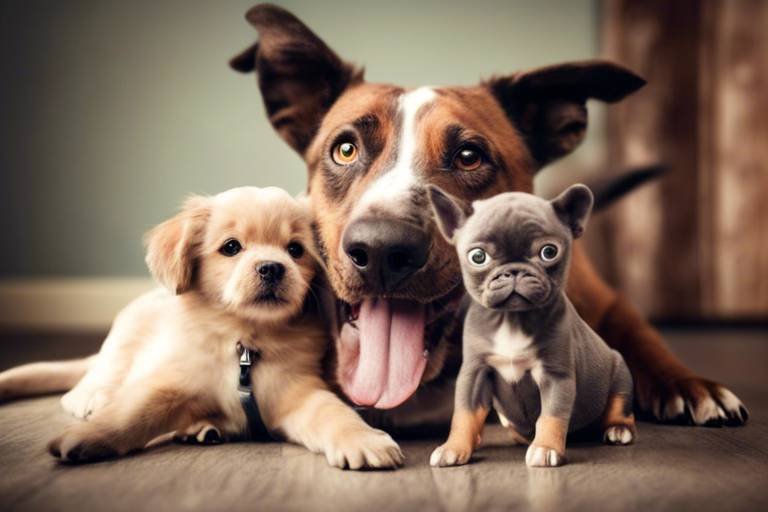
When it comes to rescue pets, the journey from a challenging past to a loving home is often filled with hurdles. Socialization plays a pivotal role in this transformative process. Imagine a shy dog, cowering in the corner, who with just a little patience and positive interaction, blossoms into a confident companion. Regular socialization is not just beneficial; it’s essential for rescue pets. It opens the door to a world where they can feel safe, loved, and understood. This article delves into the myriad advantages of socializing these wonderful animals, illuminating how positive interactions can significantly enhance their behavior, emotional health, and overall well-being.
Rescue pets often come from backgrounds filled with uncertainty and trauma. They may have experienced neglect, abuse, or abandonment, which can leave lasting scars on their psyche. Understanding their experiences is crucial. It’s like trying to read a book with missing pages; without the full story, it’s difficult to comprehend their behavior. By acknowledging their past, we can create an environment that fosters healing and growth. Providing the right support during socialization not only aids in rehabilitation but also helps these pets become the loving companions they were always meant to be.
Socialization is the bridge that helps rescue pets adjust to new environments and people. Think of it as a training ground where they learn the ropes of interacting with the world around them. It fosters trust and reduces anxiety, leading to happier, more confident animals. Just like humans, pets thrive on social connections. When they engage with people and other animals, they begin to understand that not all interactions are threats. Instead, they can be opportunities for love, play, and companionship.
Establishing trust is essential for rescue pets. It’s the foundation upon which their emotional health is built. Regular social interactions with humans can help them feel secure and loved. Imagine a child learning to ride a bike; they need a supportive adult to guide them through the process. Similarly, rescue pets require gentle guidance and consistent positive reinforcement to build that crucial trust. When they feel safe, they are more likely to exhibit positive behaviors, making the adjustment to their new home smoother.
Using gentle approaches, such as treats and positive reinforcement, can significantly enhance trust-building efforts with rescue pets during socialization. Here are a few effective techniques:
- Slow Introductions: Allow pets to approach at their own pace.
- Positive Reinforcement: Reward good behavior with treats or praise.
- Consistency: Be consistent in your interactions to build familiarity.
Understanding and recognizing signs of fear in rescue pets is vital for effective socialization. This awareness helps in creating a supportive and safe environment for them. Signs may include:
- Tail tucked between legs
- Whining or barking excessively
- Avoidance behaviors, like hiding
By being observant, you can tailor your approach to meet their needs, ensuring a more positive experience.
Socializing with other animals is equally important for rescue pets. It teaches them appropriate behavior and helps reduce aggression or fear towards other pets. Think of it as a classroom where they learn the social rules of their furry peers. Through play and interaction, they can develop essential skills that enhance their adaptability and comfort in multi-pet households.
Regular socialization contributes to healthier behavioral patterns in rescue pets. It can mitigate issues such as anxiety, aggression, and excessive barking. Just as a child learns to interact with others and navigate social situations, pets benefit from these experiences as well. They become more balanced and well-adjusted, making them more enjoyable companions.
Consistent social interactions can significantly reduce anxiety and fear in rescue pets, making them more adaptable to various situations and environments. Imagine a person overcoming their fear of public speaking; it takes practice and exposure. Similarly, the more rescue pets are socialized, the more they learn to handle new experiences without fear. This newfound confidence not only improves their quality of life but also enhances the bond they share with their human companions.
Socialization not only benefits mental health but also contributes to physical well-being. Engaging with others encourages exercise and reduces stress levels in rescue pets. Just like humans who feel happier and healthier when they socialize, pets experience similar benefits. A well-socialized pet is more likely to engage in play, leading to better physical health and a longer, happier life.
Q: How can I tell if my rescue pet needs socialization?
A: Signs may include fear of new people or environments, excessive barking, or aggressive behavior towards other pets. If your pet seems anxious or withdrawn, it’s a good indicator they could benefit from more socialization.
Q: What is the best way to start socializing my rescue pet?
A: Begin with short, positive interactions in a controlled environment. Gradually introduce them to new people and pets, always using treats and praise to reinforce good behavior.
Q: How long does it take for a rescue pet to adjust to socialization?
A: Every pet is different. Some may take weeks, while others may take months. Patience and consistency are key!
Q: Can I socialize my rescue pet too much?
A: Yes, over-socialization can overwhelm a pet. It’s essential to read your pet’s cues and ensure they have time to decompress when needed.
Understanding Rescue Pets
Rescue pets often come from backgrounds that can be quite challenging, filled with uncertainty and sometimes trauma. These animals may have experienced neglect, abuse, or abandonment, which can leave lasting impacts on their behavior and emotional health. Just like humans, pets carry the weight of their past experiences, and understanding this is crucial for anyone looking to help them adjust to a new home. Imagine adopting a pet that has never known the warmth of a loving hand or the comfort of a safe space; it’s a journey of trust that requires patience and empathy.
When we talk about rescue pets, we’re not just referring to their physical presence; we’re delving into their emotional landscapes. Each pet has a unique story, and recognizing the signs of their past can help us provide the right support. For instance, a dog that flinches at sudden movements may have been mistreated, while a cat that hides at the slightest noise might have been abandoned. Understanding these behaviors allows us to create a nurturing environment where they can flourish.
To provide a clearer picture, here are some common backgrounds from which rescue pets may come:
- Abandoned: Pets left behind by previous owners, often struggling to adapt to new surroundings.
- Abused: Animals that have suffered physical or emotional harm, leading to fear and distrust.
- Neglected: Pets that have not received proper care, leading to health and behavioral issues.
- Strays: Animals that have lived on the streets, facing survival challenges and socialization deficits.
By understanding the backgrounds of these pets, we can better empathize with their behaviors and needs. It’s important to remember that socialization is not just about getting them used to people or other animals; it’s about helping them heal from their past. This process requires time, love, and a commitment to building a bond based on trust. Each interaction is a step toward helping them feel safe and secure in their new environment, allowing their true personalities to shine.
Furthermore, the socialization process can be seen as a bridge connecting their past experiences to a brighter future. By fostering positive interactions, we can help them learn that not all humans or animals are threats, and that love and companionship are possible. This understanding is not just beneficial for the pets; it enriches our lives as well, creating a rewarding relationship built on mutual respect and affection.
The Importance of Socialization
Socialization is not just a fancy term thrown around in pet care circles; it’s a fundamental part of a rescue pet’s journey toward a happy and fulfilling life. Think of it like this: when a rescue pet arrives at their new home, it’s like they’ve been dropped into a foreign land without a map. They may be scared, anxious, and unsure of their surroundings. Socialization acts as that map, guiding them through their new world, helping them understand that humans and other animals are not threats, but friends. This process fosters trust and reduces anxiety, which is crucial for their emotional health.
When rescue pets engage in positive social interactions, they learn to adapt to new environments and people, which is vital for their overall well-being. Imagine trying to navigate a bustling city for the first time—without someone to show you the ropes, it can be overwhelming! Similarly, rescue pets need support to feel safe and secure. Socialization provides them with the tools they need to thrive in their new lives. It’s about more than just making friends; it’s about building a foundation of confidence that will carry them through various situations.
Moreover, socialization can significantly improve a pet’s behavior. When they are well-socialized, they are less likely to exhibit problematic behaviors such as aggression or excessive barking. It’s like teaching a child how to play nicely with others; the more they practice, the better they get at it! Regular interactions with both humans and other animals help them learn appropriate behaviors, allowing them to express themselves in a way that is socially acceptable. This is crucial for their integration into family life and community settings.
In addition, socialization plays a vital role in reducing fear and anxiety. Rescue pets often come from backgrounds filled with trauma or neglect, which can leave them with deep-seated fears. By gradually exposing them to new experiences and positive interactions, we can help them overcome these fears. For instance, introducing them to new people or environments in a controlled manner can significantly decrease their anxiety levels. This is not just beneficial for the pets themselves; it also creates a more harmonious living environment for everyone involved.
To sum it up, socialization is a powerful tool in the rehabilitation of rescue pets. It helps them adjust to their new lives, fosters trust, improves behavior, and reduces anxiety. Every positive interaction they have is a step toward becoming the well-adjusted, loving companions we know they can be. So, let’s take the time to ensure our rescue pets are getting the socialization they need. After all, a happy pet makes for a happy home!
Building Trust with Humans
Establishing trust with rescue pets is a crucial step in their journey toward a happy and fulfilling life. Imagine stepping into a world where every face is unfamiliar, and every sound is a potential threat. For many rescue pets, this is a daily reality. They often come from backgrounds filled with uncertainty and fear, making it essential for us, as their new human companions, to create an environment where they feel safe and secure. Building trust is not just about being kind; it’s about understanding their unique needs and responding to them with patience and compassion.
One of the most effective ways to foster trust is through consistent, positive interactions. Think of it as a dance; both partners need to be in sync for it to work. This means spending quality time with your rescue pet, engaging in activities they enjoy, and allowing them to approach you on their own terms. For instance, using treats can be a game-changer. When you offer a tasty morsel, you’re not just feeding them; you’re sending a message: “I’m here to care for you.” Over time, these small gestures accumulate, creating a bond that can withstand the test of time.
Additionally, verbal communication plays a significant role in building trust. Your tone can be incredibly reassuring. Speaking softly and using a calm voice can help alleviate their anxiety. It’s like a soothing lullaby that tells them, “Everything is going to be okay.” Besides verbal cues, body language is equally important. Avoid sudden movements that might startle them. Instead, crouch down to their level and offer your hand for them to sniff. This simple act can help them feel more at ease and open to forming a connection.
Moreover, engaging in structured activities can also build trust. For example, consider the following techniques:
- Positive Reinforcement: Rewarding desired behaviors with treats or praise reinforces trust and encourages them to repeat those behaviors.
- Routine Establishment: Having a consistent daily routine helps them predict what’s coming next, reducing anxiety and fostering a sense of security.
- Gentle Socialization: Gradually introducing them to new people and environments can help them adjust without feeling overwhelmed.
In essence, the journey of building trust with rescue pets is akin to nurturing a delicate flower. It requires time, attention, and care. Each positive interaction acts as sunlight, helping them blossom into confident companions. Remember, every pet is unique, and the pace at which they build trust may vary. Some may warm up quickly, while others might take a little longer. Patience is key, and the rewards—loyalty, companionship, and love—are worth every effort.
Q: How long does it take to build trust with a rescue pet?
A: The time it takes to build trust varies with each pet. Some may start to trust you within days, while others may need weeks or even months. Patience and consistency are crucial.
Q: What if my rescue pet shows signs of aggression?
A: If your pet shows signs of aggression, it’s important to consult a professional trainer or behaviorist. They can provide tailored strategies for managing aggressive behavior while building trust.
Q: Can I use toys to build trust?
A: Absolutely! Engaging your pet with toys can create positive interactions and help them associate you with fun and play, which is an excellent way to build trust.
Q: Is socialization important for older rescue pets?
A: Yes, socialization is important at any age. Older rescue pets can benefit from new experiences and interactions, helping them feel more comfortable in their environment.
Techniques for Building Trust
Building trust with rescue pets is a journey that requires patience, understanding, and a sprinkle of creativity. Just like humans, pets have their own personalities and histories that shape their behavior. Therefore, it’s essential to approach them with a strategy tailored to their unique needs. One of the most effective techniques is using positive reinforcement. This involves rewarding your pet with treats, praise, or playtime whenever they exhibit desired behaviors. For instance, if your rescue dog approaches you or allows you to pet them, shower them with affection and a tasty treat. This method not only encourages good behavior but also associates your presence with positive experiences.
Another technique is to create a safe space for your rescue pet. This could be a cozy corner in your home where they can retreat when feeling overwhelmed. By providing a sanctuary, you signal to them that it’s okay to take their time adjusting to their new environment. You can enhance this space with their favorite toys or a comfy blanket, making it a go-to spot for comfort.
Moreover, engaging in interactive play can significantly build trust. Activities like fetch, tug-of-war, or even simple games like hide-and-seek can help bridge the gap between you and your rescue pet. These playful interactions not only foster a bond but also allow your pet to see you as a source of fun and joy. Remember, the goal is to create an enjoyable atmosphere where your pet feels relaxed and happy.
It’s also crucial to read their body language. Understanding the signs of fear or discomfort can help you respond appropriately. For example, if your pet flattens its ears or tucks its tail, it may be feeling anxious. In such cases, give them space and time to calm down. Gradually reintroducing yourself with gentle movements and a soft voice can help alleviate their fears.
Lastly, consistency is key. Regular, predictable interactions help your rescue pet understand what to expect from you. Whether it’s feeding times, walks, or play sessions, maintaining a routine can provide a sense of security. Over time, as they learn to trust that you will be there for them, they will become more comfortable in your presence.
- How long does it take to build trust with a rescue pet?
Building trust can vary widely based on the pet’s background, but with consistent effort, many pets start to show signs of trust within a few weeks. - What if my rescue pet is too scared to interact?
It’s important to give them time and space. Gradually introduce yourself through calm, gentle approaches and let them come to you when they feel ready. - Are there specific treats that work best for building trust?
High-value treats like chicken or cheese can be very effective, especially if they are something your pet loves. - Can I use training classes to help build trust?
Absolutely! Training classes not only provide socialization opportunities but also help your pet learn to trust you as their handler.
Recognizing Signs of Fear
Understanding and recognizing signs of fear in rescue pets is vital for effective socialization and rehabilitation. Just like humans, animals can experience fear, and their reactions can vary widely. A fearful pet may not always show overt signs of distress; sometimes, their body language can be subtle yet telling. For instance, a dog might tuck its tail between its legs or avoid eye contact, while a cat may flatten its ears or hide in a corner. These behaviors indicate that the pet is feeling uncomfortable and needs a safe space to adjust.
It’s essential to observe your rescue pet closely during social interactions. Here are some common signs of fear to watch for:
- Tucked Tail: A dog with a tucked tail is often signaling fear or submission.
- Flattened Ears: Cats and dogs may flatten their ears against their heads when they feel threatened.
- Avoidance Behaviors: If your pet is trying to escape or hide, it’s a clear sign they are not comfortable.
- Whining or Whimpering: Vocalizations can indicate distress, especially in dogs.
- Excessive Grooming: Cats may groom themselves excessively as a coping mechanism for anxiety.
By recognizing these signs early, you can take steps to create a more supportive environment. For example, if your dog is showing signs of fear during a socialization session, you might consider taking a step back and allowing them to observe from a distance rather than forcing interaction. This approach can help them feel more secure and less overwhelmed.
Moreover, it’s important to remember that every pet is unique. Some may take longer to adjust than others, and that’s perfectly okay. Patience is key. If you notice persistent signs of fear, it may be beneficial to consult with a veterinarian or a professional animal behaviorist who can provide tailored strategies to help your rescue pet thrive.
- What should I do if my rescue pet shows signs of fear?
It’s crucial to remain calm and give your pet space. Gradually introduce them to new experiences, and use positive reinforcement to encourage brave behavior. - How long does it take for a rescue pet to adjust?
The adjustment period can vary widely based on the pet’s background and personality. Some may adapt in weeks, while others might take months. Patience is essential. - Can socialization help reduce my pet’s fear?
Yes! Regular, positive social interactions can help build confidence and reduce fear over time.
Enhancing Interaction with Other Animals
When it comes to rescue pets, socialization with other animals is a crucial aspect of their rehabilitation process. Just like humans, pets thrive on interaction, and for rescue animals, these interactions can make a world of difference. Imagine a shy dog, once cowering in the corner, blossoming into a confident companion who plays joyfully with other dogs. This transformation is not just a dream; it’s a reality that can be achieved through proper socialization.
Socializing rescue pets with other animals helps them learn essential social skills. For instance, they begin to understand body language and social cues from their furry counterparts. This understanding is vital as it teaches them how to communicate effectively, reducing the chances of misinterpretation that could lead to aggression or fear. When a dog learns to read another dog’s signals, it can lead to more harmonious interactions, whether at the dog park or in the home.
Moreover, these interactions can significantly reduce behavioral issues. For example, a rescue pet that has had little exposure to other animals may react fearfully or aggressively when encountering them. However, through gradual and positive introductions, they can learn to feel comfortable and even enjoy the company of fellow pets. This is where techniques such as supervised playdates can come into play. By allowing rescue pets to interact in a controlled environment, you can monitor their behavior and ensure that the experience is positive for everyone involved.
It’s essential to note that not all pets will adapt to socialization at the same pace. Some may take longer to warm up, while others might be more eager to engage. It’s important to be patient and use positive reinforcement to encourage these interactions. Offering treats or praise when they display calm behavior around other animals can go a long way. Remember, the goal is to create a safe space where rescue pets can explore their social instincts without feeling threatened.
In summary, enhancing interaction with other animals is a vital component of socializing rescue pets. It fosters better behavior, reduces anxiety, and helps them become well-adjusted companions. So, whether it’s through playdates, visits to the dog park, or simply meeting other pets in the neighborhood, make it a priority to include these interactions in your rescue pet’s routine. The benefits will not only be seen in their behavior but also in the bond you share with them.
- How can I tell if my rescue pet is ready to socialize with other animals? Look for signs of curiosity and calmness around other pets. If they seem relaxed and interested, they may be ready for socialization.
- What should I do if my rescue pet shows aggression towards other animals? It’s important to consult a professional trainer or behaviorist. They can provide strategies tailored to your pet’s needs.
- How often should I socialize my rescue pet with other animals? Regular interactions are beneficial. Aim for at least a few times a week, but adjust based on your pet’s comfort level.
- Can socialization help with my rescue pet’s anxiety? Yes, consistent and positive social experiences can significantly reduce anxiety and help your pet feel more secure.
Benefits for Behavioral Development
When it comes to rescue pets, socialization is not just a luxury—it’s a necessity! Regular socialization plays a pivotal role in shaping their behavioral patterns, leading to healthier and more balanced pets. Imagine a timid dog, once scared of everything around it, transforming into a confident companion ready to explore the world. This transformation is often a direct result of positive social interactions. By exposing rescue pets to various environments, people, and other animals, we help them learn how to react appropriately in different situations.
One of the most significant benefits of socialization is its ability to mitigate behavioral issues. Many rescue pets come with a history of trauma or neglect, which can manifest as anxiety, aggression, or excessive barking. Through consistent and positive social experiences, these pets can learn to cope with their fears and anxieties. For instance, a dog that used to bark uncontrollably at strangers may gradually learn that not every person poses a threat, leading to a calmer demeanor.
Moreover, socialization teaches rescue pets essential life skills. They learn how to communicate effectively with other animals and humans, which is crucial for their integration into family life. For example, a cat that has been socialized with other cats will understand feline body language better, reducing the chances of conflicts. Similarly, dogs that interact with various breeds learn appropriate play behaviors, which can prevent future misunderstandings or aggressive encounters.
In addition to behavioral improvements, socialization has a profound effect on the emotional health of rescue pets. Pets that engage regularly with others are often happier and more relaxed. They develop a sense of belonging and security, which is essential for their overall well-being. Think of socialization as a bridge that connects them to their new world, allowing them to navigate life with confidence and joy.
To illustrate the impact of socialization on behavioral development, consider the following table:
| Behavioral Issue | Effect of Socialization |
|---|---|
| Anxiety | Reduced through exposure to various environments and people |
| Aggression | Decreased through positive interactions with other animals |
| Excessive Barking | Minimized by learning appropriate responses to stimuli |
In summary, the benefits of regular socialization for rescue pets extend far beyond mere companionship; they are foundational for their behavioral development. By fostering a positive environment filled with interactions, we can help rescue pets overcome their past challenges and thrive in their new homes. Remember, each positive experience is a stepping stone toward a happier, healthier, and more well-adjusted pet!
- How often should I socialize my rescue pet? Ideally, you should aim for daily social interactions, even if they are short. Gradually increase the duration and variety of experiences.
- What are some good socialization activities? Activities can include trips to the park, playdates with other pets, attending training classes, or simply inviting friends over to meet your pet.
- What if my rescue pet is fearful of new experiences? Take it slow! Start with less overwhelming situations and gradually introduce more challenging environments as your pet becomes more comfortable.
Reducing Anxiety and Fear
When it comes to rescue pets, anxiety and fear can be significant hurdles in their journey to a happy and fulfilling life. Imagine stepping into a new world where everything feels foreign and threatening; this is the reality for many of these animals. Regular socialization plays a pivotal role in alleviating these feelings. Through consistent interaction with humans and other animals, rescue pets learn to navigate their surroundings with confidence. Just as a child learns to walk by holding hands with a trusted adult, pets too find their footing through the support of their human companions.
One effective way to reduce anxiety is by exposing rescue pets to various environments gradually. This means starting with calm, quiet settings and slowly introducing them to more stimulating environments as they become comfortable. For instance, a timid dog might first explore the backyard before venturing out to a bustling park. This gradual exposure helps them build resilience and adaptability, much like how we gradually face our fears—starting small and working our way up.
Moreover, establishing a routine can significantly contribute to a rescue pet’s sense of security. Animals thrive on predictability, and knowing what to expect can ease their anxiety. Incorporating regular playtime, feeding schedules, and socialization activities into their daily routine can create a comforting structure. You might even consider using a socialization calendar that outlines specific activities for each day, ensuring that your furry friend is consistently engaged and exposed to new experiences.
It’s also essential to recognize that every pet is unique. Some may take longer to adjust than others, and that’s perfectly okay. Being patient and understanding is crucial. During socialization sessions, keep an eye on their body language. Signs of anxiety may include:
- Whining or barking excessively
- Tucking their tail between their legs
- Avoiding eye contact
- Hiding or trying to escape
By recognizing these signs, you can adjust your approach to better suit your pet’s needs. For example, if your dog seems overwhelmed, it may be helpful to take a step back and allow them to observe from a distance before gradually moving closer.
Additionally, positive reinforcement is a powerful tool in reducing anxiety. Rewarding your pet with treats, praise, or play when they exhibit calm behavior during socialization can reinforce their confidence. It’s like giving them a high-five for facing their fears—each small victory builds on the last, leading to greater overall confidence.
Finally, consider incorporating calming aids into your routine. Products like anxiety wraps, pheromone diffusers, or calming music can create a soothing environment for your rescue pet. These tools can complement your socialization efforts, providing an extra layer of comfort as they learn to embrace new experiences.
In conclusion, reducing anxiety and fear in rescue pets is a journey that requires patience, understanding, and creativity. By engaging in regular socialization, establishing routines, and recognizing individual needs, you can help your furry friend transition from a place of fear to one of confidence and joy. Just remember, every little step counts, and with your support, they can flourish in their new life.
- How long does it take for a rescue pet to adjust? Adjusting can vary widely based on the pet’s background and personality. Some may take weeks, while others may need months to feel comfortable.
- What are the best environments for socializing rescue pets? Start with quiet and familiar settings, gradually introducing them to busier places as they become more confident.
- Can socialization help with behavioral issues? Yes, regular socialization can significantly reduce anxiety, aggression, and other behavioral problems in rescue pets.
- How can I tell if my rescue pet is anxious? Look for signs like excessive barking, hiding, or avoiding eye contact, which can indicate fear or anxiety.
Improving Overall Health
When we talk about the overall health of rescue pets, it’s essential to recognize that socialization plays a pivotal role that extends far beyond just their emotional well-being. Think of socialization as a multivitamin for your furry friend; it not only boosts their mood but also fortifies their overall health. Engaging with other animals and humans can lead to a more active lifestyle, which is vital for maintaining a healthy weight and preventing obesity. Just like us, pets need to stay active to keep their bodies in top shape.
One of the most significant benefits of socialization is the increase in physical activity. When rescue pets interact with other animals, they are more likely to engage in play, which can include running, jumping, and chasing. This type of exercise is not just fun; it’s crucial for building strong muscles and bones. Imagine a dog who is initially shy and withdrawn, but after a few playdates, starts to bound around with newfound energy. This transformation is a testament to the power of socialization!
Additionally, socialization can help reduce stress levels in pets. Just like humans, animals experience stress, which can manifest in various ways, including destructive behavior, excessive barking, or even health issues. By regularly exposing rescue pets to new environments and friendly interactions, they learn to manage their stress and anxiety better. A well-socialized pet is often calmer and more relaxed, making for a happier home environment.
Moreover, socialization can prevent behavioral problems that often arise from fear or isolation. When pets are socialized properly, they are less likely to develop issues such as aggression or anxiety. This not only improves their behavior but also enhances their quality of life. A confident pet is more likely to be healthy and happy, which is what every pet owner desires.
To summarize, the benefits of socialization for rescue pets include:
- Increased Physical Activity: Engaging with other animals promotes exercise.
- Stress Reduction: Regular interactions help manage anxiety and stress levels.
- Behavioral Improvement: Well-socialized pets are less likely to develop aggression or anxiety issues.
- Enhanced Quality of Life: A confident pet is a happy pet, leading to a more fulfilling life.
In essence, socializing rescue pets is not just about making them friendly; it’s about enriching their lives and ensuring they lead healthy, balanced lives. So, the next time you think about taking your rescue pet to the park or arranging a playdate, remember that you’re doing so much more than just having fun. You’re investing in their overall health and happiness!
- How often should I socialize my rescue pet? Regular socialization is key. Aim for a few times a week, but adjust based on your pet’s comfort level.
- What are some safe ways to socialize my pet? Start with controlled environments like dog parks or playgroups, and gradually introduce them to new experiences.
- Can socialization help with my pet’s anxiety? Absolutely! Positive interactions can significantly reduce anxiety and help your pet feel more secure.
- Is there a risk of my pet getting overwhelmed during socialization? Yes, it’s essential to watch for signs of stress and take breaks as needed to ensure a positive experience.
Frequently Asked Questions
- Why is socialization important for rescue pets?
Socialization is crucial for rescue pets as it helps them adjust to new environments and reduces anxiety. By interacting with humans and other animals, they learn to trust and feel secure, leading to improved behavior and emotional health.
- What are some effective techniques to socialize a rescue pet?
Using gentle approaches such as treats, positive reinforcement, and gradual exposure to new experiences can significantly enhance the socialization process. It’s all about making the pet feel comfortable and safe, which builds trust over time.
- How can I recognize signs of fear in my rescue pet?
Common signs of fear in rescue pets include cowering, hiding, excessive barking, or even aggression. Being observant and patient helps you understand their feelings, allowing you to create a supportive environment for their socialization.
- Will socialization help reduce my pet’s anxiety?
Absolutely! Regular social interactions can significantly reduce anxiety and fear in rescue pets, making them more adaptable to various situations. The more comfortable they feel, the more confident they’ll become.
- How does socialization benefit my pet’s physical health?
Engaging with others not only boosts mental health but also encourages physical activity. When rescue pets play and socialize, they exercise more, which helps reduce stress levels and contributes to overall well-being.
- Can socializing with other animals help my rescue pet?
Yes, socializing with other animals teaches rescue pets appropriate behaviors and helps reduce aggression or fear towards other pets. It’s an essential part of their development and helps them thrive in a multi-pet household.
- How long does it take to socialize a rescue pet?
The time it takes to socialize a rescue pet varies greatly depending on the individual animal’s background and personality. Some may adapt quickly, while others may need more time and patience. Consistency and positive experiences are key!
Socialization, Rescue pets, Mental health, Behavioral improvement, Bonding, Stress reduction, Physical activity, Adoption success, , Socialization, Rescue pets, Mental health, Behavioral improvement, Bonding, Stress reduction, Physical activity, Adoption success,
Share this content:
Leave a Reply