
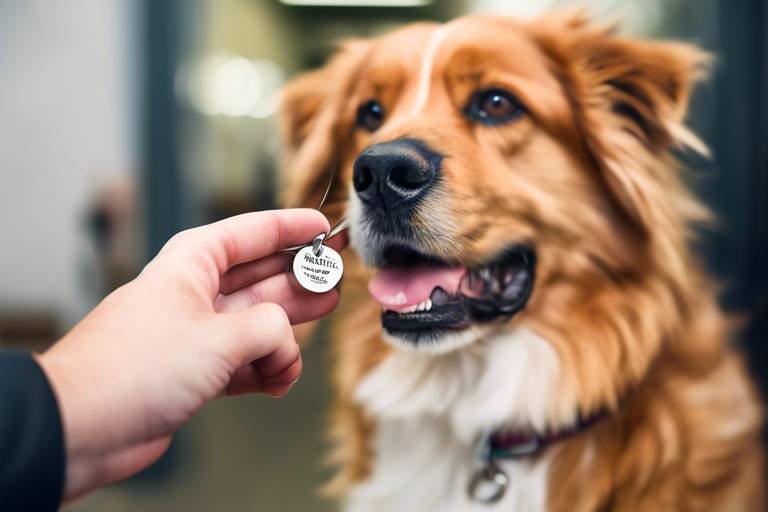
When it comes to our furry friends, their safety and well-being are paramount. Imagine the heart-wrenching moment when your beloved pet goes missing. The panic, the worry, the endless search—it’s a nightmare that no pet owner wants to experience. This is where pet identification tags come into play. These small yet mighty tags can make a world of difference in ensuring that lost pets find their way back home. Not only do they provide essential information about the pet and their owner, but they also offer a sense of security and peace of mind to pet parents. The significance of these tags cannot be overstated; they are a simple yet effective tool in the quest for pet safety.
Pet identification tags are typically attached to a pet’s collar and contain crucial details such as the pet’s name, the owner’s contact information, and any pertinent medical needs. This information is vital for anyone who may find your lost pet, allowing them to quickly reach out and reunite you with your furry companion. It’s like giving your pet a ticket home, a beacon of hope in a potentially distressing situation.
But why do pet identification tags matter so much? The statistics speak volumes. Research shows that millions of pets go missing each year, and shockingly, a significant number of them never return home. Identification tags dramatically increase the chances of a safe reunion. In fact, pets without identification are less likely to be returned to their owners. Think of it this way: without a tag, your pet is like a ship lost at sea, drifting away without a map or compass. Tags serve as that map, guiding lost pets back to their loving homes.
In addition to reuniting lost pets with their families, identification tags also reduce the stress and anxiety that comes with losing a beloved animal. For many pet owners, the thought of their furry friend being lost and alone is unbearable. Tags provide a sense of reassurance that, should the worst happen, there is a way for their pet to be identified and returned. It’s a small investment for a huge return in peace of mind.
However, it’s important to recognize that pets can go missing for a variety of reasons. They might escape during a walk, get spooked by a loud noise, or simply wander off while exploring their surroundings. Understanding these factors is crucial in preventing loss. While we can’t control every situation, we can certainly prepare for them by ensuring our pets are properly tagged. In addition, while microchipping is an excellent tool for pet identification, it should not be seen as a substitute for tags. Microchips require scanning to retrieve information, while tags provide immediate identification. Think of tags as the first line of defense in pet safety.
Choosing the right identification tag is also an essential step in this process. Factors such as durability, size, and the information included on the tag should all be taken into account. A well-chosen tag can withstand the wear and tear of daily life while remaining legible. After all, what good is an identification tag if it becomes unreadable over time? It’s like putting a message in a bottle and tossing it into the ocean—if no one can read it, it’s not going to help.
In conclusion, pet identification tags are not just accessories; they are a lifeline for pets and their owners alike. They play a crucial role in ensuring the safety of our furry friends and provide peace of mind to those who love them. Investing in a quality identification tag is a small price to pay for the security it offers. So, take a moment to check your pet’s collar today—make sure they are equipped with the information they need to find their way back home.
What are Pet Identification Tags?
This article explores the significance of pet identification tags, highlighting their role in ensuring the safety and well-being of pets, as well as the peace of mind they provide to pet owners.
Pet identification tags are small, often metal tags attached to a pet’s collar, containing vital information that can help reunite lost pets with their owners. Typically, these tags display the pet’s name, the owner’s contact details, and any essential medical needs or conditions that the pet may have. Imagine your furry friend darting out the door, chasing after a squirrel, and suddenly finding themselves lost. In that moment, a simple tag can be the difference between a joyful reunion and a long, anxious search.
These tags come in various shapes, sizes, and materials, allowing pet owners to choose one that suits their pet’s personality and lifestyle. For example, a playful puppy might benefit from a durable, stainless steel tag that can withstand rough play, while a fashionable cat could sport a colorful tag that complements their collar. Regardless of style, the primary purpose remains the same: to ensure quick identification if the pet gets lost.
Furthermore, pet identification tags are not just a good idea; they are a necessity. When a pet is found, the tag provides immediate information that can lead to a swift reunion. Unlike microchips, which require scanning and may not be immediately accessible, tags allow anyone who finds your pet to contact you right away. This immediacy can significantly reduce the stress and anxiety that comes with losing a beloved animal.
In addition to the contact information, you might consider including other details on the tag, such as:
- Alternative contact numbers
- Emergency medical conditions
- Allergy information
These extra details can be lifesavers in critical situations, ensuring that anyone who finds your pet has the necessary information to provide care until you can be reunited.
Pet identification tags play a crucial role in reuniting lost pets with their owners, reducing the stress and anxiety associated with losing a beloved animal, and ultimately enhancing pet safety.
Research indicates that a significant percentage of pets go missing each year, with many never finding their way home. Identification tags dramatically increase the chances of a safe return.
Pets can become lost for various reasons, including escaping during walks, natural disasters, or simply wandering off. Understanding these factors can help in preventing loss.
While microchipping is a valuable tool for pet identification, it is not a substitute for tags. Tags provide immediate identification, while microchips require scanning to retrieve information.
Selecting an appropriate identification tag involves considering factors such as durability, size, and the information included. A well-chosen tag can withstand wear and tear while remaining legible.
Many regions have legal requirements for pet identification, mandating tags or microchips for pets. Understanding these laws ensures compliance and promotes responsible pet ownership.
Failing to comply with local pet identification laws can result in fines or penalties. Additionally, it may hinder the chances of reuniting lost pets with their owners.
Adhering to pet identification laws not only avoids legal issues but also enhances community safety and promotes responsible pet ownership, fostering a culture of care for animals.
1. What information should I include on my pet’s identification tag?
It’s best to include your pet’s name, your contact number, and any necessary medical information. You can also add an alternative contact number for emergencies.
2. Are there specific materials that are better for pet tags?
Yes! Durable materials like stainless steel or aluminum are ideal as they can withstand wear and tear. Consider materials that are also lightweight to ensure your pet’s comfort.
3. How often should I check my pet’s identification tag?
Regularly check your pet’s tag to ensure the information is up-to-date and that the tag is not worn out. It’s a good idea to replace it if it becomes illegible.
4. Can I use a microchip instead of a tag?
While microchips are beneficial and provide permanent identification, they should not replace tags. Tags offer immediate identification, which is crucial if your pet gets lost.
5. Are there any legal requirements for pet identification?
Yes, many regions have laws requiring pets to have identification tags or microchips. It’s essential to familiarize yourself with local regulations to ensure compliance.
Why Pet Identification Tags Matter
When it comes to our furry companions, nothing is more heart-wrenching than the thought of losing them. Pet identification tags play a pivotal role in ensuring that our pets can find their way back home safely. Imagine this: your dog bolts out the door during a moment of excitement, or your cat sneaks out while you’re carrying in groceries. In these split seconds, the world can become a frightening place for your pet. Identification tags are like a beacon of hope, shining brightly in the chaos, enabling anyone who finds your lost pet to quickly contact you.
The emotional toll of losing a pet can be overwhelming. According to various studies, approximately 10 million pets are lost each year in the United States alone. Without proper identification, many of these pets never return home. Identification tags significantly reduce the stress and anxiety that both pets and their owners experience during such distressing times. They serve as a lifeline, providing immediate information that can lead to a swift reunion.
But what exactly makes these tags so important? Here are a few key reasons:
- Quick Identification: Tags provide instant access to your contact information, making it easy for anyone who finds your pet to reach out.
- Peace of Mind: Knowing your pet has a tag can alleviate the worry of losing them, allowing you to enjoy your time together without constant fear.
- Deterrent to Theft: A pet with a visible ID tag is less likely to be stolen, as it signals to potential thieves that the pet is loved and has a home.
In addition to these benefits, pet identification tags are also essential in emergency situations. If your pet has specific medical needs or allergies, having that information readily available can be a lifesaver. Imagine your pet getting into an accident or falling ill; a tag with medical details can ensure they receive the appropriate care promptly.
While microchipping is often touted as a modern solution for pet identification, it should not replace the traditional tag. Microchips require scanning and may not be accessible in all situations, while tags provide immediate identification. Therefore, combining both methods offers the best protection for your pet.
In summary, pet identification tags are not just a simple accessory; they are a crucial component of pet safety. They enhance the chances of reuniting lost pets with their owners, reduce anxiety for both pets and their humans, and provide essential medical information when needed. With such a significant role in the well-being of our beloved animals, investing in a durable and informative identification tag is a no-brainer. So, why take the risk? Equip your pet with a tag today!
Statistics on Lost Pets
Did you know that approximately 10 million pets go missing every year in the United States alone? That’s a staggering number, and it highlights the urgent need for effective pet identification methods. According to the American Society for the Prevention of Cruelty to Animals (ASPCA), only about 15% of lost dogs and 2% of lost cats are ever reunited with their owners. This data not only emphasizes the importance of pet identification tags but also sheds light on the emotional turmoil that pet owners experience when their furry friends go missing.
To further illustrate the gravity of the situation, consider the following statistics:
| Statistic | Percentage |
|---|---|
| Pets that are lost | 10 million annually |
| Lost dogs reunited with owners | 15% |
| Lost cats reunited with owners | 2% |
| Pets that are never found | Approximately 85% |
These numbers are more than just statistics; they represent countless families who are heartbroken over the loss of their pets. The reasons pets go missing vary widely, from simple escapes during walks to unexpected events like natural disasters. In fact, many pets can slip out of their collars or jump fences, leading to unintentional adventures that can turn into a nightmare for their owners.
Moreover, the emotional toll on pet owners is profound. Imagine searching frantically for your beloved pet, putting up posters, and posting on social media, all while hoping for a miracle. The stress and anxiety can be overwhelming, not just for the pet but for the entire family. This is where identification tags come into play, serving as a lifeline that can lead to a quick reunion.
In conclusion, the statistics surrounding lost pets are alarming and serve as a wake-up call for all pet owners. Investing in a proper identification tag is a simple yet effective way to protect your furry friend and ensure they have the best chance of finding their way back home if they ever get lost.
- What information should be included on a pet identification tag?
It’s essential to include your pet’s name, your contact number, and any medical information that may be necessary in case of an emergency. - How often should I check my pet’s identification tag?
Regularly check the tag for wear and tear, and update it if your contact information changes. - Are microchips better than tags?
Microchips are great for permanent identification, but they don’t replace the immediate visibility and accessibility of tags.
Common Reasons Pets Get Lost
Pets are curious creatures, and their adventurous spirits can sometimes lead them into trouble. One of the most common reasons pets go missing is during walks. Imagine a dog spotting a squirrel or a cat catching a whiff of something intriguing; in a split second, they might dart away, leaving their owner in a panic. It’s essential to recognize that even the most well-behaved pets can get distracted and wander off.
Another significant factor contributing to lost pets is natural disasters. Events such as thunderstorms, earthquakes, or even fireworks can frighten pets, causing them to flee from their homes or yards. In such moments, their instinct to run can override their training and familiarity with their surroundings. This is why it’s crucial for pet owners to have a plan in place for such emergencies, ensuring their furry friends are safe and secure.
Additionally, pets can become lost when they escape through open gates or doors. A simple oversight, like leaving the front door ajar while unloading groceries, can lead to an unexpected adventure for your pet. This is especially true for energetic breeds that are always looking for an opportunity to explore. Regularly checking fences and gates can minimize the risk of escape, but accidents can still happen.
Sometimes, pets may wander off simply because they are following their nose. Cats, in particular, are known for their curious nature and may venture into neighboring yards or even further afield. They often get so engrossed in their explorations that they lose track of time and their way home. To prevent this, pet owners should consider keeping their cats indoors or providing a secure outdoor enclosure.
In summary, the reasons pets get lost are varied and often unexpected. From the allure of a squirrel to the fright of a thunderstorm, understanding these common scenarios can help pet owners take proactive steps to keep their beloved animals safe. By being vigilant and prepared, you can greatly reduce the chances of your pet going missing.
- What should I do if my pet goes missing? First, stay calm and search your immediate area. Notify neighbors and local shelters, and consider using social media to spread the word.
- How can I prevent my pet from getting lost? Always use a leash during walks, ensure your yard is secure, and consider microchipping your pet in addition to using identification tags.
- Are there specific tags that are better for my pet? Look for tags that are durable, waterproof, and have clear engraving to ensure they remain legible over time.
- What information should I include on my pet’s identification tag? Essential information includes your pet’s name, your phone number, and any important medical information.
Impact of Microchipping
Microchipping has revolutionized the way we think about pet identification. While it’s a fantastic tool that can significantly increase the chances of reuniting lost pets with their owners, it’s important to understand that it does not replace the necessity of traditional identification tags. Imagine a scenario where your furry friend escapes during a walk. If they have a visible tag with your contact information, anyone who finds them can quickly reach out to you. On the other hand, a microchip requires specialized scanning equipment, which may not always be readily available.
Microchips are tiny devices, about the size of a grain of rice, implanted under your pet’s skin. They contain a unique identification number that is linked to a database with your contact information. This means that if a lost pet is found and taken to a veterinary clinic or animal shelter, they can be scanned, and the owner’s details can be retrieved. However, there are a few critical factors to consider:
- Immediate Identification: Tags provide instant identification, while microchips require scanning.
- Database Maintenance: It’s essential to keep your contact information updated in the microchip database; otherwise, it defeats the purpose.
- Cost and Procedure: Microchipping involves a vet visit and a small fee, which is an additional step compared to simply attaching a tag.
In essence, while microchipping is a valuable safety net, it should be viewed as a complementary measure rather than a replacement for pet identification tags. In a world where pets can easily wander off or escape, having both a visible tag and a microchip provides the best chance for a speedy reunion. Think of it as wearing both a seatbelt and a helmet while riding a bike; each offers protection, but together they provide a much safer ride.
1. Can I rely solely on microchipping for my pet’s identification?
No, it’s highly recommended to use both microchipping and identification tags. Tags allow for immediate identification, while microchips serve as a backup.
2. How often should I update my contact information on the microchip?
You should update your contact information whenever you change phone numbers or move to a new address. Keeping your details current is crucial for successful reunification.
3. Is microchipping painful for my pet?
The process is similar to a routine vaccination. Most pets experience minimal discomfort, and the benefits far outweigh the brief inconvenience.
4. How can I ensure my pet’s tag is durable?
When choosing a tag, look for materials like stainless steel or aluminum, which are resistant to wear and tear. Ensure the engraving is deep enough to remain legible over time.
Choosing the Right Tag
When it comes to choosing the right pet identification tag, there are several factors to consider that can make a world of difference for your furry friend. After all, a tag is not just a piece of metal; it’s a lifeline that can lead your beloved pet back home in case they get lost. So, what should you look for? First and foremost, you want a tag that is durable. Pets are playful creatures, and their tags will be subjected to a lot of wear and tear. Opt for materials like stainless steel or brass, which can withstand rough play and outdoor adventures.
Next, consider the size of the tag. A tag that’s too large can be uncomfortable for your pet, while one that’s too small may not be easily readable. The ideal tag should be lightweight yet large enough to fit all the necessary information without cramming. Speaking of information, think about what details you want to include. At a minimum, your pet’s name and your contact number are essential. However, you might also want to add additional information such as:
- Your pet’s medical needs
- Emergency contact information
- Any special instructions (like “Do not feed”)
Another crucial aspect is the style of the tag. There are various designs available, from traditional bone shapes to trendy custom engravings. Choose a style that reflects your pet’s personality, but don’t compromise on functionality. Some tags even come with features like QR codes that link to a webpage with more detailed information about your pet, providing an extra layer of security.
Lastly, remember to check the attachment mechanism. A tag that easily detaches from the collar can lead to loss, defeating its purpose. Look for tags that come with secure rings or clasps. Some collars even have built-in tag holders, which can be a fantastic option for keeping everything in one place.
In summary, choosing the right pet identification tag is not just about aesthetics; it’s about ensuring your pet’s safety and your peace of mind. By considering factors such as durability, size, information, style, and attachment, you can select a tag that not only looks great but also serves its crucial purpose effectively. Your pet deserves the best, so take the time to find a tag that meets all these needs!
Q: What information should I include on my pet’s identification tag?
A: At a minimum, include your pet’s name and your contact number. You can also add medical needs or special instructions for added safety.
Q: Are there tags that can withstand rough play?
A: Yes, tags made from materials like stainless steel or brass are durable and can handle rough play and outdoor activities.
Q: Is a microchip enough for pet identification?
A: While microchips are helpful, they should not replace tags. Tags provide immediate identification, while microchips require scanning to retrieve information.
Q: How often should I check my pet’s identification tag?
A: Regularly check your pet’s tag for readability and ensure that the information is up-to-date, especially after moving or changing phone numbers.
Legal Requirements for Pet Identification
When it comes to ensuring the safety of our furry companions, understanding the is crucial. Many regions around the world have implemented laws that mandate pet owners to provide some form of identification for their pets. This is not just a bureaucratic measure; it’s a way to promote responsible pet ownership and enhance the chances of lost pets being reunited with their families. The specifics can vary significantly from one place to another, so it’s essential for pet owners to familiarize themselves with the regulations in their area.
For instance, in some states, it is a legal requirement to have a pet identification tag that includes the owner’s contact information. This simple step can mean the difference between a lost pet being returned home quickly or remaining lost for an extended period. In addition to tags, microchipping is often encouraged or required, providing a permanent form of identification that is less likely to be lost or removed. The combination of both methods—visible tags and microchips—creates a robust safety net for pets.
Here’s a quick overview of common legal requirements regarding pet identification:
| Region | Identification Requirement | Microchipping Requirement |
|---|---|---|
| California | Must have a collar tag with owner’s contact info | Recommended but not mandatory |
| New York | Mandatory for dogs; recommended for cats | Mandatory for all pets |
| Texas | Must have a tag with owner’s contact info | Not required |
Failing to comply with these laws can lead to various consequences, including fines and penalties. More importantly, non-compliance can hinder the chances of reuniting lost pets with their owners. Imagine the heartbreak of losing a pet, only to find that they cannot be identified due to a lack of proper tags or microchip information. It’s a scenario that no pet owner wants to face, and understanding these legal requirements is the first step in preventing such distressing situations.
Moreover, adhering to these laws not only keeps you on the right side of the law but also fosters a sense of community responsibility. When pet owners take the time to ensure their pets are properly identified, it enhances overall community safety. It creates an environment where animals are cared for, and the likelihood of lost pets being returned increases significantly. Remember, a little effort in compliance can go a long way in ensuring the safety and well-being of your beloved pets.
- What should I include on my pet’s identification tag? It’s best to include your pet’s name, your name, and at least one contact number. You may also add your address or any medical information if necessary.
- Are microchips enough for identification? While microchips provide permanent identification, they should not replace tags. Tags offer immediate information and can be scanned quickly by anyone who finds your pet.
- What are the penalties for not having identification for my pet? Penalties vary by region, but they can include fines, and in some cases, it may lead to your pet being taken by animal control.
- How often should I check my pet’s identification tag? Regularly check your pet’s tag to ensure that the information is still legible and up to date, especially after moving or changing phone numbers.
Consequences of Non-Compliance
Ignoring the importance of pet identification tags can have serious repercussions for both pets and their owners. When pet owners fail to comply with local laws regarding identification, the consequences can be quite severe. For instance, many regions impose fines or penalties for not having proper identification on pets. These fines can vary significantly based on the local legislation, but they can add up quickly, creating unnecessary financial stress for pet owners.
Moreover, the absence of identification tags can hinder the chances of reuniting lost pets with their owners. Imagine the heart-wrenching scenario: your beloved furry friend escapes during a walk, and without a tag, no one can contact you to return them. This situation not only leads to emotional turmoil but also increases the time your pet spends away from home, which can be dangerous.
In addition to legal and emotional consequences, non-compliance can also damage the bond between pets and their owners. When a pet goes missing, it can lead to feelings of guilt and regret for not taking the necessary precautions. As a responsible pet owner, it’s crucial to recognize that identification tags are not just a legal requirement; they are a vital lifeline for your pet’s safety. By ensuring your pet has a tag, you are taking proactive steps to protect them and avoid potential distress.
Let’s break down some of the key consequences of non-compliance:
- Legal Penalties: Fines can range from small amounts to significant fees, depending on local laws.
- Increased Stress: The emotional toll of losing a pet can be overwhelming, leading to anxiety and stress.
- Time Away from Home: Pets without identification may spend longer periods lost, increasing risks to their health and safety.
- Damaged Relationships: The bond between pet and owner can suffer due to feelings of guilt and regret.
In conclusion, the consequences of non-compliance with pet identification laws can be far-reaching. Not only do they affect the legal standing of pet ownership, but they also impact the emotional well-being of both pets and their owners. By ensuring your pet is equipped with a proper identification tag, you are taking a small yet significant step towards their safety and your peace of mind.
1. What information should I include on my pet’s identification tag?
It’s essential to include your pet’s name, your contact number, and any relevant medical information, such as allergies or medications.
2. Are there any legal requirements for pet identification tags?
Yes, many regions have laws that require pets to have identification tags or microchips. It’s important to check the regulations in your area.
3. Can microchipping replace the need for an identification tag?
While microchipping is a great way to identify your pet, it should not replace a physical identification tag. Tags provide immediate information, whereas microchips require scanning.
4. What should I do if my pet loses their identification tag?
If your pet loses their tag, replace it as soon as possible. Consider getting a more durable tag or one that is less likely to fall off.
5. How can I ensure my pet’s identification tag is durable?
Look for tags made from high-quality materials, such as stainless steel or durable plastic, and ensure the engraving is deep enough to last over time.
Benefits of Compliance
When it comes to pet identification, compliance with local laws isn’t just a box to check; it’s a vital practice that carries numerous benefits for both pets and their owners. First and foremost, adhering to identification requirements significantly increases the chances of reuniting with a lost pet. Imagine the relief of having your furry friend back in your arms after a stressful search—this peace of mind is priceless. Not only does compliance help in reunification, but it also fosters a sense of community responsibility. When pet owners take identification seriously, it reflects a culture of care and respect for animals, encouraging others to do the same.
Moreover, being compliant with pet identification laws can help prevent legal troubles. In many regions, failing to have the proper tags or microchips can result in fines or other penalties. These consequences can be frustrating and costly, not to mention the emotional toll of worrying about your pet’s safety. By simply ensuring that your pet is properly identified, you can avoid these pitfalls and focus on what really matters—your pet’s well-being.
Another key benefit is the enhancement of community safety. When pets are easily identifiable, it reduces the risk of stray animals causing accidents or distress in the neighborhood. This can lead to a stronger bond among community members who share the same love for animals. A well-identified pet is less likely to become a nuisance or a danger, which ultimately contributes to a more harmonious living environment.
In summary, the benefits of compliance with pet identification laws extend beyond just avoiding fines. They include:
- Increased chances of reuniting lost pets: Quick identification leads to faster returns.
- Legal protection: Avoid fines and penalties by following local laws.
- Community responsibility: Promote a culture of care and respect for animals.
- Enhanced safety: Reduce the risk of stray animals causing issues.
Ultimately, taking the time to ensure your pet is properly identified is an investment in their safety and your peace of mind. It’s a small step that can make a world of difference, not just for you and your pet, but for the entire community. So, let’s embrace compliance and make our neighborhoods safer for our furry companions!
Q: What information should be included on a pet identification tag?
A: A pet identification tag should include the pet’s name, the owner’s contact number, and any pertinent medical information, such as allergies or special needs.
Q: Are microchips better than tags?
A: While microchips are a great backup for identification, they require a scanner to retrieve information. Tags provide immediate identification, making them essential for quick reunification.
Q: What should I do if my pet loses its identification tag?
A: If your pet loses its identification tag, replace it as soon as possible. In the meantime, ensure your pet is microchipped and consider using a temporary tag with your contact information.
Q: Are there legal requirements for pet identification in my area?
A: Yes, many regions have specific laws regarding pet identification. Check with your local animal control or veterinary services to understand the requirements in your area.
Frequently Asked Questions
- What information should be included on a pet identification tag?
It’s essential to include your pet’s name, your contact number, and any critical medical information. This way, if your furry friend gets lost, anyone who finds them can quickly reach you and ensure their safety.
- Are pet identification tags enough, or should I also microchip my pet?
While pet identification tags are crucial for immediate identification, microchipping offers a more permanent solution. Think of tags as your pet’s first line of defense when they get lost, while microchips act as a backup plan, giving you peace of mind.
- How can I ensure my pet’s identification tag is durable?
When choosing a tag, look for materials like stainless steel or brass, which are known for their durability. Additionally, consider tags that are engraved instead of printed, as engraving tends to last longer and withstand wear and tear.
- What are the common reasons pets go missing?
Pets can wander off due to various reasons, such as excitement during walks, natural disasters, or even chasing after something intriguing. Understanding these triggers can help you keep a closer eye on your furry companion.
- What are the legal requirements for pet identification in my area?
Legal requirements can vary greatly depending on where you live. It’s best to check with your local animal control or government website to ensure you comply with any laws regarding pet identification tags and microchips.
- What should I do if my pet loses their identification tag?
If your pet loses their tag, the first step is to replace it immediately. You can order a new tag online or visit a local pet store. It’s also a good idea to check if your pet is microchipped, as that adds an extra layer of security.
- How can I encourage others to use pet identification tags?
Sharing your own experiences and the benefits of pet identification tags with friends, family, and your community can help raise awareness. You can also participate in local pet events to spread the word about their importance.
pet identification, safety, lost pets, owner contact, microchipping, quick recovery, responsible pet ownership, peace of mind, , pet identification, safety, lost pets, owner contact, microchipping, quick recovery, responsible pet ownership, peace of mind,
Share this content:
Leave a Reply