
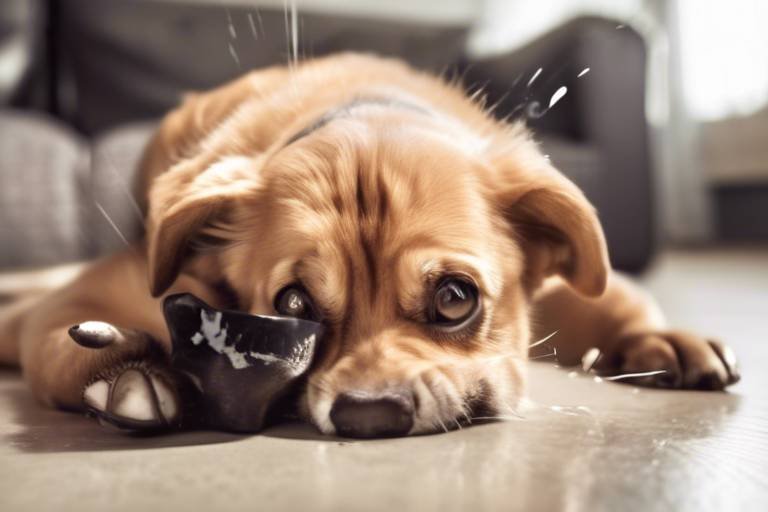
As pet owners, we want to create a loving and secure environment for our furry friends, but sometimes we overlook the hidden dangers lurking within our homes. This article explores essential tips and strategies to keep your pets safe from common household hazards, ensuring they thrive in a secure and loving environment. From understanding potential risks to implementing safety measures, we’ll cover everything you need to know to protect your beloved companions from accidents.
Identifying the most frequent dangers pets encounter at home is crucial. Pets are naturally curious creatures, and their explorations can lead them into trouble. Common hazards include:
- Toxic Plants: Many common houseplants, such as lilies and philodendrons, can be toxic to pets if ingested.
- Choking Hazards: Small objects like toys, coins, or even paper clips can pose choking risks to curious pets.
- Sharp Objects: Razor blades, scissors, and other sharp items should be kept out of reach to prevent cuts and injuries.
By understanding these hazards, you can take proactive steps to minimize risks and create a safer environment for your pets.
Designing a pet-friendly environment involves decluttering and securing areas where your pets roam. Start by rearranging furniture to create more open spaces, allowing your pets to navigate without obstacles. Remove any items that could be harmful or that your pets might chew on. For instance, consider placing fragile items on higher shelves and using storage bins to keep small objects out of reach. A well-organized space not only enhances safety but also promotes a sense of calm for your pets.
Electrical cords can pose a significant threat to curious pets. Chewing on these cords can lead to serious injuries or even fatal electrocution. To prevent this, consider using cord covers or conduits to hide the cords from your pets’ reach. You can also use adhesive clips to secure cords along walls or furniture, making them less accessible. Remember, a little creativity can go a long way in keeping your pets safe!
Selecting the right furniture can minimize risks to your pets. Look for options that are durable, easy to clean, and free from harmful materials. Fabrics that are resistant to stains and scratches, such as microfiber or leather, are excellent choices. Additionally, consider furniture with rounded edges to prevent injuries during playful antics. By investing in pet-safe furniture, you create a space that is both stylish and safe for your furry friends.
The kitchen is often a hotspot for accidents, with its array of tempting smells and dangerous items. Discover practical strategies for pet-proofing this area. First and foremost, ensure that all food is stored securely. Use containers with tight-fitting lids to keep your pets from accessing harmful foods like chocolate, grapes, or onions. Also, make sure that dangerous cleaning supplies are stored high up or in locked cabinets to prevent accidental ingestion.
Proper food storage is essential to prevent pets from accessing harmful items. Always keep food in sealed containers and store them in cabinets that your pets can’t reach. If you have a pantry, consider installing childproof locks to keep curious paws away from potential dangers. Remember, a little vigilance can go a long way in protecting your pets from harmful substances.
Household cleaners can be toxic to pets. To keep your furry companions safe, store cleaning supplies in high cabinets or locked storage areas. Opt for pet-friendly cleaning alternatives whenever possible to minimize risks. For instance, vinegar and baking soda can effectively clean many surfaces without posing a threat to your pets. By choosing safer products and storing them properly, you can maintain a clean home while protecting your pets from harm.
Ensuring everyone in the household understands pet safety is vital. It’s not just about keeping your pets safe; it’s about creating a culture of awareness and responsibility. Hold family meetings to discuss pet safety protocols and encourage open communication. Everyone should know what items are dangerous and how to handle pets safely. By fostering a shared understanding, you create a unified approach to keeping your pets safe and happy.
Routine veterinary visits play a critical role in preventing accidents and ensuring your pet’s well-being. Regular check-ups can help identify potential health issues before they become serious problems. Vaccinations, dental care, and preventive treatments are essential to keeping your pets healthy and safe. Remember, a healthy pet is a happy pet, and investing in their health is an investment in their safety.
Q: What should I do if my pet eats something toxic?
A: If you suspect your pet has ingested something toxic, contact your veterinarian or an emergency animal clinic immediately. Time is of the essence!
Q: How can I tell if my home is safe for my pet?
A: Conduct a thorough inspection of your home, looking for potential hazards like exposed cords, toxic plants, and small objects that could be swallowed. Ask yourself if your pet can access any dangerous areas.
Q: Are there any specific plants I should avoid?
A: Yes! Some common toxic plants include lilies, azaleas, and sago palms. Always research before bringing new plants into your home.
Q: How often should I take my pet for check-ups?
A: It’s recommended to take your pet for a check-up at least once a year, but older pets or those with health issues may require more frequent visits.
Understanding Common Household Hazards
When it comes to our furry companions, understanding the common household hazards is the first step in ensuring their safety. Pets, with their curious nature, often find themselves in situations that can lead to accidents or injuries. This is why it’s crucial to be aware of the everyday dangers lurking in our homes. From toxic plants to choking hazards, the list of potential threats can be surprising. Did you know that many common household items can pose serious risks to your pet? Let’s dive deeper into these hazards and learn how to protect our beloved animals.
One of the most significant risks for pets is toxic plants. Many popular houseplants, such as lilies, azaleas, and philodendrons, can be harmful if ingested. It’s essential to research any plant before bringing it into your home. If you already have plants, consider placing them in areas that are out of reach or better yet, opting for pet-friendly alternatives. Remember, a curious cat or dog can easily knock over a pot, so it’s best to err on the side of caution.
Another common hazard is choking hazards. Small items like coins, buttons, or even toys can easily be swallowed by pets, leading to choking or intestinal blockages. It’s vital to keep small objects off the floor and out of reach. Regularly check your living space for items that could pose a choking risk. You might be surprised at how many things can become a danger to your pet!
Additionally, sharp objects are a frequent danger in many households. Things like scissors, knives, and even broken glass can cause serious injuries. Make it a habit to store these items securely, preferably in drawers or cabinets that your pets cannot access. Not only does this prevent cuts and scrapes, but it also gives you peace of mind knowing that your pet is safe from harm.
Lastly, let’s not forget about cleaning supplies. Many household cleaners contain chemicals that are toxic to pets. Items like bleach, ammonia, and other cleaning agents can be fatal if ingested. Always store these products in high cabinets or locked areas, and consider using pet-safe alternatives whenever possible. By being proactive and taking these precautions, you can significantly reduce the risk of accidents in your home.
In conclusion, understanding these common household hazards is vital for any pet owner. By identifying potential dangers and taking steps to mitigate them, we can create a safer environment for our furry friends. Remember, prevention is always better than cure, so keep an eye out for these hazards and ensure your home is a safe haven for your pets.
Creating a Safe Living Space
Creating a safe living space for your pet is more than just a good idea; it’s essential for their health and happiness. Imagine your home as a playground for your furry friend, but without the hidden dangers lurking around every corner. By taking the time to assess your living environment and make necessary adjustments, you can significantly reduce the risk of accidents. Start by identifying areas that may not be pet-friendly. For instance, consider the furniture arrangement and how it affects your pet’s ability to navigate the space safely.
One of the first steps in pet-proofing your home is to declutter. Pets are naturally curious creatures, and they often explore their surroundings with their noses and paws. This means that anything left lying around could become a chew toy, a choking hazard, or even a source of injury. Make it a habit to keep floors clear of small objects like shoes, toys, and other items that could pose a risk. You’d be surprised how much safer your space will feel once you’ve tidied up!
Next, think about the layout of your furniture. Is it arranged in a way that allows your pet to move freely? If you have a large dog, for example, ensure there’s enough space for them to walk around without bumping into sharp edges or knocking over fragile items. You might even want to consider rearranging furniture to create a more open area where your pet can play and lounge comfortably. Additionally, keeping heavy items on lower shelves can prevent accidents if they are knocked over.
One of the most significant hazards in any home is electrical cords. Pets, especially puppies and kittens, have a natural tendency to chew on things. This can lead to dangerous situations, including electrocution. To mitigate this risk, consider using cord covers or cable management solutions to hide and secure cords. You can also use adhesive clips to attach cords to walls or furniture, keeping them out of reach of your curious pets. Remember, a little bit of foresight can go a long way in preventing accidents!
When selecting furniture, opt for pieces that are not only stylish but also pet-friendly. Look for durable materials that can withstand scratches and stains. Leather, for example, is often easier to clean than fabric, making it a practical choice for pet owners. Additionally, avoid furniture with sharp edges or small parts that could be easily chewed off. By choosing the right furniture, you can create a beautiful living space that is also safe for your furry companions.
In summary, creating a safe living space for your pet requires a combination of decluttering, thoughtful furniture arrangement, and the use of pet-safe materials. By implementing these strategies, you can ensure that your home is a haven for your furry friends, allowing them to thrive in a secure environment. Remember, a little effort today can prevent a lot of heartache tomorrow!
- What are common household items that are dangerous for pets? Items like chocolate, grapes, certain plants, and household cleaners can be harmful to pets.
- How can I tell if my pet is in danger? Look for signs of distress such as excessive barking, whining, or attempts to hide. If in doubt, consult your veterinarian.
- Are there specific furniture materials I should avoid? Yes, steer clear of materials that are easily damaged or can splinter, such as certain types of wood or delicate fabrics.
Securing Electrical Cords
When it comes to keeping your furry friends safe, one often-overlooked hazard is electrical cords. These seemingly harmless wires can pose a serious threat to curious pets, especially those who love to chew on anything they can find. Imagine your playful puppy or inquisitive kitten discovering a dangling cord—it’s a recipe for disaster! To prevent accidents, it’s essential to take proactive measures in securing these cords.
First and foremost, consider the layout of your living space. Rearranging furniture can help keep cords out of reach. For instance, you can tuck cords behind furniture or use cord covers to hide them from view. These covers not only protect your pets but also give your home a cleaner appearance. Additionally, using cord clips or adhesive hooks can help keep cords neatly organized and off the ground.
Another effective strategy is to use protective tubing around cords. This tubing acts as a barrier, making it difficult for pets to chew through. You can find various types of protective tubing at your local hardware store, and they come in different sizes to accommodate various cord widths. If you have multiple cords in one area, consider using a cord management box to keep everything contained and out of reach.
It’s also important to educate your pets about the dangers of electrical cords. While it may sound a bit fanciful, training your pets to avoid certain areas can be beneficial. Reward them with treats when they stay away from these hazardous spots. Consistency is key!
In conclusion, securing electrical cords is a vital step in creating a safe environment for your pets. By being proactive and implementing these strategies, you can significantly reduce the risk of accidents. Remember, a little effort goes a long way in ensuring your furry friends can explore their home safely!
- What are the signs that my pet may have chewed on an electrical cord?
Look for signs of distress, such as excessive drooling, difficulty breathing, or even burns around the mouth. If you suspect your pet has chewed on a cord, seek veterinary assistance immediately.
- Can I use regular tape to secure cords?
While tape can provide a temporary solution, it’s not the most effective long-term option. Consider investing in cord covers or management systems for better protection.
- Are there any pet-safe alternatives to electrical cords?
Yes! Look for wireless options or battery-operated devices when possible. These can help eliminate the risk of cords altogether.
Choosing Pet-Safe Furniture
When it comes to creating a safe haven for your furry friends, selecting the right furniture is more important than you might think. Imagine your pet as a little explorer, constantly on the lookout for new adventures right in your living room. The furniture you choose can either be a safe base camp or a treacherous terrain filled with potential hazards. So, how do you ensure that your home is both stylish and pet-friendly? Here are some key factors to consider:
First off, durability is a non-negotiable aspect. Pets, especially dogs and cats, have a knack for scratching, chewing, and jumping. Opt for materials like microfiber or leather, which can withstand wear and tear while being easy to clean. For instance, a leather sofa might seem luxurious, but it can also be wiped clean after a muddy play session. On the other hand, fabrics like velvet can be a magnet for pet hair and stains, making them less ideal.
Next, think about the design and structure of your furniture. Low-profile pieces are often better for homes with pets, as they reduce the risk of injury from jumping or falling. Additionally, furniture with rounded edges can help prevent accidents, especially in a bustling household. You wouldn’t want your curious kitten to take a tumble from a sharp-edged coffee table, would you?
It’s also essential to consider how easy it is to clean your furniture. Pets can be unpredictable, and accidents happen. Look for removable and washable covers, or furniture that can be easily wiped down. This way, you can maintain a clean and fresh environment without too much hassle. For example, a couch with a removable slipcover can save you a lot of time and stress when your furry friend has an unexpected mishap.
Another important aspect is to avoid furniture with harmful materials. Some woods and finishes can release toxic fumes or have chemicals that are dangerous to pets. Always opt for furniture that is labeled as non-toxic. If you’re unsure, consider checking with the manufacturer or looking for certifications that guarantee safety for your beloved companions.
Finally, don’t forget about storage solutions. If you have a pet that loves to chew, consider furniture with hidden compartments or storage options to keep toys, treats, and other pet-related items out of reach when not in use. This not only keeps your space organized but also reduces the risk of your pet getting into something they shouldn’t.
In conclusion, choosing pet-safe furniture goes beyond aesthetics; it’s about creating a secure environment where your pets can thrive. By considering durability, design, ease of cleaning, material safety, and smart storage solutions, you can ensure that your home is a comfortable and safe space for both you and your furry family members.
- What materials are best for pet-safe furniture? Durable materials like microfiber, leather, and tightly woven fabrics are ideal as they resist stains and scratches.
- How can I clean pet stains from my furniture? Use a pet-safe cleaner and follow the manufacturer’s instructions for your specific furniture material.
- Are there specific furniture styles that are safer for pets? Low-profile furniture with rounded edges tends to be safer as it reduces the risk of injury.
- Should I avoid certain types of wood for furniture? Yes, avoid furniture made from treated woods or those with harmful finishes. Look for non-toxic certifications.
Pet-Proofing Your Kitchen
When it comes to creating a safe haven for your furry friends, the kitchen can often be a danger zone. With its myriad of tempting smells and hazardous items, it’s crucial to take proactive steps to pet-proof this space. Imagine your pet as a curious little explorer, always on the lookout for adventure. Unfortunately, this can lead to some serious accidents if we’re not careful. So, how can we transform our kitchens from potential peril to a pet-friendly paradise?
First and foremost, let’s talk about food storage. Our kitchens are filled with delicious treats, but they can also harbor some dangerous items. It’s essential to keep all food items securely stored away. Consider using child-proof locks on cabinets where you store pet-unfriendly foods. Items like chocolate, grapes, and certain nuts can be toxic to pets. A simple rule of thumb is to ask yourself, “Would this be safe for my pet?” If the answer is no, then it’s best to keep it out of reach.
Another important aspect of pet-proofing your kitchen is managing cleaning supplies and chemicals. Many household cleaners contain ingredients that can be harmful or even fatal to pets if ingested. To mitigate this risk, store all cleaning supplies in high cabinets or locked drawers. Additionally, consider switching to pet-friendly cleaning products that are less toxic. This not only ensures your pet’s safety but also contributes to a healthier environment for the entire family.
Additionally, keeping the kitchen floor clear of food scraps and spills is vital. Pets have a knack for sniffing out crumbs and leftovers, which can lead to them eating something they shouldn’t. Implement a routine of cleaning up after meals and promptly disposing of any food waste. This simple act can prevent many accidents and keep your kitchen a safe place for your furry companions.
Furthermore, let’s not forget about sharp objects such as knives and scissors. These tools can pose a serious threat if left unattended. Make it a habit to store these items in drawers or cabinets that your pets can’t access. You might even consider using drawer locks or magnetic catches to ensure they stay securely closed. It’s a small adjustment that can make a huge difference in your pet’s safety.
In summary, pet-proofing your kitchen is all about being proactive and aware of potential hazards. By securing food, cleaning supplies, and sharp objects, you create a safe environment for your furry friends to roam freely. Remember, each small step you take can significantly reduce the risk of accidents and help ensure that your kitchen remains a happy and healthy space for both you and your pets.
- What foods are toxic to pets? Some common toxic foods include chocolate, grapes, onions, and garlic. Always check before sharing any human food with your pets.
- How can I make my cleaning supplies safer for pets? Look for natural or pet-safe cleaning products that do not contain harmful chemicals.
- Should I use child-proof locks on kitchen cabinets? Yes! Child-proof locks can also be effective for keeping pets out of hazardous areas.
Safe Food Storage Practices
When it comes to keeping our beloved pets safe, one of the most crucial areas to focus on is the kitchen. This space, while a hub of delicious aromas and culinary creativity, can also be a minefield of potential hazards for our furry friends. The first step in ensuring their safety is understanding the importance of . By implementing a few simple strategies, you can significantly reduce the risk of your pet accessing harmful foods or ingredients.
One of the most effective ways to keep your pet safe is to store food items in secure containers. Consider using airtight, pet-proof containers that are difficult for your pet to open. Not only do these containers keep food fresh, but they also prevent your pet from sniffing out and potentially munching on anything that could be harmful. For instance, foods like chocolate, grapes, and onions can be toxic to pets, so keeping these items well out of reach is paramount.
Additionally, it’s essential to be mindful of how you store your pet’s food. Always place their food in a designated area that is not easily accessible. For example, storing pet food on a high shelf or inside a cabinet that has a child-proof lock can be a great way to ensure that your curious kitty or playful pup can’t get to it. This is especially important for larger bags of kibble that could spill if knocked over, creating a tempting mess for your pet to explore.
Moreover, don’t forget about cleaning up after meals. Leftover scraps can attract your pet’s attention and lead to accidental ingestion of something harmful. After cooking, make it a habit to thoroughly clean the countertops and dining areas to eliminate any food remnants. Keeping trash cans secured is also vital; consider using bins with locking lids to prevent your pets from rummaging through and finding something they shouldn’t eat.
In addition to food, be cautious with cleaning supplies that may be stored under the sink or in cabinets near food storage areas. Many cleaning products are toxic to pets, and if they accidentally consume them, it can lead to serious health issues. Opt for pet-friendly cleaning supplies whenever possible and ensure that all harmful substances are stored safely out of reach.
To summarize, here are some quick tips for safe food storage practices:
- Use airtight, pet-proof containers for food storage.
- Store pet food in high or locked cabinets.
- Clean up food scraps immediately after meals.
- Secure trash cans with locking lids.
- Store cleaning supplies safely away from food items.
By following these simple yet effective practices, you can create a safer kitchen environment for your pets, allowing them to explore their home without the constant worry of encountering something harmful. Remember, a little precaution goes a long way in ensuring your furry companions stay happy and healthy!
Q: What foods are toxic to pets?
A: Some common foods that are toxic to pets include chocolate, grapes, raisins, onions, and garlic. Always ensure these items are stored securely away from your pets.
Q: How can I stop my pet from getting into the trash?
A: Using trash cans with locking lids and keeping them in cabinets can help prevent your pet from accessing them. Training your pet to stay away from the kitchen can also be beneficial.
Q: Are there pet-friendly cleaning supplies available?
A: Yes, there are many brands that offer cleaning supplies specifically designed to be safe for pets. Look for products labeled as non-toxic and biodegradable.
Cleaning Supplies and Chemicals
When it comes to keeping our homes clean, we often overlook the potential dangers lurking in our cleaning supplies and chemicals. Many household cleaners contain harsh chemicals that can be incredibly toxic to our furry friends. Imagine your pet, curious and playful, sniffing around a bottle of bleach or licking up a spilled cleaner—it’s a scary thought, right? That’s why it’s crucial to be proactive in ensuring that these items are stored safely out of reach.
One of the simplest steps you can take is to secure your cleaning supplies in cabinets that your pets cannot access. Consider using childproof locks on cabinet doors to prevent your adventurous pet from sneaking a peek inside. Additionally, it’s wise to store any cleaning products on high shelves, where even the most agile pets can’t reach. Remember, what might seem like an ordinary bottle to us can be a hazardous item to our pets.
Furthermore, it’s essential to read labels carefully. Many brands now offer pet-safe cleaning products that are free from harmful chemicals and fragrances. These alternatives can effectively clean your home without putting your pet’s health at risk. For example, products made with natural ingredients like vinegar and baking soda can tackle most cleaning tasks while being safe for your furry companions. It’s like having a superhero in your cleaning arsenal—effective and safe!
To give you a clearer picture, here’s a quick comparison of common cleaning supplies and their safety for pets:
| Cleaning Product | Toxicity Level | Pet-Safe Alternative |
|---|---|---|
| Bleach | High | Vinegar |
| Ammonia | High | Baking Soda |
| Drain Cleaners | High | Hot Water + Baking Soda |
| Glass Cleaners | Medium | Water + Vinegar |
As you can see, there are plenty of pet-friendly alternatives to traditional cleaning products. Not only do they keep your home sparkling clean, but they also ensure the safety of your beloved pets. It’s a win-win situation!
Lastly, always remember to clean up any spills immediately and ventilate the area after using any cleaning products. This way, you minimize the risk of your pet coming into contact with harmful substances. Keeping your home clean and safe for your pets doesn’t have to be a daunting task. With a little awareness and the right products, you can create a safe haven for your furry friends.
- What are some common household cleaners that are toxic to pets? Products like bleach, ammonia, and certain drain cleaners are highly toxic and should be kept away from pets.
- How can I make my own pet-safe cleaning solutions? You can mix vinegar and water or use baking soda for scrubbing surfaces. These natural ingredients are effective and safe for pets.
- What should I do if my pet ingests a toxic cleaning product? Contact your veterinarian immediately or call the ASPCA Poison Control Center for guidance.
- Are there any signs that my pet has been exposed to toxic chemicals? Look for symptoms like vomiting, lethargy, drooling, or difficulty breathing. If you notice any of these, seek veterinary care right away.
Educating Family Members
When it comes to keeping our furry friends safe, education is key. Everyone in the household needs to understand the potential dangers that pets face daily. This means not just informing adults but also teaching children about pet safety. After all, kids are often the most curious, and their playful nature can sometimes lead to accidents. So, how do we go about this? It starts with open conversations. Gather the family and discuss the various hazards that pets encounter at home, such as choking hazards, toxic plants, and harmful chemicals.
It’s important to create a pet safety culture within your home. This can be achieved by implementing simple rules that everyone agrees on. For example, you might establish guidelines like:
- Always supervise pets when they are playing, especially around small children.
- Teach children not to feed pets human food unless given permission.
- Make sure everyone knows where hazardous items are stored and that they should be kept out of reach.
Additionally, consider creating a pet safety checklist that can be displayed prominently in your home. This checklist can serve as a daily reminder for everyone to be vigilant. Include items such as:
| Safety Tip | Description |
|---|---|
| Check for Toxic Plants | Ensure all houseplants are non-toxic to pets. |
| Secure Cords and Wires | Keep electrical cords out of reach to prevent chewing. |
| Store Chemicals Safely | Use child-proof locks on cabinets containing cleaning supplies. |
By involving everyone in discussions about pet safety, you not only create awareness but also foster a sense of responsibility. Encourage family members to share their observations about your pet’s behavior. For instance, if a child notices that the pet is trying to reach for something dangerous, they should feel empowered to speak up. This kind of proactive communication can prevent accidents before they happen.
Finally, don’t forget to lead by example. Show your family how to interact safely with pets. Demonstrate gentle handling, proper feeding techniques, and how to recognize when a pet is feeling stressed or uncomfortable. By modeling these behaviors, you reinforce the importance of safety and care in a way that resonates with everyone in the household.
Regular Health Check-ups
Routine veterinary visits are not just a chore; they are a critical lifeline for your furry friends. Just like we humans visit the doctor for check-ups, our pets need the same level of attention to ensure they are healthy and happy. These visits can help catch potential health issues before they escalate into serious problems, saving you from unexpected vet bills and, more importantly, keeping your pet safe and sound.
During a typical check-up, your veterinarian will perform a comprehensive examination, which includes checking your pet’s weight, heart rate, and overall physical condition. They will also ask about your pet’s diet, behavior, and any changes you may have noticed. This is your chance to discuss any concerns you might have, whether it’s about their eating habits or quirky behaviors that have you scratching your head. Remember, a little communication can go a long way in maintaining your pet’s health!
But why are these check-ups so important? Well, consider this: many health issues in pets are not easily visible to the naked eye. For example, dental disease, obesity, and even some cancers can develop silently. Regular visits ensure that these conditions are identified early, which often leads to more effective treatment. To put it simply, it’s like finding a leak in your roof before it becomes a waterfall in your living room!
Here’s a quick overview of what a typical health check-up might include:
| Check-up Component | Description |
|---|---|
| Physical Examination | A thorough check of your pet’s body, including ears, eyes, and skin. |
| Vaccinations | Updating necessary vaccinations to prevent diseases. |
| Parasite Control | Checking for fleas, ticks, and worms, and discussing prevention methods. |
| Dental Check | Examining teeth and gums for signs of dental disease. |
| Nutrition Advice | Discussing your pet’s diet and suggesting any necessary changes. |
Additionally, regular health check-ups can help in establishing a baseline of your pet’s health. This makes it easier for your vet to spot any changes over time. Think of it as a health report card for your pet! If your vet knows what’s normal for your pet, they can identify when something’s off much quicker.
In conclusion, don’t underestimate the power of routine check-ups. They are an essential part of your pet’s health care plan, ensuring that your beloved companion remains a vibrant part of your life for years to come. So, mark those calendars and make those appointments! Your pet will thank you with wagging tails and purring cuddles.
- How often should I take my pet for a check-up?
Most veterinarians recommend an annual check-up for healthy adult pets, while puppies and kittens may need to visit more frequently. - What should I bring to the vet?
Bring your pet’s medical records, any medications they are currently taking, and a list of questions or concerns you may have. - Are check-ups expensive?
The cost can vary based on location and services provided, but regular check-ups can help prevent costly health issues in the long run.
Frequently Asked Questions
- What are some common household hazards for pets?
Common household hazards include toxic plants, choking hazards like small objects, sharp items such as scissors, and electrical cords that pets might chew on. It’s essential to identify these dangers to keep your furry friends safe.
- How can I create a safe living space for my pet?
To create a safe living space, declutter areas where your pet roams, secure electrical cords, and choose pet-safe furniture. Rearranging furniture to eliminate obstacles can also help your pet navigate safely.
- What are some tips for securing electrical cords?
Consider using cord covers or clips to keep electrical cords out of reach. You can also hide them behind furniture or use furniture arrangements to block access, preventing your pet from chewing on them.
- How can I pet-proof my kitchen?
Pet-proofing your kitchen involves storing food in secure containers and keeping cleaning supplies out of reach. Make sure to use child-proof locks on cabinets if necessary to prevent your pet from accessing harmful items.
- What should I do about cleaning supplies around pets?
Store cleaning supplies in high cabinets or locked areas to keep them out of your pet’s reach. Opt for pet-friendly cleaning products whenever possible to minimize risks associated with toxic chemicals.
- Why is it important to educate family members about pet safety?
Educating family members ensures that everyone understands how to keep pets safe, creating a unified approach to pet care. This communication helps prevent accidents and promotes a safer environment for your furry friends.
- How often should I take my pet for health check-ups?
Regular veterinary check-ups are crucial for your pet’s health. Aim for at least once a year for healthy pets, but consult your vet for specific recommendations based on your pet’s age and health condition.
Pet-proofing, Hazard identification, Safe spaces, Supervision, Toxic substances, Secure storage, Training, Emergency preparedness, , Pet-proofing, Hazard identification, Safe spaces, Supervision, Toxic substances, Secure storage, Training, Emergency preparedness,
Share this content:
Leave a Reply