
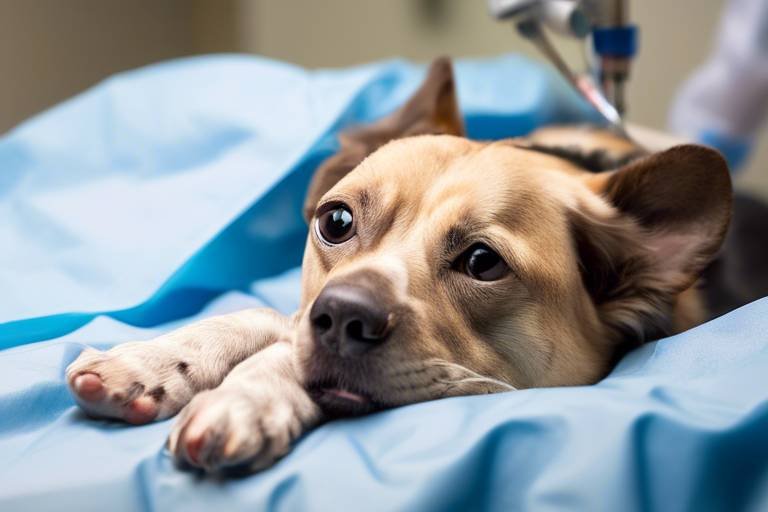
When your furry friend undergoes a surgical procedure, it can be a nerve-wracking experience for both of you. As a pet owner, your primary concern is ensuring a smooth recovery for your beloved companion. With the right knowledge and approach, you can turn this challenging time into an opportunity for bonding and care. This article provides essential tips and guidance for pet owners to ensure a smooth recovery process for their furry companions following surgical procedures, focusing on care, comfort, and monitoring.
Gaining insight into the specific surgical procedure your pet underwent is crucial. This knowledge helps you anticipate their needs and recognize signs of complications during recovery. Whether it was a routine spay/neuter or a more complex operation, understanding the procedure will empower you to provide the best care possible. Make sure to ask your veterinarian any questions you might have regarding the surgery, recovery time, and what to expect. This information can help you feel more prepared and less anxious, allowing you to focus on your pet’s needs.
Designing a safe and cozy environment for your pet is vital. A designated recovery area minimizes stress and allows your pet to heal comfortably and quietly. Think of it as creating a little sanctuary just for them, where they can rest and recuperate without disturbances. The right environment can significantly affect their mood and recovery speed.
Selecting a quiet, low-traffic area in your home for recovery can significantly impact your pet’s comfort. Ensure it is away from noise and distractions, such as loud televisions or busy family activities. A peaceful environment will allow your pet to focus on healing. Consider using a crate or a cozy bed in a corner of your living space where they can feel safe yet still be part of the family.
Gathering necessary supplies such as bedding, food, water, and medications creates a supportive environment that promotes healing and relaxation for your pet. Here’s a quick checklist of what you might need:
- Soft bedding or blankets
- Fresh food and water bowls
- Medications as prescribed
- Toys or comfort items
Having everything ready will help you avoid unnecessary trips to the store and keep your pet focused on recovery.
Maintaining an appropriate temperature in your pet’s recovery area is essential. Ensure they are neither too hot nor too cold, as this can affect their comfort and healing. You might want to use a heating pad on low or provide extra blankets if they seem chilly, but always monitor them closely to prevent overheating. A comfortable pet is a healing pet!
Regularly observing your pet’s behavior and physical condition post-surgery is crucial. This vigilance helps catch potential complications early and ensures they are recovering as expected. Keep an eye out for changes in appetite, energy levels, and bathroom habits. If your pet seems lethargic or is not eating or drinking, it may be time to consult your veterinarian.
Proper nutrition and hydration are key components of recovery. Understanding how to manage your pet’s diet post-surgery will aid in their healing process. Your veterinarian might recommend a specific diet that is easier for your pet to digest, especially if they had abdominal surgery.
Consulting your veterinarian for specific dietary recommendations post-surgery can ensure your pet receives the right nutrients to support their recovery. Typically, you may need to introduce soft foods gradually, allowing their digestive system to adjust. Always monitor their reaction to new foods and avoid any treats that could upset their stomach.
Keeping your pet hydrated is essential for their recovery. Provide fresh water and monitor their intake to prevent dehydration during the healing process. If your pet is reluctant to drink, try offering ice chips or adding water to their food to encourage them to stay hydrated.
Being aware of potential complications is crucial for timely intervention. Knowing what to look for can help you act quickly if your pet shows concerning symptoms. Pay attention to any unusual behavior or physical signs that could indicate trouble.
Familiarizing yourself with common issues such as infection, excessive bleeding, or unusual behavior can help you identify when to seek veterinary assistance. Look for symptoms like:
- Redness or swelling around the surgical site
- Discharge or foul odor from the incision
- Persistent vomiting or diarrhea
- Extreme lethargy or unwillingness to move
Understanding when to reach out to your vet is essential. If you notice concerning signs, timely communication can prevent serious health issues for your pet. Don’t hesitate to call your veterinarian if something feels off; it’s always better to be safe than sorry. Your intuition as a pet owner is a powerful tool!
Q: How long does recovery take?
A: Recovery time varies depending on the type of surgery and your pet’s overall health. Typically, it can take anywhere from a few days to several weeks.
Q: Can I give my pet treats during recovery?
A: It’s best to stick to the diet recommended by your veterinarian until your pet is fully healed. Treats can be introduced gradually based on their recovery progress.
Q: What should I do if my pet refuses to eat?
A: If your pet is not eating for more than 24 hours post-surgery, contact your veterinarian for advice. They may suggest alternative foods or assess for underlying issues.
Q: Is it normal for my pet to be more tired than usual?
A: Yes, it’s common for pets to feel lethargic after surgery due to anesthesia and the healing process. However, monitor their behavior and consult your vet if you’re concerned.
Understanding the Surgery
When your beloved pet undergoes a surgical procedure, it can be a nerve-wracking experience for both of you. Understanding the specifics of the surgery is crucial for ensuring a smooth recovery process. Each type of surgery, whether it’s a routine spay/neuter or a more complex orthopedic procedure, comes with its own set of expectations and recovery protocols. By gaining insight into the surgical procedure your pet underwent, you’ll be better equipped to anticipate their needs and recognize any signs of complications during the recovery phase.
First and foremost, it’s important to have a conversation with your veterinarian about the procedure. Ask questions like:
- What was the reason for the surgery?
- What specific techniques were used?
- What can I expect during the recovery period?
- Are there any signs of complications I should watch for?
These questions will not only provide you with clarity but also give you peace of mind. Think of it this way: if you’re going on a road trip, you’d want a map to guide you. Similarly, understanding the surgical process serves as your roadmap for your pet’s recovery journey.
Moreover, it’s essential to familiarize yourself with the common terminology associated with the surgery. For instance, knowing terms like “anesthesia,” “incision,” and “post-operative care” can help you understand the recovery instructions better. This knowledge will empower you to provide the best possible care for your pet during this critical time.
In addition, it can be beneficial to research the specific procedure online or through reputable veterinary resources. However, be cautious about the sources you choose. Always cross-reference information and consult your vet if you have any doubts. Just like in life, not all information is created equal, and your pet’s health is not something to take lightly.
Finally, remember that every pet is unique, and their recovery will vary based on factors such as age, breed, and overall health. Keeping an open line of communication with your veterinarian throughout the recovery process is vital. They can provide tailored advice and support, ensuring that your furry friend receives the best care possible.
Creating a Comfortable Recovery Space
When your furry friend undergoes surgery, creating a comfortable recovery space is one of the most important steps you can take to ensure their healing process goes smoothly. Imagine your pet feeling safe, secure, and cozy, much like how we all appreciate a warm blanket after a long day. This designated area should be a sanctuary, away from the hustle and bustle of daily life, where your pet can rest and recuperate in peace.
To start, you need to choose the right location in your home. A quiet, low-traffic area is ideal. Think about it: if you were recovering from a big procedure, would you want to be in the middle of a noisy living room or a bustling kitchen? Probably not! Instead, find a spot that’s away from loud noises and distractions, perhaps a cozy corner in a bedroom or a quiet nook in the hallway. This will help your pet feel more at ease and less anxious during their recovery.
Now that you have a location in mind, it’s time to gather the essential supplies that will ensure your pet’s comfort. You’ll want to include:
- Soft bedding: A plush, comfortable bed or blanket will provide a perfect resting place for your pet.
- Food and water bowls: Ensure they are easily accessible, so your pet can hydrate and eat without much effort.
- Medications: Keep any prescribed medications within reach to help manage pain or discomfort.
By having all these items readily available, you create a supportive environment that promotes healing and relaxation for your pet. It’s like setting up a little retreat just for them!
Another crucial aspect to consider is temperature control. Pets can be sensitive to temperature changes, so it’s essential to maintain an appropriate climate in their recovery area. Make sure the space is neither too hot nor too cold. You might want to use a blanket to keep them warm or a fan to ensure good airflow if it’s too warm. Just think about how we all feel more comfortable when the temperature is just right; your pet deserves the same comfort during their recovery.
In conclusion, creating a comfortable recovery space for your pet is about more than just a place to rest; it’s about crafting an environment that fosters healing and comfort. By choosing the right location, gathering essential supplies, and maintaining the ideal temperature, you can help your furry friend bounce back to their playful self in no time!
1. How long should my pet stay in the recovery space?
The duration depends on the type of surgery. Generally, pets should stay in their recovery area for at least a few days, or until your vet advises otherwise.
2. Can I visit my pet while they are recovering?
Yes, but keep visits calm and quiet. Too much excitement can stress them out.
3. What if my pet seems uncomfortable in their recovery area?
If your pet appears restless or anxious, try adjusting the space or spending some quiet time with them to help them feel more secure.
4. When should I start reintroducing my pet to their regular environment?
Follow your veterinarian’s guidance. Typically, after a few days of rest, you can slowly reintroduce them to their usual surroundings.
Choosing the Right Location
When it comes to helping your pet recover from surgery, the location you choose for their recovery is absolutely crucial. Imagine if you had just undergone a major procedure; would you want to be surrounded by loud noises and constant foot traffic? Probably not! Your furry friend deserves a peaceful sanctuary where they can rest and heal without unnecessary stress. Selecting a quiet, low-traffic area in your home can significantly enhance their comfort level during this vulnerable time.
First and foremost, look for a spot that is away from the hustle and bustle of daily life. A corner of a cozy room or even a designated space in a quiet part of your home can work wonders. This area should be free from distractions, such as television noise or the comings and goings of family members. Think of it as creating a personal healing oasis for your pet. You might even want to consider using a baby gate to keep other pets and kids at bay, ensuring your recovering buddy can enjoy some much-needed peace.
Also, consider the temperature of the area. Pets are sensitive to extreme temperatures, so ensure the recovery space is neither too hot nor too cold. A comfortable room temperature is key, and you can always add a soft blanket or a heating pad (on a low setting) to help them feel cozy. Don’t forget to check on them regularly to ensure they are comfortable and adjust the environment as necessary.
Finally, make sure the recovery area is easily accessible for your pet. If they are still groggy from anesthesia or have limited mobility, they shouldn’t have to navigate stairs or obstacles just to get to their special place. A ground-level spot, perhaps near your living room or bedroom, can make it easier for them to settle in and feel secure. Remember, this is all about creating a nurturing environment that promotes healing and tranquility, so take the time to set it up just right.
- How long should my pet stay in the recovery area? It depends on the type of surgery, but generally, they should stay in a quiet space for at least a few days post-operation.
- Can I check on my pet frequently? Yes, it’s important to check on them regularly, but try to keep disturbances to a minimum to allow them to rest.
- What if my pet seems anxious in the recovery area? If they appear anxious, consider spending some time with them in the recovery space to help them feel more secure.
Essential Supplies for Comfort
When your furry friend comes home after surgery, creating a comforting environment is not just a nice gesture—it’s essential for their recovery. Think of it as setting up a cozy little nest where they can feel safe and secure while they heal. Start by gathering essential supplies that will cater to their needs during this critical time. These supplies will help ensure that your pet feels comfortable and is able to rest without unnecessary stress.
First and foremost, bedding is crucial. A soft, supportive bed will provide your pet with a cozy spot to recuperate. Look for bedding that is easy to clean, as accidents can happen, especially if your pet is still groggy from anesthesia. You might also want to consider placing some blankets around for extra warmth and comfort. Pets love to burrow, and a familiar blanket can help them feel more at home.
Next up, food and water dishes are important. After surgery, your pet may not have a large appetite, but it’s vital to provide them with access to fresh water at all times. To make things easier, consider using shallow dishes that prevent any strain on their neck or back. You can also place the dishes within easy reach of their recovery area, so they don’t have to move around too much.
Additionally, medications prescribed by your veterinarian should be organized and easily accessible. Create a little medication station where you can keep track of dosages and times. This will help you stay on top of your pet’s recovery plan and ensure they receive the necessary treatments without any confusion.
Finally, don’t overlook the importance of temperature control. Pets can be sensitive to changes in temperature, so make sure their recovery area is neither too hot nor too cold. You might want to use a heating pad on a low setting or a soft blanket to keep them warm, especially if they are feeling a bit chilly after the anesthesia. Conversely, ensure there’s proper ventilation to avoid overheating.
In summary, the right supplies will create a peaceful sanctuary for your pet to recover. By focusing on comfort through bedding, easy access to food and water, organized medications, and suitable temperature control, you’re setting the stage for a smooth recuperation process. Remember, a happy pet is a healing pet!
Temperature Control
When it comes to your pet’s recovery, is a crucial factor that often gets overlooked. After a surgical procedure, your furry friend may have a compromised ability to regulate their body temperature, making it essential for you to create the perfect environment for them. Think of it like a cozy blanket on a chilly night; just as we seek comfort, our pets do too! So, how can you ensure that your pet stays at a comfortable temperature during their healing process?
First, you should aim to keep the recovery area at a stable, moderate temperature—ideally between 68°F and 72°F (20°C to 22°C). This range helps prevent your pet from getting too hot or too cold, both of which can impede healing. If your home tends to fluctuate in temperature, consider using a space heater or air conditioner to maintain a consistent climate. However, be cautious with direct airflow; you don’t want your pet to feel drafts or hot spots.
Another effective method for temperature regulation is providing appropriate bedding. Soft, warm blankets can help insulate your pet from the cold surface beneath them, while also offering a sense of security. You might want to invest in a heated pet bed, which can provide gentle warmth without overheating. Just remember to monitor your pet to ensure they’re not getting too warm, as overheating can lead to other complications.
Moreover, if your pet has undergone surgery that affects their fur or skin, such as spaying or neutering, they may be more sensitive to temperature changes. In such cases, you can use a thermometer to check the ambient temperature and ensure it stays within a comfortable range. If you notice your pet shivering or panting, it’s a clear sign that their temperature needs adjusting.
Lastly, keep an eye on your pet’s behavior. Are they seeking out warmer spots, or do they seem restless? These can be indicators that their temperature isn’t quite right. Adjusting the environment based on these cues will not only help them recover faster but also make them feel more at ease during this vulnerable time.
- How can I tell if my pet is too hot or too cold? Look for signs like shivering, panting, or seeking out warmth or coolness. If they seem uncomfortable, adjust the temperature accordingly.
- Is it safe to use a heating pad for my pet? Yes, but ensure it has a low setting and monitor your pet to prevent overheating.
- What should I do if my pet seems to be too cold? Provide extra blankets, consider a heated bed, and check the room temperature to ensure it’s within the recommended range.
Monitoring Your Pet’s Condition
After your furry friend has undergone surgery, keeping a close eye on their condition is not just important; it’s essential. Just like a parent watches over a child after a big event, you’ll want to be vigilant and attentive to your pet’s needs and behaviors. This is the time when they need you the most, and your observations can make all the difference in ensuring a smooth recovery. So, what should you be looking for?
First and foremost, watch for changes in behavior. Is your pet acting lethargic or unusually quiet? While some rest is expected, a noticeable lack of energy or a refusal to engage in their usual activities can be a red flag. On the flip side, if they seem overly agitated or are pacing around, it could indicate discomfort or pain. Pay attention to their body language; a pet that is curled up tightly may be in distress, while one that is relaxed can signal comfort.
Next, monitor their physical condition. This includes checking their surgical site regularly. Look for signs of swelling, redness, or discharge, which could indicate an infection. If you notice any of these symptoms, don’t hesitate to reach out to your veterinarian. Additionally, keep an eye on their appetite and hydration levels. A lack of interest in food or water can lead to dehydration and hinder the healing process. If your pet isn’t eating or drinking as they should, it’s time to consult the vet.
Another important aspect of monitoring is keeping track of their medications. Ensure that they are taking their prescribed medications on time and in the correct dosages. You might consider creating a simple schedule or chart to help keep track of this. Here’s a quick example:
| Medication | Dosage | Time |
|---|---|---|
| Pain Reliever | 1 tablet | Every 12 hours |
| Antibiotic | 1 capsule | Every 8 hours |
Lastly, don’t underestimate the power of your intuition. If something feels off, trust your instincts. You know your pet better than anyone else, and if you sense that something is wrong, it’s always better to be safe than sorry. Regular check-ins with your veterinarian during this recovery phase can also provide peace of mind and ensure that your pet is on the right track.
In summary, monitoring your pet’s condition after surgery is a multi-faceted approach that involves observing their behavior, checking their physical state, managing medications, and trusting your gut. By being proactive and attentive, you’ll not only help your furry friend heal but also strengthen the bond you share during this vulnerable time.
- How often should I check my pet’s surgical site? It’s advisable to check it at least twice a day for any signs of infection or unusual changes.
- What should I do if my pet is not eating? If your pet refuses to eat for more than 24 hours, contact your veterinarian for advice.
- Is it normal for my pet to be lethargic after surgery? Some lethargy is normal, but if it persists or worsens, consult your vet.
- When should I contact my veterinarian? If you notice any concerning symptoms such as excessive bleeding, severe swelling, or signs of pain, reach out to your vet immediately.
Feeding and Hydration Guidelines
When your furry friend undergoes surgery, their nutritional needs change significantly. It’s not just about filling their bowl; it’s about providing the right kind of fuel to help them heal. A well-balanced diet plays a vital role in recovery, so understanding how to manage your pet’s diet post-surgery is crucial. You might be wondering, what should I feed my pet after surgery? The answer lies in consulting your veterinarian, who can tailor dietary recommendations specific to your pet’s needs. Generally, a diet that is easy to digest and rich in nutrients is ideal during this recovery phase.
After surgery, your pet may experience a reduced appetite or discomfort, making it essential to offer food that is both appealing and gentle on their stomach. You can consider options like:
- Soft, wet food: This can be easier for your pet to chew and digest.
- Home-cooked meals: Simple recipes using boiled chicken and rice can be a great choice.
- Prescription diets: Your vet may recommend special diets designed to aid recovery.
Hydration is equally important during this time. Why is hydration so crucial? Well, water helps in flushing out toxins and supports vital bodily functions. Ensure your pet has constant access to fresh water, and monitor their intake closely. If they seem reluctant to drink, try offering ice cubes or adding water to their food to encourage hydration. Remember, keeping your pet hydrated can significantly impact their overall recovery process.
Here’s a quick reference table summarizing feeding and hydration guidelines:
| Aspect | Guidelines |
|---|---|
| Post-Surgery Diet | Consult your vet for specific dietary recommendations. |
| Food Type | Soft, wet food, home-cooked meals, or prescription diets. |
| Hydration | Provide fresh water at all times; monitor intake closely. |
In conclusion, paying close attention to your pet’s feeding and hydration needs post-surgery can make a world of difference in their recovery. By providing the right nutrition and ensuring they stay hydrated, you’re setting the stage for a smooth healing process. Always remember, your veterinarian is your best resource for any questions or concerns you might have along the way!
Q: How soon after surgery can I feed my pet?
A: It’s usually safe to offer a small amount of food a few hours after surgery, but always follow your vet’s specific advice.
Q: What if my pet refuses to eat?
A: If your pet is not eating within 24 hours post-surgery, contact your veterinarian for guidance.
Q: Can I give my pet treats during recovery?
A: It’s best to stick to their prescribed diet during recovery, but consult your vet about safe treat options.
Post-Surgery Diet Recommendations
After your pet undergoes surgery, their diet plays a crucial role in ensuring a smooth recovery. Just like humans, pets need the right nutrients to heal properly. It’s essential to consult your veterinarian for tailored dietary recommendations that suit your pet’s specific needs post-surgery. They might suggest a temporary transition to a specialized diet that is easier on your pet’s digestive system. This could include soft food or a prescription diet designed for recovery, which often contains higher protein levels to aid in tissue repair and lower fat to ease digestion.
In addition to considering the type of food, pay attention to portion sizes. Overfeeding can lead to discomfort, especially if your pet is less active than usual. Instead, offer smaller, more frequent meals throughout the day. This not only helps with digestion but also keeps your pet’s energy levels stable. If your furry friend seems uninterested in their food, try warming it slightly or mixing in a bit of low-sodium broth to enhance the aroma and flavor, making it more appealing.
Hydration is another critical aspect of your pet’s recovery diet. Ensure they have access to fresh water at all times, as staying hydrated aids in healing and prevents complications such as kidney issues. If your pet is reluctant to drink, consider offering ice cubes or ice chips, which can be more enticing. In some cases, adding a little water to their food can also encourage them to consume more liquids.
Here’s a quick overview of post-surgery dietary considerations:
| Food Type | Considerations |
|---|---|
| Soft Food | Easier to digest, gentle on the stomach. |
| Prescription Diet | Specifically formulated for recovery with higher protein content. |
| Hydration | Ensure constant access to fresh water; consider ice cubes if needed. |
Remember, each pet is unique, and their recovery journey may differ. Continuously monitor their response to the dietary changes and adjust as necessary. If you notice any signs of digestive upset, such as vomiting or diarrhea, consult your veterinarian promptly. They can provide guidance on how to modify your pet’s diet to aid in their recovery.
Encouraging Hydration
Keeping your pet hydrated after surgery is absolutely crucial for their recovery. Just like us, pets need water to help their bodies heal, flush out toxins, and maintain their energy levels. You might wonder, “How can I ensure my furry friend is drinking enough?” First off, make sure that fresh, clean water is always available. Sometimes, pets can be a bit picky, especially after a surgical procedure, so it might take some creativity on your part to encourage them to drink.
One effective method is to use a pet water fountain. These fountains keep the water circulating, which often attracts pets and encourages them to drink more. Additionally, try offering water in different containers—some pets prefer a shallow dish while others might like a bowl with a wider opening. You can also add a splash of low-sodium broth to make the water more appealing. Just remember to check with your vet first to ensure that it’s safe for your pet.
Another great way to boost hydration is through wet food. If your pet is on a dry food diet, consider mixing in some wet food during their recovery. This not only increases their fluid intake but also provides additional nutrients that can aid in healing. If your pet is reluctant to eat, try warming the food slightly to enhance its aroma, making it more enticing.
Monitoring your pet’s water intake is also important. Keep an eye on how much they are drinking throughout the day. If you notice that your pet is drinking significantly less than usual, it might be a sign of a problem. In that case, don’t hesitate to reach out to your veterinarian for advice. Remember, staying hydrated is a team effort, and your attentiveness can make a significant difference in your pet’s recovery journey!
- How much water should my pet drink after surgery?
It varies by size and breed, but a good rule of thumb is to ensure your pet has access to fresh water at all times and encourage them to drink regularly. - What if my pet refuses to drink water?
If your pet is not drinking, try offering wet food or adding broth to their water. If the problem persists, consult your veterinarian. - Can I give my pet ice cubes to encourage hydration?
Yes, many pets enjoy chewing on ice cubes. Just make sure to supervise them to prevent any choking hazards.
Recognizing Signs of Complications
When your furry friend undergoes surgery, it’s a time filled with hope and anxiety. As a pet owner, you want nothing more than to see your beloved companion bounce back to their usual self. However, it’s crucial to remain vigilant during the recovery phase. early can make all the difference in ensuring your pet receives the timely care they need.
First and foremost, be aware of changes in behavior. If your pet is unusually lethargic, refuses to eat, or seems disinterested in their surroundings, these could be red flags. It’s like when we feel under the weather; we often withdraw and want to be left alone. If your pet is acting out of character, it’s essential to take note.
Another critical aspect to monitor is the surgical site. Keep an eye out for any signs of infection, such as redness, swelling, or discharge. A little bit of swelling is normal, but if it looks worse than the day before, it’s time to raise an eyebrow. Also, if your pet is excessively licking or biting at the site, that could indicate discomfort or irritation, which should not be ignored. Think of it as a warning light on your car’s dashboard; ignoring it could lead to bigger problems.
In addition to behavioral changes and surgical site issues, watch for changes in appetite. After surgery, it’s common for pets to have a decreased appetite, but if they go more than 24 hours without eating, it might signal a problem. Keeping a close eye on their food and water intake is crucial; dehydration can set in quickly, especially post-surgery. Just like us, pets need proper nutrition to heal, and a lack of interest in food can be a sign that something isn’t right.
Moreover, be vigilant about monitoring your pet’s temperature. A normal temperature for dogs and cats ranges between 100.5°F to 102.5°F. If you notice a temperature outside this range, it may indicate an infection or other complications. You can use a digital thermometer designed for pets to check their temperature safely. If you’re unsure how to do this, consult your veterinarian for guidance.
Lastly, if your pet exhibits any signs of excessive bleeding or if they are in apparent pain – whimpering, whining, or showing signs of distress – you should contact your veterinarian immediately. Pain management is crucial after surgery, and your vet can provide the necessary medications to keep your pet comfortable. Remember, your pet relies on you to be their voice, so if something feels off, don’t hesitate to reach out for professional help.
In summary, being proactive and observant can help you catch complications early. By monitoring your pet’s behavior, surgical site, appetite, temperature, and overall demeanor, you can ensure they have a smoother recovery. Always trust your instincts as a pet owner; if you feel something is wrong, it’s better to be safe than sorry.
- What should I do if my pet is not eating after surgery? If your pet refuses food for more than 24 hours, contact your veterinarian for advice.
- How can I tell if my pet is in pain? Signs of pain can include whining, excessive panting, or reluctance to move. If you notice these behaviors, consult your vet.
- When should I be concerned about the surgical site? If you see increased redness, swelling, or discharge, or if your pet is excessively licking the area, it’s time to call the vet.
- What is a normal temperature for my pet? A healthy temperature for dogs and cats is between 100.5°F and 102.5°F. If it’s outside this range, seek veterinary care.
Common Post-Surgery Complications
This article provides essential tips and guidance for pet owners to ensure a smooth recovery process for their furry companions following surgical procedures, focusing on care, comfort, and monitoring.
Gaining insight into the specific surgical procedure your pet underwent is crucial. This knowledge helps you anticipate their needs and recognize signs of complications during recovery.
Designing a safe and cozy environment for your pet is vital. A designated recovery area minimizes stress and allows your pet to heal comfortably and quietly.
Selecting a quiet, low-traffic area in your home for recovery can significantly impact your pet’s comfort. Ensure it is away from noise and distractions.
Gathering necessary supplies such as bedding, food, water, and medications creates a supportive environment that promotes healing and relaxation for your pet.
Maintaining an appropriate temperature in your pet’s recovery area is essential. Ensure they are neither too hot nor too cold, as this can affect their comfort and healing.
Regularly observing your pet’s behavior and physical condition post-surgery is crucial. This vigilance helps catch potential complications early and ensures they are recovering as expected.
Proper nutrition and hydration are key components of recovery. Understanding how to manage your pet’s diet post-surgery will aid in their healing process.
Consulting your veterinarian for specific dietary recommendations post-surgery can ensure your pet receives the right nutrients to support their recovery.
Keeping your pet hydrated is essential for their recovery. Provide fresh water and monitor their intake to prevent dehydration during the healing process.
Being aware of potential complications is crucial for timely intervention. Knowing what to look for can help you act quickly if your pet shows concerning symptoms.
After your pet undergoes surgery, it’s important to be vigilant about their recovery. While many pets bounce back without issues, some may experience complications. Here are some common post-surgery complications to watch for:
- Infection: One of the most common issues, infections can occur at the incision site. Look for signs like redness, swelling, or discharge.
- Excessive Bleeding: If you notice any unusual bleeding from the surgical site, it may indicate a problem that needs immediate attention.
- Pain or Discomfort: While some discomfort is normal, excessive pain can signal complications. Monitor your pet’s behavior closely.
- Vomiting or Diarrhea: These symptoms can arise from anesthesia or medications. If they persist, consult your vet.
Recognizing these signs early can be the difference between a simple fix and a more serious issue. If your pet exhibits any of these symptoms, it’s essential to contact your veterinarian promptly. They can provide guidance on whether your pet needs to be seen for further evaluation or treatment.
Understanding when to reach out to your vet is essential. If you notice concerning signs, timely communication can prevent serious health issues for your pet.
1. How long does it take for a pet to recover from surgery?
Recovery time varies depending on the type of surgery and your pet’s overall health. Minor procedures may take a few days, while more complex surgeries can require several weeks.
2. Can I give my pet human pain medication?
No! Never give your pet human medications without consulting your veterinarian, as many can be toxic to animals.
3. What should I do if my pet won’t eat after surgery?
Loss of appetite can be common post-surgery. However, if your pet refuses to eat for more than 24 hours, contact your vet.
4. Is it normal for my pet to be lethargic after surgery?
Yes, some lethargy is expected as your pet recovers from anesthesia. However, if it persists or worsens, consult your veterinarian.
When to Contact Your Veterinarian
After your pet has undergone surgery, it’s essential to keep a close eye on their recovery. While some post-surgical changes are normal, there are specific signs and symptoms that should raise a red flag. If you notice any of the following issues, it’s crucial to reach out to your veterinarian without delay:
- Persistent Vomiting: If your pet is vomiting multiple times, especially if it’s accompanied by other symptoms, this could indicate a serious issue.
- Excessive Bleeding: A small amount of bleeding is normal, but if you notice excessive bleeding or blood in their urine or stool, contact your vet.
- Refusal to Eat or Drink: If your pet isn’t eating or drinking for more than 24 hours post-surgery, it’s time to call your vet.
- Signs of Pain: While some discomfort is expected, if your pet seems to be in significant pain, exhibiting unusual behavior, or is overly lethargic, it’s important to seek professional advice.
- Swelling or Redness: Any significant swelling, redness, or discharge at the surgical site could indicate an infection.
- Difficulty Breathing: If your pet is struggling to breathe or shows signs of distress, this is an emergency situation that requires immediate attention.
It’s always better to err on the side of caution. If you are ever in doubt about your pet’s recovery, don’t hesitate to contact your veterinarian. They can provide guidance, reassurance, or necessary treatment to ensure your furry friend is on the road to recovery. Remember, your veterinarian is your partner in your pet’s health journey, and they want to help you navigate any concerns you may have.
In addition to these signs, it’s also wise to follow up with your vet for scheduled check-ups as recommended. These visits are essential to monitor your pet’s healing process and to address any lingering concerns you might have. Regular communication with your veterinarian can provide peace of mind and ensure that your pet is recovering as expected.
Here are some common questions pet owners have regarding post-surgery care:
- How long will it take for my pet to recover? Recovery time varies depending on the type of surgery. Your veterinarian can provide specific timelines based on your pet’s procedure.
- What should I do if my pet is acting differently? If your pet’s behavior changes significantly, it’s important to consult your veterinarian to rule out any complications.
- Can I give my pet pain medication? Only administer medications prescribed by your vet, as some human medications can be harmful to pets.
- Is it normal for my pet to be lethargic? Some lethargy is expected post-surgery, but if it persists beyond a few days, contact your veterinarian.
Frequently Asked Questions
- How can I help my pet feel more comfortable after surgery?
Creating a cozy recovery space is key! Make sure to choose a quiet area in your home, away from noise and distractions. Provide soft bedding, fresh water, and their favorite toys to help them feel secure and relaxed during their recovery.
- What should I feed my pet after surgery?
After surgery, it’s crucial to consult your veterinarian for specific dietary recommendations. They may suggest a bland diet initially, gradually transitioning back to their regular food as they recover. Always ensure that the food is easy to digest and appropriate for their condition.
- How can I tell if my pet is recovering well?
Monitoring your pet’s behavior and physical condition is essential. Look for signs like a return to normal eating and drinking habits, as well as increased energy levels. However, if you notice any unusual behaviors or symptoms, don’t hesitate to contact your vet.
- What are the common signs of complications after surgery?
Watch out for symptoms like excessive bleeding, swelling at the incision site, or signs of infection such as redness and discharge. If your pet seems lethargic or is not eating or drinking, these could also be indicators that something is wrong.
- When should I contact my veterinarian after surgery?
If you notice any concerning signs, such as difficulty breathing, persistent vomiting, or if your pet is in severe pain, it’s crucial to reach out to your veterinarian immediately. Early intervention can make all the difference in your pet’s recovery.
post-operative care, pain management, nutrition, rest and comfort, follow-up visits, wound care, monitoring behavior, hydration, , post-operative care, pain management, nutrition, rest and comfort, follow-up visits, wound care, monitoring behavior, hydration,
Share this content:
Leave a Reply