
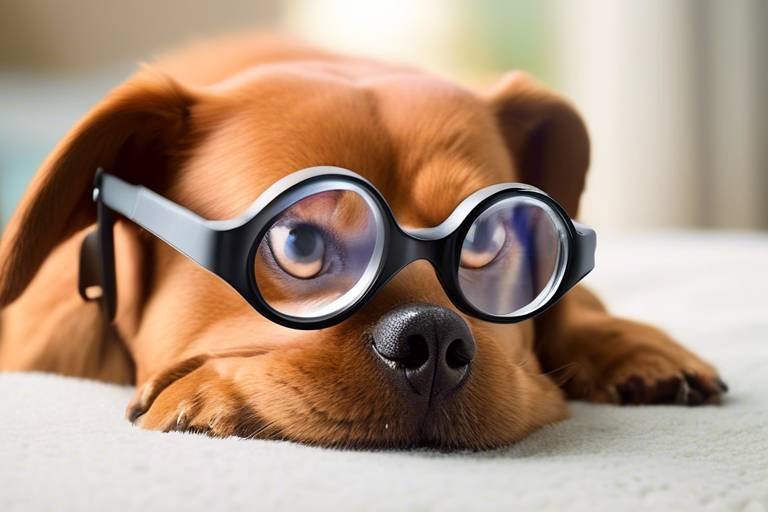
When it comes to our furry companions, we often think about their diet, exercise, and grooming, but what about their eye health? Just like humans, pets can suffer from a variety of eye problems that can lead to serious issues if not addressed promptly. Regular eye care is not just an option; it’s a necessity for ensuring that your pet maintains a good quality of life. Imagine your pet struggling to see the ball you throw or missing out on the joy of chasing a butterfly—these are the little things that make their world bright. By prioritizing eye care, you can help keep their vision sharp and their spirits high.
Many pet owners may not realize that their beloved animals can experience conditions such as cataracts, conjunctivitis, and glaucoma. These conditions can lead to discomfort, pain, and even blindness if left untreated. It’s essential to be proactive rather than reactive when it comes to your pet’s eye health. Regular check-ups with your veterinarian can catch potential problems early on, allowing for timely treatment and better outcomes. Think of it as a routine tune-up for your pet’s vision—just as you wouldn’t ignore a strange noise in your car, you shouldn’t overlook signs of eye trouble in your pet.
So, what can you do to ensure your pet’s eyes stay healthy? First and foremost, familiarize yourself with the common signs of eye issues. Symptoms such as excessive tearing, squinting, and redness are red flags that shouldn’t be ignored. If you notice any of these signs, it’s crucial to seek veterinary advice promptly. Your pet relies on you to be their advocate, and being attentive to their needs can make all the difference.
In addition to regular vet visits, implementing preventive eye care practices at home can significantly reduce the risk of eye problems. Simple steps like keeping your pet’s environment clean, avoiding exposure to harmful chemicals, and providing a balanced diet rich in essential nutrients can go a long way. Just as we take care of our own eyes by wearing sunglasses and eating leafy greens, our pets deserve the same level of care and attention.
Nutrition plays a pivotal role in maintaining healthy eyes. Foods rich in vitamins A, C, and E, along with omega-3 fatty acids, can support optimal eye health. It’s not just about feeding your pet; it’s about feeding them right. A well-balanced diet can help prevent various eye conditions and promote overall well-being.
Understanding eye medications and treatments is another essential aspect of pet eye care. If your veterinarian prescribes medication for an eye condition, it’s vital to follow their instructions carefully. Many treatments are designed to alleviate discomfort and improve vision, so being informed will empower you to make the best decisions for your pet’s health.
In conclusion, regular eye care for pets is of utmost importance. It not only helps in early detection and treatment of potential issues but also enhances the overall quality of life for your furry friend. By being proactive and attentive to their eye health, you can ensure that they continue to enjoy all the little joys of life—from chasing after their favorite toys to enjoying the great outdoors.
- How often should I take my pet for eye check-ups?
It is recommended to have your pet’s eyes checked at least once a year, or more frequently if they show signs of eye problems. - What are the signs that my pet may have an eye issue?
Watch for symptoms such as excessive tearing, squinting, redness, or cloudiness in the eyes. - Can diet really affect my pet’s eye health?
Absolutely! A diet rich in essential nutrients can help maintain your pet’s eye health and prevent various conditions. - When should I seek emergency care for my pet’s eyes?
If your pet experiences sudden vision loss, severe redness, or discharge, seek immediate veterinary attention.
Common Eye Problems in Pets
When it comes to our furry companions, their eyes are often the windows to their overall health. Just like humans, pets can suffer from a variety of eye issues that, if left untreated, can lead to serious complications. Understanding these common eye problems is essential for pet owners who want to ensure their beloved animals maintain clear and healthy vision throughout their lives. Some of the most prevalent eye conditions in pets include cataracts, conjunctivitis, and glaucoma.
Cataracts are a common issue, particularly in older pets. This condition occurs when the lens of the eye becomes cloudy, impairing vision. Symptoms may include a noticeable change in eye color, difficulty seeing in low light, or a general reluctance to engage in activities that require good vision, such as playing fetch. If you notice these signs, it’s crucial to consult with your veterinarian, as cataracts can lead to blindness if not treated promptly.
Conjunctivitis, often referred to as “pink eye,” is another frequent ailment among pets. This inflammation of the conjunctiva—the membrane that covers the eye and lines the eyelids—can be caused by allergies, infections, or irritants. Pets suffering from conjunctivitis may exhibit symptoms such as redness, swelling, and discharge from the eye. If your pet is frequently pawing at their face or squinting, it could be a sign that they are experiencing discomfort from this condition.
Glaucoma is a more severe condition that occurs when there is increased pressure within the eye, which can damage the optic nerve and lead to vision loss. Symptoms include excessive tearing, a bulging eye, and a cloudy cornea. Glaucoma can develop quickly, making it vital for pet owners to be vigilant and seek immediate veterinary care if they suspect their pet is affected.
In addition to these specific conditions, pets can also experience a variety of other eye-related issues, such as dry eye, corneal ulcers, and entropion (a condition where the eyelids roll inward). Each of these conditions has its own set of symptoms and treatments, which is why regular check-ups with a veterinarian are so important.
To help you better understand these conditions, here’s a quick comparison of the common eye problems in pets:
| Condition | Symptoms | Treatment |
|---|---|---|
| Cataracts | Cloudy lens, difficulty seeing | Surgery, medication |
| Conjunctivitis | Redness, discharge, squinting | Antibiotics, antihistamines |
| Glaucoma | Bulging eye, excessive tearing | Medications, surgery |
By being aware of these common eye problems, pet owners can take proactive steps to ensure their furry friends receive the care they need. Regular veterinary check-ups and being observant of any changes in your pet’s behavior or appearance can make all the difference in maintaining their eye health.
Signs Your Pet May Have Eye Issues
As a pet owner, it’s essential to be vigilant about your furry friend’s health, especially when it comes to their eyes. Just like us, pets can experience a variety of eye problems that can affect their vision and overall well-being. But how do you know when your pet might be facing an eye issue? Well, there are several telltale signs that can act as red flags. Recognizing these symptoms early can make all the difference in ensuring your pet receives the necessary care.
One of the most common signs that your pet may have eye problems is excessive tearing. If you notice your dog or cat has watery eyes that seem to be producing more tears than usual, it could indicate an underlying issue. This could be anything from allergies to a more serious condition like conjunctivitis. Another noticeable sign is redness in the eyes or surrounding areas. If the whites of your pet’s eyes appear pink or red, it may suggest inflammation or irritation, which should not be ignored.
Additionally, squinting is another behavior that can signal discomfort or pain in your pet’s eyes. If your pet is squinting frequently or keeping their eyes partially closed, it might be a sign that they are experiencing sensitivity to light or have something stuck in their eye. Pay attention to their behavior; if they seem to be rubbing their eyes with their paws or against furniture, it could indicate that something is bothering them.
Sometimes, you might notice cloudiness in your pet’s eyes. This can be a symptom of cataracts or other serious conditions that require immediate veterinary attention. If you see a cloudy or opaque appearance in their eyes, it’s crucial to consult your vet as soon as possible. Furthermore, any sudden changes in your pet’s behavior, such as increased lethargy or reluctance to play, can also be linked to vision problems. Your pet may not feel like engaging in activities they usually enjoy if they are struggling to see clearly.
In some cases, you might also observe changes in their pupil size. If one pupil is significantly larger or smaller than the other, it may indicate a serious condition known as anisocoria, which can be caused by various health issues. Monitoring your pet’s eyes should become part of your regular health checks, and if you notice any unusual changes, don’t hesitate to reach out to your veterinarian.
In summary, keeping an eye out for these signs can help you catch potential eye issues early. Here’s a quick recap of signs to watch for:
- Excessive tearing
- Redness in the eyes
- Squinting or keeping eyes closed
- Cloudiness in the eyes
- Changes in pupil size
- Behavioral changes, such as lethargy
By being proactive and observant, you can ensure that your pet receives the timely care they need to maintain their vision and overall health. Don’t forget that your veterinarian is your best ally in keeping your pet’s eyes healthy!
Q: How often should I check my pet’s eyes for issues?
A: It’s a good practice to check your pet’s eyes regularly, ideally during grooming sessions or when you notice any changes in their behavior.
Q: What should I do if I notice any of these signs?
A: If you observe any concerning signs, contact your veterinarian immediately for an examination and appropriate treatment.
Q: Can eye problems in pets be prevented?
A: While not all eye issues can be prevented, regular vet check-ups, proper grooming, and a healthy diet can significantly reduce the risk.
The Role of Regular Vet Check-ups
When it comes to our furry friends, we all want them to lead happy, healthy lives. One of the most crucial aspects of maintaining your pet’s overall well-being is ensuring they receive regular veterinary check-ups. These visits are not just about vaccinations; they play a pivotal role in monitoring your pet’s eye health and catching potential problems before they escalate. Think of it like going to the doctor for a routine check-up—it’s all about prevention and early detection.
During a veterinary check-up, your vet will conduct a thorough examination of your pet’s eyes, looking for any signs of trouble. This can include checking for conditions like cataracts, which can cloud your pet’s vision, or glaucoma, which can lead to painful pressure in the eye. Early detection of these conditions can make a world of difference, allowing for timely treatment that can preserve your pet’s sight and comfort.
Moreover, regular check-ups provide an opportunity for pet owners to discuss any concerns they may have noticed at home. For instance, if you’ve observed your pet squinting or tearing excessively, bringing these observations to your vet’s attention can help them tailor their examination accordingly. Just as you would share your symptoms with your doctor, your insights can be invaluable in guiding your vet’s assessment.
It’s also worth noting that some eye conditions can be hereditary, especially in certain breeds. Regular visits to the vet can help monitor these risks and provide you with a clearer understanding of your pet’s specific needs. For example, breeds like Bulldogs and Poodles are more prone to eye issues, and knowing this can help you stay vigilant. Your vet can recommend a tailored schedule for check-ups based on your pet’s breed and history, ensuring that any potential problems are addressed swiftly.
In addition to eye examinations, routine vet visits often include discussions about your pet’s overall health, including nutrition and lifestyle. A well-balanced diet can significantly impact eye health, and your vet can provide guidance on the best foods to support your pet’s vision. After all, a healthy body contributes to healthy eyes!
To summarize, regular veterinary check-ups are essential for:
- Early detection of eye conditions
- Monitoring hereditary risks
- Addressing any concerns you may have
- Receiving nutritional advice for optimal eye health
In the end, think of these check-ups as a vital part of your pet’s health care routine. They not only help keep your pet’s eyes sharp but also contribute to their overall happiness and quality of life. So, don’t wait for signs of trouble—schedule those regular vet visits and give your furry friend the gift of good vision!
Q: How often should my pet see the vet for eye check-ups?
A: It’s generally recommended to take your pet for a veterinary check-up at least once a year. However, if your pet is older or has a history of eye problems, more frequent visits may be necessary.
Q: What should I do if I notice changes in my pet’s eyes?
A: If you notice any changes, such as excessive tearing, redness, or squinting, it’s important to contact your vet as soon as possible for an examination.
Q: Can I do anything at home to help maintain my pet’s eye health?
A: Yes! You can help maintain your pet’s eye health by ensuring they have a balanced diet rich in vitamins A, C, and E, and by keeping their eyes clean and free of debris. Regular grooming can also help prevent issues.
Preventive Eye Care Practices
Taking care of your pet’s eyes is not just about reacting to problems; it’s about preventive measures that can make a world of difference in their overall health. Just like we schedule regular dental check-ups for ourselves, our furry companions deserve the same level of attention for their vision. One of the best ways to start is by establishing a routine eye examination schedule with your veterinarian. These check-ups can help identify early signs of potential issues, ensuring your pet’s eyes stay as bright as their spirit!
But what can you do at home to maintain your pet’s eye health? Here are some simple yet effective practices to incorporate into your pet care routine:
- Regular Cleaning: Gently clean around your pet’s eyes with a soft, damp cloth. This helps remove dirt and discharge that can lead to irritation.
- Monitor Their Environment: Keep your home free from dust, smoke, and other irritants. A clean environment reduces the risk of allergies and other eye issues.
- Protect from Sunlight: Just like humans, pets can suffer from sun damage. Consider pet sunglasses for outdoor adventures, especially for breeds with lighter eyes.
- Proper Nutrition: A balanced diet rich in vitamins A, C, and E, along with omega-3 fatty acids, can support your pet’s eye health. Foods like carrots, sweet potatoes, and fish can be beneficial.
- Hydration Matters: Ensure your pet has access to fresh water at all times. Proper hydration is essential for maintaining eye moisture and overall health.
In addition to these practices, be vigilant about any changes in your pet’s behavior or appearance. If you notice squinting, excessive tearing, or any unusual discharge, it’s essential to consult your veterinarian promptly. Early detection can lead to more effective treatment and a better outcome.
Remember, preventive eye care isn’t just a chore; it’s a way to show love and commitment to your pet’s well-being. By taking these simple steps, you can help ensure that your furry friend enjoys a lifetime of healthy vision, allowing them to explore the world with curiosity and joy!
Importance of Nutrition for Eye Health
When it comes to our furry companions, we often focus on their physical activity, grooming, and regular vet visits. However, one crucial aspect that sometimes gets overlooked is nutrition. Just like in humans, a well-balanced diet plays a vital role in maintaining your pet’s eye health. Think of it as the fuel that powers their vision; without the right nutrients, their eyes can suffer, leading to various issues that could have been avoided.
So, what nutrients are essential for keeping those adorable peepers in tip-top shape? Let’s dive into some key players:
- Vitamin A: This vitamin is a superstar when it comes to eye health. It helps maintain the integrity of the cornea and is crucial for night vision. Foods rich in Vitamin A include carrots, sweet potatoes, and spinach.
- Omega-3 Fatty Acids: These fatty acids are known for their anti-inflammatory properties. They can help reduce the risk of dry eye syndrome and other inflammatory conditions. Fish oils and flaxseed are excellent sources.
- Antioxidants: Vitamins C and E act as antioxidants, protecting the eyes from oxidative stress. Blueberries, kale, and broccoli are packed with these beneficial nutrients.
Incorporating these nutrients into your pet’s diet can be as simple as choosing high-quality commercial pet foods that list these ingredients or even adding fresh fruits and vegetables to their meals. However, it’s essential to consult with your veterinarian before making any significant changes to ensure that your pet’s dietary needs are met.
Moreover, hydration shouldn’t be ignored. Water is crucial for maintaining overall health and aids in keeping the eyes lubricated. Always ensure your pet has access to fresh, clean water throughout the day. Dehydration can lead to dry eyes, which can be uncomfortable and lead to further complications.
In summary, a proper diet rich in essential vitamins and nutrients is fundamental for your pet’s eye health. By prioritizing nutrition, you’re not just feeding your pet; you’re ensuring they have the best chance at a long, healthy life with clear, vibrant vision. Remember, a well-fed pet is a happy pet, and their eyes will thank you for it!
Q: Can I give my pet human food for better eye health?
A: While some human foods can benefit your pet’s eye health, it’s crucial to consult your veterinarian first. Certain foods can be harmful, so always check before sharing.
Q: How do I know if my pet is getting enough nutrients?
A: Look for signs of good health such as a shiny coat, bright eyes, and active behavior. Regular vet check-ups can also help assess your pet’s nutritional needs.
Q: Are there specific diets for pets with eye conditions?
A: Yes, some special diets are formulated for pets with specific eye conditions. Consult your veterinarian for recommendations tailored to your pet’s needs.
Understanding Eye Medications and Treatments
When it comes to our beloved pets, understanding the various eye medications and treatments available is essential for ensuring their vision remains clear and healthy. Just like humans, pets can suffer from a range of eye conditions that may require specific treatments. These can vary from simple eye drops to more complex surgical interventions, depending on the severity and nature of the issue. It’s crucial for pet owners to be informed about these options so they can make the best decisions for their furry companions.
One common treatment for minor eye issues is the use of topical medications. These are typically in the form of eye drops or ointments that can help alleviate symptoms like redness, irritation, or infection. For instance, if your pet has conjunctivitis, a vet may prescribe antibiotic eye drops to combat the infection and provide relief. It’s important to follow the veterinarian’s instructions carefully when administering these medications to ensure they are effective.
In some cases, pets might require oral medications to address underlying health issues that affect their eyes. Conditions such as glaucoma may necessitate medication that reduces intraocular pressure, which can prevent further damage to the optic nerve. Here, timing is critical; early detection and treatment can make a significant difference in preserving your pet’s vision.
For more serious conditions, surgical options may be necessary. Procedures such as cataract surgery can restore vision in pets suffering from this common ailment. During the surgery, the cloudy lens is removed and often replaced with an artificial lens. It’s a delicate procedure that requires a skilled veterinary ophthalmologist, but the results can be life-changing for pets and their owners alike. Post-operative care is equally important, as it involves administering prescribed medications and monitoring your pet’s recovery closely.
Additionally, understanding the side effects of any medication is vital. For example, some eye drops may cause temporary stinging or redness after application. If you notice any unusual reactions, it’s essential to consult your veterinarian immediately. Keeping an eye on your pet’s behavior and comfort levels can provide valuable insights into how well they are responding to treatment.
To help you navigate the world of pet eye care, here’s a brief overview of common eye medications and their purposes:
| Medication Type | Common Uses |
|---|---|
| Topical Antibiotics | Treats bacterial infections like conjunctivitis |
| Anti-inflammatory Drops | Reduces swelling and discomfort |
| Glaucoma Medications | Controls intraocular pressure |
| Artificial Tears | Relieves dry eye symptoms |
| Oral Medications | Treats underlying conditions affecting eye health |
In conclusion, being informed about the various eye medications and treatments available for pets can empower you as a pet owner. Regular communication with your veterinarian and understanding the signs of eye problems can lead to early intervention, which is key to preserving your pet’s vision. Remember, your furry friend relies on you to keep their eyes healthy and vibrant!
- What are the signs that my pet may need eye medication? Look for symptoms like excessive tearing, squinting, or redness.
- Can I use human eye medications on my pet? No, always consult your veterinarian before using any medications not specifically prescribed for pets.
- How often should I take my pet for eye check-ups? Regular vet visits, at least once a year, are recommended, but more frequent visits may be necessary for pets with existing eye conditions.
- What can I do to prevent eye issues in my pet? Regular cleaning of the eye area, a balanced diet, and routine vet check-ups can help maintain eye health.
When to Seek Emergency Care
As a pet owner, one of your most important responsibilities is to be vigilant about your furry friend’s health, especially when it comes to their eyes. While some eye issues can be minor and easily managed, there are times when the situation can escalate quickly, requiring immediate veterinary attention. But how do you know when it’s time to rush your pet to the vet? Understanding the signs that indicate a potential emergency can be the difference between preserving your pet’s vision or facing more serious consequences.
First and foremost, if you notice any sudden changes in your pet’s behavior or appearance, it’s crucial to take them seriously. Here are some urgent symptoms to watch for:
- Excessive tearing or discharge: If your pet’s eyes are watering excessively or if there is a noticeable discharge (especially if it is green or yellow), this could indicate a serious infection or blockage.
- Squinting or keeping one eye closed: This behavior often suggests discomfort or pain in the eye. It’s a signal that something may be wrong, and a vet visit is warranted.
- Redness or swelling: Red, swollen eyes can be a sign of conjunctivitis or other serious conditions that need immediate attention.
- Changes in pupil size: If one pupil is larger or smaller than the other, it could indicate a neurological issue or trauma.
- Cloudiness or changes in the color of the eye: A cloudy appearance can signal cataracts or other serious conditions that can lead to blindness.
In addition to these symptoms, if your pet has experienced any trauma to the eye—whether it be from a fight with another animal, a poke from a branch during playtime, or even a household accident—it’s essential to seek veterinary care immediately. Trauma can lead to serious complications, including retinal detachment or internal bleeding, which may not be visible at first glance.
Another critical factor to consider is the duration of the symptoms. If your pet is exhibiting any of the signs mentioned above for more than a few hours, it’s time to contact your veterinarian. Early intervention can often prevent irreversible damage and ensure that your pet maintains their quality of life.
Finally, if your pet is showing signs of distress, such as excessive whining, pawing at their eyes, or exhibiting aggressive behavior due to pain, do not hesitate to seek emergency care. Pain is a clear indicator that something is wrong, and your pet deserves to be comfortable and healthy.
In summary, being proactive about your pet’s eye health means knowing when to act. If you notice any of the symptoms listed above or if your pet has suffered an eye injury, don’t wait for the situation to worsen. Contact your veterinarian or an emergency animal clinic right away. Remember, when it comes to your pet’s vision, it’s always better to be safe than sorry!
Q: What should I do if my pet has an eye injury?
A: If your pet has an eye injury, it’s important to remain calm and avoid touching the eye. Cover the eye with a clean cloth and seek veterinary care immediately.
Q: How often should I have my pet’s eyes checked?
A: Regular veterinary check-ups should include eye examinations. It’s recommended to have your pet’s eyes checked at least once a year, or more frequently if they are older or have a history of eye problems.
Q: Can I use human eye drops on my pet?
A: No, you should never use human eye drops on your pet without consulting your veterinarian. Some ingredients can be harmful to animals.
Q: What are some preventive measures I can take to protect my pet’s eyes?
A: Keeping your pet’s environment safe, regular grooming, and ensuring they have a balanced diet rich in nutrients that support eye health can help prevent many eye issues.
Long-term Management of Eye Conditions
Managing chronic eye conditions in pets is not just about addressing the immediate symptoms; it’s about ensuring your furry friend enjoys a good quality of life over the long haul. Imagine your pet’s eyes as windows to their soul, and just like any window, they need regular cleaning and maintenance to keep them clear and functional. For pet owners, understanding the nuances of long-term eye care can feel overwhelming, but it doesn’t have to be. With the right approach, you can help your pet navigate their eye health challenges effectively.
First and foremost, regular veterinary visits are essential. These check-ups allow your veterinarian to monitor the progression of any eye conditions and adjust treatment plans as necessary. It’s like having a personal coach for your pet’s eye health, ensuring that they’re on the right track. During these visits, your vet can perform thorough examinations, including eye pressure tests and visual assessments, to catch any changes early on.
In addition to routine check-ups, maintaining a consistent medication schedule is crucial. Many pets with chronic eye conditions require daily medications, whether they’re drops, ointments, or oral medications. Setting reminders on your phone or using a pill organizer can help you stay on top of this. Think of it as a daily ritual; just like you wouldn’t skip your morning coffee, keeping your pet’s medication routine is vital for their well-being.
Another important aspect is creating a safe and clean environment. Dust, allergens, and irritants can exacerbate eye conditions, so keeping your home clean is key. Regularly vacuuming and using air purifiers can help reduce allergens in your pet’s living space. Additionally, be mindful of their outdoor activities—keeping them away from overly dusty or windy areas can prevent unnecessary irritation. Just like you wouldn’t want to walk through a sandstorm, your pet deserves a comfortable environment.
Nutrition also plays a pivotal role in managing eye health. A balanced diet rich in essential fatty acids, antioxidants, and vitamins can support your pet’s overall eye health. Foods containing omega-3 fatty acids, for instance, can help reduce inflammation and promote better eye function. If you’re unsure about your pet’s diet, consult your veterinarian for recommendations tailored to their specific needs. It’s like fueling a car; the better the fuel, the better the performance!
Finally, educating yourself about your pet’s specific eye condition can empower you to take proactive steps. Understanding the symptoms to watch for and knowing when to seek immediate veterinary care can make a world of difference. For instance, if your pet suddenly starts squinting more than usual or shows signs of discomfort, it may be time for an urgent check-up. Knowledge truly is power when it comes to your pet’s health.
- What are common signs of eye problems in pets? Look for symptoms such as excessive tearing, redness, squinting, or discharge from the eyes.
- How often should my pet see the vet for eye check-ups? It’s recommended to have regular check-ups at least once a year, but more frequent visits may be necessary for pets with existing eye conditions.
- Can diet really affect my pet’s eye health? Absolutely! A diet rich in antioxidants and omega-3 fatty acids can support and improve eye health.
- What should I do if I notice sudden changes in my pet’s eyes? Seek veterinary care immediately, as sudden changes can indicate serious issues that need prompt attention.
Frequently Asked Questions
- What are the most common eye problems in pets?
Pets can suffer from various eye issues, with common problems including cataracts, which cloud the lens; conjunctivitis, an inflammation of the eye’s outer membrane; and glaucoma, which increases pressure in the eye. Early detection is key, so being aware of these conditions can help you act swiftly.
- How can I tell if my pet has eye problems?
Watch for signs like excessive tearing, redness, squinting, or if your pet is rubbing their eyes frequently. These symptoms can indicate underlying issues that may need veterinary attention. If you notice any of these signs, it’s best to consult your vet as soon as possible.
- Why are regular vet check-ups important for my pet’s eye health?
Regular veterinary check-ups are crucial because they allow for early detection of potential eye problems. Vets can spot issues before they become serious, helping to preserve your pet’s vision and overall health. Think of it as a routine tune-up for your furry friend!
- What preventive measures can I take to protect my pet’s eyes?
Implementing simple preventive measures can go a long way. Keep your pet’s eyes clean, avoid exposing them to irritants, and ensure they have a balanced diet rich in nutrients that support eye health. Regular grooming and monitoring their environment can also help keep their eyes safe.
- How does nutrition impact my pet’s eye health?
Nutrition plays a vital role in maintaining healthy eyes. Foods rich in omega-3 fatty acids, vitamin A, and antioxidants can significantly support your pet’s vision. A balanced diet contributes to their overall well-being and can help prevent eye conditions.
- What types of eye medications are available for pets?
There are various eye medications available, including antibiotic drops for infections, anti-inflammatory medications for swelling, and lubricating drops for dry eyes. Your veterinarian can prescribe the right treatment based on the specific eye condition your pet has.
- When should I seek emergency care for my pet’s eyes?
If you notice symptoms like severe redness, swelling, discharge, or if your pet is in obvious pain, it’s crucial to seek emergency veterinary care. Timely intervention can prevent permanent damage and ensure your pet’s vision remains intact.
- How can I manage chronic eye conditions in my pet?
Managing chronic eye conditions often involves regular vet visits, consistent medication, and monitoring symptoms closely. Creating a routine that includes eye care and following your vet’s advice can help maintain your pet’s quality of life despite ongoing challenges.
eye health, pet wellness, regular check-ups, vision problems, preventative care, pet insurance, early detection, veterinary advice, , eye health, pet wellness, regular check-ups, vision problems, preventative care, pet insurance, early detection, veterinary advice,
Share this content:
Leave a Reply