
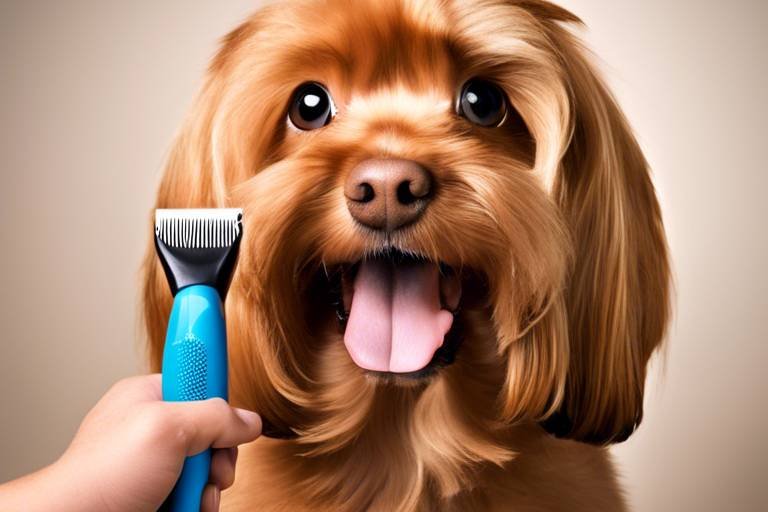
Grooming your pet can sometimes feel like a chore, but what if I told you it doesn’t have to be? Imagine transforming those dreaded grooming sessions into moments of joy and bonding with your furry companion. In this article, we’re going to explore effective techniques and strategies that will make grooming a delightful experience for both you and your pet. By understanding your pet’s unique needs and employing some clever tricks, you can turn grooming into a fun activity that your pet looks forward to. So, let’s dive in and discover how to make grooming a positive experience!
Every pet is unique, and their grooming needs can vary widely based on factors such as breed, age, and coat type. For instance, a fluffy Golden Retriever will have different grooming requirements than a sleek Dachshund. Understanding these differences is crucial for creating a tailored grooming routine that keeps your pet looking fabulous and feeling comfortable. Regular grooming not only helps in maintaining a healthy coat but also allows you to check for any skin issues or parasites. So, what exactly should you consider when assessing your pet’s grooming needs?
- Coat Type: Long-haired pets may require more frequent brushing compared to short-haired breeds.
- Skin Sensitivity: Some pets have sensitive skin and may need special shampoos and conditioners.
- Shedding: Understanding your pet’s shedding patterns can help in planning grooming sessions effectively.
Picking the right grooming tools can make a world of difference in your pet’s grooming experience. Imagine trying to brush your hair with a tool that isn’t suited for your hair type—it would be uncomfortable, right? The same goes for your pet! Here’s a quick guide to some essential grooming tools you might need:
| Tool | Best For |
|---|---|
| Brushes | Long-haired breeds |
| Combs | Removing tangles and mats |
| Deshedding Tools | Reducing shedding |
| Clippers | Trimming fur |
The type of brush or comb you use can significantly impact your pet’s comfort. For example, slicker brushes are great for removing loose fur, while bristle brushes are perfect for smoothing out the coat. Understanding your pet’s coat type will help you choose the best tool for the job. If your pet has a thick undercoat, a de-shedding tool could be a game-changer!
Using the right shampoo and conditioner can make grooming more enjoyable. Opt for pet-friendly products that cater to your pet’s skin and coat health. If your furry friend has sensitive skin, look for hypoallergenic options. Remember, a good bath can be a refreshing experience, especially with the right products!
Establishing a calm and inviting grooming space can help alleviate your pet’s anxiety. Think of it as creating a spa day for your pet! Choose a quiet area with good lighting and comfortable surfaces. You might want to lay down a soft mat or towel where your pet can sit or lie down comfortably. Adding some soothing music can also help create a relaxing atmosphere. The goal is to make your pet feel safe and cozy, so they associate grooming with positive feelings.
Taking a gradual approach to grooming can help your pet acclimate. Start by introducing them to the grooming tools without actually using them. Let your pet sniff and explore the brushes and combs. Slowly introduce grooming activities, starting with short sessions. This way, your pet won’t feel overwhelmed, and they’ll begin to see grooming as a normal part of their routine.
Short grooming sessions can prevent overwhelming your pet. For instance, you could spend just five minutes brushing them one day, then gradually increase the time as they become more comfortable. Think of it like training for a marathon—you wouldn’t run 26 miles on your first day!
Using positive reinforcement, such as treats and praise, can significantly enhance your pet’s grooming experience. Whenever your pet stays calm during grooming, reward them with a treat or a favorite toy. This builds a positive association with grooming, making them more likely to enjoy it in the future. Remember, patience is key!
Establishing a consistent grooming routine is key to keeping your pet accustomed to grooming. Whether it’s a weekly brushing or a monthly bath, having a schedule helps your pet know what to expect. Consistency can reduce anxiety and make grooming feel like a normal part of their life. Plus, you’ll be able to keep their coat healthy and shiny!
Grooming can come with its challenges, from anxiety to stubbornness. If your pet is particularly anxious, consider consulting a professional groomer for tips or even assistance. Many pets may resist grooming at first, but with time and patience, they can learn to enjoy it. Remember, every pet is different, and what works for one may not work for another. Be ready to adapt your approach as needed!
Q: How often should I groom my pet?
A: The frequency of grooming depends on your pet’s breed and coat type. Long-haired breeds may need grooming every few days, while short-haired breeds can often be groomed weekly.
Q: What should I do if my pet hates grooming?
A: Start slowly and use positive reinforcement. Introduce grooming tools gradually and keep sessions short to help your pet become more comfortable.
Q: Can I use human shampoo on my pet?
A: No, human shampoos can be too harsh for pets. Always use pet-specific shampoos to ensure their skin and coat health.
Understanding Your Pet’s Grooming Needs
When it comes to grooming your beloved furry friend, it’s essential to recognize that every pet is unique. Just like humans, pets have different grooming requirements based on their breed, size, and coat type. Understanding these needs not only ensures your pet’s health but also makes the grooming process a more enjoyable experience for both of you. For example, long-haired breeds like Persian cats or Golden Retrievers require frequent brushing to prevent mats and tangles, while short-haired breeds such as Beagles may only need occasional brushing. Knowing what your pet requires is the first step towards a successful grooming routine.
Additionally, it’s crucial to consider your pet’s skin condition and any specific health issues they may have. Some pets might have sensitive skin that reacts poorly to certain grooming products, while others may have allergies that require special attention. Always consult with your veterinarian to determine the best grooming practices for your pet’s unique needs.
Moreover, age and activity level also play a significant role in grooming needs. Puppies and kittens usually have different requirements than adult or senior pets. For instance, younger pets may be more playful and less tolerant of grooming, necessitating a gentle approach. On the other hand, senior pets might require extra care, as their skin can become thinner and more sensitive over time. It’s important to adapt your grooming techniques to suit your pet’s life stage.
To help you better understand your pet’s grooming needs, here’s a quick reference table:
| Pet Type | Coat Type | Grooming Frequency | Special Considerations |
|---|---|---|---|
| Dog | Long-haired | Every 2-3 days | Regular brushing to prevent matting |
| Dog | Short-haired | Weekly | Occasional shedding |
| Cat | Long-haired | Daily | Requires detangling |
| Cat | Short-haired | Weekly | Less maintenance needed |
Ultimately, understanding your pet’s grooming needs is about more than just aesthetics; it’s about ensuring their overall well-being. Regular grooming can help detect skin issues, parasites, or other health problems early on. So, take the time to learn about your pet’s specific grooming requirements, and you’ll find that it not only keeps them looking their best but also strengthens the bond you share. Remember, a well-groomed pet is a happy pet!
Choosing the Right Grooming Tools
When it comes to grooming your pet, selecting the right tools is like picking the perfect outfit for a special occasion—it can make all the difference! Just as you wouldn’t wear uncomfortable shoes to a party, your furry friend deserves grooming tools that are comfortable and effective. The right grooming tools not only enhance the grooming experience but also ensure your pet’s coat remains healthy and shiny.
First and foremost, consider your pet’s specific grooming needs. Different breeds come with different coat types, and understanding these variations is crucial. For instance, long-haired breeds like Yorkshire Terriers or Persian Cats require different grooming tools compared to short-haired breeds like Beagles or Boxers. By assessing your pet’s coat type, you can select tools that will make grooming less of a chore and more of a bonding activity.
Let’s dive into some essential grooming tools that every pet owner should have in their arsenal:
| Tool Type | Best For | Features |
|---|---|---|
| Brushes | Long-haired breeds | Wide-toothed for detangling |
| Combs | Short-haired breeds | Fine-toothed for smoothing |
| De-shedding tools | All breeds | Reduces shedding and mats |
| Clippers | All breeds | For trimming and styling |
Now, let’s talk about brushes and combs. The type of brush or comb you use can significantly impact your pet’s comfort during grooming. For example, a slicker brush is fantastic for removing loose hair and mats from long-haired pets, while a bristle brush works wonders on short-haired pets to distribute natural oils. Always ensure that the bristles are gentle on your pet’s skin to avoid any discomfort.
Next up, shampoos and conditioners! Yes, they’re just as crucial as brushes. Using the right pet-friendly shampoo and conditioner can turn a mundane bath into a spa-like experience for your furry friend. Look for products that are free from harsh chemicals and designed specifically for pets. Ingredients like oatmeal and aloe vera can soothe your pet’s skin and leave their coat soft and shiny.
In summary, choosing the right grooming tools is essential for a positive grooming experience. By investing in quality brushes, combs, and pet-friendly shampoos, you can ensure that your grooming sessions are not only effective but also enjoyable for both you and your pet. Remember, a happy pet makes for a happy owner!
Brushes and Combs
When it comes to grooming your pet, choosing the right brush or comb can make all the difference in their comfort and overall experience. Just like you wouldn’t use a sandpaper towel to dry your skin, your furry friend deserves tools that cater to their specific coat type and sensitivities. Different breeds have different grooming needs, and understanding these nuances is crucial for a successful grooming session.
For instance, if you have a long-haired breed like a Yorkshire Terrier or a Persian cat, you’ll want to invest in a high-quality slicker brush. This type of brush is designed to penetrate deep into the coat, tackling tangles and mats effectively without causing discomfort. On the other hand, short-haired breeds such as Beagles or Boxers may benefit from a rubber grooming mitt or a bristle brush, which helps to remove loose hair while providing a gentle massage that your pet will love.
Here’s a quick rundown of some common grooming tools:
| Tool Type | Best For | Benefits |
|---|---|---|
| Slicker Brush | Long-haired breeds | Removes tangles and mats |
| Brushing Mitt | Short-haired breeds | Gentle massage and hair removal |
| Undercoat Rake | Double-coated breeds | Removes dead undercoat |
| Pin Brush | Medium to long-haired breeds | Detangles and smooths fur |
Another important aspect to consider is the material of the brush or comb. Brushes with stainless steel pins are durable and effective, while those with plastic bristles can be gentler on sensitive skin. It’s also crucial to ensure that the tool you choose has rounded tips to prevent scratching or irritating your pet’s skin. Remember, grooming should be a positive experience, not a painful one!
Lastly, don’t forget to observe your pet’s reactions during grooming. If they seem uncomfortable or anxious, it might be time to switch tools or techniques. Just like humans, pets have their preferences, and finding the right brush or comb can turn a dreaded chore into a delightful bonding experience. So, take your time, experiment with different options, and watch your furry friend transform into a grooming enthusiast!
Shampoo and Conditioners
When it comes to grooming your pet, choosing the right shampoo and conditioner is crucial for a comfortable and enjoyable experience. Just like humans, pets have different skin types and coat conditions that require specific products. For instance, if your furry friend has sensitive skin, you’ll want to avoid harsh chemicals and opt for gentle, hypoallergenic formulas. On the other hand, if your pet has a thick, double coat, a nourishing conditioner can help detangle and soften their fur, making the grooming process smoother.
It’s essential to read labels and understand what ingredients are beneficial for your pet. Look for natural ingredients like aloe vera, oatmeal, and coconut oil, which can soothe the skin and provide moisture. Avoid shampoos that contain sulfates, parabens, or artificial fragrances, as these can irritate your pet’s skin and cause discomfort. If you’re unsure which products to choose, consulting your veterinarian can provide valuable insights tailored to your pet’s specific needs.
Here’s a quick comparison table to help you understand the different types of shampoos and conditioners available:
| Type | Best For | Key Ingredients |
|---|---|---|
| Hypoallergenic Shampoo | Sensitive Skin | Aloe Vera, Oatmeal |
| Deodorizing Shampoo | Odor Control | Coconut Oil, Baking Soda |
| Moisturizing Conditioner | Dry Skin | Shea Butter, Jojoba Oil |
| Flea and Tick Shampoo | Parasite Control | Natural Repellents (e.g., Neem Oil) |
Using the right products not only makes grooming easier but also helps maintain your pet’s overall health. After all, a clean and well-groomed pet is a happy pet! Remember to rinse thoroughly to avoid any residue that could irritate your pet’s skin. And don’t forget, grooming should be a positive experience, so consider pairing bath time with your pet’s favorite toys or treats to make it more enjoyable.
In summary, selecting the right shampoo and conditioner is a key component of your pet’s grooming routine. By being mindful of their unique needs and preferences, you can transform grooming from a chore into a delightful bonding experience. So, the next time you’re at the pet store, take a moment to explore the options and choose wisely!
Creating a Positive Grooming Environment
When it comes to grooming your pet, the environment plays a pivotal role in ensuring a smooth and enjoyable experience. Think of it as setting the stage for a performance; if the atmosphere is right, your pet will feel more relaxed and less anxious. To create a positive grooming environment, consider the following elements:
First and foremost, choose a quiet and comfortable space. Ideally, this should be a spot in your home where your pet feels safe and secure. A cozy corner in the living room or a well-lit area in the bathroom can work wonders. Make sure to eliminate distractions—turn off the TV, silence your phone, and close any windows to minimize outside noise. This calm setting will help your furry friend focus on the grooming process rather than the chaos around them.
Next, think about the surface where you’ll be grooming your pet. A non-slip mat or a soft blanket can make a world of difference. Not only does it provide comfort, but it also prevents your pet from slipping, which can be particularly important for older or smaller animals. If you’re grooming a larger pet, consider using a grooming table that is at a comfortable height for you, allowing for better control while keeping your pet secure.
Lighting is another crucial aspect. Natural light is ideal, as it helps you see your pet’s coat and skin clearly, making it easier to spot any potential issues. If natural light isn’t available, ensure that the area is well-lit with soft, bright lights. Harsh lighting can create shadows that may startle your pet, so aim for a warm and inviting glow.
Moreover, incorporating calming scents can greatly enhance the atmosphere. Consider using pet-safe essential oils or sprays designed to soothe anxiety. Lavender and chamomile are particularly known for their calming properties. Just a light mist around the grooming area can help your pet feel more at ease. However, always ensure that any scents used are safe for animals, as some can be harmful.
Finally, don’t forget about the importance of your own demeanor. Animals are incredibly intuitive and can pick up on their owner’s emotions. If you’re calm and relaxed, your pet is likely to mirror that behavior. Engage in gentle talk and soothing strokes to keep the mood light and friendly. Remember, grooming is not just a task; it’s a bonding experience. So, approach it with patience and positivity!
By focusing on these aspects, you can transform grooming from a dreaded chore into a delightful routine. Just like a cozy café invites you to sit down and enjoy a cup of coffee, a well-prepared grooming space encourages your pet to relax and enjoy the pampering. So, take the time to set up a nurturing environment, and watch your pet thrive during grooming sessions!
- How often should I groom my pet? The frequency of grooming depends on your pet’s breed, coat type, and lifestyle. Long-haired breeds may require grooming several times a week, while short-haired breeds might only need it once a month.
- What if my pet hates grooming? Gradual introduction, positive reinforcement, and creating a comfortable environment can help. Start with short sessions and gradually increase the duration.
- Do I need special grooming tools for my pet? Yes, different coat types require different tools. Research the best brushes and combs for your pet’s specific needs.
- Can I groom my pet at home? Absolutely! With the right tools and techniques, you can groom your pet at home. Just make sure to educate yourself on the proper methods.
Introducing Grooming Gradually
When it comes to grooming your pet, the key to success often lies in the approach you take. Just like humans, pets can feel overwhelmed by new experiences, especially if they are sudden and intense. This is why is essential. It’s like learning to swim; you wouldn’t just dive into the deep end without first getting comfortable in the shallow water, right? The same principle applies to your furry friend.
Start by familiarizing your pet with the grooming tools you plan to use. Let them sniff and explore the brushes, combs, and clippers. This initial exposure can help demystify the tools and reduce anxiety. You might even want to play a little game where you reward your pet with treats for showing interest in the grooming items. This creates a positive association right from the start.
Next, consider breaking down the grooming process into small, manageable steps. Instead of attempting a full grooming session all at once, try focusing on one aspect at a time. For example, you could begin with just brushing your pet’s fur for a few minutes. Gradually increase the duration as your pet becomes more comfortable. Think of it like building a muscle; you wouldn’t lift heavy weights on your first day at the gym!
During these initial grooming sessions, keep the atmosphere light and fun. Use a calm voice, and don’t forget to offer plenty of praise and treats. Positive reinforcement is a powerful tool that can help your pet associate grooming with good feelings. You might say something like, “Good job, buddy! You’re such a brave pup!” This not only boosts their confidence but also makes them look forward to the next session.
As your pet becomes more accustomed to the grooming routine, you can start to introduce other elements, such as bathing or nail trimming. Again, the key is to keep these sessions short and sweet. If you notice your pet getting anxious or restless, don’t hesitate to take a break. A little pause can make a world of difference in keeping the experience enjoyable. Remember, the goal is to create a positive grooming environment where your pet feels safe and loved.
In summary, introducing grooming gradually is all about patience and positivity. By taking small steps and making the experience enjoyable, you’ll help your pet not only tolerate grooming but potentially even look forward to it! So, gear up, grab those brushes, and let’s make grooming a delightful bonding experience for both of you.
- How long should each grooming session last? Start with 5-10 minutes and gradually increase the time as your pet becomes more comfortable.
- What if my pet shows signs of anxiety during grooming? Take a break, use calming techniques, and try again later. Always prioritize your pet’s comfort.
- Can I use human grooming products on my pet? No, always use pet-specific grooming products to ensure their safety and well-being.
Short Sessions
When it comes to grooming your pet, less is often more. Imagine trying to sit through a three-hour lecture on a topic you don’t care about—sounds dreadful, right? Your furry friend feels the same way about long grooming sessions. Short grooming sessions can make a world of difference in their comfort level and overall experience. By breaking down grooming tasks into manageable segments, you can keep your pet engaged without overwhelming them.
Start with just a few minutes of brushing or bathing, gradually increasing the time as your pet becomes more comfortable. This approach not only helps your pet adjust but also allows you to monitor their reactions closely. If they seem anxious or restless, it’s a clear sign to wrap up the session and try again later. Think of it like training for a marathon; you wouldn’t run 26 miles on your first day, would you? Instead, you’d build up your stamina over time.
Here are a few tips to keep in mind for short grooming sessions:
- Set a Timer: Limit each grooming session to 5-10 minutes. This keeps the experience short and sweet.
- Focus on One Task: Whether it’s brushing, nail trimming, or bathing, concentrate on just one grooming task per session.
- Stay Positive: Keep the mood light and cheerful. Talk to your pet in a soothing tone, and offer treats for good behavior.
By adopting this strategy, you’ll not only help your pet feel more at ease but also build a positive association with grooming. Over time, these short sessions can evolve into a routine that your pet looks forward to. Remember, the goal is to make grooming a pleasant bonding experience rather than a chore. So, take it slow, be patient, and watch your pet transform into a grooming enthusiast!
Here are some common questions pet owners have about grooming:
- How often should I groom my pet? – The frequency depends on your pet’s breed and coat type. Long-haired breeds may need grooming several times a week, while short-haired breeds might only need it once a month.
- What if my pet hates grooming? – Start with short sessions and use positive reinforcement to create a more enjoyable experience.
- Can I groom my pet at home? – Absolutely! With the right tools and techniques, you can groom your pet effectively at home.
Positive Reinforcement Techniques
When it comes to making grooming a pleasant experience for your pet, positive reinforcement is your best friend. Imagine trying to convince a child to eat their vegetables—offering a sticker or a small treat can often work wonders. The same principle applies to your furry companions! By rewarding your pet for their good behavior during grooming sessions, you can create a more enjoyable atmosphere that they will look forward to.
Start by identifying what your pet loves most, whether it’s treats, praise, or even a favorite toy. For instance, if your dog goes wild for treats, keep a stash handy during grooming. As you begin brushing or bathing your pet, offer them a treat immediately after they remain calm or allow you to handle a sensitive area. This immediate reward helps them associate grooming with positive outcomes.
It’s also important to vary your rewards. Just like we get bored with the same meal every day, pets can lose interest in the same old treats. Consider a mix of rewards, such as:
- Verbal Praise: Use an enthusiastic tone to praise your pet, saying things like “Good boy!” or “You’re such a brave girl!”
- Toys: A quick play session with their favorite toy can act as a great reward.
- Affection: Sometimes, a good scratch behind the ears or a belly rub can be the best reward of all.
Another effective technique is to use a clicker to mark the desired behavior. A clicker is a small device that makes a distinct sound when pressed. This sound acts as a bridge between the behavior and the reward. For example, click when your pet stays still while you brush them, and then immediately give them a treat. Over time, your pet will learn that the click means they did something right, and they’ll be eager to repeat that behavior during grooming.
Consistency is key. Make sure that everyone in your household uses the same commands and rewards. This helps avoid confusion and reinforces the behavior you want to see. If one person rewards your pet for being calm while another scolds them for moving, it can create mixed signals, making grooming even more stressful.
Finally, remember that patience is crucial. Not every grooming session will be perfect, and that’s okay. Celebrate the small victories and gradually increase the time spent grooming as your pet becomes more comfortable. With time, love, and positive reinforcement, your furry friend will not only tolerate grooming but may even come to enjoy it!
Q: How long should I groom my pet each session?
A: Start with short sessions of about 5-10 minutes, especially if your pet is new to grooming. Gradually increase the duration as they become more comfortable.
Q: What if my pet doesn’t respond to treats?
A: Every pet is different! Try varying your rewards; use toys, praise, or affection. You can also experiment with different treats to find one that excites them.
Q: How do I know if my pet is stressed during grooming?
A: Signs of stress can include panting, whining, trying to escape, or sudden movements. If you notice these behaviors, take a break and try again later.
Q: Can I groom my pet without professional help?
A: Absolutely! With the right tools and techniques, you can groom your pet at home. Just be sure to research your pet’s specific grooming needs.
Maintaining a Regular Grooming Schedule
Establishing a consistent grooming routine is essential not only for your pet’s physical appearance but also for their overall health and well-being. Just like humans, pets thrive on routine, and knowing when to expect grooming can significantly reduce anxiety associated with the process. But how do you create a schedule that works for both you and your furry friend? Well, it all starts with understanding your pet’s specific grooming needs and lifestyle.
First, consider your pet’s breed and coat type. Some breeds require more frequent grooming due to their hair type. For instance, long-haired breeds like Persian cats or Golden Retrievers may need grooming sessions every few days, while short-haired breeds like Beagles or Boxers might only need grooming once a week. It’s crucial to tailor the grooming schedule based on these factors to keep your pet comfortable and looking their best.
Next, think about your own schedule. Can you commit to grooming your pet at the same time each week? Consistency is key. If you choose Saturday mornings, for example, stick to that time. This not only helps your pet anticipate grooming but also builds a positive association with the routine. You might even want to mark it on a calendar or set reminders on your phone. This way, grooming becomes a part of your weekly rhythm, much like your morning coffee or evening walks.
To help you visualize the grooming frequency, here’s a simple table that outlines suggested grooming schedules based on different coat types:
| Coat Type | Suggested Grooming Frequency |
|---|---|
| Short Hair | Once a week |
| Medium Hair | Every 2-3 weeks |
| Long Hair | Every 3-5 days |
| Curly Hair | Every 2 weeks |
Remember, grooming isn’t just about keeping your pet looking good; it’s also a fantastic opportunity for bonding. During grooming sessions, take the time to talk to your pet, pet them, and offer treats. This positive interaction can make grooming a fun experience rather than a chore. And don’t forget to adjust your schedule as needed. If your pet seems to be shedding more or developing mats, it might be time to increase the frequency of grooming. Always be attentive to their needs.
Lastly, make sure you have all the necessary tools on hand before starting your grooming session. Having brushes, combs, and shampoos ready will make the process smoother and more efficient. And remember, if you ever feel overwhelmed by grooming, don’t hesitate to consult a professional groomer. They can provide guidance and even help establish a routine that works for you and your pet.
- How often should I groom my pet? The frequency depends on your pet’s breed and coat type. Refer to the grooming schedule table above for guidance.
- What if my pet doesn’t like grooming? Gradually introduce grooming, use positive reinforcement, and create a calm environment to help your pet adjust.
- Can I groom my pet myself? Yes, many pet owners groom their pets at home. Just ensure you have the right tools and knowledge for your pet’s grooming needs.
Addressing Common Grooming Challenges
Grooming your pet can sometimes feel like navigating a minefield. From anxiety to stubbornness, various challenges can arise that make the process seem daunting. But fear not! With a little understanding and the right strategies, you can turn grooming into a positive experience for both you and your furry friend. One of the most common issues pet owners face is anxiety. Just like us, pets can feel stressed or anxious about grooming. This anxiety often stems from previous negative experiences, unfamiliar sounds, or even the tools we use. To help alleviate this, it’s important to create a calm atmosphere. Consider playing soft music or using calming scents like lavender to soothe your pet.
Another challenge is dealing with a pet’s stubbornness. Some pets simply don’t want to cooperate, and it can feel like a battle of wills. In these cases, patience is key. Instead of forcing your pet into a grooming session, try to make it a game. Use toys to entice them or incorporate their favorite treats as rewards. This not only encourages them to participate but also builds a positive association with grooming. For instance, if you have a dog who dislikes the brush, start by letting them sniff it and rewarding them with a treat. Gradually introduce the brushing process, allowing them to feel comfortable with the tool before you even start brushing.
Another common challenge is the dreaded matting, especially for long-haired breeds. Mats can be painful if not addressed properly, and they can make grooming a nightmare. To tackle this, it’s essential to use the right tools. A wide-toothed comb can help detangle mats gently without pulling on your pet’s skin. Always work from the tips of the hair and gradually move towards the roots. If mats are severe, it might be best to consult a professional groomer to avoid causing discomfort to your pet.
Lastly, let’s not forget about the importance of regular maintenance. Establishing a grooming routine can significantly reduce the anxiety and stubbornness associated with grooming. By incorporating short, consistent grooming sessions into your pet’s schedule, you can help them become accustomed to the process. This not only keeps their coat healthy but also strengthens your bond with them. Remember, grooming should never feel like a chore; it’s an opportunity for quality time with your pet!
In summary, addressing common grooming challenges requires patience, understanding, and a bit of creativity. By creating a positive environment, using the right tools, and establishing a routine, you can help your pet feel more comfortable and even enjoy grooming sessions. Remember, every pet is different, so don’t hesitate to adapt your approach to suit your furry friend’s unique personality!
- What should I do if my pet is afraid of grooming? Start by introducing grooming tools gradually and using treats to create a positive association.
- How often should I groom my pet? It depends on the breed and coat type, but generally, regular grooming every few weeks is beneficial.
- What tools are essential for grooming? Basic tools include brushes, combs, pet-friendly shampoo, and nail clippers.
- How can I prevent matting in my pet’s coat? Regular brushing and grooming can help prevent matting, especially in long-haired breeds.
Frequently Asked Questions
- How often should I groom my pet?
The frequency of grooming depends on your pet’s breed, coat type, and lifestyle. For long-haired breeds, grooming may be needed several times a week, while short-haired pets might only need grooming once a month. It’s essential to observe your pet’s coat and skin condition to determine the right schedule.
- What tools do I need for grooming my pet?
Essential grooming tools include brushes, combs, pet-friendly shampoos, and conditioners. The specific tools you’ll need depend on your pet’s coat type. For example, a slicker brush works well for long-haired pets, while a bristle brush is better suited for short-haired breeds. Always choose tools that are comfortable for both you and your pet.
- How can I make grooming a positive experience for my pet?
Creating a calm environment is key! Use treats and praise to reward your pet during grooming sessions. Start with short, positive sessions and gradually increase the duration as your pet becomes more comfortable. This approach helps build a positive association with grooming.
- What should I do if my pet is anxious during grooming?
If your pet shows signs of anxiety, take a step back. Try introducing grooming tools slowly and allow your pet to sniff them first. Consider using calming aids, such as pheromone sprays or anxiety wraps, and always keep sessions short and positive to prevent overwhelming your furry friend.
- Can I groom my pet at home, or should I go to a professional?
Many pet owners successfully groom their pets at home, especially for basic grooming tasks like brushing and bathing. However, for more complex grooming needs, such as nail trimming or breed-specific cuts, visiting a professional groomer may be beneficial. It’s all about what you and your pet are comfortable with!
- What are some common grooming challenges?
Common challenges include pet anxiety, resistance to grooming, and matting in long-haired breeds. To address these issues, use positive reinforcement, break grooming into shorter sessions, and be patient. Consistency is key, and over time, your pet will likely become more accustomed to the grooming process.
training, grooming, pet comfort, positive reinforcement, routine, desensitization, tools, patience, , training, grooming, pet comfort, positive reinforcement, routine, desensitization, tools, patience,
Share this content:
Leave a Reply