
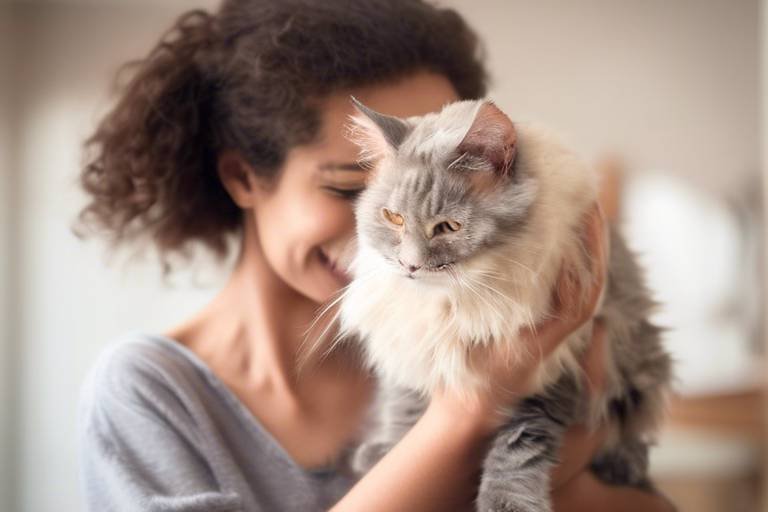
When it comes to grooming our feline friends, especially those with sensitive skin, it’s essential to approach the task with care and understanding. Cats, like humans, can experience discomfort and irritation, making it crucial for pet owners to be aware of their unique needs. Grooming is not just about keeping their coat looking fabulous; it’s also about ensuring their comfort and well-being. In this article, we will explore various techniques and tips that will help you groom your sensitive-skinned cat effectively while keeping their spirits high.
First things first, let’s talk about the importance of understanding what sensitive skin really means for your cat. Sensitive skin can manifest in various ways, such as redness, itching, or even the presence of rashes. These signs can arise from a variety of causes, including allergies, environmental factors, or even specific grooming products. By recognizing these signs early on, you can tailor your grooming routine to suit your cat’s needs better.
Next, we’ll delve into the world of grooming tools. Not all brushes and combs are created equal, especially when it comes to cats with sensitive skin. Choosing the right tools is akin to selecting the perfect outfit for a special occasion; it can make all the difference. For instance, using a slicker brush can be effective for removing loose fur, but it can also cause irritation if used too aggressively. On the other hand, a wide-toothed comb can gently detangle without pulling on the skin, making it a more suitable choice for your sensitive kitty.
Establishing a grooming routine is another critical aspect. Think of it as creating a ritual that both you and your cat can look forward to. Regular grooming not only helps to minimize skin issues but also strengthens the bond between you and your pet. Finding the right frequency for grooming sessions can be a balancing act; too often, and your cat may become stressed, too infrequently, and you might miss early signs of skin problems. Aim for a schedule that feels comfortable for both of you.
Creating a calm and inviting grooming environment is equally important. Imagine trying to relax in a chaotic space; it’s not easy! Your cat deserves a stress-free zone where they can feel safe and secure while you groom them. Soft lighting, soothing music, and plenty of cuddles can go a long way in making the experience pleasant for both of you.
Lastly, always be on the lookout for signs of discomfort during grooming. Cats are masters at hiding their feelings, but subtle cues can give them away. Pay attention to their body language—if they’re twitching their tail or flattening their ears, it might be time to take a break. Additionally, any sudden behavioral changes, like trying to escape or vocalizing more than usual, should prompt you to reassess your grooming approach.
In conclusion, grooming a cat with sensitive skin requires a thoughtful approach. By understanding their unique needs, choosing the right tools, establishing a routine, creating a calming environment, and recognizing signs of discomfort, you can turn grooming time into a positive experience. Remember, it’s all about making your furry friend feel loved and comfortable while keeping their coat healthy and shiny!
- How often should I groom my cat with sensitive skin?
It generally depends on your cat’s breed and coat type, but a good rule of thumb is to groom them at least once a week. - What are the signs of sensitive skin in cats?
Look for symptoms such as redness, itching, and rashes, as well as behavioral changes like increased grooming or hiding. - Can I use regular cat shampoo on my sensitive-skinned cat?
It’s best to use hypoallergenic and soothing shampoos specifically formulated for sensitive skin to avoid irritation. - What should I do if my cat shows signs of discomfort during grooming?
Stop grooming immediately, give your cat some space, and try again later or consult your veterinarian for advice.
Understanding Sensitive Skin in Cats
Sensitive skin in cats is more common than you might think, and it can lead to a variety of discomforts and irritations for our furry friends. Just like humans, cats can have skin that reacts negatively to certain conditions, products, or even environmental factors. Understanding the signs and causes of sensitive skin is crucial for effective grooming and overall care.
So, what exactly causes sensitive skin in cats? There are several factors that can contribute to this condition:
- Allergies: Cats can develop allergies to various substances, including food, pollen, dust mites, and even certain grooming products. These allergies can manifest as itchy, inflamed skin.
- Flea infestations: Fleas can cause significant irritation. Some cats are allergic to flea saliva, leading to severe itching and discomfort.
- Skin infections: Bacterial or fungal infections can also lead to sensitive skin. These infections often require veterinary attention to treat effectively.
- Dry skin: Environmental factors such as low humidity or harsh weather can dry out a cat’s skin, making it more sensitive and prone to irritation.
Recognizing the signs of sensitive skin is the first step in providing the right care. You might notice your cat scratching more than usual, licking specific areas obsessively, or even showing signs of distress during grooming. These behaviors can indicate that your cat’s skin is uncomfortable, and it’s essential to address these issues promptly.
Additionally, sensitive skin can lead to other problems, such as hair loss or skin infections. Therefore, understanding your cat’s specific needs and triggers is vital. Regular check-ups with your veterinarian can help monitor your cat’s skin health and ensure that any underlying issues are addressed.
In conclusion, being aware of the factors that contribute to sensitive skin in cats and recognizing the signs early can make a significant difference in their overall comfort and well-being. With the right knowledge and tools, you can create a grooming routine that keeps your cat happy and healthy.
Choosing the Right Grooming Tools
When it comes to grooming your feline friend, especially if they have sensitive skin, choosing the right tools is absolutely essential. Imagine trying to brush your hair with a comb that pulls and tugs at your scalp; it’s uncomfortable, right? The same goes for our cats! Using the wrong grooming tools can lead to discomfort and even exacerbate skin issues. So, let’s dive into the world of grooming tools that will not only keep your cat’s coat looking fabulous but also ensure they feel relaxed and happy during the process.
First off, it’s important to consider what type of fur your cat has. Cats with long fur may require different tools compared to those with short coats. For instance, while a slicker brush is fantastic for removing loose fur and tangles in long-haired breeds, it can be a bit harsh on cats with sensitive skin. Instead, you might want to opt for a gentler alternative. Here’s a quick breakdown of some grooming tools that cater specifically to sensitive skin:
| Grooming Tool | Best For | Notes |
|---|---|---|
| Slicker Brush | Long-haired cats | Use gently to avoid irritation |
| Wide-Toothed Comb | All fur types | Prevents pulling on sensitive skin |
| Rubber Brush | Short-haired cats | Great for massaging the skin |
| Deshedding Tool | Shedding cats | Use sparingly to avoid skin damage |
In addition to brushes and combs, don’t overlook the importance of shampoos and conditioners. Cats with sensitive skin can benefit significantly from hypoallergenic products that are free from harsh chemicals. These gentle formulas not only clean but also soothe the skin, making bath time a more pleasant experience. Look for labels that indicate soothing or moisturizing properties, as they can greatly improve your cat’s comfort.
Lastly, remember that grooming is not just about the tools; it’s also about how you use them. The key is to be patient and gentle. If you notice your cat flinching or pulling away, it might be a sign that the tool you’re using is too harsh or that you’re applying too much pressure. Always pay attention to your cat’s reactions and adjust your technique accordingly. After all, grooming should be a bonding experience, not a battle!
Brushes and Combs
When it comes to grooming cats with sensitive skin, the choice of brushes and combs can make all the difference. It’s not just about aesthetics; it’s about ensuring your feline friend feels safe and comfortable during the grooming process. Using the wrong tools can lead to irritation, which is the last thing you want for your precious pet. So, let’s dive into the world of grooming tools and discover which brushes and combs are best suited for your kitty’s delicate skin.
First off, let’s talk about slicker brushes. These brushes are designed with fine, short wires close together, making them excellent for removing loose fur and tangles. However, they can be a double-edged sword when it comes to cats with sensitive skin. If used too aggressively, slicker brushes can cause discomfort or even skin abrasions. The key is to use them gently, applying just enough pressure to remove the loose fur without digging into your cat’s skin. Always start with a light touch and gradually increase pressure as your cat becomes more accustomed to the sensation.
On the other hand, wide-toothed combs are a fantastic alternative for sensitive cats. These combs have wider spaces between the teeth, which helps in gently detangling fur without pulling on the skin. They are particularly useful for long-haired breeds, as they can help prevent mats from forming without causing distress. When you use a wide-toothed comb, it’s like giving your cat a gentle massage; they’ll appreciate the care you take to keep their coat looking fabulous while also feeling comfortable.
In addition to brushes and combs, it’s also essential to consider the grooming technique. When using any tool, always work in the direction of the fur growth. This not only reduces the risk of irritation but also makes the grooming experience more enjoyable for your cat. If you encounter a knot or tangle, try to gently work it out with your fingers before resorting to a comb or brush. This approach minimizes discomfort and helps build trust between you and your furry companion.
Lastly, remember that grooming is not just about maintaining a beautiful coat; it’s also an opportunity to bond with your cat. Take your time, speak softly, and offer treats during and after grooming sessions. This will help create a positive association with the grooming process, making it easier for both of you in the long run.
In summary, choosing the right brushes and combs is crucial for grooming cats with sensitive skin. By opting for gentle tools like wide-toothed combs and using slicker brushes with care, you can ensure a comfortable and enjoyable grooming experience for your feline friend. Always be attentive to their reactions and adjust your techniques accordingly, and you’ll both look forward to grooming time!
- How often should I groom my cat with sensitive skin? It’s generally recommended to groom them at least once a week, but this can vary based on their coat type.
- Can I use human shampoos on my cat? No, human shampoos can be too harsh for a cat’s sensitive skin. Always use products specifically designed for cats.
- What should I do if my cat shows signs of discomfort during grooming? Stop immediately and check your grooming technique. If necessary, consult a veterinarian for advice.
Slicker Brushes
Slicker brushes are popular grooming tools known for their effectiveness in removing loose fur and tangles from your cat’s coat. However, when it comes to cats with sensitive skin, using a slicker brush requires a gentle touch and a good understanding of how to use it properly. The fine, short wires on a slicker brush can easily irritate delicate skin if not handled with care. So, how do you strike that perfect balance between effective grooming and ensuring your cat’s comfort?
First, it’s essential to choose a slicker brush that has soft, rounded tips. This design minimizes the risk of scratching or irritating your cat’s skin while still allowing you to effectively remove mats and loose hair. When using a slicker brush, always start with short, gentle strokes, and avoid pressing too hard against your cat’s skin. Think of it like petting your cat—gentleness is key! If your cat seems uncomfortable, take a break or switch to a different grooming tool.
Another vital tip is to groom your cat in small sections. This not only helps to keep your cat calm but also allows you to monitor their skin closely for any signs of irritation. If you notice any redness or sensitivity, it may be best to stop using the slicker brush and try a gentler option, such as a wide-toothed comb. Remember, grooming should be a bonding experience, not a stressful chore!
Here’s a quick overview of the advantages and disadvantages of using slicker brushes for cats with sensitive skin:
| Advantages | Disadvantages |
|---|---|
| Removes loose fur effectively | Can irritate sensitive skin if used incorrectly |
| Helps prevent matting | Requires a gentle approach to avoid discomfort |
| Available in various sizes for different coat types | May not be suitable for all cats, especially those with extreme sensitivity |
In conclusion, slicker brushes can be a valuable tool in your grooming arsenal, but they must be used with caution and care. By selecting the right brush, employing gentle techniques, and paying close attention to your cat’s reactions, you can ensure that grooming remains a positive experience for both you and your furry friend.
- How often should I use a slicker brush on my cat? It depends on your cat’s coat type. Generally, once a week is sufficient for most cats, but long-haired breeds may require more frequent grooming.
- What should I do if my cat becomes anxious during grooming? Take breaks, speak softly to reassure them, and consider using treats to create a positive association with grooming.
- Can I use a slicker brush on kittens? Yes, but be extra gentle. Kittens have sensitive skin, so it’s best to start with shorter grooming sessions.
Wide-Toothed Combs
When it comes to grooming cats with sensitive skin, are a game-changer. These combs are designed with wider gaps between the teeth, making them a gentle alternative to traditional brushes. They glide through your cat’s fur without pulling or tugging, which is especially important for those furry friends who might wince at the slightest touch. Imagine trying to comb through tangled hair with a tight-toothed comb; it’s not just uncomfortable, it can be downright painful! That’s why wide-toothed combs are a must-have in your grooming toolkit.
Using a wide-toothed comb can significantly reduce the risk of irritation on your cat’s sensitive skin. These combs work wonders for detangling and removing loose fur while minimizing discomfort. When you introduce a wide-toothed comb into your grooming routine, you’re not just making it easier on your cat; you’re also fostering a more enjoyable experience for both of you. The gentle nature of these combs encourages your cat to relax and even enjoy the grooming process, which can sometimes feel like a spa day for them!
Here are some benefits of using wide-toothed combs:
- Prevents Pulling: The spacing between the teeth allows the comb to glide through the fur without snagging, which is crucial for sensitive areas.
- Reduces Static: Unlike some slicker brushes, wide-toothed combs tend to create less static, which can be a comfort for your cat.
- Versatile Use: They can be used on various coat types, from short-haired to long-haired cats, making them a versatile tool in any grooming arsenal.
When selecting a wide-toothed comb, look for one that has rounded tips on the teeth to further reduce the risk of irritation. It’s also wise to choose a comb made of quality materials; plastic combs can sometimes create static, while wooden or metal options might be more durable and comfortable. Remember, the goal is to make grooming a pleasant experience, so always pay attention to how your cat reacts during the process.
In summary, incorporating a wide-toothed comb into your grooming routine can enhance your cat’s comfort and well-being. By choosing the right tools and techniques, you can turn grooming time into a bonding experience that your feline friend looks forward to. So, the next time you prepare for a grooming session, reach for that wide-toothed comb and watch your cat purr with delight!
Q: How often should I groom my cat with sensitive skin?
A: It’s generally recommended to groom your cat at least once a week, but you may need to adjust this based on your cat’s specific needs and coat type.
Q: Can I use regular brushes on my cat with sensitive skin?
A: While some regular brushes may be fine, it’s best to stick to tools specifically designed for sensitive skin, like wide-toothed combs, to avoid causing irritation.
Q: What should I do if my cat shows signs of discomfort during grooming?
A: If your cat appears uncomfortable, stop grooming immediately and assess the situation. Look for signs of stress or pain, and consider using gentler tools or techniques.
Shampoos and Conditioners
This article provides essential tips and techniques for effectively grooming cats with sensitive skin, ensuring their comfort and well-being while maintaining a healthy coat.
Sensitive skin in cats can lead to discomfort and irritation. Recognizing the signs and causes is crucial for effective grooming and overall care.
Selecting appropriate grooming tools is vital for cats with sensitive skin. This section discusses various tools that minimize irritation and promote a positive grooming experience.
Different brushes and combs serve specific purposes. Understanding which types are best for sensitive skin can help reduce discomfort during grooming sessions.
Slicker brushes effectively remove loose fur but can irritate sensitive skin. Learn how to use them gently and effectively for your cat’s comfort.
Wide-toothed combs are gentler alternatives that prevent pulling on sensitive skin. Discover the benefits of using these combs in your grooming routine.
When it comes to maintaining the health of your cat’s sensitive skin, the right play a crucial role. Opting for products that are specifically designed for sensitive skin can make a world of difference. Look for hypoallergenic and soothing formulas that are free from harsh chemicals, fragrances, and dyes. These products not only cleanse but also help to reduce irritation and inflammation.
For instance, a good shampoo should contain natural ingredients like oatmeal, aloe vera, or chamomile, which are known for their calming properties. These ingredients help to moisturize the skin and can even aid in alleviating itching and redness. When selecting a conditioner, prioritize those that are also made for sensitive skin, as they will help to detangle and soften the fur without causing additional stress to your cat’s skin.
Here’s a quick comparison of some common ingredients to look for in shampoos and conditioners:
| Ingredient | Benefits |
|---|---|
| Oatmeal | Soothes itchy skin and provides moisture |
| Aloe Vera | Hydrates and calms inflamed skin |
| Chamomile | Reduces redness and has anti-inflammatory properties |
| Tea Tree Oil | Antimicrobial, but should be used with caution |
Always remember to do a patch test before applying any new product to your cat’s skin. Apply a small amount to a less sensitive area and observe for any adverse reactions over 24 hours. This simple step can prevent a lot of discomfort for your furry friend.
In conclusion, the right shampoos and conditioners are essential for keeping your cat’s sensitive skin healthy and comfortable. By choosing products that focus on soothing and gentle cleansing, you can ensure that grooming time is a pleasant experience for both you and your beloved pet.
Creating a consistent grooming routine helps your cat adjust and reduces anxiety. This section outlines steps to establish a comfortable grooming schedule.
Determining how often to groom your cat is essential. Regular grooming can help minimize skin issues and keep your cat comfortable.
A calm grooming environment is crucial for sensitive cats. Tips for making the grooming space stress-free will enhance the overall experience for both you and your cat.
Being aware of your cat’s discomfort during grooming is vital. This section highlights key signs to look for and how to respond appropriately.
Cats communicate discomfort through body language. Understanding these signals can help you adjust your grooming technique to better suit your cat’s needs.
Changes in behavior during grooming can indicate stress or pain. Learn how to identify these changes and adapt your approach to ensure your cat’s comfort.
- What are the signs of sensitive skin in cats? Look for redness, itching, or excessive grooming.
- How often should I groom my cat with sensitive skin? It depends on the breed and coat type, but generally, once a week is a good start.
- Can I use human shampoo on my cat? No, human shampoos can be too harsh and cause irritation.
- What should I do if my cat shows signs of discomfort during grooming? Stop immediately, check for any tangles or irritations, and consult your vet if necessary.
Establishing a Grooming Routine
Creating a consistent grooming routine for your cat is not just about keeping their fur looking fabulous; it’s an essential part of ensuring their overall health and comfort, especially for those with sensitive skin. Just like humans, cats thrive on routine. It provides them with a sense of security and predictability, which can significantly reduce anxiety during grooming sessions. Imagine if you had to go to the dentist without knowing when your appointment was – stressful, right? Cats feel the same way when grooming is unpredictable.
To establish a grooming routine, start by determining the frequency of grooming. This can vary based on your cat’s breed, coat type, and individual skin sensitivities. For instance, long-haired breeds may require more frequent grooming to avoid matting, while short-haired cats might only need a weekly session. A general guideline is:
| Cat Type | Recommended Grooming Frequency |
|---|---|
| Long-haired | Every 2-3 days |
| Short-haired | Once a week |
| Hairless | Weekly (for skin care) |
Next, it’s crucial to create a calm environment for your grooming sessions. Cats with sensitive skin can be particularly sensitive to their surroundings. Choose a quiet area of your home, free from distractions and loud noises. You might want to play some soft music or use a pheromone diffuser to create a soothing atmosphere. Remember, the goal is to make grooming a pleasant experience, not a dreaded chore.
Also, consider the time of day when your cat is most relaxed. Many cats are more laid-back after a good meal or a play session. Timing your grooming sessions around these moments can lead to a more cooperative and enjoyable experience. Think of it as catching your cat in a zen moment, ready to be pampered!
Finally, don’t forget to reward your feline friend after each grooming session. A little treat or extra cuddle time can go a long way in reinforcing positive behavior and making your cat look forward to the next grooming session. After all, who doesn’t love a little pampering now and then?
In summary, establishing a grooming routine involves understanding your cat’s specific needs, creating a stress-free environment, and timing your sessions for maximum comfort. With patience and consistency, you can turn grooming into a bonding experience that benefits both you and your furry companion.
- How often should I groom my cat with sensitive skin?
The frequency depends on your cat’s coat type. Long-haired cats may need grooming every few days, while short-haired ones might only require it weekly.
- What tools are best for grooming cats with sensitive skin?
Wide-toothed combs and soft-bristled brushes are ideal as they minimize irritation. Avoid slicker brushes unless used very gently.
- How can I tell if my cat is uncomfortable during grooming?
Watch for signs like twitching tails, flattened ears, or attempts to escape. If you notice these, take a break and try again later.
Frequency of Grooming
When it comes to grooming your feline friend, the frequency of grooming sessions plays a crucial role in maintaining not just their coat but also their overall well-being. For cats with sensitive skin, establishing a consistent grooming routine is essential. But how often should you groom your cat? Well, it really depends on several factors, including their coat type, lifestyle, and individual skin sensitivities.
Generally, long-haired cats require more frequent grooming—ideally, every 2 to 3 days—to prevent matting and tangles. On the other hand, short-haired cats may only need grooming once a week. However, if your cat has sensitive skin, you might want to adjust this schedule based on their comfort level. It’s all about finding that sweet spot where your cat feels comfortable and looks fabulous!
Here’s a quick breakdown of grooming frequency based on coat type:
| Coat Type | Recommended Frequency |
|---|---|
| Long-haired | Every 2-3 days |
| Short-haired | Once a week |
| Hairless | Every week |
Remember, the goal is to keep your cat comfortable while ensuring their coat remains healthy. If you notice your cat becoming anxious or irritated during grooming, it might be a sign that you need to adjust the frequency or the method you’re using. Sometimes, less is more! You might even find that shorter, more frequent sessions are less stressful for your furry friend.
Additionally, pay attention to your cat’s lifestyle. Cats that spend more time outdoors may require more frequent grooming to keep dirt and debris at bay, while indoor cats may not need as much attention. You’ll also want to consider seasonal changes; during shedding season, you might need to increase the frequency to keep the fur from becoming overwhelming.
Ultimately, the key is to listen to your cat. They’ll let you know when they’ve had enough with their body language and behavior. If your cat enjoys grooming, that’s fantastic! If not, consider shortening the sessions and making them more enjoyable with treats or playtime afterward. Remember, grooming should be a bonding experience, not a battle!
- How do I know if my cat needs grooming? If you notice mats, tangles, or excessive shedding, it might be time for a grooming session.
- Can I groom my cat if they are anxious? Yes, but it’s best to take it slow. Consider shorter sessions and use calming techniques.
- What tools are best for sensitive skin? Look for wide-toothed combs and soft brushes to minimize irritation.
Creating a Calm Environment
When it comes to grooming a cat with sensitive skin, creating a calm environment is essential. Just like us, our feline friends can feel stressed and anxious, especially during grooming sessions. Imagine trying to relax at a noisy hair salon—it’s nearly impossible, right? The same applies to your cat. So, how can you transform grooming time into a peaceful experience? Here are some tips that can help.
First, choose a quiet area in your home for grooming. This space should be away from loud noises, other pets, and any distractions. You might set up a cozy spot in a room where your cat feels safe. A soft blanket or a favorite bed can go a long way in making them feel secure. Remember, the goal is to create an inviting space where your cat can unwind.
Next, consider the time of day you choose for grooming. Cats are often more relaxed during certain times, such as after a meal or when they’re naturally inclined to nap. Observe your cat’s behavior and pick a time when they seem most at ease. This small adjustment can make a significant difference in their receptiveness to grooming.
Additionally, using calming aids can enhance the atmosphere. Cat pheromone diffusers or sprays can create a soothing environment, mimicking the natural scents that comfort cats. You might also play soft music or white noise to help drown out any sudden sounds that could startle your cat. Just like a gentle lullaby can soothe a baby, these calming sounds can ease your cat’s nerves.
Lastly, be patient and gentle during the grooming process. Take your time and allow your cat to acclimate to the tools you’re using. If they seem anxious, pause and offer some gentle petting or a treat to reassure them. Grooming should be a bonding experience, not a battle. By fostering a calm environment, you not only make the process easier for your cat but also strengthen the trust between you two.
Remember, a little preparation goes a long way. Your cat will appreciate the effort, and you’ll both enjoy a more pleasant grooming experience. Now, let’s move on to some frequently asked questions that can further assist you in grooming your sensitive-skinned feline!
- How often should I groom my cat with sensitive skin? Regular grooming is essential, but the frequency depends on your cat’s coat type. Generally, once a week is a good starting point.
- What should I do if my cat shows signs of discomfort during grooming? Stop immediately and assess their body language. Gentle petting or offering a treat can help calm them down.
- Are there specific grooming tools for sensitive skin? Yes! Opt for wide-toothed combs and soft brushes to minimize irritation.
- Can I use regular shampoos on my cat? It’s best to use hypoallergenic shampoos specifically designed for cats with sensitive skin.
Recognizing Signs of Discomfort
When it comes to grooming your beloved feline friend, being able to recognize signs of discomfort is absolutely crucial. Cats are masters at hiding their feelings, and sometimes they may not vocalize their distress. Instead, they communicate through subtle changes in their behavior and body language. By paying close attention to these signs, you can make grooming a more pleasant experience for both you and your cat. So, what should you look out for?
First and foremost, keep an eye on your cat’s body language. Cats often express discomfort through their posture. If your cat is hunching over, flattening their ears against their head, or swishing their tail rapidly, these are clear indicators that something isn’t right. A relaxed cat will typically have a straight tail and a comfortable stance. If you notice any of these signs, it might be time to take a break and reassess your grooming technique.
Additionally, watch for behavioral changes. If your usually playful cat suddenly becomes withdrawn or aggressive during grooming sessions, this could signal discomfort. For instance, if your cat starts to bite or scratch, it’s a strong indication that they are feeling stressed or in pain. Remember, grooming should be a bonding experience, not a battle. If your cat is not enjoying it, it’s essential to adjust your approach.
Some common signs of discomfort include:
- Vocalizations: Growling, hissing, or excessive meowing can indicate that your cat is unhappy.
- Restlessness: If your cat is trying to escape or constantly shifting positions, they may be uncomfortable.
- Excessive grooming: Paradoxically, a cat that is over-grooming may be trying to soothe irritated skin.
In conclusion, recognizing these signs of discomfort is vital for ensuring a positive grooming experience for your sensitive-skinned cat. By staying observant and responsive to their needs, you can foster a more enjoyable grooming routine that keeps your cat feeling safe and happy.
Q: How do I know if my cat has sensitive skin?
A: Signs of sensitive skin can include redness, itching, or excessive grooming. If you notice these signs, consult your veterinarian for advice.
Q: Can I use human grooming products on my cat?
A: No, human grooming products can irritate a cat’s skin. Always choose products specifically formulated for cats.
Q: How often should I groom my cat?
A: The frequency of grooming depends on your cat’s coat type. Long-haired cats may need daily grooming, while short-haired cats might only require it weekly.
Q: What should I do if my cat becomes aggressive during grooming?
A: If your cat shows signs of aggression, take a break and try again later. You may need to gradually acclimate them to the grooming process.
Body Language Indicators
Understanding your cat’s body language is essential, especially when it comes to grooming sensitive skin. Cats are not always vocal about their discomfort, so observing their behavior can provide crucial insights. For instance, if your cat suddenly tenses up or flattens its ears against its head, this could be a clear sign that they are feeling uneasy or threatened. Pay close attention to these subtle cues as they can guide you in adjusting your grooming techniques to better suit your feline friend.
Another important indicator is the tail position. A cat that is relaxed will often hold its tail upright, while a tail that is twitching or held low may signal irritation or agitation. Additionally, if your cat starts to lick or bite at the area being groomed, it’s a strong indication that they are feeling pain or discomfort. In such cases, it’s crucial to pause and assess the situation. Are you using the right tools? Is your technique too rough? These questions can help you adjust for a more comfortable grooming experience.
Furthermore, the eyes can also tell you a lot about your cat’s state of mind. If your cat’s pupils are dilated, this could indicate stress or fear. A relaxed cat will have normal-sized pupils and may even blink slowly at you, which is a sign of trust. Recognizing these body language indicators will not only help you make grooming a more pleasant experience for your cat but will also strengthen the bond you share. Remember, grooming should be a positive interaction, so if you notice signs of discomfort, take a step back and give your cat a break.
- How can I tell if my cat has sensitive skin? Look for signs like excessive scratching, redness, or areas of hair loss. Consulting a vet can provide clarity.
- What are the best grooming tools for sensitive skin? Wide-toothed combs and soft brushes are ideal, as they minimize pulling and irritation.
- How often should I groom my cat? It depends on the breed and coat type, but generally, regular grooming every few weeks is beneficial.
- What should I do if my cat shows signs of discomfort during grooming? Stop immediately, assess the situation, and consider changing your tools or techniques.
Behavioral Changes
When it comes to grooming your furry friend, being observant is key, especially for cats with sensitive skin. Cats are incredibly intuitive creatures, and they often express their discomfort through subtle behavioral changes. Recognizing these signs early can make a significant difference in how you approach grooming sessions. For instance, if your cat suddenly becomes restless or tries to escape during grooming, it might be a clear indication that they are feeling stressed or uncomfortable. Just like humans, cats have their own unique ways of communicating their feelings, and as a responsible pet owner, it’s essential to tune into these signals.
One of the most common behavioral changes to watch for is a shift in your cat’s body language. If your normally relaxed kitty starts to twitch their tail or flattens their ears back against their head, these are classic signs of agitation. You might also notice them licking their lips or turning their head away from you. These actions are not just random; they are your cat’s way of saying, “Hey, I’m not cool with this!”
Additionally, pay attention to any vocalizations. If your cat begins to meow more than usual or lets out a growl, it’s a red flag that they are unhappy. Cats can be quite vocal when they want to express their discomfort, and ignoring these cues can lead to a more stressful grooming experience for both of you. Imagine trying to have a pleasant conversation with someone who keeps interrupting you—it can be frustrating, right? The same goes for your cat; they want to be heard.
Another thing to consider is changes in behavior after grooming. If your cat starts hiding or acting more withdrawn, it may indicate that the grooming process was too overwhelming for them. Cats thrive on routine, and if grooming feels like a chaotic experience, they may associate it with stress. Therefore, it’s essential to create a positive grooming environment. You can do this by incorporating breaks, using treats as rewards, and ensuring that the grooming tools are appropriate for their sensitive skin.
In conclusion, being attuned to your cat’s behavioral changes during grooming can help you adapt your approach and create a more comfortable experience. Remember, every cat is different, and what works for one may not work for another. By observing their reactions and adjusting your techniques, you can turn grooming into a pleasant bonding experience rather than a dreaded chore.
- What should I do if my cat shows signs of discomfort during grooming?
It’s important to stop immediately and assess the situation. Check your grooming tools and ensure they are appropriate for your cat’s sensitive skin. You may also want to take a break and give your cat some time to relax before trying again. - How can I make grooming more enjoyable for my cat?
Try to create a calm environment, use gentle grooming tools, and offer treats or praise during and after the grooming session. This will help your cat associate grooming with positive experiences. - How often should I groom my cat with sensitive skin?
The frequency of grooming depends on your cat’s coat type and individual needs. Generally, regular grooming every few weeks is beneficial to keep their coat healthy and to check for any skin issues.
Frequently Asked Questions
- What are the signs of sensitive skin in cats?
Sensitive skin in cats can manifest in various ways. Look for signs such as excessive scratching, redness, or bald patches. If your cat seems uncomfortable during grooming or is frequently licking a particular area, it might be time to investigate further.
- How often should I groom my cat with sensitive skin?
The frequency of grooming largely depends on your cat’s coat type and overall health. Generally, a good rule of thumb is to groom at least once a week. However, if your cat has longer fur or is prone to matting, you may need to groom more frequently to keep their skin healthy and irritation-free.
- What grooming tools are best for cats with sensitive skin?
When it comes to grooming tools, opt for wide-toothed combs and soft-bristle brushes. These tools are gentle on sensitive skin and help prevent irritation. Avoid slicker brushes unless you can use them with extreme care, as they can cause discomfort if used too aggressively.
- Can I use regular shampoos on my cat?
No, using regular human shampoos can irritate your cat’s sensitive skin. It’s essential to choose hypoallergenic shampoos specifically formulated for cats. Look for products that are free from harsh chemicals and fragrances to ensure a soothing bath experience.
- How can I create a calm grooming environment for my cat?
Creating a calm grooming environment is all about reducing stress. Try to groom in a quiet space free from distractions. You can also play soft music or use treats to help your cat associate grooming with positive experiences. Patience is key!
- What should I do if my cat shows signs of discomfort during grooming?
If your cat shows signs of discomfort, such as hissing, growling, or trying to escape, it’s important to stop immediately. Give your cat some space to relax, and try again later. Adjust your technique or tools if needed, and always prioritize your cat’s comfort.
sensitive skin, grooming tips, cat care, hypoallergenic products, gentle handling, regular bathing, moisturizing, veterinary advice, , sensitive skin, grooming tips, cat care, hypoallergenic products, gentle handling, regular bathing, moisturizing, veterinary advice,
Share this content:
Leave a Reply