
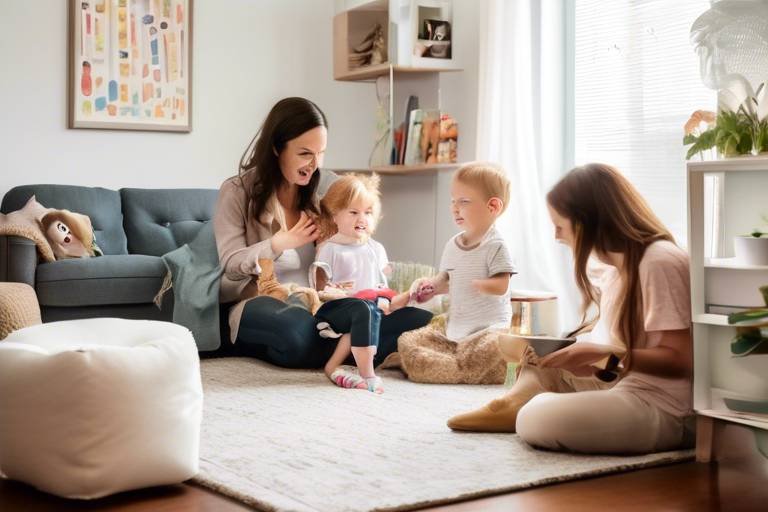
Creating an adoption-friendly home environment is not just about rearranging furniture or adding a few decorative touches; it’s about establishing a nurturing space where adopted children can thrive emotionally and psychologically. When a child enters a new home, they carry with them a unique set of experiences and feelings that influence their adjustment process. As adoptive parents or caregivers, it’s essential to understand these dynamics and actively work towards creating a space that feels safe and loving. Think of your home as a canvas, where every brushstroke contributes to a masterpiece of comfort, trust, and belonging.
Recognizing the unique emotional and psychological needs of adopted children is crucial for creating a supportive environment that promotes healing and stability. These children often face challenges related to their past experiences, including feelings of loss, abandonment, or insecurity. By acknowledging these feelings, caregivers can better empathize with their children’s struggles, providing the necessary support to help them heal. It’s like being a gardener: you need to understand the specific needs of each plant to help it flourish. For adopted children, this means being attuned to their emotional states, fostering an atmosphere of love, and ensuring they feel safe to express themselves.
Designing a physical space that feels safe and welcoming can greatly influence an adopted child’s sense of belonging and security in their new home. This involves more than just a fresh coat of paint; it’s about creating an atmosphere that radiates warmth and acceptance. Imagine walking into a room that feels like a big hug—soft lighting, comforting colors, and personal touches can significantly impact a child’s emotional well-being. Consider the following elements:
- Comfortable furniture: Ensure that seating is cozy and inviting, where children can curl up with a book or snuggle during family movie nights.
- Personalized decor: Incorporate items that reflect the child’s interests or heritage, helping them feel valued and recognized.
- Safe play areas: Designate spaces for play and creativity, allowing children to express themselves freely.
Adding personal touches to a child’s room can help them feel valued and important, fostering a sense of ownership and comfort in their new environment. This could be as simple as allowing the child to choose their bedding or wall art. When children see their preferences reflected in their space, it encourages them to take pride in their surroundings and develop a deeper connection with their new home. Think of it as planting seeds of belonging; each choice they make nurtures their sense of identity and security.
Selecting decor that reflects the child’s interests and background can enhance their connection to their new space and encourage positive feelings. For instance, if a child loves animals, incorporating animal-themed decorations can spark joy and comfort. You might also consider displaying family photos or cultural artifacts that resonate with the child’s heritage, making them feel included in the family narrative.
Establishing cozy nooks for reading or relaxation can provide adopted children with safe spaces to retreat and process their emotions. A small corner with a bean bag chair, soft blankets, and a stack of books can become a sanctuary where they can unwind. These spaces are crucial for emotional processing, allowing children to feel secure in their solitude while knowing they are part of a loving environment.
Implementing consistent routines can provide a sense of stability and predictability, which is vital for helping adopted children feel secure in their new home. Routines create a framework within which children can navigate their daily lives, reducing anxiety and fostering a sense of normalcy. Just like a well-tuned clock, routines help children know what to expect, allowing them to relax and enjoy their new surroundings without fear of the unknown.
Fostering an environment of open communication allows adopted children to express their feelings, fears, and needs, promoting emotional healing and trust. It’s essential to create an atmosphere where children feel safe to share their thoughts without judgment. Think of communication as a bridge connecting hearts—when it’s strong and open, it allows for deeper understanding and connection.
Utilizing active listening techniques can help caregivers understand and validate the emotions of adopted children, strengthening the parent-child bond. This involves not just hearing their words but truly engaging with their feelings. Techniques such as nodding, reflecting back what they say, and asking open-ended questions can make a world of difference. When children see that their feelings are acknowledged, it builds trust and reinforces their sense of worth.
Establishing family traditions can enhance a sense of belonging and connection, making adopted children feel more integrated into the family unit. These traditions can be as simple as a weekly game night or celebrating cultural holidays together. They serve as touchstones that children can rely on, creating a tapestry of shared experiences that bind the family closer together.
Creating a strong support network of family, friends, and professionals can provide additional resources and encouragement for both the child and the adoptive family. This network acts as a safety net, offering guidance and assistance when challenges arise. Think of it like a team of cheerleaders, always there to celebrate victories and provide support during tough times. Whether it’s connecting with other adoptive families or seeking advice from professionals, having a robust support system can make all the difference in navigating the adoption journey.
1. How can I help my adopted child adjust to their new home?
Creating a nurturing environment, establishing routines, and encouraging open communication are key strategies. Additionally, personalizing their space can help them feel valued.
2. What should I do if my child is struggling to express their feelings?
Utilizing active listening techniques and providing a safe space for them to share can encourage open dialogue. Patience and understanding are crucial during this process.
3. Are there specific traditions I should consider for adopted children?
Family traditions that celebrate cultural heritage or unique family experiences can be particularly meaningful. Engage your child in the process to make it more special.
Understanding the Needs of Adopted Children
When it comes to adopted children, understanding their unique needs is akin to unlocking a treasure chest filled with emotions, experiences, and aspirations. Each child comes with their own story, often marked by challenges that can shape their emotional and psychological landscape. This understanding is essential for creating a nurturing environment that promotes healing and stability. Adopted children may experience feelings of loss, confusion, or abandonment, and recognizing these feelings is the first step in addressing them.
One of the most profound needs of adopted children is the need for a sense of belonging. Imagine being a puzzle piece that doesn’t quite fit into the picture; that’s how many adopted children feel when they first enter a new home. They might struggle with their identity and place within the family dynamic. It’s crucial for caregivers to actively work on fostering a sense of belonging through reassurance, love, and validation. This can be achieved by engaging in open conversations about their feelings and experiences, allowing them to express themselves freely without fear of judgment.
Moreover, adopted children often grapple with self-esteem issues. They might question their worth or wonder why they were adopted in the first place. This can lead to feelings of insecurity. As caregivers, it’s important to continually reinforce their value, celebrating their strengths and achievements. Simple affirmations can go a long way in helping them build a positive self-image. For instance, phrases like “You are loved just as you are!” or “Your uniqueness is what makes you special!” can help instill confidence.
Another critical aspect to consider is the emotional regulation of adopted children. They may have experienced trauma or instability in their early lives, which can manifest as difficulty in managing emotions. Caregivers should be equipped with strategies to help these children navigate their feelings. This might include teaching coping mechanisms, such as deep breathing or journaling, to help them articulate their emotions. By providing tools for emotional expression, caregivers can foster resilience and adaptability.
In addition to emotional needs, it’s also vital to consider the cultural background of the child. Many adopted children come from diverse backgrounds, and acknowledging their heritage can be incredibly empowering. This can be done through incorporating cultural traditions, foods, and languages into family life. A child’s culture is a significant part of who they are, and embracing this can help them feel proud of their identity.
Lastly, establishing a consistent routine can greatly benefit adopted children. Routines provide a sense of predictability and security, which can be comforting for children who have experienced upheaval. Whether it’s a regular mealtime, bedtime story, or weekend family activity, these routines can help children feel anchored in their new environment. By understanding and addressing these needs, caregivers can create a supportive and loving home that nurtures the growth and well-being of adopted children.
Creating a Safe and Welcoming Space
This article explores essential strategies and tips for creating a nurturing and supportive home environment that fosters the well-being and adjustment of adopted children.
Recognizing the unique emotional and psychological needs of adopted children is crucial for creating a supportive environment that promotes healing and stability.
Designing a physical space that feels safe and welcoming can greatly influence an adopted child’s sense of belonging and security in their new home. Imagine walking into a room that radiates warmth and comfort; it’s like a hug that envelops you, making you feel right at home. For adopted children, this sense of safety is paramount. It’s not just about having four walls and a roof; it’s about crafting a sanctuary where they can explore their identity and feel cherished.
To achieve this, consider the layout and colors of the child’s room. Soft, soothing colors can create a calm atmosphere, while personal items can make the space feel uniquely theirs. A well-organized room can also help in reducing anxiety. When everything has its place, it minimizes chaos, allowing the child to focus on adjusting to their new life. Additionally, incorporating elements that reflect the child’s culture or interests can foster a sense of connection and belonging.
Adding personal touches to a child’s room can help them feel valued and important, fostering a sense of ownership and comfort in their new environment. Think of it as planting seeds of confidence and self-worth. Personal items such as family photos, artwork, or even their favorite toys can serve as reminders that they are loved and accepted. These little details can transform a generic space into a haven that speaks to the child’s heart.
Selecting decor that reflects the child’s interests and background can enhance their connection to their new space and encourage positive feelings. For instance, if the child loves animals, consider incorporating animal-themed decor or bedding. This not only makes the room more inviting but also encourages the child to express their preferences and feel more at home. It’s about creating a dialogue between the child and their environment, where every piece tells a story of who they are.
Establishing cozy nooks for reading or relaxation can provide adopted children with safe spaces to retreat and process their emotions. A small reading corner with plush cushions and soft lighting can serve as a perfect getaway for them to unwind. It’s like having a secret garden where they can escape and explore their thoughts without judgment. These cozy spots can be crucial for emotional processing, allowing them to reflect on their experiences and feelings in a safe environment.
Implementing consistent routines can provide a sense of stability and predictability, which is vital for helping adopted children feel secure in their new home. Just like a well-tuned clock, routines help children understand what to expect from their day, reducing anxiety and fostering a sense of control over their lives.
Fostering an environment of open communication allows adopted children to express their feelings, fears, and needs, promoting emotional healing and trust.
Utilizing active listening techniques can help caregivers understand and validate the emotions of adopted children, strengthening the parent-child bond.
Establishing family traditions can enhance a sense of belonging and connection, making adopted children feel more integrated into the family unit.
Creating a strong support network of family, friends, and professionals can provide additional resources and encouragement for both the child and the adoptive family.
- What are some signs that an adopted child may need more emotional support?
Look for changes in behavior, withdrawal, or difficulty expressing feelings. These can indicate that the child is struggling with their emotions and may need additional support. - How can I encourage my adopted child to share their feelings?
Creating a safe space for open dialogue, using prompts, and being patient can help children feel comfortable expressing their emotions. - What role do routines play in helping adopted children adjust?
Routines provide structure and predictability, which can help children feel more secure and reduce anxiety.
Incorporating Personal Touches
When it comes to creating a nurturing home environment for adopted children, one of the most impactful steps is into their living spaces. Imagine walking into a room that feels like it was designed just for you—where every detail resonates with your personality and interests. This is the kind of atmosphere you want to cultivate for your adopted child. By adding elements that reflect their unique identity, you can help them feel valued, secure, and truly at home.
Start by inviting your child to participate in the decorating process. This not only gives them a sense of ownership but also allows them to express their preferences. Whether it’s choosing the color of the walls, selecting bedding that features their favorite characters, or picking out artwork, these decisions empower them. You might consider creating a vision board together, where they can pin images and ideas that resonate with them. This collaborative effort can be a fun bonding experience and a great way to learn about their tastes and interests.
Additionally, consider incorporating items that reflect their cultural background or personal history. This could include:
- Family photos that highlight their journey, showing them they are an integral part of the family.
- Decorative items that represent their heritage, such as traditional crafts or symbols.
- Books that reflect their experiences, allowing them to see themselves in the stories they read.
Moreover, creating cozy nooks within their room can offer them a personal retreat. Think of a small reading corner with a comfy chair, soft pillows, and a shelf filled with their favorite books. This space can serve as a sanctuary where they can unwind, reflect, and feel safe. It’s like having a little hideaway that’s all their own—a perfect spot for daydreaming or simply escaping from the hustle and bustle of daily life.
Remember, the goal is to create a space that feels welcoming and personal. By thoughtfully integrating personal touches into their environment, you are not just decorating a room; you are helping to build a foundation of trust and belonging. This emotional investment can significantly enhance their sense of stability and comfort, making them feel like they truly belong in their new home.
Q: How can I help my adopted child feel more comfortable in their new space?
A: Involve them in the decorating process, incorporate personal items that reflect their interests and background, and create cozy spaces for them to relax.
Q: What are some examples of personal touches I can add?
A: Family photos, cultural artifacts, their favorite colors, and books that resonate with their experiences can all contribute to a personalized environment.
Q: Why is it important for adopted children to have a space that feels personal?
A: A personal space helps foster a sense of belonging and security, which is crucial for their emotional well-being and adjustment to their new home.
Choosing Meaningful Decor
When it comes to decorating a child’s room, the choices we make can have a profound impact on their emotional well-being. For adopted children, selecting meaningful decor is not just about aesthetics; it’s about creating a space that speaks to their identity and experiences. Imagine walking into a room that feels like a warm hug—this is what meaningful decor can achieve.
One of the best ways to start is by incorporating elements that reflect the child’s heritage or interests. For instance, if the child has a love for animals, consider adorning the walls with artwork featuring their favorite creatures. This not only personalizes the space but also fosters a sense of connection to their unique story. You can even go a step further by including items that represent their cultural background, such as traditional artwork or textiles. This approach not only beautifies their environment but also validates their history, making them feel seen and valued.
Another effective strategy is to involve the child in the decorating process. Ask them about their favorite colors, themes, or characters. By allowing them to express their preferences, you’re not just decorating a room; you’re giving them a voice in their new home. This can be as simple as letting them choose a bedspread or wall decals that resonate with them. The more they feel involved, the more ownership they will have over their space, which can significantly boost their confidence and comfort levels.
Additionally, consider creating a memory wall or a gallery space where the child can display their artwork, photographs, or even mementos from their past. This not only adds a personal touch but also serves as a reminder of their journey. It can be a beautiful way to celebrate their individuality while also making them feel like an integral part of the family. A well-thought-out decor can be a daily affirmation of their worth and uniqueness.
Lastly, remember that decor should also be functional. Think about incorporating storage solutions that are both practical and visually appealing. Baskets, colorful bins, or shelves can help keep the room organized while adding to the overall aesthetic. A clutter-free environment can significantly reduce anxiety and promote a sense of calm, which is especially important for children who may have experienced instability in the past.
In summary, choosing meaningful decor is about much more than just filling a room with pretty things. It’s about creating a space that nurtures and supports the emotional health of adopted children. By thoughtfully selecting items that resonate with their identity, involving them in the process, and ensuring functionality, you can create a sanctuary that fosters healing and belonging.
Creating Cozy Spaces
Creating cozy spaces within your home can significantly impact an adopted child’s emotional well-being. Think of these spaces as little havens where they can retreat, reflect, and recharge. It’s essential to design these areas with care and intention, ensuring they offer comfort and security. Imagine walking into a room that feels like a warm hug—this is the kind of atmosphere we want to cultivate.
Start by identifying corners in your home that can be transformed into cozy nooks. These can be as simple as a corner of a living room or a section of their bedroom. The key is to make these spaces inviting and personal. Consider adding a soft rug, a few plush pillows, and a favorite blanket. These elements create a tactile experience that can be soothing. You might even include a small bookshelf filled with their favorite stories, allowing them to escape into different worlds whenever they need a break from reality.
Lighting plays a crucial role in creating a cozy atmosphere. Soft, warm lights can make a space feel inviting. Think about using lamps with dimmers or fairy lights to add a magical touch. These gentle illuminations can help ease any anxiety the child may feel, especially during those quiet moments when they need to process their thoughts and feelings. A cozy reading nook with a comfy chair, a soft throw, and a small lamp can serve as their personal retreat, a place to dive into a book or simply unwind.
Additionally, incorporating sensory elements can enhance the coziness of these spaces. Consider adding items that engage the senses, such as:
- Textured blankets for warmth and comfort.
- Calming scents through essential oil diffusers or scented candles (always supervise for safety).
- Soft music or nature sounds that can create a peaceful ambiance.
Ultimately, the goal is to make these cozy spaces feel like a sanctuary where the child can express themselves without fear of judgment. Encourage them to decorate their nook with personal items—photos, drawings, or anything that makes them smile. This sense of ownership can foster a deeper connection to their new home, allowing them to feel valued and important.
In conclusion, creating cozy spaces is not just about aesthetics; it’s about fostering a sense of safety and belonging. By thoughtfully designing these areas, you can help adopted children navigate their feelings and establish a sense of stability in their new environment. Remember, the more they feel at home, the more they can thrive!
1. Why are cozy spaces important for adopted children?
Cozy spaces provide a sense of safety and comfort, allowing adopted children to process their emotions and feel secure in their new environment.
2. What elements should I include in a cozy space?
Consider adding soft textures, warm lighting, sensory items, and personal touches that resonate with the child’s interests and background.
3. How can I encourage my child to use their cozy space?
Invite them to personalize the space with their belongings and create routines that include time spent in their cozy nook, such as reading or relaxing.
4. Is it necessary to have a separate room for cozy spaces?
No, cozy spaces can be created in any corner of your home. The key is to make it inviting and personal, regardless of its location.
Establishing Routines and Stability
Establishing routines and stability in the home is like laying down a solid foundation for a house; without it, everything can feel shaky and uncertain. For adopted children, who may have experienced disruption and change in their lives, having a predictable routine can provide a much-needed sense of security. Imagine waking up each day knowing what to expect; it’s comforting, right? This predictability is crucial for helping children feel safe and grounded in their new environment.
Creating a daily schedule that includes regular meal times, homework periods, and bedtime rituals can help adopted children understand what comes next in their day. It’s not just about keeping things organized; it’s about creating a rhythm that they can rely on. For instance, you might consider implementing a morning routine that includes waking up at the same time, having breakfast together, and discussing the day ahead. This simple act can significantly enhance the child’s sense of belonging and stability.
Moreover, it’s essential to be flexible within these routines. Life can be unpredictable, and allowing for some wiggle room can teach children how to adapt to changes. For example, if a family outing or unexpected event arises, discussing how it fits into the routine can help children learn that while routines are important, flexibility is also a part of life. This balance can foster resilience and adaptability, which are vital skills for any child, especially those who have faced significant changes.
Another effective strategy is to involve the child in creating their own routines. This not only gives them a sense of control but also helps them feel valued. You might sit down together and discuss what activities they would like to include in their daily schedule. Perhaps they want a specific time for reading or playing outside. By allowing them to contribute, you are reinforcing that their preferences matter and that they are an integral part of the family.
In addition to daily routines, consider establishing weekly traditions. These could be family game nights, movie nights, or even a special dinner on Sundays. Such traditions create anticipation and excitement and strengthen family bonds. Over time, these moments become cherished memories, further solidifying the child’s place within the family unit.
Lastly, don’t underestimate the power of visual aids. A family calendar or a chore chart can serve as a tangible reminder of the routines you’ve established. Children often respond well to visual cues, and seeing their responsibilities and activities laid out can help them feel more engaged and accountable.
In summary, establishing routines and stability is not just about structure; it’s about creating an environment where adopted children can thrive. By being consistent, flexible, and inclusive in your approach, you are laying the groundwork for emotional security and resilience. Remember, every little effort counts in making them feel at home.
Q1: How can I help my adopted child adjust to new routines?
A1: Start by introducing routines gradually, ensuring they understand each activity’s purpose. Involve them in creating the schedule to foster a sense of ownership.
Q2: What if my child resists routines?
A2: It’s normal for children to resist change. Be patient and consistent, and try to incorporate their interests into the routines to make them more appealing.
Q3: How important are family traditions for adopted children?
A3: Family traditions are vital as they create a sense of belonging and connection. They help children feel like they are part of something special and provide stability.
Q4: Can visual aids really help with routines?
A4: Yes! Visual aids can help children understand and remember their responsibilities better. They serve as constant reminders and can make routines feel more engaging.
Encouraging Open Communication
Fostering an environment of open communication is essential when it comes to helping adopted children feel safe and understood. Imagine trying to navigate a new world where everything feels foreign; it’s easy to see how vital it is for these children to have a space where they can express their feelings without fear of judgment. By encouraging open dialogue, caregivers can help children articulate their emotions, fears, and needs, which is crucial for their emotional healing and overall trust in the family.
One of the most effective ways to promote open communication is through active listening. This means not just hearing the words spoken by the child but truly understanding the emotions behind them. When a child shares their thoughts, it’s important for caregivers to respond with empathy and validation. For instance, if a child expresses sadness about leaving their previous home, acknowledging that feeling as valid can be incredibly comforting. This simple act of listening can make a world of difference, creating a safe harbor for the child where they feel heard and valued.
Additionally, creating a routine around communication can also help. For example, setting aside time each day for a family check-in can encourage children to share their thoughts in a structured way. This can be as simple as a family dinner where everyone shares something about their day or a dedicated time for one-on-one conversations. It’s like planting seeds of trust; the more you nurture them, the stronger they grow. Children will begin to understand that their thoughts and feelings are important, leading to deeper connections within the family.
Moreover, establishing family traditions that incorporate communication can enhance a sense of belonging. Whether it’s a weekly game night or a monthly family outing, these shared experiences provide opportunities for children to express themselves in a relaxed atmosphere. When children see their caregivers actively participating and valuing their input, it reinforces the idea that their voice matters. This not only strengthens the parent-child bond but also cultivates a culture of openness and trust.
In conclusion, encouraging open communication is not just about talking; it’s about creating a safe space for children to express themselves. By implementing active listening techniques, establishing routines, and creating family traditions, caregivers can help adopted children navigate their feelings and foster a sense of belonging. Remember, the journey of adoption is a shared adventure, and open communication is the compass that guides the way.
- Why is open communication important for adopted children?
Open communication helps adopted children express their feelings, which is essential for emotional healing and building trust within the family. - What are some techniques for active listening?
Active listening techniques include maintaining eye contact, nodding in understanding, and repeating back what the child has said to ensure clarity. - How can family traditions help adopted children?
Family traditions create a sense of belonging and connection, making adopted children feel more integrated and valued within the family unit.
Active Listening Techniques
Active listening is more than just hearing the words that are spoken; it’s about truly understanding and validating the emotions behind those words. When it comes to adopted children, who often carry complex feelings about their past, this technique becomes even more essential. By engaging in active listening, caregivers can create a safe space where children feel heard and respected. But how do you practice active listening effectively? Here are some strategies:
- Maintain Eye Contact: This simple act shows the child that you are fully present and engaged in the conversation. It communicates that you value what they are saying.
- Reflect Back: Paraphrase what the child has said to ensure you understand their feelings correctly. For example, you might say, “It sounds like you felt really sad when that happened.” This not only confirms your understanding but also encourages them to share more.
- Ask Open-Ended Questions: Instead of questions that can be answered with a simple ‘yes’ or ‘no’, try to ask questions that require more thought. For example, “How did that make you feel?” or “What do you think about that situation?” This encourages deeper conversation.
- Validate Their Feelings: Let them know that it’s okay to feel the way they do. You might say, “I can see why you would feel that way; it’s a tough situation.” This acknowledgment can be incredibly comforting.
- Be Patient: Sometimes, children may need time to express themselves. Allow for pauses in the conversation; don’t rush to fill silence. This patience shows that you are willing to listen for as long as it takes.
By implementing these active listening techniques, caregivers can foster a deeper connection with their adopted children. It’s all about creating a dialogue where the child feels empowered to share their thoughts and feelings without fear of judgment. This not only builds trust but also helps children process their emotions, making them feel more secure in their new environment.
Remember, active listening is a skill that takes practice. The more you engage in these techniques, the more natural it will become. As you listen actively, you’ll find that your relationship with your adopted child strengthens, paving the way for open communication and emotional healing.
Q1: Why is active listening important for adopted children?
A1: Active listening helps adopted children feel understood and validated, which is crucial for their emotional healing and adjustment.
Q2: How can I improve my active listening skills?
A2: Practice maintaining eye contact, reflecting back what your child says, and asking open-ended questions to encourage deeper conversations.
Q3: What should I do if my child is reluctant to talk?
A3: Be patient and give them time. Create a comfortable environment and let them know that you are there to listen whenever they are ready to share.
Creating Family Traditions
Creating family traditions is one of the most beautiful ways to weave a sense of belonging and connection into the fabric of your household. For adopted children, these traditions can be particularly meaningful, helping them feel integrated into their new family unit. Imagine traditions as the threads that bind a family together, creating a tapestry of shared experiences and memories that can be cherished for years to come.
When establishing family traditions, it’s important to consider activities that resonate with everyone, especially the adopted child. This could be as simple as a weekly movie night where everyone gets to pick their favorite film, or perhaps a monthly outing to a local park or museum. These regular activities not only provide something to look forward to but also create opportunities for open dialogue and bonding. The key is to make these traditions inclusive and adaptable to the needs and preferences of your child.
Some families find joy in celebrating unique traditions that reflect their cultural backgrounds, while others may choose to create entirely new ones that symbolize their journey together. For instance, a family might decide to host an annual “family day” where everyone participates in fun activities, such as cooking a special meal together or engaging in outdoor games. This not only fosters teamwork but also helps the adopted child feel like a valued member of the family. Here are a few ideas for family traditions that can be easily incorporated:
- Celebrating Adoption Day: Mark the day your child joined the family with a special celebration each year, complete with cake, gifts, and heartfelt stories.
- Family Storytime: Dedicate a night each week to share stories, whether they are from family history or favorite books, allowing everyone to contribute.
- Seasonal Activities: Embrace seasonal changes with activities like pumpkin carving in the fall or beach outings in the summer, creating lasting memories.
Incorporating rituals into daily life can also be beneficial. Simple gestures such as saying a special phrase before meals or having a family hug before bedtime can instill a sense of security and routine. These small yet significant practices can help reinforce a child’s place within the family and remind them that they are loved and accepted.
Moreover, it’s essential to remain flexible with these traditions. As your children grow and their interests evolve, adapting family traditions to fit their changing personalities can keep the spirit of togetherness alive. The goal is to foster an environment where everyone feels comfortable sharing their thoughts and feelings about these traditions, allowing for open communication and growth.
Ultimately, creating family traditions is about building a legacy of love, acceptance, and togetherness. They serve as a foundation for your adopted child to build their identity within the family, providing them with a sense of history and belonging that is crucial for their emotional well-being. Remember, traditions don’t have to be grand or elaborate; it’s the love and intention behind them that truly counts.
- What are some unique family traditions I can create for my adopted child? Consider traditions that reflect your child’s interests, such as themed movie nights, cultural celebrations, or annual family trips.
- How do I involve my adopted child in creating family traditions? Engage them in discussions about what they would like to do, allowing them to express their preferences and ideas.
- Can family traditions change over time? Absolutely! Flexibility is key. As your children grow, their interests may change, and traditions can evolve to accommodate those changes.
Building a Support Network
Creating a strong support network is essential for both the adopted child and the adoptive family. Think of it as building a sturdy bridge that connects your family with the wider community, providing essential resources, emotional support, and a sense of belonging. Just like a well-tended garden, a support network requires care and nurturing to flourish. When you surround yourself with understanding friends, family, and professionals, you create a safety net that can catch you when challenges arise.
First and foremost, it’s important to identify who can be part of this network. Family members, close friends, and even neighbors can play a vital role. They can offer practical help, like babysitting or running errands, which can be a lifesaver during busy times. Additionally, consider reaching out to local support groups specifically for adoptive families. These groups often provide a wealth of information and shared experiences that can be incredibly beneficial. They can help you feel less isolated and more connected to others who understand the unique challenges and joys of adoption.
Moreover, professionals such as therapists or counselors who specialize in adoption can provide invaluable guidance. They can assist in navigating the emotional complexities that adopted children often face. Regularly attending workshops or seminars on adoption can also be a great way to expand your knowledge and connect with others in similar situations. It’s like adding more branches to your support tree, ensuring that you have a robust foundation to lean on.
Don’t forget about the importance of communication within your support network. Keeping everyone informed about your family’s needs and challenges can foster a deeper understanding and encourage more effective support. Regular check-ins can help maintain these relationships, allowing you to share successes and seek advice when needed. Just as a good conversation can strengthen friendships, open dialogue can fortify your support network.
Creating a support network is not a one-time task but an ongoing process. As your child grows and their needs evolve, so too should your network. Be open to adding new members or resources as necessary. Remember, building this network is like assembling a puzzle; each piece contributes to a complete picture of support and love. By investing time and effort into nurturing these connections, you create an environment where your adopted child can thrive, knowing they are surrounded by a community that cares.
- What is the best way to find support groups for adoptive families?
Start by searching online for local adoption agencies or community centers that offer resources for adoptive families. Social media platforms can also connect you with groups dedicated to adoption support. - How can friends and family help adoptive parents?
Friends and family can provide emotional support, practical help with childcare, and a listening ear. They can also educate themselves about adoption to better understand the unique needs of the family. - What role do professionals play in a support network?
Professionals like therapists can offer specialized guidance for emotional and behavioral challenges that adopted children may face, helping families navigate these complexities effectively.
Frequently Asked Questions
- What are the unique emotional needs of adopted children?
Adopted children often face a variety of emotional challenges, including feelings of loss, abandonment, and identity confusion. It’s essential to recognize that they may need extra support in processing these feelings, as well as reassurance that they are loved and accepted in their new family.
- How can I create a welcoming space for my adopted child?
Creating a welcoming space involves designing a room that feels safe and personal. You can do this by incorporating their interests into the decor, providing cozy areas for relaxation, and ensuring that the space is clutter-free. Personal touches like family photos and their favorite colors can make a big difference!
- Why are routines important for adopted children?
Routines provide a sense of stability and predictability, which can be incredibly comforting for adopted children. Knowing what to expect each day helps them feel secure and reduces anxiety, allowing them to focus on adjusting to their new environment.
- How can I encourage open communication with my adopted child?
Fostering open communication starts with creating a safe space for your child to express their feelings. Use active listening techniques, validate their emotions, and encourage them to share their thoughts without judgment. This builds trust and helps them feel understood.
- What are some effective active listening techniques?
Active listening techniques include maintaining eye contact, nodding to show understanding, and summarizing what your child has said to ensure clarity. Ask open-ended questions to encourage deeper conversations, and always respond with empathy and support.
- How can family traditions help adopted children feel more included?
Family traditions create a sense of belonging and connection. By involving your adopted child in these traditions, you help them feel like an integral part of the family. This can include special celebrations, weekly family game nights, or even simple rituals like sharing a meal together.
- What should I include in a support network for my family?
A strong support network can include family members, friends, and professionals such as therapists or social workers. These individuals can provide emotional support, practical advice, and resources that can help both you and your adopted child navigate the challenges of adoption.
adoption-friendly, home environment, inclusivity, support system, safety, nurturing space, open communication, family bonding, , adoption-friendly, home environment, inclusivity, support system, safety, nurturing space, open communication, family bonding,
Share this content:
Leave a Reply